These Common Houseplants Can Be Dangerous For Cats And Dogs In New York Apartments

Living in a New York apartment with pets means balancing limited space with the safety and comfort of your furry family members.
Many popular houseplants that brighten up small city spaces can actually pose serious health risks to cats and dogs who love to explore and nibble.
Understanding which common plants are harmful helps you create a safer home environment while still enjoying greenery.
Here are eight houseplants frequently found in NYC apartments that pet owners should know about and handle with care.
Lilies That Are Extremely Toxic To Cats
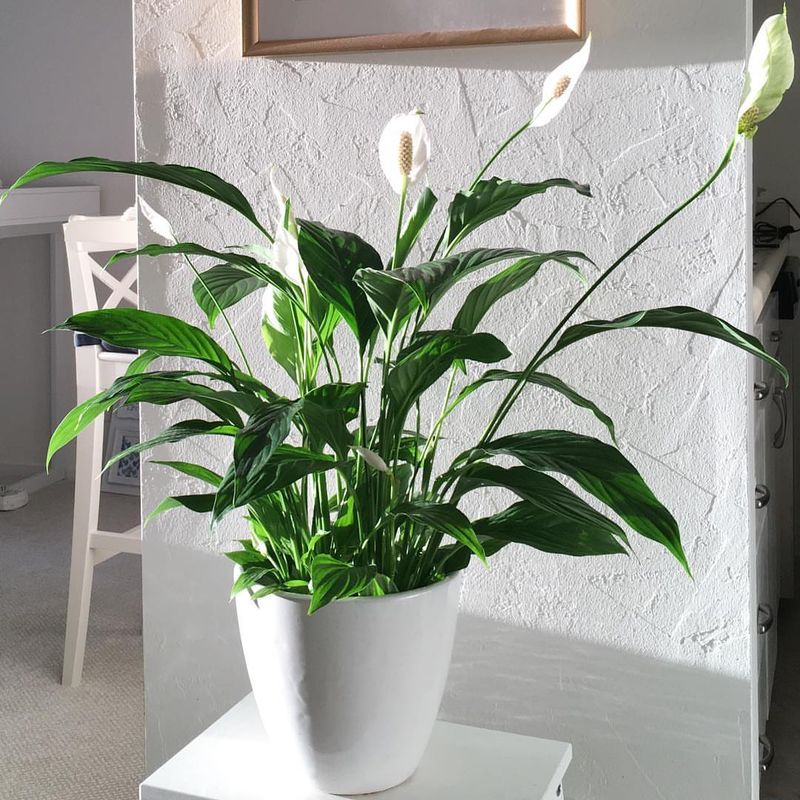
Cat owners need to be especially careful around lilies because even the smallest exposure can lead to serious kidney problems in felines.
Every part of true lilies, including the petals, leaves, pollen, and even the water in the vase, contains substances that are highly poisonous to cats.
Common varieties like Easter lilies, tiger lilies, and Asiatic lilies are particularly worrisome and should never share space with curious cats.
Symptoms can appear within just a few hours and may include excessive drooling, vomiting, loss of appetite, and lethargy that progresses rapidly.
NYC apartments often have limited space, which makes it harder to keep dangerous plants completely out of reach from adventurous pets who love to jump on counters and shelves.
Even a small amount of pollen transferred from a lily to a cat’s fur can become hazardous when the cat grooms itself later.
The best approach for cat owners is to avoid bringing lilies into the home entirely, opting instead for safer flowering alternatives.
If you receive lilies as a gift, consider giving them to a friend without cats or displaying them in a location your pet cannot access.
Quick veterinary attention is absolutely critical if you suspect your cat has encountered any part of a lily plant.
Snake Plants That Can Upset Pets’ Digestive Systems
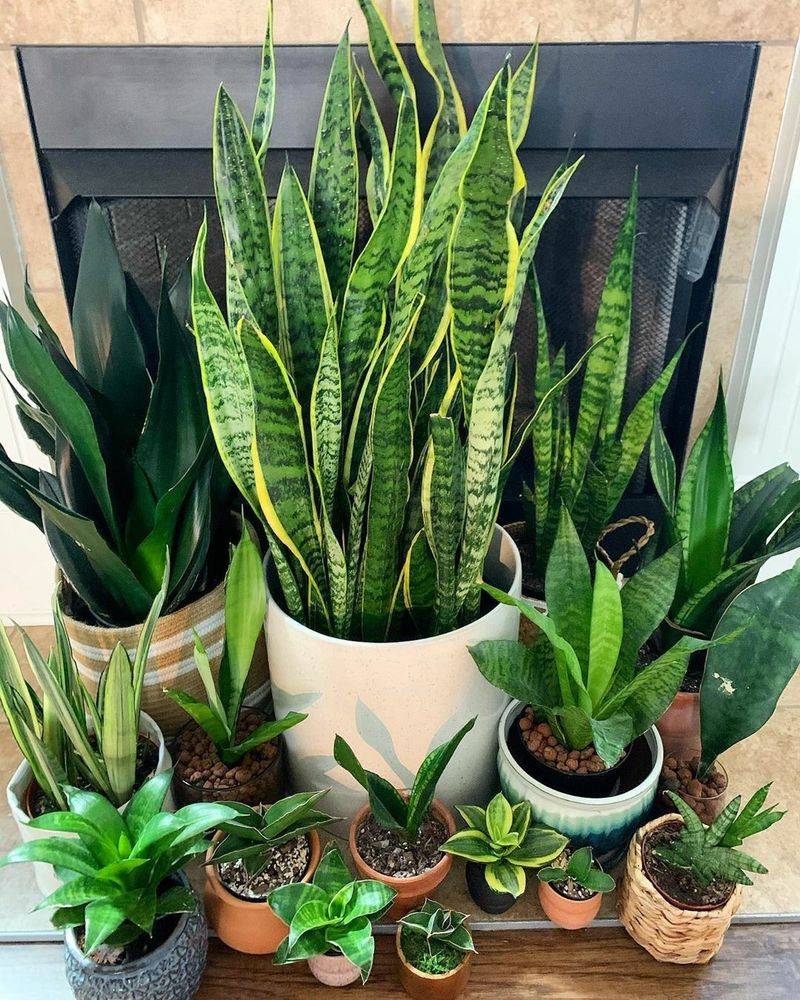
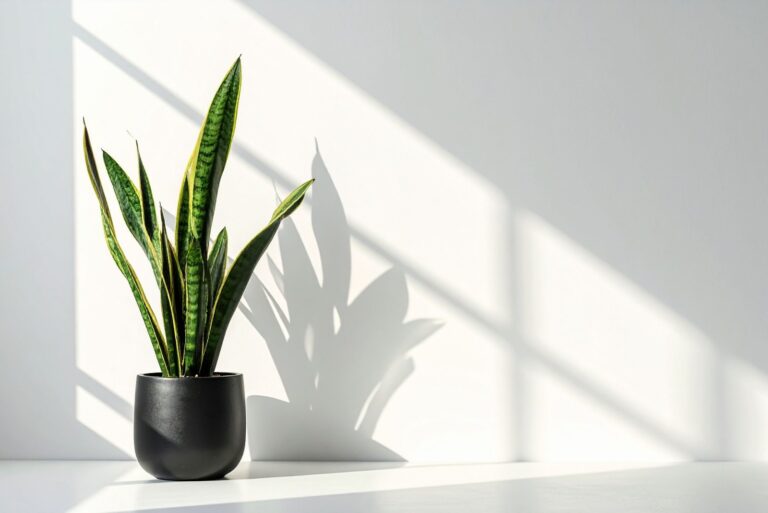
Sansevieria, commonly called snake plant or mother-in-law’s tongue, ranks among the most popular houseplants for apartment dwellers because it tolerates low light and requires minimal watering.
Unfortunately, this hardy plant contains saponins, which are natural chemicals that protect the plant but can cause uncomfortable reactions in pets who chew on the leaves.
Dogs and cats who nibble snake plants may experience nausea, vomiting, diarrhea, and excessive drooling as their bodies react to these irritating compounds.
The symptoms are usually not life-threatening but can make your pet feel miserable and may require supportive care from a veterinarian.
Snake plants are often placed on the floor or low shelves in NYC apartments because of their architectural appearance and ability to thrive in corners with limited natural light.
This placement makes them easily accessible to curious pets who enjoy exploring and tasting new things in their environment.
Consider moving snake plants to high shelves, hanging planters, or rooms that are completely off-limits to your pets.
You might also try pet-safe alternatives like spider plants or Boston ferns that offer similar visual appeal without the digestive risks.
Training your pets to avoid plants and providing plenty of appropriate chew toys can also help reduce unwanted plant interactions.
Pothos Plants That Cause Mouth And Stomach Irritation
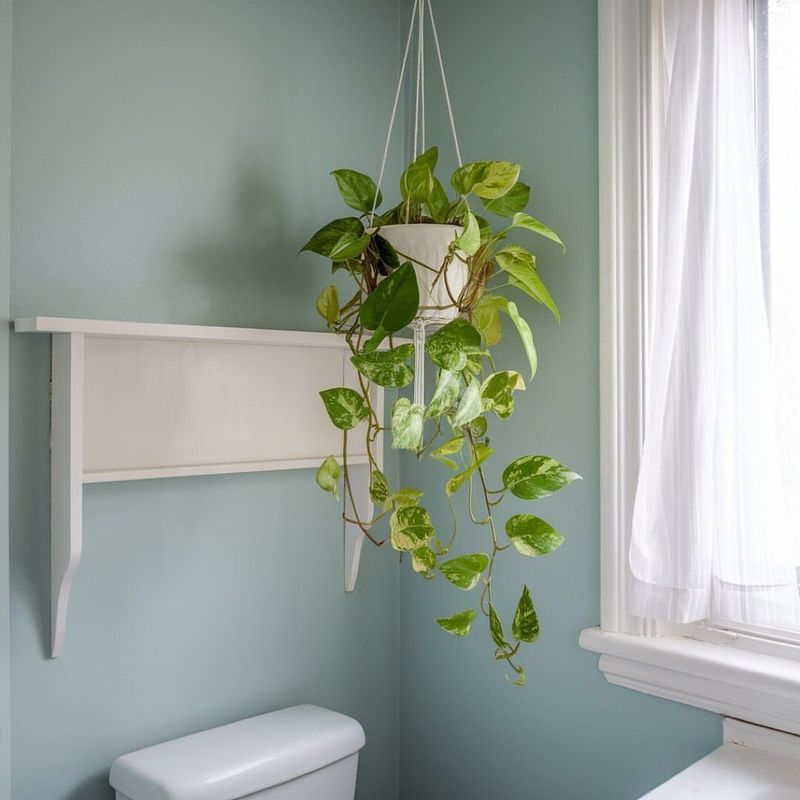
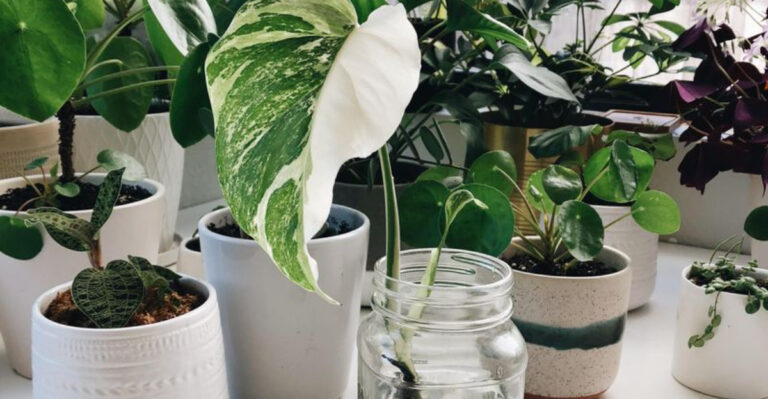
Pothos has earned a reputation as the perfect beginner plant because it grows quickly, forgives neglect, and produces beautiful cascading vines that add life to any room.
However, this easy-care favorite contains calcium oxalate crystals that can cause immediate burning sensations and swelling when pets bite into the leaves.
Both cats and dogs may experience intense oral pain, excessive drooling, pawing at the mouth, difficulty swallowing, and vomiting after contact with pothos.
The trailing nature of pothos makes it especially problematic in small apartments where vines can dangle within easy reach of playful pets who see them as tempting toys.
Many pet owners hang pothos near windows or from ceiling hooks, but determined cats can still reach them by climbing furniture or leaping from nearby surfaces.
Young pets who are still learning what they should and should not chew are particularly vulnerable to pothos exposure.
If you already have pothos plants, consider relocating them to bathrooms or bedrooms where pets do not have access throughout the day.
Regularly trimming vines to keep them short and out of reach can also minimize the temptation for curious animals.
Pet-friendly alternatives like Swedish ivy or prayer plants offer similar trailing beauty without the associated health risks for your four-legged companions.
Aloe Vera That Can Harm Curious Cats And Dogs
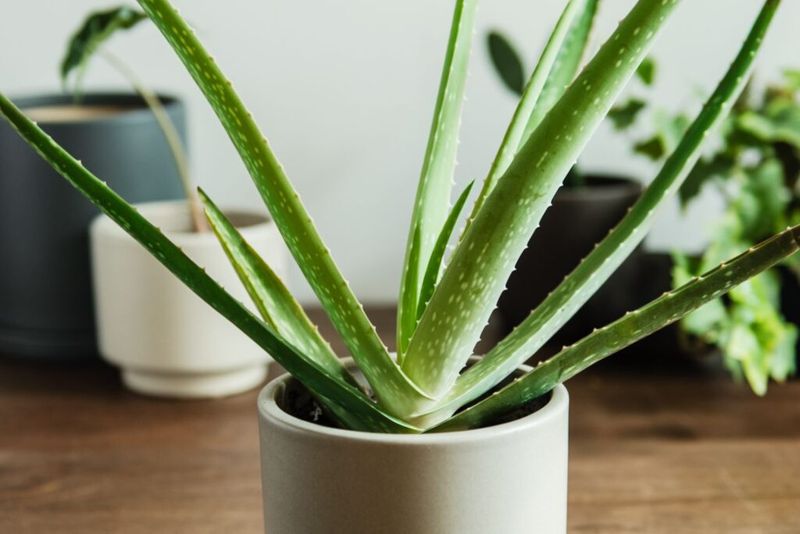
Aloe vera enjoys widespread popularity as a multipurpose succulent valued for its soothing gel that helps treat minor burns and skin irritations in humans.
Many apartment dwellers keep aloe plants on kitchen windowsills or bathroom counters for easy access to the healing gel inside the thick leaves.
What surprises many pet owners is that the same plant that soothes human skin can cause significant discomfort when cats or dogs chew on the leaves.
The outer layer of aloe leaves contains compounds called anthraquinones that act as natural laxatives and can cause vomiting, diarrhea, lethargy, and changes in urine color in pets.
Cats and dogs may be attracted to aloe plants because of their interesting texture and the moisture contained within the fleshy leaves.
Small NYC apartments often have limited surfaces for plant placement, which means aloe vera frequently ends up in locations where pets can easily reach and investigate.
If your pet shows interest in your aloe plant, the safest solution is to remove it from your home or place it in a completely sealed room.
You might consider growing aloe in a secure outdoor space if you have access to a balcony or rooftop garden area.
Pet-safe succulents like echeveria or haworthia offer similar low-maintenance care without posing digestive risks to your furry friends.
Philodendrons That Pose A Chewing Hazard
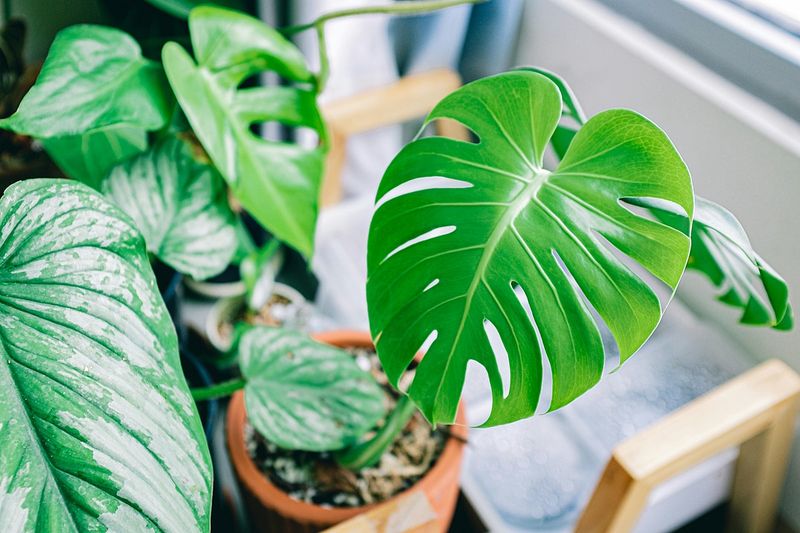
Philodendrons represent one of the largest and most diverse groups of houseplants, with varieties ranging from climbing vines to bushy upright specimens that suit different decorating styles.
These tropical plants adapt well to indoor conditions and can tolerate the lower humidity and inconsistent light found in many city apartments.
Unfortunately, all philodendron varieties contain calcium oxalate crystals that cause immediate pain and irritation when pets bite into the leaves or stems.
Symptoms in affected cats and dogs include intense oral discomfort, drooling, swelling of the mouth and throat, difficulty swallowing, and potential vomiting.
The widespread availability and variety of philodendrons means they appear in countless NYC apartments, often positioned on plant stands, bookshelves, or trailing from macrame hangers.
Young pets going through their curious phase are especially likely to experiment with chewing on philodendron leaves that dangle temptingly within reach.
Some pet owners mistakenly believe that their animals will naturally avoid harmful plants, but many pets will sample new items out of curiosity or boredom.
Creating physical barriers between pets and philodendrons or choosing to rehome these plants can prevent painful incidents.
Consider replacing philodendrons with safe options like calathea, peperomia, or maranta, which provide similar tropical aesthetics without the associated dangers to household pets.
ZZ Plants That Are Toxic If Ingested
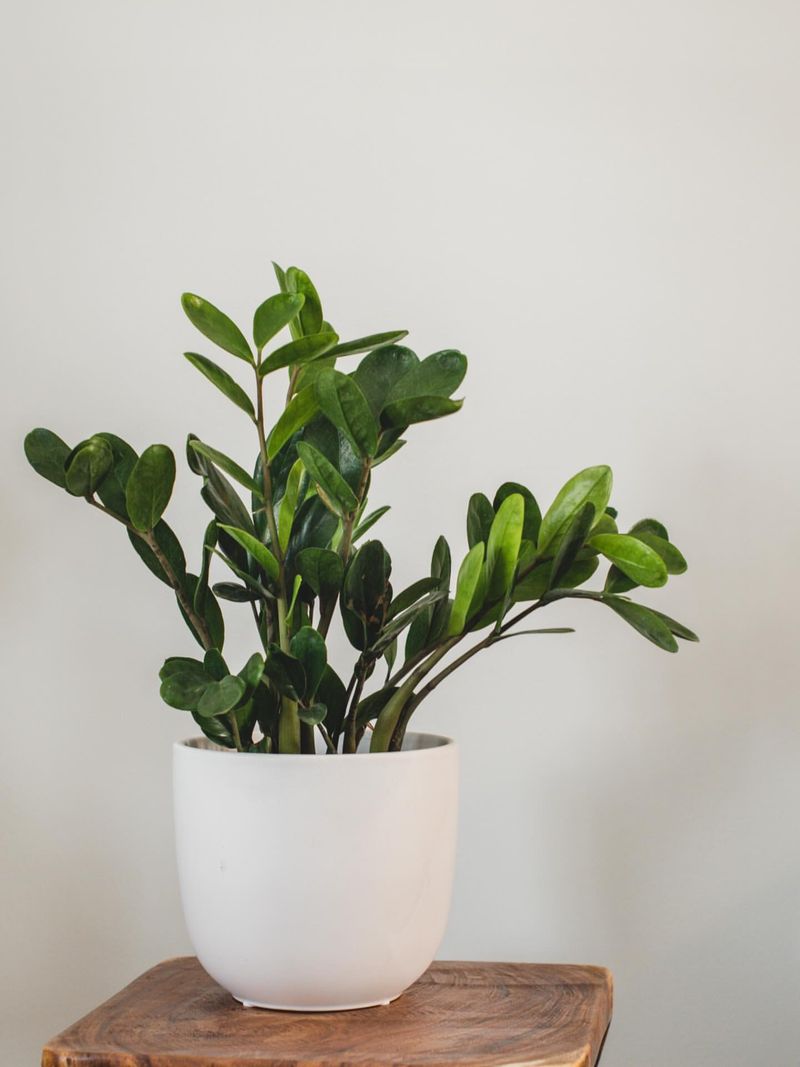
Zamioculcas zamiifolia, better known as the ZZ plant, has become incredibly trendy in recent years among urban plant enthusiasts who appreciate its striking appearance and nearly indestructible nature.
This plant tolerates neglect, low light, and irregular watering better than almost any other houseplant, making it ideal for busy New Yorkers with demanding schedules.
The glossy, architectural leaves add a modern touch to minimalist apartment decor, which explains why ZZ plants appear in so many city homes and offices.
However, all parts of the ZZ plant contain calcium oxalate crystals that can cause oral irritation, excessive drooling, vomiting, and digestive discomfort in pets who chew on them.
The sap from broken leaves or stems can also cause skin irritation in some animals and humans who come into direct contact with it.
Because ZZ plants grow relatively slowly and maintain a compact form, they often get placed on coffee tables, desks, or low plant stands where curious pets can easily access them.
Pet owners should monitor their animals around ZZ plants and watch for signs of interest like sniffing, pawing, or attempted chewing.
Moving ZZ plants to higher locations or behind closed doors can help protect pets from accidental exposure.
If you want a similarly hardy and attractive alternative, consider cast iron plants or parlor palms, which are much safer for homes with cats and dogs.
What New York Apartment Pet Owners Should Do Instead
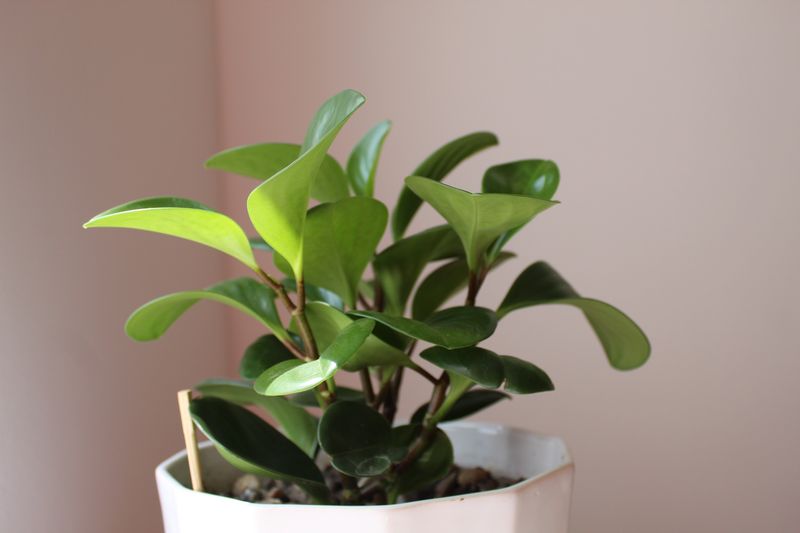
Creating a pet-friendly indoor garden in your NYC apartment requires thoughtful planning, but it absolutely can be done without sacrificing style or greenery.
Start by researching which plants are verified as non-toxic to cats and dogs before making any purchases from nurseries or plant shops.
Excellent safe options include spider plants, Boston ferns, African violets, prayer plants, calathea, peperomia, parlor palms, and many varieties of succulents like echeveria and haworthia.
These alternatives offer diverse textures, colors, and growth habits that can satisfy any decorating preference while keeping your pets out of danger.
Strategic placement also plays a crucial role in plant safety, especially in compact apartment spaces where every surface counts.
Use tall plant stands, wall-mounted shelves, or hanging planters to keep any questionable plants completely out of paw’s reach.
You might designate certain rooms as plant rooms where pets are not allowed, or use baby gates to create plant-safe zones.
Training your pets to leave plants alone through positive reinforcement can also help, though it should never be your only line of defense.
Always keep the contact information for your veterinarian and the ASPCA Animal Poison Control Center readily available in case of emergencies involving plant exposure.