These Common Yard Features Could Soon Be Banned In New Jersey

New Jersey homeowners might soon face surprising restrictions on what they can keep in their yards.
From fire safety concerns to environmental protection efforts, state and local officials are proposing rules that could change how we landscape and maintain our outdoor spaces.
Understanding these potential bans now can save you time, money, and hassle down the road.
Here are ten common yard features that could soon face restrictions or outright bans across the Garden State.
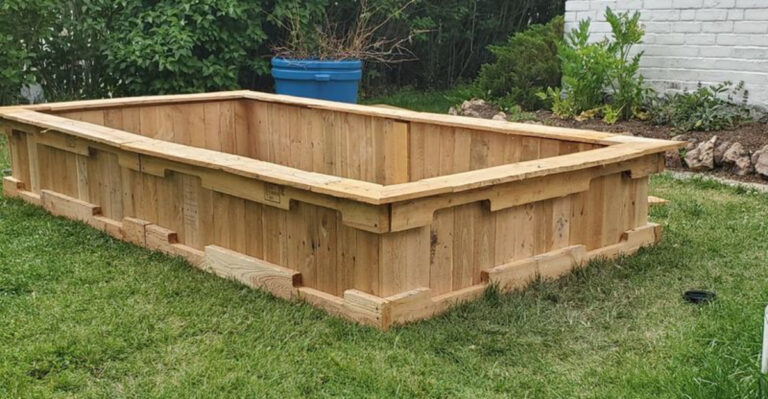
Combustible Mulch Beds Too Close To Homes

Starting in April 2025, New Jersey’s updated fire code will prohibit combustible mulch within 18 inches of houses, decks, and other structures.
This new regulation addresses a growing fire safety concern that many homeowners never considered.
Wood chips, pine bark, and similar organic materials can ignite from cigarette butts, embers from grills, or even reflected sunlight through windows.
Once ignited, mulch fires can spread rapidly to wooden siding, decks, and foundations, causing extensive property damage.
Fire safety regulators implemented this rule after analyzing patterns in residential fires and discovering that mulch beds contributed to structure fires more often than most people realize.
The good news is that compliance doesn’t mean tearing out all your landscaping.
Homeowners have several attractive alternatives, including stone, gravel, decorative rock, or non-combustible rubber mulch within that 18-inch buffer zone.
Beyond the buffer, you can continue using traditional wood mulch as usual.
Property owners should plan to adjust their landscaping before the April 2025 deadline to avoid potential fines.
Many garden centers and landscapers are already helping customers transition to compliant designs that maintain curb appeal while meeting the new safety standards.
Gas-Powered Leaf Blowers During Most Of The Year

Several New Jersey municipalities are cracking down on gas-powered leaf blowers because of noise pollution and air quality concerns.
Princeton and other progressive towns have already implemented seasonal restrictions that ban these machines for significant portions of the year.
The regulations typically prohibit gas blowers from late spring through early fall, allowing them only during peak leaf season in autumn.
Critics point out that gas-powered blowers emit surprising amounts of pollution—a single hour of operation can produce emissions equivalent to driving a car hundreds of miles.
The noise factor also matters tremendously, as these machines can reach 100 decibels or more, disrupting neighborhoods and creating health concerns for residents and workers alike.
Professional landscapers have mixed feelings about these restrictions.
Some appreciate the push toward quieter, cleaner battery-powered equipment, which has improved dramatically in recent years.
Others worry about the higher upfront costs and whether battery technology can handle large commercial properties efficiently.
Homeowners generally support the limits, especially those who work from home or have young children.
Before purchasing new equipment or hiring a lawn service, check your local ordinances to see what restrictions apply in your specific town.
Invasive Or Non-Native Plant Species In New Landscapes
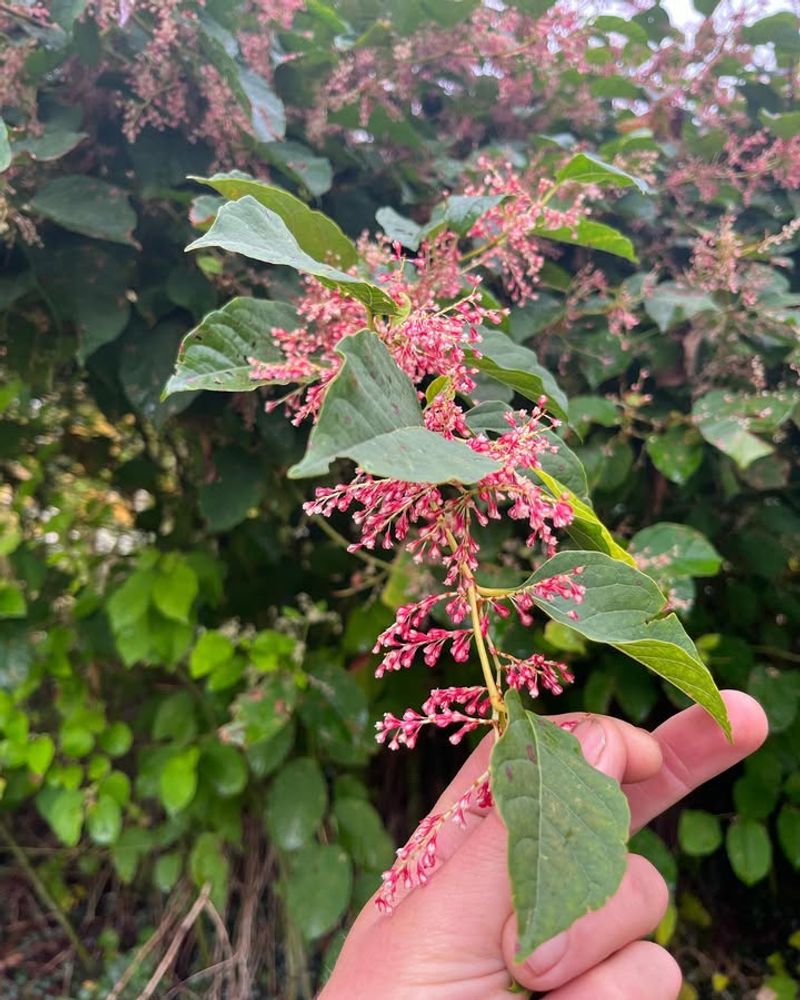
Ecological concerns are driving some New Jersey municipalities to restrict or outright ban certain invasive plant species from residential landscapes.
Plants like Japanese knotweed, purple loosestrife, multiflora rose, and certain varieties of bamboo are increasingly unwelcome in Garden State yards.
These aggressive species might look attractive initially, but they spread uncontrollably, choking out native plants and disrupting local ecosystems.
When invasive plants escape from yards into natural areas, they can alter soil chemistry, reduce biodiversity, and even change water flow patterns.
The environmental damage often costs taxpayers millions in control and restoration efforts.
Some towns are taking proactive approaches by creating lists of prohibited plants and requiring landscaping plans for new construction to feature native species instead.
Nurseries and garden centers are also adapting, with many now labeling invasive species and offering native alternatives that provide similar aesthetic appeal without ecological risks.
Homeowners planning new landscaping should consult their local environmental commission or the New Jersey Invasive Species Strike Team website before purchasing plants.
Replacing invasive species with natives often attracts more butterflies, birds, and beneficial insects while requiring less maintenance and water.
Making informed planting choices protects both your property value and New Jersey’s natural heritage for future generations.
Excessively Large Unpermitted Outdoor Structures
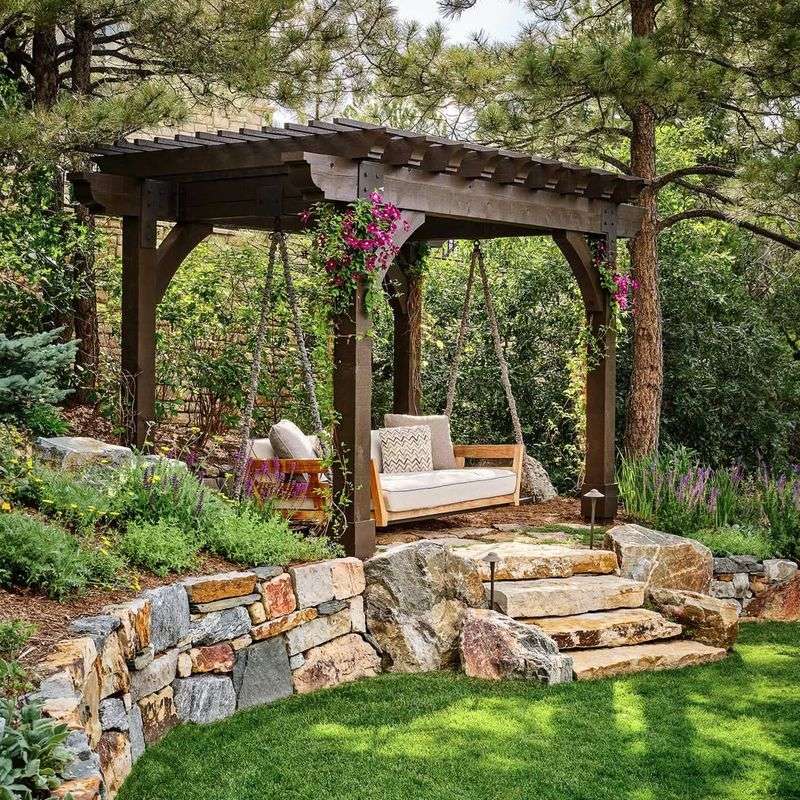
Many New Jersey homeowners don’t realize that sheds, pergolas, gazebos, and similar structures above certain sizes require building permits.
Local planning departments are increasingly enforcing these rules, effectively banning oversized unpermitted structures.
Typical thresholds vary by municipality but often fall around 100 to 200 square feet for sheds and similar buildings.
Anything larger generally requires a permit, setback compliance, and sometimes even foundation inspections.
Why do towns care so much about backyard structures?
Safety ranks as the primary concern—improperly built structures can collapse, create fire hazards, or violate electrical codes.
Zoning regulations also matter, ensuring structures don’t block sightlines, encroach on easements, or create drainage problems for neighboring properties.
Property line setbacks prevent disputes and maintain neighborhood character.
Homeowners who skip the permitting process face potential fines and may be forced to remove structures entirely.
Unpermitted structures can also create serious problems during home sales, as inspections often reveal violations that must be resolved before closing.
Before building anything substantial in your yard, contact your local building department to learn specific size limits and permitting requirements.
The application process usually takes just a few weeks and costs far less than dealing with violations later.
Backyard Ponds And Water Features That Affect Drainage
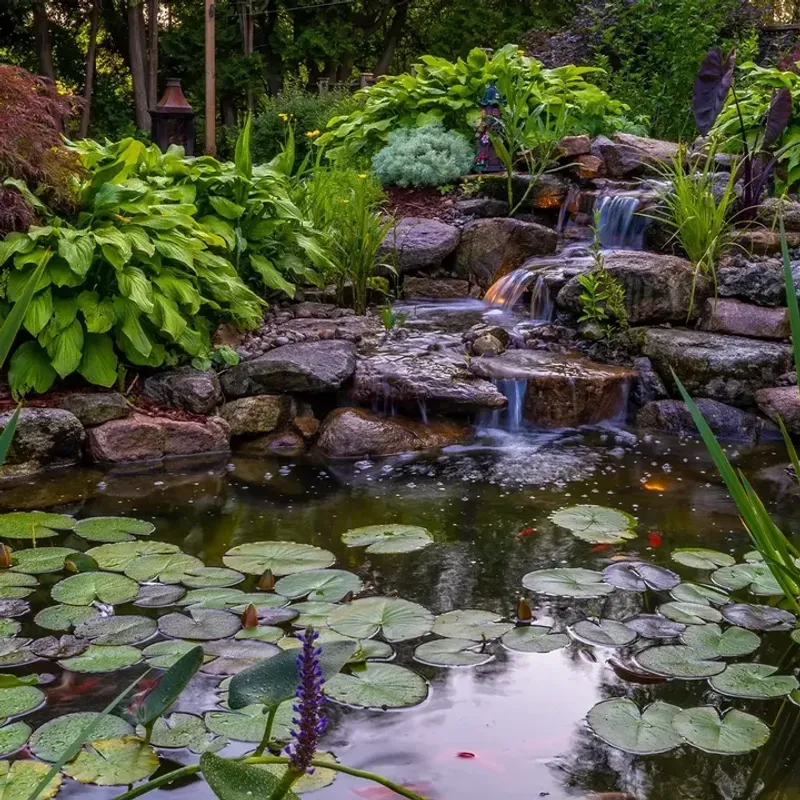
Decorative ponds and elaborate water features have become increasingly popular, but certain installations may soon face bans or heavy permitting requirements in New Jersey.
The concern centers on water features that alter natural drainage patterns or require significant excavation.
When homeowners dig large ponds or redirect water flow, they can inadvertently cause flooding on neighboring properties or disrupt underground water tables.
New Jersey’s strict wetlands protection laws add another layer of complexity.
Even small projects can trigger regulatory review if they’re near protected wetlands or waterways.
State and local environmental agencies want to ensure that backyard water features don’t harm sensitive ecosystems or violate buffer zone requirements.
Property owners planning water features should consult both their municipal engineering department and the NJDEP before breaking ground.
Simple above-ground features like birdbaths and small fountains generally face no restrictions.
However, anything involving excavation, permanent plumbing, or changes to natural water flow likely requires permits and professional engineering plans.
Working with experienced landscape contractors who understand New Jersey’s regulatory environment can help you design compliant water features that enhance your yard without creating legal headaches.
The permitting process protects both your investment and your neighbors’ properties from unintended water damage.
Tall Privacy Fences Without Approval
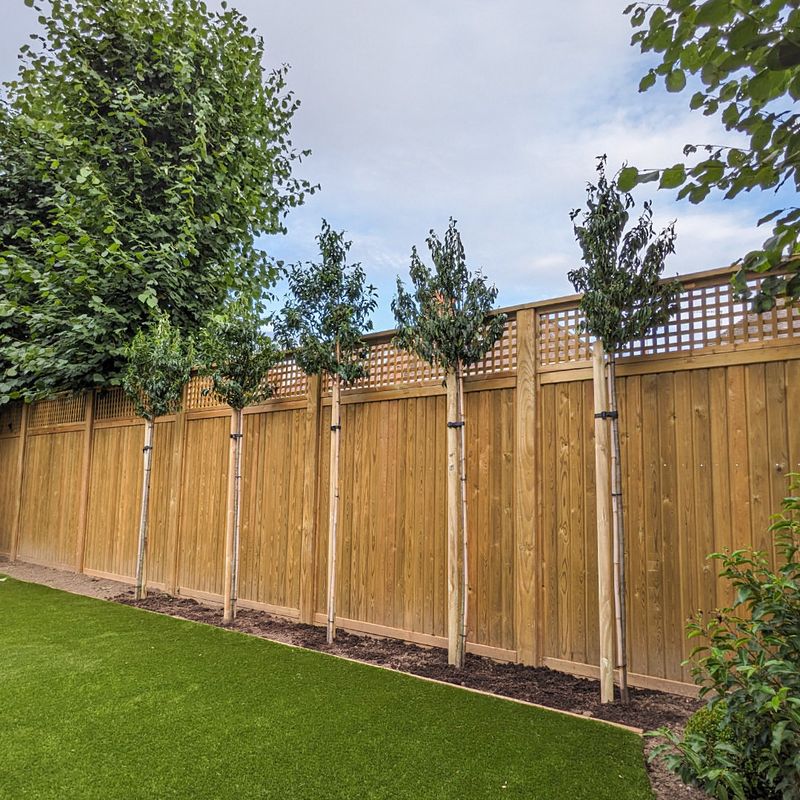
Privacy matters to homeowners, but New Jersey municipalities strictly regulate fence heights to balance privacy needs with safety and neighborhood aesthetics.
Most towns cap backyard fences at six feet, while front yard fences typically max out at three or four feet.
Exceeding these limits without approval effectively bans certain tall privacy designs that homeowners might prefer.
Why do these height restrictions exist?
Traffic safety represents a major concern, especially at corner lots where tall fences can block drivers’ sightlines and create dangerous blind spots.
Neighborhood character and property values also factor into these regulations, as excessively tall fences can make areas feel closed-off and unwelcoming.
Some towns worry about fences creating fortress-like appearances that clash with community aesthetics.
Homeowners who install oversized fences without permits risk receiving violation notices requiring fence removal or modification.
These situations can become expensive and contentious, especially if neighbors complain.
Before installing any fence, check your local zoning ordinances and homeowners association rules if applicable.
Many municipalities offer variance processes for special circumstances, allowing taller fences when homeowners can demonstrate legitimate need without creating safety hazards.
Professional fence installers familiar with local codes can help design compliant privacy solutions that meet your needs while respecting community standards.
Backyard Chicken Coops With Too Many Birds
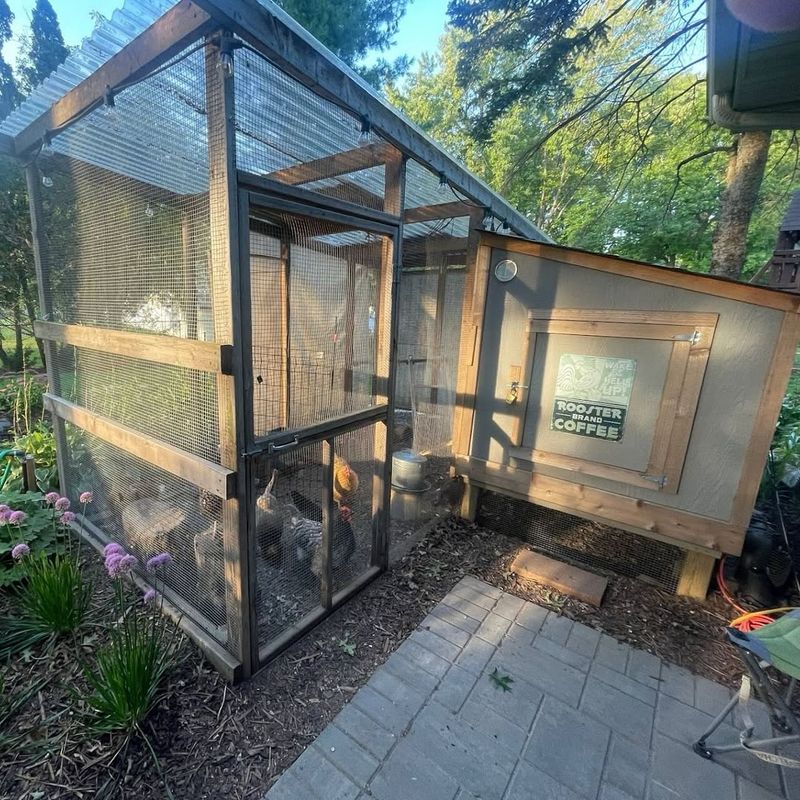
Urban farming has gained tremendous popularity, but New Jersey towns are carefully regulating backyard chicken keeping to balance hobby farming with neighbor harmony.
Many municipalities now allow small flocks but impose strict limits on bird numbers and almost universally ban roosters.
Typical ordinances permit three to six hens maximum, creating effective bans on larger backyard coops.
These restrictions aim to minimize noise complaints, odor issues, and rodent attraction.
While hens are relatively quiet, roosters crow loudly at dawn and throughout the day, making them incompatible with residential neighborhoods.
Larger flocks also generate more waste, attracting flies and potentially creating sanitation concerns.
Most towns also enforce setback requirements, mandating that coops sit at least 10 to 25 feet from property lines and neighboring homes.
Some municipalities require annual permits and inspections to ensure proper coop maintenance and animal welfare.
Aspiring chicken keepers should research local ordinances thoroughly before purchasing birds or building coops.
Talking with neighbors beforehand can prevent conflicts and help you design a coop setup that respects everyone’s quality of life.
Well-maintained small flocks rarely cause problems and can provide fresh eggs and natural pest control.
Following regulations ensures your backyard farming hobby remains a positive experience rather than becoming a source of neighborhood tension.
Outdoor Security Cameras That Violate Privacy Rules
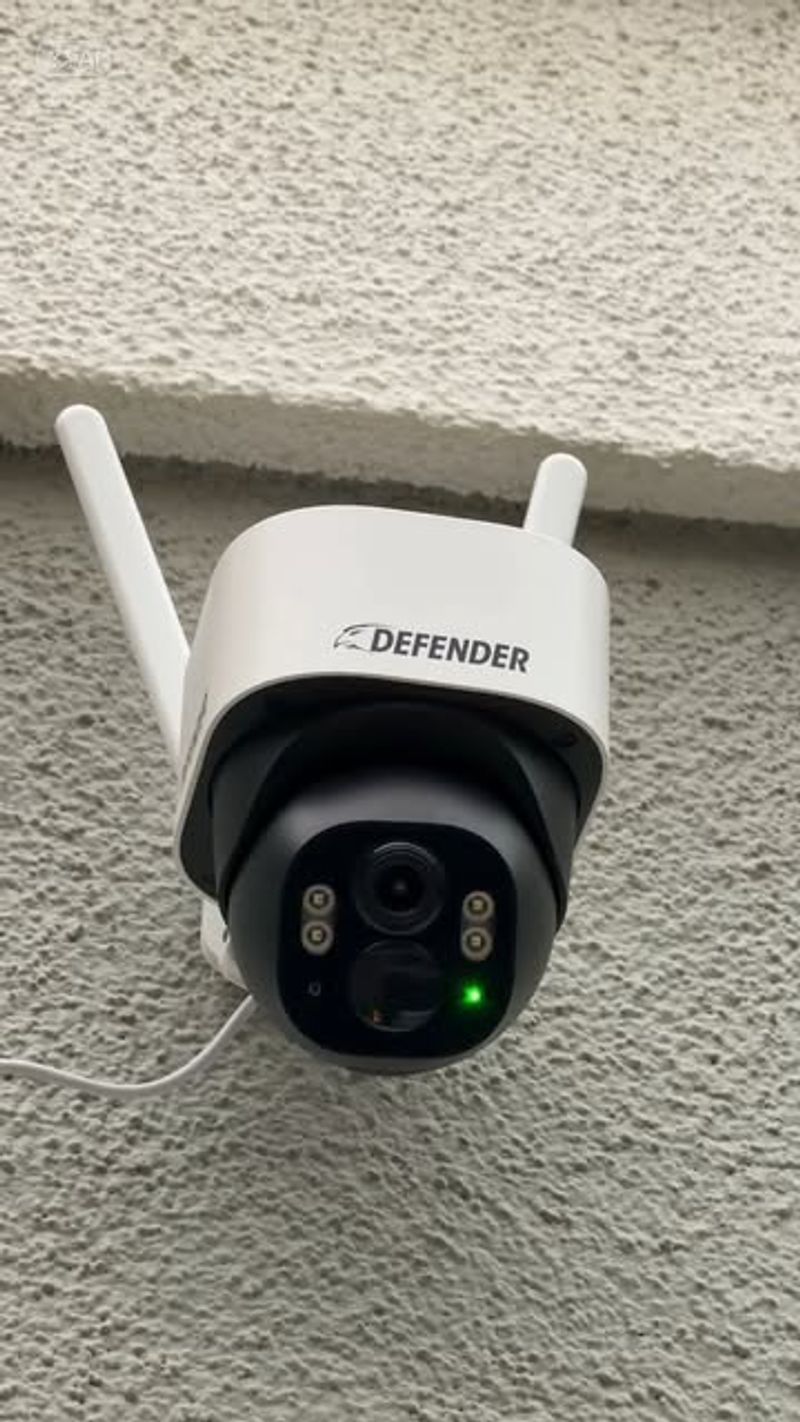
Home security technology has become incredibly affordable and accessible, but New Jersey homeowners need to be careful about where they point their outdoor cameras.
Local privacy and surveillance ordinances increasingly restrict certain camera placements, effectively banning overly intrusive setups.
The concern centers on cameras that capture significant footage of neighboring properties, particularly areas where people have reasonable expectations of privacy.
While you can certainly monitor your own property, cameras that peer into neighbors’ yards, windows, or pool areas can violate privacy rights and local ordinances.
Some municipalities have passed specific regulations limiting camera angles and requiring homeowners to adjust systems that capture excessive neighboring property footage.
Violating these rules can result in fines and orders to reposition or remove cameras.
Legal disputes between neighbors over intrusive cameras are also becoming more common, sometimes resulting in costly civil lawsuits.
Smart camera placement focuses on entry points, driveways, and your own yard rather than sweeping views that include neighbor properties.
Many modern security systems allow you to set privacy zones that blur or block specific areas from recording.
Before installing outdoor cameras, review your local ordinances and consider discussing your security plans with neighbors.
This proactive approach protects everyone’s privacy while still allowing you to secure your home effectively.
Turf Or Lawn Expanses That Conflict With Stormwater Rules
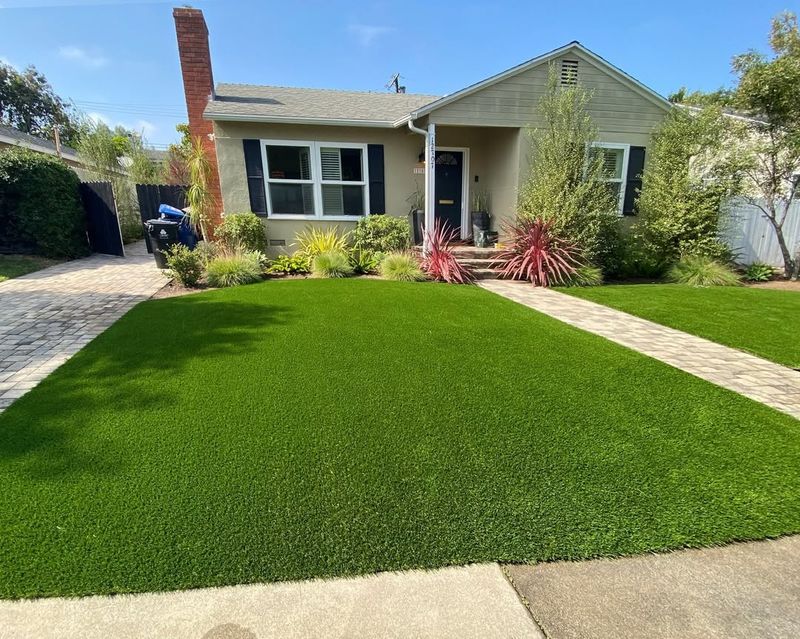
Traditional sprawling lawns have defined American suburban landscapes for decades, but New Jersey environmental regulations are beginning to discourage dense turf expanses.
The New Jersey Department of Environmental Protection’s evolving stormwater management and resilient landscaping goals are making pure grass yards harder to justify.
Large lawn areas contribute to stormwater runoff problems by preventing water absorption, sending pollutants directly into storm drains and waterways.
When rain falls on compacted turf, it runs off quickly rather than soaking into the ground to recharge aquifers and filter naturally.
New regulations increasingly encourage or require homeowners to incorporate rain gardens, permeable paving, native plant beds, and other green infrastructure features.
Some new developments must meet specific stormwater management standards that limit lawn coverage and require alternative landscaping approaches.
Existing properties aren’t necessarily required to eliminate lawns immediately, but the regulatory trend clearly points toward more diverse, environmentally functional landscapes.
Homeowners planning major landscape renovations should consider incorporating native plants, reducing lawn size, and adding rain garden features that capture and filter stormwater naturally.
These changes often reduce maintenance requirements while supporting local pollinators and wildlife.
Many municipalities and environmental organizations offer free consultations and even financial incentives for homeowners who replace turf with rain gardens and native landscaping.
Planting Or Disturbing Protected Buffers Without Permits

New Jersey’s environmental protection laws strictly regulate activities near streams, wetlands, and other sensitive natural features.
Clearing vegetation, planting non-native species, or disturbing soil in these protected buffer zones is effectively banned without obtaining proper permits from NJDEP or municipal environmental agencies.
These buffer zones typically extend 50 to 300 feet from waterways and wetlands, depending on the resource classification.
The regulations exist to protect water quality, prevent erosion, and maintain habitat for wildlife.
Natural vegetation in buffer zones filters pollutants, stabilizes stream banks, and provides critical ecosystem functions.
Many homeowners unknowingly violate these rules when attempting seemingly innocent yard work like clearing brush, planting gardens, or creating paths near streams.
Even minor disturbances can trigger enforcement actions, including stop-work orders, restoration requirements, and significant fines.
Before starting any yard project, determine whether your property includes regulated buffers by checking municipal maps or consulting your local environmental commission.
If buffers exist, contact NJDEP or your municipal environmental office before disturbing vegetation or soil.
Permitted activities typically require detailed plans showing how you’ll protect water resources and may involve restoration plantings with native species.
Understanding and respecting buffer zone regulations protects both your property investment and New Jersey’s precious water resources for everyone.