These Common Yard Features Could Soon Be Banned In New Jersey Neighborhoods
Walk down a quiet street in many New Jersey towns and you will see lawns and gardens that reflect pride and personality. Neat fences, decorative ponds, wide patios and colorful planting beds seem like harmless touches.
But across the state, community leaders and councils are reviewing rules that could affect many of these familiar yard features without much warning.
A neighbor once showed me his charming backyard fountain only to learn it might have to be removed under a new ordinance. That surprised both of us.
Some features that impact water flow, block sightlines, or conflict with updated zoning standards are drawing more attention than ever. Knowing what elements might fall out of favor helps homeowners plan wisely and avoid costly redesigns or fines.
Paying attention now gives you the chance to protect your outdoor space and keep it looking the way you want. Understanding these changes before they take effect could save you a lot of frustration later.
Artificial Turf Lawns
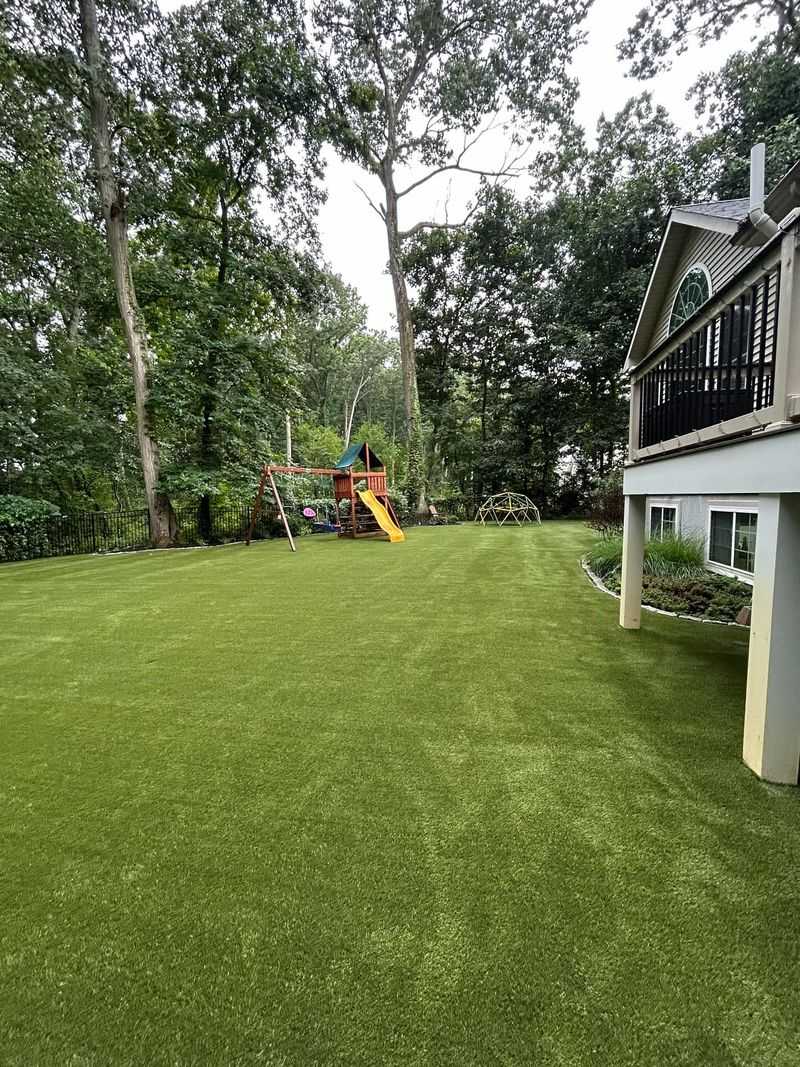
Artificial turf has become a popular alternative to natural grass in New Jersey, promising a maintenance-free lawn that stays green year-round. However, concerns about environmental impact have municipalities reconsidering its use.
These synthetic surfaces shed microplastics as they degrade, which can be washed into storm drains during rain events, eventually contaminating rivers, lakes, and the ocean.
Studies suggest that microplastics can harm aquatic life, from tiny invertebrates to fish, and enter food webs. Heat retention is another significant issue: in summer, turf surfaces can reach temperatures over 150°F, creating unsafe conditions for children, pets, and wildlife.
Alternatives such as clover lawns, native grass mixes, and low-maintenance perennial ground covers offer similar aesthetic appeal without the environmental drawbacks.
In Monmouth County, several homeowners have transitioned to these natural options, reporting improved soil health, increased pollinator activity, and lower surface temperatures.
As awareness of microplastics grows, more towns may implement restrictions, encouraging sustainable landscaping that benefits local ecosystems, conserves water, and protects public health while still maintaining attractive residential landscapes.
Bradford Pear Trees
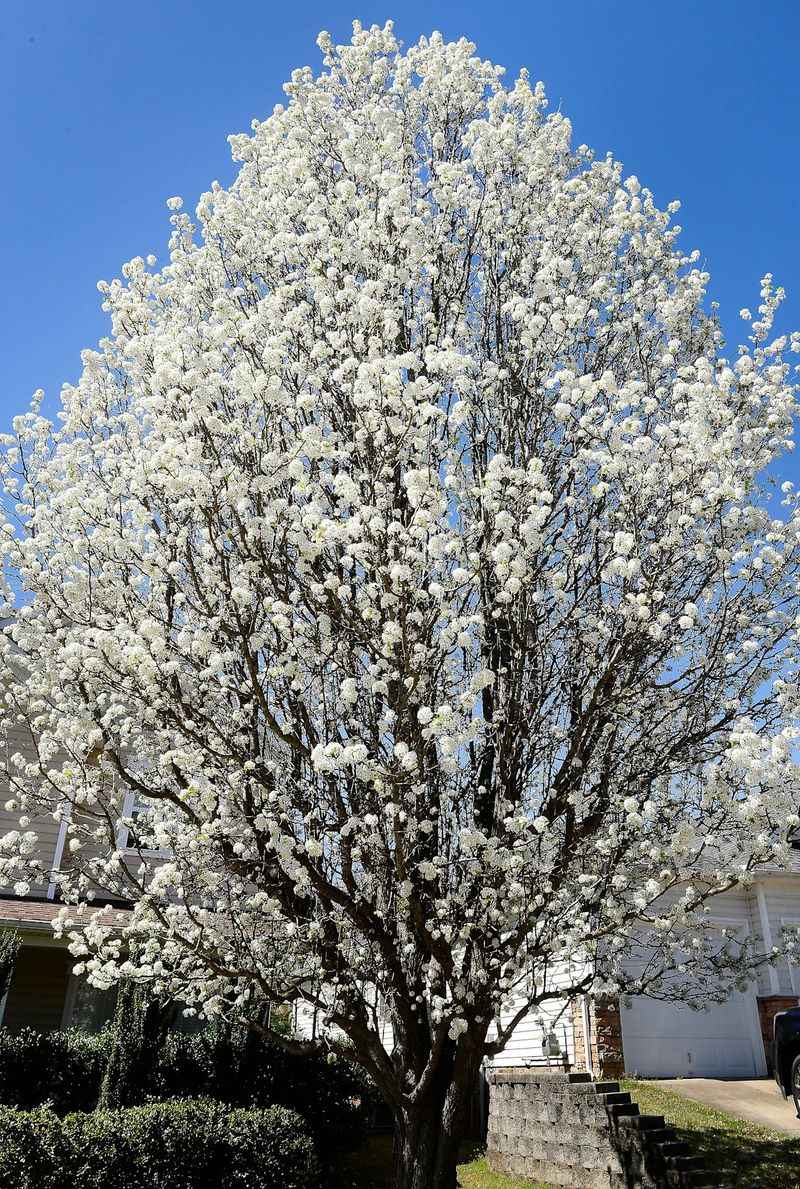
Bradford pear trees were once celebrated for their rapid growth and abundant white spring flowers, making them a common choice for suburban landscapes across New Jersey. However, their popularity has declined sharply due to significant ecological concerns.
These trees are highly invasive; they produce viable seeds that cross-pollinate with other pear varieties, leading to thorny, wild offspring that crowd out native vegetation in forests, wetlands, and urban green spaces.
In counties like Morris, voluntary removal programs encourage homeowners to replace Bradford pears with native alternatives such as American redbud or dogwood trees, which support pollinators and local biodiversity without creating invasive problems.
The issue extends beyond private property, as wild populations often spread along roadsides, into parks, and surrounding natural habitats, altering ecosystems and reducing native plant diversity.
Homeowners who remove Bradford pears report better support for birds, bees, and beneficial insects.
While the fragrant blossoms are aesthetically pleasing, the long-term environmental costs, including reduced wildlife habitat, soil erosion, and decreased ecosystem resilience, make them increasingly undesirable.
Conservationists recommend public education campaigns, incentives for native plantings, and removal of existing Bradford pear trees to mitigate their ecological impact while maintaining visually appealing landscapes.
Oversized Irrigation Systems
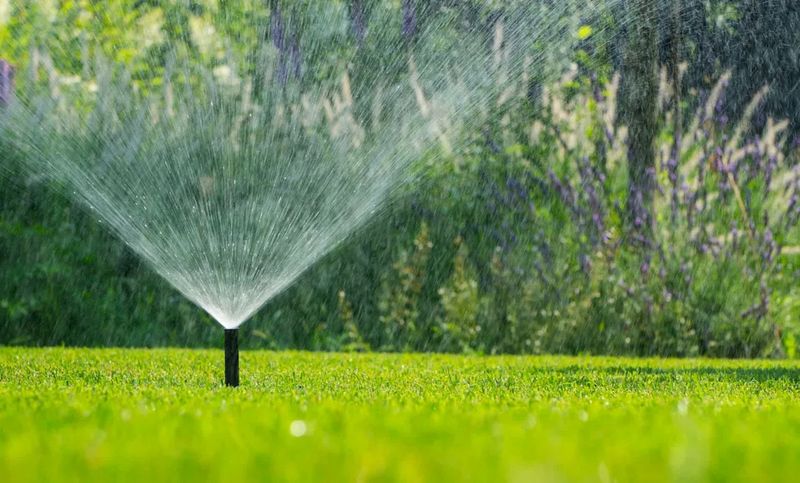
Overly large irrigation systems have come under scrutiny in New Jersey for their inefficiency and environmental impact.
Traditional sprinklers can waste thousands of gallons of water daily when set to blanket lawns regardless of soil conditions, rainfall, or plant needs.
During summer droughts, municipalities such as those in Middlesex County imposed strict watering restrictions, highlighting the need for smarter water management in residential areas.
Modern irrigation solutions, including smart controllers, drip systems, and rain sensors, deliver water directly to plant roots, minimizing evaporation and runoff while maintaining healthy landscaping.
Homeowners implementing these systems report not only significant water savings, sometimes up to 50%, but also improved plant health, as precise watering reduces stress and encourages deeper root growth.
Beyond conservation, reducing runoff prevents fertilizers and other chemicals from contaminating local waterways, contributing to cleaner lakes and streams.
Public education campaigns emphasize the environmental and financial benefits of transitioning to efficient irrigation. Property owners who upgrade their systems also increase compliance with upcoming municipal regulations, future-proofing their yards against restrictions.
In neighborhoods like Cherry Hill, residents combining drip irrigation with rainwater collection have reduced their water bills while fostering gardens that thrive sustainably, supporting both local flora and fauna.
English Ivy Ground Cover
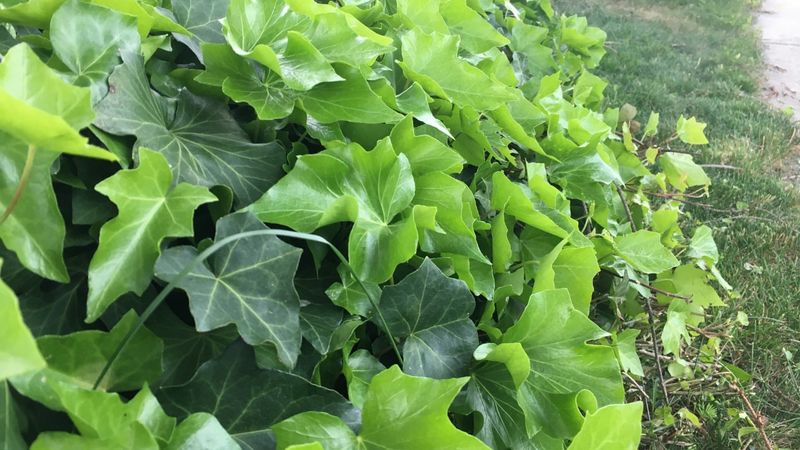
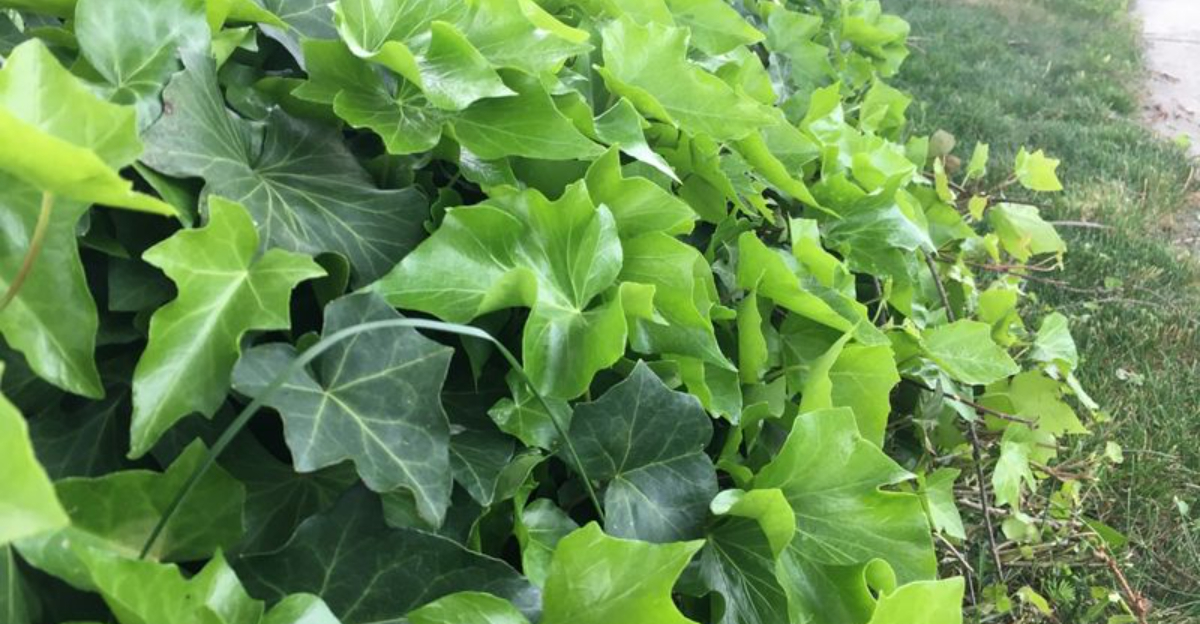
English ivy is widely admired in New Jersey for its evergreen foliage, climbing ability, and low maintenance. Homeowners often plant it as a ground cover or to adorn brick walls and fences.
However, its aesthetic appeal masks significant ecological consequences. When English ivy escapes cultivation, it smothers native plants in forests and woodlands, preventing sunlight from reaching seedlings and reducing plant diversity.
As the vine climbs trees, it can weaken branches, increase wind resistance, and eventually destroy mature trees, disrupting the structure and function of ecosystems.
In Princeton and other municipalities, educational campaigns highlight the risks of ivy invasion, encouraging homeowners to replace it with native alternatives such as woodland phlox, wild ginger, or partridgeberry.
These plants offer similar coverage, retain soil, and support pollinators without threatening nearby ecosystems. Controlling ivy requires vigilance: removing vines from the ground and trees, cutting roots, and monitoring for regrowth.
Residents who replace English ivy with native plantings not only reduce environmental damage but also foster habitats for birds, insects, and small mammals.
By promoting native ground covers, New Jersey homeowners contribute to ecological resilience, protect forest health, and enjoy beautiful landscapes that support biodiversity instead of harming it.
Chemical Fertilizer Applications
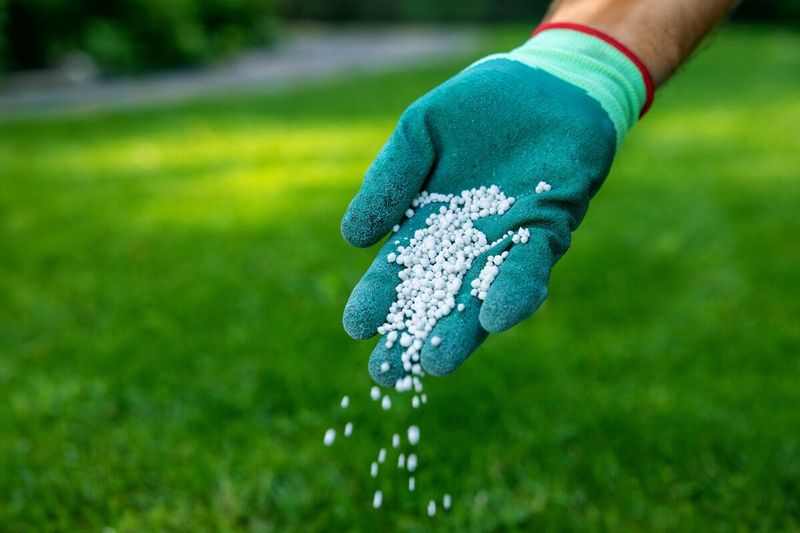
The overuse of chemical fertilizers in residential and commercial landscapes is creating environmental concerns across New Jersey. Nitrogen- and phosphorus-rich fertilizers, while effective at producing lush lawns, often run off into nearby rivers, lakes, and streams.
This runoff can trigger harmful algal blooms, which deplete oxygen, endanger fish, and disrupt aquatic ecosystems. Lake Hopatcong’s temporary closures during last summer’s bloom highlighted the risks of improper fertilizer use.
Municipalities bordering sensitive waterways have introduced regulations restricting the timing, type, and amount of fertilizers applied to lawns, emphasizing slow-release and organic alternatives.
Organic options, including compost teas, biofertilizers, and natural soil amendments, provide nutrients while improving soil structure, microbial activity, and long-term fertility without contaminating local waters.
Homeowners who switch to these sustainable methods often notice healthier lawns that require less water and fewer chemical inputs. Proper application, such as spreading fertilizers on dry grass before rain or using calibrated spreaders, also reduces environmental impact.
Educating communities about the relationship between lawn care and water quality encourages responsible practices.
By choosing organic or low-impact fertilizers and applying them judiciously, New Jersey residents protect waterways, aquatic life, and local wildlife, while still enjoying the beauty and productivity of their landscapes.
Japanese Barberry Hedges
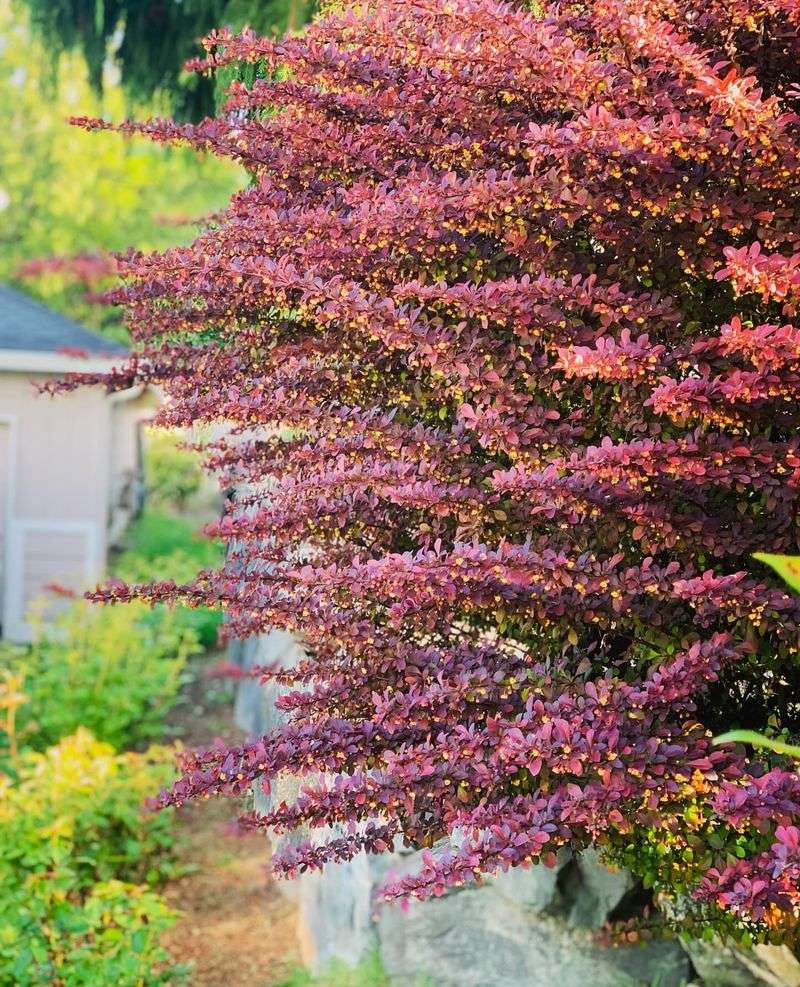
Japanese barberry is a popular landscape shrub in New Jersey, prized for its bright red leaves, compact growth habit, and deer resistance. However, its dense, thorny growth creates ideal habitats for mice, which serve as hosts for ticks carrying Lyme disease.
Consequently, barberry hedges contribute indirectly to higher tick populations, increasing public health risks.
In response, Hunterdon County health departments and environmental agencies have begun recommending removal or replacement of barberry with native shrubs like inkberry holly, bayberry, or spicebush.
These alternatives provide similar visual appeal, wildlife habitat, and privacy benefits without exacerbating tick infestations. Removing established barberry requires careful handling: gloves and protective gear are essential to avoid injuries from thorns.
Cutting, herbicide application, and subsequent monitoring prevent regrowth. Homeowners often combine removal with planting native groundcovers or wildflowers to restore ecological balance, support pollinators, and improve soil health.
Communities educating residents about the risks and alternatives see better compliance and healthier yards overall.
By replacing barberry hedges with native plants, New Jersey homeowners enhance public health, foster biodiversity, and maintain attractive, functional landscapes that align with environmental and safety goals.
Large Gravel Landscaping

Many New Jersey homeowners use gravel, stone mulch, and expansive hardscape features to reduce maintenance and create decorative landscapes. While visually appealing, these surfaces can exacerbate stormwater runoff issues.
Unlike natural soil or vegetated areas, gravel does not absorb water efficiently, sending rainwater rushing into streets, storm drains, and neighboring properties.
During heavy storms, this runoff can lead to localized flooding, erosion, and pollution of rivers and streams.
Municipal engineers in flood-prone towns such as Hoboken and Newark have begun drafting ordinances to limit the proportion of impervious surfaces, including large gravel beds.
Homeowners may be required to incorporate permeable surfaces or design rain gardens to capture and filter stormwater.
Native plants in rain gardens, combined with mulch and small depressions, can slow water flow, improve soil infiltration, and provide wildlife habitat.
Many residents report that integrating these sustainable solutions enhances the beauty of their properties while mitigating environmental risks.
By replacing some gravel areas with vegetation or permeable pavers, homeowners contribute to flood control, reduce water pollution, and create landscapes that are both functional and ecologically responsible.
Thoughtful planning ensures that decorative gravel can coexist with sustainable water management practices.
Bamboo Plantings
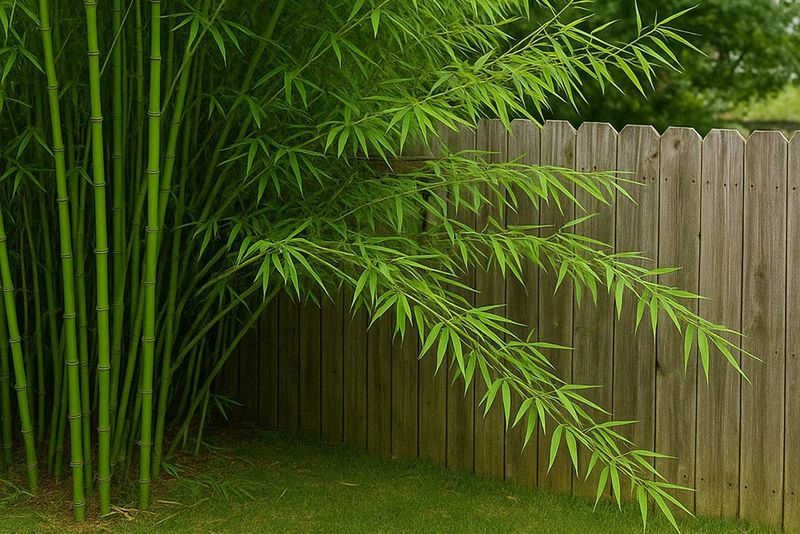
Running bamboo varieties, often planted for privacy and aesthetics, have become a major concern in New Jersey landscapes.
Unlike clumping bamboo, running types spread underground through aggressive rhizomes, sending up shoots far from the original planting.
This rapid spread can cross property lines, damage neighboring gardens, and even penetrate structures like asphalt or concrete, leading to costly disputes.
In response, municipalities such as Brick Township and Westfield have restricted new bamboo plantings and may require existing stands to be contained with deep underground barriers.
Homeowners must monitor growth vigilantly to prevent encroachment, a task that can take years of maintenance.
Alternative plantings, like native tall grasses (switchgrass, little bluestem) or river oats, provide similar visual privacy and movement without the invasive tendencies.
These native substitutes also support pollinators, birds, and soil health. Homeowners replacing bamboo with native species often notice reduced maintenance needs and fewer conflicts with neighbors.
Planning for proper containment, using barriers, or choosing non-invasive alternatives allows New Jersey residents to enjoy aesthetically pleasing landscapes while avoiding ecological damage, property disputes, and expensive remediation.
Thoughtful selection ensures privacy, beauty, and environmental responsibility coexist.
Non-Native Butterfly Bush
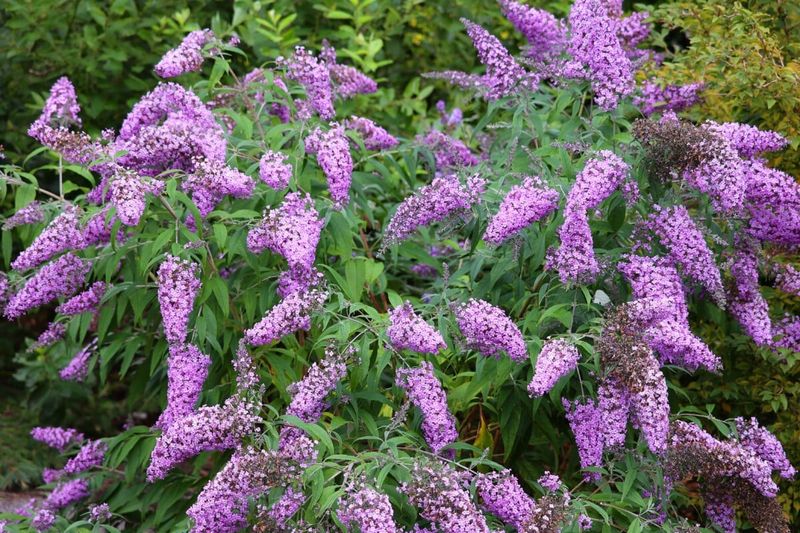
Despite its name, butterfly bush (Buddleja davidii) offers limited ecological benefits in New Jersey. While its flowers attract adult butterflies, the plant provides little to no support for caterpillars or other native insects, meaning it doesn’t complete the full life cycle of pollinators.
Even sterile cultivars produce seeds that can escape into natural areas, establishing dense, competitive stands that displace native plants.
Municipalities and conservation groups across the state have added butterfly bush to restricted or prohibited plant lists to protect local ecosystems. Homeowners often remain unaware of its invasiveness, planting it purely for ornamental value.
Replacing butterfly bush with native alternatives like Joe-Pye weed, New Jersey tea, or milkweed supports local butterfly populations, pollinators, and birds, while maintaining visual appeal in the garden.
These plants contribute to a functional ecosystem rather than a monoculture that degrades soil and biodiversity.
Gardeners who make the switch help restore native plant communities, increase pollinator diversity, and reduce seed dispersal into surrounding wildlands.
Thoughtful landscaping with native plants ensures that your property supports wildlife, maintains ecological integrity, and continues to be visually striking without harming New Jersey’s natural habitats.
Outdoor Fire Pits
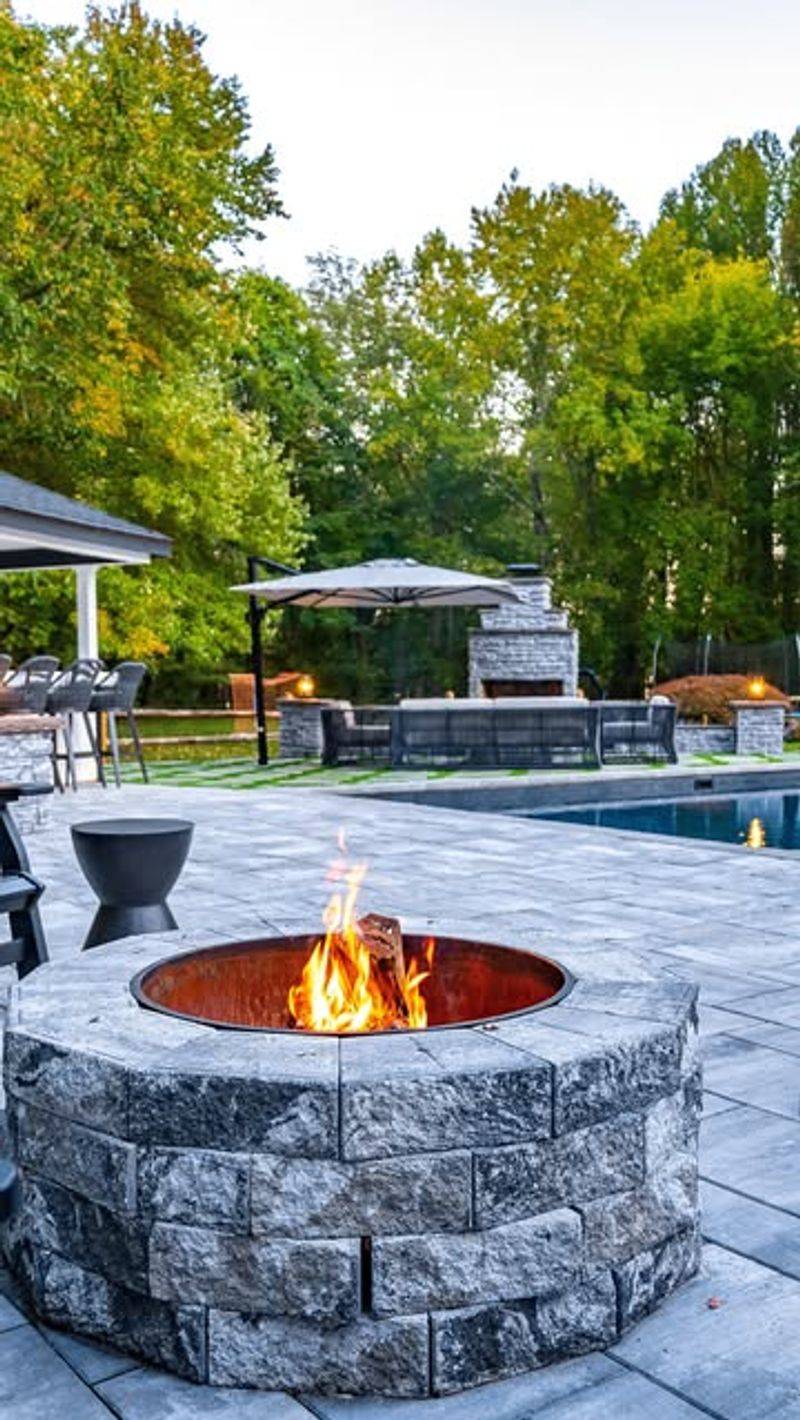
Outdoor fire pits have become popular backyard features for warmth, ambiance, and cooking, but New Jersey municipalities are increasingly scrutinizing their use due to air quality and safety concerns.
Smoke from wood-burning pits produces particulate matter and volatile organic compounds, which can aggravate asthma, trigger allergies, and contribute to local air pollution.
Dense neighborhoods amplify these effects, making neighbors more sensitive to smoke and odor.
Municipalities like Maplewood have enacted setback requirements, permit systems, and seasonal restrictions to reduce health risks, especially during summer air quality alert days.
Gas-powered alternatives provide similar warmth and visual appeal without smoke, particulate matter, or fire hazards. Homeowners who switch to propane or natural gas models report fewer complaints from neighbors while still enjoying evening gatherings.
Fire pit placement, spark screens, and careful fuel selection can further reduce environmental and safety risks.
Beyond individual yards, these practices contribute to better air quality at the community level, protecting children, the elderly, and sensitive individuals.
Thoughtful management ensures homeowners can enjoy the aesthetic and social benefits of backyard fires while prioritizing health, compliance with regulations, and sustainable neighborhood living.
In-Ground Swimming Pools
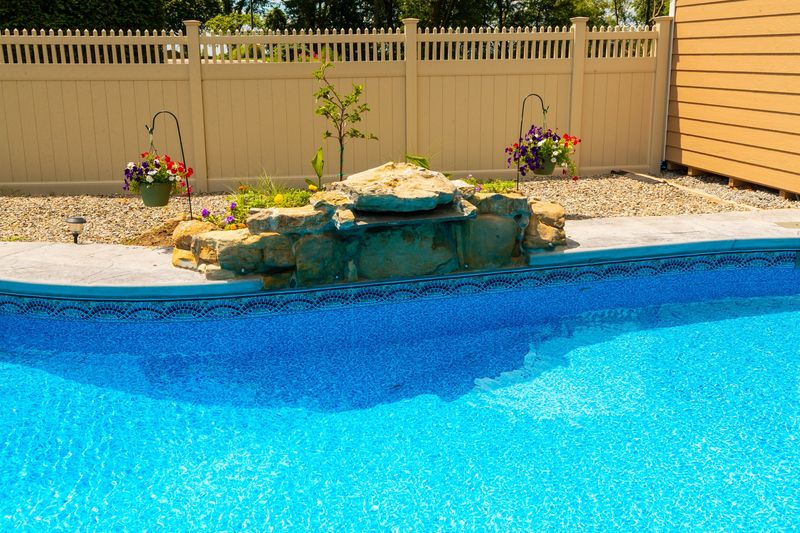
Traditional in-ground swimming pools provide recreation and aesthetic value, but their environmental impact has raised concerns in New Jersey. Filling a pool often requires 15,000 to 30,000 gallons of water, placing stress on local water supplies, particularly during drought conditions.
Chemical treatments such as chlorine can runoff into soil and nearby water systems, affecting aquatic life and disrupting local ecosystems.
Municipalities, including Essex County, have begun regulating new pool installations, limiting size, placement, and filtration methods.
Alternative approaches like natural swimming ponds utilize plants for water filtration, eliminating chemical use while supporting fish, amphibians, and other wildlife.
These systems require careful planning, including proper plant selection, filtration design, and occasional maintenance, but they create vibrant aquatic ecosystems within backyard settings.
Homeowners using natural swimming ponds often find reduced maintenance, healthier water quality, and a more ecologically responsible landscape.
By choosing sustainable water features over conventional pools, New Jersey residents conserve water, protect local wildlife, and minimize chemical exposure, while still enjoying safe and attractive recreational areas.
This balance of beauty, safety, and ecological stewardship ensures long-term enjoyment for families and wildlife alike.
Bright Outdoor Lighting
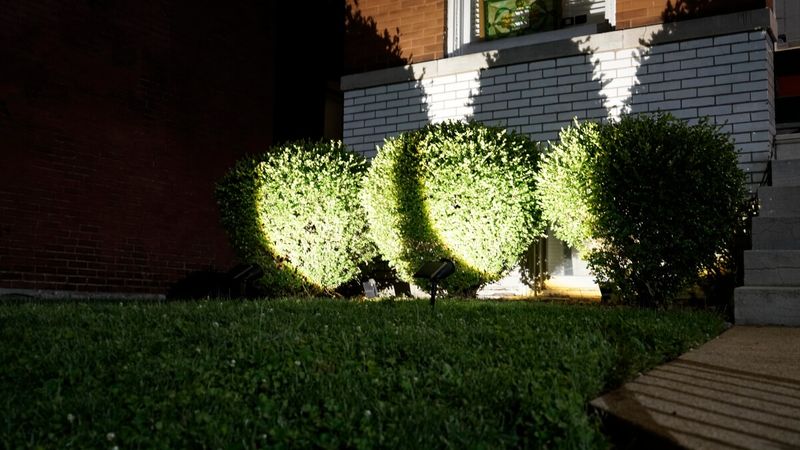
Outdoor lighting enhances safety, aesthetics, and nighttime usability, but excessive illumination has ecological and social consequences in New Jersey. Bright lights disrupt nocturnal wildlife such as bats, moths, and migrating birds, interfering with feeding, navigation, and reproduction.
Additionally, light spilling onto neighboring properties can disturb sleep, increase energy usage, and reduce the visibility of the night sky.
Recognizing these issues, Somerset County and other municipalities have adopted dark sky ordinances, limiting fixture brightness, requiring downward-facing shields, and encouraging timers or motion sensors.
Low-voltage amber lighting provides illumination without overwhelming local ecosystems, protecting pollinators and fireflies while guiding human activity safely.
Installing motion-activated fixtures ensures that light is used only when needed, reducing both energy consumption and ecological impact.
Homeowners can combine these strategies with landscape planning to create functional, safe, and environmentally conscious lighting schemes. Thoughtful illumination preserves nocturnal habitats, supports insect and bird populations, and maintains visual enjoyment for human residents.
By balancing security, aesthetics, and environmental responsibility, New Jersey homeowners can reduce light pollution, support local biodiversity, and enhance the nighttime beauty of their properties.