These Common Yard Features May Soon Be Banned In Illinois Neighborhoods
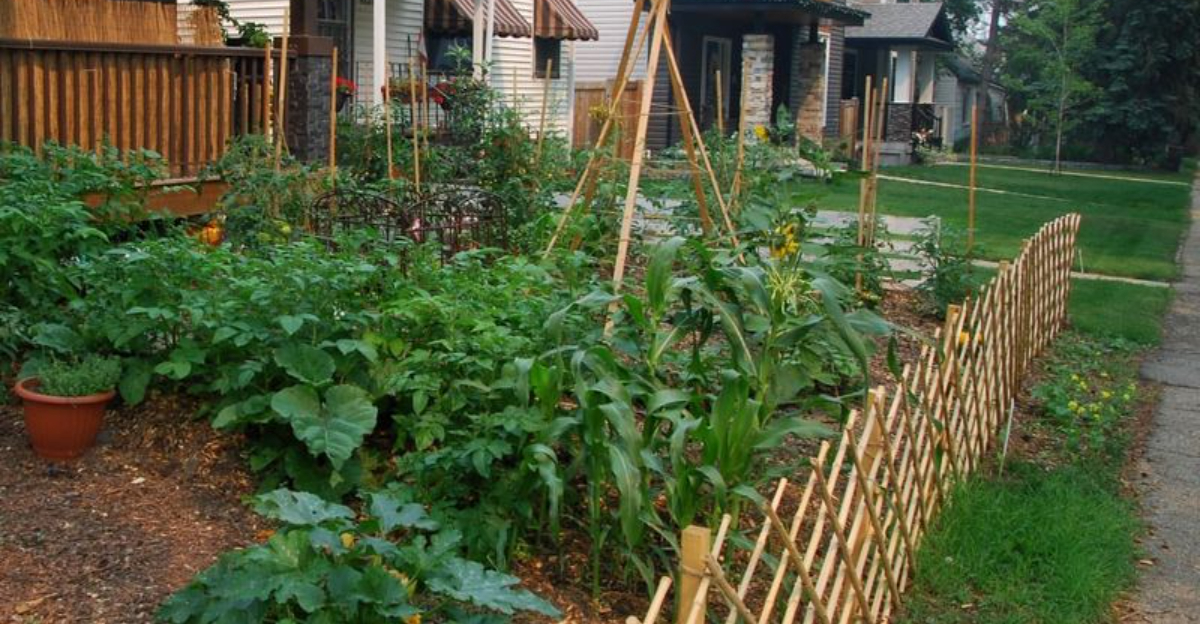
Strolling through a quiet Illinois neighborhood, it’s easy to notice how much personality homeowners pack into their yards.
From bright flower beds to decorative fences and charming patios, these details make each property feel unique.
But recent updates to local zoning and HOA guidelines mean some familiar yard features could soon be restricted or even banned.
Many residents are surprised to learn that what has been acceptable for years might soon need to change. Features that affect drainage, block views, or exceed size limits are drawing particular attention.
Understanding which elements could face new rules allows homeowners to plan ahead, avoid fines, and make adjustments before they become urgent.
It’s not just about compliance – it’s about protecting the investment, creativity, and enjoyment of your outdoor space.
Being aware of these changes now could save you from costly surprises and keep your Illinois yard looking its best.
1. Towering Privacy Fences
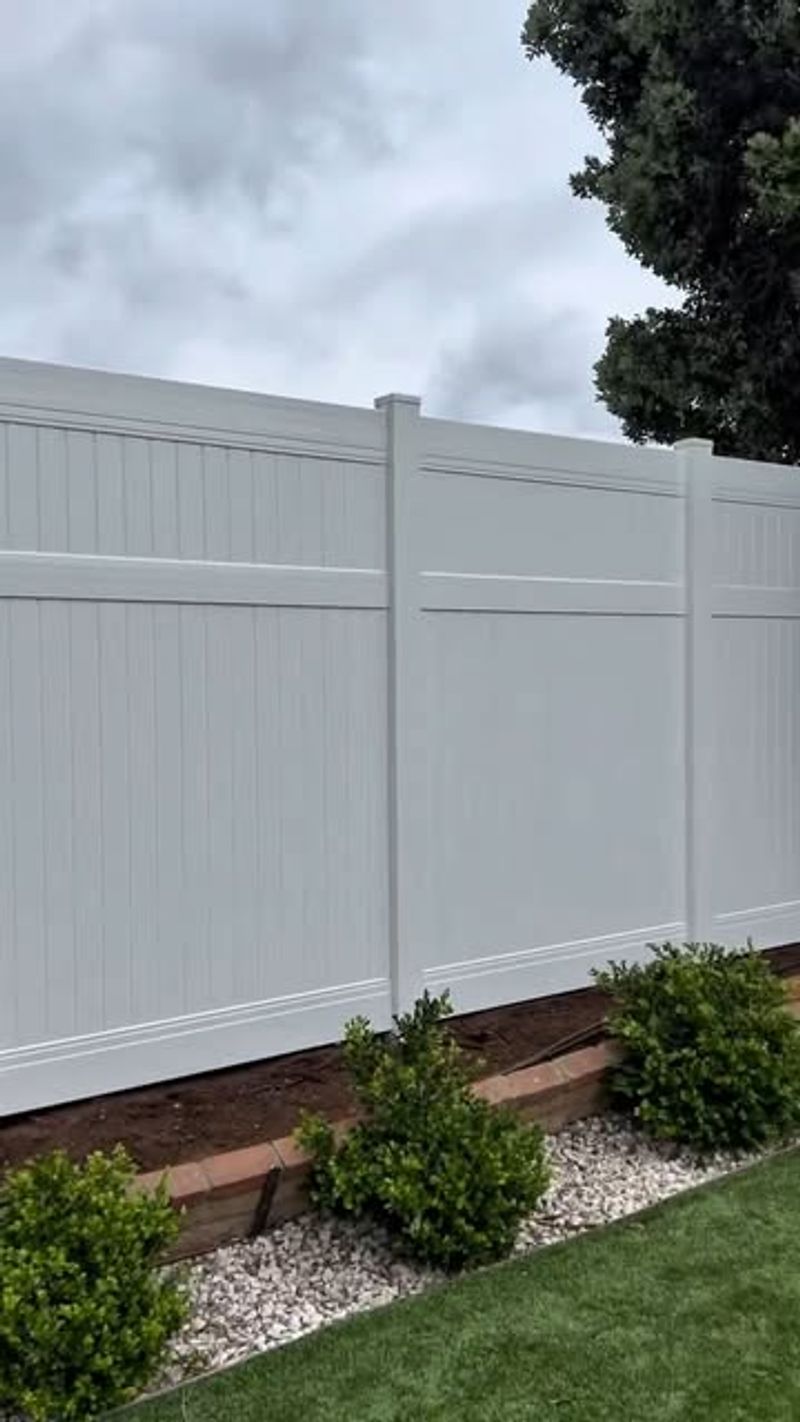
Many Illinois homeowners love the idea of tall fences to ensure privacy, but local ordinances often impose strict height restrictions.
In most communities, backyard fences are capped at six feet while front yard fences are limited to four feet.
These rules are intended to maintain neighborhood aesthetics, allow for visibility, and ensure a safe environment for all residents.
Installing a fence taller than the permitted height without a proper permit can result in required modifications at the homeowner’s expense, fines, or even legal disputes.
Some municipalities also regulate fence materials, requiring specific designs, finishes, or construction methods to blend with neighborhood standards. Even in neighborhoods without formal homeowners associations, county or city regulations often apply.
Homeowners considering new fence projects should always check with local building departments or zoning offices before construction.
Planning ahead allows for the selection of materials and designs that comply with regulations while still providing privacy and security.
Features such as lattice tops, staggered heights, and decorative panels can add privacy while remaining within legal limits.
Understanding these restrictions ensures a smooth installation process and avoids unnecessary costs or future compliance issues.
2. Vegetable Gardens In Front Yards
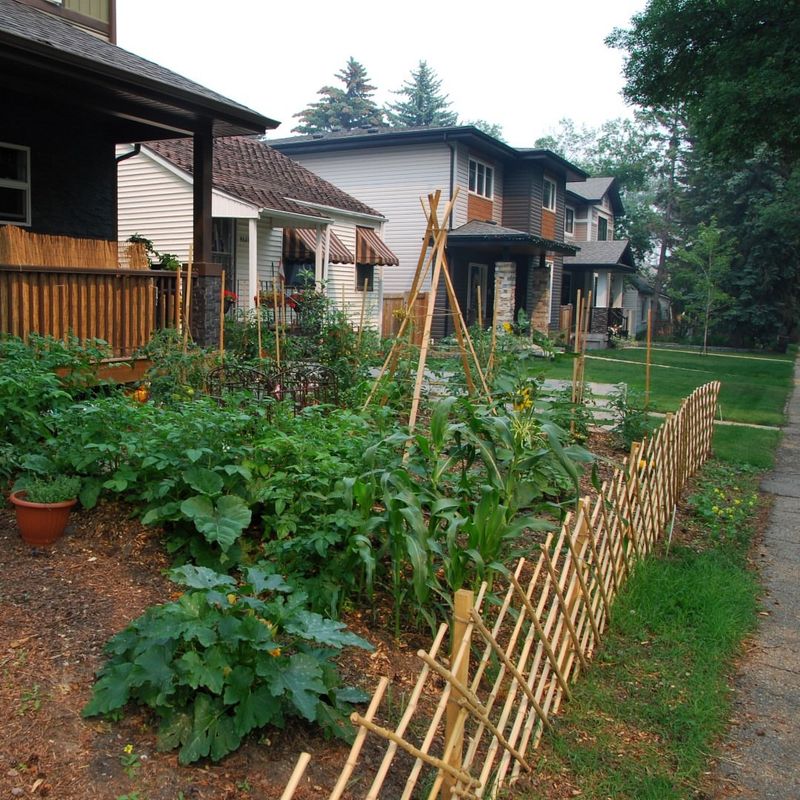
Front yard vegetable gardens are increasingly under scrutiny in Illinois. While growing tomatoes, cucumbers, or peppers in front-facing areas may seem harmless, homeowners associations and municipal zoning codes often regulate what can be planted.
The main concerns revolve around aesthetics, property values, and neighborhood consistency.
Some communities have specific rules prohibiting edible plants in front yards, requiring gardeners to move them to backyards or use container planting methods.
Violating these regulations may result in fines, notices to remove plants, or legal disputes with neighborhood associations.
Some HOAs permit front-yard gardening if the plants are neatly organized, contained in raised beds, or surrounded by ornamental borders that maintain visual appeal.
Container gardening offers a flexible solution, allowing homeowners to enjoy fresh produce while complying with local ordinances.
Additionally, vertical gardens or balcony planters can provide space-saving alternatives without impacting curbside appearance.
Being aware of rules before planting ensures a positive experience and avoids conflicts with neighbors or local authorities. Working within these guidelines allows Illinois gardeners to cultivate vegetables while respecting community standards.
Proper planning, clear organization, and consultation with local officials or HOA boards are essential for maintaining compliance and enjoying a productive front-yard garden.
3. Backyard Chicken Coops
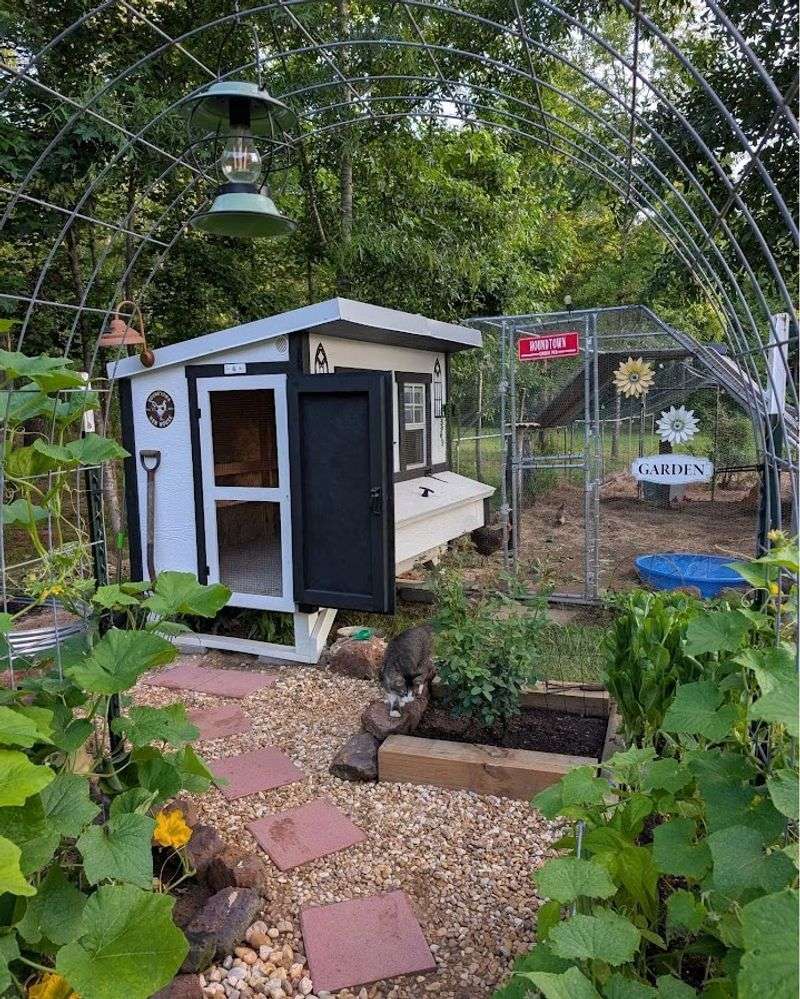
The popularity of backyard chickens in Illinois has grown, but many municipalities are tightening regulations to address concerns about noise, odor, and disease prevention. Communities vary widely in what they allow.
Some permit a limited number of hens, typically four to six, but restrict roosters entirely to avoid early-morning noise complaints. Other areas may prohibit all poultry, while certain municipalities require permits, minimum lot sizes, or specific placement rules for coops.
Even in permitted areas, regulations often dictate coop construction materials, ventilation, and waste management.
Homeowners installing chicken coops must plan carefully to comply with local codes, ensuring that coops do not block sightlines, encroach on neighbors’ property, or create unsanitary conditions.
Properly maintained coops with sufficient space, clean bedding, and secure fencing can minimize potential complaints.
Many communities are open to educational programs about raising backyard poultry responsibly, highlighting benefits such as fresh eggs, garden pest control, and soil fertilization.
Consulting local zoning offices or HOA rules before purchasing birds or constructing a coop can prevent fines or required removal.
With planning and adherence to regulations, Illinois residents can raise chickens successfully while maintaining good neighbor relations and community standards.
4. Rain Barrels And Collection Systems
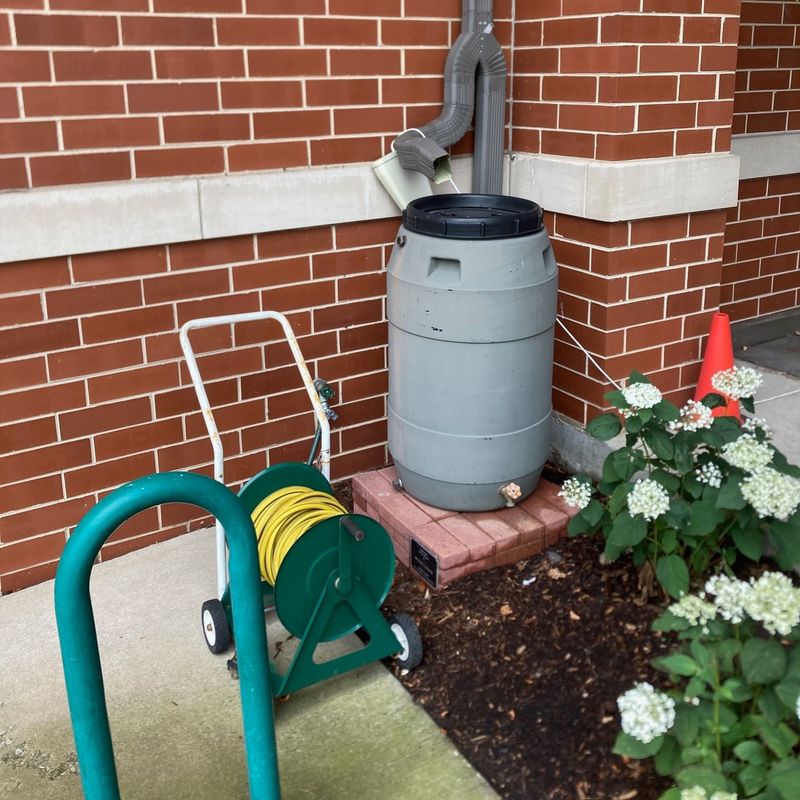
Rain barrels and water collection systems offer sustainable solutions for conserving water in Illinois yards. Collecting rainwater reduces utility bills and provides plants with chemical-free irrigation.
However, these systems face increasing scrutiny from homeowners associations and municipalities concerned with appearance and safety.
Restrictions often include maximum container size, placement limitations, and requirements for screening or enclosures. Some areas require permits or professional installation to ensure compliance with local codes.
Even though these systems benefit the environment by reducing stormwater runoff and conserving water during dry spells, improperly installed barrels can create aesthetic or safety concerns for neighbors.
To navigate these regulations, homeowners can consult municipal websites or HOA guidelines, selecting containers that blend with yard design and adhere to local rules.
Strategies include placing barrels near downspouts, painting or decorating containers to match home exteriors, and installing overflow channels to prevent water accumulation.
With careful planning, rain collection systems can provide environmental and financial benefits while remaining fully compliant.
Proper maintenance, such as keeping debris out and checking for leaks, ensures that collected water remains clean for irrigation throughout the season.
5. Clotheslines For Drying Laundry
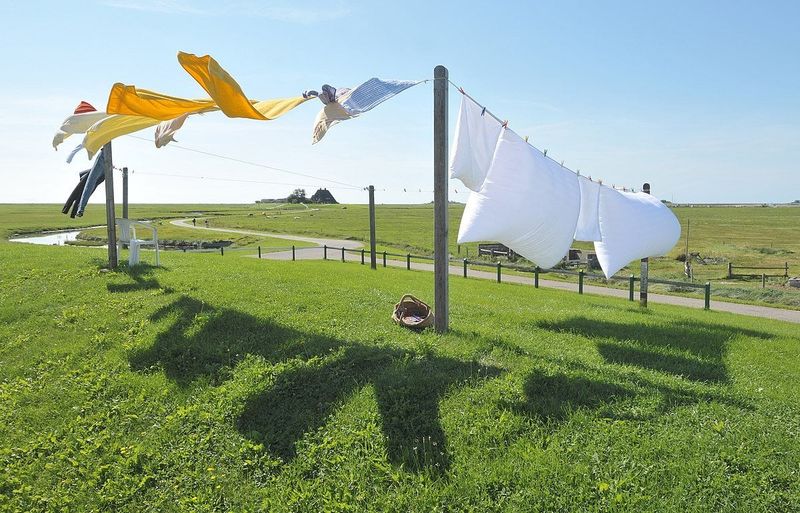
Outdoor clotheslines save energy and reduce electricity bills but face restrictions in many Illinois neighborhoods. Homeowners associations often prohibit visible clotheslines, citing concerns over aesthetics and potential impacts on property values.
In areas where restrictions exist, alternatives include retractable, removable, or retractable lines that can be stored when not in use.
Some municipalities have considered “right to dry” legislation to protect energy-saving laundry practices, but these laws have not been widely implemented.
Homeowners should review HOA covenants, local ordinances, and neighborhood guidelines before installing a clothesline to avoid conflicts or fines.
Proper placement in backyards or screened areas can often make clotheslines acceptable while still providing energy-saving benefits.
Using discreet designs, such as vertical or pulley-style lines, allows for practical use without impacting curb appeal. Educating neighbors about the environmental advantages of outdoor drying may also improve acceptance.
With thoughtful planning, homeowners in Illinois can maintain sustainable practices while staying compliant with community rules.
Strategic placement and subtle designs enable laundry drying outside while preserving neighborhood harmony and appearance.
6. Fire Pits And Outdoor Fireplaces
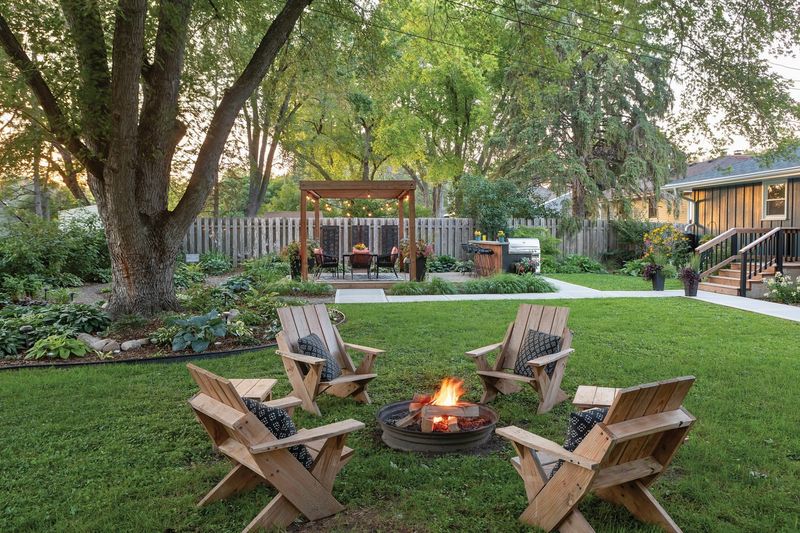
Outdoor fire pits and fireplaces are increasingly regulated in Illinois due to concerns about air quality, safety, and neighbor relations. Wood-burning features can produce smoke that affects nearby homes and may trigger respiratory issues in sensitive individuals.
As a result, many municipalities have implemented requirements such as minimum distances from structures, approved installation materials, and limitations on operating hours.
Some communities allow only natural gas or propane units for consistent, controlled flames that produce less smoke and particulate matter.
Portable fire pits may be treated differently from permanent installations, often with restrictions on placement or temporary use.
Homeowners considering these features should check both city codes and HOA regulations before installation to ensure compliance.
Modern gas or propane fire pits can provide the warmth, ambiance, and social enjoyment of traditional wood fires while remaining within regulatory limits.
Combining safety practices such as fire-resistant surfaces, spark screens, and supervision with a well-chosen fuel source allows residents to enjoy fires safely.
Proper planning ensures that fire features complement the yard without conflicts with neighbors, air quality standards, or legal restrictions.
Thoughtful placement, maintenance, and adherence to regulations create enjoyable outdoor spaces while maintaining compliance.
7. Native Plant Landscaping
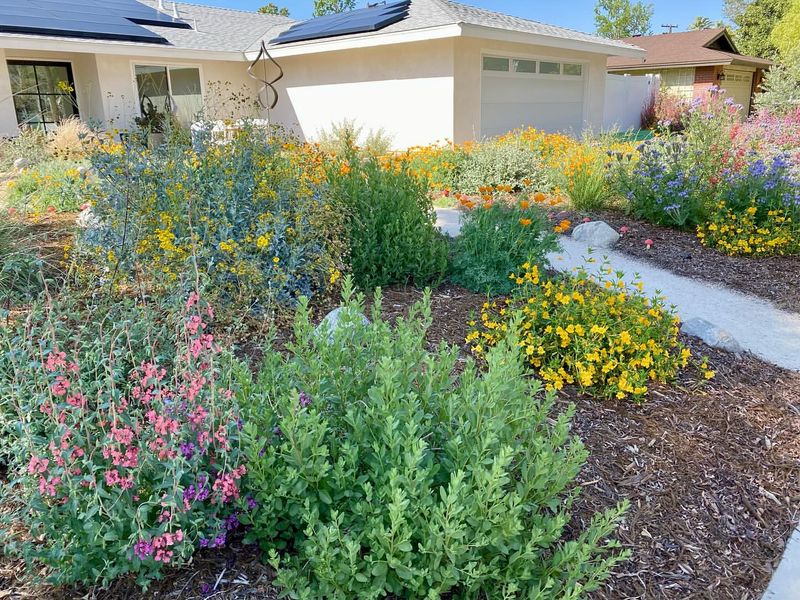
Native plant landscaping is gaining popularity in Illinois for its environmental benefits, but strict local yard codes sometimes create challenges.
Tall grasses, wildflowers, and prairie meadows can be misinterpreted as unkempt yards, even though they support pollinators, birds, and other wildlife.
Many municipalities now enforce height limits, often restricting front yard plants to under ten inches or requiring clear borders around natural plantings to distinguish them from weeds.
Homeowners who want to create a native habitat must balance aesthetics with regulations, ensuring that paths, borders, and garden edges are well-defined.
Signage indicating “native plant area” can help communicate intent to neighbors and HOA boards. Native landscaping reduces maintenance, conserves water, and provides food and shelter for beneficial insects, birds, and small animals.
Thoughtful selection of perennial plants, shrubs, and grasses allows homeowners to create visually appealing and ecologically functional gardens while adhering to local codes.
Maintaining native areas with seasonal trimming, removing invasive species, and keeping pathways accessible ensures a sustainable landscape that meets both community expectations and environmental goals.
By carefully planning and documenting native plantings, Illinois gardeners can enjoy ecological benefits without conflicting with local regulations.
8. Basketball Hoops And Sports Equipment
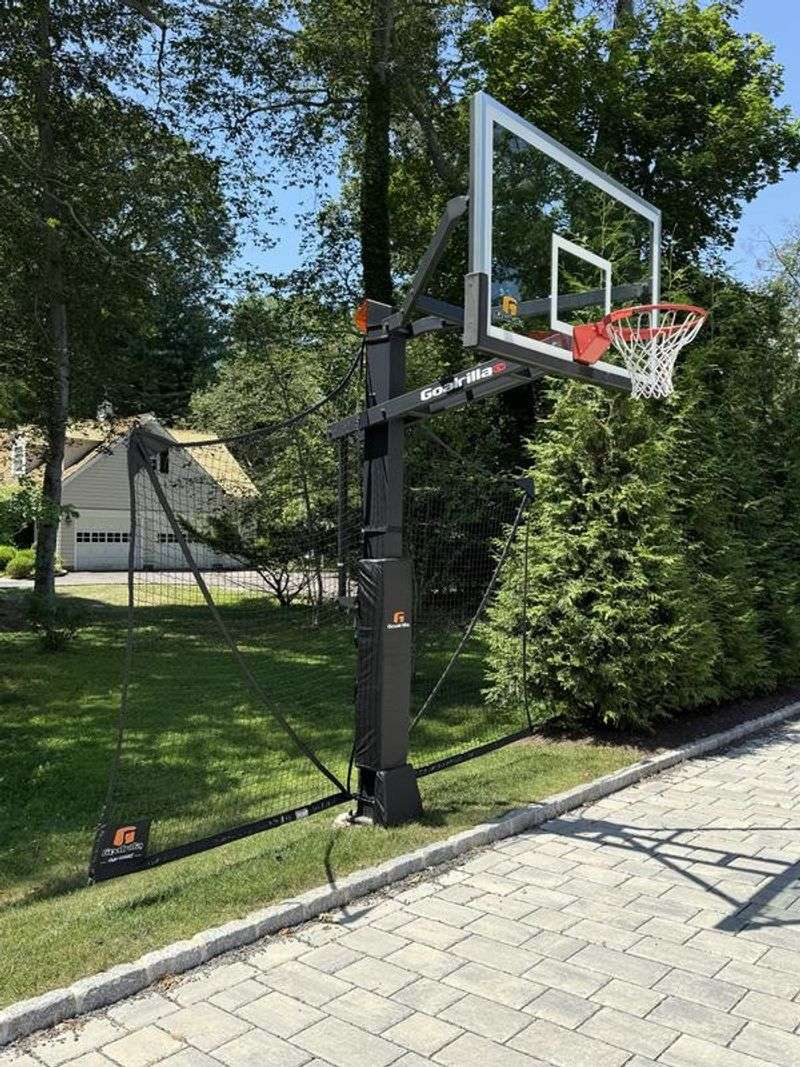
Permanent basketball hoops, trampolines, and other outdoor sports equipment are facing growing restrictions in Illinois neighborhoods.
Concerns over street congestion, noise levels, and visual impact drive regulations that limit placement, size, and visibility.
Many municipalities allow portable basketball hoops only if they are moved out of sight when not in use, while some restrict installation to specific areas of the property, such as driveways or side yards.
Setback requirements, height restrictions, and guidelines on equipment type are becoming increasingly common, especially in HOA-managed communities.
Sports enthusiasts must also consider potential liability issues if equipment is accessible to neighbors or passersby.
To comply, homeowners can use folding or adjustable-height equipment that can be stored indoors or behind a screened area.
In addition, setting up equipment on a surface designed for safe play, such as rubberized mats or asphalt pads, reduces maintenance concerns and preserves yard health.
Careful planning ensures that children and adults can enjoy recreational activities while staying within legal limits.
Understanding and following local regulations prevents fines, disputes, or required removal, making outdoor sports both safe and compliant.
9. Decorative Lawn Ornaments

Yard decorations such as garden gnomes, sculptures, birdbaths, or wind spinners are increasingly regulated in Illinois communities.
Homeowners associations and municipal codes often limit the number, height, and type of decorative elements visible from the street.
Restrictions typically focus on preserving neighborhood aesthetics, preventing visual clutter, and maintaining consistent design standards.
Religious displays, seasonal decorations, and political statements are sometimes allowed but may require temporary placement or prior approval.
Many HOAs mandate that decorative items over a certain height must be submitted for review before installation.
Even small items may face placement rules to ensure safety and curb appeal.
Homeowners who wish to enhance their yards with ornaments should carefully review neighborhood covenants and local regulations.
Options such as grouping smaller decorations, keeping seasonal displays within a limited timeframe, or selecting subtle color palettes can help balance personal expression with compliance.
Decorative landscaping that adheres to guidelines allows residents to personalize outdoor spaces while avoiding fines or removal notices.
Thoughtful placement and awareness of local rules ensure that Illinois yards can remain visually appealing, safe, and in harmony with community standards.
10. Above-Ground Swimming Pools
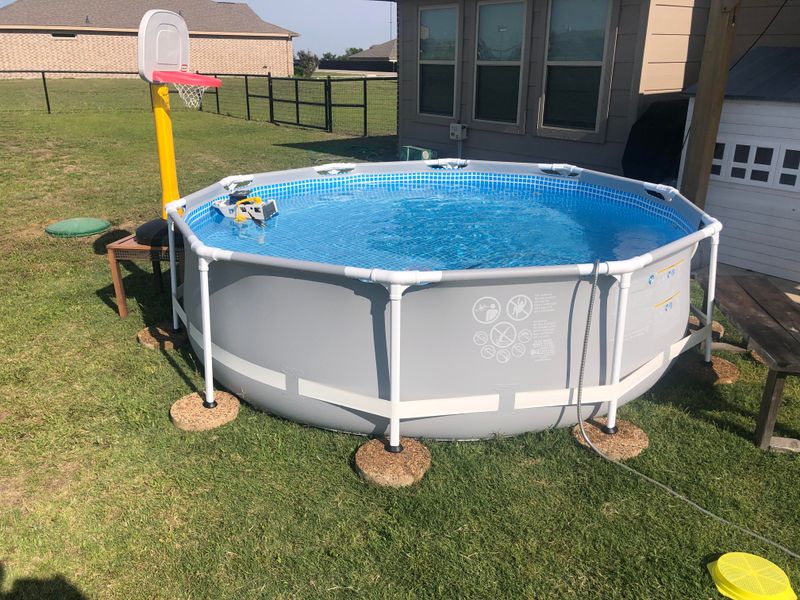
Above-ground pools offer an affordable alternative to permanent in-ground pools, but they are increasingly regulated in Illinois.
Safety and aesthetic concerns motivate municipalities and homeowners associations to implement rules regarding size, location, fencing, and access.
Many communities require that above-ground pools be surrounded by secure barriers and gates to prevent accidental entry and ensure compliance with safety codes.
Setback requirements ensure pools do not encroach on property lines, neighbors’ sightlines, or easements.
In some HOAs, above-ground pools are prohibited entirely, allowing only permanent in-ground installations.
Seasonal pools may also have different restrictions, including maximum water levels or time-of-year operation.
Homeowners considering installation should consult local ordinances and HOA regulations before purchasing or building a pool.
Proper placement, screening, and adherence to safety standards create a functional, attractive backyard amenity that complies with rules.
Following local guidelines prevents conflicts, ensures safety for children and pets, and maintains community harmony.
With thoughtful planning, above-ground pools can provide recreation and relaxation while staying within legal and aesthetic requirements.
Homeowners can also consider eco-friendly options, such as solar covers or filtration systems, to minimize water use and maintenance.
11. Recreational Vehicles And Boat Storage
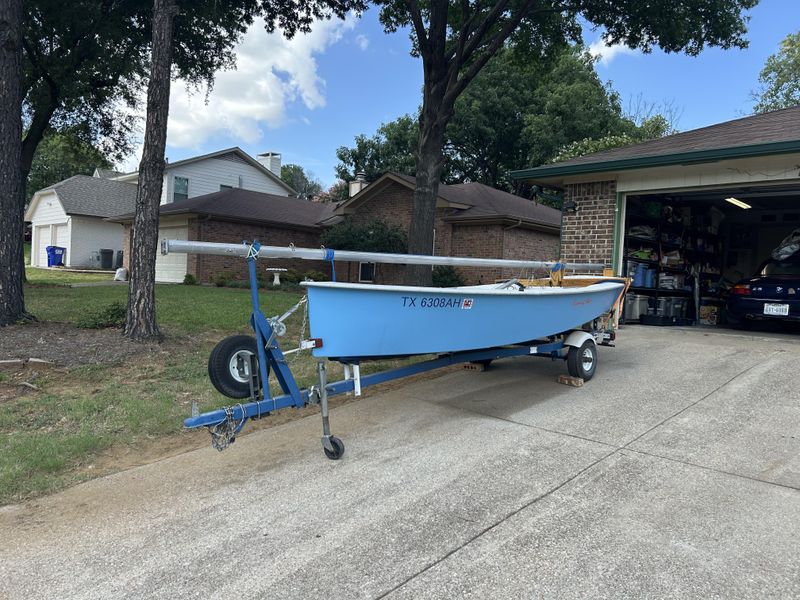
Storing recreational vehicles, campers, and boats in residential areas is under increasing scrutiny in Illinois.
Municipalities and homeowners associations are concerned with street visibility, property appearance, and neighborhood consistency. Many communities prohibit long-term storage of large vehicles on driveways or front yards.
Others allow temporary parking for brief periods, typically for loading or unloading. Screening requirements, side-yard placement, and minimum setbacks from property lines are common measures to minimize visual impact.
Height and length restrictions may apply, especially in subdivisions or planned communities.
Homeowners who fail to comply risk fines or notices to relocate vehicles. Alternatives include off-site storage facilities or backyard areas that are fully screened from public view.
Planning placement with attention to visibility, aesthetics, and municipal rules allows residents to enjoy recreational vehicles while remaining compliant.
Maintaining landscaping and fencing around storage areas can soften visual impact, providing harmony with neighbors.
With awareness of regulations, careful planning, and potential investment in off-site storage, homeowners can balance recreational use with neighborhood standards and property values.
Compliance ensures a functional solution without disputes or enforcement issues.