These 8 Container Plants Bring Early Spring Color To Arizona
Early spring in Arizona does not last long. One week your containers look tired from winter, and the next the sun starts pushing temperatures higher.
If pots near your entry or patio still feel empty or dull, this is the window to fix it before real heat settles in.
Cool nights and mild afternoons give certain plants a real advantage right now. They root faster, bloom stronger, and handle the shift into warmer days without stress.
Waiting too long means working against rising heat instead of using this brief stretch to your advantage.
The right early spring container plants can refresh your patio, frame your doorway, and bring color back into view before summer intensity changes everything.
1. Trailing Verbena Spills Cheer Across Container Edges
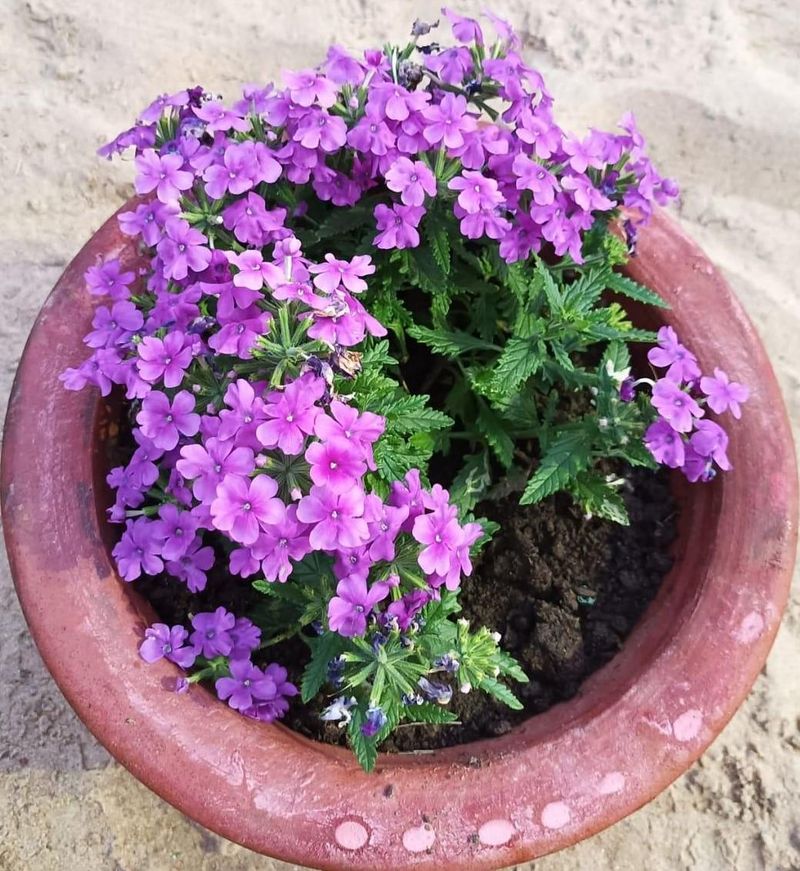
Cascading stems loaded with flower clusters tumble over pot rims, creating living waterfalls of purple, pink, red, or white. Each tiny bloom joins dozens of others in flat-topped clusters that catch every eye.
Arizona’s dry air actually prevents the powdery mildew that plagues verbena in humid climates, making this an ideal choice for desert containers.
Growth reaches impressive lengths quickly, with some varieties trailing three feet or more by late spring. Verbena loves Arizona’s early spring sunshine and moderate temperatures, pumping out flowers faster than almost any other annual.
Pollinators visit constantly, especially native bees that appreciate the easy nectar access.
Water deeply but infrequently, letting the top inch of soil dry between waterings. Overwatering causes more problems than underwatering with verbena in Arizona containers.
Feed monthly with diluted liquid fertilizer to support the massive flower production without encouraging weak, leggy growth.
Pinch stem tips every few weeks to promote bushier growth and prevent the center from becoming bare. Verbena performs best in containers with good air circulation, so avoid crowding multiple plants too closely.
Afternoon shade helps in the low desert areas around Phoenix and Tucson, but verbena handles full sun beautifully in northern Arizona.
Mix with upright plants for stunning combination containers that showcase verbena’s trailing habit.
Remove spent blooms occasionally to keep the plant focused on producing new flowers instead of setting seed. With the right placement, verbena keeps containers colorful from early spring well into the hotter months across much of Arizona.
2. Calibrachoa Brings Endless Blooms to Sunny Pots
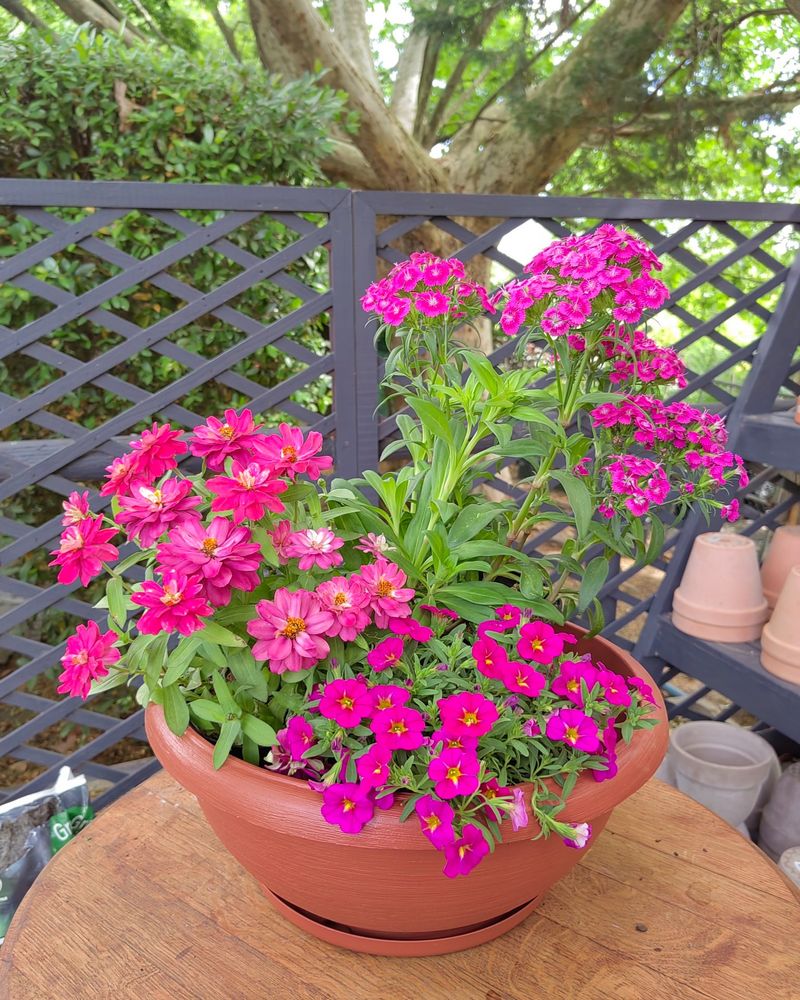
Hundreds of tiny petunia-like flowers smother the foliage from spring until frost, earning calibrachoa its nickname of million bells. Each one-inch bloom opens fresh daily, creating a continuous color show that never seems to quit.
Arizona’s abundant sunshine triggers peak performance, with plants producing more flowers here than in cloudier climates.
Trailing stems work beautifully in hanging baskets or spilling from mixed containers. Calibrachoa tolerates heat remarkably well for such a prolific bloomer, maintaining its flower power even as temperatures climb.
The small leaves and flowers resist wind damage better than larger-flowered annuals, important for Arizona’s breezy spring days.
Feed weekly with diluted fertilizer since the constant blooming depletes nutrients rapidly. Calibrachoa needs consistent moisture but excellent drainage, so check containers daily during warm spells.
Pinching isn’t necessary as plants branch naturally and maintain compact, bushy growth without intervention.
Select containers with superior drainage and use high-quality potting mix designed for containers. Calibrachoa performs best with morning sun and light afternoon shade in the hottest Arizona regions, though it handles full sun in cooler areas.
Watch for aphids in spring and spray them off with water before they multiply. The plants prefer slightly acidic soil, so add sulfur if your water is very alkaline.
Calibrachoa fills containers quickly, providing maximum impact from relatively small starter plants.
3. Gaillardia Keeps Reds and Yellows Vibrant Through Spring
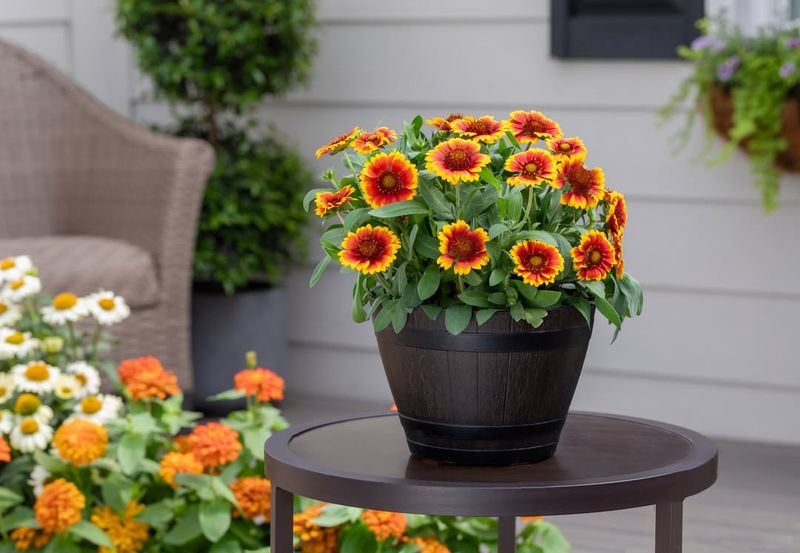
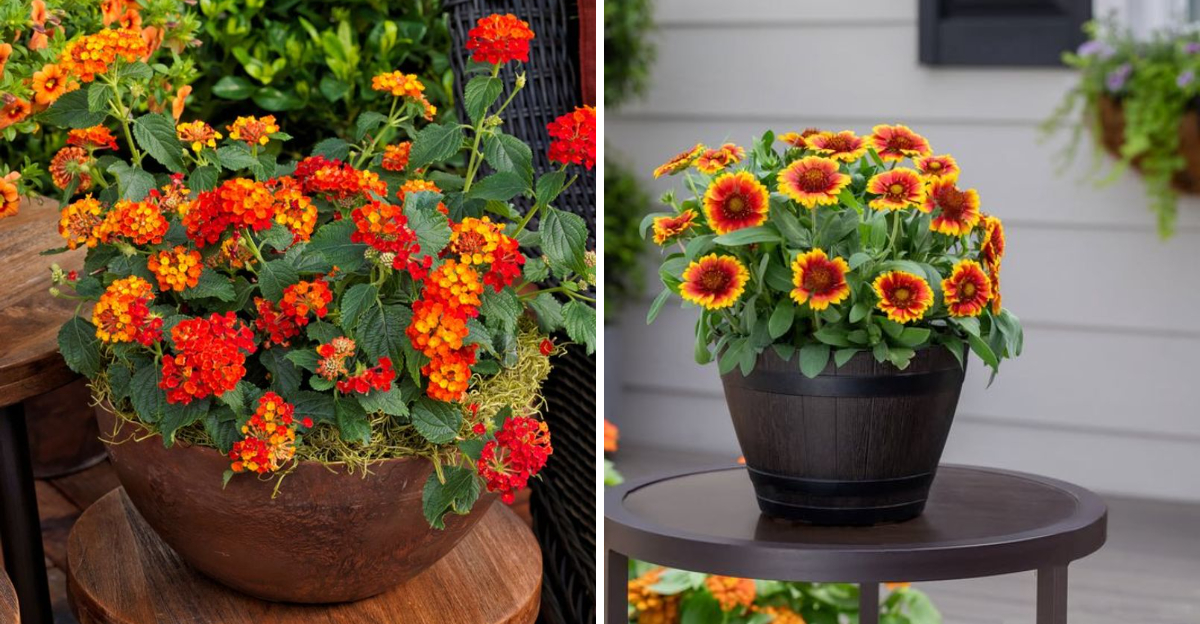
Bold daisy-shaped flowers feature fiery red petals tipped with bright yellow, creating the look of tiny sunsets in your containers. Each bloom lasts for days, and new flowers open constantly throughout spring and into early summer.
Gaillardia handles Arizona’s intense sun without fading, actually developing richer colors in bright light.
Native to North American prairies, this tough perennial laughs at Arizona’s dry conditions and temperature swings. Roots establish quickly in containers and require minimal water once settled.
The plants tolerate poor soil better than rich, over-amended mixes, making them nearly foolproof for Arizona gardeners.
Compact varieties stay under 12 inches tall, perfect for container culture without constant trimming. Gaillardia blooms most heavily in spring but continues flowering sporadically through fall in Arizona.
Deadhead regularly to keep new flowers coming and prevent self-seeding in your containers.
Choose containers at least 10 inches deep to accommodate the taproot system. Gaillardia despises wet feet, so ensure your pots drain freely and never sit in saucers of water.
Skip the fertilizer entirely or apply very sparingly, as too much nutrition reduces flowering. Full sun locations work best throughout Arizona, though plants appreciate afternoon shade in the hottest low desert areas.
Gaillardia often survives Arizona winters in containers, coming back for years of reliable color.
This is one of those plants that performs better with less attention rather than more. In Arizona containers, gaillardia rewards restraint with steady color and strong, compact growth season after season.
4. Lantana Bursts With Color in Full Arizona Sun
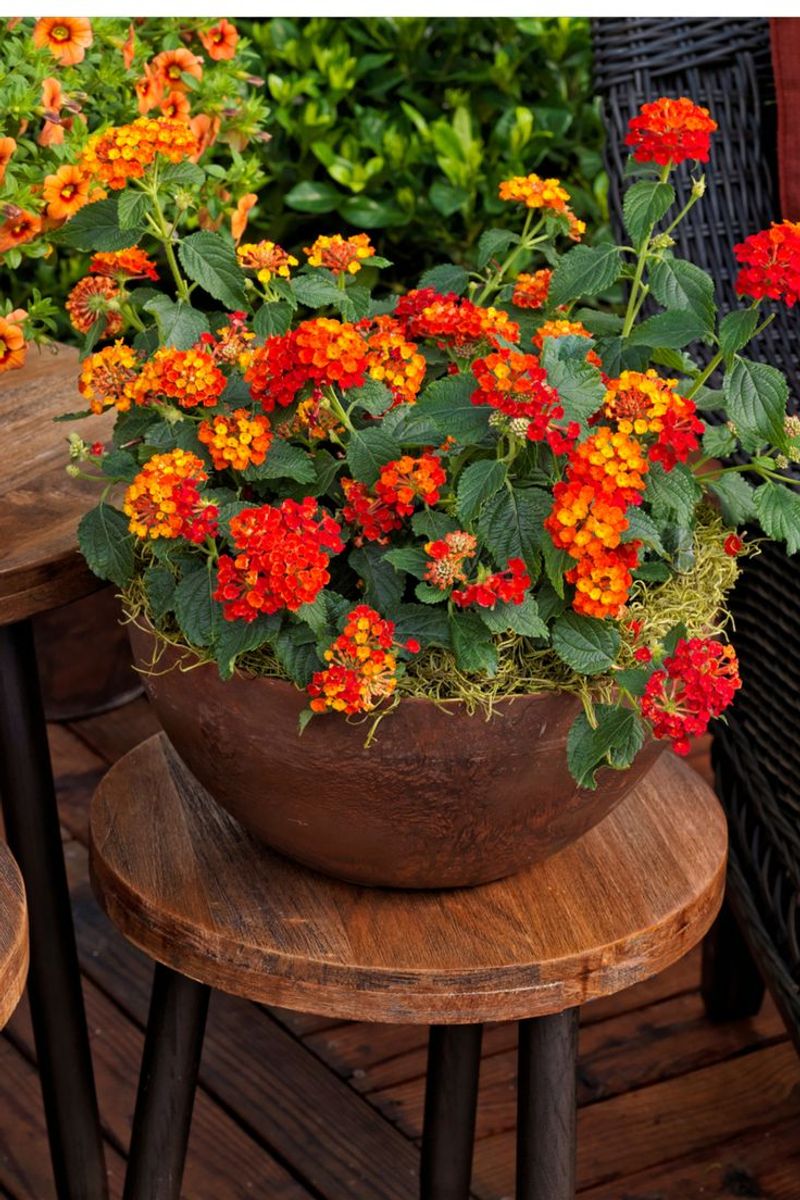
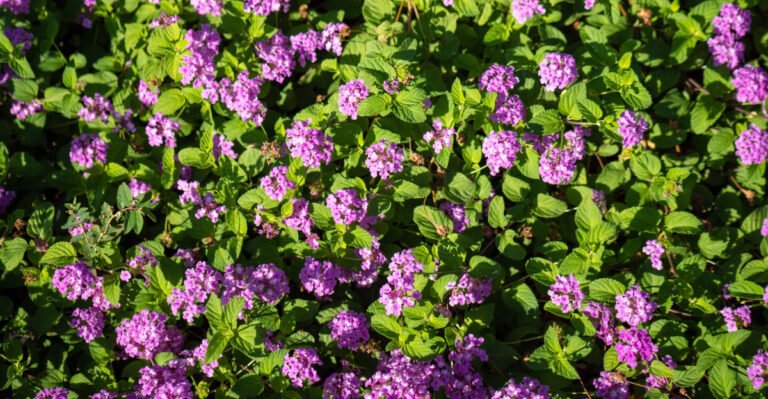
Bright clusters of tiny flowers pack every stem, creating rounded blooms that shift from yellow to orange to red as they mature. Butterflies and hummingbirds can’t resist these nectar-rich flowers, turning your Arizona patio into a wildlife haven.
Container-grown lantana thrives in the intense desert sun that would wilt many other bloomers.
Watering needs drop dramatically once established, making lantana perfect for busy gardeners across Arizona. The plant handles neglect better than coddling, actually producing more flowers when you skip the fertilizer and keep watering moderate.
Heat that stresses other container plants just makes lantana bloom harder and faster.
Trailing varieties spill beautifully over pot edges while upright types create bushy mounds of constant color. Prune lightly throughout spring to encourage branching and more flower clusters.
Lantana keeps blooming from February through November in most Arizona locations, giving you months of reliable color.
Choose containers at least 12 inches wide with excellent drainage holes. Mix regular potting soil with extra perlite or sand to prevent root rot.
Morning sun with afternoon shade works in the hottest desert areas, but full sun produces the most spectacular displays in cooler Arizona zones. Deadheading isn’t necessary since lantana drops spent blooms on its own.
5. Petunias Deliver Classic Spring Color in Heat
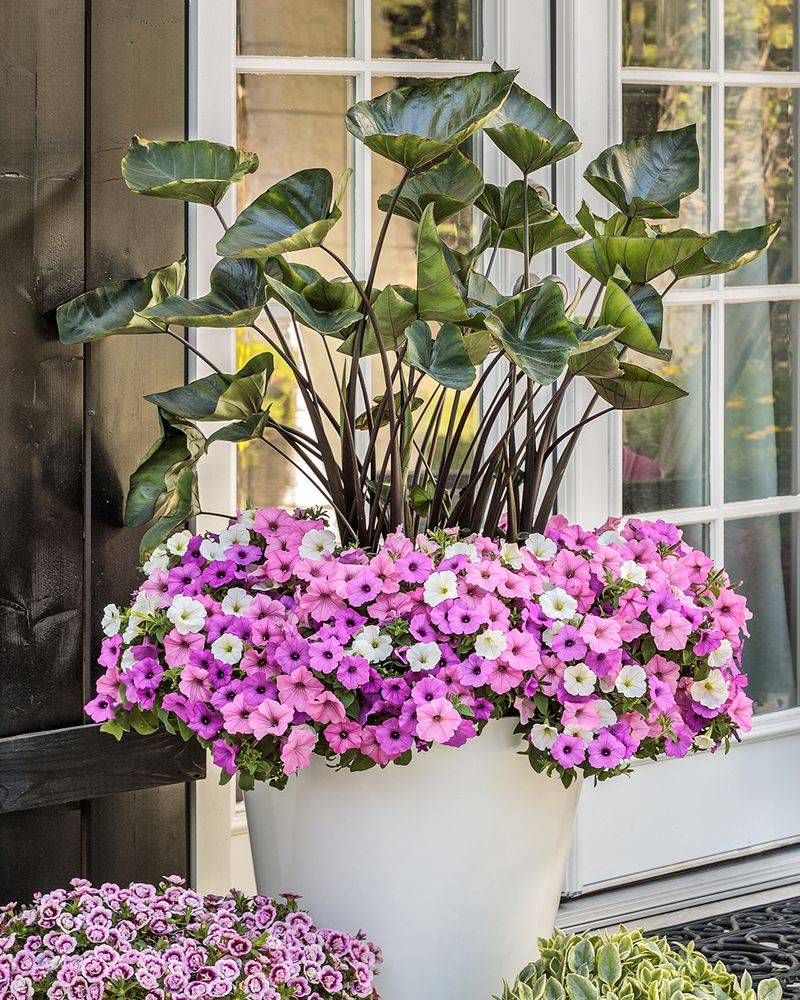
Few flowers match petunias for sheer flower power and color range in Arizona spring containers. Modern varieties handle heat far better than old-fashioned types, staying attractive even as temperatures rise.
Wave and spreading petunias create impressive displays, with single plants filling 12-inch containers completely.
Colors span every shade except true blue, including stunning patterns and picotee edges. Petunias bloom continuously without deadheading, though removing spent flowers does encourage even more buds.
Arizona’s climate suits petunias perfectly during spring, with low humidity preventing the fungal issues that plague them elsewhere.
Water needs increase as plants grow larger and temperatures warm, but petunias tolerate brief dry spells better than many annuals. Feed every two weeks with balanced liquid fertilizer to support the heavy flowering.
Grandiflora types produce the largest blooms while multiflora varieties offer more flowers in smaller sizes.
Full sun produces the most flowers, though petunias appreciate afternoon shade in Arizona’s low desert regions. Use containers at least 10 inches deep and wide to accommodate the extensive root systems.
Petunias occasionally get leggy by late spring, so trim back by one-third to encourage fresh, compact growth. Morning watering prevents moisture from sitting on leaves during cool nights.
Petunias mix beautifully with other spring annuals or make stunning single-variety containers. Their reliable performance and easy care make them perfect for beginning container gardeners throughout Arizona.
As temperatures climb toward early summer, expect growth to accelerate before true heat slows flowering. In most Arizona areas, petunias carry containers confidently through spring before needing a seasonal swap.
6. Vinca Thrives in Arizona Containers With Minimal Fuss
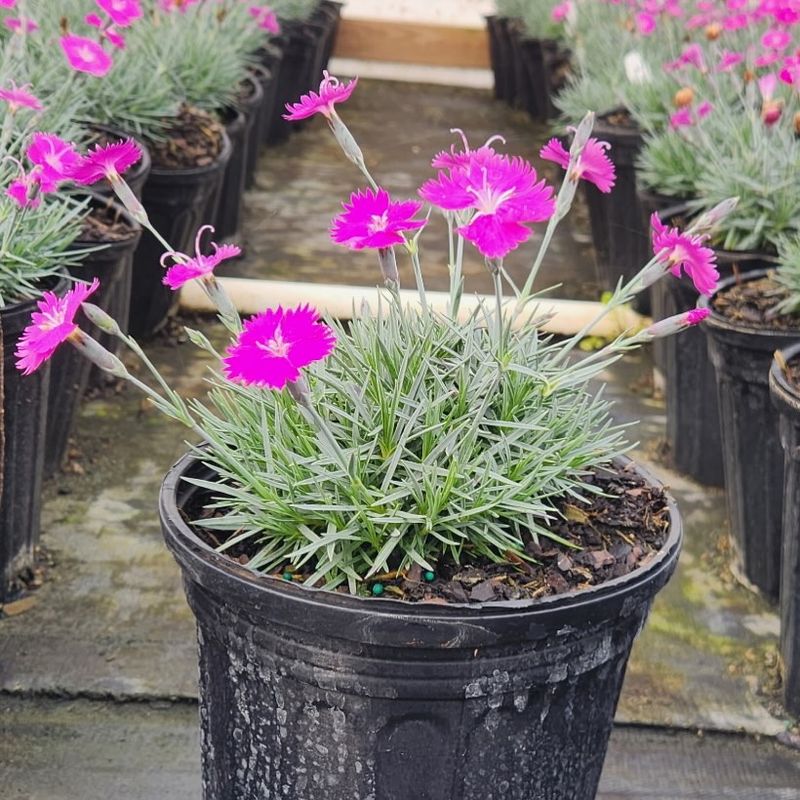
Glossy leaves and cheerful five-petaled flowers make vinca one of the most carefree container plants for Arizona gardeners. Plants tolerate heat, drought, and neglect without skipping a beat, continuing to bloom even when you forget to water.
Vinca actually performs better with benign neglect than constant attention, making it ideal for busy households.
Compact varieties stay under 12 inches while spreading types can fill large containers quickly. Flowers come in pink, white, red, coral, and bicolors, all with contrasting centers that add extra interest.
Vinca blooms from early spring through fall in most Arizona locations, providing months of reliable color.
Established plants need water only once or twice weekly, even in summer heat. Vinca resists pests and diseases remarkably well, rarely requiring any intervention.
The plants self-clean, dropping spent blooms without deadheading, saving you maintenance time.
Choose well-draining containers and avoid overwatering, which causes yellowing leaves and root problems. Vinca handles full sun throughout Arizona, even in the hottest areas.
Skip fertilizer entirely or apply very lightly, as too much nutrition produces leaves at the expense of flowers. Space plants six inches apart in large containers for quick fill-in.
Vinca tolerates reflected heat from walls and pavement better than most annuals, perfect for hot patio locations. The plants occasionally reseed in containers, giving you volunteer plants the following spring throughout Arizona.
7. Portulaca Adds Bold Blooms and Tolerates Desert Sun
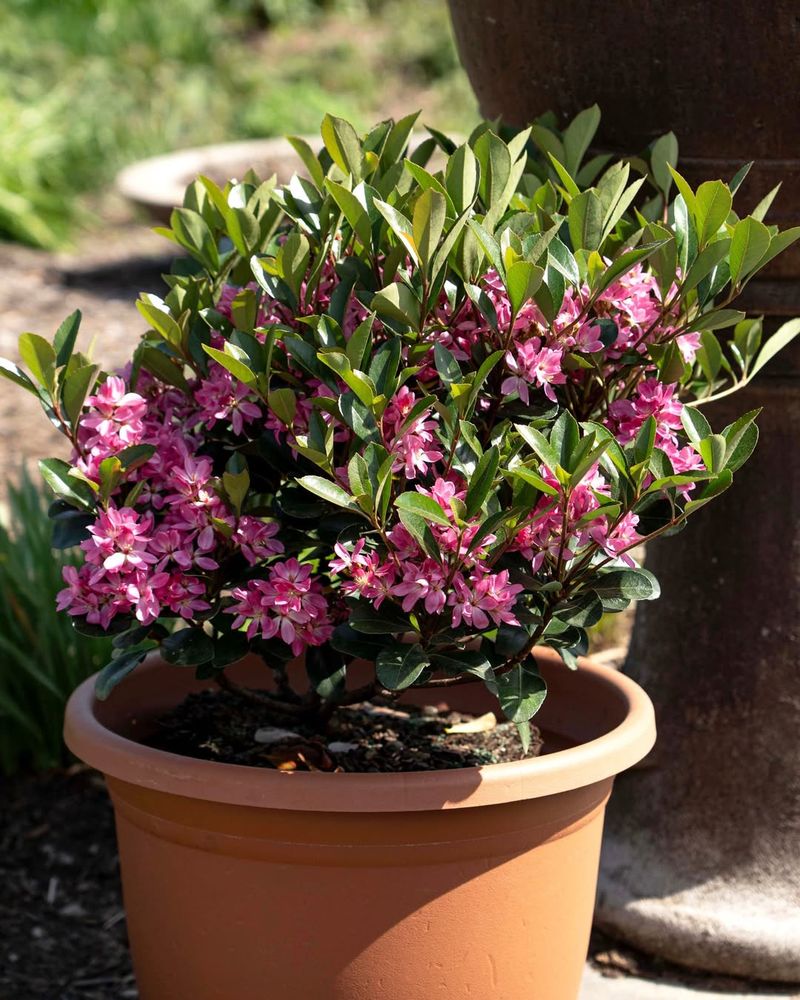
Succulent leaves and brilliant flowers make portulaca perfect for Arizona’s driest container gardens. Blooms open wide in morning sun, displaying satiny petals in electric colors that seem to glow.
Each flower lasts just one day, but plants produce so many buds that fresh blooms open constantly throughout spring and summer.
Portulaca survives on minimal water, actually blooming better when kept slightly dry. The thick, cylindrical leaves store moisture like tiny cacti, letting plants sail through missed waterings.
Arizona’s intense sunshine triggers maximum flowering, with plants producing fewer blooms in shade.
Low-growing habit makes portulaca ideal for shallow containers or the edges of mixed plantings. Plants spread to form colorful mats that trail slightly over pot rims.
Portulaca needs zero deadheading or maintenance beyond occasional watering, making it truly foolproof.
Use fast-draining cactus mix or add extra sand to regular potting soil for best results. Containers can be as shallow as four inches since roots stay near the surface.
Full sun is essential throughout Arizona, as blooms stay closed in shade. Skip fertilizer completely, as portulaca blooms best in lean soil.
Water only when leaves begin to pucker slightly, usually every four to seven days depending on container size and temperature. Portulaca handles reflected heat and hot container surfaces without stress, thriving where other plants struggle.
The cheerful flowers close on cloudy days and at night, opening again with morning sunshine across Arizona.
This plant thrives on neglect and rewards restraint instead of constant attention. If your containers sit in a tough, exposed spot, portulaca keeps color going where most other flowers would fade out.
8. Coreopsis Brightens Containers With Drought-Tough Yellow Flowers
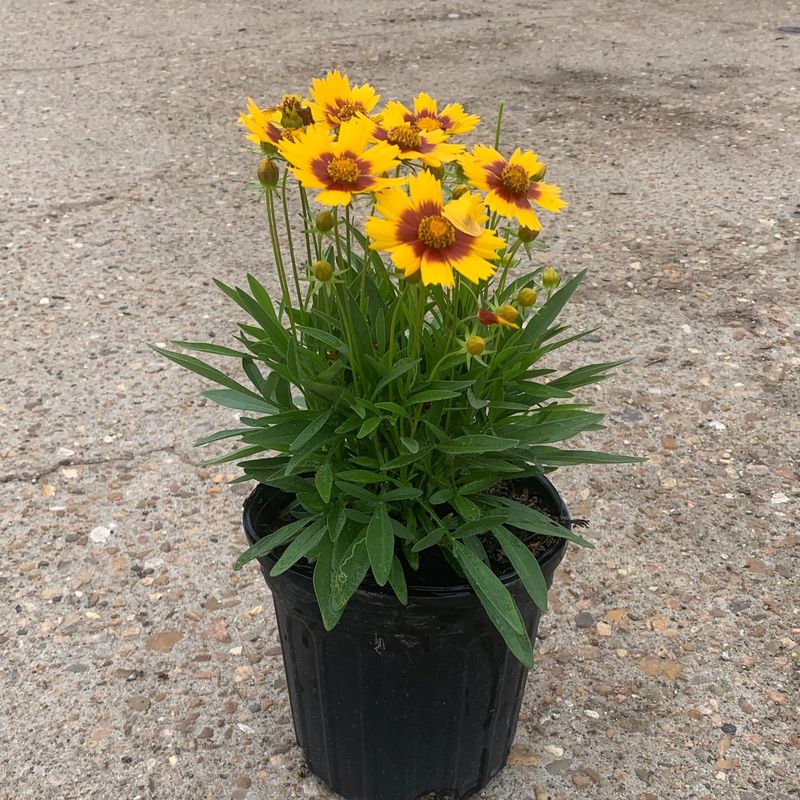
Cheerful yellow daisies dance above fine-textured foliage, bringing sunshine to every Arizona container. Coreopsis produces flowers generously without demanding constant care or perfect conditions.
Native to North America, these tough perennials understand heat and drought, making them natural choices for desert container gardens.
Blooms appear in waves throughout spring, with heaviest flowering during cooler months. Deadheading spent flowers triggers new bud formation and extends the blooming season significantly.
Coreopsis attracts beneficial insects and pollinators while resisting pest problems that plague many container plants.
Water needs stay moderate even during bloom time, with established plants tolerating dry spells between waterings. Coreopsis roots dislike soggy soil, so ensure containers drain perfectly.
Light feeding once monthly supports flowering without causing excessive leaf growth.
Compact varieties work best for containers, staying under 15 inches tall and wide. Plant in containers at least 10 inches deep with quality potting mix.
Coreopsis handles full sun throughout Arizona, though afternoon shade helps in the lowest desert areas. Cut plants back by half after the main spring bloom to encourage fresh growth and fall flowers.
The plants often survive Arizona winters in containers, especially in protected locations. Coreopsis combines beautifully with purple or blue flowers for striking color contrasts.
Its upright habit balances nicely with trailing companions in mixed containers. This reliable bloomer rewards Arizona gardeners with consistent performance and minimal demands year after year.