These Crops Can Be Harvested In Your Arizona Garden In February
February can feel like a quiet month in an Arizona garden, especially when many beds look like they’re still waiting for spring.
You might wonder if anything is actually ready or if harvesting now is wishful thinking. In reality, some crops grow steadily through winter and reach their peak right around this time.
Not every plant is meant to be picked in February, but the ones that are often do better because of the cooler weather.
Knowing which crops are ready to harvest now helps you make the most of your Arizona garden before heat speeds everything up again.
1. Lettuce
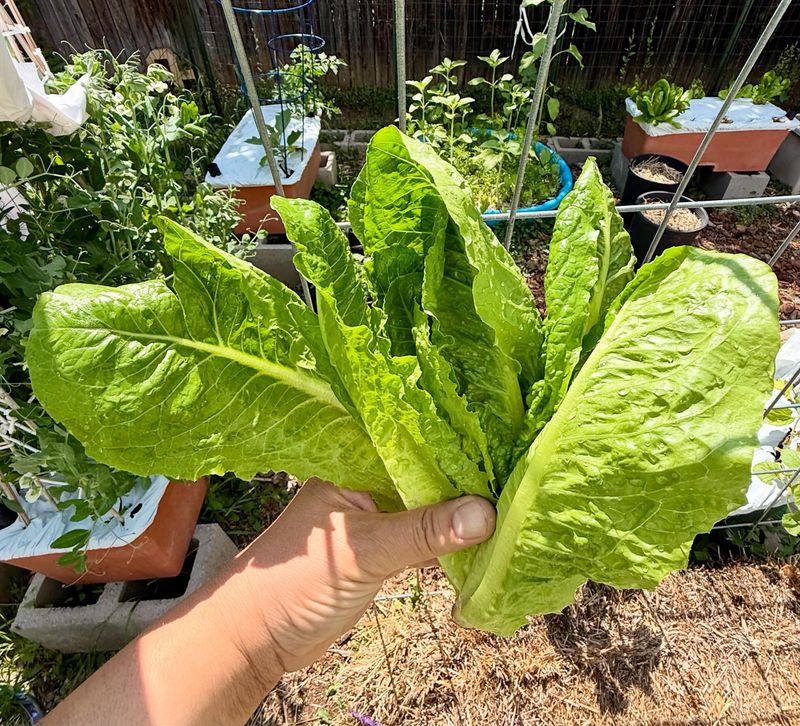
Crisp leaves await your salad bowl right now in your Arizona garden beds. February marks the sweet spot for lettuce harvest across the state, with plants reaching full maturity before warmer weather arrives.
Your lettuce thrives in the current temperature range that hovers between 45 and 70 degrees Fahrenheit.
Most varieties planted in late fall now display their best characteristics. Romaine stands tall with crunchy ribs, while butterhead types offer tender, delicate leaves.
Leaf lettuce provides continuous harvesting opportunities throughout the month.
Morning harvest times yield the crispest results for your salads. Moisture levels in leaves peak during early hours, giving you maximum freshness.
Simply cut outer leaves or harvest entire heads depending on your variety.
Arizona’s low humidity prevents many common lettuce diseases from taking hold. Your plants remain healthy and vigorous throughout their growing cycle.
This natural advantage means less worry about fungal problems that plague gardeners elsewhere.
Successive plantings from previous months now provide ongoing supplies. You can pick fresh lettuce daily without exhausting your crop.
Stagger your harvests to maintain a steady flow of greens for your kitchen.
Water needs decrease slightly in February compared to establishment periods. Your mature lettuce plants require consistent moisture without waterlogging.
Check soil moisture levels regularly to maintain optimal growing conditions.
Leaf quality improves dramatically during this cooler month across Arizona. Bitter flavors that develop in heat remain absent now.
Your lettuce tastes sweeter and more tender than summer attempts could ever achieve.
Protection from occasional frost events may still be necessary in northern Arizona regions. Simple row covers provide adequate safeguards during cold snaps.
Southern areas rarely face such concerns this late in winter.
Storage after harvest extends your enjoyment of homegrown lettuce. Refrigerated leaves stay fresh for up to ten days when properly handled.
Rinse just before use rather than immediately after picking.
2. Spinach
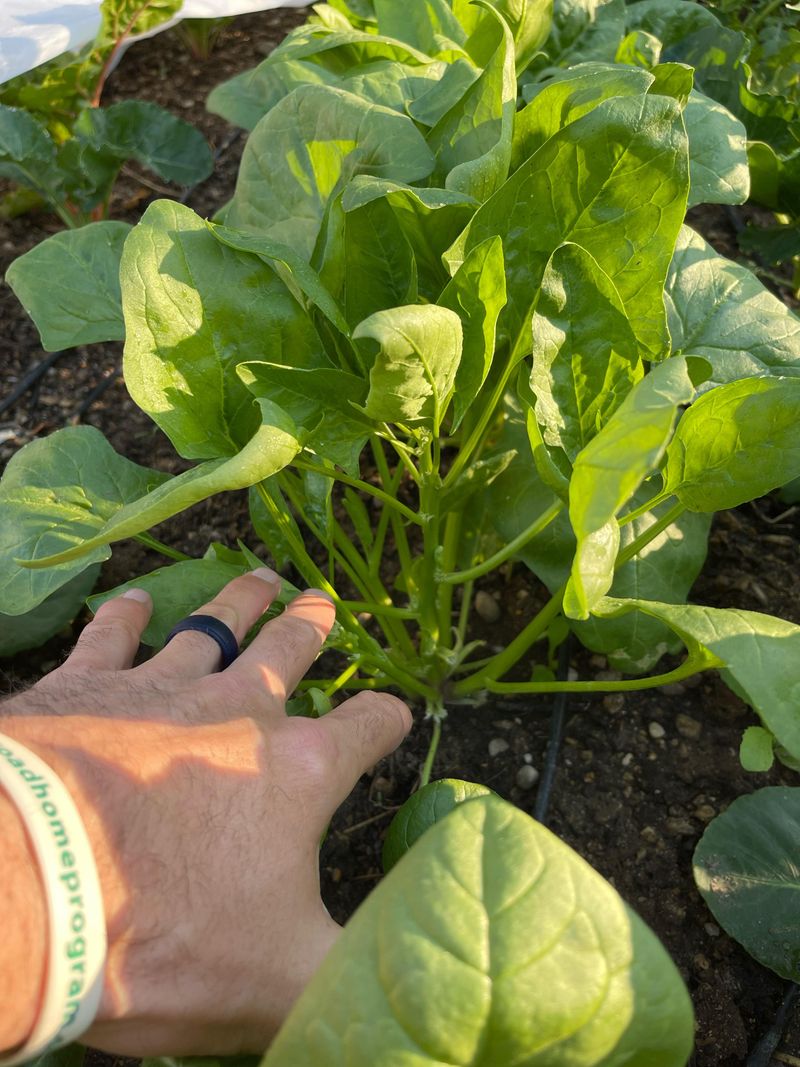
Dark green leaves packed with nutrients stand ready in your garden beds this month. Spinach planted during Arizona’s fall season reaches harvest maturity throughout February.
Plants develop thick, substantial foliage that withstands light frost while maintaining excellent flavor.
Your spinach crop benefits enormously from February’s stable weather patterns. Temperature fluctuations that cause bolting remain minimal during this period.
Plants focus energy on leaf production rather than premature flowering.
Harvest methods vary based on your preferences and plant size. Baby spinach leaves picked early offer tender texture for fresh salads.
Mature leaves provide heartier options for cooking applications.
Arizona gardeners enjoy extended harvest windows with this versatile crop. Unlike many regions where spinach seasons pass quickly, you get several weeks of prime picking time.
Regular harvesting encourages continued leaf production from your plants.
Soil preparation from months ago now pays dividends in leaf quality. Well-amended beds with adequate organic matter support robust growth.
Your spinach plants display deep coloration indicating high nutrient content.
Pest pressure remains remarkably low during February across Arizona. Cooler temperatures keep many insects inactive or absent entirely.
Your spinach grows without the damage common during warmer months.
Morning dew adds moisture to leaves naturally in many Arizona locations. This reduces supplemental watering needs compared to hotter periods.
Your irrigation schedule becomes more manageable and efficient.
Companion plants established nearby may enhance your spinach harvest. Radishes and lettuce share similar growing requirements and harvest timing.
This creates efficient use of garden space throughout winter.
Storage techniques preserve your spinach harvest for extended periods. Blanching and freezing captures peak freshness for future meals.
Fresh leaves also refrigerate well for immediate consumption over several days.
Nutritional value peaks when you harvest spinach at proper maturity in Arizona gardens. Vitamin content reaches maximum levels before any stress affects plants.
Your homegrown spinach surpasses store-bought options in both flavor and nutrition.
3. Swiss Chard
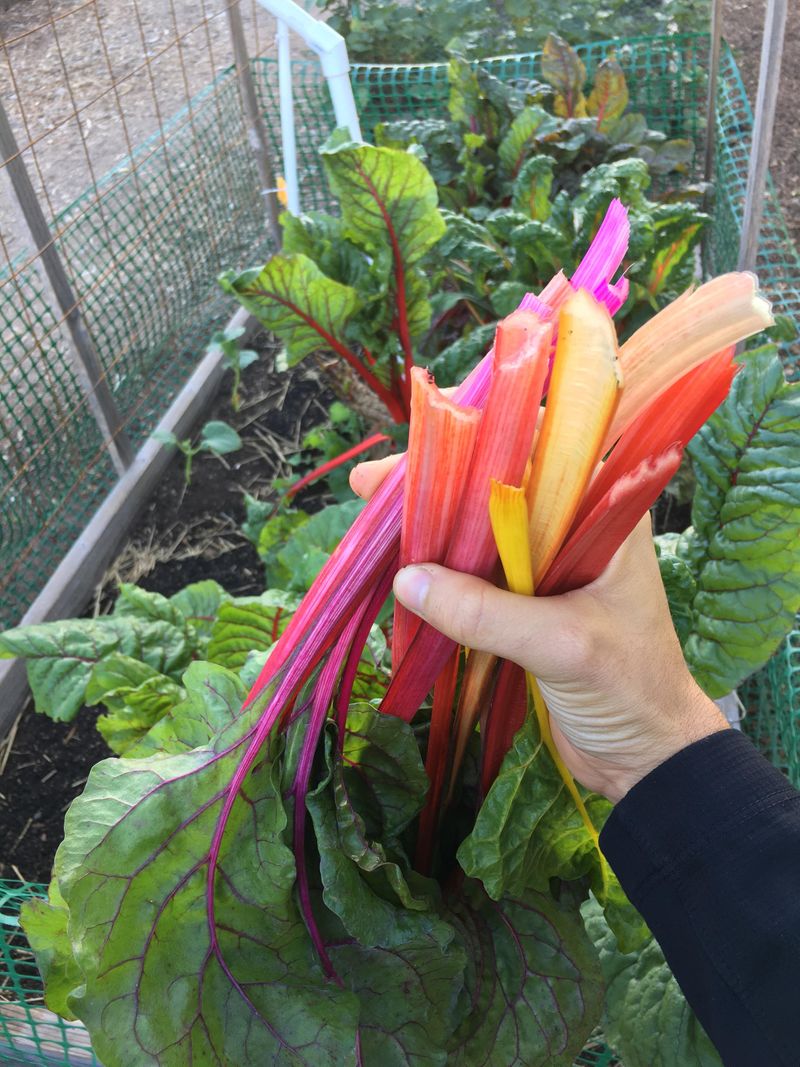
Vibrant stems in rainbow colors catch your eye across Arizona garden beds this month. Swiss chard displays its full glory during February, with leaves reaching optimal size and flavor.
This hardy green tolerates temperature variations better than most leafy vegetables.
Your chard plants continue producing throughout the entire month without decline. Unlike spinach that may bolt with warming trends, chard remains steadfast.
Stems develop brilliant colors ranging from crimson to golden yellow.
Harvesting techniques differ from other greens due to chard’s growth pattern. Outer leaves come away easily when cut near the base.
Inner leaves continue developing, providing ongoing harvests for weeks.
Arizona’s climate suits Swiss chard exceptionally well during winter months. Plants established in fall now reach their productive peak.
Your garden benefits from this reliable performer that rarely disappoints.
Nutritional benefits multiply when you grow chard in mineral-rich Arizona soils. Leaves absorb trace elements that enhance their health properties.
Your homegrown chard contains higher nutrient levels than commercially grown alternatives.
Culinary versatility makes chard harvests particularly valuable for home cooks. Tender leaves work beautifully in fresh applications while larger ones excel when cooked.
Colorful stems add visual appeal to any dish.
Water requirements remain moderate throughout February for established chard plants across Arizona. Deep roots access moisture from lower soil levels effectively.
Surface watering supplements natural moisture without creating soggy conditions.
Companion planting strategies prove beneficial for your chard crops. Bush beans planted nearby fix nitrogen that chard utilizes readily.
This natural fertilization reduces your input needs while boosting production.
Pest resistance characterizes Swiss chard grown during Arizona winters. Few insects bother these robust plants during cooler months.
Your chard grows clean and unblemished without chemical interventions.
Succession harvesting extends your chard supply throughout February and beyond. Taking only what you need allows plants to regenerate continuously.
This sustainable approach maximizes production from limited garden space in Arizona.
4. Kale
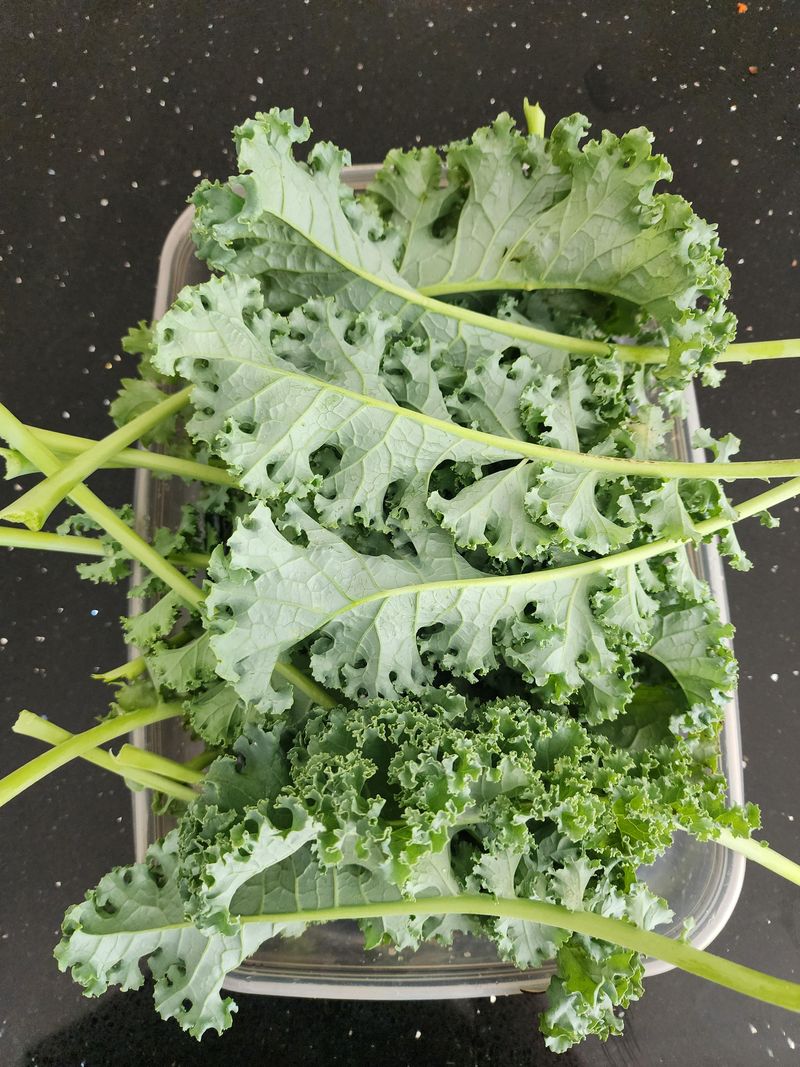
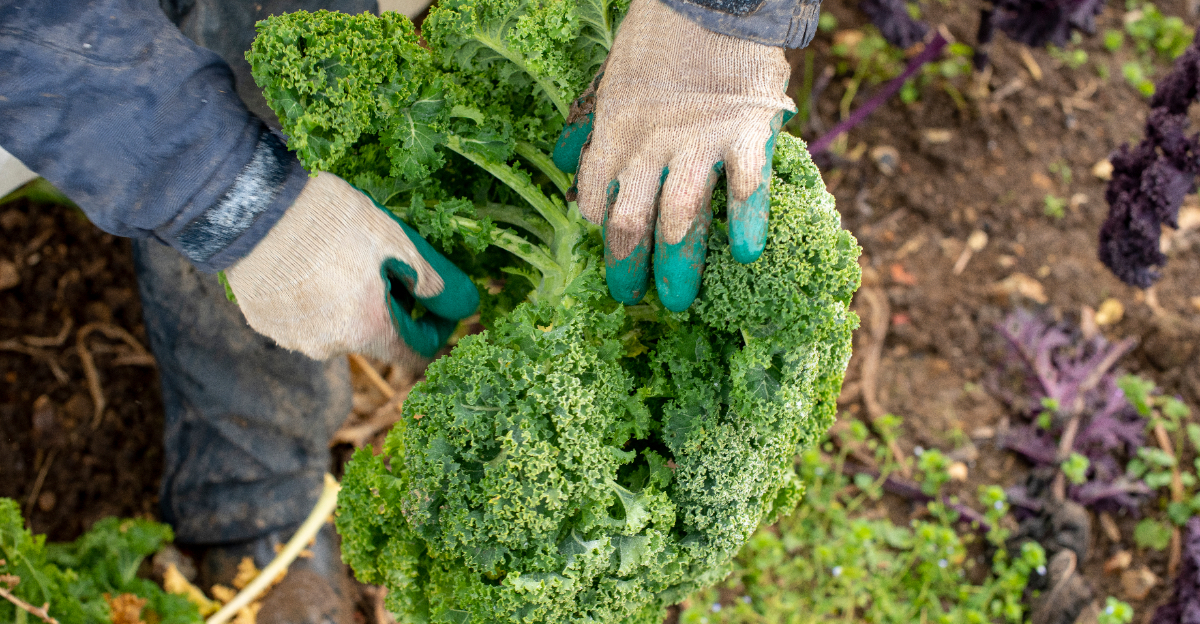
Ruffled leaves display their characteristic texture beautifully in your Arizona garden now. Kale thrives during February’s cool conditions, developing enhanced sweetness after exposure to light frosts.
Northern Arizona gardeners particularly appreciate how cold temperatures improve flavor profiles.
Your kale plants demonstrate remarkable resilience throughout winter months. Growth continues steadily even when other crops slow their development.
This reliability makes kale a cornerstone crop for Arizona winter gardens.
Harvest timing affects both yield and leaf quality significantly. Young leaves picked early offer tender texture suitable for raw consumption.
Mature leaves provide substantial body for cooking applications and retain nutrients well.
Multiple kale varieties perform excellently across Arizona’s diverse climate zones. Curly types add texture to gardens while dinosaur kale provides striking appearance.
Your choice depends on culinary preferences and aesthetic considerations.
Soil fertility directly impacts your kale harvest quality this month. Plants draw heavily on nitrogen reserves to maintain leaf production.
Side-dressing with compost supports continued vigor throughout the harvest period.
Arizona gardeners benefit from extended kale harvests compared to many regions. Plants continue producing new leaves as you remove older ones.
This cut-and-come-again approach provides fresh greens for several months.
Frost events that occur in some Arizona areas actually benefit kale crops. Cold exposure converts starches to sugars within leaf tissues.
Your kale tastes noticeably sweeter after temperatures dip below freezing overnight.
Culinary applications for February kale harvests span numerous cuisines. Raw leaves blend into smoothies while cooked versions complement hearty dishes.
Chips made from fresh kale provide healthy snacking options.
Pest management remains simple during Arizona’s winter growing season. Cabbage worms that plague spring crops stay absent now.
Your kale grows without the damage common during warmer periods.
Storage methods preserve kale harvests effectively for later use. Blanched leaves freeze beautifully, maintaining color and nutrition.
Fresh kale also refrigerates well when stored properly in sealed containers with slight moisture.
5. Arugula
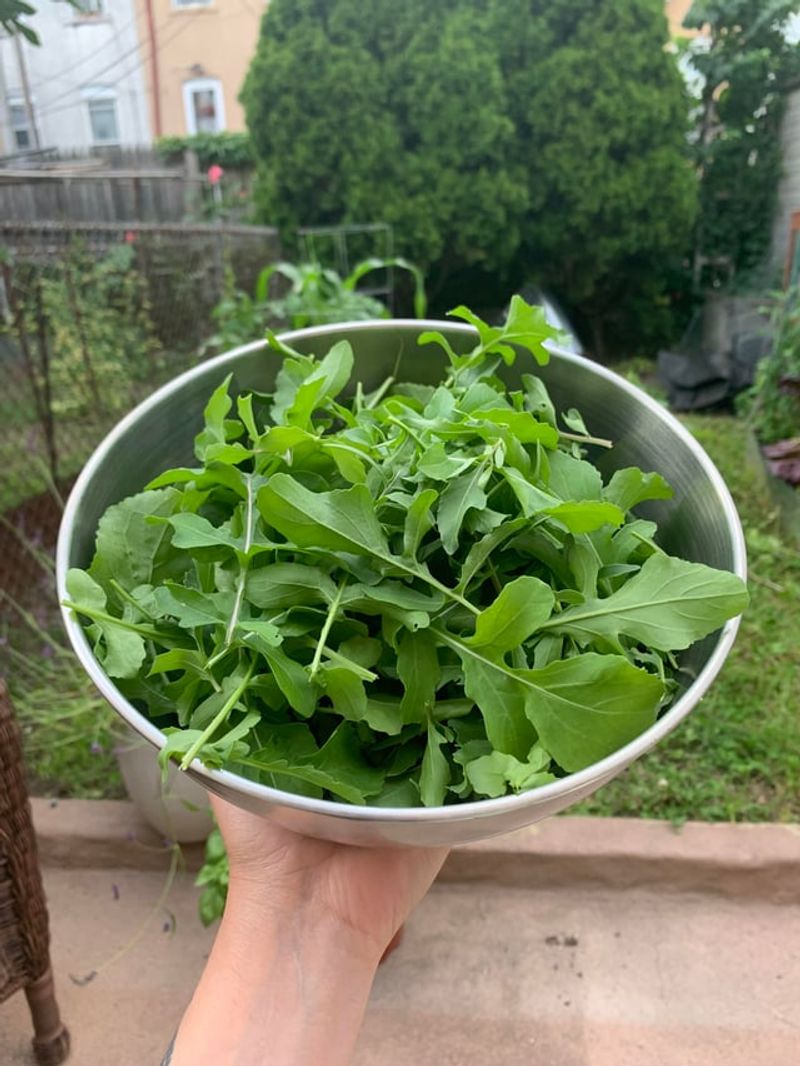
Peppery flavors intensify beautifully during Arizona’s coolest growing month. Arugula reaches perfect maturity in February, offering sophisticated taste profiles for salads and cooking.
Your plants develop robust leaf production without the excessive spiciness that heat brings.
Quick maturity characterizes arugula grown throughout Arizona during winter. Seeds planted just weeks ago now provide harvestable leaves.
This rapid growth cycle allows multiple plantings within a single season.
Your arugula harvest window extends longer during February than warmer months. Plants resist bolting when temperatures remain moderate and days stay short.
Flowering that ends production gets delayed significantly under current conditions.
Leaf size at harvest determines flavor intensity and culinary applications. Baby arugula picked small offers mild, nutty taste perfect for mixed salads.
Larger leaves develop more pronounced pepperiness suitable for cooking or bold salad statements.
Arizona’s dry climate prevents moisture-related diseases in arugula crops. Fungal problems that affect arugula elsewhere rarely appear here.
Your plants remain healthy and productive throughout their growing cycle.
Successive sowings from previous weeks now provide continuous harvests. Staggered plantings ensure fresh arugula availability throughout February and beyond.
This planning strategy maximizes your garden’s productive capacity.
Consistent light moisture produces the best leaf texture and flavor.
Companion planting enhances your arugula’s growth in Arizona gardens. Bush beans nearby provide nitrogen while their shade protects arugula from intense afternoon sun.
This symbiotic relationship benefits both crops.
Culinary versatility makes arugula harvests particularly valuable for home cooks. Fresh leaves elevate simple salads while cooked arugula adds depth to pasta dishes.
Pesto made from arugula offers unique flavor profiles.
Nutritional density peaks when you harvest arugula at optimal maturity. Vitamin K content reaches maximum levels in properly grown plants.
Your homegrown arugula provides superior nutrition compared to grocery store alternatives that lose nutrients during transport and storage.
6. Radishes
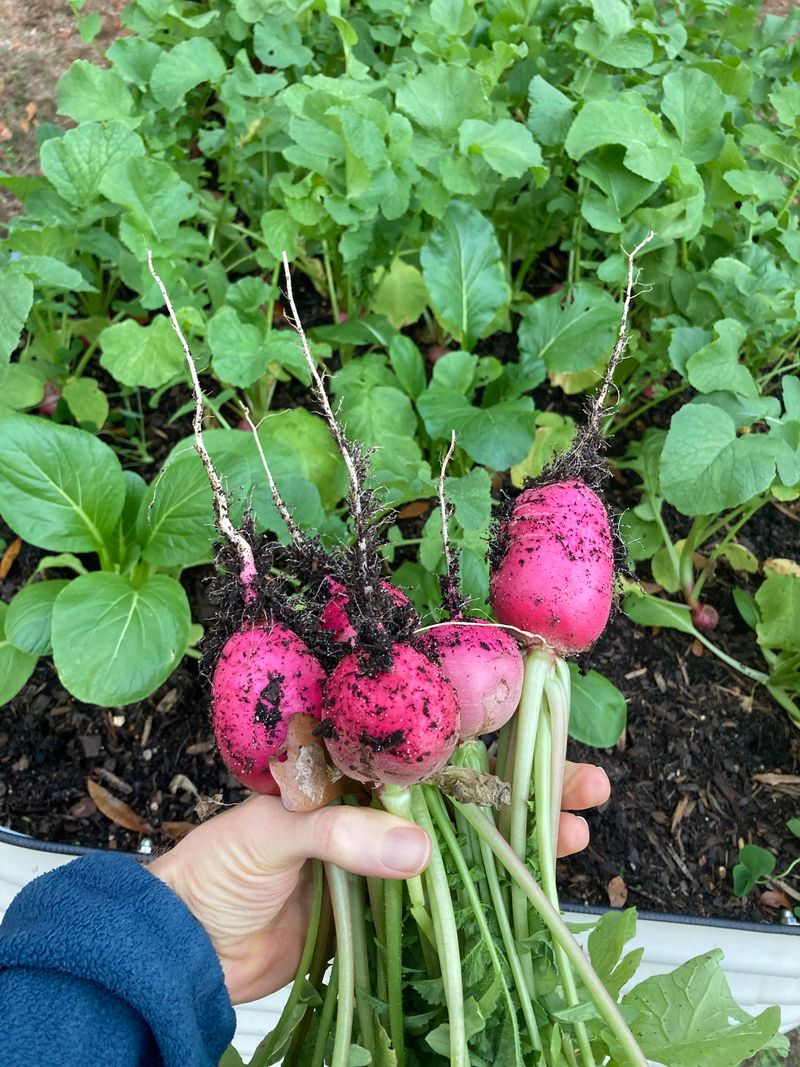
Bright globes hide just beneath soil surface in your Arizona garden beds right now. Radishes mature remarkably quickly during February’s ideal growing conditions.
Cool soil temperatures produce crisp texture and mild flavor that summer radishes never achieve.
Your radish crop reaches harvest maturity faster than almost any other vegetable. Seeds planted four weeks ago now offer perfectly sized roots.
This rapid turnaround allows multiple crops within Arizona’s extended winter season.
Harvest timing proves critical for maintaining quality in radish crops. Roots left too long become woody and develop excessive heat.
February’s moderate temperatures provide a wider harvest window than warmer months allow.
Multiple radish varieties thrive across Arizona during winter months. Classic red globes perform reliably while specialty types add interest.
Your variety selection determines both appearance and subtle flavor variations.
Soil preparation influences radish quality more than most vegetables. Loose, well-drained soil allows proper root development and easy harvesting.
Compacted soil produces misshapen radishes that lack characteristic crispness.
Arizona gardeners enjoy radish harvests with minimal pest interference during February. Root maggots that trouble spring crops remain inactive now.
Your radishes grow clean and unblemished without chemical treatments.
Water management affects radish texture and flavor significantly. Consistent moisture produces mild, crisp roots while irregular watering causes splitting.
February’s stable conditions make moisture management easier than summer months.
Companion crops planted alongside radishes benefit both vegetables. Carrots and radishes share space efficiently since radishes mature first.
This succession planting maximizes your Arizona garden’s productivity throughout winter.
Culinary applications extend beyond simple salad slicing for fresh radishes. Roasting concentrates flavors and creates entirely different taste experiences.
Pickled radishes preserve your harvest while adding tangy elements to meals.
Storage techniques maintain radish quality after harvest for reasonable periods. Removing tops immediately prevents moisture loss from roots.
Refrigerated radishes stay crisp for two weeks when stored properly in sealed containers with slight humidity.
7. Green Onions (Scallions)
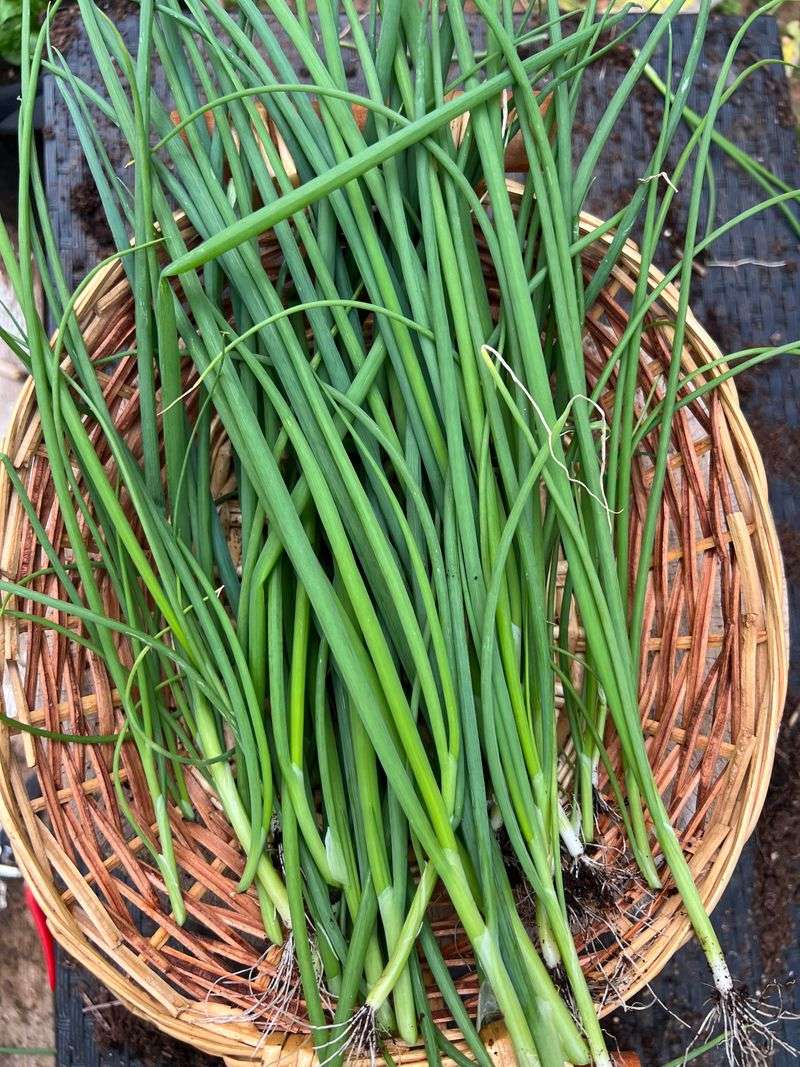
Slender stalks stand ready for your culinary needs throughout Arizona gardens this month. Green onions planted during fall now reach perfect harvest size in February.
Cool temperatures produce mild flavor and tender texture that hot-weather scallions cannot match.
Your green onion crop demonstrates remarkable adaptability to Arizona’s winter conditions. Plants tolerate temperature fluctuations while maintaining steady growth.
This resilience makes scallions reliable performers in unpredictable weather.
Harvest methods vary depending on your garden plans and preferences. Pulling entire plants provides immediate use while cutting tops allows regrowth.
February conditions support both approaches effectively across Arizona.
Multiple varieties of green onions perform well during winter months. Traditional scallions offer classic mild onion flavor while specialty types provide unique characteristics.
Your selection determines subtle taste variations in finished dishes.
Soil requirements for green onions remain modest compared to many crops. Well-drained beds with moderate fertility support excellent growth.
Arizona’s native soils work well when amended with organic matter.
Companion planting strategies enhance green onion production in your garden. Carrots and lettuce planted nearby benefit from onions’ pest-deterrent properties.
This natural protection reduces problems across multiple crops simultaneously.
Water needs stay relatively low for established green onions during February. Deep roots access moisture efficiently from lower soil levels.
Surface watering supplements natural moisture without creating waterlogged conditions.
Arizona gardeners enjoy extended harvest periods with properly managed scallions. Plants continue producing new growth as you harvest outer leaves.
This sustainable approach provides fresh green onions for several weeks.
Culinary versatility makes green onion harvests particularly valuable for home cooks. Raw scallions add sharp bite to salads while cooked versions mellow beautifully.
Grilled green onions develop sweet, complex flavors that enhance numerous dishes.
Storage methods preserve your green onion harvest effectively between uses. Refrigerated scallions stay fresh for up to two weeks when stored properly.
Chopped green onions also freeze well, maintaining flavor for later cooking applications throughout Arizona’s warmer months ahead.
8. Carrots
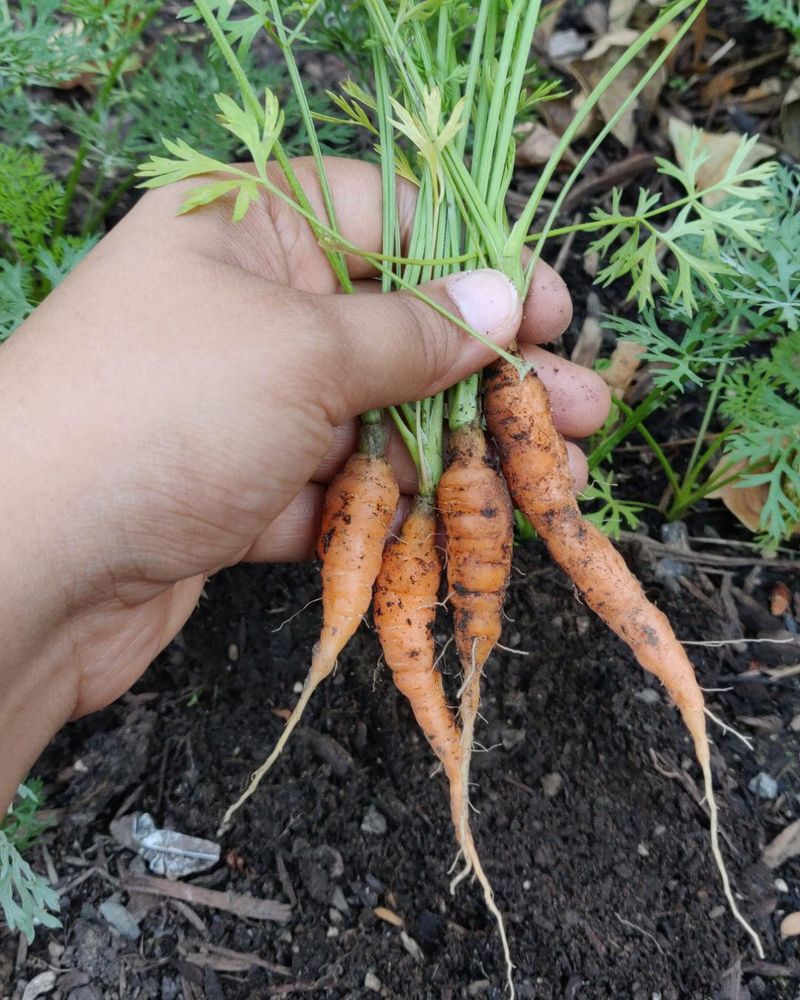
Sweet roots develop exceptional flavor beneath Arizona soil during winter months. Carrots planted in fall now reach harvest maturity throughout February.
Cool temperatures convert starches to sugars, producing the sweetest carrots you will taste all year.
Your carrot crop benefits tremendously from February’s stable growing conditions. Roots expand steadily without the cracking that temperature fluctuations cause.
Arizona’s dry climate prevents many moisture-related problems that plague carrots elsewhere.
Harvest timing depends on your preferred carrot size and culinary plans. Baby carrots pulled early offer tender sweetness perfect for raw snacking.
Full-sized carrots provide substantial yields and excellent storage potential.
Multiple carrot varieties succeed in Arizona gardens during winter. Short varieties work well in heavy soils while long types excel in loose, sandy beds.
Your soil type should guide variety selection for optimal results.
Soil preparation months ago now determines your carrot harvest quality. Deep, loose soil allows straight root development and easy harvesting.
Rocks or compaction create forked, misshapen carrots that lack market appeal.
Arizona gardeners face minimal pest pressure on carrot crops during February. Carrot rust flies that damage spring crops remain absent now.
Your carrots grow clean and unblemished without chemical interventions.
Water management throughout the growing season affects final carrot quality. Consistent moisture produces straight, smooth roots while irregular watering causes splitting.
February’s moderate conditions make moisture management straightforward.
Companion crops benefit from carrot presence in your Arizona garden. Onions planted nearby deter carrot pests while carrots return the favor.
This mutual protection reduces problems for both crops naturally.
Culinary applications for fresh carrots extend far beyond simple raw consumption. Roasting concentrates natural sugars and creates caramelized exteriors.
Juicing provides concentrated nutrition while preserving captures harvest abundance.
Storage techniques extend your carrot harvest enjoyment for months. Roots left in ground remain fresh until needed in many Arizona locations.
Harvested carrots refrigerate well for weeks or freeze successfully after blanching for long-term storage throughout spring and summer.