These Cut Flowers Thrive In Oregon Gardens (And Last Beautifully Indoors)
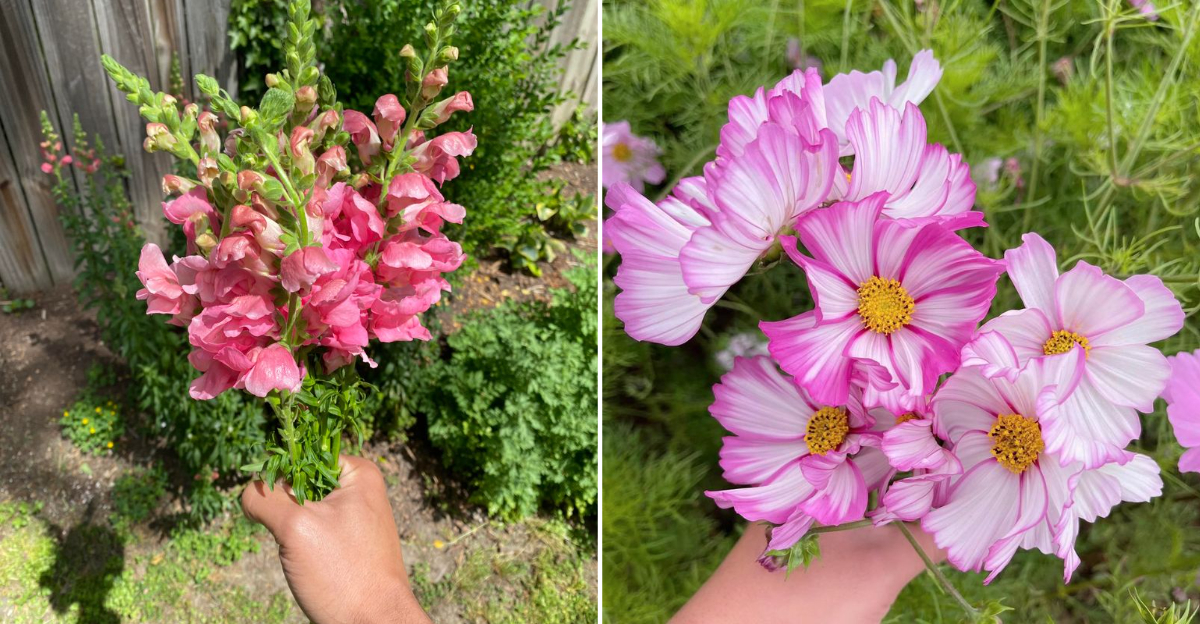
If you love stepping outside with clippers in hand and coming back in with an armful of fresh blooms, Oregon is a dream place to garden.
Cool springs, mild summers, and rich soil create the perfect conditions for flowers that do double duty. They shine in the yard and hold up beautifully once arranged in a vase.
The secret is choosing varieties that can handle Oregon’s rainy stretches and still produce sturdy stems with long lasting petals.
Some flowers actually grow stronger with those cooler nights, developing richer color and better vase life than they would in hotter climates.
That means fewer droopy disappointments on your kitchen table and more bouquets that look fresh for days.
With the right picks, you can cut generously all season long without sacrificing the look of your garden beds.
These dependable bloomers keep producing, keep impressing, and keep your indoor spaces filled with color, fragrance, and that just picked charm that never gets old.
1. Dahlias
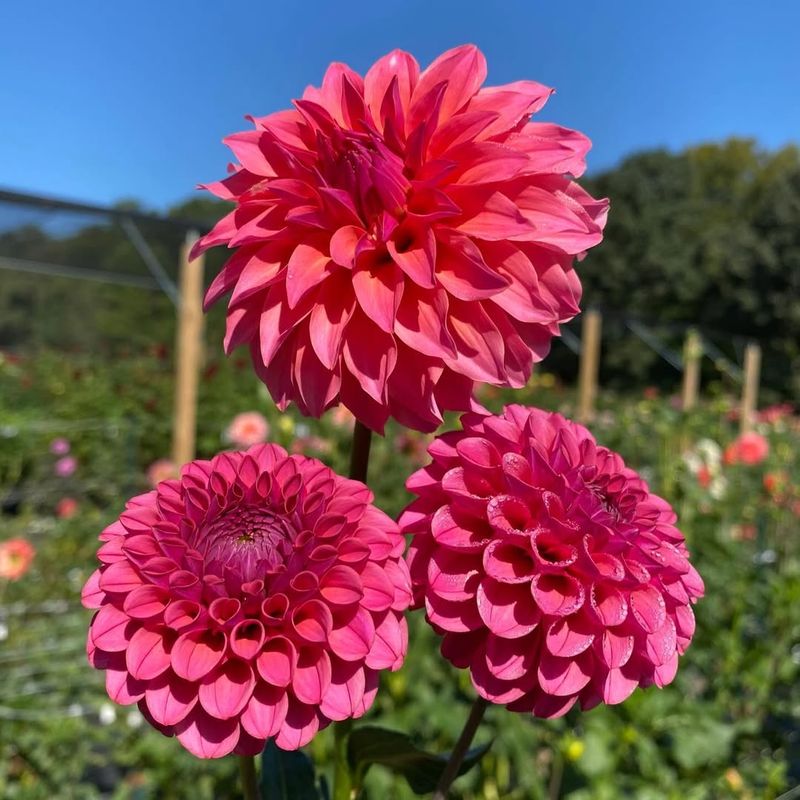
Few flowers can match the jaw-dropping beauty of dahlias. These bold, layered blooms come in almost every color imaginable, from soft pastels to deep jewel tones.
Oregon’s cool nights and warm days create the ideal conditions for dahlias to thrive and produce stunning flowers all summer long.
Dahlias grow from tubers, which you plant in the ground after the last frost, usually around mid-May in most parts of Oregon. They love full sun and well-drained soil.
Give them plenty of space because they can grow quite tall, some reaching over five feet. Pinching the main stem early on encourages more branching and more blooms.
For the best vase life, cut dahlias early in the morning when they are fully open. Place them immediately in warm water.
Remove any leaves that will sit below the waterline to keep the water clean. Dahlias typically last five to seven days in a vase when cared for properly.
Recutting the stems every couple of days helps them drink water more easily. Oregon gardeners often find that dahlias become their most rewarding and addictive flower to grow once they experience that first gorgeous bloom.
2. Zinnias
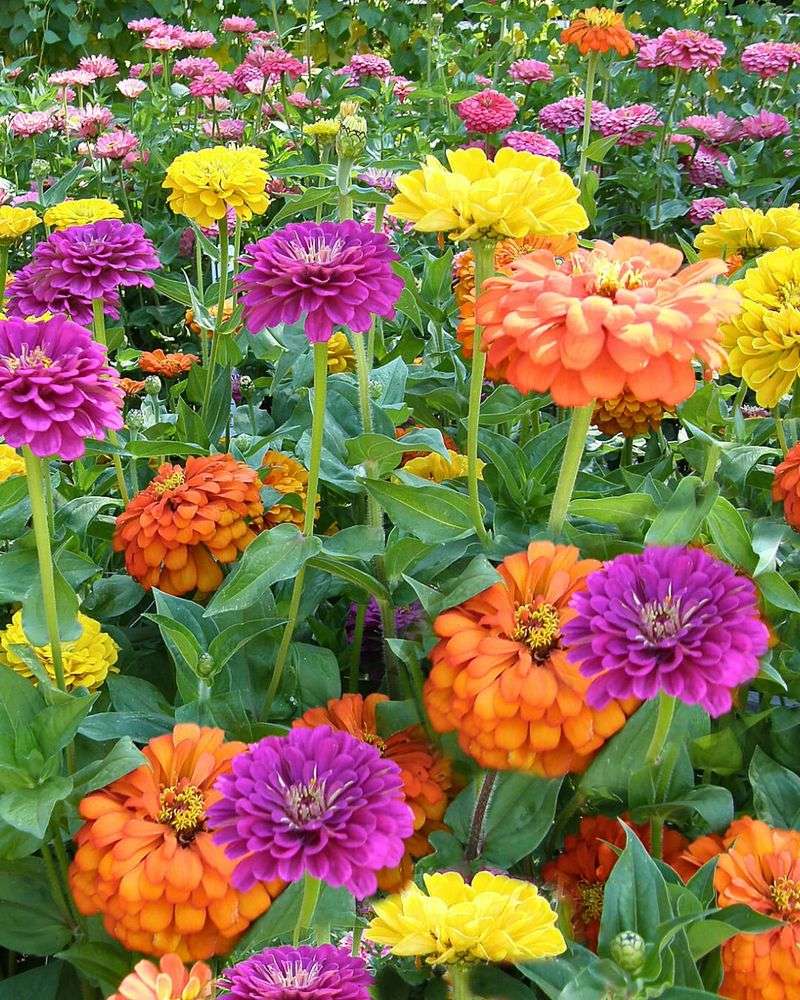
If you want a flower that practically grows itself, zinnias are your answer. These cheerful, sun-loving blooms are one of the easiest cut flowers to grow in Oregon.
They come in a rainbow of colors and bloom heavily from midsummer all the way through fall, giving you months of gorgeous cutting material.
Zinnias grow best when direct-sown into warm soil after all frost danger has passed. In Oregon’s Willamette Valley, that is typically late May or early June.
They prefer full sun and are surprisingly drought-tolerant once established. The more you cut them, the more they bloom, which makes them a dream for anyone who loves bringing fresh flowers indoors.
For longest vase life, cut zinnia stems when the flower head is fully open and firm. A floppy bloom will not last as long.
Strip the lower leaves and place them in fresh water right away. Zinnias typically last seven to ten days in a vase, which is impressive for such an easy-to-grow flower.
Growing tall varieties like ‘Benary’s Giant’ gives you long stems that are perfect for arrangements. Oregon summers are just sunny enough to bring out zinnias’ best colors.
3. Snapdragons
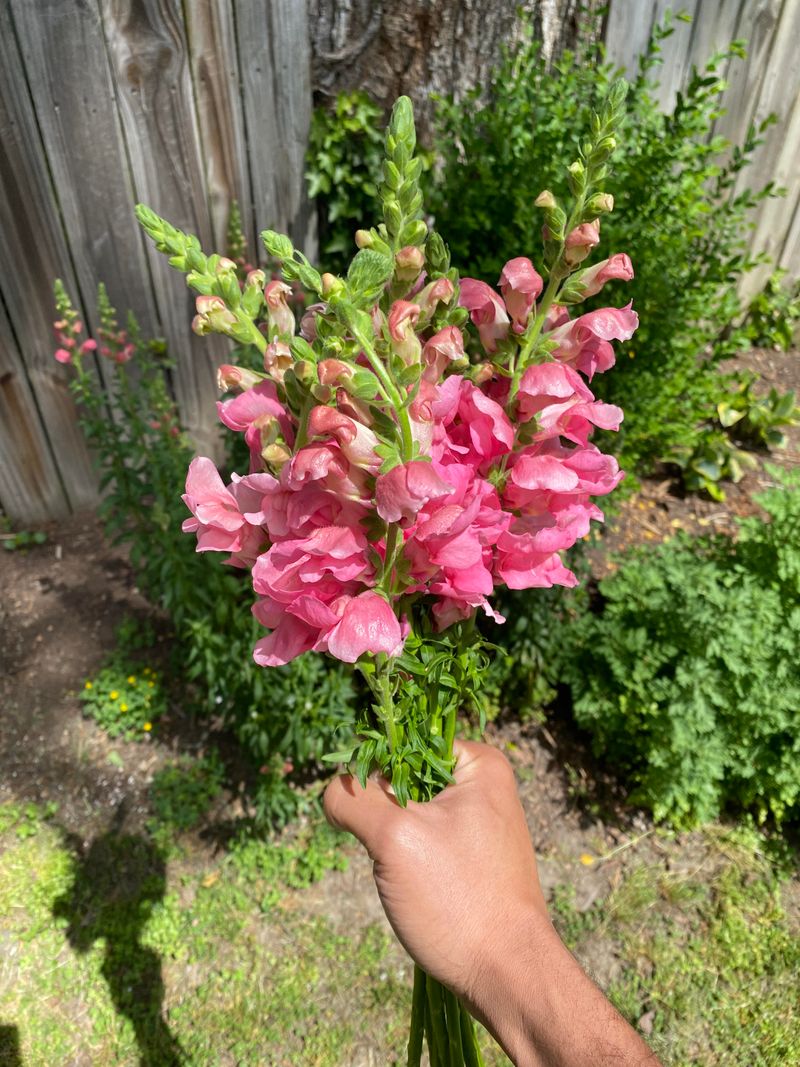
Snapdragons are the cool-weather champions of the Oregon cut flower garden. Unlike many flowers that need summer heat, snapdragons actually prefer the cooler temperatures that Oregon springs and falls deliver so naturally.
They produce tall, elegant spikes covered in ruffled blooms that look absolutely stunning in arrangements.
You can start snapdragon seeds indoors in late winter and transplant them out in early spring, even before the last frost. They are surprisingly cold-hardy and will keep growing and blooming in temperatures that would stress other flowers.
In Oregon, they often bloom beautifully from April through June, then again in fall when temperatures cool back down.
Cut snapdragon spikes when about one-third to one-half of the flowers on the spike are open. The remaining buds will continue to open in the vase, giving you a longer display.
They can last up to two weeks with proper care. Change the water every couple of days and keep them away from fruit, which releases gases that shorten flower life.
Snapdragons are a favorite at Oregon farmers markets for good reason. Their tall, graceful form and soft fragrance make them a top pick for bouquets and home arrangements all season long.
4. Peonies
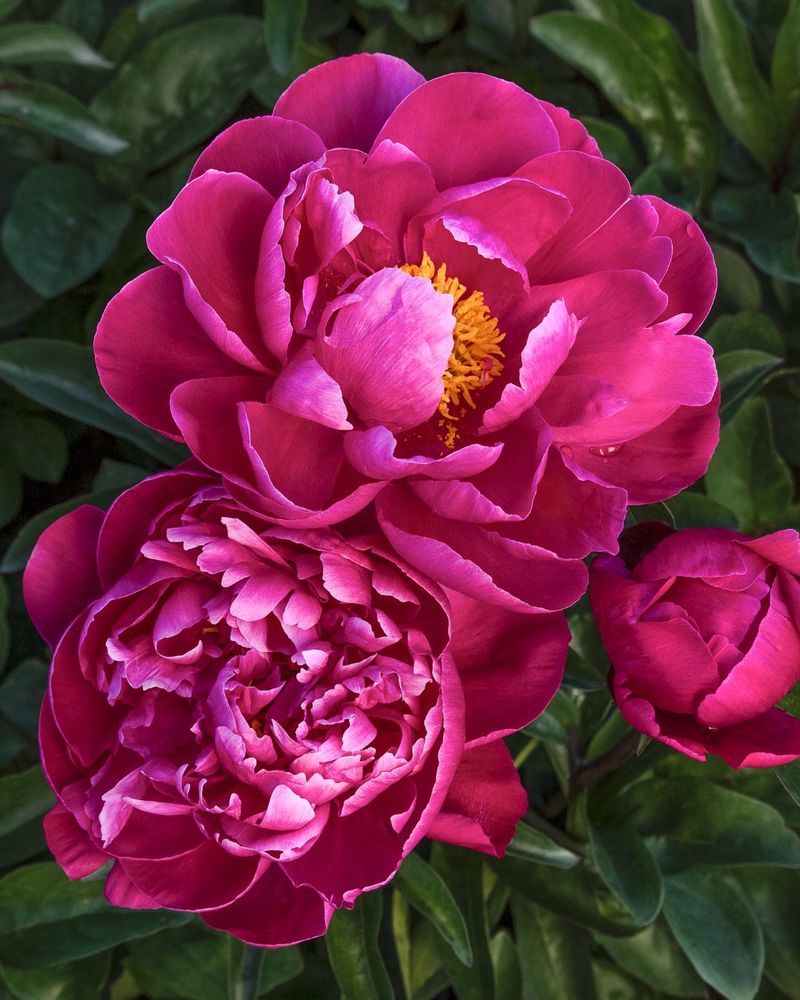
There is something almost magical about the moment a peony opens. The layers of silky petals unfurl slowly, releasing a sweet fragrance that fills an entire room.
Peonies are beloved by Oregon gardeners for their incredible beauty, long lifespan as a plant, and their ability to produce stunning cut flowers year after year.
Peonies are perennials, meaning you plant them once and enjoy them for decades. They need cold winters to bloom well, and Oregon’s climate delivers exactly that.
Plant peony roots in fall, making sure the eyes, or growing points, are no more than one to two inches below the soil surface. Too deep and they will not bloom.
They love full sun and rich, well-drained soil.
For cutting, harvest peonies when the buds feel like a soft marshmallow, just before they fully open. At this stage, they travel well and open beautifully indoors.
Peonies last five to seven days in a vase. If you want to enjoy them longer, cut them in bud stage and store them in the refrigerator wrapped in plastic.
Oregon’s peony season is short but absolutely spectacular, usually peaking in late May and June. Every bloom is worth the wait.
5. Cosmos
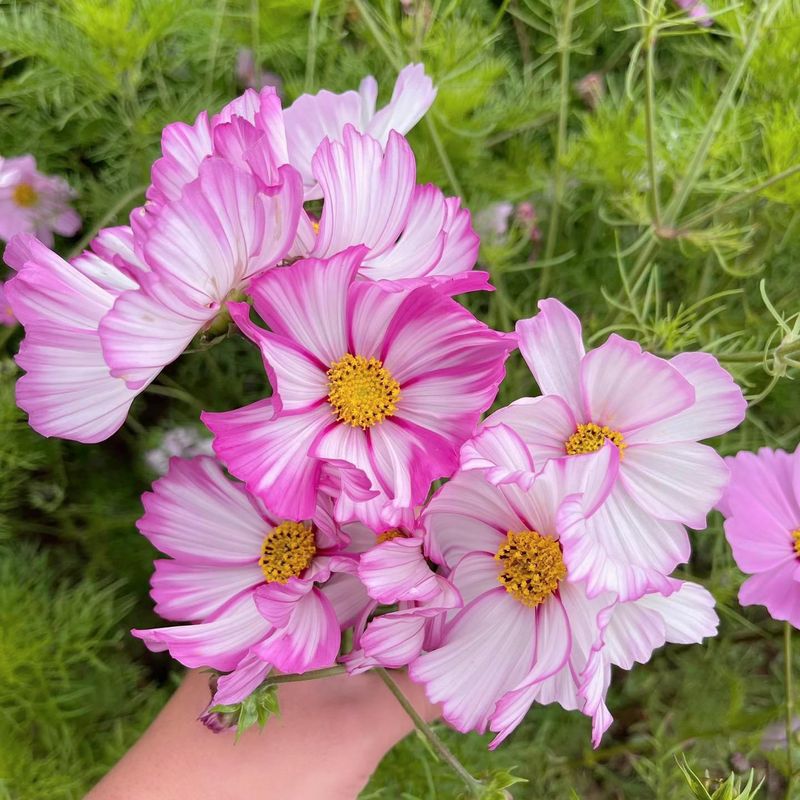
Light, airy, and completely carefree, cosmos are one of those flowers that seem to thrive on neglect. They actually prefer lean, less-fertile soil, which means you do not need to fuss over them much at all.
Oregon gardeners love cosmos because they bloom abundantly from midsummer through the first frost, filling gardens with cheerful color for months.
Direct-sow cosmos seeds after your last frost date, which in most parts of Oregon falls in mid to late May. They germinate quickly and grow fast.
Too much fertilizer will give you lush foliage but fewer flowers, so hold back on the nitrogen. Cosmos love full sun and are quite drought-tolerant once they get established.
They also self-seed freely, so you may find them coming back on their own the following year.
Cut cosmos when the flowers are just fully open, early in the morning for best results. Their stems can be a bit delicate, so handle them carefully.
They typically last five to seven days in a vase. Because they bloom so freely, you will always have fresh stems to replace older ones.
Mixing cosmos with other garden flowers creates effortlessly beautiful, romantic bouquets that feel straight out of a cottage garden. Oregon summers are perfect for these breezy, beautiful blooms.
6. Sweet Peas
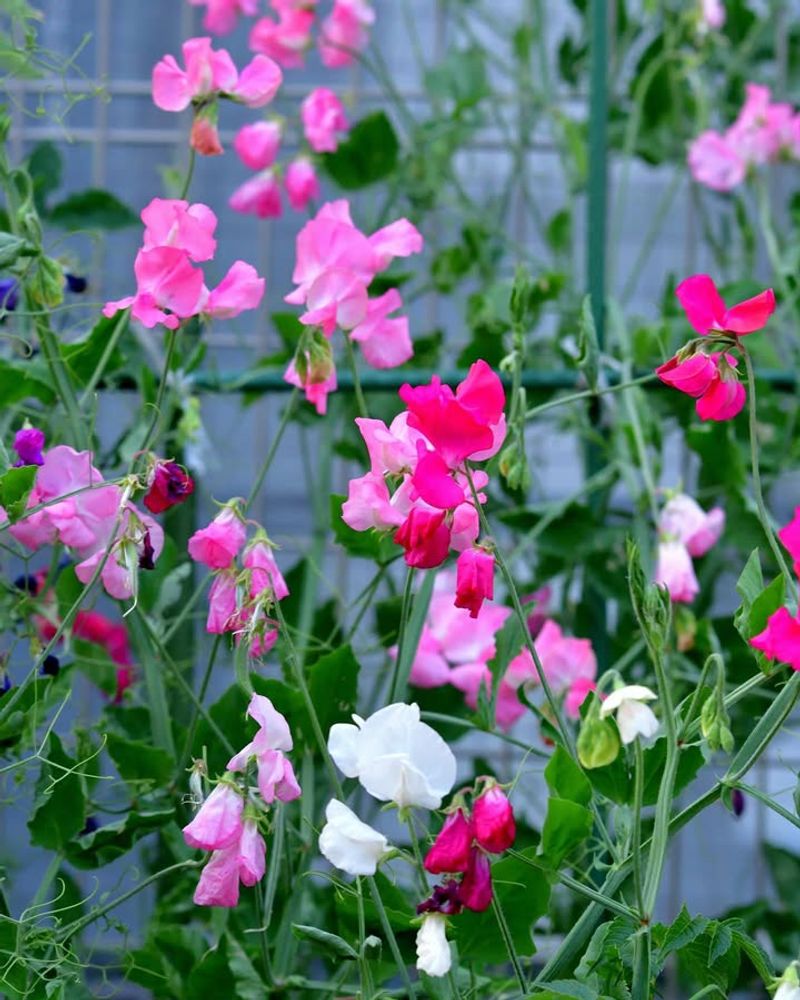
Sweet peas have a fragrance so lovely that gardeners have been growing them for centuries. These climbing, delicate flowers are a true Oregon specialty because they absolutely love the cool, moist springs that the Pacific Northwest is famous for.
Their ruffled blooms and heavenly scent make them a top choice for anyone who loves fragrant indoor arrangements.
Plant sweet pea seeds in early spring, as soon as the soil can be worked, usually February or March in the Willamette Valley. They are frost-tolerant and actually prefer cooler temperatures.
Soak seeds overnight before planting to speed up germination. Provide a trellis, fence, or netting for them to climb.
They will reward you with abundant blooms from late spring through early summer before the heat causes them to slow down.
Cut sweet peas frequently to encourage more blooms. The more you pick, the more they produce.
They are best cut in the morning when stems are hydrated. Sweet peas typically last five to seven days in a vase, but their fragrance alone makes every day worth it.
Arrange them in small mason jars or mix them with other spring flowers for charming bouquets. Oregon springs are practically made for growing these enchanting, fragrant beauties.
7. Shasta Daisies
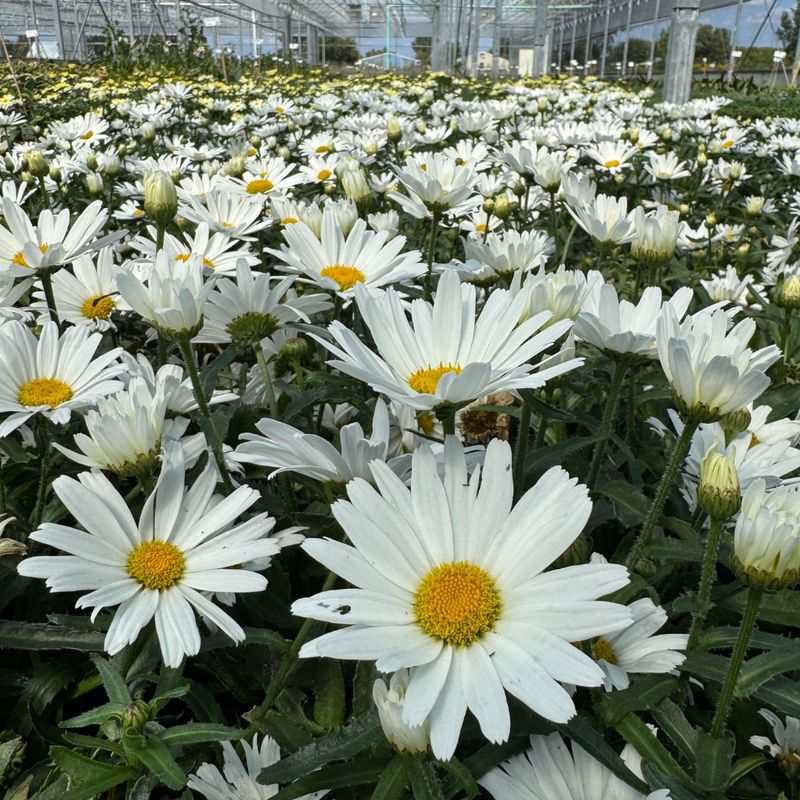
Cheerful, classic, and incredibly reliable, Shasta daisies bring a timeless charm to both gardens and indoor arrangements. These perennial favorites are a staple in Oregon gardens because they handle the region’s wet winters and warm summers with ease.
Once established, they come back every year and bloom generously from early summer through fall.
Shasta daisies grow well in full sun and prefer well-drained soil. They are drought-tolerant once established, which makes them low-maintenance even during Oregon’s drier summer months.
Plant them in spring or fall, and divide clumps every few years to keep them vigorous and blooming at their best. Deadheading spent flowers encourages continuous blooming throughout the season.
For cutting, harvest Shasta daisy stems when the flowers are just fully open. Cut them early in the morning and place them immediately in cool water.
They typically last seven to ten days in a vase, making them one of the longer-lasting cut flowers you can grow. Their bright white petals and sunny yellow centers pair beautifully with almost any other flower.
Mixing Shasta daisies with lavender, zinnias, or yarrow creates gorgeous, fresh-looking bouquets. Oregon gardeners often rely on Shasta daisies as the dependable backbone of their summer cutting gardens.
8. Yarrow
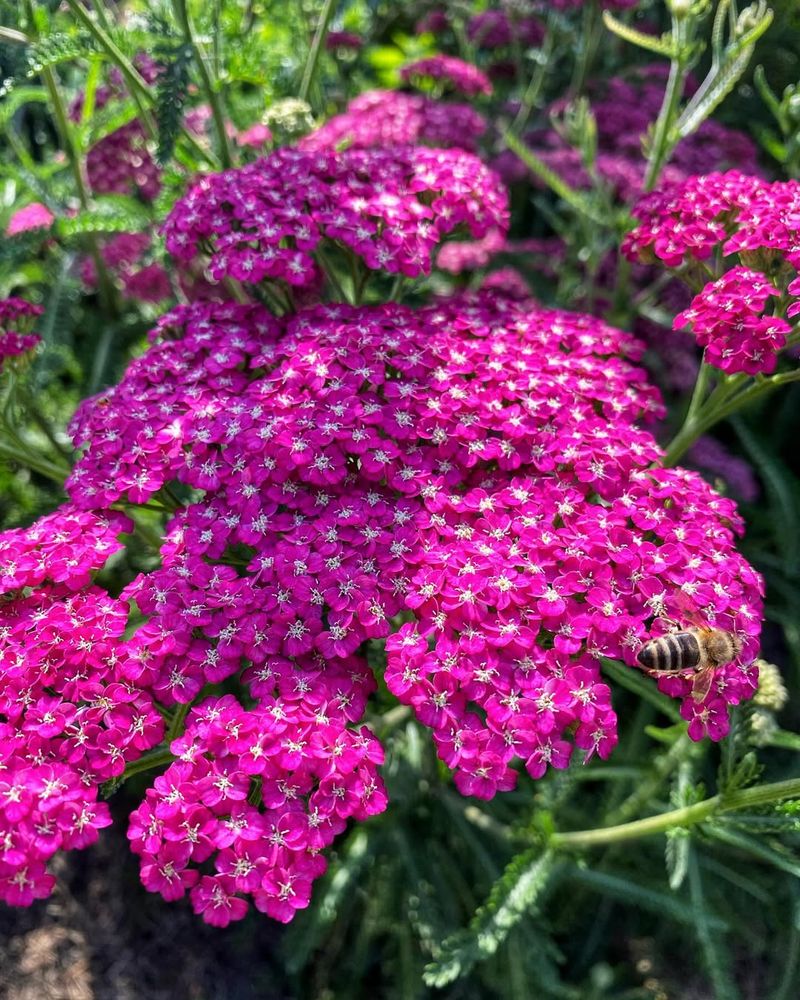
Yarrow is one of those underrated flowers that deserves way more attention in the cutting garden. Its flat-topped flower clusters come in shades of yellow, pink, red, and white, and they add incredible texture and color to fresh arrangements.
Yarrow has been used medicinally and decoratively for thousands of years, making it one of the most historically interesting flowers you can grow.
In Oregon, yarrow thrives in sunny, well-drained spots and is remarkably tough. It handles dry summers without much extra watering once established, which is a big plus during Oregon’s warm, dry July and August.
Yarrow spreads through underground roots, so plant it where you do not mind it filling in over time. It is a perennial, so it returns reliably each year without replanting.
Cut yarrow when about three-quarters of the tiny flowers in the cluster are open. It lasts an impressive ten to fourteen days in a vase, one of the longest of any cut flower.
Yarrow also dries beautifully, retaining its color for months. Hang stems upside down in a cool, airy space to dry them.
Fresh or dried, yarrow adds wonderful structure to bouquets. Oregon’s full-sun slopes and garden beds are ideal for growing this tough, beautiful, and versatile flower.
9. Liatris
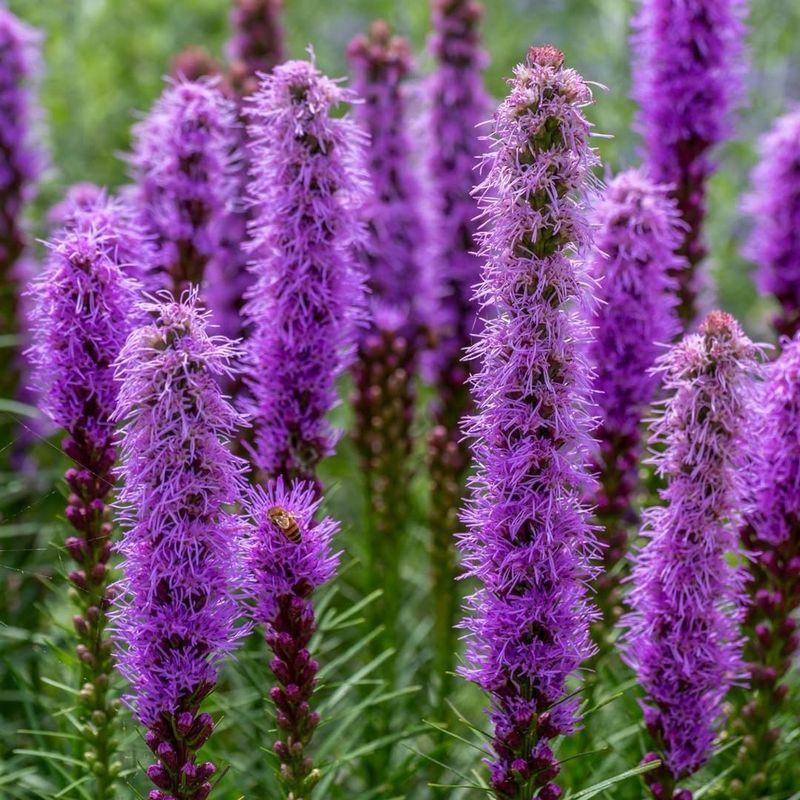
Liatris, also called blazing star or gayfeather, is one of the most striking cut flowers you can add to your Oregon garden. Its tall, slender spikes covered in fuzzy purple or white flowers are eye-catching and unique.
What makes liatris especially interesting is that its flowers open from the top of the spike down, which is the opposite of most flowering plants.
Liatris grows from corms, which you plant in spring after the soil has warmed. It loves full sun and well-drained soil, making it a great fit for Oregon’s drier summer conditions.
Once established, it is very low-maintenance and returns reliably each year as a perennial. It is also a pollinator magnet, drawing in butterflies and bees all summer long, which benefits your entire garden.
For cutting, harvest liatris spikes when the top third of the flowers has opened. The remaining buds will continue to open in the vase, extending the display.
Liatris lasts an impressive ten to fourteen days in a vase, which is outstanding for any cut flower. Its vertical form adds beautiful height and drama to floral arrangements.
Pair it with Shasta daisies or sunflowers for bold, colorful bouquets. Oregon gardeners who grow liatris rarely stop, once you see it in a vase, you are hooked.
10. Sunflowers
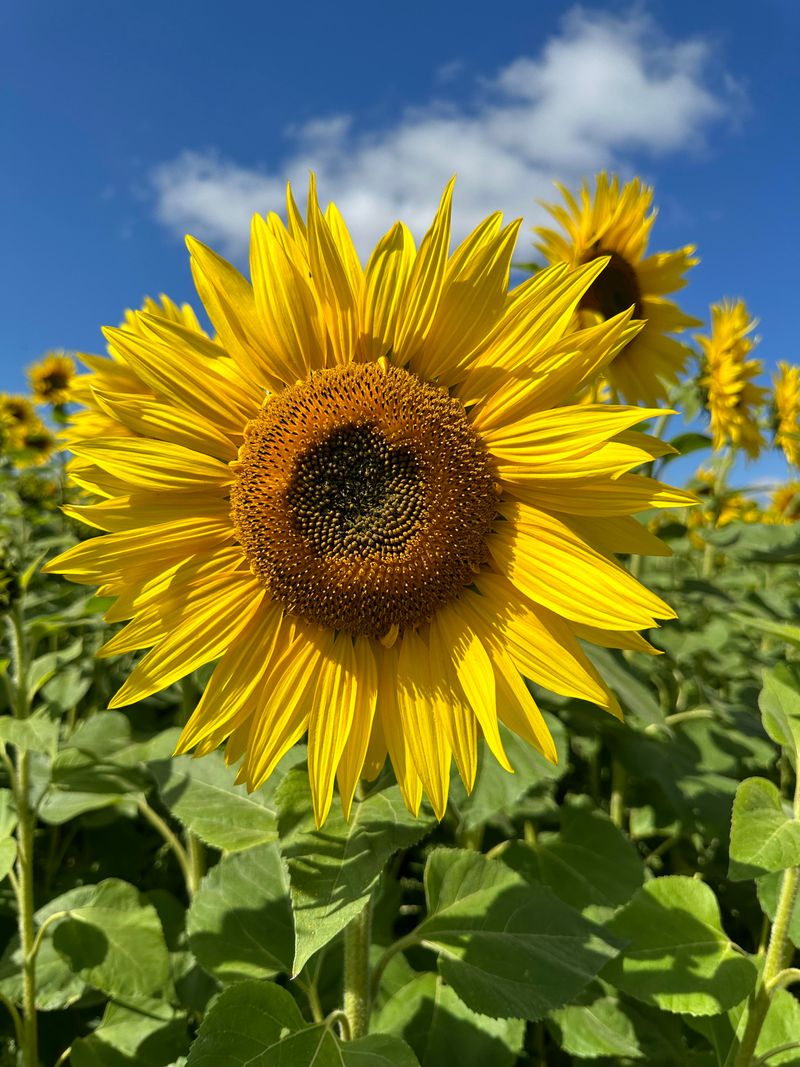
Nothing says summer quite like a sunflower. These iconic, golden blooms are practically synonymous with warm, sunny days, and Oregon’s long summer days give them exactly what they need to grow big and bold.
Sunflowers are not just beautiful indoors, they also bring serious cheerfulness to any room the moment you bring them inside.
Sunflowers are incredibly easy to grow from seed. Direct-sow them in a sunny spot after your last frost date, which is typically late May in most parts of Oregon.
They grow fast and can reach impressive heights, some varieties topping eight feet or more. For a cutting garden, look for multi-branching varieties like ‘Lemon Queen’ or ‘ProCut’ series, which produce multiple stems per plant instead of just one large central flower.
Cut sunflowers when the petals are just beginning to open and the center disk is still tight. They last longest when cut at this stage, typically six to ten days in a vase.
Change the water every couple of days and trim the stems slightly each time. Sunflowers pair well with zinnias, cosmos, and dahlias for vibrant, late-summer bouquets.
Across Oregon, from Portland to Bend, sunflowers grown in home gardens bring warmth and joy both inside and out all season long.