These Dark, Dramatic Indoor Foliage Plants Are Taking Over Pennsylvania Homes This Winter
This winter, Pennsylvania homes are embracing a moodier, cozier plant vibe, and dark, dramatic foliage is leading the trend.
Bright summer blooms have stepped aside, making room for rich green leaves, deep burgundy tones, and bold textures that instantly warm up indoor spaces.
These striking plants do more than decorate a room, they create atmosphere, turning quiet corners into lush, eye catching retreats.
Pennsylvania plant lovers are especially drawn to varieties that handle lower light and dry winter air with ease, making them perfect companions for the colder months.
Even better, many of these statement plants are surprisingly simple to care for, so you can enjoy the drama without the stress. Thinking about refreshing your indoor space for winter?
Let’s explore the dark, dramatic foliage plants Pennsylvania homeowners are loving right now.
1. Raven ZZ Plant
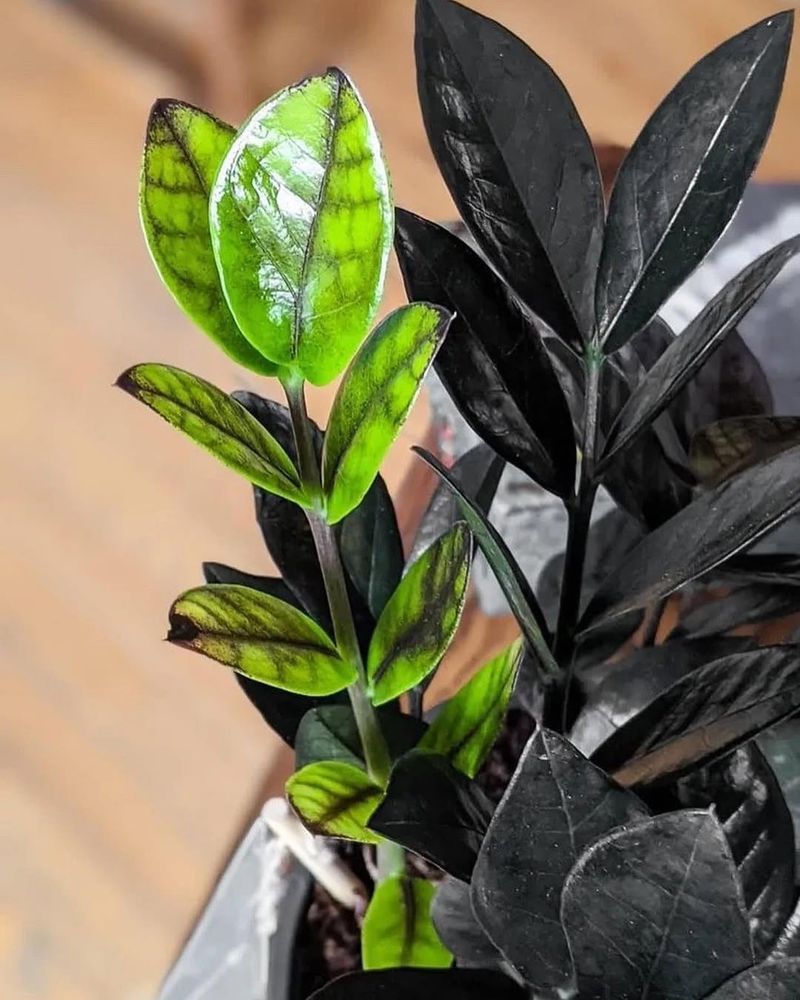
You might think all ZZ plants look the same, but the Raven ZZ is in a class of its own. Its leaves start out bright green and gradually darken to a rich, almost black color as they mature. This transformation makes the plant even more interesting to watch over time.
Pennsylvania homeowners love this plant because it tolerates low light and does not need frequent watering. In fact, it prefers to dry out between waterings, which is perfect for busy people.
You can place it in a corner that does not get much natural light, and it will still look stunning.
The glossy finish on the leaves reflects whatever light is available, creating a beautiful shine that catches the eye. This plant grows slowly but steadily, so you will not have to repot it often.
It also helps purify the air, which is a nice bonus during the winter when windows stay closed.
If you are new to indoor plants, the Raven ZZ is a great starting point. It forgives mistakes and keeps looking good even if you forget to water it for a few weeks.
Just keep it away from direct sunlight, which can fade its dramatic dark color. Many people in Pennsylvania are placing these in their bedrooms and living rooms for a touch of modern elegance.
2. Black Velvet Alocasia
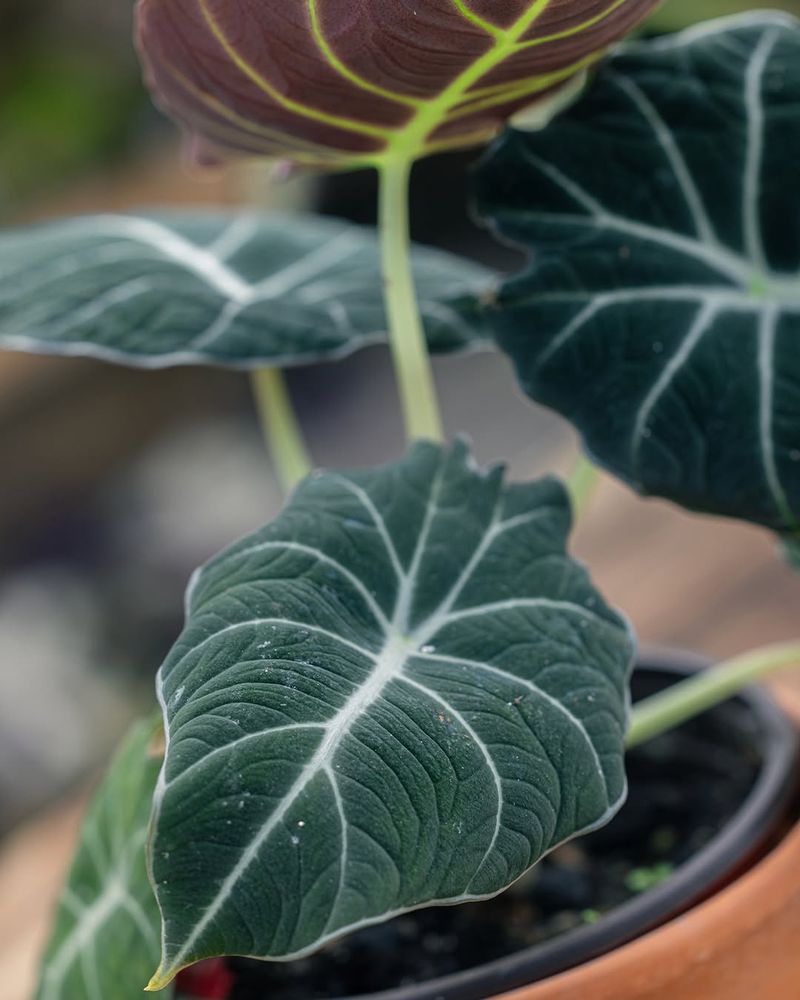
Imagine running your fingers over soft velvet fabric. That is exactly what the leaves of this Alocasia feel like.
The deep green to black foliage is covered in tiny hairs that give it a plush texture, and the bright white veins create a striking contrast that looks almost painted on.
This plant stays compact, usually growing no taller than a foot, which makes it ideal for smaller spaces.
Apartment dwellers in Pennsylvania cities are especially fond of it because it fits perfectly on desks, nightstands, or shelves. Despite its dramatic appearance, it does not take up much room.
Black Velvet Alocasia prefers moderate to low light, so you do not need a sunny window to keep it happy. It does like humidity, though, which can be tricky during Pennsylvania winters when indoor heating dries out the air.
A simple solution is to place a small humidifier nearby or set the pot on a tray filled with pebbles and water.
Watering needs to be consistent but not excessive. Let the top inch of soil dry out before watering again.
Overwatering can cause problems, so it is better to err on the side of caution. This plant rewards careful attention with stunning foliage that looks like a work of art in any room.
3. Burgundy Rubber Plant
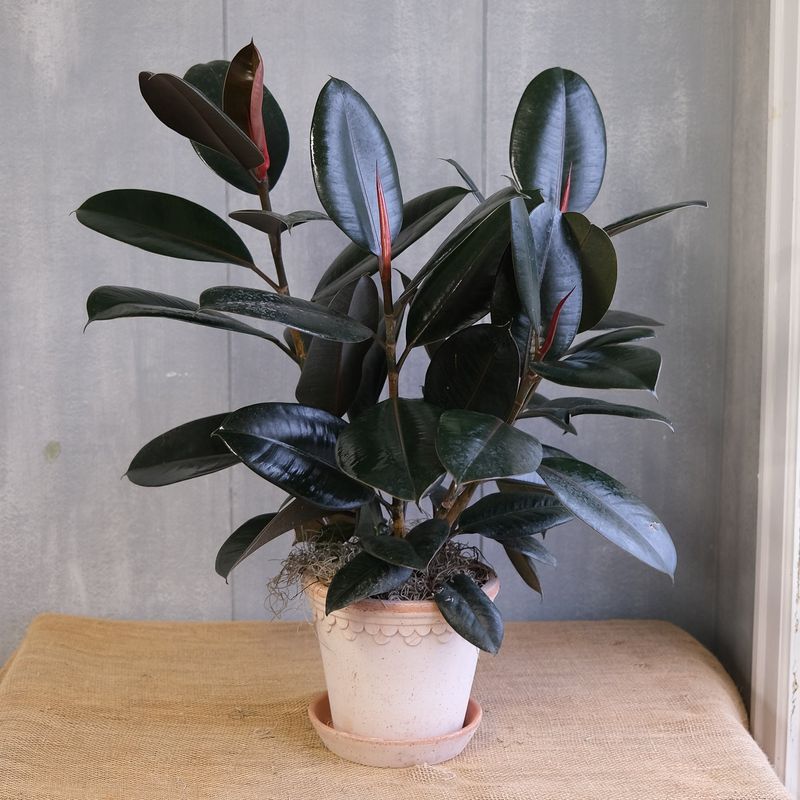
Most people know the classic green rubber plant, but the burgundy variety takes things to a whole new level. Its leaves are a deep, rich red that can appear almost black in lower light.
When the sun hits them just right, they glow with a warm, wine-like color that feels both luxurious and inviting.
This plant is tough and forgiving, which is why so many Pennsylvania homeowners choose it for their first foliage plant.
It can handle a range of light conditions, from bright indirect light to shadier spots. The more light it gets, the deeper and more vibrant the color becomes.
Rubber plants grow quickly compared to some other options on this list. You will notice new leaves unfurling regularly, and each one starts out a lighter red before darkening with age. This growth pattern keeps the plant looking dynamic and ever-changing.
Watering is straightforward. Let the soil dry out a bit between waterings, especially in winter when growth slows down.
The thick, waxy leaves store moisture well, so the plant can tolerate occasional neglect. If you want a dramatic statement piece that does not require constant attention, this is a fantastic choice for any room in your Pennsylvania home.
4. Calathea Black Rose
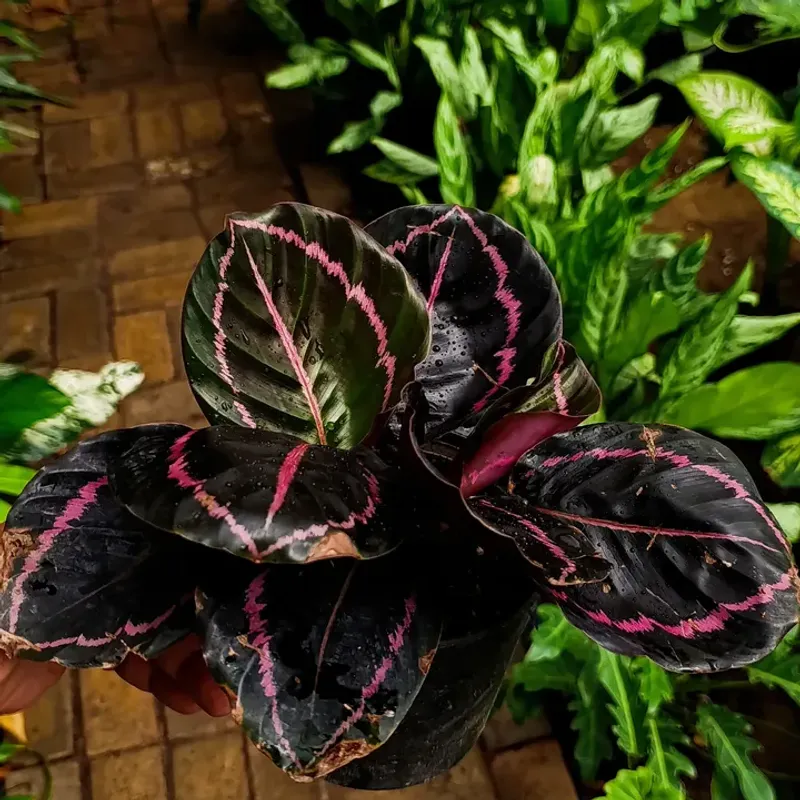
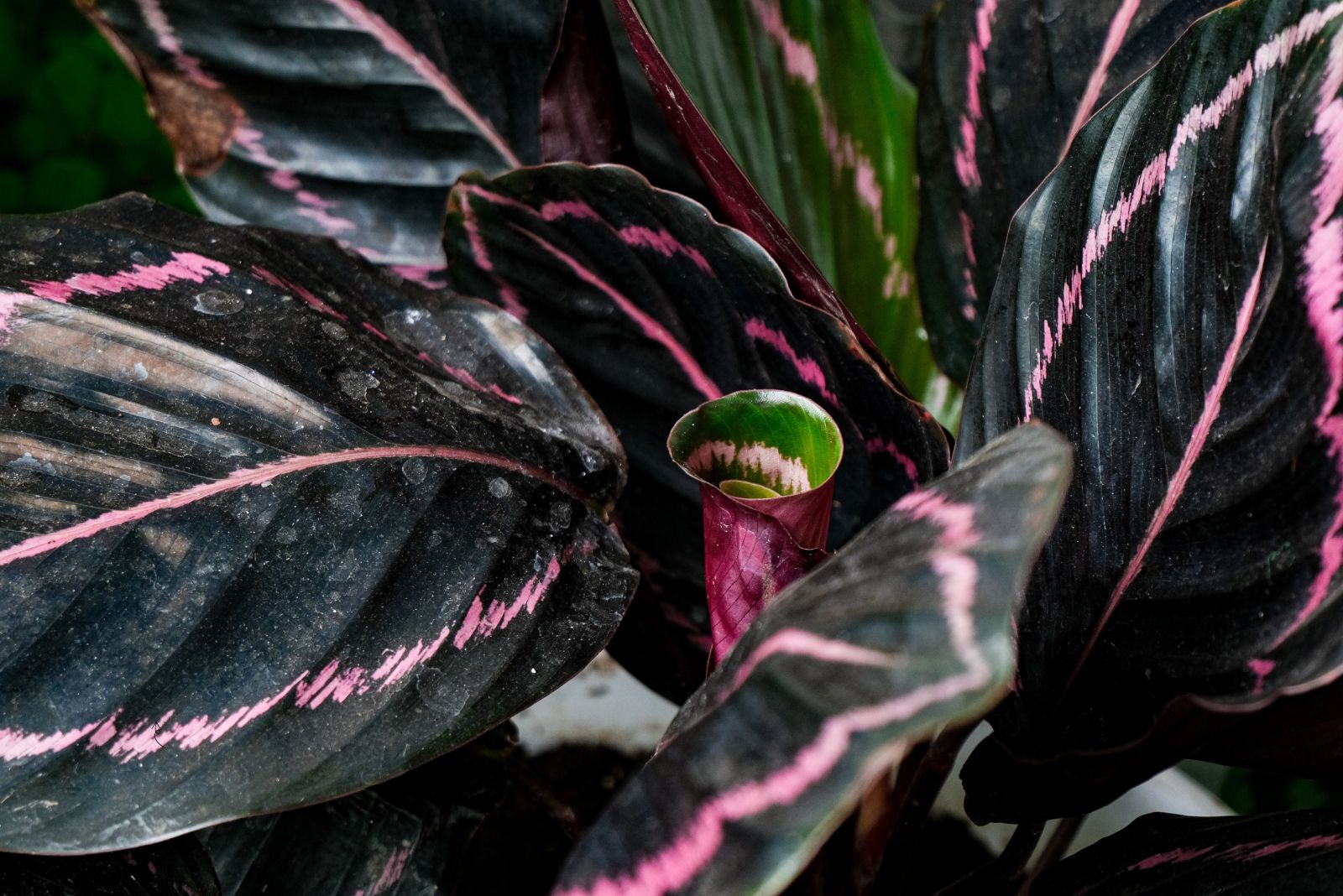
Walk into any trendy coffee shop in Pennsylvania, and you might spot a Calathea Black Rose on display. Its leaves are a mesmerizing mix of deep purple and black on top, with burgundy undersides that peek through when the plant moves.
Yes, this plant actually moves throughout the day, raising and lowering its leaves in response to light.
This natural movement, called nyctinasty, makes the plant feel almost alive in a way that other houseplants do not. In the evening, the leaves fold upward, revealing those stunning burgundy undersides.
In the morning, they open back up to greet the day. It is like having a small piece of nature performing a gentle dance in your home.
Calatheas prefer medium to low light, so they work well in rooms that do not get a lot of sun. They do appreciate humidity, which can be a challenge during dry Pennsylvania winters.
Grouping several plants together or using a humidifier can help create the moisture they crave.
Watering should be regular but not heavy. These plants like their soil to stay slightly moist but never soggy.
Use filtered or distilled water if possible, as they can be sensitive to chemicals in tap water. With a little extra care, this plant becomes a captivating focal point in any space.
5. Black Cardinal Philodendron
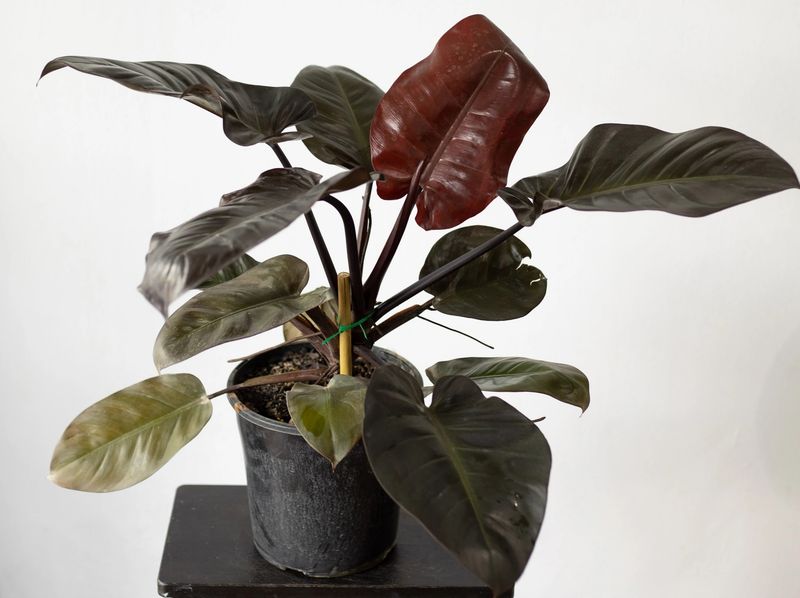
Philodendrons are known for being easy to grow, and the Black Cardinal is no exception. What sets it apart is its incredible color.
New leaves emerge a bright, fiery red before maturing into a deep burgundy that can look almost black in certain lighting. This color evolution keeps the plant visually interesting all year long.
Pennsylvania homeowners appreciate this plant because it adapts well to indoor conditions.
It does not need bright light to thrive, making it perfect for apartments or rooms with north-facing windows. Even in low light, it maintains its rich color and continues to produce new growth.
The leaves are large and glossy, with a smooth texture that reflects light beautifully. As the plant matures, it develops a bushy, full shape that makes a strong visual impact without taking up too much space.
You can keep it compact by pruning, or let it grow into a larger statement piece. Watering is simple. Wait until the top couple of inches of soil feel dry, then water thoroughly.
This plant is not fussy about humidity, so it handles Pennsylvania winters better than some other tropical plants. If you want drama without difficulty, the Black Cardinal Philodendron is an excellent choice for any room in your home.
6. Aglaonema Siam Aurora
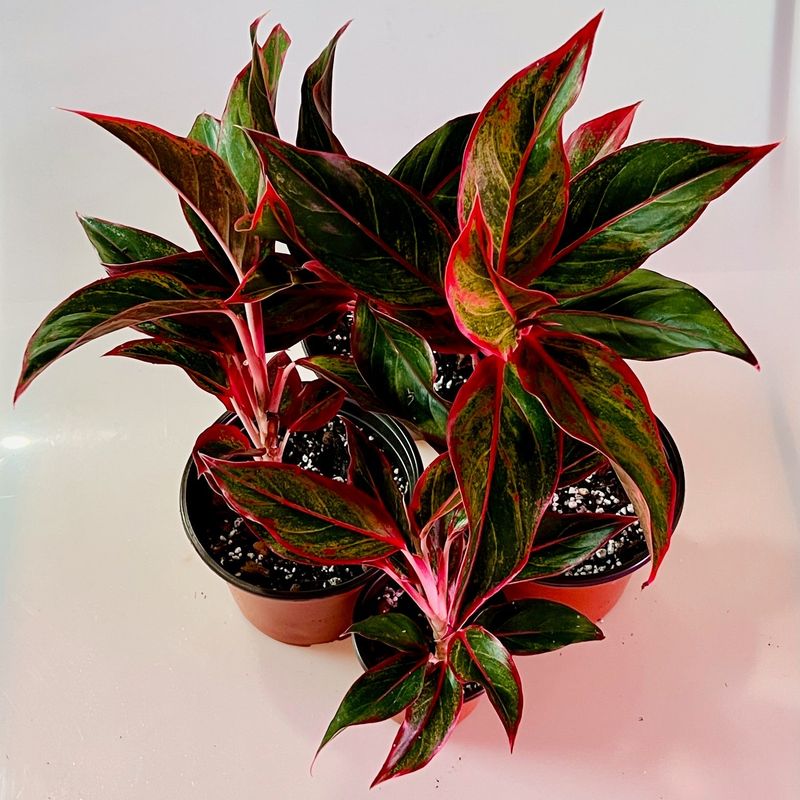
Not all dark plants are solid in color, and the Aglaonema Siam Aurora proves that beautifully. Its leaves are a deep, dark green with striking red edges that create a bold contrast.
This pop of color makes the plant stand out even more than solid black varieties, adding energy and warmth to any space.
Aglaonemas are among the most forgiving houseplants you can find. They tolerate low light, irregular watering, and a range of temperatures, which makes them perfect for beginners.
Many people in Pennsylvania keep them in bathrooms, bedrooms, or home offices where other plants might struggle.
The Siam Aurora grows slowly and stays relatively compact, so it works well on desks, shelves, or side tables. It does not require frequent repotting, and it rarely has pest problems.
This low-maintenance nature makes it ideal for people who want beautiful plants without a lot of extra work.
Watering should be done when the soil feels dry to the touch. Overwatering is one of the few ways you can harm this plant, so it is better to underwater than overdo it.
The leaves will tell you if something is wrong. If they start to droop or turn yellow, adjust your watering schedule.
With minimal effort, this plant will reward you with stunning foliage that brightens up even the darkest winter days.
7. Tradescantia Nanouk
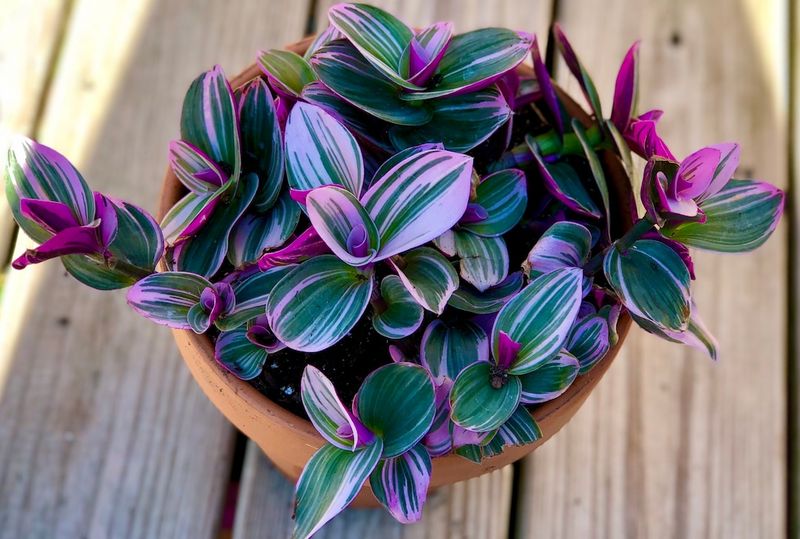
If you want a plant that combines dark tones with a touch of whimsy, look no further. Tradescantia Nanouk has leaves that mix deep purple, green, and silver in a striped pattern.
The purple is so rich that it can appear nearly black in lower light, giving the plant a moody yet playful vibe.
This plant is a trailing variety, which means it looks fantastic in hanging baskets or on high shelves where the vines can cascade down.
Pennsylvania homeowners are using it to add vertical interest to their spaces, especially in smaller rooms where floor space is limited. The vines grow quickly, so you will see noticeable changes in just a few weeks.
Tradescantia Nanouk is surprisingly easy to care for. It likes bright, indirect light but can tolerate medium light as well.
The more light it gets, the more vibrant the purple coloring becomes. If the light is too low, the plant may lose some of its color intensity, but it will still grow just fine.
Watering should be regular during the growing season, but you can let the soil dry out a bit between waterings in winter. This plant is also easy to propagate.
Simply snip a few stems and place them in water, and they will develop roots in a couple of weeks. You can share cuttings with friends or use them to make your plant fuller and more lush.