These Desert Native Shrubs Keep Arizona Gardens Looking Good With Less Work
Why does an Arizona yard feel easier to maintain in some neighborhoods than others? The answer often shows up in the plants that never seem to need attention.
Desert native shrubs earn their place by staying consistent through heat, wind, and dry stretches. They do not rush growth or fall apart after stress.
Their shape stays clear, foliage stays dense, and gaps stay filled without constant repair. Over time, that reliability creates a yard that looks deliberate instead of patched together.
This kind of landscape does not rely on frequent fixes. It relies on plants that carry their weight through the season.
With desert natives in place, Arizona gardens stay calm, structured, and visually steady while effort stays low.
1. Year-Round Structure Comes Easily With Creosote Bush
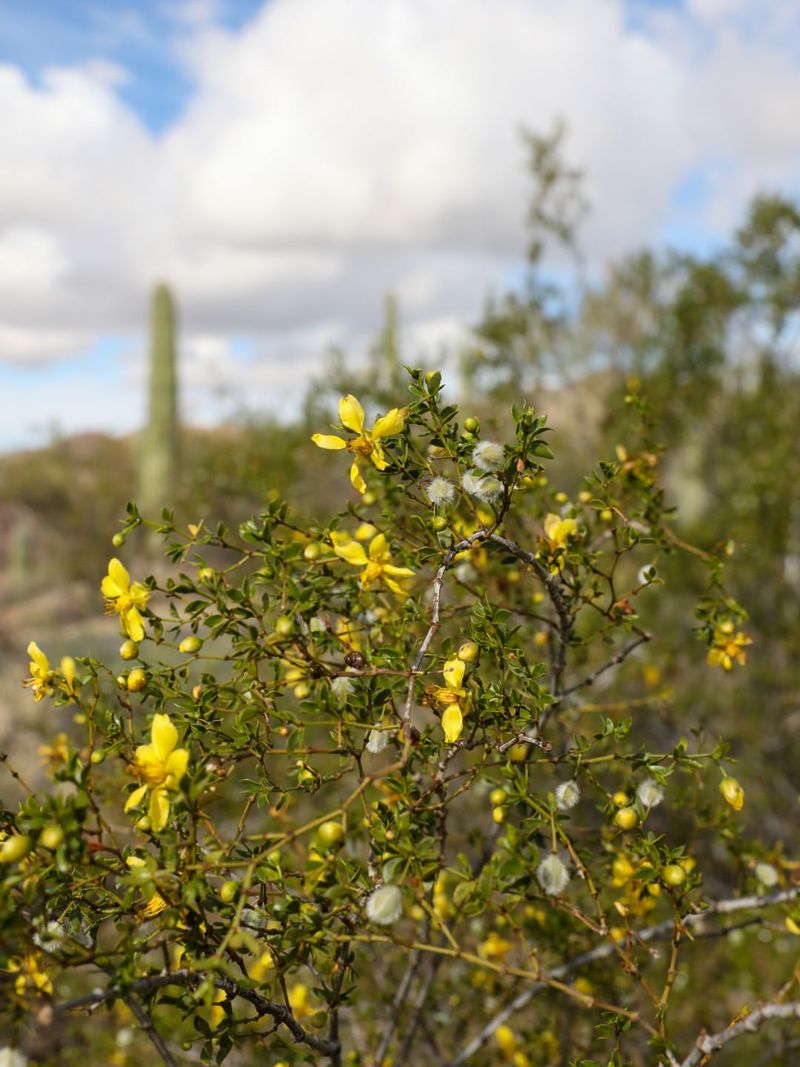
Creosote bush stands as one of the most recognizable plants across Arizona’s lower deserts. Its dark green, resinous leaves release that distinctive desert rain smell that locals love.
This shrub grows slowly but steadily, reaching about six to ten feet tall with a similar spread, creating a rounded shape that needs almost no shaping or trimming.
The small yellow flowers appear mainly in spring but can show up after summer rains too. These blooms attract native bees and other pollinators looking for nectar sources.
Creosote bush handles the hottest days without wilting and survives on rainfall alone once established, making it ideal for Arizona gardeners who want to reduce water use.
This native thrives in full sun and well-draining soil, the exact conditions found in most Arizona yards. It tolerates alkaline soil and rocky ground that would challenge many other plants.
The aromatic foliage stays on the plant year-round, providing constant color and structure even during winter months when other plants go dormant.
Spacing plants about eight feet apart gives them room to develop their natural form. Creosote bush rarely suffers from pests or diseases, eliminating the need for chemical treatments.
Its deep root system searches for moisture far below the surface, allowing it to stay green through extended dry periods while other plants struggle in Arizona’s challenging climate.
Its long lifespan and natural resilience make it a dependable foundation plant that settles into the landscape rather than demanding constant attention.
Once established, creosote bush becomes part of the environment itself, blending into desert yards in a way that feels intentional, stable, and truly suited to Arizona conditions.
2. Soft Color And Long Bloom Cycles Define Brittlebush
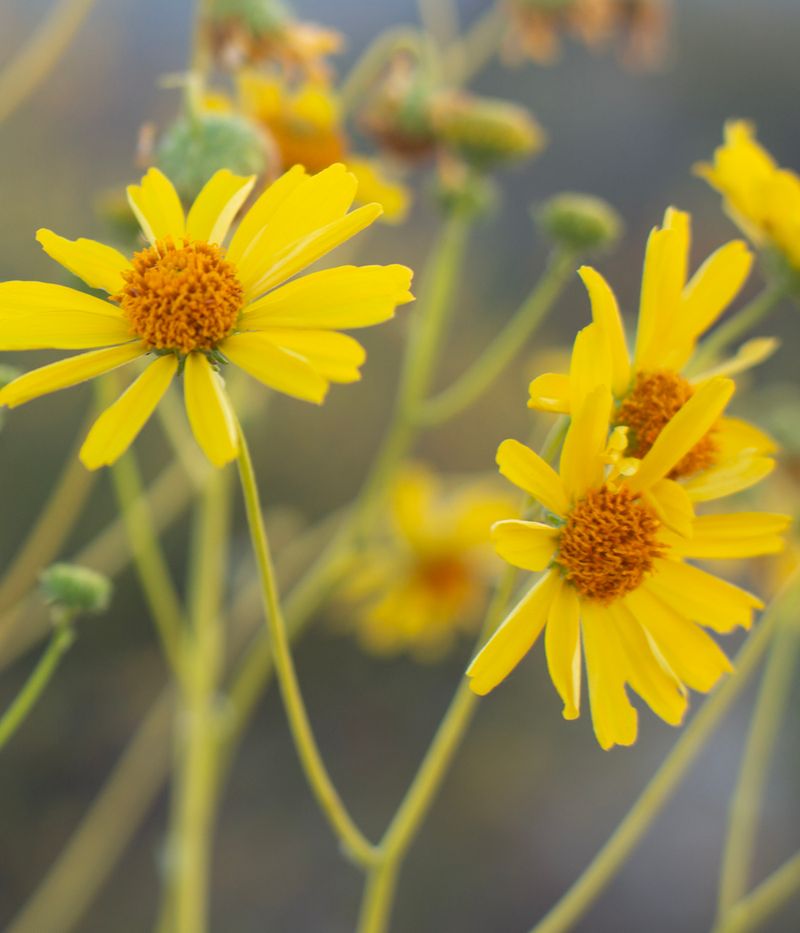
Brittlebush brings months of cheerful yellow blooms to Arizona landscapes when other plants take a break. The daisy-like flowers rise on tall stems above silvery foliage from late winter through early summer.
This extended flowering period provides color during the cooler months when many desert gardens look bare and brown.
The soft gray-green leaves create a mounding form that reaches about three feet tall and wide. This compact size works well in smaller yards or as a border plant along pathways.
Brittlebush grows quickly compared to many desert natives, filling in spaces within just a couple of growing seasons.
Full sun exposure brings out the best flower production and keeps the foliage compact. The plant tolerates reflected heat from walls and pavement, making it perfect for tough spots around Arizona homes.
Occasional deep watering during establishment helps, but mature plants survive on natural rainfall and look their best with minimal intervention.
The silvery leaves reflect sunlight, helping the plant stay cool while adding a soft texture to garden beds. Brittlebush drops some foliage during the hottest summer months as a natural drought response, then regrows fresh leaves when temperatures moderate.
Cutting back the flower stalks after blooming keeps plants tidy, though even this simple maintenance step is optional for gardeners seeking the lowest possible workload in their Arizona landscapes.
3. Minimal Pruning Keeps Blackfoot Daisy Looking Neat
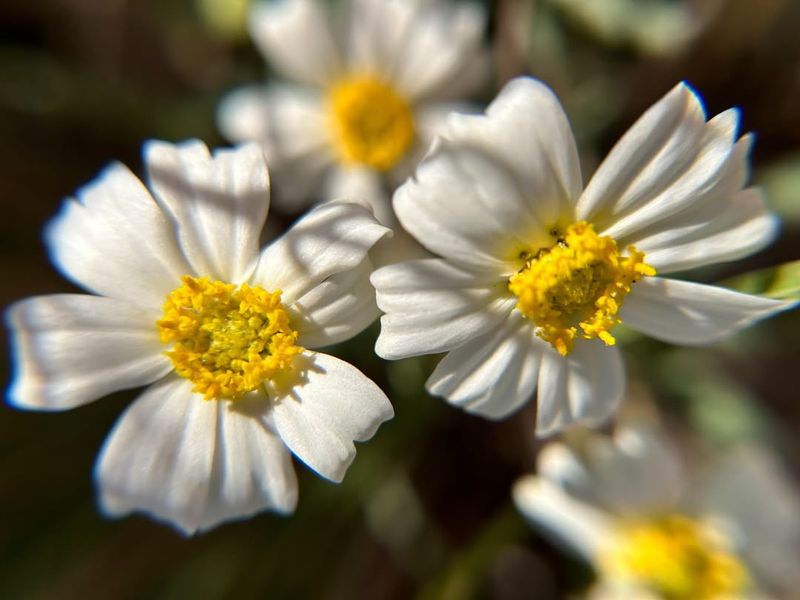
Blackfoot daisy forms a low, spreading mat that works beautifully as a ground cover or border plant. The small white flowers with yellow centers appear almost continuously from spring through fall.
Each bloom resembles a miniature daisy, creating a cheerful display that brightens Arizona gardens without requiring deadheading or special care to keep blooming.
This tough little plant stays under a foot tall but spreads about two feet wide. The fine-textured foliage creates a soft, informal look that contrasts nicely with bolder desert plants.
Blackfoot daisy handles foot traffic better than many ground covers, making it useful along pathways where occasional stepping happens.
Rocky, well-draining soil suits this native perfectly, and it actually struggles in rich, amended soil that holds too much moisture. Full sun brings the heaviest flowering, though plants tolerate light afternoon shade in the hottest parts of Arizona.
Established plants need water only during extended droughts, relying mainly on rainfall to stay healthy and blooming.
The natural growth habit stays compact without regular trimming or shaping. A light shearing once a year in late winter removes any winter-damaged stems and encourages fresh growth, but even this minimal maintenance is optional.
Blackfoot daisy self-seeds lightly, gradually expanding its coverage area without becoming invasive, helping Arizona gardeners fill spaces naturally over time.
Because it evolved in harsh desert conditions, blackfoot daisy rarely struggles once settled and often outperforms more delicate ground covers in exposed sites.
Its steady bloom cycle, low water needs, and relaxed growth habit make it an easy choice for Arizona gardeners who want reliable coverage that looks natural rather than overly designed.
4. Natural Shape Holds Up Well In Autumn Sage
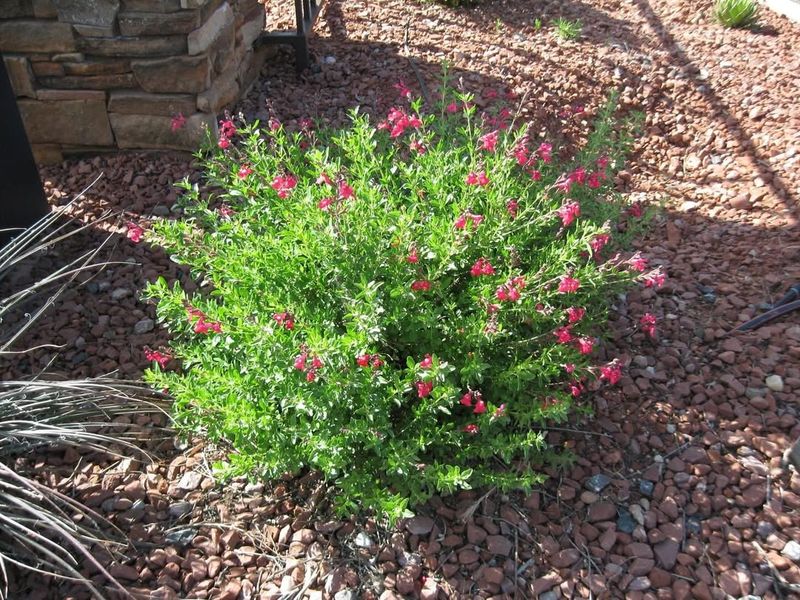
Autumn sage produces tubular flowers that hummingbirds cannot resist, bringing wildlife action to Arizona gardens throughout the warm months. Colors range from deep red to pink, coral, or white depending on the variety chosen.
The blooms appear in waves from spring through fall, with the heaviest flowering occurring during cooler periods when temperatures moderate.
This shrub grows about three feet tall and wide with an upright, slightly rounded form. The small green leaves stay on the plant year-round in milder Arizona locations, providing constant foliage interest.
Autumn sage adapts to various garden styles, working equally well in formal borders or naturalistic desert plantings.
Full sun to light shade suits this adaptable native, though flowering increases with more sunlight exposure. Well-draining soil is essential, as autumn sage tolerates drought much better than wet conditions.
Established plants survive on rainfall alone in most Arizona locations, though occasional summer watering extends the blooming period and keeps foliage looking fresh.
The natural branching pattern creates an attractive shape without regular pruning or shaping. Cutting back stems by about one-third in late winter encourages bushier growth and more flower production, but plants still perform well without this step.
Autumn sage rarely suffers from pest problems and resists browsing by rabbits and deer, making it reliable for Arizona gardeners dealing with wildlife visits to their yards.
5. Tough Growth Handles Heat And Poor Soil With Fairy Duster
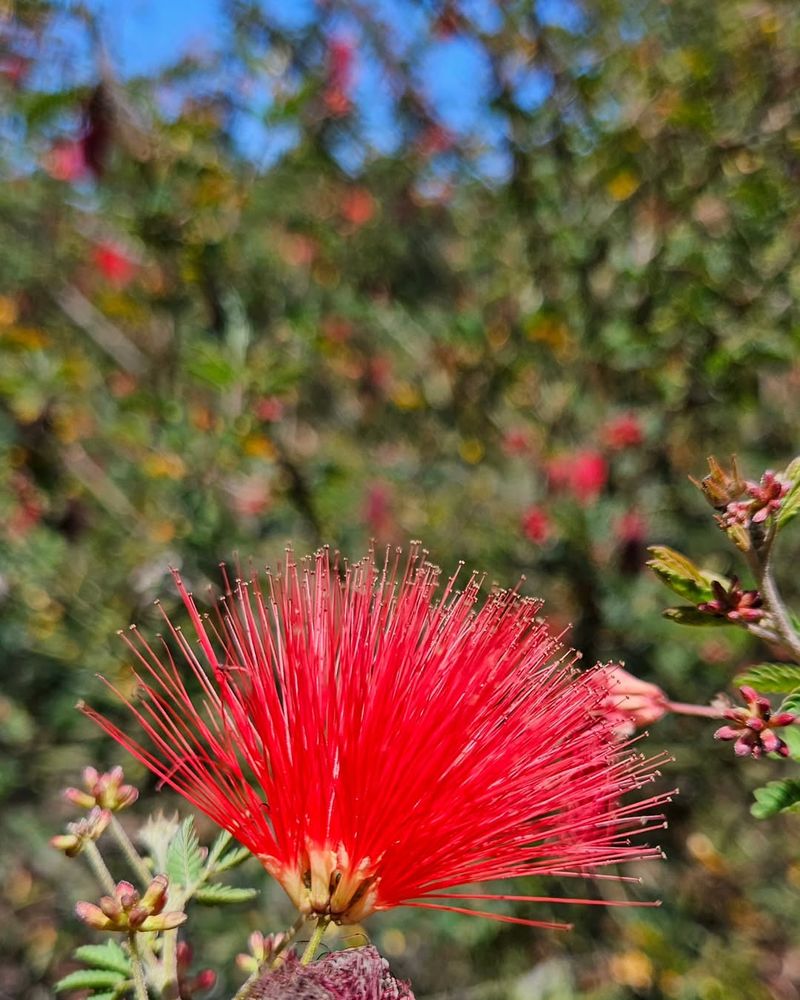
Fairy duster earns its name from the fluffy pink flowers that look like tiny powder puffs scattered across the shrub. These eye-catching blooms appear mainly in spring but continue sporadically through summer and fall in Arizona gardens.
The unusual flower structure attracts butterflies and native bees that appreciate the abundant pollen and nectar offered.
The fine, feathery foliage gives fairy duster a soft, delicate appearance despite its tough nature. Plants typically reach three to five feet tall with a similar spread, creating a rounded mound of green.
This evergreen shrub maintains its leaves year-round in most Arizona locations, providing consistent structure and color through all seasons.
Full sun and excellent drainage create ideal conditions, though fairy duster adapts to various soil types common across Arizona. Rocky or sandy ground poses no problems for this adaptable native.
Once established, plants need supplemental water only during the driest periods, making them excellent choices for water-wise landscaping that still delivers plenty of visual interest.
The natural growth habit stays compact and tidy without regular pruning or shaping efforts. Light trimming after the main spring bloom encourages additional flowers later in the season, but this step is optional for busy gardeners.
Fairy duster tolerates reflected heat from walls and pavement, thriving in challenging spots where other shrubs struggle in Arizona’s intense summer conditions.
6. Silvery Foliage Stays Attractive On Desert Lavender
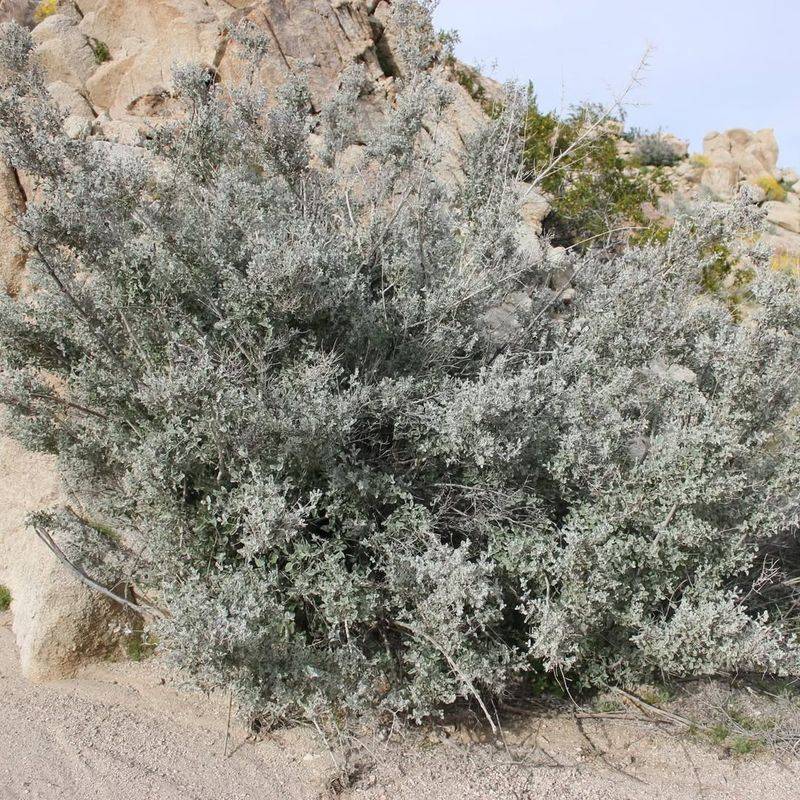
Desert lavender combines beautiful silvery foliage with fragrant purple flowers that perfume the air during bloom periods. The soft gray leaves catch sunlight beautifully, creating a luminous effect in Arizona gardens.
This shrub typically reaches four to six feet tall with an open, airy growth habit that never looks heavy or overgrown.
The tubular purple flowers appear in clusters at branch tips, mainly during spring but continuing sporadically through fall. Hummingbirds visit regularly for nectar, and the flowers attract various butterflies and beneficial insects.
The pleasant fragrance adds another sensory dimension to outdoor spaces, especially noticeable on warm evenings when essential oils become more volatile.
Full sun brings out the best foliage color and flowering performance in Arizona locations. Well-draining soil is essential, as desert lavender cannot tolerate soggy conditions.
Established plants survive entirely on rainfall in many parts of Arizona, though occasional deep watering during extended dry spells keeps plants looking their best.
The natural branching creates an attractive form without regular pruning or training. Light shaping after the main bloom period maintains a compact size if desired, but plants develop beautifully even without this intervention.
Desert lavender tolerates alkaline soil and rocky conditions common throughout Arizona, making it suitable for challenging sites where soil amendment would be impractical or unnecessary for successful growth.
7. Reliable Form And Drought Tolerance Show In Hopseed Bush
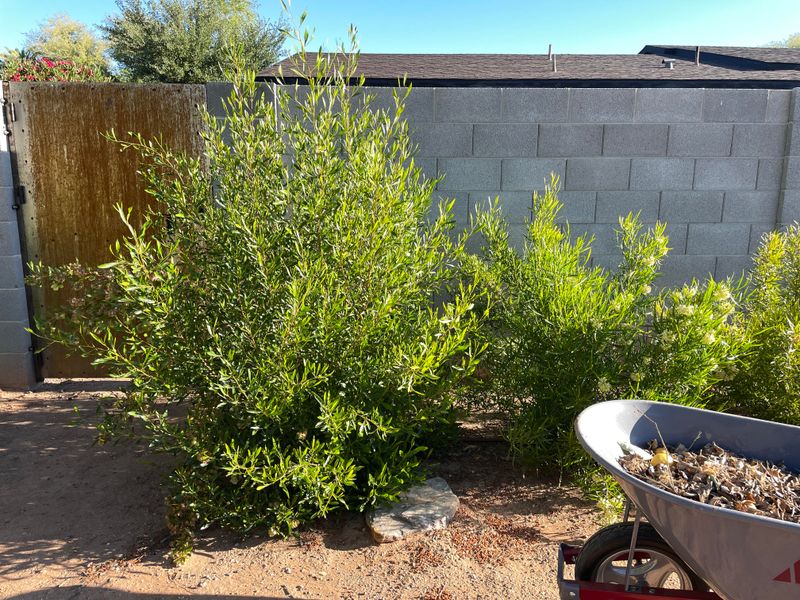
Hopseed bush serves multiple purposes in Arizona landscapes, working as a hedge, screen, or standalone specimen. The narrow green leaves create dense foliage that provides privacy and blocks unwanted views.
This fast-growing native can reach twelve feet tall, though regular trimming maintains smaller sizes for specific design needs.
The upright growth habit develops naturally into an oval or columnar shape. Hopseed bush fills in quickly, making it useful for new Arizona gardens where immediate screening is desired.
The evergreen foliage stays attractive year-round without the bare periods that deciduous shrubs experience during winter months.
Full sun to partial shade suits this adaptable plant, and it tolerates reflected heat from buildings and pavement. Hopseed bush grows in various soil types found across Arizona, from sandy to clay-heavy ground.
Established plants survive on rainfall alone in most locations, though some summer watering maintains the deepest green color during the hottest months.
The natural form requires minimal pruning to look good, unlike many hedge plants that demand constant shearing. Occasional trimming to control size or shape works well, and plants respond by growing fuller and denser.
Hopseed bush resists most pests and diseases common in Arizona, rarely requiring treatments or interventions. The tough nature and reliable performance make it a go-to choice for gardeners seeking dependable shrubs that deliver consistent results with minimal time investment.
8. Seasonal Flowers Return Without Extra Care On Desert Ruellia
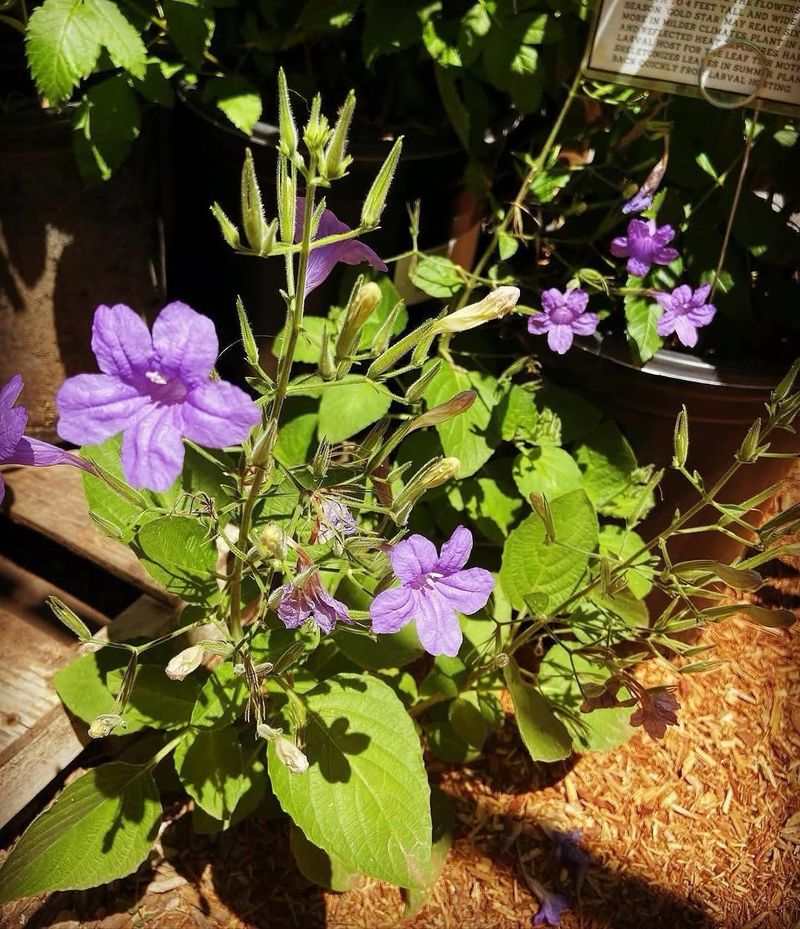
Desert ruellia produces waves of tubular purple flowers that appear reliably each year without special feeding or care. The blooms emerge mainly during spring and again after summer monsoon rains bring moisture to Arizona.
Each flower opens for just one day, but new buds keep forming, creating a continuous display throughout the blooming season.
This compact shrub grows about three feet tall and wide with an informal, mounding shape. The medium green leaves provide a neutral backdrop that makes the purple flowers stand out even more.
Desert ruellia works well in mixed borders or as a standalone accent plant in Arizona landscapes.
Full sun to light shade accommodates this flexible native, though flowering increases with more direct sunlight. Well-draining soil prevents root problems, and established plants thrive on rainfall supplemented with occasional deep watering during dry periods.
Desert ruellia adapts to various soil types common across Arizona without requiring amendments or special preparation.
The natural growth habit stays neat and rounded without regular pruning or shaping. Cutting back stems by one-third in late winter encourages bushier growth and more flowering stems, but plants perform well even without this maintenance step.
Desert ruellia attracts hummingbirds and butterflies, adding movement and life to Arizona gardens. The tough constitution and reliable blooming make it perfect for gardeners who want color without the constant deadheading and care that many flowering plants demand.