These DIY Shade Structures Change How Your Arizona Garden Handles Heat
Arizona heat has a way of showing you what works in a garden and what does not. One brutal stretch can undo weeks of healthy growth if plants lack protection.
Shade changes how a garden behaves during hot months. It lowers stress, slows moisture loss, and gives plants a break during peak sun hours.
Simple DIY structures can shift conditions enough to keep leaves firm and roots active rather than shocked. Gardeners notice the difference fast, especially once temperatures climb past comfort levels.
These shade ideas do not rely on permanent builds or expensive materials. They focus on timing, placement, and flexibility.
When shade works as intended, plants recover faster, growth stays steady, and the garden feels far more manageable through extreme heat.
1. Temporary Shade Cloth Buys Time During Extreme Heat
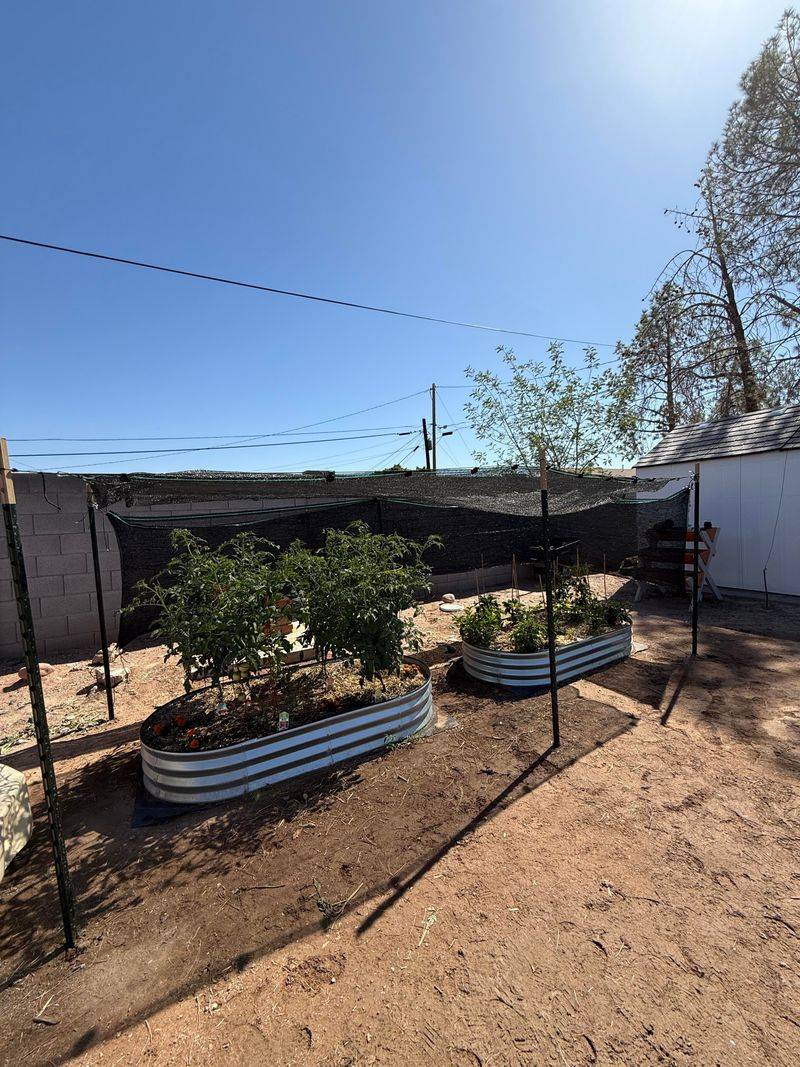
Shade cloth remains one of the fastest ways to protect your Arizona garden when temperatures spike unexpectedly. You can purchase rolls of shade cloth in different densities, typically ranging from 30% to 90% shade coverage.
Most Arizona vegetables and flowers do best under 50% to 70% shade during summer months.
Installing shade cloth takes minimal effort and basic supplies. Grab some wooden stakes, metal poles, or even tall tomato cages to create support points around your garden beds.
Drape the cloth over these supports and secure the edges with clips, zip ties, or landscape staples. The whole setup can happen in under an hour.
One major advantage of shade cloth is its flexibility. When cooler weather arrives in fall, you simply remove the cloth and store it for next year.
This temporary approach works perfectly for Arizona’s extreme seasonal temperature swings. Your spring plants get full sun when they need it, then you add protection as summer heat builds.
Different colors of shade cloth affect plant growth in various ways. Black shade cloth provides the most cooling but blocks more light.
Aluminum or white shade cloth reflects heat while allowing better light penetration. Green shade cloth creates a pleasant filtered light that many gardeners prefer for ornamental beds throughout Arizona landscapes.
2. Simple Hoop Frames Create Flexible Seasonal Coverage
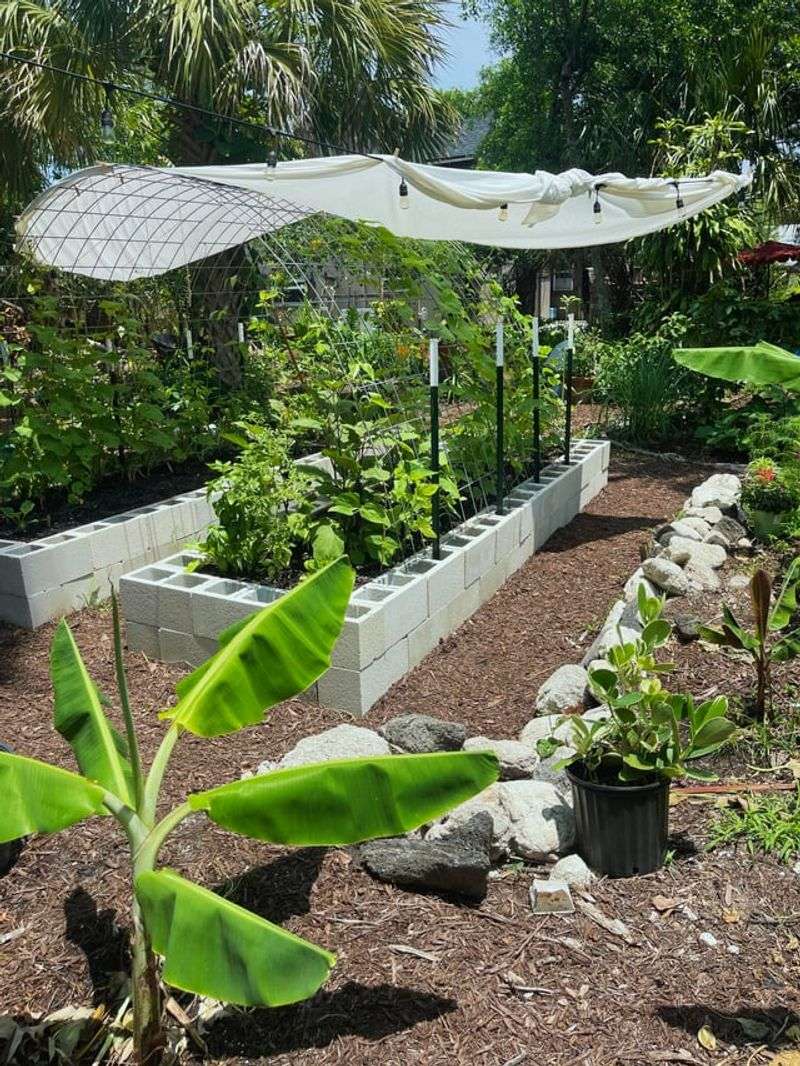
PVC pipe hoops offer a step up from basic shade cloth draping, creating structured coverage that withstands Arizona’s occasional monsoon winds. These curved frames look similar to small greenhouse hoops but serve the opposite purpose during our scorching summers.
You bend half-inch or three-quarter-inch PVC pipe into arches and secure them into the ground or attach them to raised bed frames.
Building hoop frames requires just a few materials from any hardware store. Cut your PVC pipes to the desired length, typically six to eight feet for standard garden beds.
Space the hoops about three feet apart along your bed. Then stretch shade cloth over the top and secure it with spring clamps or clips that won’t damage the fabric.
The beauty of hoop frames lies in their adaptability throughout the year. During Arizona’s mild winters, you can swap the shade cloth for clear plastic to create a warming effect for cold-sensitive plants.
In spring and fall, you might use lighter shade percentages or remove the covering entirely. Come summer, add your heaviest shade cloth back on.
These structures also protect plants from more than just sun. Hoop frames covered with bird netting keep wildlife from munching on your vegetables.
They create a physical barrier against wind-blown debris during dust storms. Many Arizona gardeners keep their hoop frames up year-round, simply changing what covers them based on seasonal needs.
3. Pergola Shade Softens Sun Without Blocking Airflow
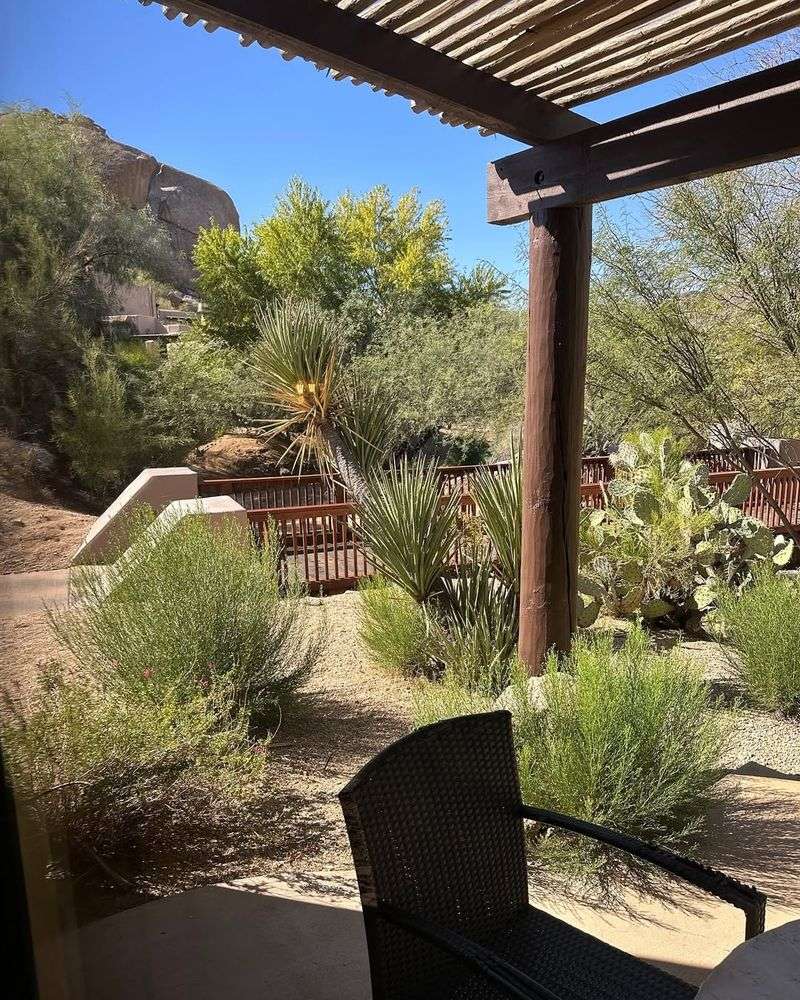
Pergolas bring architectural interest to your Arizona garden while providing crucial shade relief. The open slat design creates moving patterns of light and shadow throughout the day rather than complete darkness.
This dappled effect works wonderfully for plants that need some sun protection but still require decent light levels for photosynthesis and flowering.
Constructing a basic pergola takes more effort than shade cloth projects but delivers a permanent garden feature. Use pressure-treated lumber, cedar, or weather-resistant materials that handle Arizona’s intense UV exposure.
The standard design includes four corner posts supporting cross beams and then perpendicular slats running across the top. Spacing those top slats four to six inches apart creates about 50% shade coverage.
Air circulation becomes critical in Arizona gardens, especially during humid monsoon season when fungal problems can develop quickly. Pergolas excel here because they provide overhead shade while allowing breezes to flow freely from all sides.
Your plants stay cooler without the stuffy conditions that can occur under solid shade structures.
You can enhance pergola shade by training climbing vines over the structure. Grape vines work particularly well in Arizona, providing thick summer shade when you need it most, then losing their leaves in winter to allow warming sun through.
Other options include desert-adapted climbers like queen’s wreath or yellow orchid vine, both of which handle our climate beautifully.
4. Lattice Panels Filter Harsh Light While Letting Plants Breathe
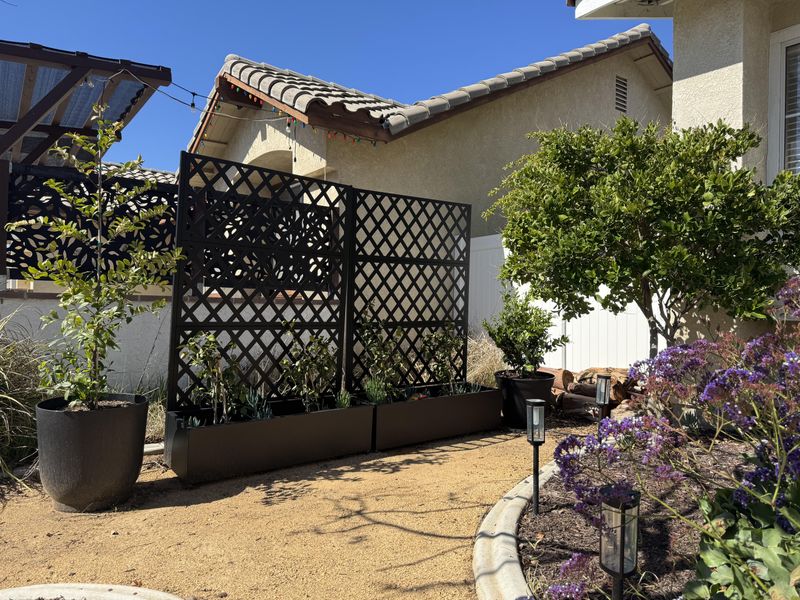
Lattice panels provide an attractive middle ground between solid walls and completely open spaces in your Arizona garden. The crisscross pattern naturally filters about 40% to 50% of direct sunlight depending on the spacing of the wood strips.
This creates ideal conditions for shade-loving plants like ferns, hostas, and impatiens that struggle in full Arizona sun.
Installation can happen vertically or horizontally depending on your garden’s needs. Vertical lattice panels work great along the south or west side of your property where afternoon sun hits hardest.
Mount them to fence posts or create freestanding frames using four-by-four posts set in concrete. Horizontal lattice can top a frame structure similar to a pergola, offering overhead protection.
Lattice comes in various materials suited to Arizona conditions. Wood lattice needs regular sealing or painting to prevent sun damage and dry rot.
Vinyl lattice costs more initially but requires almost no maintenance and won’t warp in extreme heat. Metal lattice provides the longest lifespan but can get extremely hot to touch during summer months.
Many Arizona gardeners paint their lattice white or light colors to reflect additional heat rather than absorb it. This small detail makes a noticeable difference in the microclimate beneath the structure.
You can also weave shade cloth through the lattice openings during peak summer, then remove it for other seasons, combining two shade strategies into one flexible system.
5. Moveable Shade Frames Adjust As The Sun Shifts
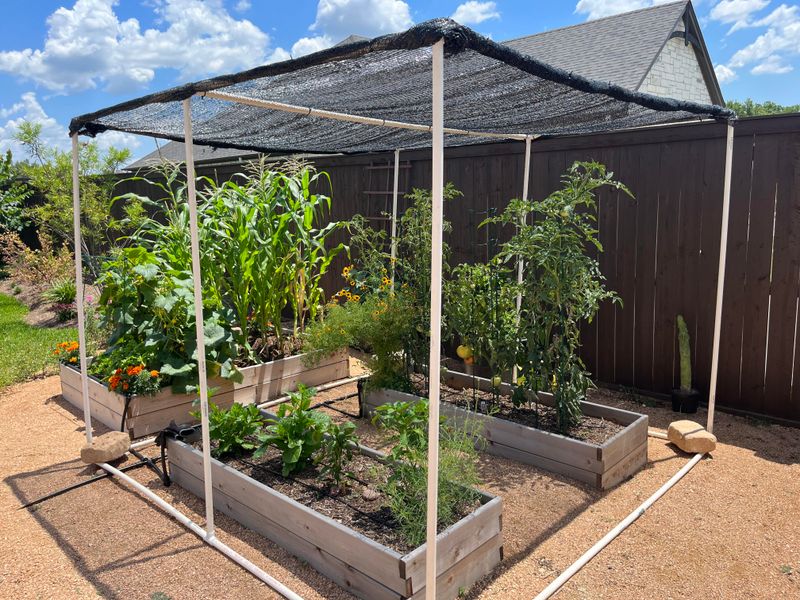
Portable shade frames solve a common Arizona gardening challenge: the sun’s changing angle throughout the day and across seasons. A spot that gets morning shade might bake in afternoon sun, and areas shaded in summer receive full sun during winter when the sun sits lower in the sky.
Rolling or lightweight frames let you reposition shade exactly where and when you need it.
Building a moveable frame starts with a basic rectangle of two-by-fours or PVC pipe. Keep the dimensions manageable, typically four feet by six feet or smaller, so one person can move it easily.
Attach shade cloth to this frame, then add wheels to the bottom corners or keep it light enough to simply pick up and relocate. Some gardeners create handles on the sides for easier carrying.
The real advantage shows up during Arizona’s intense summer afternoons. Morning sun from the east might be fine for your tomatoes, but by two in the afternoon, that western exposure becomes brutal.
Roll your shade frame into position to block the harshest rays, then move it aside during cooler evening hours when plants can handle direct light again.
These portable structures also help when establishing new garden beds in Arizona. Young transplants need more shade protection than mature plants.
Position your moveable frame over new plantings for the first few weeks, then gradually reduce shade time as roots establish and plants toughen up to handle full desert conditions.
6. Fence-Mounted Shade Creates Afternoon Protection Fast
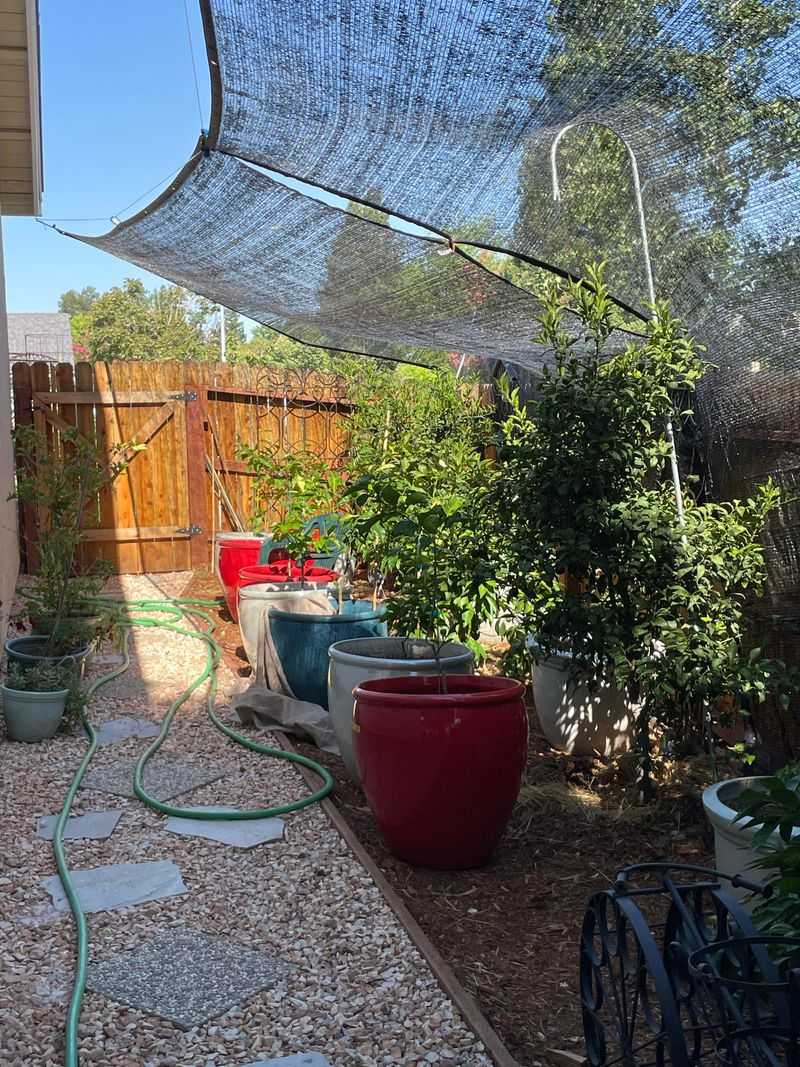
Existing fences become instant shade structure supports with just a few modifications. Most Arizona yards already have fencing along property lines, and the west or south-facing sections receive the most punishing afternoon sun.
Attaching shade cloth or other materials to these fences takes advantage of structures already in place, saving time and money on new construction.
The simplest approach involves mounting a horizontal beam or pipe to the top of your fence, then draping shade cloth from this extension point down at an angle. This creates a slanted shade area that protects plants positioned along the fence line.
Use fence brackets, U-bolts, or even strong zip ties to secure your horizontal support. Make sure everything is anchored well because Arizona winds can be fierce.
Angling the shade cloth outward from the fence top rather than hanging it straight down increases the shaded area significantly. During peak summer when the sun is high, an angled shade projects several feet out from the fence base.
You can adjust the angle by changing where you stake or tie down the bottom edge of your shade cloth.
Some Arizona gardeners attach bamboo screening or reed fencing directly to their existing fence for a more permanent solution. These natural materials provide good shade, allow air movement, and blend nicely with desert landscaping.
They typically last three to five years before needing replacement, which is reasonable considering the intense sun exposure they endure along Arizona fence lines.
7. Raised Shade Panels Help Young Plants Establish Safely
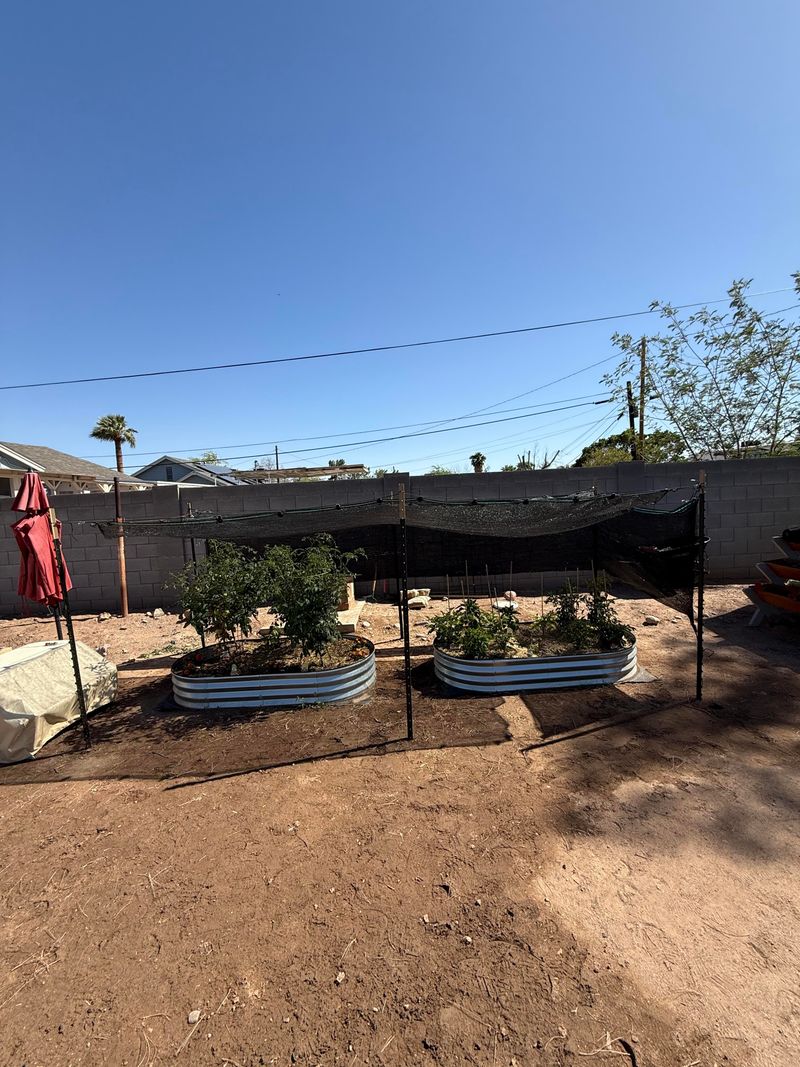
Height matters when creating shade for Arizona gardens, especially for young plants that need protection while still allowing mature plants nearby to receive full sun. Raised shade panels sit on tall posts, creating shade underneath while letting sunlight reach plants outside the shaded zone.
This vertical approach maximizes your garden space by creating different light conditions at different heights.
Building raised panels requires setting posts at least six to eight feet tall, which creates enough clearance to work comfortably beneath the shade. Sink four-by-four posts two feet into the ground using concrete for stability against Arizona winds.
Attach a frame across the top of these posts, then stretch shade cloth over this elevated platform. The result looks similar to a high canopy that shades the ground below.
This design works perfectly for protecting seedling beds or newly transplanted vegetables during Arizona’s brutal summer months. Your tender young plants get the shade they desperately need, while established plants around the perimeter still receive adequate sunlight.
As seedlings mature and develop heat tolerance, you can transplant them out from under the raised shade into full sun areas.
Raised shade panels also create pleasant outdoor work spaces in Arizona gardens. The shade underneath stays significantly cooler than surrounding areas, making weeding, watering, and harvesting more comfortable during hot months.
Many gardeners position benches or potting tables beneath these structures, turning them into functional outdoor rooms rather than just plant protection.
8. Partial Shade Placement Works Better Than Full Coverage
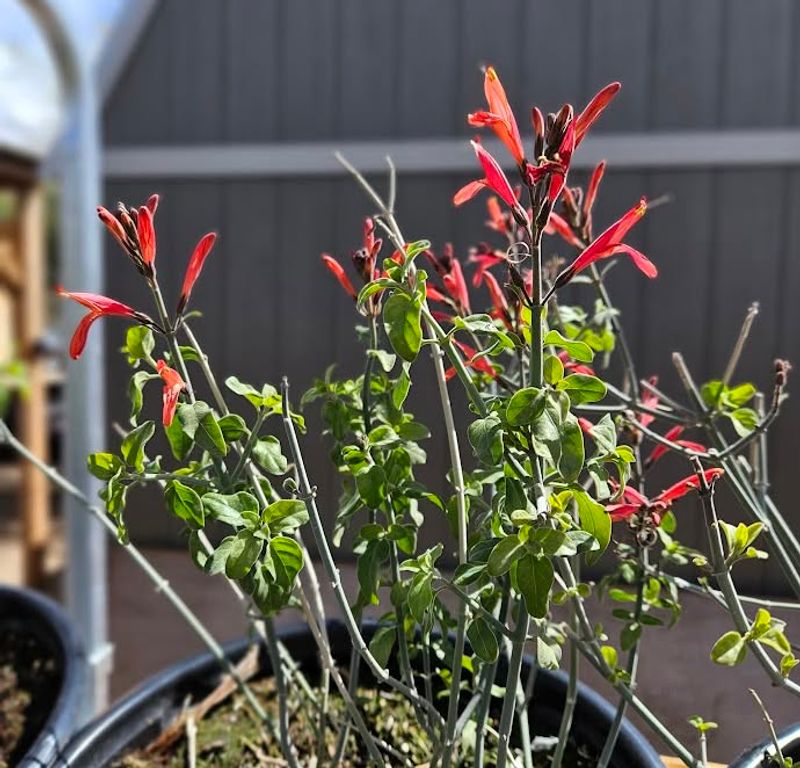
Creating zones of varying shade levels throughout your Arizona garden produces healthier plants than covering everything uniformly. Different plants have different light requirements, and even sun-loving vegetables benefit from afternoon shade during the hottest months.
Strategic placement of your DIY shade structures creates microclimates that accommodate diverse plant needs within a single garden space.
Start by observing how sun moves across your Arizona yard throughout the day. Morning sun from the east tends to be gentler and less damaging than afternoon sun from the west.
Southern exposures receive the most intense, direct light. Use this information to position shade structures where they’ll block the harshest rays while allowing beneficial morning or evening light through.
Many Arizona gardeners use a layered shade approach. They might place 30% shade cloth over heat-tolerant plants like peppers and eggplants, 50% shade over tomatoes and squash, and 70% shade over lettuce and other greens.
This customized coverage lets you grow a wider variety of plants successfully despite the challenging climate. Each plant gets conditions closer to what it actually needs.
Remember that too much shade causes its own problems in Arizona gardens. Plants stretched and weak from insufficient light become more susceptible to pests and diseases.
They produce fewer flowers and fruits. By creating partial shade zones rather than covering your entire garden, you maintain the flexibility to move plants around as you learn what works best in your specific location and microclimate.