These 8 Drought-Tolerant Vines Love California Sun
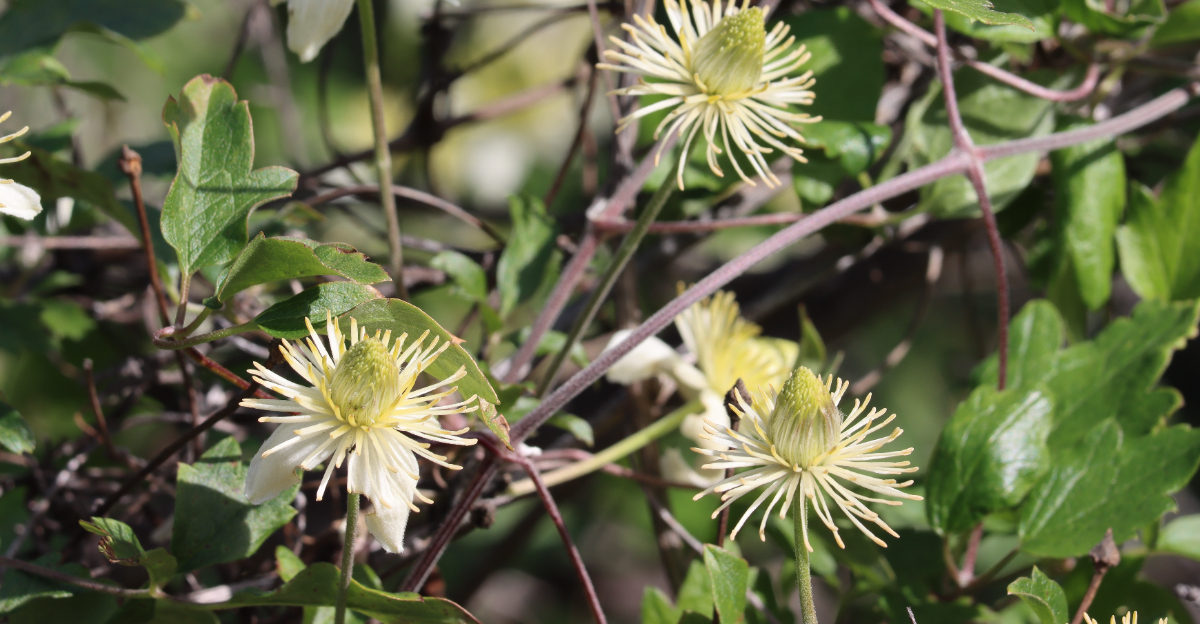
A bare fence or a naked pergola is basically wasted potential in a California garden. The right vine can transform a bland structure into something that looks intentional, lush, and honestly a little magical.
The problem is that most gardeners default to thirsty, high-maintenance climbers that struggle the second summer heat kicks into full gear. There’s a better way.
California’s long sunny seasons and increasingly dry summers actually create ideal conditions for drought-tolerant vines that are built to thrive, not just survive. These plants love the heat.
They handle dry spells without throwing a fit, and once established, they get by on surprisingly little water while still producing serious visual impact. No constant irrigation.
No babying through a heatwave. Just fast-growing, sun-loving coverage that earns its place in the garden season after season.
If you’ve got a structure, a fence, or even just a wall that needs something spectacular growing up it, keep reading.
1. California Pipevine
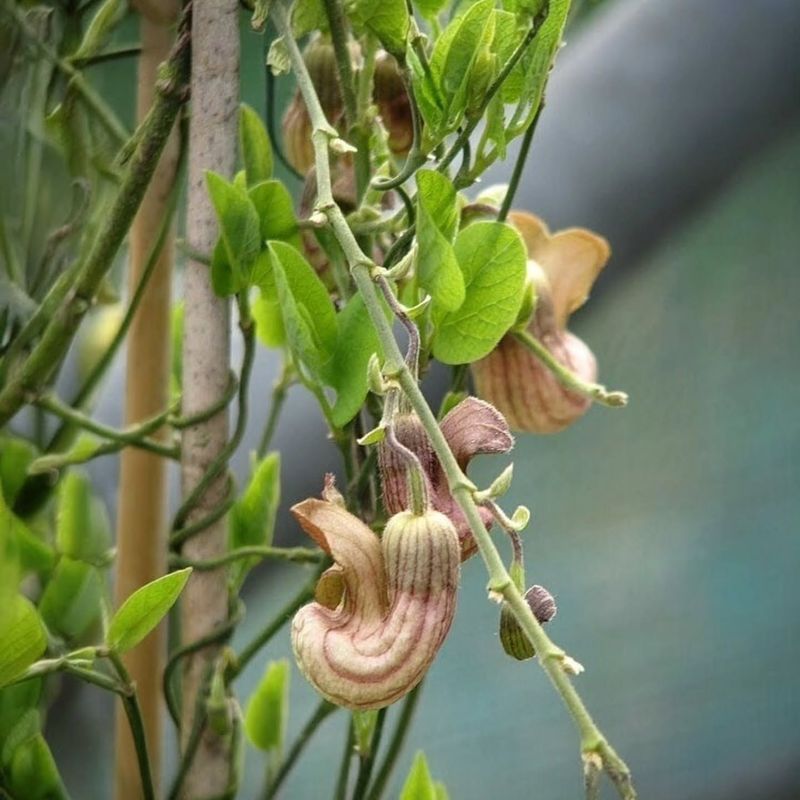
Few plants in California have a story as cool as the California Pipevine. This native vine is the only host plant for the stunning Pipevine Swallowtail butterfly, which means planting it is basically like setting up a butterfly nursery in your own backyard.
That alone makes it worth growing.
California Pipevine is a twining vine that can grow 10 to 15 feet long. It loves shaded to partly sunny spots, which makes it great for covering fences or trellises along the north or east side of a house.
In spring, it produces small, curved, pipe-shaped flowers that look almost alien. They are surprisingly charming up close.
Once established, this vine handles dry California summers with ease. It goes dormant in late summer, which is totally normal.
It comes back strong in fall and winter with fresh growth. Water it regularly during its first year, then you can cut back significantly.
It does best in well-draining soil and benefits from a little compost at planting time. Native plant nurseries across California carry it, so it is not hard to find.
Gardeners in the Bay Area and Northern California especially love it for its wildlife value and low-water toughness.
2. Chaparral Clematis
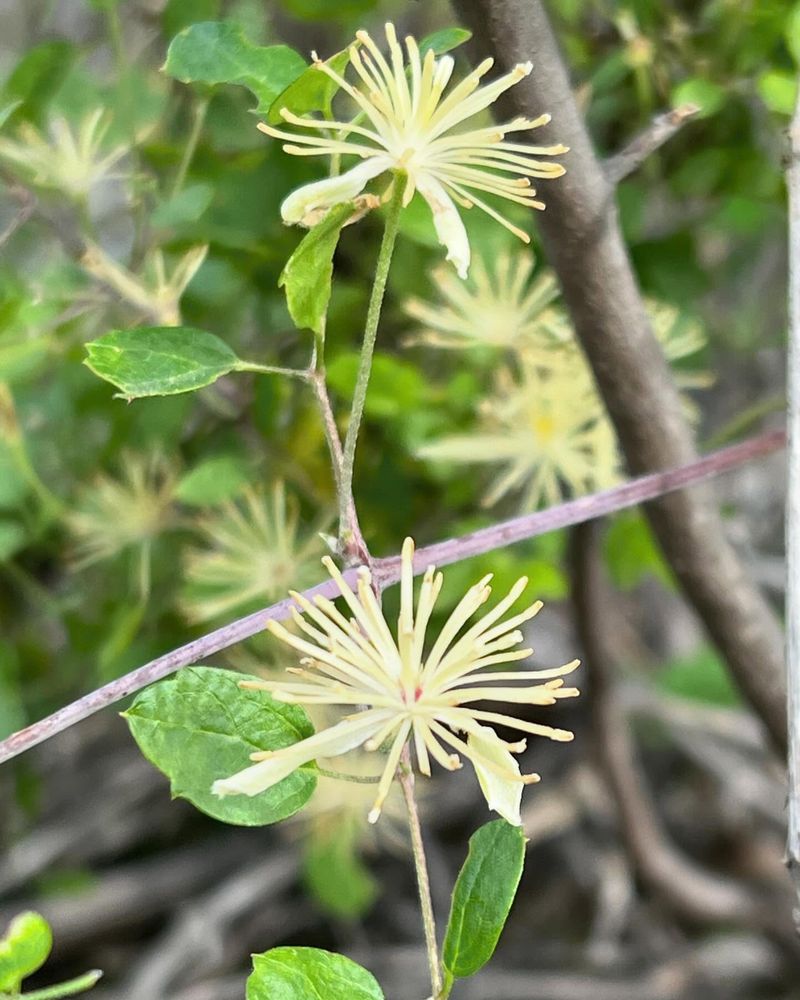
If you have ever hiked through the California chaparral in spring and spotted fluffy white blooms draping over shrubs and fences, you have probably seen Chaparral Clematis in action. This native vine is a wild beauty that knows how to handle tough conditions.
It is built for California’s rocky, dry terrain.
Chaparral Clematis (Clematis lasiantha) is a vigorous grower that can reach 15 to 20 feet. It blooms in late winter through spring with small, creamy-white flowers that smell lightly sweet.
After the blooms fade, the seed heads turn into silver, feathery puffs that catch the light beautifully. It is a four-season vine in many ways.
Planting it in full sun gives the best flowering results. It prefers well-draining soil and does not like to sit in wet conditions.
Once it gets established after its first growing season, it needs very little supplemental water. Southern California gardeners especially appreciate how well it handles the heat and dry spells that come with the territory.
Your California Garden Changes Every Week. Your Plan Should Too.
Gardening in California changes quickly throughout the season. Every Friday you’ll receive a simple weekly plan showing exactly what to plant, prune, fertilize, harvest, and protect so you never miss the right timing.
Pair it with a sturdy trellis or let it scramble over a fence or boulder. It looks most natural when given room to roam freely and express its wild side.
3. Virgin’s Bower Clematis
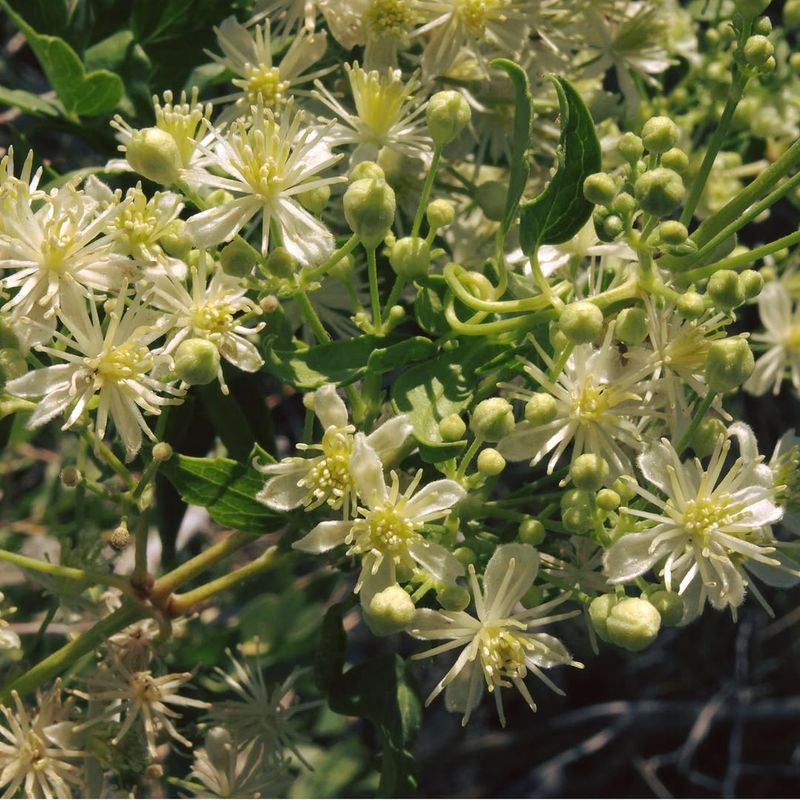
There is something almost dreamy about a vine that covers an entire fence in a cloud of tiny white flowers. Virgin’s Bower Clematis does exactly that, and it does it with very little help from you.
This native California vine is tough, fast-growing, and genuinely beautiful from late summer into fall.
Clematis ligusticifolia is different from the flashy hybrid Clematis you see at big box garden centers. The flowers are small but they appear in huge, showy clusters.
After blooming, the plant develops wispy, silvery seed heads that give it a soft, romantic look. Birds love the seeds, so this vine pulls double duty as a wildlife plant.
It grows best in full sun to partial shade and handles dry conditions remarkably well once established. You will find it naturally growing along stream banks and canyon edges in California, but it adapts easily to garden conditions.
Give it a strong support structure because it can get quite large, sometimes reaching 20 feet or more. Water it well during its first summer, then ease off.
It is a particularly good choice for gardeners in Central California and the foothills who want fast coverage without a heavy water bill. Trim it back hard in late winter to keep it tidy.
4. Pink Honeysuckle
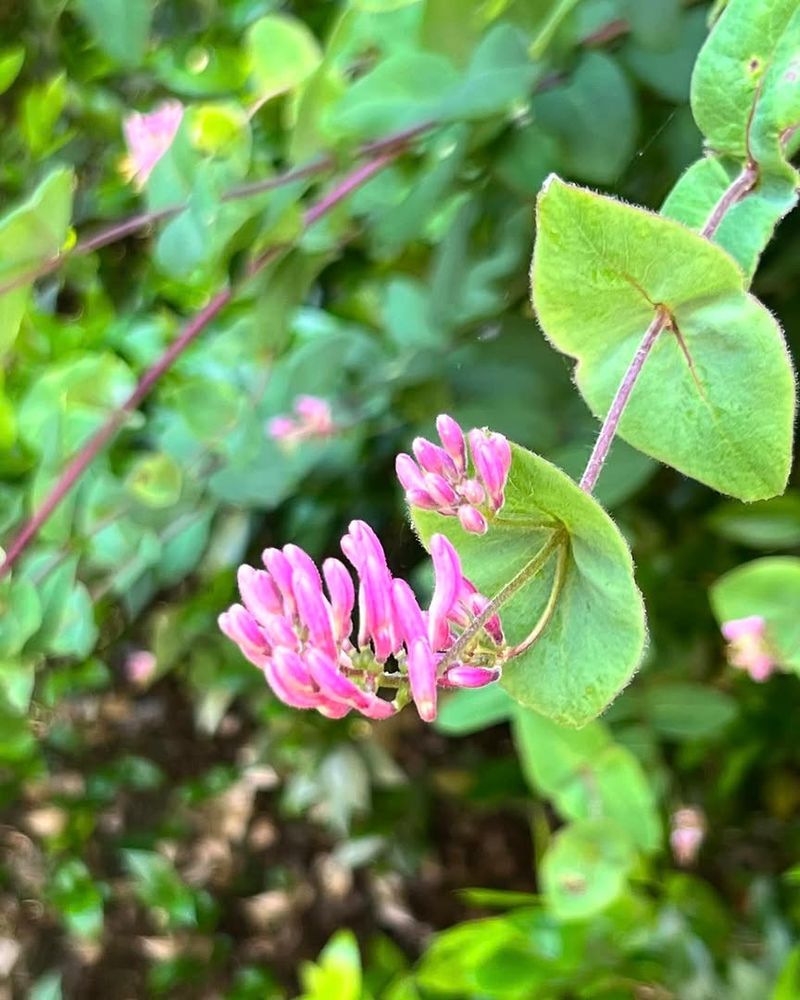
Hummingbirds go absolutely wild for Pink Honeysuckle, and once you plant it, you will understand why. The tubular pink and yellow flowers are practically designed for hummingbird beaks.
Watching them hover and feed is one of the best free shows a California garden can offer.
Lonicera hispidula is a California native that grows as both a vine and a scrambling shrub depending on what support it has. As a vine, it can reach 10 to 15 feet and works beautifully on trellises, fences, or allowed to sprawl over a slope.
The flowers appear in spring and early summer, followed by small red berries that birds love just as much as gardeners do.
One of the best things about Pink Honeysuckle is how forgiving it is. It handles full sun to partial shade, and once it settles in after the first year, it gets by on very little water.
Coastal California and inland gardens both suit it well. It is a great alternative to the invasive Japanese Honeysuckle, which can become a real problem in California landscapes.
Native plant enthusiasts across the state recommend it highly for wildlife gardens. Plant it near a window or patio and enjoy the hummingbird visits up close.
A light trim after flowering keeps it looking neat without stressing the plant.
5. Island Morning Glory
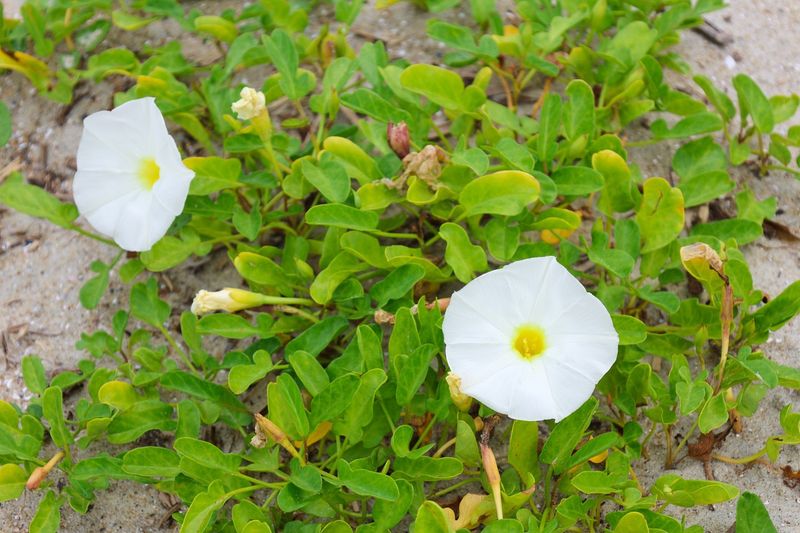
Not all morning glories are created equal. Island Morning Glory is in a class of its own, bringing big, bold, white trumpet-shaped flowers to California gardens without the invasive habits of its non-native cousins.
It is native to the Channel Islands and coastal regions of Southern California, which tells you everything you need to know about its toughness.
Calystegia macrostegia blooms heavily in late winter through spring, sometimes putting on a show that covers entire slopes or fences in white. The flowers are large and showy, often with subtle pink or purple veining.
It grows quickly, which is great if you need to cover an ugly wall or bare slope in a hurry. It can reach 20 feet or more under good conditions.
Full sun is where this vine truly thrives. It tolerates poor, rocky, or sandy soils, making it ideal for the challenging conditions found in many California coastal gardens.
Once established, it barely needs any supplemental irrigation during the dry season. In hotter inland areas, a little extra water in the hottest months helps it look its best.
Cut it back after the main bloom period to encourage fresh growth and a repeat flush of flowers. Southern California native plant gardeners rate it as one of the most rewarding vines available for low-water landscapes.
6. Roger’s Red Grape
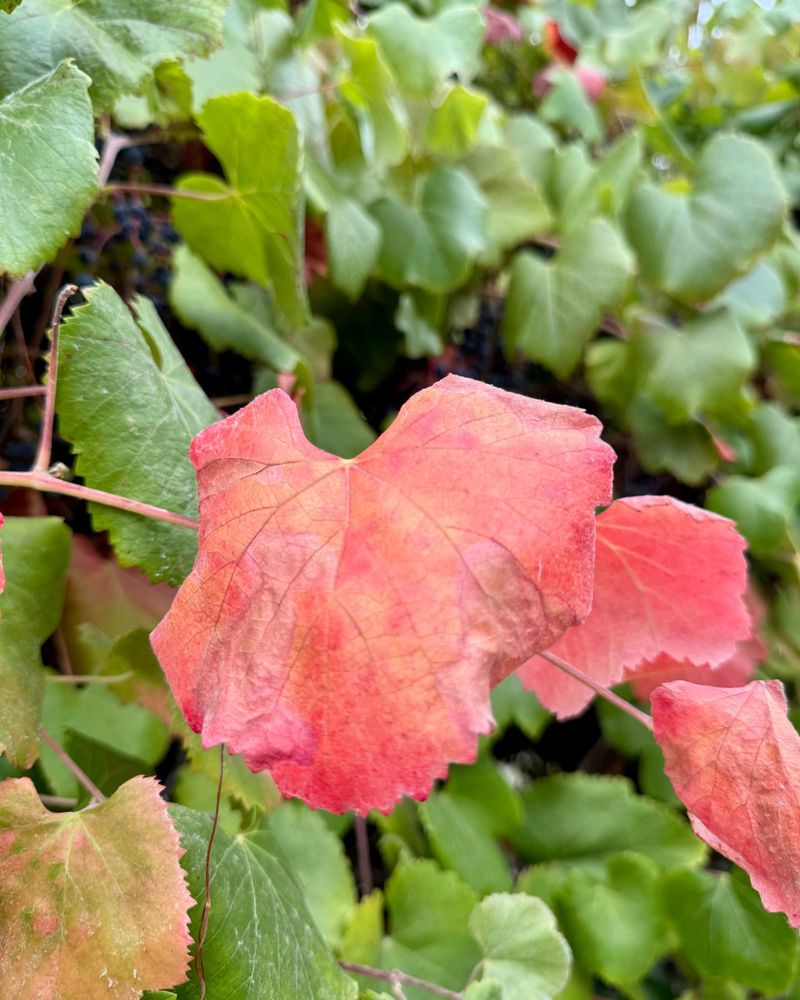
Come fall, Roger’s Red Grape puts on one of the most spectacular color shows of any vine growing in California. The leaves turn a brilliant, fiery red that rivals anything you would see in New England.
It is actually a hybrid of California Wild Grape and a European wine grape, and the result is stunning both in looks and toughness.
This vine is a powerhouse grower. It can reach 30 feet or more with good support, making it ideal for covering large fences, pergolas, or arbors.
In summer, the large, lobed leaves create dense, cooling shade. Small clusters of dark grapes form in late summer and birds absolutely flock to them.
It is like planting a bird feeder you never have to refill.
Roger’s Red Grape grows best in full sun and is remarkably drought-tolerant once established. It does well across a wide range of California climates, from the Central Valley to the Bay Area and into the foothills.
Deep, infrequent watering during summer encourages deep root growth and makes the vine more resilient over time. Prune it back hard in late winter to control size and promote vigorous new growth.
Nurseries throughout California carry it, and it consistently earns rave reviews from gardeners who want big impact with low water input.
7. Desert Wild Grape
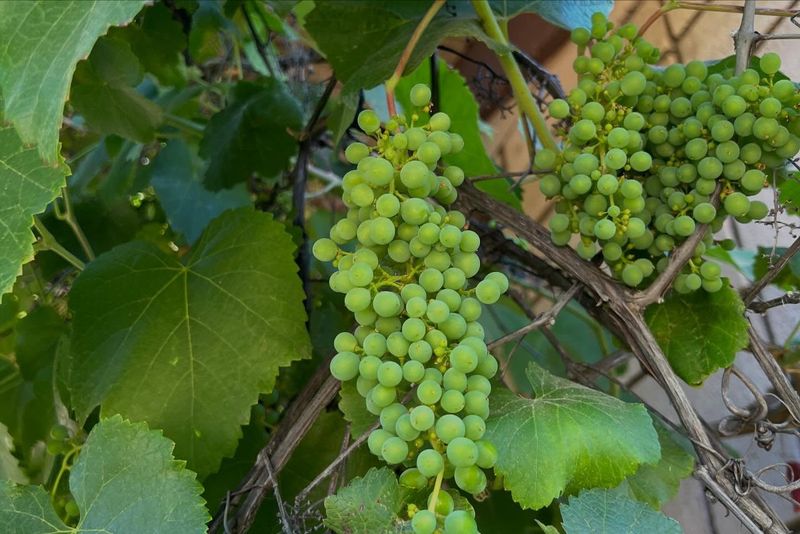
Growing a lush, leafy vine in the California desert sounds like a tall order, but Desert Wild Grape makes it look easy. Native to the desert canyons and riparian areas of Southern California and Baja California, this vine evolved to find water in tough places and keep on growing.
It is a real survivor.
Vitis girdiana looks a lot like other wild grapes, with large, lobed leaves that provide generous shade in summer. Small clusters of grapes ripen in late summer and attract birds, coyotes, and other wildlife.
In a garden setting, it works wonderfully on a pergola or shade structure where you want natural cooling without cranking up the air conditioning.
Plant it in full sun with deep, infrequent watering to mimic its natural desert environment. Once established, it draws on deep soil moisture and handles long dry spells with impressive ease.
It is especially well-suited for gardeners in the Inland Empire, the Coachella Valley, and other hot, dry parts of California who want a native vine that actually belongs in the heat. The fall leaf color is a nice bonus, shifting to warm yellow and orange tones before the vine goes dormant.
Give it a strong trellis or arbor and let it do its thing naturally.
8. California Wild Cucumber
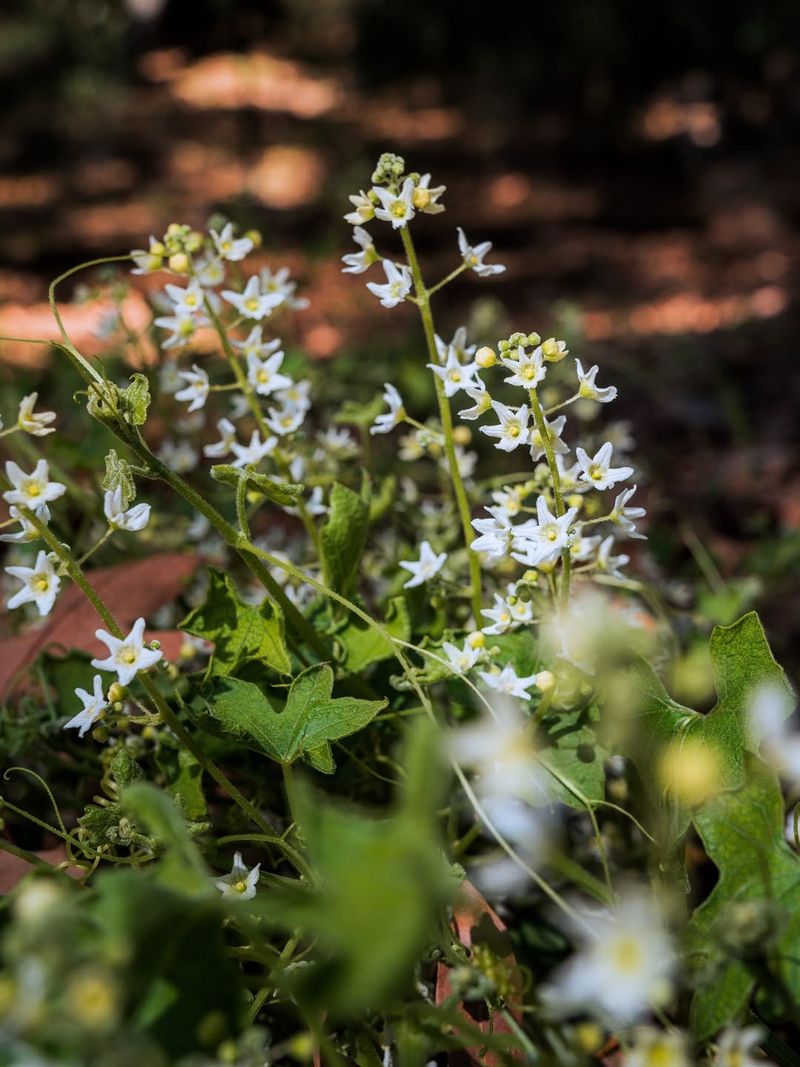
California Wild Cucumber has a personality all its own. It sprints out of the ground in late fall or early winter, covers everything in sight with lush green leaves and delicate white star-shaped flowers, then vanishes completely by midsummer.
It lives life fast and on its own schedule, and honestly, that is part of its charm.
Marah fabaceus grows from a massive underground tuber that can weigh hundreds of pounds in older plants. That tuber is the secret to its drought survival.
Once the dry season hits, the vine retreats underground and waits patiently for the rains to return. You do not need to water it at all during summer.
It handles the dry season completely on its own.
In the garden, it works best if you let it climb a fence, trellis, or even an old tree. The spiky, round fruits that follow the flowers are eye-catching and unusual.
They are not edible, but they add a fun, wild texture to the garden. Bees love the flowers, making it a great pollinator plant for early spring.
California Wild Cucumber grows naturally across much of the state, from the coast to the foothills. It reseeds itself reliably, so once you have it, you are likely to enjoy it for many seasons without replanting.