These 12 Evergreen Foundation Plants Make Oregon Homes Look More Expensive
Oregon curb appeal is all about embracing that lush, year-round greenery that makes a property look established and expensive. While flashy seasonal flowers have their moment, the true secret to a high-end exterior lies in your foundation planting.
These are the reliable anchors that provide structure and elegance even on the grayest winter day. Choosing the right mix of textures and tones can turn a standard front yard into a sophisticated landscape that looks like it belongs on a magazine cover.
The trick is finding specimens that handle the local climate with effortless grace. Investing in quality evergreens ensures your house looks intentional and well-kept throughout every season.
Get ready to swap out those tired or patchy shrubs for a curated collection that brings immediate value and timeless style to your neck of the woods. It is the easiest way to give your home a permanent promotion.
1. Boxwood

Few plants have earned their place in landscaping quite like boxwood. Known for its dense, compact foliage and clean lines, this classic shrub has been used for centuries to frame homes and create formal garden spaces.
Oregon homeowners love it because it looks sharp whether trimmed into a perfect sphere or left slightly natural.
Varieties like ‘Green Velvet’ and ‘Winter Gem’ are especially popular in the Pacific Northwest. They handle Oregon’s rainy winters well and bounce back beautifully in spring.
These compact growers rarely get too large, making them easy to manage near a foundation without constant pruning.
Plant boxwood in well-drained soil with partial to full sun for best results. Space them evenly along your front walkway or porch for a symmetrical, upscale look.
A row of neatly trimmed boxwoods instantly gives any Oregon home that expensive, well-maintained curb appeal that neighbors notice right away. Regular light trimming a couple of times each year is all it really takes to keep them looking their best.
2. Japanese Holly
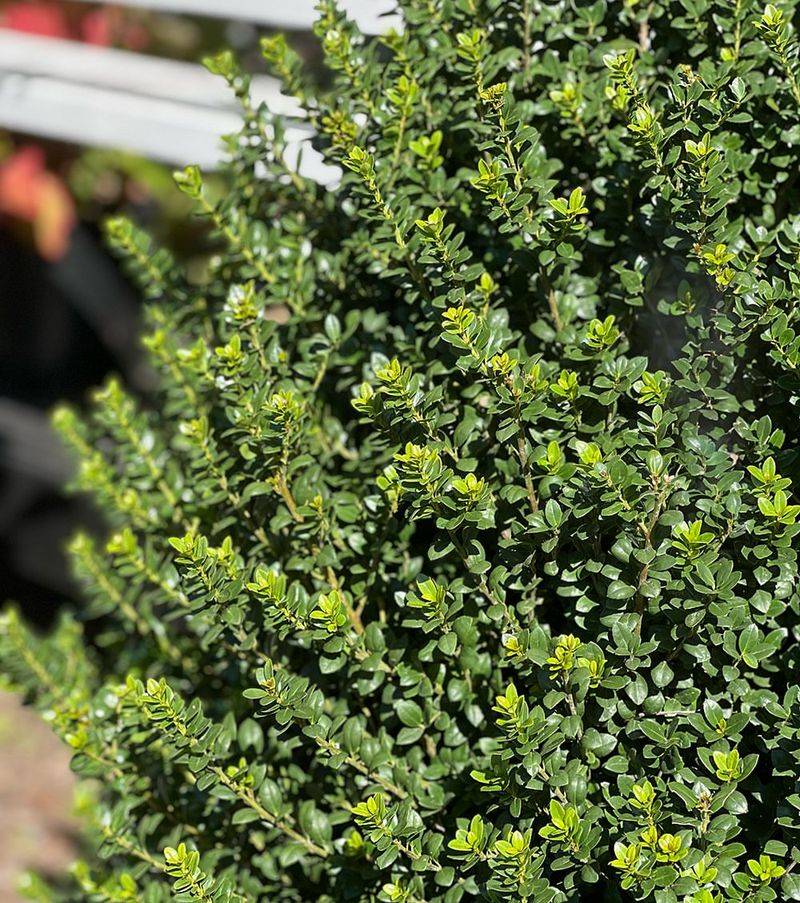
If you love the look of boxwood but want something a little tougher, Japanese Holly might be your new favorite plant. It has small, glossy leaves and a naturally rounded shape that gives any Oregon home a clean, refined appearance.
Unlike some shrubs, it holds its form well without needing constant trimming.
Japanese Holly thrives in Oregon’s mild, wet climate. It handles both sun and partial shade, which makes it incredibly flexible for different spots around your home’s foundation.
Varieties like ‘Sky Pencil’ offer a tall, columnar shape perfect for framing doorways, while compact types work great along low foundation walls.
One thing Oregon gardeners appreciate is how low-maintenance this shrub really is. Once established, it needs very little attention beyond occasional shaping.
It pairs beautifully with flowering plants like azaleas or rhododendrons, creating a layered look that adds serious visual depth. Plant it in well-drained, slightly acidic soil for the healthiest results.
With its year-round glossy green color, Japanese Holly keeps your home looking polished even during Oregon’s gray winter months when other plants go dormant.
3. Yew
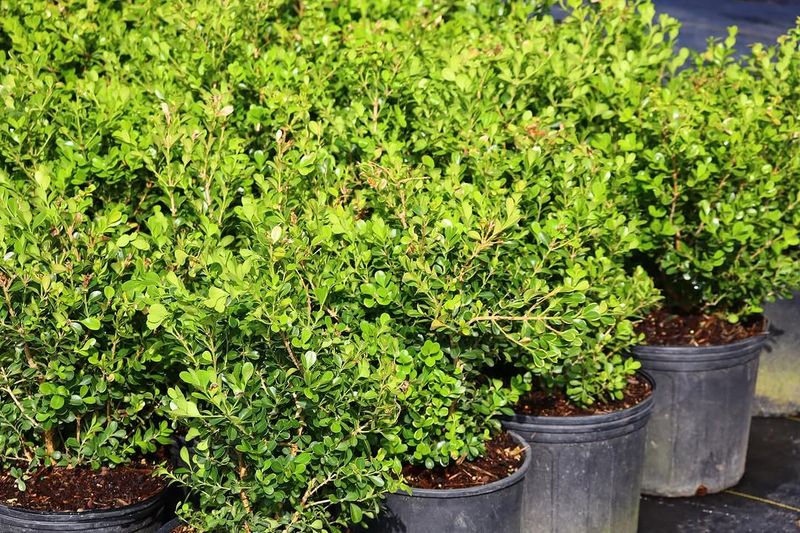
Yew is one of those plants that landscape designers reach for when they want structure and elegance without a lot of fuss. Its dark, needle-like foliage stays rich and green all year, creating a dramatic contrast against light-colored siding or brick.
Oregon homeowners have trusted yew for decades because it simply works.
What makes yew so valuable as a foundation plant is its adaptability. It tolerates shade better than almost any other evergreen shrub, which is great news for Oregon homes surrounded by large trees.
It can be pruned into tidy hedges, soft mounds, or left to grow in a more relaxed, natural shape depending on your style.
Dwarf varieties like ‘Nana’ are ideal for foundation plantings because they grow slowly and stay manageable. You won’t find yourself constantly cutting them back.
Yew grows well in most Oregon soils and handles both dry summers and wet winters with ease.
For a classic, sophisticated look that instantly makes your home feel more established and expensive, few plants compete with a well-placed yew hedge along the front of your house. It’s timeless for a reason.
4. Dwarf Alberta Spruce
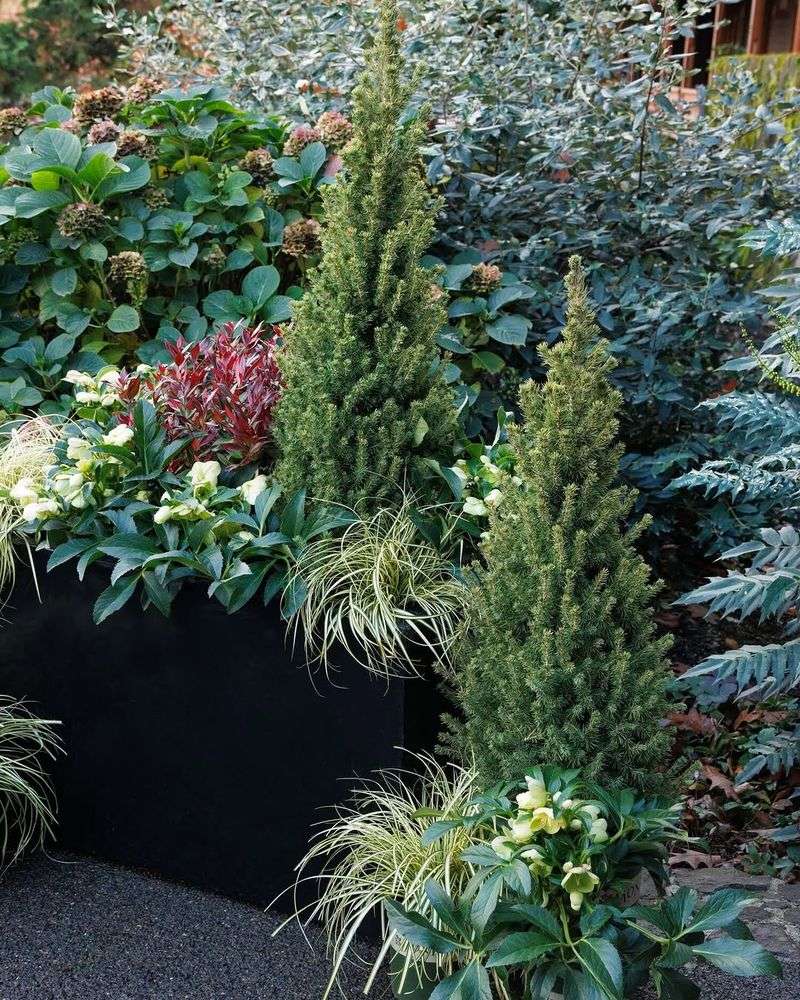
There is something almost architectural about the Dwarf Alberta Spruce. Its naturally perfect cone shape looks like it was sculpted by hand, but it grows that way all on its own.
Placed on either side of a front door or along a foundation, it immediately gives an Oregon home a formal, high-end feel.
This slow-growing spruce is a fantastic choice for tight spaces. It typically reaches only six to eight feet tall over many years, so you never have to worry about it overwhelming your home’s facade.
The bright green, densely packed needles stay vibrant through all four seasons, which is exactly what you want from a foundation plant in Oregon.
It prefers full sun and well-drained soil, and once established, it requires very little care. Avoid planting it in spots where water pools after Oregon’s heavy rains, as soggy roots can cause problems.
Pair it with lower-growing shrubs like boxwood or Japanese Holly for a layered, professional look.
Gardeners across Oregon from Medford to Bend have used this spruce to add structure and elegance to their landscapes without spending a fortune on professional installation or ongoing maintenance.
5. Rhododendron
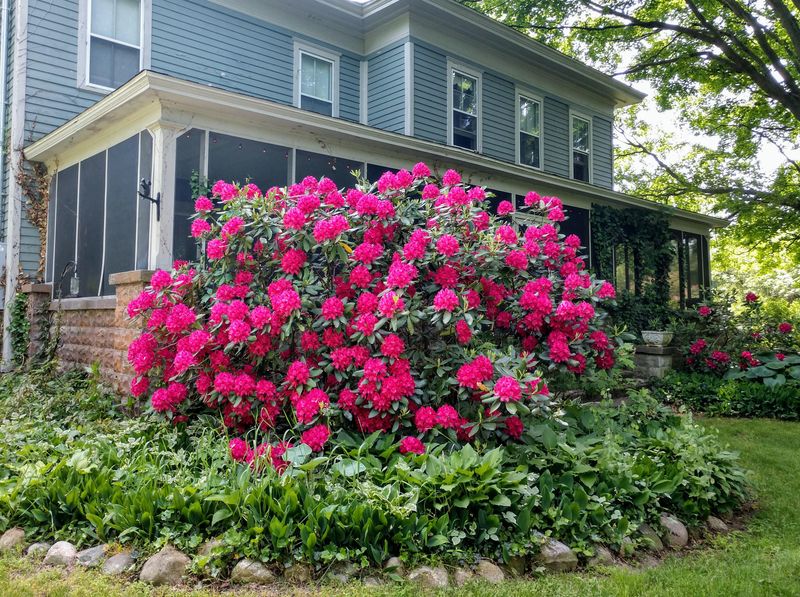
Oregon and rhododendrons go together like rain and the Pacific Northwest. These bold, beautiful shrubs are practically the unofficial plant of the region, and for good reason.
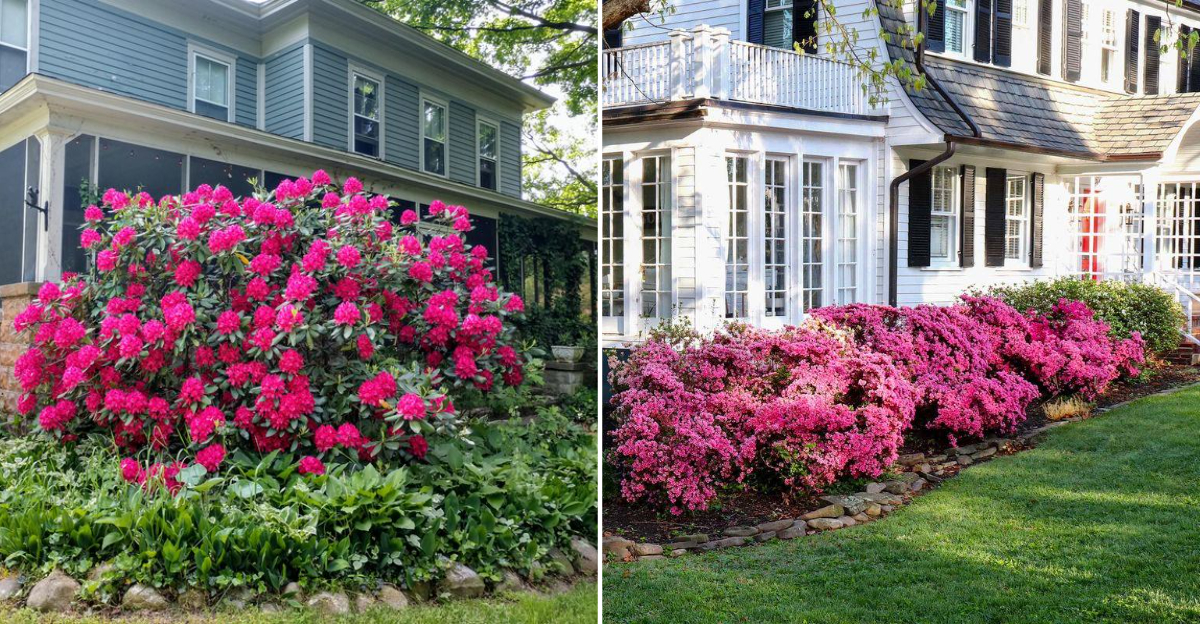
They produce stunning clusters of flowers in shades of pink, purple, red, and white every spring, turning an ordinary foundation planting into something truly spectacular.
Beyond their seasonal blooms, rhododendrons are evergreen, meaning those large, leathery leaves stay green and glossy all year long. This gives your home a lush, full appearance even in the middle of winter when many other plants look bare.
They grow well in Oregon’s naturally acidic, well-drained soils, especially in the Willamette Valley and along the coast.
Plant rhododendrons in partial shade for the best results. They don’t love hot afternoon sun, so the filtered light under trees or on the north side of your home works perfectly.
Choose compact varieties if you want to keep them near the foundation without a lot of pruning. Larger varieties make incredible backdrop plants behind smaller shrubs.
Few plants deliver the same wow factor that a flowering rhododendron brings to an Oregon home’s curb appeal each spring, and they reward minimal care with maximum beauty.
6. Azalea
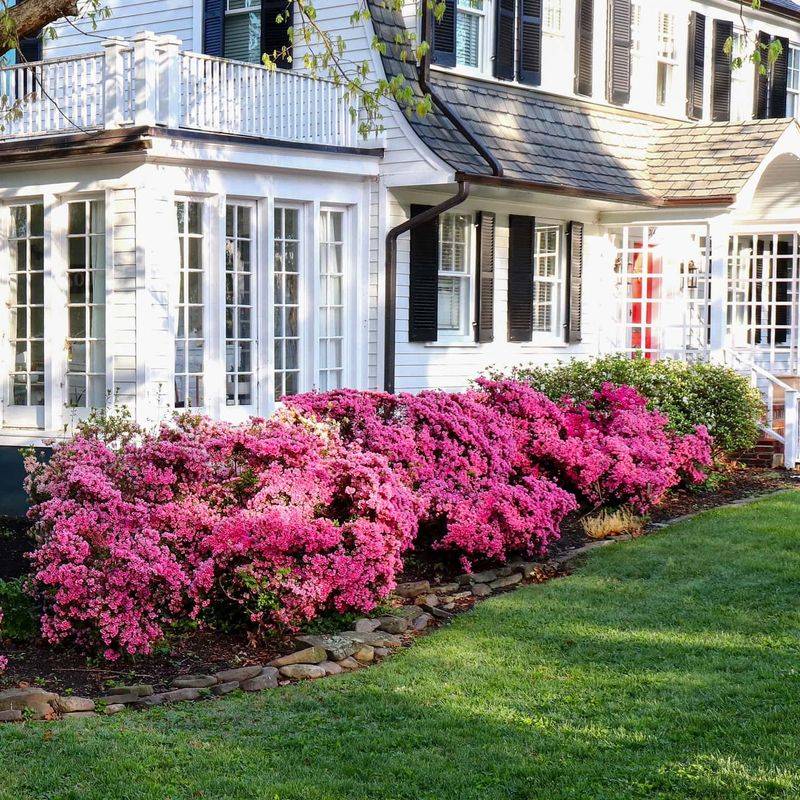
Walk through almost any neighborhood in Portland or Salem in April and you will spot azaleas putting on a show.
These compact, colorful shrubs explode with blooms each spring, covering themselves in flowers so thick you can barely see the leaves underneath. It is one of the most cheerful sights in Oregon landscaping.
Evergreen azaleas keep their foliage year-round, giving your foundation a tidy, finished look even when they are not in bloom.
They stay relatively small, usually reaching two to four feet tall, which makes them perfect for planting directly in front of your home without blocking windows or growing out of control.
Azaleas love the same conditions that Oregon naturally provides: slightly acidic soil, good moisture, and filtered sunlight. They pair beautifully with rhododendrons since the two plants share similar care needs and bloom around the same time.
Mixing azaleas in different colors creates a vibrant, layered effect that makes any home look professionally landscaped. Water them regularly during Oregon’s dry summer months, and add a layer of mulch to help retain moisture.
With very little effort, azaleas bring an explosion of color and charm to your home’s exterior that is hard to match.
7. Pieris
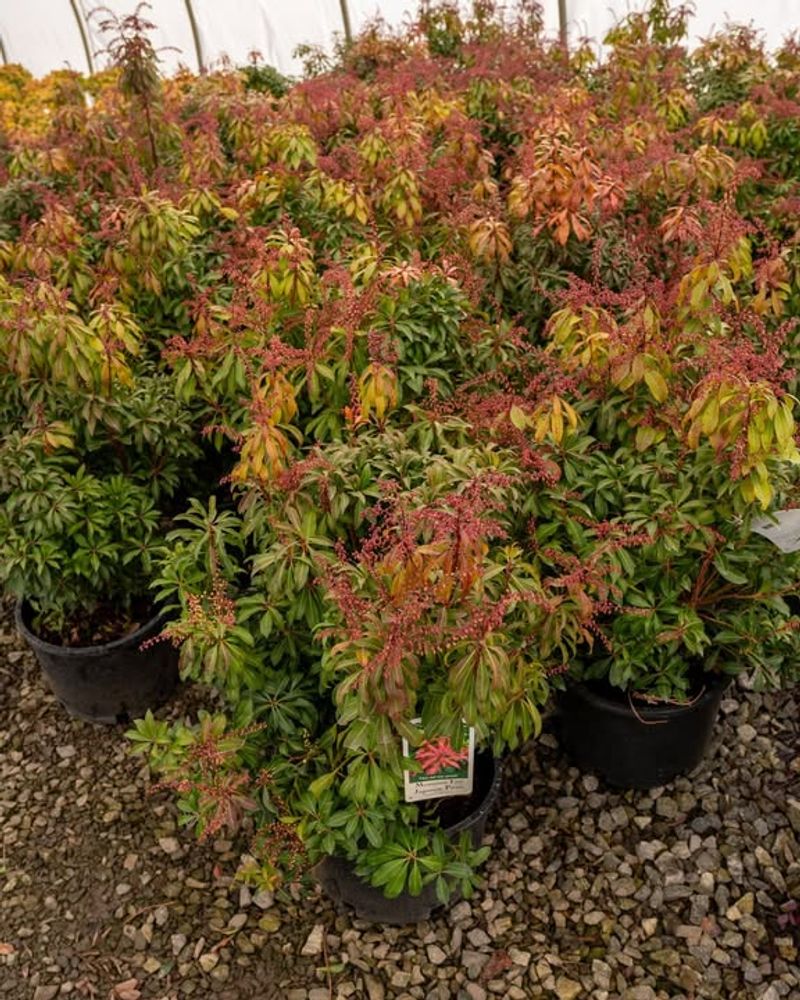
Pieris is the kind of plant that makes people stop and ask what it is. Also called Andromeda or Lily of the Valley shrub, it is a true four-season performer.
In late winter and early spring, it drapes itself in long chains of tiny bell-shaped flowers, often before most other plants even think about blooming in Oregon.
New growth on Pieris is another highlight. Young leaves emerge in shades of bright red or bronze before maturing to deep, glossy green.
This means even without flowers, the plant has visual interest and color throughout the growing season. It is a showstopper in any foundation planting.
Compact cultivars like ‘Cavatine’ and ‘Little Heath’ are ideal for Oregon foundation plantings because they stay small and tidy. They prefer partial shade and acidic, well-drained soil, conditions that are easy to find across western Oregon.
Pair Pieris with rhododendrons or ferns for a classic Pacific Northwest garden look. Once established, it needs very little maintenance and rarely needs pruning.
For homeowners who want their Oregon home to look effortlessly elegant all year long, Pieris is one of the most rewarding foundation shrubs you can possibly choose.
8. Camellia
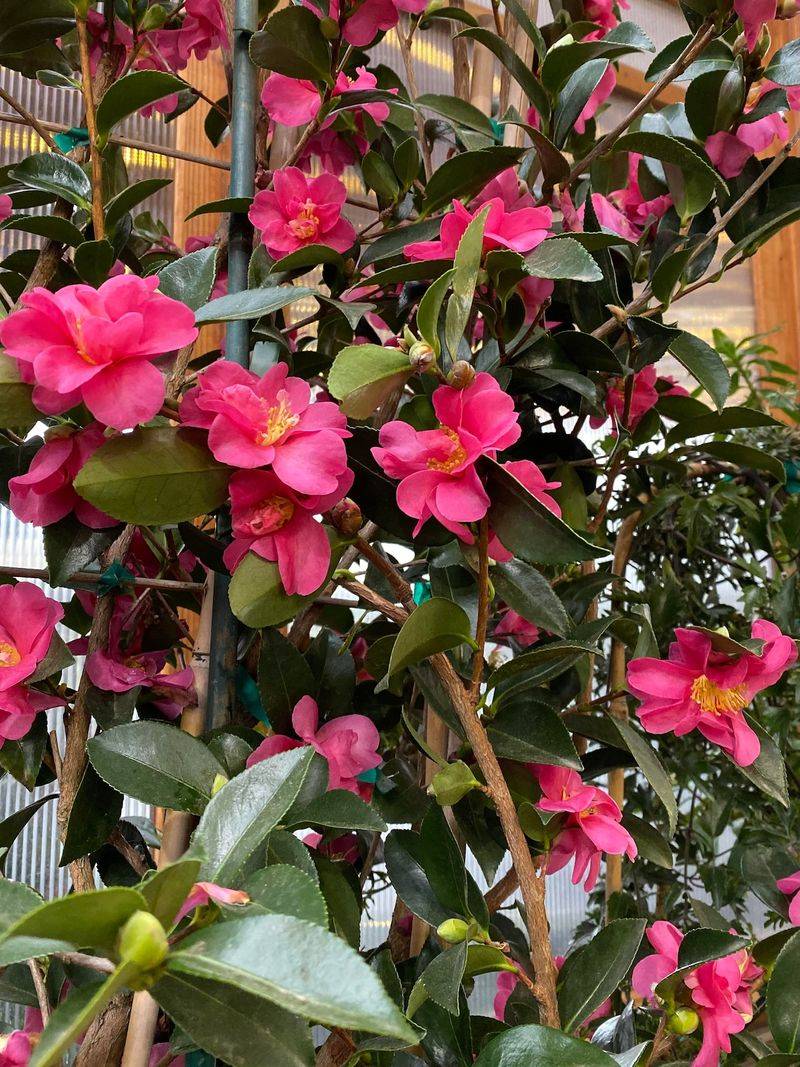
Imagine having roses blooming at your front door in the middle of January. That is exactly what camellia delivers.
This stunning evergreen shrub produces large, rose-like flowers from late fall through early spring, filling Oregon’s gray winter months with unexpected color and elegance. It is a true conversation starter among neighbors.
Camellia’s glossy, dark green leaves are attractive even when the plant is not in bloom. The foliage has a rich, polished look that gives any Oregon home’s foundation a refined, upscale appearance year-round.
The plant can grow quite large over time, so choose a compact variety if you are working with a smaller space near your home’s foundation.
Western Oregon’s mild, wet climate is nearly perfect for camellias. They prefer partial shade and protection from harsh afternoon sun, which is easy to find in most Oregon yards.
Well-drained, slightly acidic soil helps them thrive. Mulch around the base to keep moisture consistent through Oregon’s dry summer stretch.
Camellias are long-lived plants that get more beautiful with age. Plant one near your front entrance and watch it become the centerpiece of your landscaping for decades, adding serious curb appeal and charm every single winter season.
9. Oregon Grape
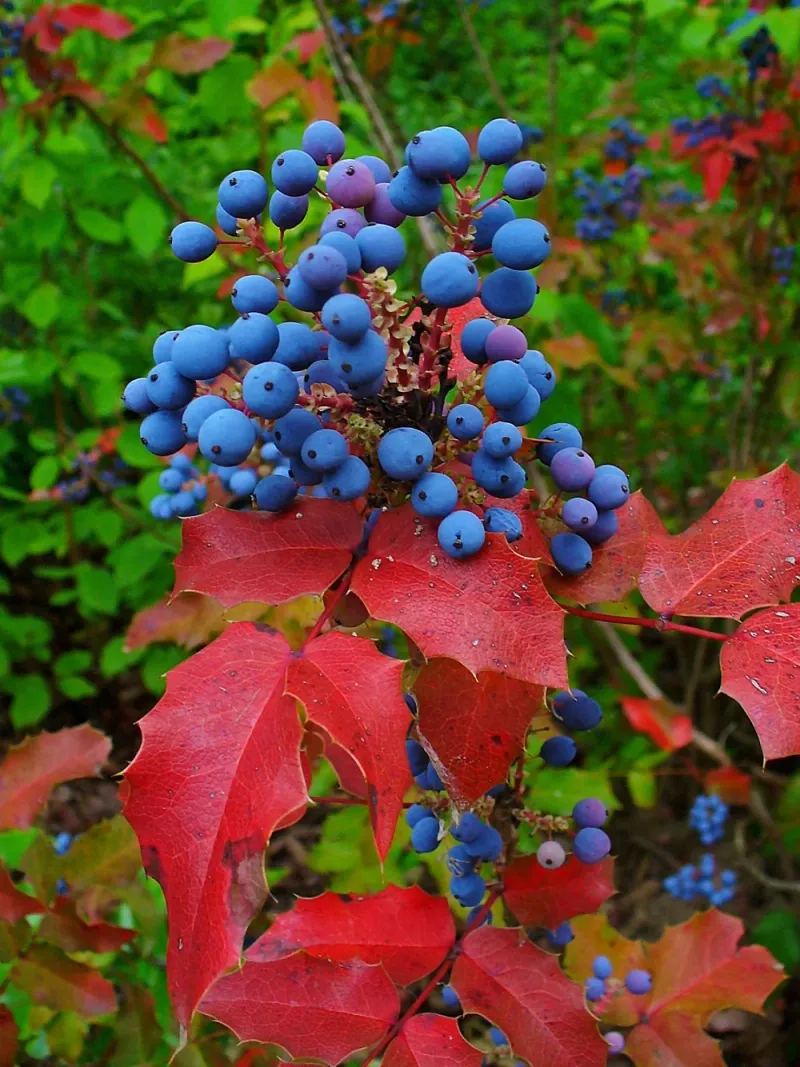
Oregon Grape is not just a pretty plant. It is the official state flower of Oregon, and it earns that honor with its year-round beauty and toughness.
Holly-like, spiny leaves stay deep green all year, and bright yellow flowers appear in early spring, followed by clusters of dusty blue-purple berries that birds absolutely love.
Using native plants like Oregon Grape in your foundation planting is a smart move for several reasons. It is perfectly adapted to Oregon’s climate, meaning it handles wet winters and dry summers without complaint.
It also supports local wildlife and requires far less water and fertilizer than many non-native shrubs once it is established.
Tall varieties like Mahonia aquifolium can reach six feet or more, making them great backdrop plants. Compact types like ‘Compacta’ work well as low foundation shrubs or ground cover.
Oregon Grape grows in sun or shade, which gives you lots of flexibility around your home. The berries can even be used to make jelly.
For Oregon homeowners who want a landscape that feels authentic to the region while still looking polished and expensive, Oregon Grape is an inspired choice that blends beauty, function, and a genuine sense of place.
10. Hebe
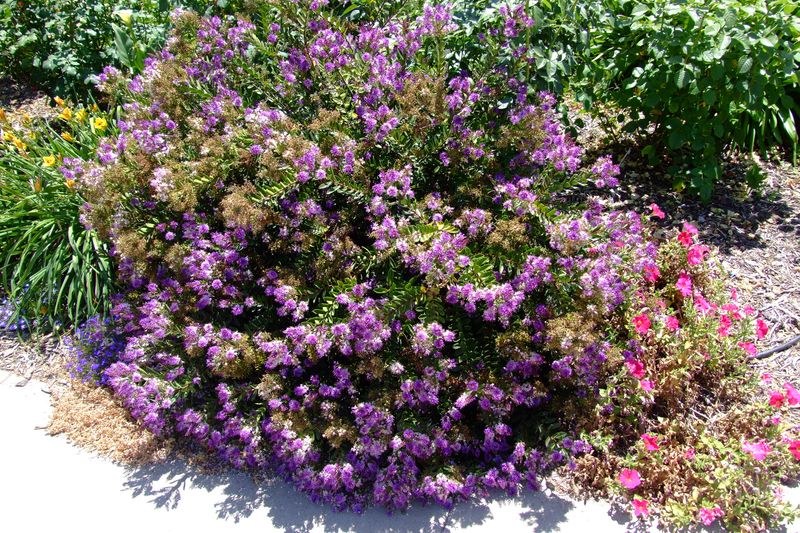
Not every homeowner knows about Hebe, but those who do swear by it. This New Zealand native has found a perfect second home in Oregon’s mild coastal and valley climates.
With its glossy leaves, compact rounded shape, and spikes of purple, pink, or white flowers, it brings a fresh, modern look to any foundation planting.
Hebe blooms from summer into fall, which is a great time to have color in your Oregon garden since spring bloomers like azaleas and rhododendrons have already finished their show.
This helps keep your home’s exterior looking lively and colorful throughout the entire growing season without needing to plant annuals every year.
It prefers full sun to partial shade and does especially well in coastal Oregon where humidity stays high and temperatures rarely drop to extreme lows. Good drainage is important, so avoid heavy clay soil without amending it first.
Hebe rarely needs pruning and stays naturally tidy. Pair it with ornamental grasses or low-growing boxwood for a contemporary, high-end look.
For Oregon homeowners who want something a little unexpected in their foundation planting, Hebe offers that perfect blend of structure, seasonal color, and easy care that makes a landscape look truly thoughtful and well-designed.
11. Skimmia
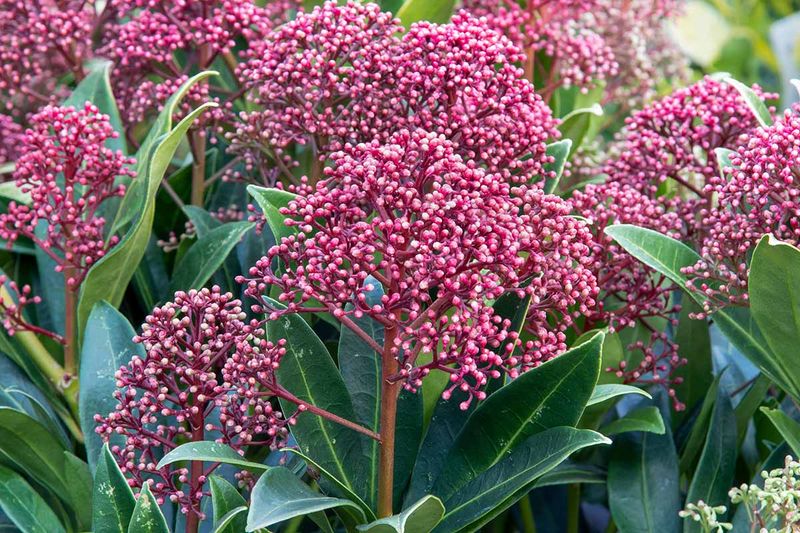
Shady spots near your foundation do not have to look boring or neglected. Skimmia is one of the best plants for exactly those tricky low-light areas, and it delivers year-round color that most shade-tolerant plants simply cannot match.
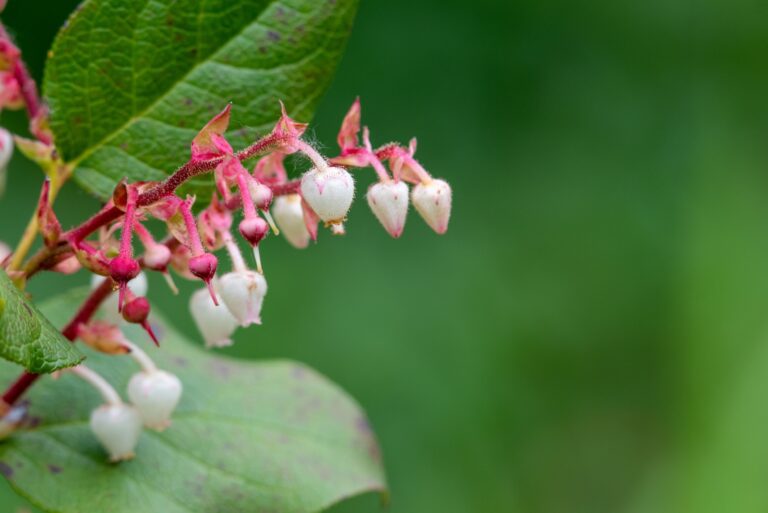
In fall and winter, it covers itself in clusters of bright red berries that glow against its dark green leaves.
Spring brings fragrant white or pink flower buds that are attractive even before they open. The blooms have a sweet scent that can drift through an open window or greet guests as they approach your front door.
Skimmia stays compact, usually reaching only two to three feet tall, which makes it ideal for planting directly against your home’s foundation.
Oregon’s mild, overcast winters are practically ideal for Skimmia. It prefers cool, moist conditions and acidic soil, which are easy to provide in most western Oregon yards.
Plant male and female varieties together to ensure berry production, as the plant needs both to set fruit. Skimmia pairs beautifully with Pieris and ferns for a lush, layered shade garden look.
For Oregon homeowners dealing with challenging north-facing or tree-shaded foundation areas, Skimmia turns a problem spot into one of the most visually striking parts of the entire yard.
12. Daphne
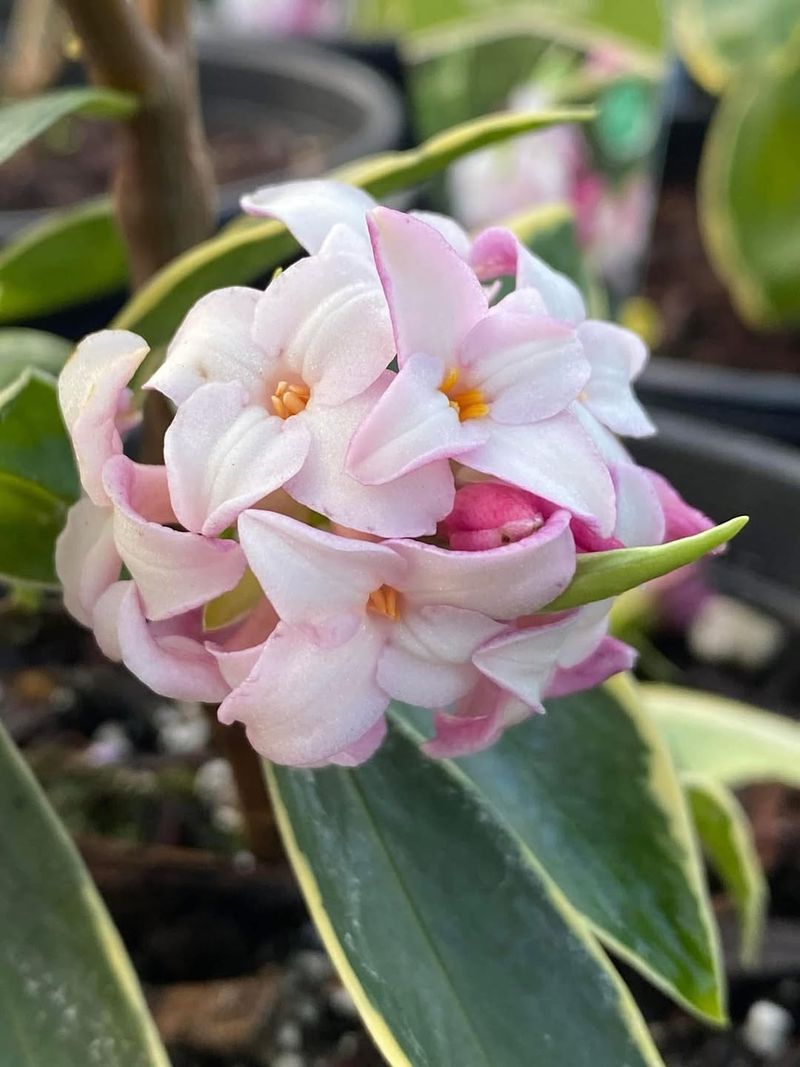
Some plants are beautiful. Some plants smell incredible.
Daphne manages to be both at the same time, and Oregon gardeners who have grown it never want to be without it.
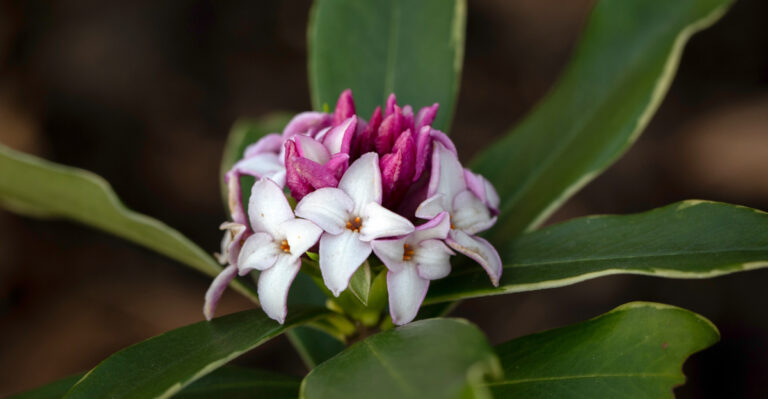
In late winter and early spring, this compact evergreen shrub produces clusters of tiny pink or white flowers with a fragrance so sweet and powerful it can stop you in your tracks.
Placing Daphne near a front door or along a path to your home is a genius move. Visitors will smell it before they even see it, creating a memorable first impression that no expensive landscaping trick can replicate.
The glossy leaves stay attractive all year, even after the blooms fade.
Daphne prefers well-drained soil and partial shade in Oregon’s warmer inland valleys. Along the Oregon coast, it handles more sun without issue.
It does not like to be moved once established, so choose its spot carefully and let it settle in. Avoid overwatering, as soggy soil causes problems for this shrub.
Daphne grows slowly and stays naturally compact, rarely needing pruning. For Oregon homeowners who want their landscape to engage all the senses and create a truly welcoming, luxurious feeling around their home, Daphne is an unforgettable addition to any foundation planting.