These Fast-Growing Vines Can Quickly Cover Arizona Fences
Arizona fences rarely stay plain for long once the right vine gets planted nearby. With strong sun, warm temperatures, and a long growing season, certain climbing plants grow surprisingly fast and start covering bare fences before many gardeners expect it.
What begins as a small plant can quickly stretch across a fence line and turn a hard surface into a wall of green.
Fast-growing vines are often used in Arizona yards to soften fences, create privacy, and bring more life into the landscape without waiting years for results.
When they are given something sturdy to climb, many of them grow rapidly and fill large areas with foliage and seasonal color.
That quick growth is exactly what makes them so useful in desert gardens.
Choosing the right vines can help a fence look fuller, greener, and far more natural while still handling Arizona’s intense sun and dry conditions.
1. Bougainvillea Quickly Covers Large Fences
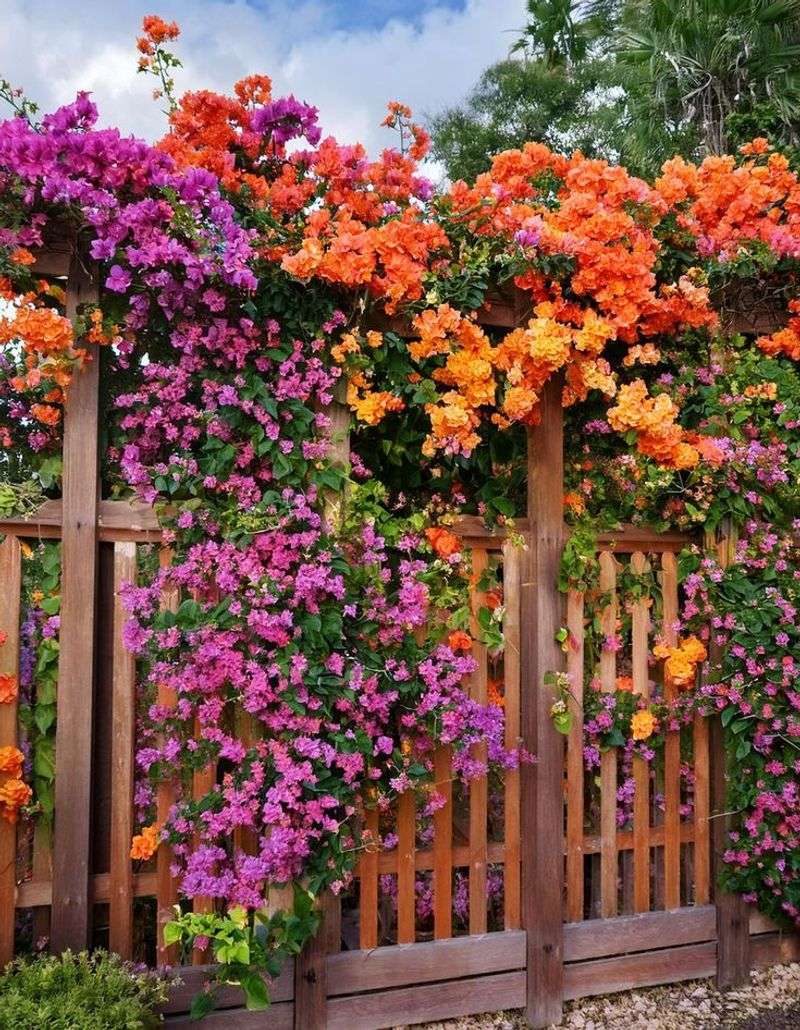
Few plants command attention the way bougainvillea does when it’s in full bloom along an Arizona fence. Brilliant bracts in hot pink, deep purple, orange, and red practically glow in the desert sun.
It’s not subtle, and that’s exactly the point.
Bougainvillea grows aggressively in Arizona’s warm climate, sometimes pushing out several feet of new growth in a single season. It grabs onto fence posts and wire with thorny stems that act like natural hooks.
Give it a sturdy structure and it will do the rest without much help from you.
Watering deeply but infrequently actually encourages more flowering. Too much water and you’ll get green leaves without many blooms.
Arizona’s dry soil and blazing heat push bougainvillea to produce its best color show.
Pruning a few times a year keeps the vine from getting too wild. Left unchecked, it can overtake a fence and nearby plants quickly.
A little trimming after each bloom cycle keeps everything looking intentional rather than overgrown.
Bougainvillea is one of the most recognizable plants in Arizona landscapes, and for good reason. It thrives where other plants struggle, adds serious visual impact, and covers a fence faster than almost anything else available at local nurseries.
2. Yellow Orchid Vine Spreads Fast On Supports
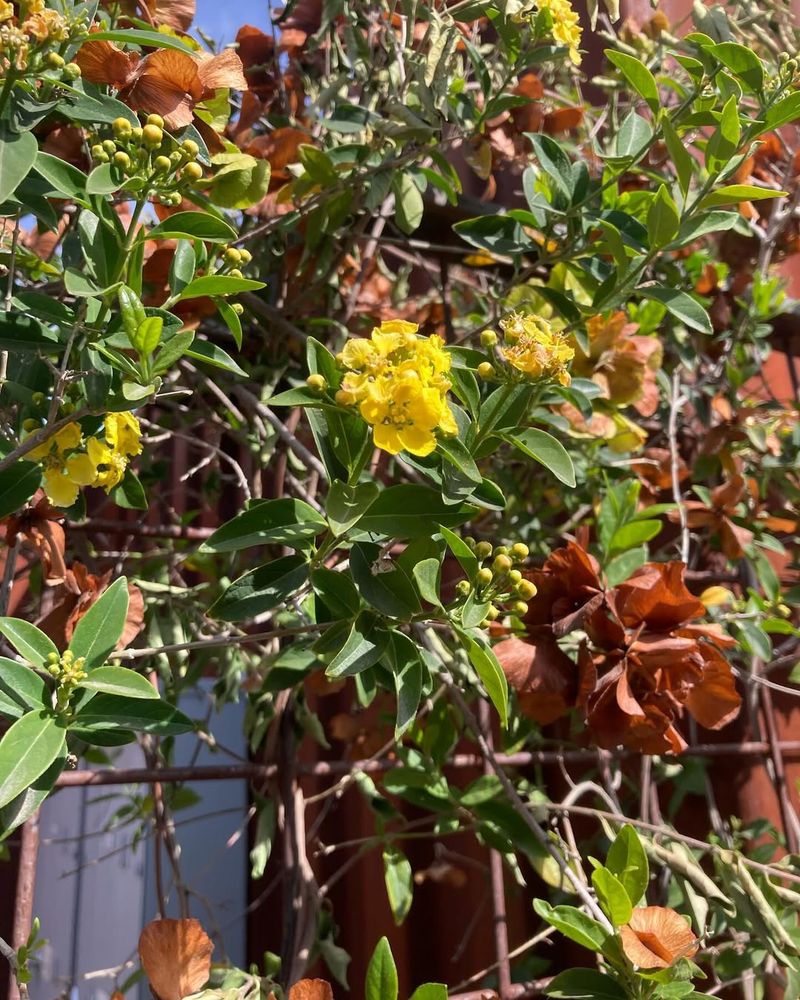
Yellow orchid vine is one of those plants that surprises people who’ve never seen it before. Bright yellow blooms shaped like tiny orchids appear all along the twining stems, and the whole plant looks almost too tropical for the desert.
But Arizona’s heat suits it just fine.
Known botanically as Mascagnia macroptera, yellow orchid vine moves fast once it gets going. It wraps around wire fences, chain-link, and wooden posts without needing much encouragement.
By midsummer, a young plant can cover a surprisingly large section of fence.
After the flowers fade, flat papery seed pods take their place and turn a warm golden-tan color. Many Arizona gardeners actually keep the vine just for those seed pods, which add texture and interest even when the plant isn’t blooming.
It’s an underused gem in desert landscaping.
Full sun is where this vine performs best. Partial shade slows its growth and reduces flowering noticeably.
Plant it along a south or west-facing fence in Arizona and it will reward you with consistent blooms through the warm months.
Water it regularly during the first season to help it establish a strong root system. After that, it handles dry stretches well and keeps growing without constant attention.
For a fence that needs coverage fast, yellow orchid vine delivers results.
3. Queen’s Wreath Vine Drapes Fences With Vigorous Growth
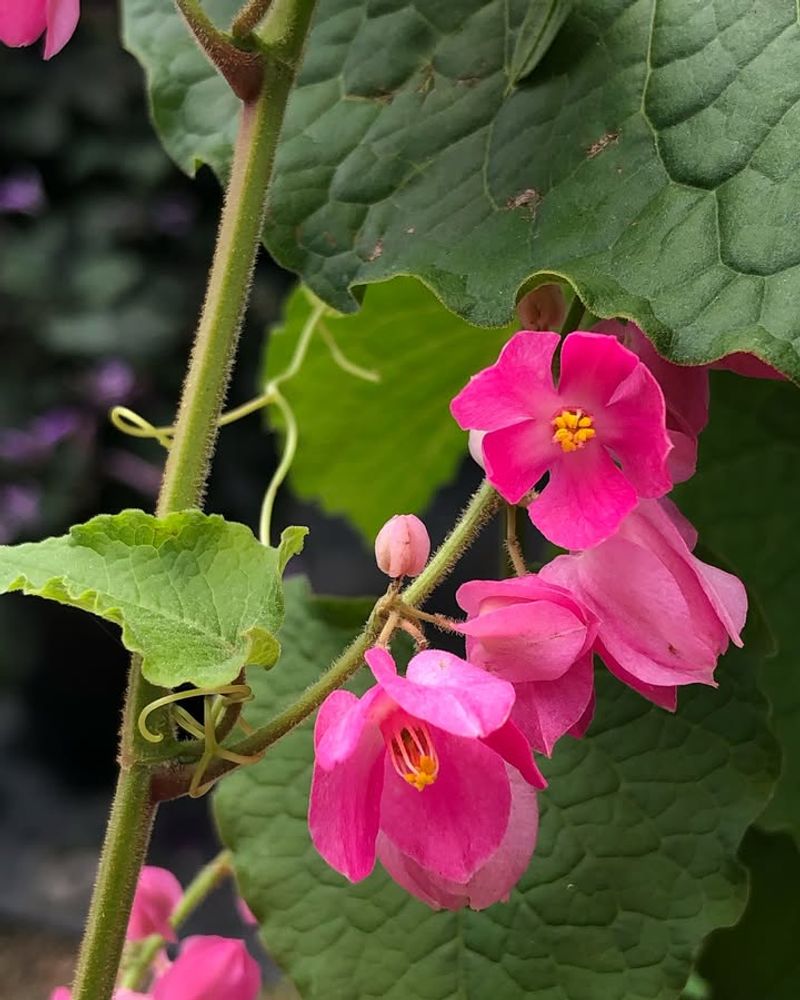
Walk past a fence covered in Queen’s Wreath in late summer and it stops you cold.
Clusters of tiny deep pink to magenta flowers hang in long chains that sway in the breeze, and the whole plant looks like something from a botanical garden rather than a neighborhood yard.
Queen’s Wreath, also called coral vine or Antigonon leptopus, is built for Arizona summers. It thrives in the kind of heat that flattens other plants.
Once it gets a grip on a fence, it spreads both sideways and upward with real speed.
Hummingbirds and pollinators show up constantly when this vine is in bloom. If attracting wildlife to your Arizona yard matters to you, Queen’s Wreath earns its spot on the fence without debate.
The blooms last from late spring through fall.
It dies back in winter in most parts of Arizona, but the roots survive underground and push out new growth aggressively in spring. Don’t pull it out thinking it’s gone.
Give it a few warm weeks and it comes back stronger than before.
Planting it near a chain-link or wire fence works especially well because the tendrils grab onto the openings naturally. No training required.
Just plant, water during the first season, and watch it take over the fence line with impressive speed and color.
4. Pink Trumpet Vine Climbs And Expands Quickly
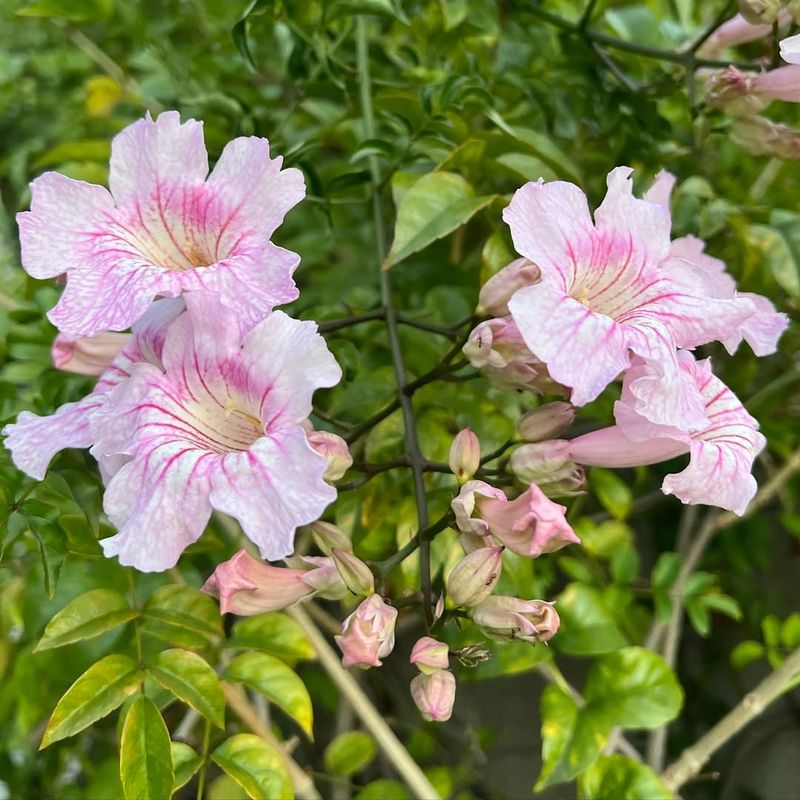
Pink trumpet vine brings a completely different energy to an Arizona fence than the spiky drama of bougainvillea.
Soft, rosy pink trumpet-shaped flowers open in clusters against dark green glossy leaves, and the whole combination looks lush and tropical even in the middle of the desert heat.
Podranea ricasoliana is the botanical name, but most Arizona nurseries just call it pink trumpet vine. It grows steadily rather than explosively, but give it a full growing season and it will cover a substantial section of fence.
By its second year, it starts to really fill in.
Unlike some aggressive climbers, pink trumpet vine tends to stay manageable with light pruning. It doesn’t send runners underground or try to escape into neighboring yards.
That makes it a smarter choice for smaller fence sections where you want coverage without a constant battle to contain it.
Full sun brings out the best bloom production. In Arizona’s intense summer heat, the flowers keep coming from spring into fall, which is a longer show than many other vines can deliver.
Morning sun with some afternoon shade in the hottest months also works well.
Water consistently during the warm season and cut it back lightly in late winter. New growth emerges quickly in early spring, and by the time summer arrives in Arizona, the vine is already putting on a strong display along the fence line.
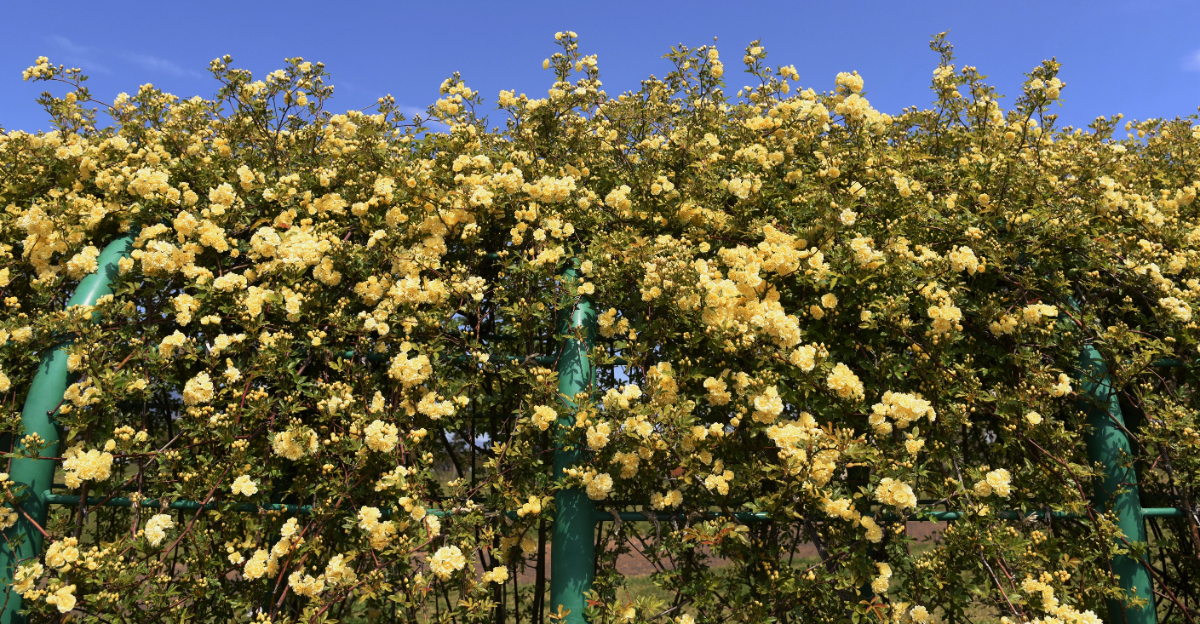
5. Lady Banks Rose Covers Fences With Long Canes
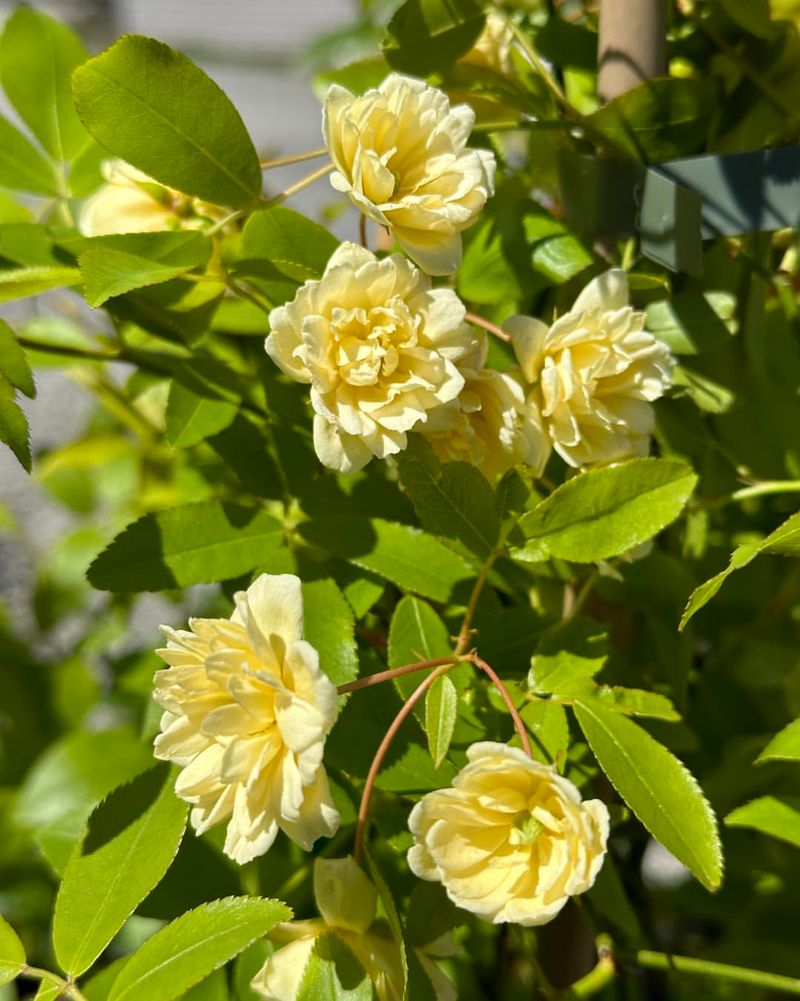
Lady Banks rose is the kind of plant that makes neighbors slow down their cars to look.
In spring, the entire vine erupts in thousands of tiny yellow or white flowers that completely blanket the long arching canes, turning a fence into a wall of color that’s genuinely hard to ignore.
Rosa banksiae grows fast and big. Canes can reach 20 feet or more in Arizona’s warm climate, and they arch outward and upward with real enthusiasm.
Attaching them loosely to a fence with ties or wire keeps the growth directed without restricting the plant.
One thing that separates Lady Banks rose from most other roses is the near-absence of thorns. Handling the canes, pruning, and training the plant along a fence is much easier and safer than working with thorny rose varieties.
That alone makes it worth considering for a high-traffic area.
It blooms once a year in spring, and the show is spectacular but brief. After the bloom period, the plant stays green and continues growing throughout the Arizona summer.
Pruning right after flowering gives it time to set next year’s flower buds on new growth.
Lady Banks rose handles Arizona heat and drought better than most roses. Deep watering every week or two during summer keeps it healthy.
For covering a long stretch of fence with something elegant and fast-growing, this rose is hard to beat in the desert Southwest.
6. Trumpet Vine Rapidly Spreads Along Fences
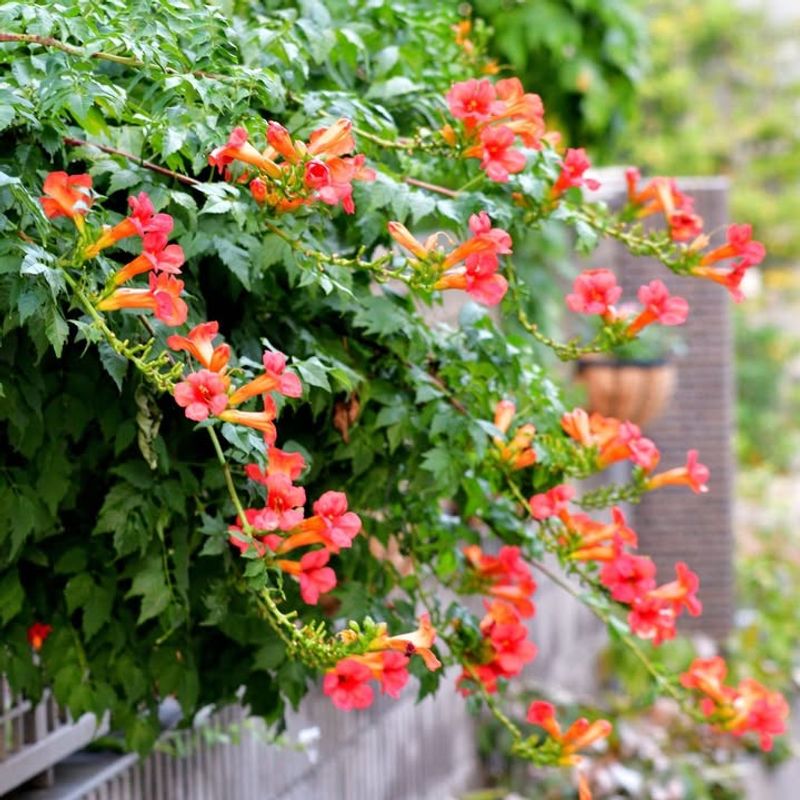
Trumpet vine is not for the timid gardener. Campsis radicans grabs onto any surface with aerial rootlets and moves fast, covering a fence with thick stems and bold orange or red trumpet flowers that hummingbirds absolutely can’t resist.
Plant it with intention and a plan to manage it.
In Arizona’s heat, trumpet vine grows with real aggression. It can push out runners underground and pop up several feet away from the main plant if left unchecked.
Cutting back any shoots that stray beyond the fence keeps it from spreading into places you don’t want it.
Despite needing a watchful eye, the payoff is real. A fully covered fence dripping with orange blooms in midsummer is a striking sight.
Hummingbirds visit constantly during bloom season, turning the fence line into a wildlife corridor right in your own yard.
Trumpet vine handles the full force of Arizona sun without complaint. It actually blooms more heavily under stress from heat and dry conditions than it does with regular irrigation.
Cutting back on water in summer pushes it to flower rather than just grow leaves.
Hard pruning in late winter keeps the structure manageable and encourages strong new growth for the coming season. Remove any underground runners at the same time.
Trumpet vine rewards Arizona gardeners who stay on top of it with one of the most dramatic fence displays possible in the desert climate.
7. Mexican Flame Vine Grows Fast On Fence Lines
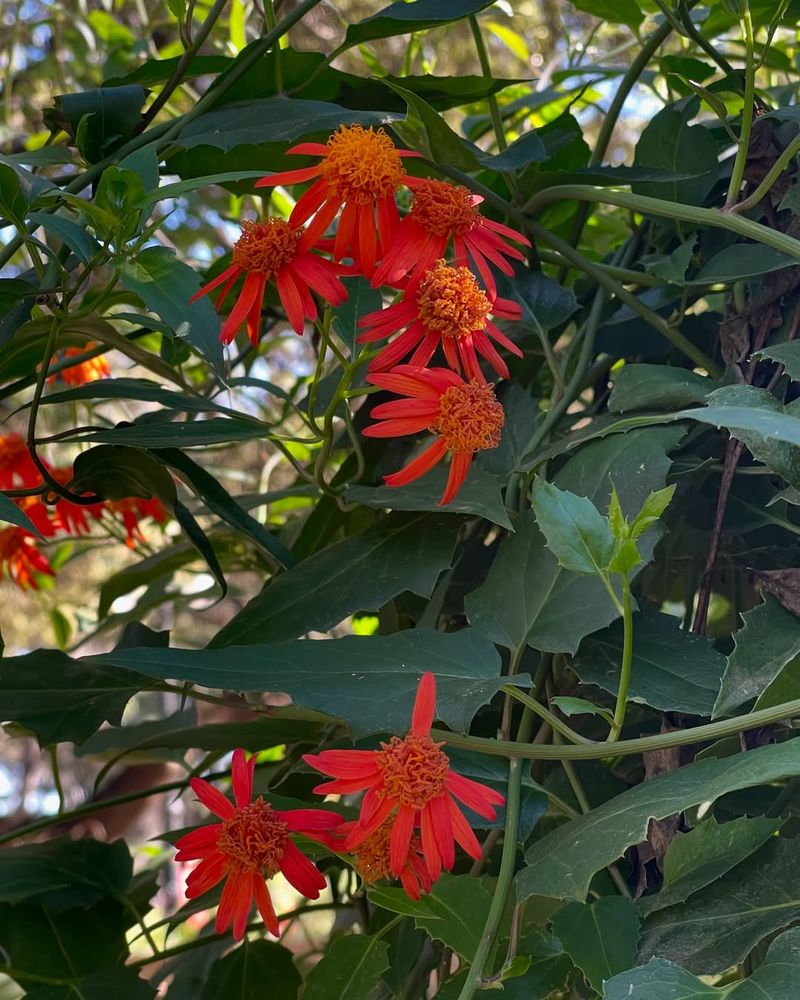
Bright orange clusters of tiny daisy-like flowers cover Mexican flame vine so densely in fall and winter that the green almost disappears beneath them.
Pseudogynoxys chenopodioides thrives in Arizona’s warm winters and puts on its best show exactly when most other plants have slowed down completely.
Speed is one of this vine’s most useful traits. A young plant can cover several feet of fence in a single growing season, twining through chain-link or wrapping around wooden posts without needing much guidance.
It’s especially valuable for filling in a new fence quickly.
Fall and winter blooming makes Mexican flame vine genuinely unique in the Arizona landscape. While other plants go dormant, this vine lights up fence lines with warm orange color that stands out against the desert’s muted winter palette.
Butterflies are drawn to the flowers throughout the bloom season.
It prefers full sun but handles light shade without a significant drop in performance. In the hottest parts of Arizona, a fence that gets afternoon shade actually helps the vine stay looking fresh through peak summer heat before its big fall bloom begins.
Trim it back in early spring to keep the growth tidy and encourage fresh stems that will carry the next season’s flowers.
Mexican flame vine handles Arizona’s climate with ease, blooms when you need color most, and covers a fence line faster than most gardeners expect from a plant this ornamental.
8. Hardenbergia Climbs Fences With Fast Spring Growth
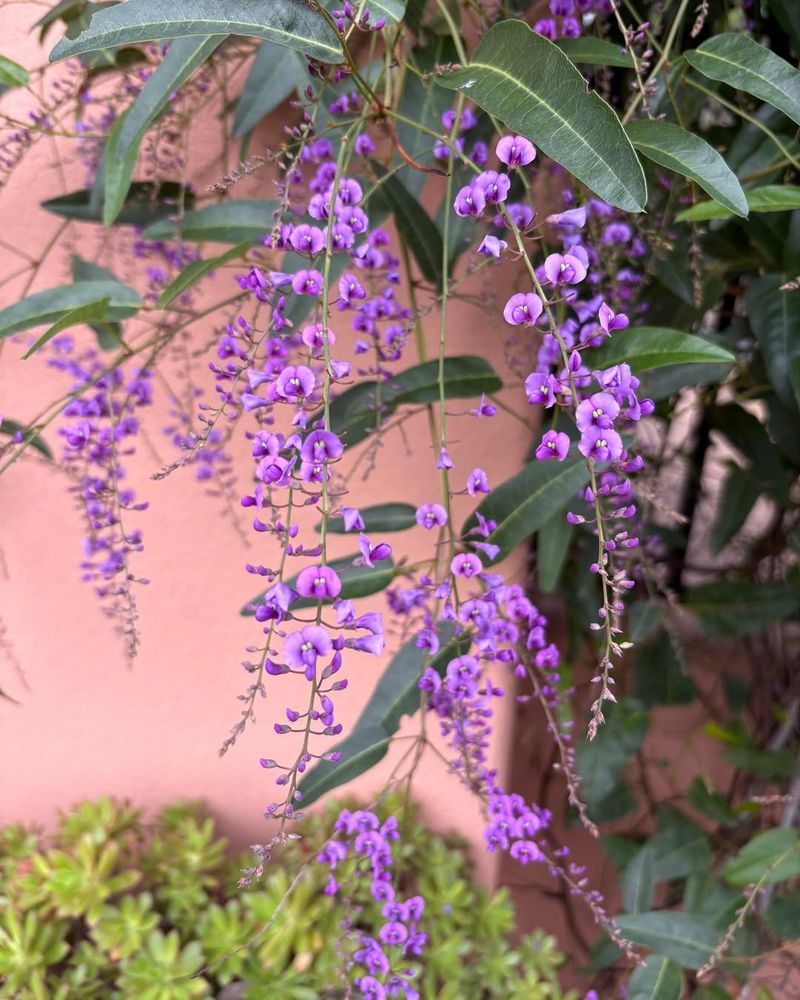
Hardenbergia violacea, commonly known as lilac vine, is one of the more dependable climbing plants used in Arizona landscapes when the goal is to cover a fence without dealing with invasive growth.
This evergreen vine produces cascading clusters of small purple flowers that appear from late winter into early spring, bringing color to the garden at a time when many plants are still quiet.
Once established, lilac vine begins twining naturally around chain-link, wood, and wire fencing. The stems wrap themselves around supports rather than clinging aggressively, which makes the plant easier to guide along a fence line.
Over time, it fills open spaces with dense green foliage that softens hard surfaces and makes fences feel more integrated into the surrounding landscape.
In Arizona’s warm climate, growth becomes stronger once temperatures rise in spring. While it is not as aggressive as some climbers, a healthy plant can still cover a noticeable section of fence within a few seasons.
Lilac vine performs best in full sun or light afternoon shade, especially in hotter desert areas. Regular watering during the first growing season helps build a strong root system.
After establishment, it tolerates dry conditions fairly well and continues climbing steadily while keeping fence lines green year round.
It also responds well to occasional pruning, which helps keep the vine fuller and encourages more branching along the fence.
Many Arizona gardeners use it on trellises, pergolas, and fence lines where its twining stems can spread naturally.