These Fast-Growing Vines Thrive On Pennsylvania Fences
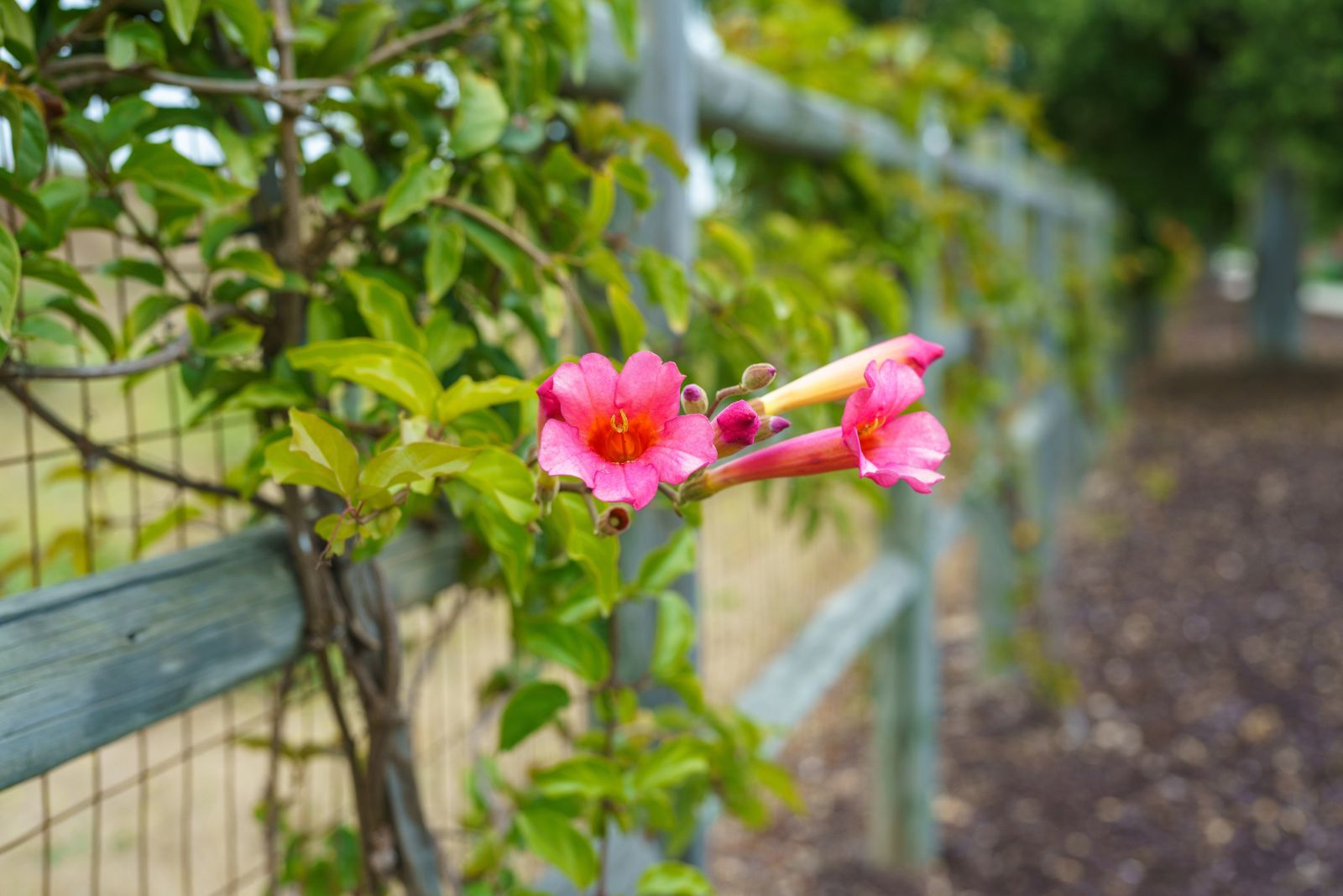
A plain fence can feel like wasted space in a Pennsylvania yard. It stands there doing its job, but it rarely adds much beauty to the landscape.
That empty stretch of wood or metal can quickly turn into something far more interesting with the help of fast growing vines.
Climbing plants have a way of bringing fences to life. In the right conditions, they stretch upward, spread across panels, and create a living wall filled with greenery and colorful blooms.
Many varieties grow surprisingly fast during Pennsylvania’s warm months, which means you will not have to wait long to see real results.
Vines also add character to a yard. They soften hard lines, attract butterflies and birds, and can even provide a bit of privacy from nearby neighbors.
With the right choice, a simple fence becomes a vibrant garden feature that changes with the seasons. It is an easy way to add height, color, and natural charm to your outdoor space.
1. Virginia Creeper (Parthenocissus Quinquefolia)
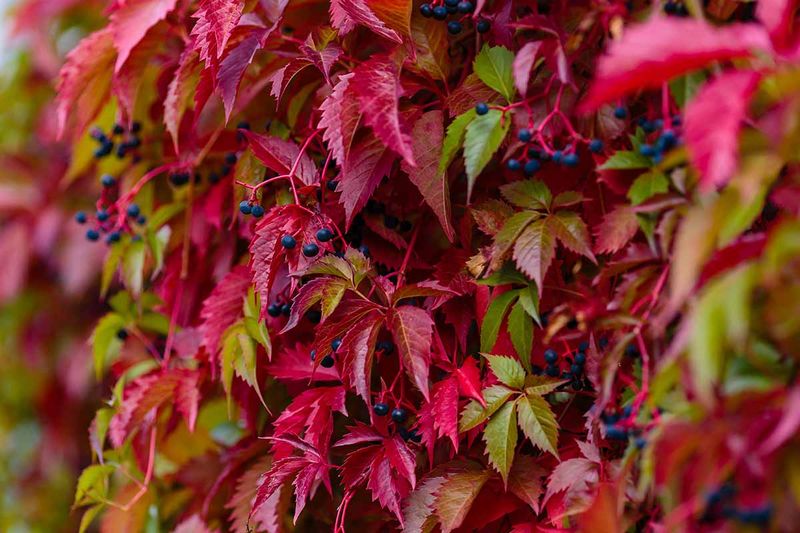
Few plants put on a fall show quite like Virginia Creeper. One day the fence is covered in rich green leaves, and almost overnight, the whole thing blazes into a stunning deep red.
It is honestly one of the most dramatic seasonal changes you can get in a Pennsylvania garden without doing much work at all.
Virginia Creeper is a native vine, which means it has been growing in Pennsylvania long before anyone planted it on purpose.
It naturally attaches itself to fences, walls, and trees using tiny adhesive pads on its tendrils. You do not need to tie it up or guide it much. It figures things out on its own pretty quickly.
Growth speed is one of its biggest selling points. Under good conditions, it can add six to ten feet of new growth in a single season.
Plant it at the base of a fence, give it some water while it gets established, and watch it take off. It handles full sun, part shade, and even deep shade without complaining.
Pennsylvania homeowners love Virginia Creeper because it is tough and low-maintenance. It tolerates poor soil, dry spells, and pollution, making it a great choice for urban yards too.
Birds also love the small dark berries it produces in fall, so you get a little wildlife bonus as well.
Trim it back occasionally to keep it from creeping onto surfaces you do not want covered. Other than that, it really does take care of itself beautifully throughout the year.
2. Trumpet Vine (Campsis Radicans)
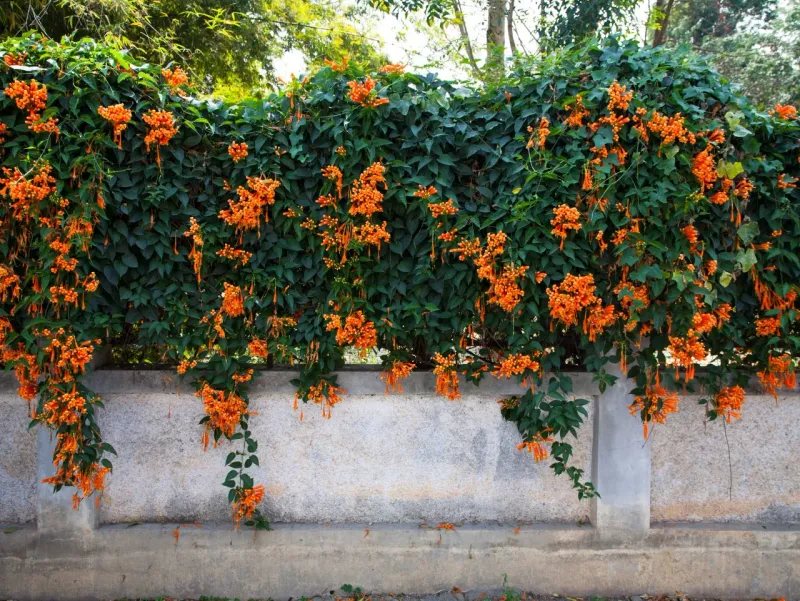
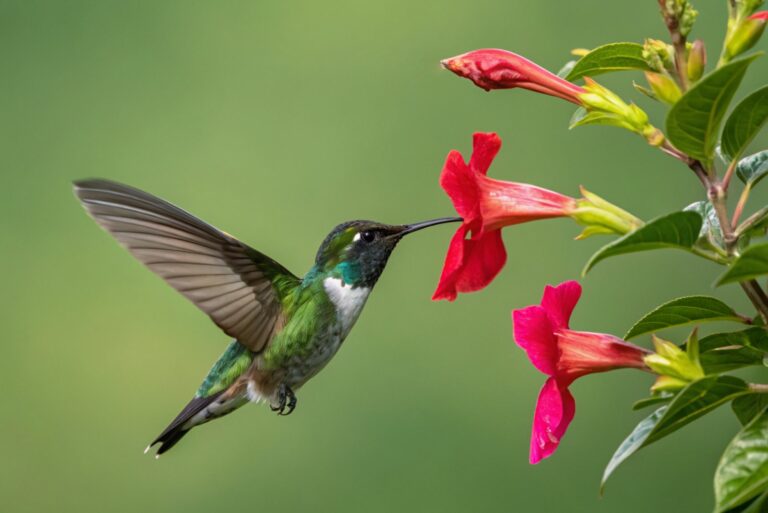
Imagine stepping into your Pennsylvania backyard on a July morning and spotting a hummingbird hovering just inches from your fence. That is exactly the kind of scene Trumpet Vine creates every single summer.
Its bold, orange, trumpet-shaped flowers are practically a hummingbird magnet, and watching those tiny birds dart around the blooms never gets old.
Trumpet Vine is native to eastern North America, so it is perfectly adapted to Pennsylvania’s climate. It loves full sun and warm temperatures, which is exactly what the state delivers during its long summers.
Once established, it can grow up to 30 feet in a single season, easily covering a long stretch of fence in a surprisingly short amount of time.
One thing to keep in mind is that this vine is a vigorous grower. That is a polite way of saying it can get a little wild if you let it go unchecked.
Plan to prune it back at least once a year, ideally in late winter before new growth begins. Keeping it in check is not hard, it just takes a little consistency.
The roots can also send up new shoots a few feet away from the main plant. Pull those up when you see them to keep things tidy.
Beyond that, Trumpet Vine is wonderfully low-maintenance. It tolerates drought, heat, and poor soil like a champ.
If you want fast coverage and a built-in hummingbird feeder on your Pennsylvania fence, this vine delivers both with style.
3. Clematis (Clematis Spp.)
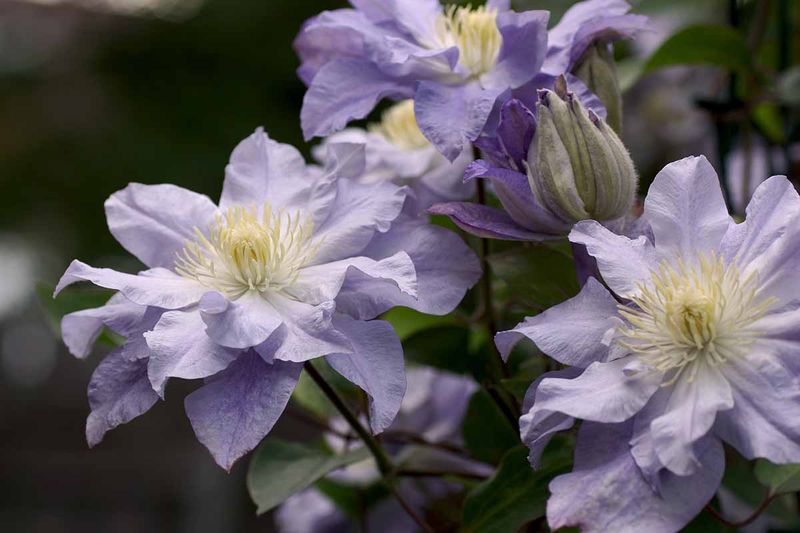
Walk through almost any garden center in Pennsylvania during spring, and you will find Clematis front and center. It is one of those vines that gardeners absolutely cannot resist, and for good reason.
The flowers are enormous, sometimes reaching six inches across, and they come in shades of purple, pink, white, red, and blue that seem almost too vivid to be real.
Clematis climbs by wrapping its leaf stems around supports, so it works beautifully on wire fences, wooden trellises, and chain-link fencing. It is not as aggressive as some other vines on this list, which actually makes it easier to manage.
Growth rates vary by variety, but many types can reach 10 to 20 feet by the end of the season. Some faster varieties push even further under ideal conditions.
There is a classic gardening tip for Clematis that really works: keep its roots cool and its head in the sun.
Planting low-growing perennials or placing a few flat stones at the base of the vine shades the roots and helps retain moisture. The top of the plant loves full sun for the best bloom production.
Pruning Clematis can feel confusing because different varieties have different pruning rules. A quick look at the plant tag or a simple online search for your specific variety will clear that up fast.
Pennsylvania gardeners who take the time to learn their Clematis variety are always rewarded with a fence full of spectacular color from late spring through early fall.
4. Honeysuckle (Lonicera Sempervirens)
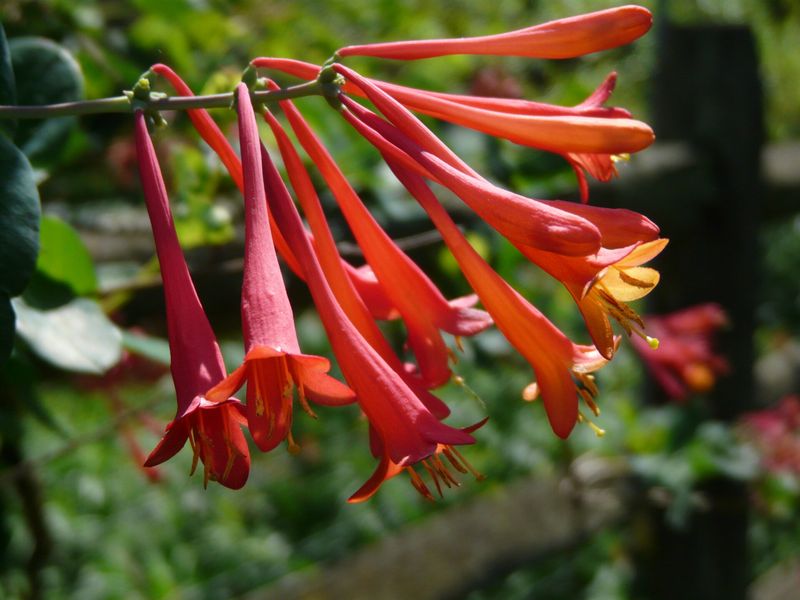
Coral Honeysuckle is the kind of vine that rewards you early and often. Starting in late spring, it bursts into clusters of slender, red tubular flowers that hummingbirds and butterflies simply cannot ignore.
Unlike its more aggressive Japanese cousin, this native version plays nicely in the garden and will not take over your entire yard.
Native to the eastern United States, Lonicera sempervirens is well-suited to Pennsylvania’s mix of humid summers and cold winters.
It is semi-evergreen in milder parts of the state, meaning it may hold onto some of its glossy green leaves even through winter. That gives it a longer season of visual interest compared to many other vines.
Honeysuckle grows at a solid pace, typically reaching 10 to 20 feet over time. It twines around supports naturally, making it a great fit for split-rail fences, wire fences, and wooden trellises.
Plant it in full sun to part shade and make sure it has decent drainage. Once it gets comfortable, it is surprisingly drought-tolerant and requires very little extra attention.
One fun bonus is the bright red berries it produces in fall. While they are not edible for people, birds absolutely love them.
If you are trying to create a wildlife-friendly yard anywhere in Pennsylvania, Coral Honeysuckle checks multiple boxes at once.
It feeds hummingbirds in summer, butterflies throughout the season, and songbirds in fall. Few vines offer that kind of all-season wildlife value while also looking gorgeous on a fence.
5. Climbing Hydrangea (Hydrangea Anomala Subsp. Petiolaris)
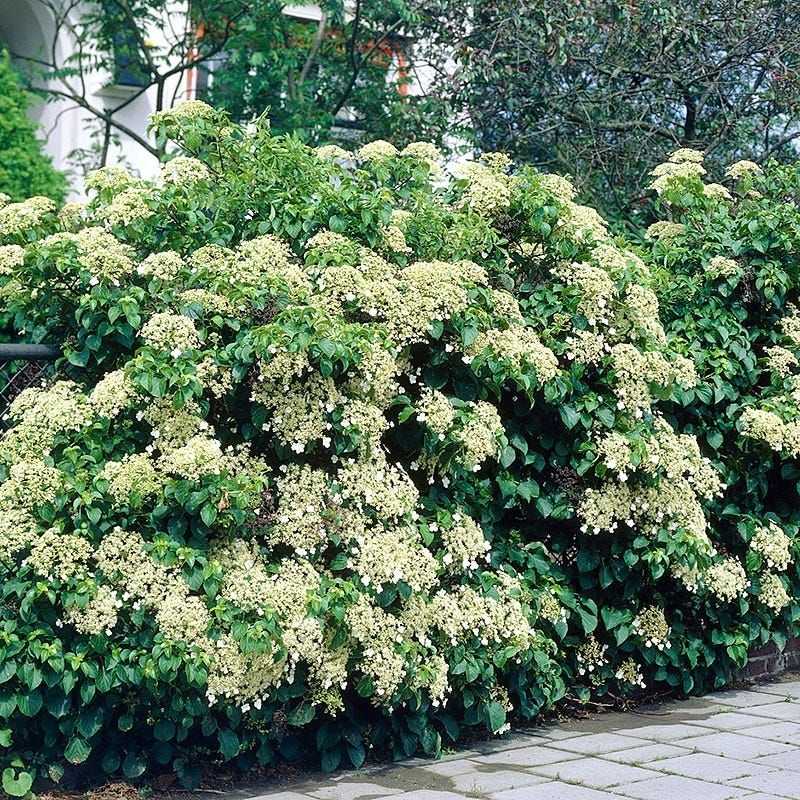
If patience is a virtue, then Climbing Hydrangea is the ultimate reward for gardeners who have it. This vine is slow to get started, sometimes spending its first year or two just quietly building roots without putting on much of a show above ground.
But once it gets going, it becomes one of the most impressive vines you can grow on a Pennsylvania fence.
The flowers are stunning. Large, flat clusters of white blooms appear in early summer, and they have a gentle fragrance that drifts through the garden on warm evenings.
The blooms can measure up to ten inches across, and a mature plant covered in them is genuinely breathtaking. Even after the flowers fade, the dried flower heads add texture and interest through fall and winter.
Climbing Hydrangea attaches to surfaces using aerial rootlets, similar to how ivy works. It can grip wood, brick, stone, and metal fencing without needing ties or additional support.
Over time, a well-established plant can reach 50 to 80 feet, though it usually takes many years to get there. In Pennsylvania, expect steady growth once the plant hits its stride around year three or four.
It prefers partial shade to full shade, which makes it a fantastic solution for north-facing fences or shaded areas where other vines struggle. Water it regularly during the first couple of growing seasons to help it establish strong roots.
After that, it becomes quite self-sufficient and will reward you with decades of beautiful blooms across your Pennsylvania fence.
6. American Wisteria (Wisteria Frutescens)
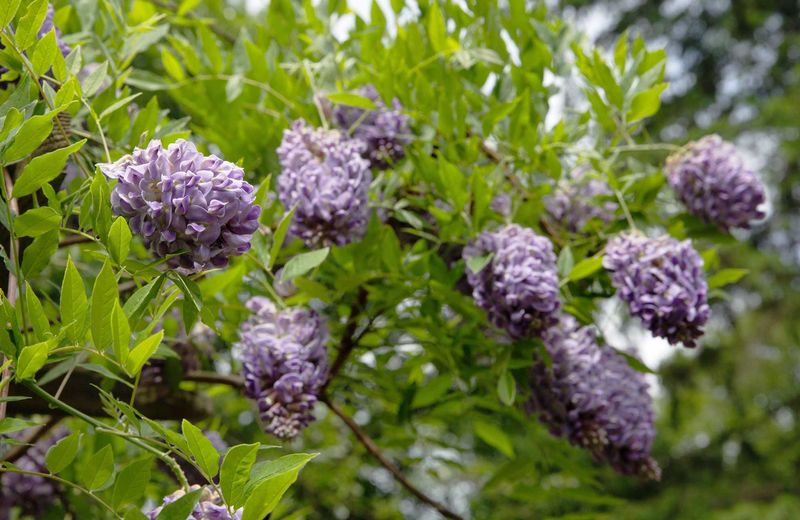
There is something almost magical about a fence draped in hanging clusters of purple flowers. American Wisteria gives you exactly that look, but without the nightmare reputation that its Asian relatives have earned over the years.
Wisteria frutescens is native to the southeastern United States and behaves much more politely in a garden setting, making it a smart pick for Pennsylvania homeowners.
The blooms appear in late spring and sometimes again in late summer, dangling in grape-like clusters that smell faintly sweet and look absolutely gorgeous.
Varieties like ‘Amethyst Falls’ are especially popular in Pennsylvania because they start blooming at a younger age and rebloom reliably throughout the season. That means you do not have to wait years for your first flower show.
American Wisteria grows quickly, often putting on several feet of new growth each season. It twines around supports, so a sturdy fence, pergola, or trellis is important.
Make sure whatever structure you attach it to can handle some weight as the plant matures. A fence that wobbles is not going to hold up well against a fully established Wisteria.
Pruning is the key to keeping American Wisteria looking its best. Trim it back after the first bloom and again in late summer to encourage a second flowering.
Cutting it back hard in late winter helps control overall size and shape. Compared to Chinese or Japanese Wisteria, the American version is far less likely to escape your garden and cause problems in the surrounding Pennsylvania landscape.
7. Morning Glory (Ipomoea Purpurea)
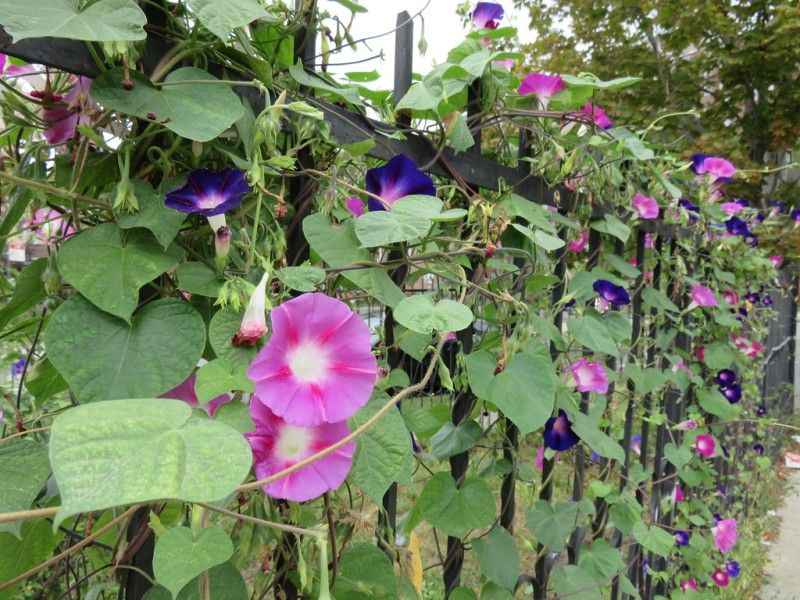
Drop some seeds into the ground after the last frost, step back, and prepare to be amazed. Morning Glory is the ultimate quick-fix vine for a bare Pennsylvania fence, and it works so fast that it almost feels like cheating.
Within just a few weeks of germination, twisting stems start racing up fences and the first blooms begin opening in the early morning light.
The flowers come in an incredible range of colors, including deep purple, bright pink, sky blue, magenta, and white. Many varieties feature a contrasting white star pattern in the center that makes each bloom look almost hand-painted.
Each flower only lasts a single day, but the plant produces so many of them that the display never stops from midsummer all the way through Pennsylvania’s first fall frost.
Morning Glory is an annual, which means it completes its entire life cycle in one growing season. That might sound like a downside, but it is actually one of its strengths.
It self-seeds readily, so once you plant it once, you will often find it coming back in the same spot the following spring without any effort on your part.
Give it full sun, decent soil, and something to climb, and it will handle the rest. Soaking the seeds overnight before planting helps speed up germination even further.
For Pennsylvania gardeners who want maximum color and coverage with minimum investment, Morning Glory is hard to beat. It is affordable, easy to grow, and delivers a fence full of cheerful blooms all season long.