These 8 Features Make Ohio Yards More Attractive To Fireflies
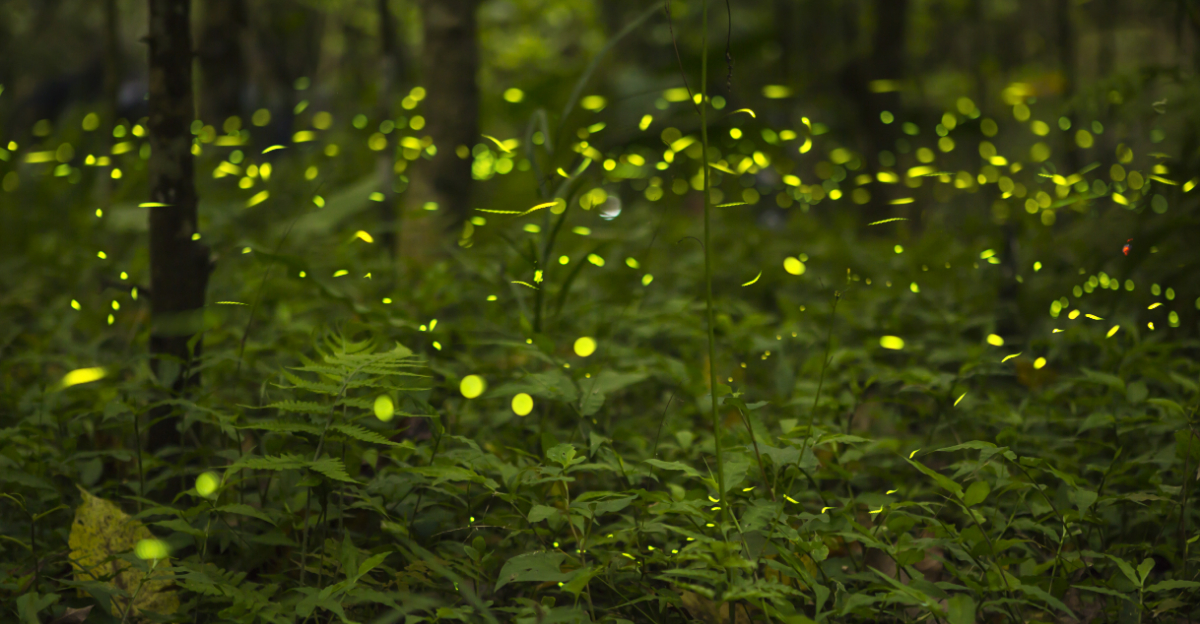
Warm evenings in Ohio have a familiar rhythm. The sun dips low, the air cools just enough, and yards begin to quiet down after a long day.
Then, almost without warning, those small flickers start appearing, scattered across lawns and garden edges.
For many people, fireflies bring back memories of summers that felt slower and simpler. What’s often overlooked is how much your yard plays a role in whether they show up at all.
The way a space is maintained, from lighting to plant choices, can either welcome them in or quietly push them away.
A few subtle changes can make a noticeable difference, especially once the season reaches those long, calm evenings.
1. Native Grasses Giving Fireflies A Natural Place To Hide
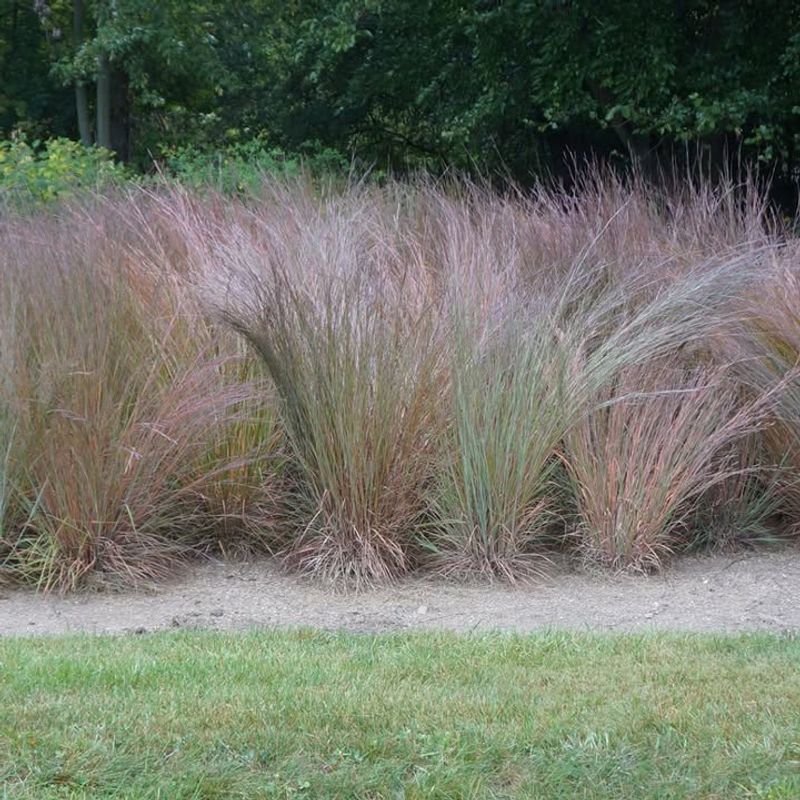
Tall, flowing native grasses are one of the best-kept secrets for bringing fireflies back to Ohio yards. Many homeowners rush to mow every inch of their lawn, not realizing that fireflies absolutely love tall grass for daytime resting and nighttime mating displays.
Letting even a small section of your yard grow wilder can make a noticeable difference in how many fireflies show up during summer.
Native Ohio grasses like big bluestem, little bluestem, and prairie dropseed are especially helpful. These grasses grow in thick clumps that provide both shelter and humidity near the ground, two things fireflies need during their larval stage.
Planting native grasses instead of ornamental varieties also supports the broader food web, giving firefly larvae access to the tiny insects and slugs they eat underground.
Another reason native grasses work so well is that they do not need much fertilizer or watering once established, making them low-maintenance for busy homeowners. You can create a dedicated wild grass border along a fence, around a garden bed, or at the edge of your property.
Even a narrow strip of tall native grass can act as a corridor that invites fireflies to move through your yard. Ohio gardeners who have tried this approach sometimes report seeing increased firefly activity over time as habitat conditions improve.
2. Leaf Litter Creating The Perfect Spot For Larvae

Most people rake up every last leaf in the fall without thinking twice, but that habit might be working against firefly populations in Ohio. Leaf litter, meaning the layer of fallen leaves and decomposing organic matter on the ground, is critical habitat for firefly larvae.
These larvae live underground and in leaf piles for up to two years before they ever produce their first flash of light.
When you leave a layer of leaves in a corner of your yard or under shrubs and trees, you are essentially creating a nursery for the next generation of fireflies. The moist, dark environment under leaf litter also shelters the small invertebrates that firefly larvae feed on, like worms, snails, and soft-bodied insects.
Removing all of that leaf cover takes away both their food and their home in one sweep of the rake.
A practical approach for Ohio homeowners is to designate a leaf litter zone in a low-traffic area of the yard. You do not have to let the whole yard go wild, just pick a shaded spot near trees or garden beds and let the leaves accumulate naturally each fall.
Adding a few small fallen branches or logs to that area makes it even better, because decaying wood adds another layer of habitat richness. Over time, this simple habit can help build a self-sustaining firefly population right in your own backyard without much effort at all.
3. Moist Soil Areas Helping Fireflies Thrive And Reproduce
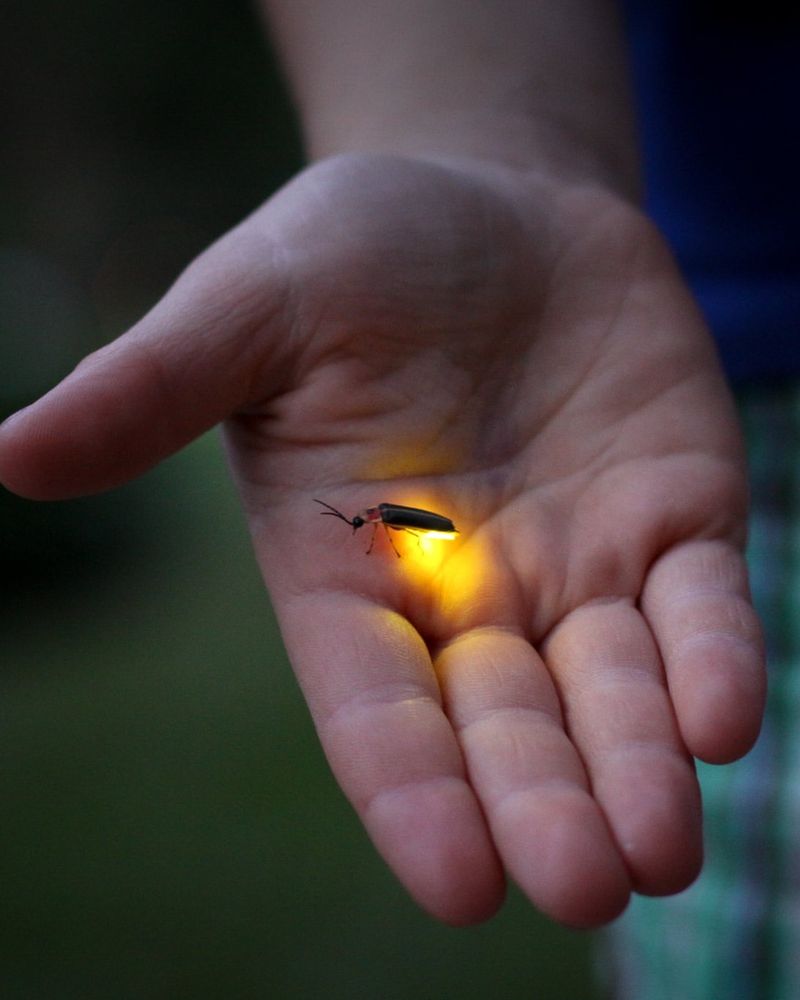
Fireflies have a deep connection to moisture, and Ohio yards that have naturally damp or shaded soil patches tend to attract far more of them than dry, sunny lawns. The reason comes down to biology.
Firefly larvae generally need moist soil to survive underground during their developmental period, which can last one to two years depending on the species. Dry, compacted soil makes it nearly impossible for them to burrow, feed, and grow properly.
Creating or preserving moist soil areas in your yard does not require a major landscaping overhaul. Planting shade trees or large shrubs in strategic spots can naturally reduce evaporation and keep certain areas of your lawn cooler and more humid.
Low-lying areas that collect rainwater are also naturally attractive to fireflies, so rather than filling them in or redirecting drainage, consider embracing those spots as valuable wildlife habitat.
Mulching garden beds with wood chips or shredded leaves helps retain soil moisture and also adds organic matter that supports the underground food chain firefly larvae depend on. Ohio summers can get surprisingly dry in July and August, so keeping at least part of your yard consistently moist gives fireflies a reliable refuge during the hottest weeks of the season.
Even a small patch of consistently damp ground near a downspout or shaded tree can become a hotspot of firefly activity come late June and July, when these beetles are most active across the state.
4. Shallow Water Sources Supporting Their Full Life Cycle
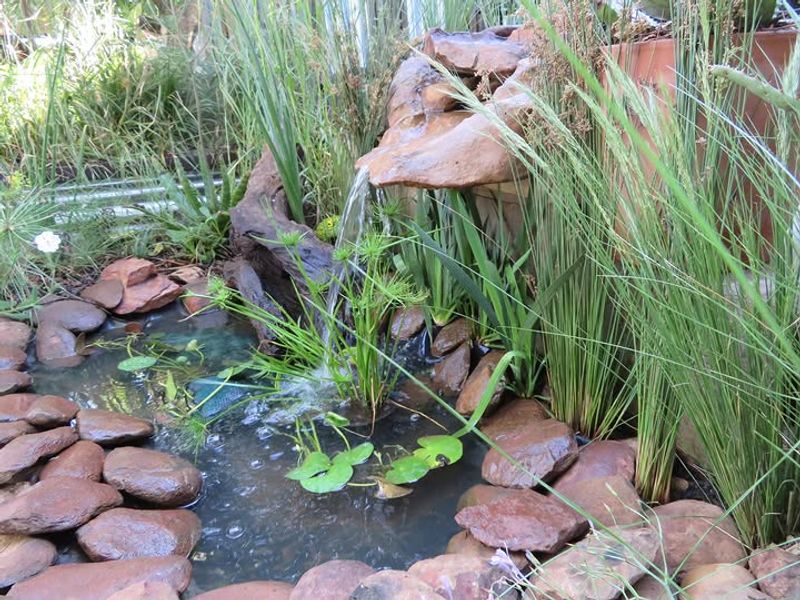
Water features can help create humid conditions that support firefly habitat, which may contribute to increased firefly activity in Ohio yards. Fireflies are strongly drawn to areas near ponds, streams, and other still water sources because the surrounding environment tends to be humid, cool, and rich with the small prey their larvae eat.
You do not need a big pond to make a difference, a shallow birdbath or a small garden pond works just as well.
The key word here is shallow. Fireflies are not strong fliers, and they tend to hover close to the ground and low vegetation near water.
A birdbath placed at ground level, or a small container pond with an edge that gently slopes, gives them easy access to the moisture they need without creating a hazard. Still water is preferred over moving water, so if you have a fountain, consider running it less often or adding a calm section where the water stays undisturbed.
Planting native aquatic or moisture-loving plants around your water feature, like blue flag iris, cardinal flower, or swamp milkweed, adds another layer of habitat that fireflies and their prey find irresistible. Ohio has many native wetland plant species that thrive in backyard settings and do not require much upkeep once established.
A simple shallow water source paired with native plantings can transform a plain yard into a vibrant, firefly-friendly ecosystem that gets better every single year.
5. Low Light Or No Outdoor Lighting Letting Their Glow Stand Out
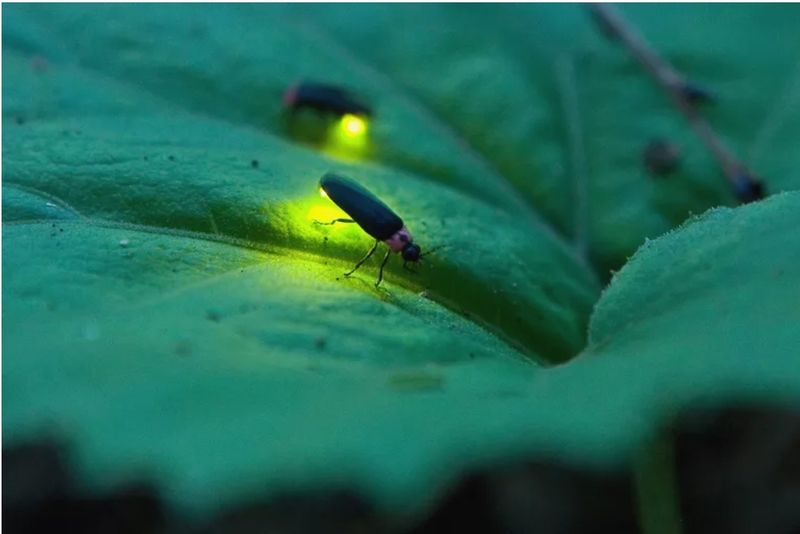
Here is something that surprises a lot of people: your outdoor lights might be the main reason fireflies are disappearing from your Ohio yard. Fireflies use their bioluminescent flashes to find mates, and artificial lighting drowns out those signals completely.
When a yard is flooded with bright porch lights, string lights, or security floodlights, male fireflies cannot see female responses, and the whole mating process breaks down.
Cutting back on outdoor lighting during peak firefly season, which in Ohio typically runs from late May through August, can have an almost immediate effect. Try turning off decorative lights after 9 p.m. or switching to motion-activated lights that only come on when needed.
Even small changes, like pointing lights downward instead of outward or using lower-wattage bulbs, can reduce the light pollution that disrupts firefly communication.
If you love having outdoor lighting for safety or ambiance, warm amber or red-toned bulbs are a much better choice than bright white or blue-white LED lights. Research shows that fireflies are less sensitive to longer wavelengths of light, meaning warmer tones interfere less with their flashing behavior.
Reducing outdoor lighting at a community level may help improve conditions for fireflies, though results can vary depending on habitat and environmental factors. It is one of the easiest and most affordable changes you can make, and the reward, sitting outside on a warm Ohio night surrounded by hundreds of glowing fireflies, is absolutely worth it.
6. Dense Shrub Borders Offering Shelter And Protection

Thick, bushy borders along the edges of an Ohio yard do more for fireflies than most people realize. During the day, fireflies rest in dense vegetation to stay cool, avoid predators, and conserve energy.
Shrubs that grow close together with overlapping branches create exactly the kind of sheltered, shady microhabitat that fireflies seek out between their nighttime performances.
Native Ohio shrubs are the best choice for building these borders. Plants like buttonbush, elderberry, spicebush, and native viburnums grow vigorously and provide both shelter and food resources for the broader insect community.
A dense shrub border along a fence line or property edge also creates a natural corridor that connects your yard to neighboring green spaces, giving fireflies a safe path to travel, rest, and mate along.
One thing that makes shrub borders especially valuable is that they tend to stay slightly cooler and more humid than open lawn areas, which mirrors the forest edge environments where many Ohio firefly species naturally thrive. You can start small by planting just a few native shrubs in a row and allowing them to fill in over time.
Avoid trimming them into tight, formal shapes since fireflies prefer a more relaxed, natural growth habit with plenty of interior branches for perching. Adding a layer of mulch or leaf litter beneath the shrubs completes the habitat picture and gives firefly larvae the moist, organic ground cover they need to develop successfully right at the base of the plants.
7. Untreated Lawns Without Pesticides Keeping Populations Healthy
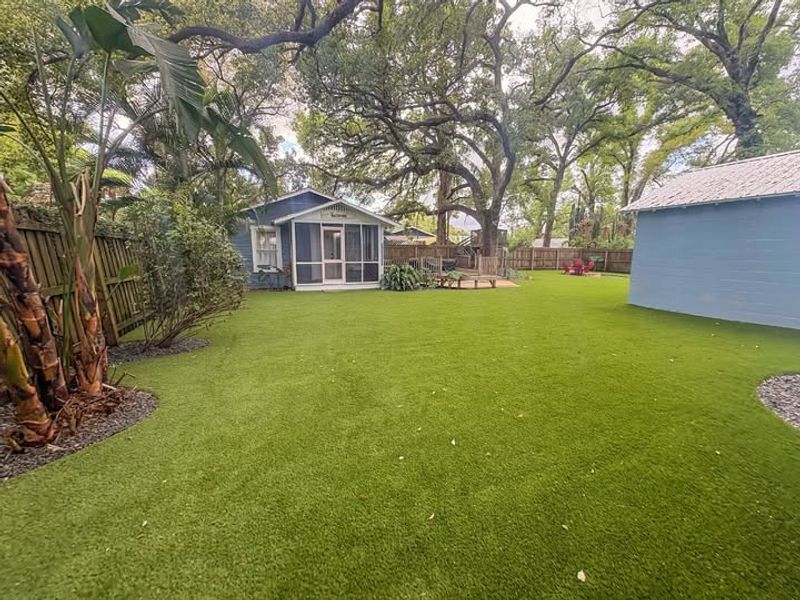
Chemical pesticides and fireflies simply do not mix. When you spray your Ohio lawn with broad-spectrum insecticides, you are not just targeting the pests you can see.
You are also wiping out the entire underground community of small invertebrates that firefly larvae depend on for food. Larvicides and soil treatments are especially harmful because they work exactly where young fireflies spend most of their lives.
Switching to an untreated lawn does not mean surrendering your yard to chaos. Plenty of Ohio homeowners maintain clean, attractive lawns without any chemical sprays by using mechanical weed control, hand-pulling problem plants, and encouraging a healthy mix of grass and low-growing plants like clover.
Clover, in particular, is fantastic for lawn health and supports a wide range of beneficial insects alongside fireflies.
Even reducing pesticide use in just part of your yard can help. Designating a chemical-free zone near a garden bed, shrub border, or moist soil area gives fireflies a safe refuge where larvae can develop without exposure to toxic compounds.
Neem oil and other targeted organic options are much safer alternatives when pest control is truly necessary. Ohio gardeners who have made the switch to pesticide-free lawn care often notice broader wildlife benefits too, including more birds, butterflies, and beneficial beetles showing up throughout the season.
Letting go of the perfectly uniform lawn is a small trade-off for the joy of watching fireflies light up a warm summer night right outside your door.
8. Wildflower Patches Attracting The Insects They Feed On

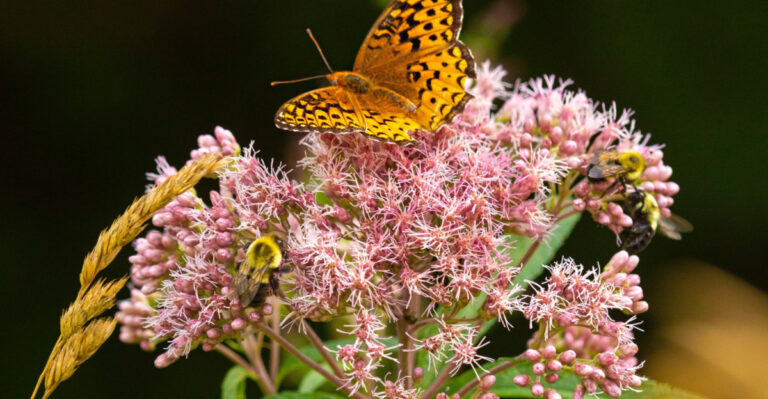
Few things transform an Ohio backyard quite like a patch of native wildflowers, and fireflies absolutely love them. Wildflower patches create complex, layered habitats with varying heights of stems, leaves, and seed heads that give fireflies plenty of places to rest, hide, and flash their signals after dark.
The flowers also attract the small insects and invertebrates that make up a healthy food chain, supporting firefly larvae in the soil below.
Ohio native wildflowers like black-eyed Susan, purple coneflower, wild bergamot, and goldenrod are excellent choices for a firefly-friendly patch. These plants are tough, drought-tolerant once established, and incredibly low-maintenance compared to traditional garden flowers.
They also bloom at different times throughout the summer, which means there is always something alive and buzzing in the patch during the months when fireflies are most active.
Starting a wildflower patch is surprisingly simple. You can begin with a small area, even just a few square feet, by clearing away existing grass, scattering a native wildflower seed mix, and letting nature take over from there.
Avoid deadheading or cutting the patch back until late fall or early spring so the stems and seed heads provide winter shelter and structure for overwintering insects. Over time, the patch will grow denser and more diverse, creating a rich mini-ecosystem that attracts fireflies year after year.
Ohio yards with wildflower areas often support better habitat conditions for fireflies compared to heavily manicured lawns, though sightings can vary by location and season.