These Fire-Hazard Trees California Homeowners Are Required To Remove
California’s sun-soaked landscapes are beautiful—but beauty can be dangerous when it comes with fire risk.
Certain trees, though seemingly harmless in your yard, are notorious for fueling wildfires, putting homes, neighborhoods, and lives at risk.
And if local regulations catch up with them, you might be required to remove them—whether you like it or not.
In California, some trees look innocent… until they’re a spark away from disaster.
From towering eucalyptus to resin-rich pines, fire-prone trees can spread flames faster than you can blink.
Homeowners often underestimate the danger, thinking “it’ll never happen to me,” until a wildfire or municipal inspection proves otherwise.
Knowing which species are considered high-risk isn’t just smart—it’s legally important.
The wrong tree in the wrong place can cost you thousands, and potentially your home.
Beyond protecting property, removing these trees safeguards lives, communities, and the environment.
Learning how to identify them and take action proactively can save time, money, and heartache down the line.
Act now, so you don’t regret it when fire season rolls around.
For California homeowners, understanding fire-hazard trees is more than landscaping—it’s essential safety.
Because some trees belong in the yard… and some belong gone.
Eucalyptus Trees That Ignite And Spread Fire Rapidly

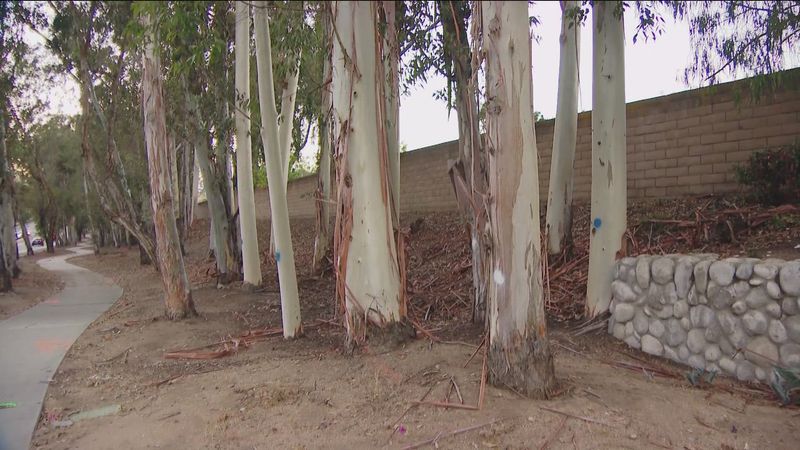
Eucalyptus trees arrived in California from Australia over a century ago, but their beauty comes with a dangerous price during wildfire season.
These towering giants contain volatile oils in their leaves, bark, and wood that make them burn with exceptional intensity.
When flames touch a eucalyptus, it can explode into fire, sending burning embers up to a mile away on strong winds.
California fire officials have documented numerous cases where eucalyptus trees accelerated wildfire spread through residential neighborhoods.
The bark sheds in long strips that accumulate at the base, creating ready-made kindling piles.
During dry months, even a small spark can turn these trees into towering infernos within minutes.
Many counties now require homeowners to remove eucalyptus trees within defensible space zones, typically within 100 feet of structures.
CAL FIRE inspectors specifically look for these trees during compliance checks in high-risk areas.
Some municipalities have banned planting new eucalyptus entirely and offer removal assistance programs for existing specimens.
Property owners who refuse removal may face fines or mandatory abatement orders.
The cost of professional removal varies based on tree size, but grants and local programs sometimes help offset expenses.
Replacing eucalyptus with fire-resistant native species benefits both your property value and community safety.
Expired Or Declining Trees Within Defensible Space Zones
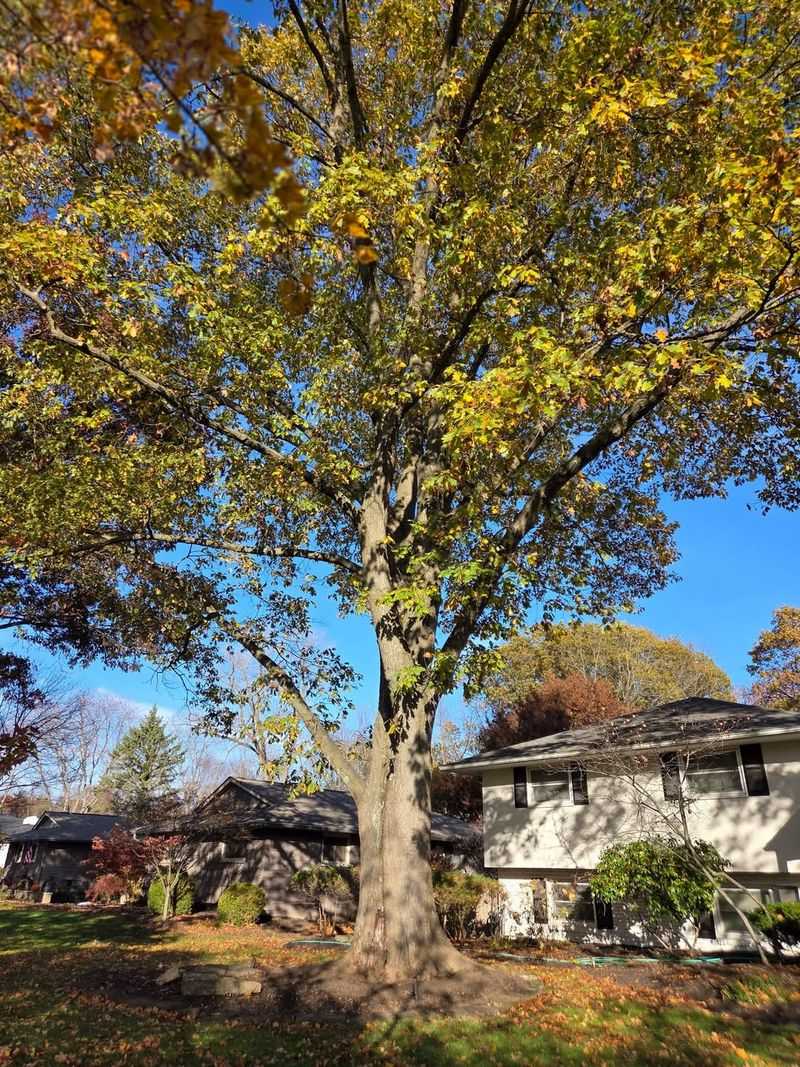
California law mandates that homeowners maintain defensible space around their homes, and any tree showing signs of decline falls under strict removal requirements.
These regulations apply regardless of species—once a tree begins to deteriorate, it transforms into a fire hazard that must be addressed.
Inspectors evaluate trees for missing bark, brittle branches, lack of foliage, and structural instability.
Trees in decline lose their moisture content rapidly, turning their wood into highly flammable fuel.
Beetles and disease often attack weakened trees, creating additional entry points for flames and reducing the tree’s structural integrity.
During wildfire events, these compromised trees ignite faster and burn hotter than healthy specimens.
California’s defensible space zones extend 100 feet from structures, with the most critical area being the first 30 feet.
Fire inspectors have authority to mark declining trees for mandatory removal, and homeowners typically receive 30 to 90 days to comply.
Failure to remove flagged trees can result in the county performing the work and billing the property owner, often at premium rates.
Regular tree health assessments by certified arborists help identify problems early, potentially saving trees through treatment.
However, once a tree reaches a certain point of decline in a high-fire zone, removal becomes the only legal option.
Documentation of tree condition and removal dates helps protect homeowners during future inspections.
Pine Trees Too Close To Structures
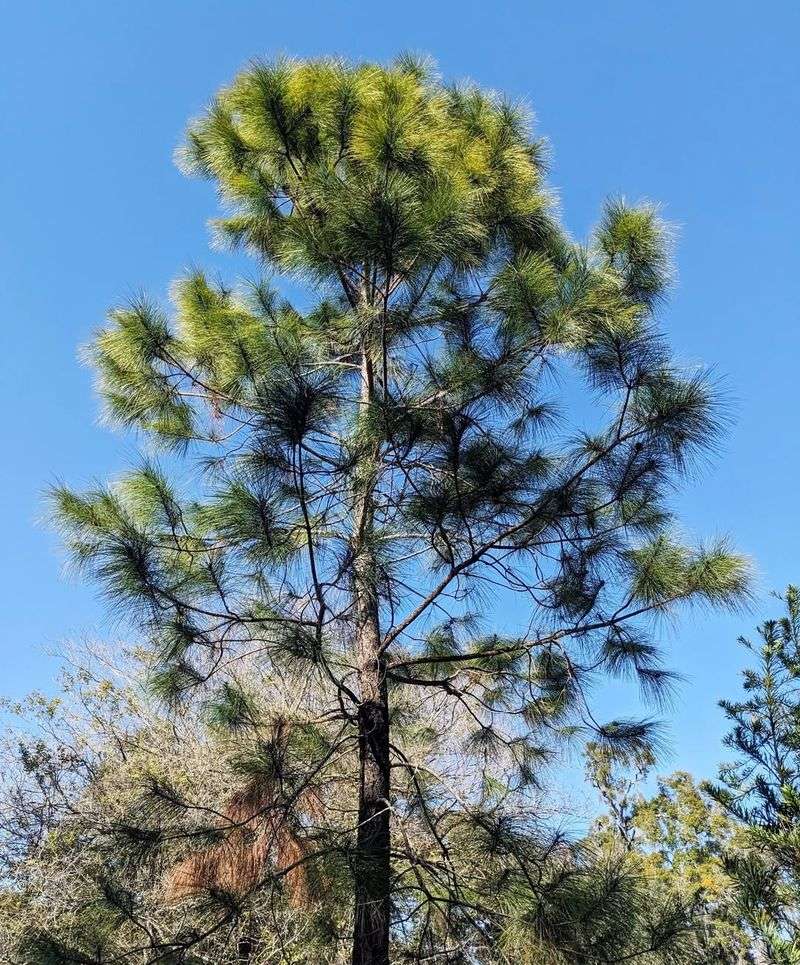
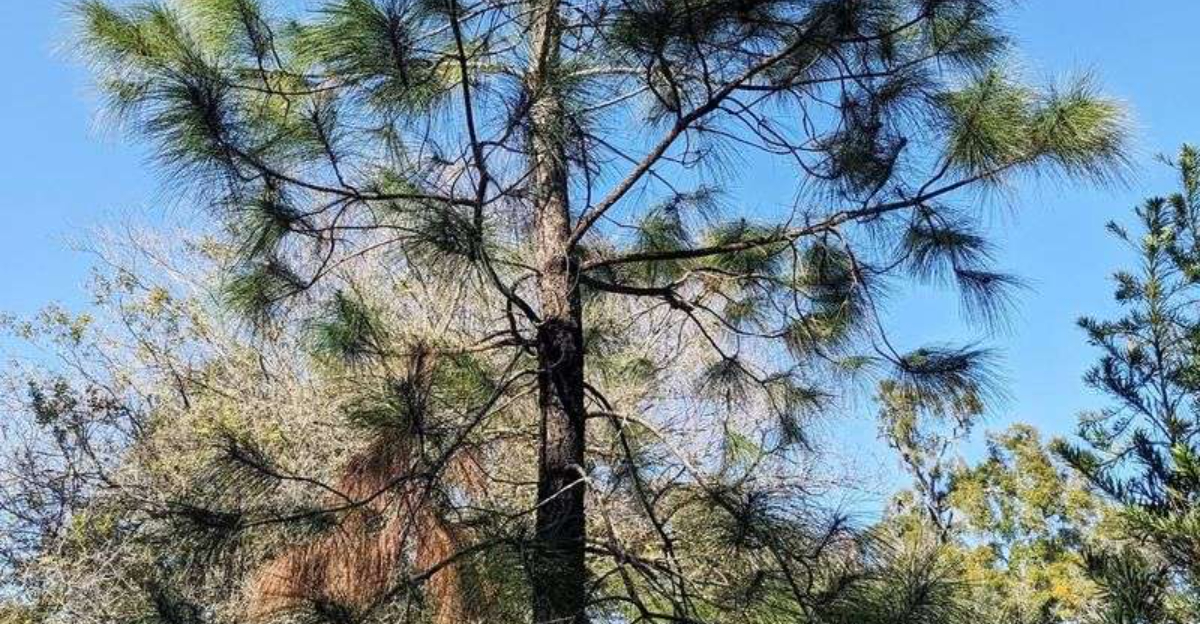
Pine trees produce sticky resin throughout their wood, needles, and cones, making them exceptionally flammable when flames approach.
Their needle litter accumulates quickly on roofs, in gutters, and around foundations, creating ignition points that embers easily set ablaze.
California fire codes now specify minimum setback distances for pine trees based on the species and the home’s construction materials.
Most jurisdictions require pine trees to stand at least 10 to 30 feet from structures, depending on the tree’s mature size and local regulations.
Inspectors measure from the tree trunk to the nearest part of the home, including eaves, decks, and attached garages.
Even healthy pine trees violate code when planted too close, and grandfathered exceptions are disappearing as fire regulations tighten.
The resin in pine wood causes these trees to burn with intense heat that can ignite nearby structures through radiant energy alone.
During the 2018 Camp Fire, investigators found that pine trees within 20 feet of homes significantly increased structure loss rates.
Fire marshals now routinely flag pines that fall within the prohibited setback zone during annual inspections.
Homeowners often face difficult choices when beloved pine trees violate current codes, but removal has become non-negotiable in many high-risk areas.
Some communities offer tree replacement programs that provide fire-resistant species to plant in safer locations.
Proper documentation of removal and replanting can sometimes qualify for homeowner insurance discounts in wildfire zones.
Cedar And Juniper Trees That Act As Fuel Ladders
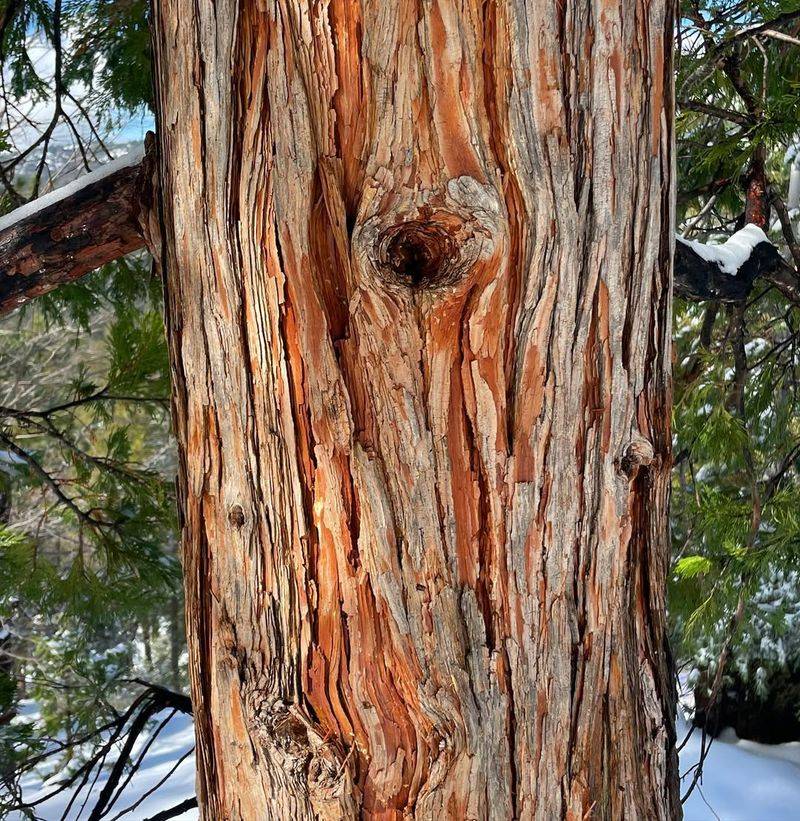
Fire behaves predictably when it encounters what firefighters call fuel ladders—vegetation that creates a continuous path from ground level to tree canopy.
Cedar and juniper trees naturally grow with dense foliage that extends all the way to the ground, forming perfect conduits for flames to climb skyward.
Once fire reaches the upper canopy, it can spread rapidly from tree to tree and generate embers that travel for miles.
CAL FIRE specifically targets these species during defensible space inspections because their growth pattern violates fire-safe landscaping principles.
Both trees contain aromatic oils that increase their flammability, and their fine-textured foliage ignites more readily than broadleaf trees.
In canyon areas and on slopes, these trees can turn a manageable ground fire into an unstoppable crown fire within minutes.
California regulations often require complete removal of cedar and juniper within the first 30 feet of structures, especially on hillside properties.
Even beyond this zone, homeowners may need to remove lower branches to eliminate the ladder effect, though removal is often the recommended solution.
Fire inspectors use specific criteria to determine whether pruning suffices or whether the tree’s location demands complete removal.
Property owners sometimes resist removing mature cedars and junipers due to their aesthetic appeal and privacy screening value.
However, these trees’ role in catastrophic fire spread has been well-documented in post-fire investigations throughout California.
Replacing them with low-growing, fire-resistant alternatives maintains privacy while dramatically reducing fire risk to your home and neighbors.
Trees With Low-Hanging Branches Near Homes
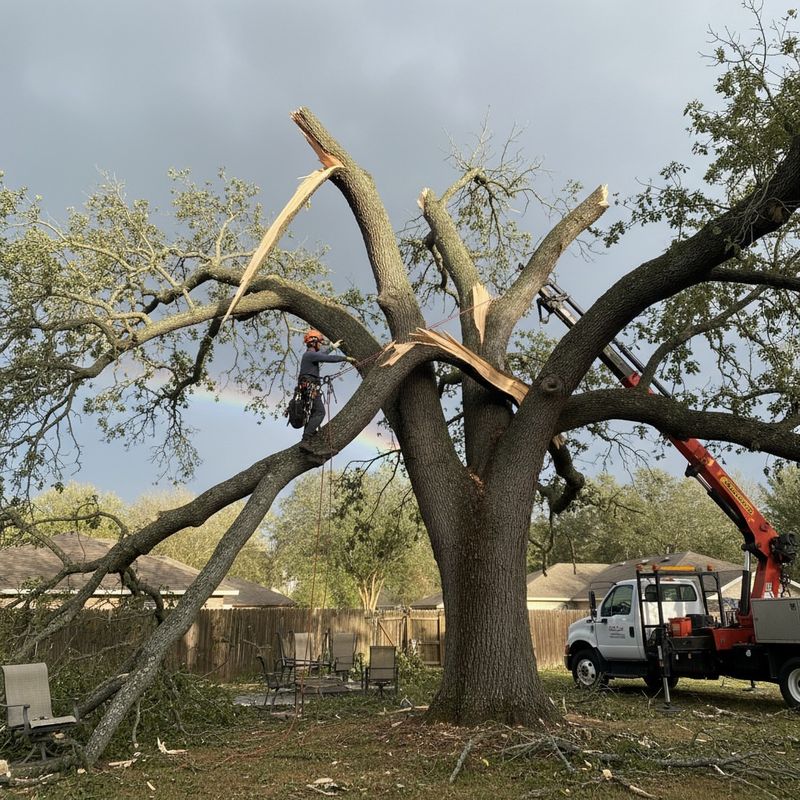
Branch clearance requirements form a critical component of California’s defensible space regulations, and trees that refuse to cooperate often face removal orders.
Low-hanging limbs create pathways that allow ground fires to reach tree canopies and subsequently jump to rooflines and attics.
Fire codes typically mandate six to ten feet of clearance between the ground and the lowest branches, depending on the slope and fire hazard severity zone.
Inspectors distinguish between trees that can achieve compliance through pruning and those requiring removal based on species, size, and proximity to structures.
Some trees naturally produce low growth that returns rapidly after pruning, making them poor candidates for retention in defensible space zones.
When branches overhang roofs or touch exterior walls, removal rather than trimming often becomes the legally required solution.
The first 30 feet around your home demand the most stringent clearance standards, with some jurisdictions now enforcing even stricter rules in the immediate five-foot zone.
Trees with branches that cannot be pruned to compliance height without severely damaging the tree’s health must be removed entirely.
Fire marshals consider the tree’s growth rate and pruning history when determining whether ongoing maintenance is realistic or removal is necessary.
Homeowners who attempt to maintain non-compliant trees through frequent pruning may find themselves in violation during the interval between pruning sessions.
Professional arborists can assess whether a tree’s form allows for compliant pruning or whether its natural growth pattern makes removal inevitable.
Proper documentation of pruning attempts and professional recommendations protects homeowners during disputes over removal requirements.
Trees Overhanging Roofs Or Chimneys
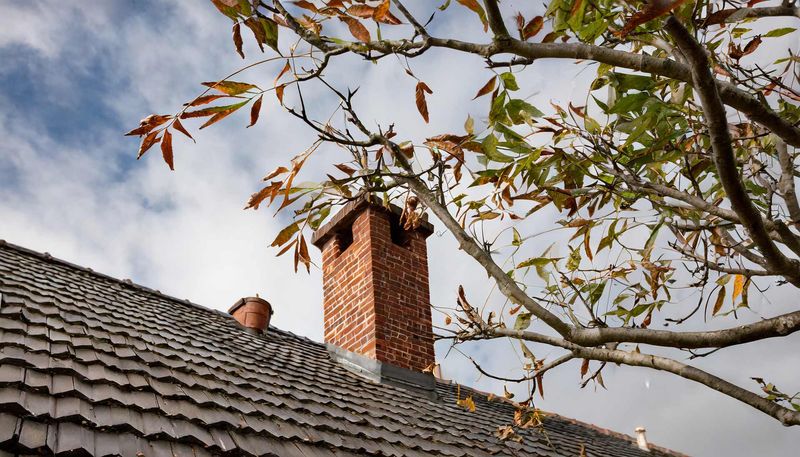
Overhanging branches create a direct bridge between wildfire and your home’s most vulnerable surfaces, making them a primary target during fire inspections.
California fire codes require homeowners to maintain specific clearance distances between tree canopies and rooflines, typically ten feet minimum in high-fire areas.
Branches above chimneys pose additional risks because they can ignite from sparks even when no wildfire threatens the area.
Fire officials have documented countless cases where embers landed in leaf litter accumulated on roofs beneath overhanging branches, igniting homes while the main fire front was still miles away.
The combination of dry leaves, pine needles, and wooden shingles creates an ignition scenario that even small embers can exploit.
During high wind events, overhanging branches can also break and damage roofing materials, creating entry points for embers.
Many jurisdictions have moved from recommending trimming to requiring complete removal of trees whose canopies naturally extend over structures.
Inspectors recognize that homeowners often delay trimming, and fast-growing species quickly violate clearance requirements between maintenance sessions.
When a tree’s form and location make compliant clearance impossible without removing more than 25 percent of its canopy, removal becomes the mandated solution.
Property owners sometimes argue that their trees have overhung roofs for decades without incident, but changing regulations reflect updated fire science and increased wildfire intensity.
Insurance companies increasingly deny claims when overhanging trees contributed to fire damage, even if the homeowner had not received a formal violation notice.
Proactive removal of overhanging trees demonstrates due diligence and can positively influence insurance rates and coverage availability in fire-prone zones.
Non-Native Trees That Burn Hotter Than Native Species
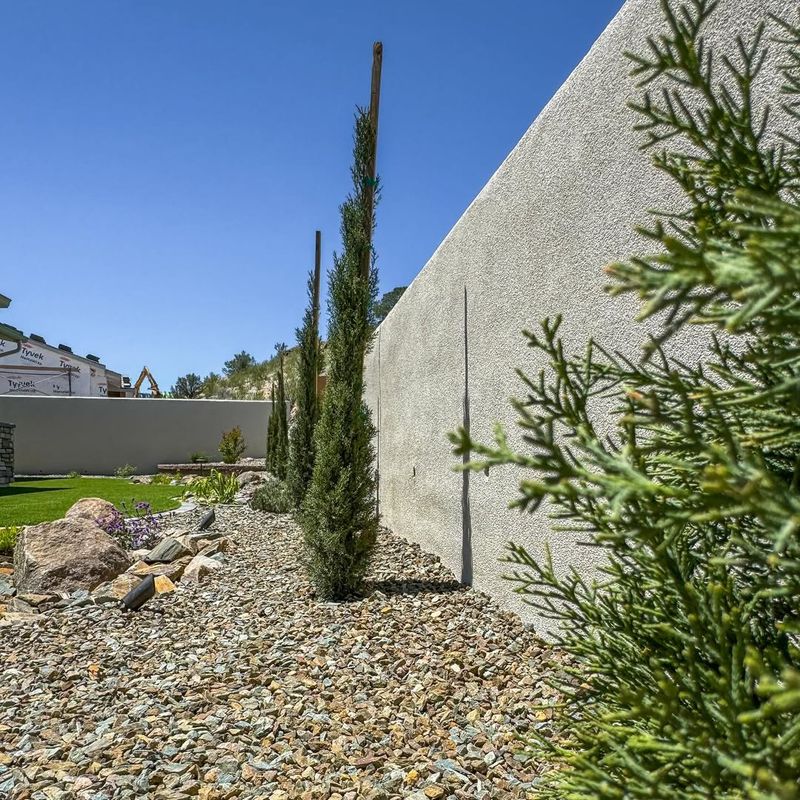
California’s native trees evolved alongside periodic wildfires and developed characteristics that help them resist ignition and survive burns.
Non-native ornamental species imported for landscaping often lack these adaptations and can burn with surprising intensity when exposed to flames.
Fire scientists have identified several popular landscape trees that produce significantly more heat energy when burning than native alternatives.
Italian cypress, a beloved landscape feature in Mediterranean-style California gardens, contains high oil content that causes explosive burning during wildfires.
Acacia species, another common non-native planting, produces fine foliage that ignites readily and burns hot enough to generate dangerous ember showers.
These trees often appear on local removal lists in communities with strict fire-safe landscaping ordinances.
California fire guidelines increasingly discourage planting non-native species in defensible space zones and encourage removal of existing specimens.
Some municipalities offer identification workshops to help homeowners recognize high-risk non-native trees on their properties.
Fire-safe landscaping incentive programs sometimes provide vouchers for removing non-natives and replacing them with approved native species.
The challenge for homeowners lies in distinguishing between non-native trees that pose extreme fire risk and those with acceptable safety profiles.
Consulting with certified arborists familiar with California fire ecology helps identify which trees should be prioritized for removal.
Local fire departments and UC Cooperative Extension offices maintain lists of high-risk non-native species specific to each region, providing clear guidance for compliance.
Replacing problematic non-natives with fire-resistant natives often enhances property value while reducing insurance costs and fire risk.
Trees Growing In High-Wind Fire Corridors
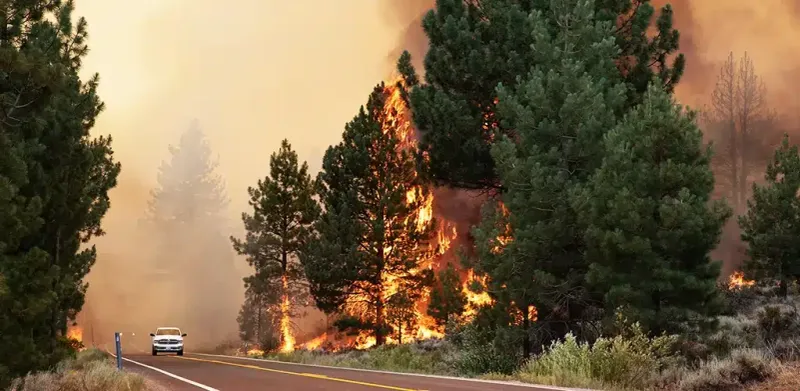
California’s topography creates natural wind tunnels where canyons, valleys, and mountain passes accelerate air flow during fire events.
Trees growing in these high-wind corridors face mandatory removal requirements regardless of species because their location creates extreme fire spread potential.
Fire modeling shows that flames travel up to three times faster through vegetation on slopes in wind corridors compared to flat terrain.
Inspectors use topographic maps and historical wind data to identify properties located in these critical fire pathways.
Homeowners in designated corridors often receive notices requiring removal of all trees within extended defensible space zones, sometimes reaching 150 feet from structures.
The combination of slope, prevailing winds, and vegetation creates what fire scientists call a fire chimney effect that can overwhelm even well-prepared properties.
Canyon properties face particularly strict requirements because upslope winds can push fire toward homes at speeds that eliminate evacuation time.
Trees that might be acceptable on flat ground become mandatory removal targets when positioned in these accelerated fire spread zones.
Local fire authorities maintain maps showing high-wind corridors, and property disclosures now often include this information for homebuyers.
Compliance in wind corridors typically costs more than standard defensible space work because of the extended clearance zones required.
However, properties that maintain proper clearance in these areas show dramatically improved survival rates during wildfire events.
Some insurance companies refuse coverage for homes in wind corridors that have not completed required tree removal, making compliance essential for maintaining insurability.
Trees Within The First Five Feet Of A Structure
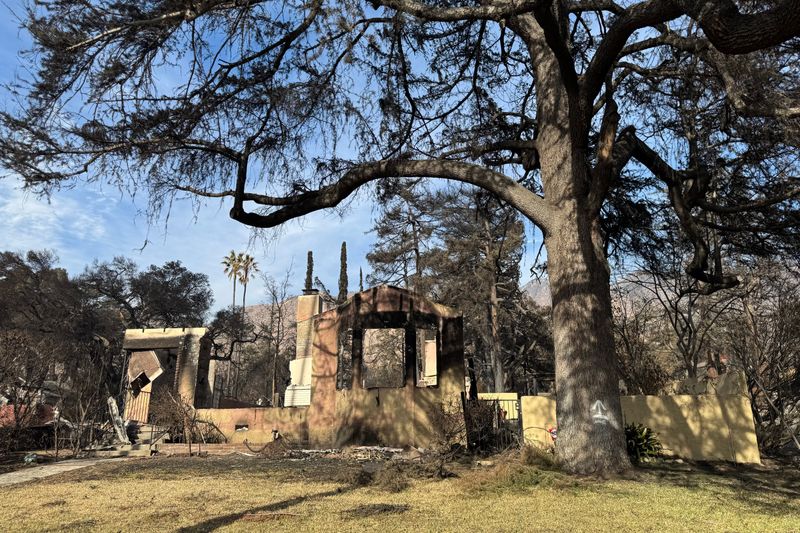
California’s updated defensible space regulations introduced Zone 0, a critical five-foot perimeter immediately surrounding homes where vegetation rules are strictest.
Within this zone, all trees must be removed regardless of species, size, or health status—no exceptions apply under current fire safety standards.
This requirement reflects research showing that vegetation touching or near structures dramatically increases ignition probability during ember storms.
Zone 0 regulations went into effect statewide in 2021, catching many homeowners by surprise when inspectors flagged previously acceptable landscaping.
The rule applies to trees of any size, including young saplings and ornamental specimens that homeowners often consider low-risk.
Fire officials explain that even small trees can carry fire to walls, trap embers against foundations, and prevent firefighters from defending structures.
Many California homeowners initially planted trees close to homes for shade, privacy, or aesthetic purposes before current regulations existed.
Grandfather clauses that once protected existing landscaping have been eliminated in most jurisdictions for Zone 0 vegetation.
Inspectors now routinely measure the five-foot zone and issue violation notices for any trees found within this critical perimeter.
Removal of trees in Zone 0 often requires hiring professionals because of their proximity to structures, underground utilities, and property lines.
Some communities offer cost-share programs to assist homeowners with Zone 0 compliance, recognizing the financial burden of sudden regulatory changes.
After removal, homeowners can landscape Zone 0 with low-growing, fire-resistant ground covers and hardscape features that maintain curb appeal while meeting safety standards.
Proper Zone 0 maintenance is now a primary factor in both fire inspections and homeowner insurance underwriting decisions.
Trees Blocking Emergency Access Or Evacuation Routes
Emergency access requirements in California fire codes address not only defensible space but also the ability of fire trucks and evacuating residents to navigate properties safely.
Trees that overhang driveways, block fire lanes, or restrict turnaround areas can trigger mandatory removal orders even if they pose no direct ignition risk.
Fire marshals evaluate access routes using specific clearance measurements: typically 14 feet of vertical clearance and 10 feet of horizontal clearance on each side.
During wildfire evacuations, every second counts, and trees that force vehicles to slow down or navigate obstacles can create life-threatening bottlenecks.
Fire apparatus cannot reach homes when tree canopies block driveways or when root systems have buckled pavement and narrowed travel lanes.
Many California communities have experienced evacuation failures where tree-obstructed roads contributed to tragic outcomes during rapidly moving fires.
Property owners sometimes believe that access issues only concern public roads, but California law extends these requirements to private driveways and interior property roads.
Inspectors measure clearances from the edge of the traveled way, and trees within the required clearance zone face removal orders.
Dead-end roads and single-access properties face even stricter requirements because residents have no alternative escape route if the primary access becomes blocked.
Legal consequences for non-compliance include fines, mandatory abatement, and potential liability if blocked access contributes to injury or property loss during emergencies.
Some homeowner associations now conduct annual access clearance inspections and require members to remove non-compliant trees at their own expense.
Maintaining clear emergency access not only satisfies legal requirements but also provides peace of mind knowing your family can evacuate safely when wildfire threatens.
What California Homeowners Must Do Before Removing Trees
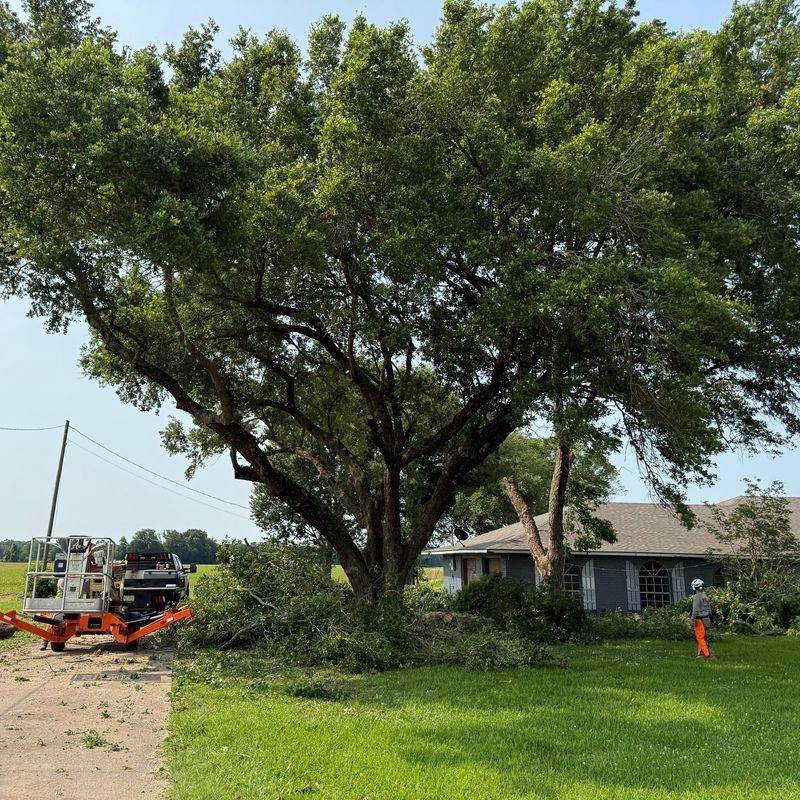
Before removing any tree for fire safety compliance, California homeowners must navigate a complex web of permits, ordinances, and protected species regulations.
Fire safety requirements do not automatically override all tree protection laws, and removing the wrong tree without proper authorization can result in significant fines.
Understanding the process before cutting begins saves money, prevents legal problems, and ensures you address the highest-priority hazards first.
Most California cities and counties require permits for removing trees above certain size thresholds, typically six inches in diameter or larger.
Protected species like native oaks, heritage trees, and trees in conservation easements may require special reviews even when they pose fire hazards.
Fire inspectors can mandate removal, but homeowners still need separate permits from planning departments before proceeding with the work.
The permit process typically begins with submitting an application that includes tree location, species, size, and reason for removal.
Many jurisdictions require a report from a certified arborist documenting the tree’s condition and fire risk assessment.
Processing times vary from a few days to several months, and some communities require public notice or neighbor notification before approving removal permits.
Fire safety exceptions exist in most ordinances, allowing expedited or waived permits when trees pose immediate hazards or violate defensible space requirements.
Homeowners should obtain written documentation from fire inspectors stating that removal is required for code compliance, which strengthens permit applications.
Working with certified arborists familiar with local regulations helps navigate the approval process efficiently and ensures proper removal techniques that protect surrounding vegetation and structures.