These 9 Flowering Herbs Bring Bees And Butterflies To Oregon Yards
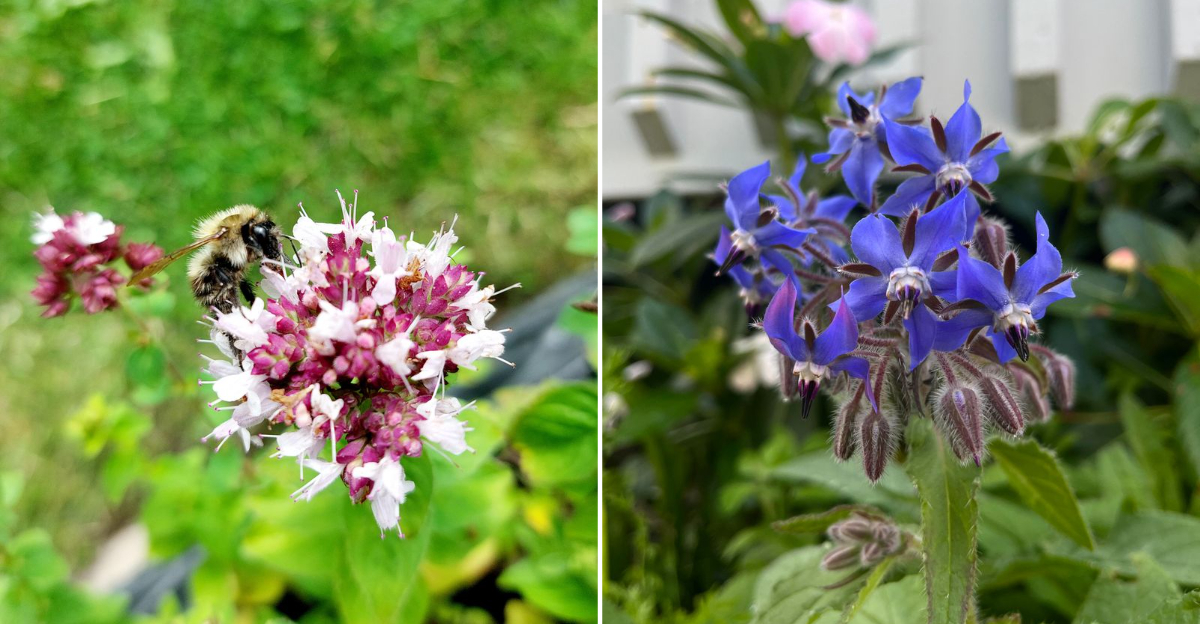
A buzzing, fluttering garden feels alive in the best way, and flowering herbs can make that magic happen right in your Oregon yard. These hardworking plants do more than flavor your kitchen.
They burst into soft blooms, release sweet scents, and draw in bees, butterflies, and other helpful pollinators that keep your garden thriving. Even a small patch of herbs can turn a quiet space into a lively pollinator hangout.
Many flowering herbs thrive in Oregon’s mild climate and ask for very little in return. With sunshine, decent soil, and occasional watering, they reward you with color, movement, and steady pollinator visits through the growing season.
Plant a mix of early and late bloomers to keep nectar flowing and wings fluttering.
Soon your yard will hum with life, support local ecosystems, and offer fresh herbs ready to snip whenever you need a fragrant touch for the kitchen.
1. Lavender
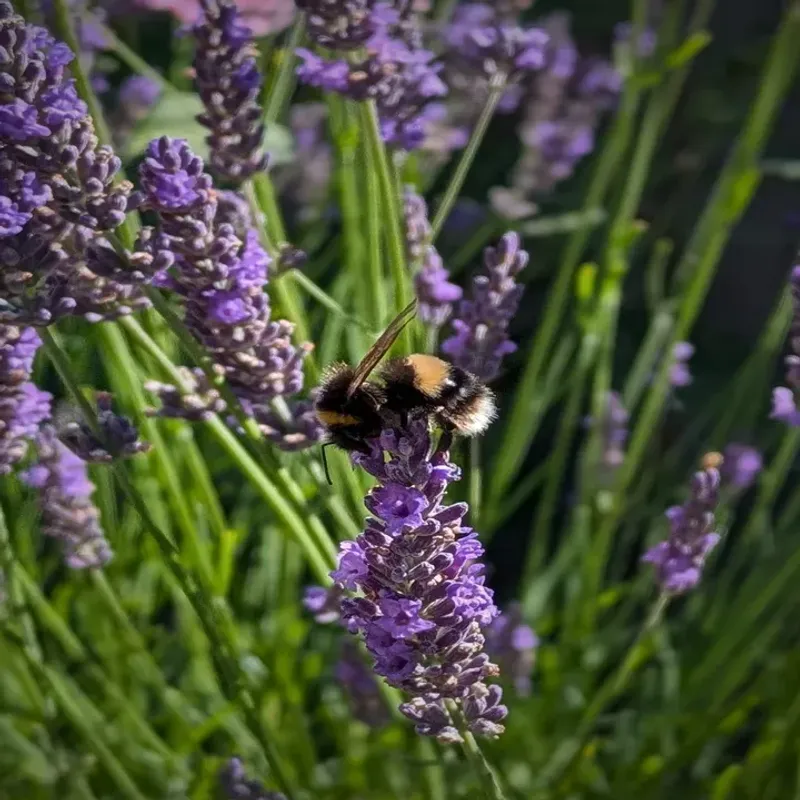
Few plants say summer in Oregon quite like lavender, with its fragrant purple spikes drawing bees from across the neighborhood.
This Mediterranean native adapts beautifully to our dry summers, especially once established, making it a smart choice for water-wise gardens.
Lavender blooms from late spring through summer, providing a reliable nectar source when pollinators need it most.
English lavender varieties like ‘Hidcote’ and ‘Munstead’ fit perfectly for most of the state, as they handle our winter rainfall better than some other types. Plant lavender in full sun with excellent drainage, since soggy roots during our wet winters can cause problems.
Adding gravel or sand to heavy clay soil helps tremendously.
Honeybees absolutely adore lavender, and you’ll often see them working the flowers from dawn until dusk on warm days. Butterflies visit too, though bees are the primary pollinators.
The bonus? You can harvest stems for sachets, cooking, and crafts without significantly reducing the blooms available to pollinators.
Space plants about two feet apart and trim them lightly after flowering to maintain compact growth. In Oregon’s milder zones, lavender stays semi-evergreen through winter, providing year-round structure in your garden beds.
2. Bee Balm (Monarda)
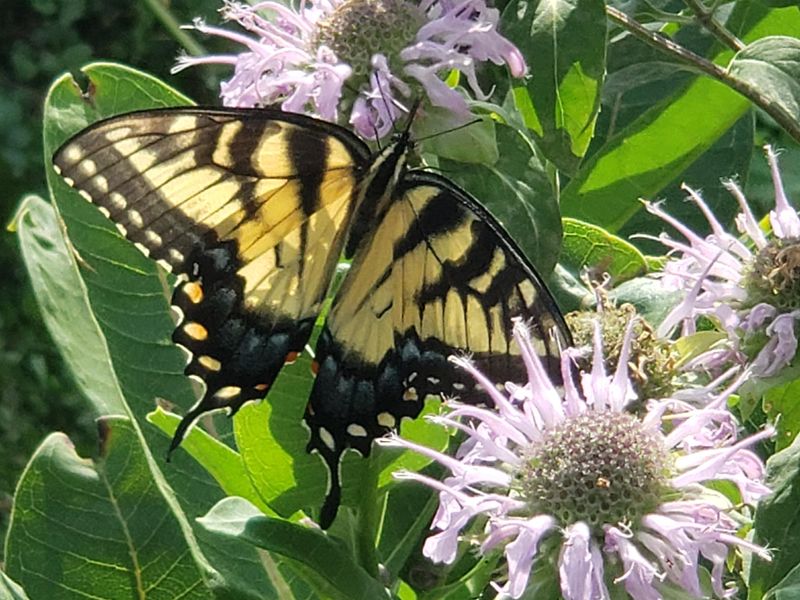
With its wild, spiky blooms in shades of red, pink, and purple, bee balm lives up to its name by attracting scores of bees, butterflies, and even hummingbirds. Native to North America, this perennial feels right at home in Oregon gardens and spreads enthusiastically when happy.
Blooming from mid-summer into early fall, it fills a crucial gap when many spring flowers have finished.
Bee balm prefers part shade to full sun and appreciates consistent moisture, making it perfect for gardens that receive regular summer watering.
Newer cultivars resist powdery mildew better than older varieties, so look for resistant types like ‘Jacob Cline’ or ‘Raspberry Wine.’ Good air circulation helps prevent fungal issues in our sometimes-humid climate.
Butterflies, particularly swallowtails and monarchs, find bee balm irresistible, often spending long periods nectaring on the tubular flowers. Bumblebees work the blooms constantly, and you’ll hear their buzzing from several feet away.
The aromatic foliage smells minty when brushed, and leaves can be used for tea.
Cut plants back by half after the first flush of blooms to encourage reblooming. Divide clumps every three years to maintain vigor and control spread in smaller gardens.
3. Borage
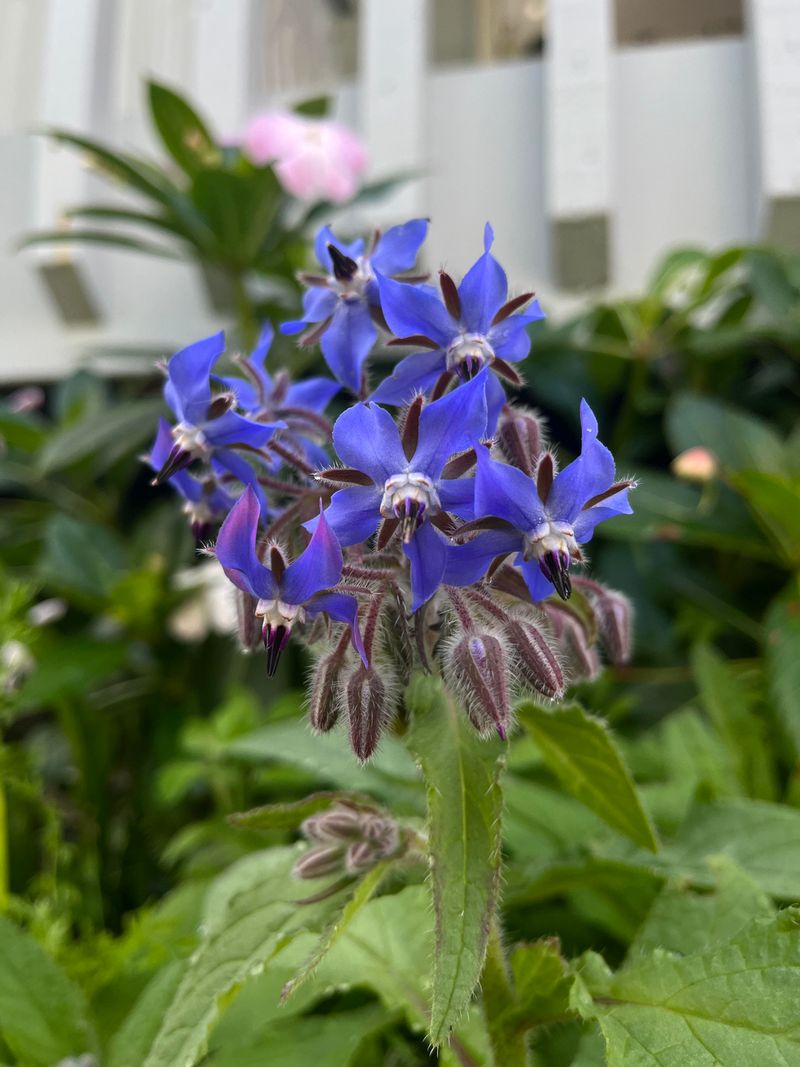
This annual herb self-sows readily in Oregon gardens, returning year after year without replanting if you let a few flowers go to seed. The nodding blossoms appear continuously from late spring through fall, providing months of pollinator support.
Growing borage couldn’t be simpler in Oregon’s climate. Direct-sow seeds in spring after the last frost, or start them indoors a few weeks earlier.
Borage tolerates various soil types but grows best in well-draining spots with full sun to light shade. The plants grow two to three feet tall with a sprawling habit, so give them room.
Bumblebees particularly love borage, and research shows they visit it more frequently than many other garden flowers. Honeybees and various native bees also work the blooms enthusiastically.
The flowers are edible with a mild cucumber flavor, making them popular for garnishing drinks and salads.
Borage’s fuzzy leaves might look rough, but the plant is quite tender and frost-sensitive. In western Oregon’s mild winters, fall-sown borage sometimes survives to bloom early the following spring.
The hairy foliage deters some pests, and deer typically leave it alone.
4. Thyme
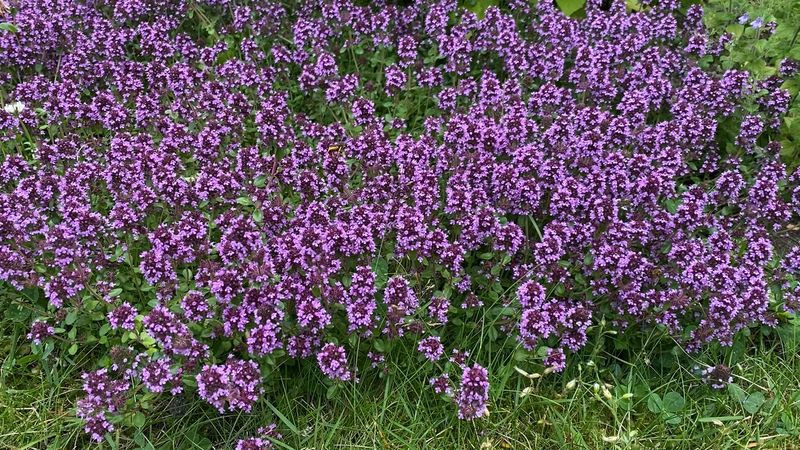
Thyme transforms from a humble culinary herb into a pollinator magnet when it blooms, carpeting itself with tiny flowers that bees find absolutely irresistible.
This low-growing perennial thrives in Oregon’s dry summers and well-drained soils, making it ideal for rock gardens, pathway edges, and between pavers.
Blooms appear in late spring and early summer, turning green mats into buzzing purple-pink blankets.
Common thyme, lemon thyme, and creeping thyme all attract pollinators beautifully while offering different growth habits and flavors for cooking. Plant thyme in full sun with excellent drainage, as it originates from Mediterranean hillsides.
OSU Extension recommends thyme for xeriscaping in Oregon since it needs little supplemental water once established.
Small native bees, honeybees, and hover flies all visit thyme flowers in impressive numbers. The blooms are so numerous and tiny that dozens of pollinators can work a single large plant simultaneously.
Harvesting leaves for cooking before flowering begins gives you the best flavor, but leaving some stems to bloom helps pollinators tremendously.
Thyme stays evergreen in milder parts of Oregon, providing winter interest along with year-round harvests. Trim plants lightly after flowering to maintain compact growth.
Divide older clumps every few years to rejuvenate tired plants.
5. Oregano
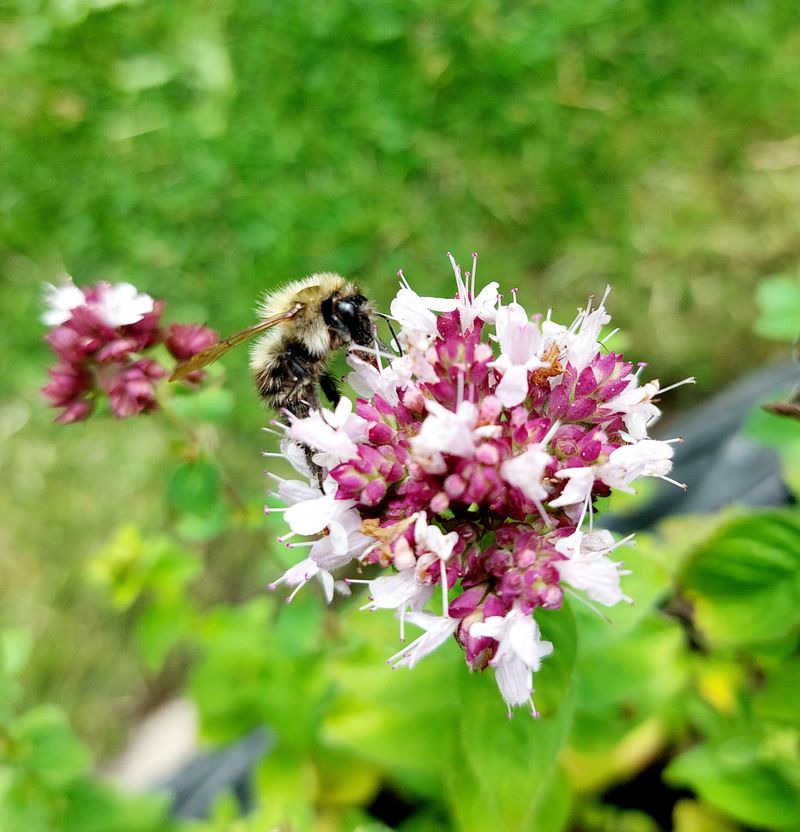
When oregano blooms, it sends up tall stems topped with clusters of tiny flowers that pollinators find from impressive distances. This tough Mediterranean herb grows enthusiastically in Oregon gardens, tolerating our dry summers beautifully while providing both culinary leaves and pollinator flowers.
Blooming occurs from mid-summer into fall, extending the season for bees and butterflies.
Greek oregano and Italian oregano both flower prolifically, though Greek types tend to have stronger flavor for cooking. Plant oregano in full sun with well-draining soil, and it will thrive with minimal attention.
The plants spread steadily, making them excellent groundcovers for sunny banks or large containers.
Butterflies absolutely love oregano flowers, with cabbage whites, painted ladies, and skippers visiting constantly on sunny days. Honeybees and various native bees also work the blooms enthusiastically.
The flowers produce abundant nectar, making oregano honey a prized product where beekeepers plant it extensively.
For maximum leaf flavor, harvest oregano before flowering begins, but consider leaving some plants unharvested specifically for pollinators. The flowering stems dry beautifully for arrangements.
Oregano stays semi-evergreen in western Oregon’s mild winters, and even when top growth freezes back, plants return vigorously each spring. Divide large clumps every three to four years to maintain vigor.
6. Sage (Salvia)
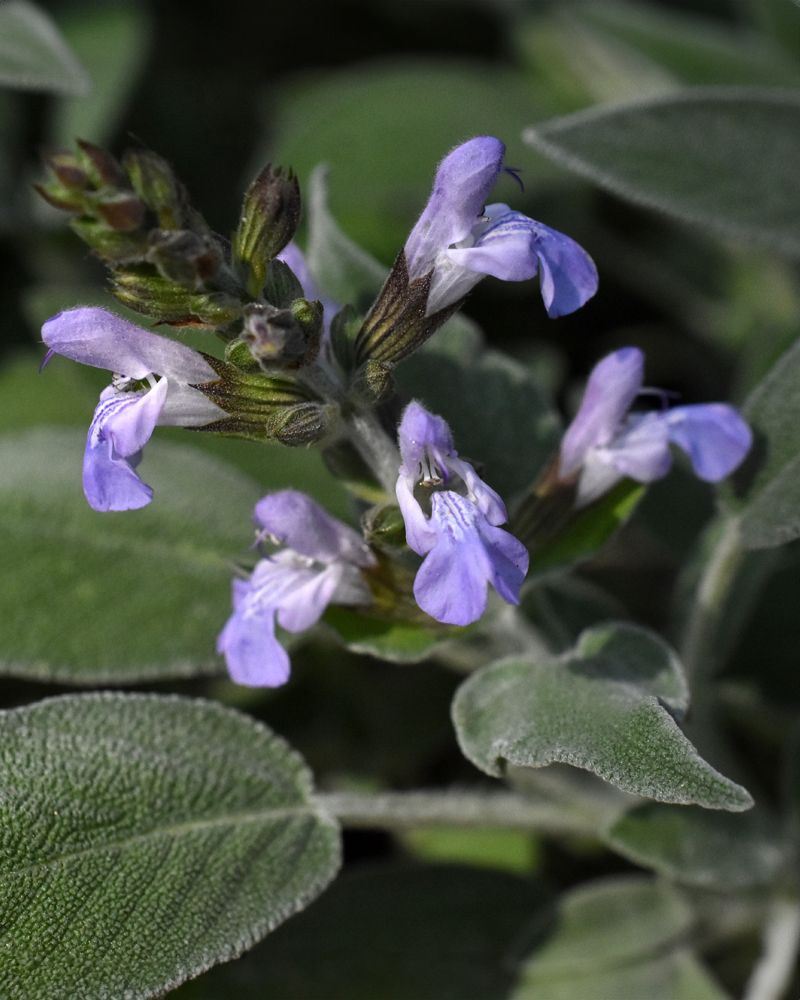
The Salvia herb produces stunning spikes of tubular flowers that bumblebees navigate like tiny helicopters, hovering and diving into each bloom for nectar. Common garden sage, with its gray-green leaves and purple-blue flowers, thrives throughout Oregon and blooms reliably each late spring and early summer.
The flowers are so attractive to pollinators that you’ll often see multiple bees working a single plant.
Plant sage in full sun with well-draining soil, and it will reward you with years of growth with minimal care. OSU Extension notes that sage handles drought exceptionally well once established, making it perfect for water-wise Oregon gardens.
The plants grow into substantial shrubs, typically two feet tall and wide, so space them accordingly.
Bumblebees are the primary pollinators, since their long tongues can reach the nectar deep within the tubular flowers. Honeybees visit too, along with various butterflies.
Hummingbirds occasionally check sage flowers, though they prefer other salvias with redder blooms.
Harvest leaves anytime for cooking, but the flavor is strongest just before flowering. After blooms fade, trim plants back by one-third to encourage bushy growth and sometimes a second flowering.
Sage stays evergreen in milder Oregon zones, providing winter structure and occasional fresh leaves for holiday cooking even in December.
7. Rosemary
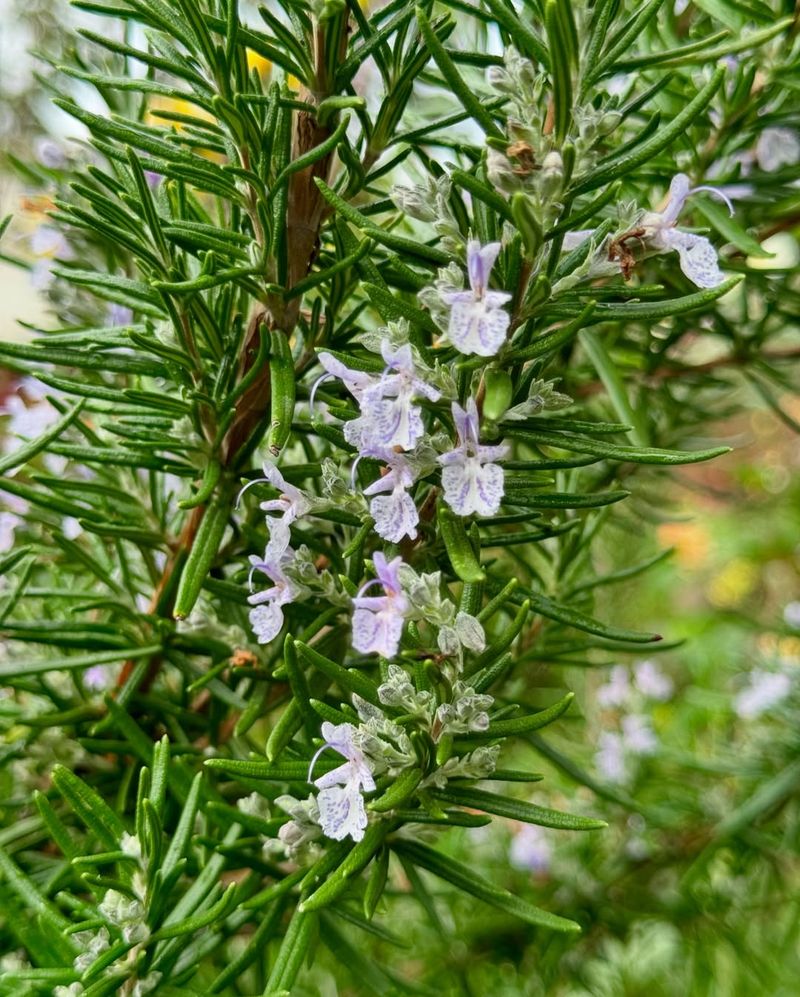
These small blue, pink, or white flowers appear along the needle-like stems, and bees emerge from their winter clusters to work them on any warm day. In Oregon’s mild climate, rosemary often blooms sporadically throughout winter.
Choose cold-hardy varieties like ‘Arp’ or ‘Hill Hardy’ for gardens in colder parts of Oregon, though even common rosemary survives winters in zones 8 and warmer. Plant rosemary in full sun with excellent drainage, as winter-wet soil causes more problems than cold temperatures.
Container growing works beautifully, allowing you to move plants to sheltered spots during harsh weather.
Honeybees visit rosemary flowers eagerly, especially on sunny winter days when other nectar sources are scarce. Native bees also forage the blooms.
The early flowering makes rosemary particularly valuable for supporting bee colonies as they begin expanding in late winter.
Rosemary grows upright or trailing, depending on variety, and the evergreen foliage provides year-round interest and harvests. Trim plants after flowering to maintain shape.
In western Oregon’s mild winters, rosemary often grows continuously, while colder regions may see some foliage browning that recovers in spring.
8. Chives
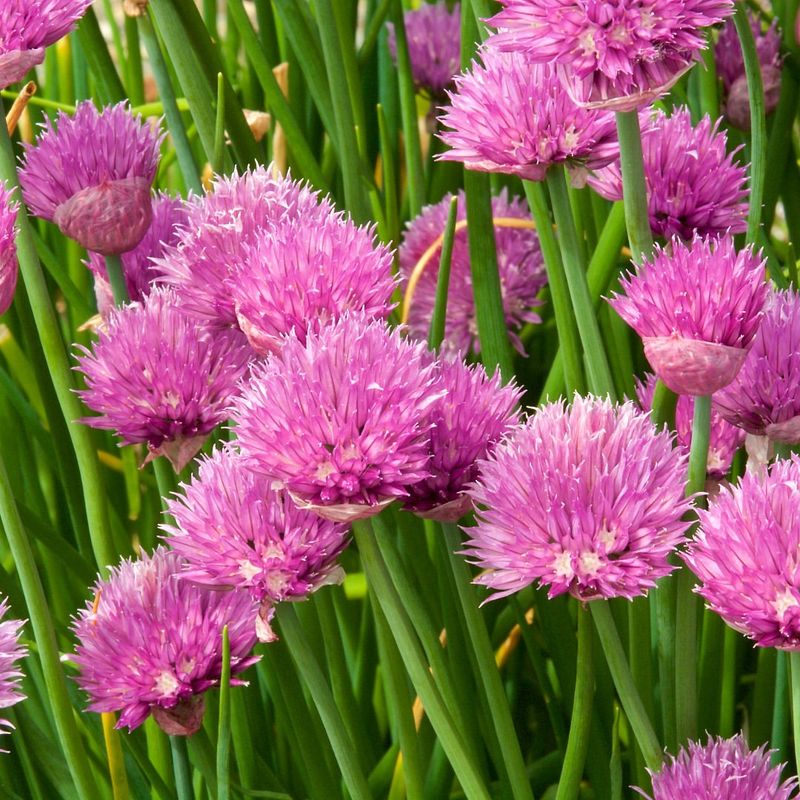
These flowers look like purple pom-poms bobbing on tall stems, and pollinators treat them like all-you-can-eat buffets. This hardy perennial herb grows effortlessly in Oregon gardens, returning bigger and better each year with almost no care required.
Blooming occurs in late spring, and the flowers stay attractive for several weeks while providing abundant pollen and nectar.
Plant chives in full sun to part shade in any reasonably good soil, and they’ll thrive. They tolerate clay, sand, and everything between, making them foolproof for Oregon’s diverse soil types.
Chives grow in neat clumps that slowly expand, and they’re perfect for edging beds or planting in containers.
Bees of all types visit chive flowers enthusiastically, from tiny native bees to large bumblebees. Butterflies also stop by, and hover flies work the blooms constantly.
The flowers are edible with a mild onion flavor, making them popular for garnishing salads and soups, though leaving them for pollinators provides greater ecological value.
Harvest leaves anytime by cutting them near the base, and new growth will appear within days. After flowering, cut the whole plant back to encourage fresh foliage.
Chives self-sow moderately, so deadhead spent flowers if you want to prevent seedlings. Divide clumps every three years to maintain vigor and share with friends.
9. Anise Hyssop
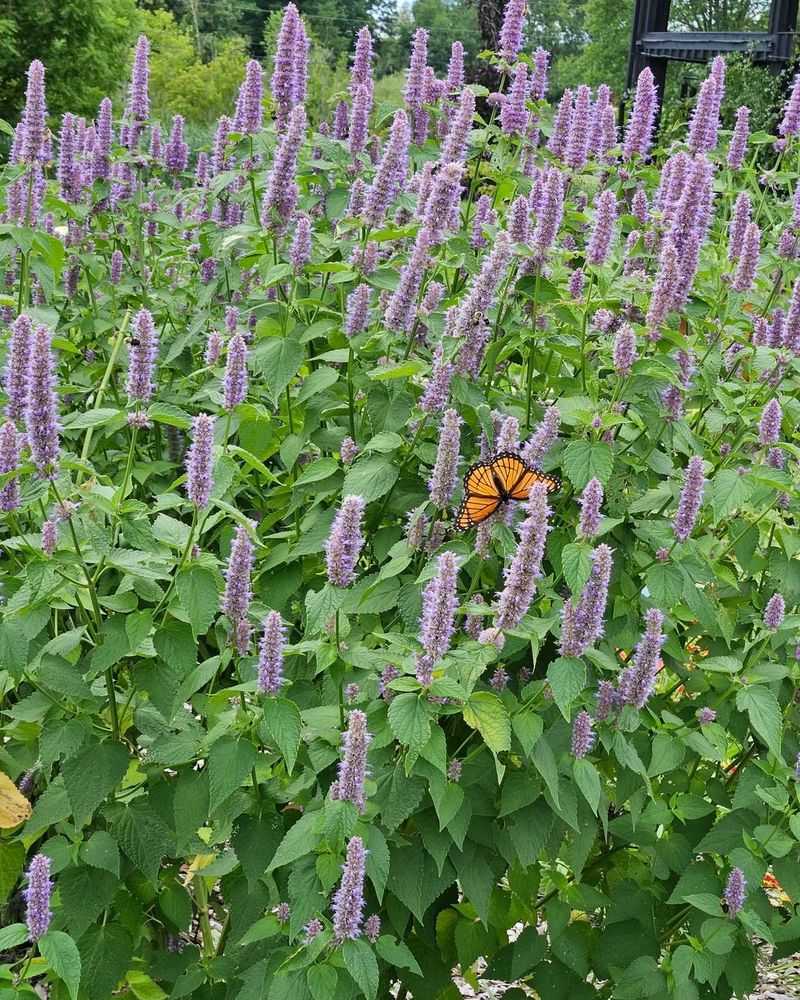
This native North American perennial performs beautifully in Oregon gardens, blooming from mid-summer through fall and providing continuous nectar when many other plants have finished. The licorice-scented foliage adds another sensory dimension to your garden.
Plant anise hyssop in full sun to light shade with average, well-draining soil. It tolerates a range of conditions but grows most vigorously with regular moisture during our dry summers.
Butterflies, particularly swallowtails and monarchs, visit anise hyssop constantly, often with multiple individuals on a single plant. Bumblebees and honeybees work the flowers from top to bottom, and hummingbirds occasionally stop by.
The long blooming season makes this herb particularly valuable for supporting pollinator populations.
Anise hyssop self-sows moderately, creating new plants without becoming weedy. The flowers dry beautifully for arrangements, and leaves make a pleasant tea.
Plants may bloom the first year from seed but perform best in their second season. Deadhead spent flowers to extend blooming, or leave seed heads for winter interest and goldfinch food.