These Flowers Grow Easily In Your Georgia Yard During Late Winter
Late winter can make a Georgia yard look quiet, but that doesn’t mean nothing is happening. Some flowers actually prefer this slower stretch and settle in better before spring arrives.
While many gardeners wait for obvious warmth, certain flowers take advantage of cooler days and steady soil conditions.
Planting during late winter allows them to root in without fighting heat or sudden growth spurts. By the time spring shows up, these plants are already established and ready to perform.
This isn’t about pushing flowers into the ground too early. It’s about working with varieties that naturally handle Georgia’s late-winter conditions and respond well to an early start.
Choosing the right flowers now can lead to stronger plants, longer bloom periods, and a yard that looks fuller well before most people expect it to.
1. Pansies
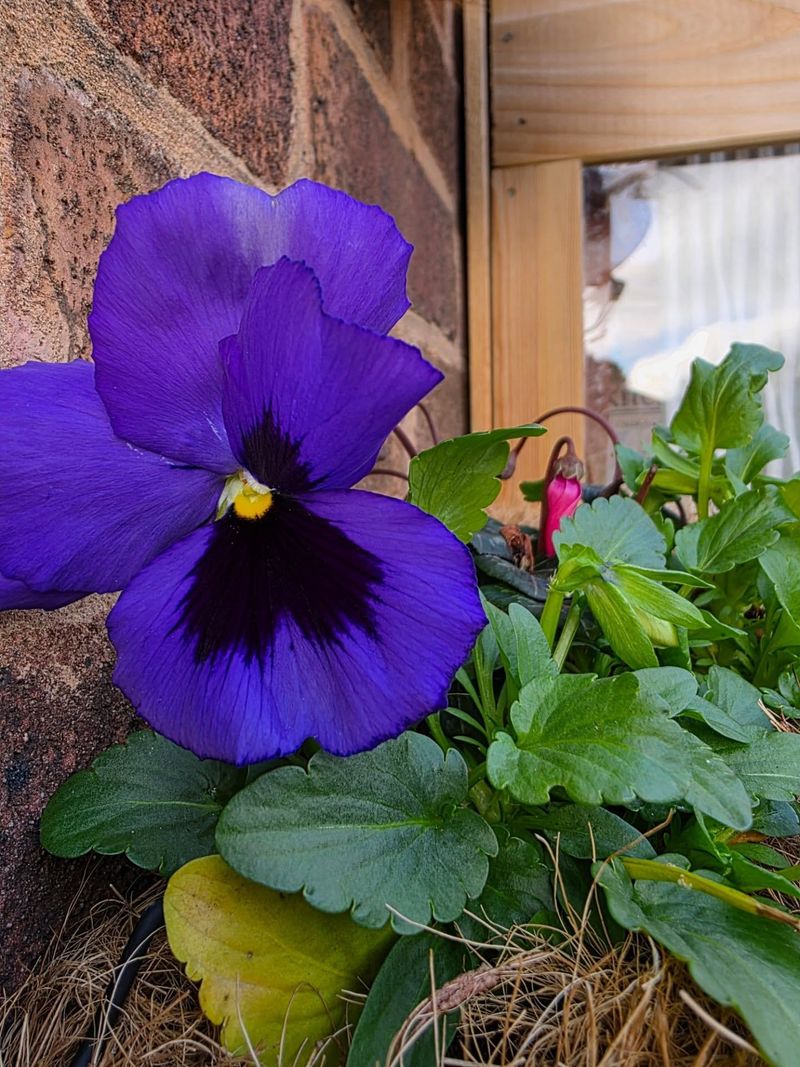
Pansies stand as the undisputed champions of late winter gardening throughout Georgia. Their cheerful, face-like blooms come in nearly every color imaginable, from deep purples and bright yellows to soft pastels and dramatic bicolors.
Garden centers across the state stock these hardy favorites starting in January because they know Georgia gardeners can’t resist their charm.
Cold temperatures don’t scare pansies one bit. They actually prefer the cooler weather that late winter provides and can survive temperatures well below freezing without any protection.
This makes them ideal for Georgia’s unpredictable February weather patterns when warm days might suddenly give way to frosty nights.
Planting pansies requires minimal effort and delivers maximum results. Simply choose a spot with good drainage and at least six hours of sunlight daily.
Mix some compost into your soil before planting, space them about six to eight inches apart, and water them regularly during dry spells. They’ll reward your small investment with continuous blooms that last well into spring.
Deadheading spent flowers encourages pansies to produce even more blooms. Just pinch off faded flowers at their base, and new buds will quickly take their place.
This simple maintenance task keeps your Georgia garden looking fresh and colorful throughout the entire late winter season and beyond.
2. Violas
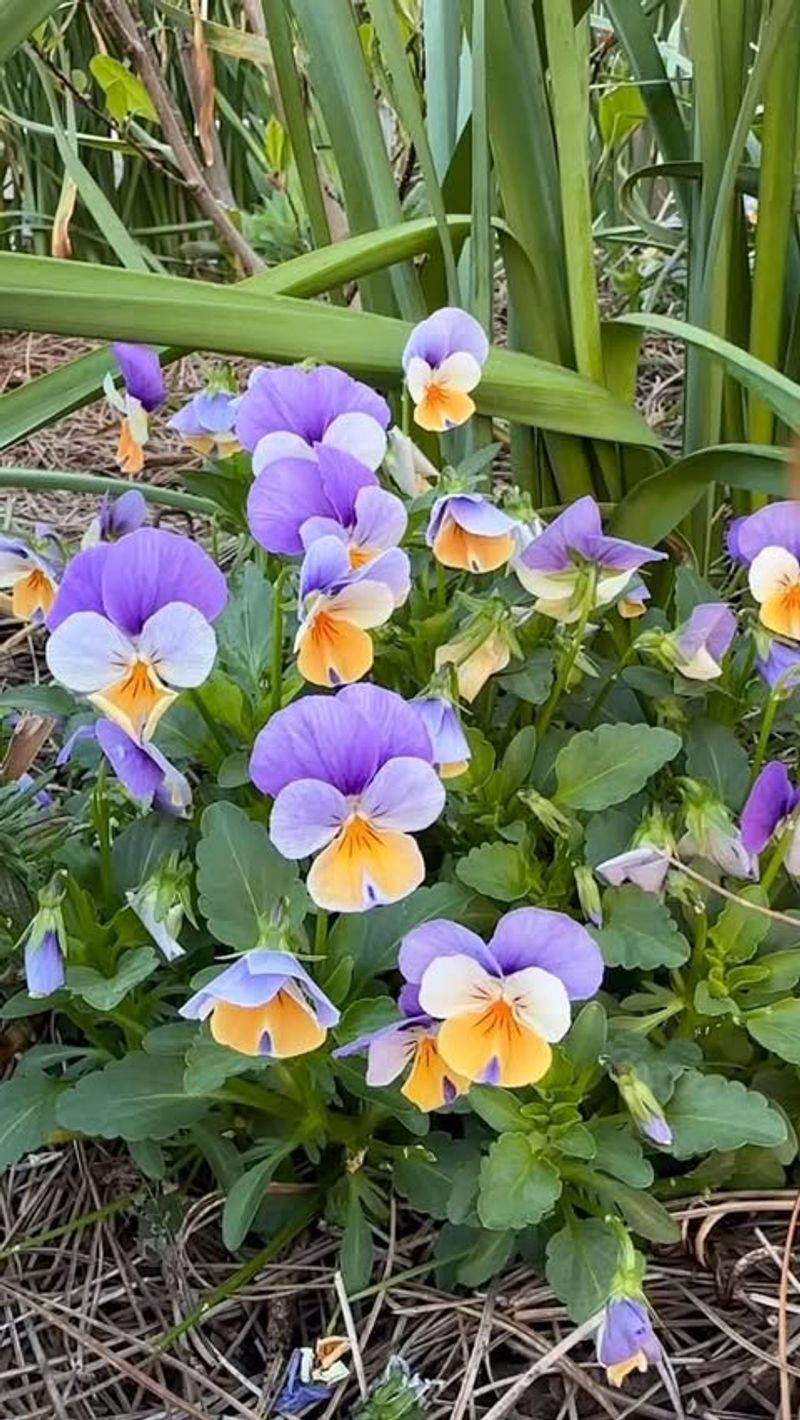
Often called Johnny-jump-ups or miniature pansies, violas bring delicate beauty to Georgia gardens when winter still lingers. Their smaller blooms might not command attention from across the yard, but up close, they display intricate patterns and rich colors that captivate anyone who takes time to notice.
These petite flowers pack serious cold tolerance into their compact frames.
Violas excel at filling gaps between larger plants or cascading over container edges. Their spreading habit creates colorful carpets that soften hard edges in garden beds and pathways.
Georgia gardeners appreciate how violas self-seed readily, popping up in unexpected places year after year and creating delightful surprises throughout the landscape.
Growing violas successfully means providing them with slightly moist soil and partial shade, especially in areas of Georgia where late winter sun can be surprisingly intense. They tolerate full sun in cooler regions but appreciate some afternoon protection in warmer zones.
Plant them in groups for maximum visual impact rather than spacing them individually.
These charming flowers require almost no maintenance once established. They naturally stay compact and tidy without any pruning.
Water them during extended dry periods, and they’ll continue blooming happily. Violas even tolerate light foot traffic, making them perfect for planting between stepping stones in Georgia gardens.
3. Snapdragons
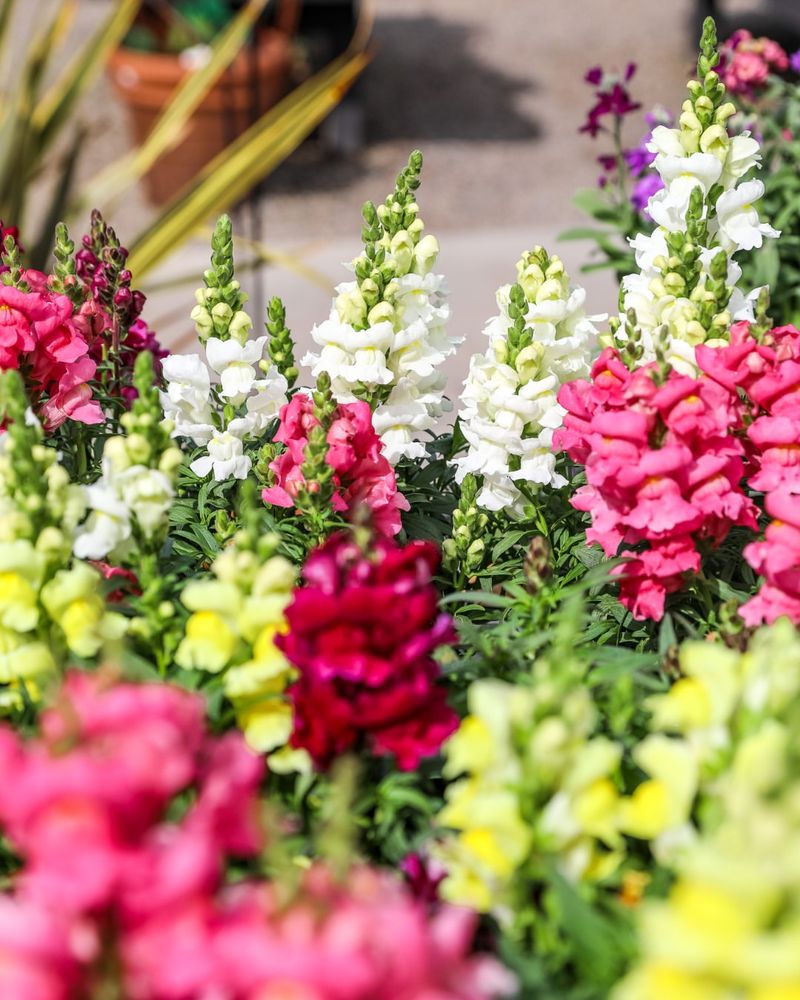
Snapdragons add vertical interest to Georgia gardens with their distinctive tower-like flower spikes. Children love squeezing the individual blooms to make them open and close like tiny dragon mouths, which explains their whimsical common name.
These old-fashioned favorites come in dwarf varieties that stay under a foot tall or towering types that reach three feet high.
Late winter planting gives snapdragons the cool temperatures they need to develop strong root systems before Georgia’s heat arrives. They bloom most prolifically when nights stay cool and days remain mild, making February and early March perfect planting times.
Choose from an incredible range of colors including bronze, burgundy, coral, and even striped varieties.
Snapdragons prefer full sun locations with well-draining soil throughout Georgia. Space them according to their mature size, typically eight to twelve inches apart for most varieties.
Pinch back the main stem when plants reach about six inches tall to encourage bushier growth and more flower spikes.
Regular deadheading keeps snapdragons blooming longer and prevents them from setting seed too early. Cut spent flower spikes back to the next set of leaves, and new spikes will emerge.
Taller varieties may need staking in Georgia’s spring winds, so plan ahead by placing supports early before plants get too large and unwieldy.
4. Calendula
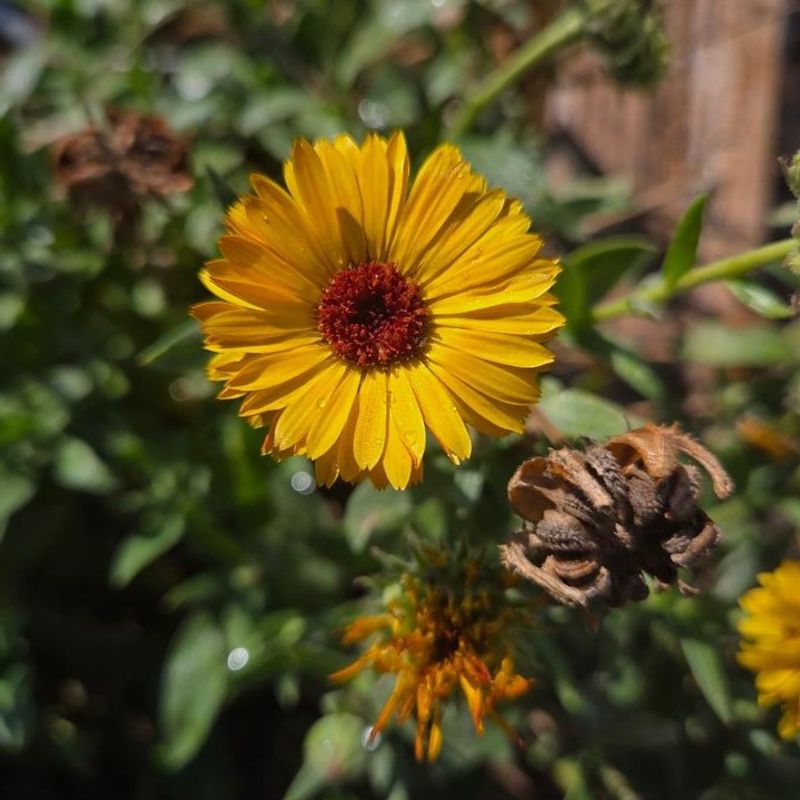
Calendula brings sunshine to Georgia yards with its bright orange and yellow daisy-like flowers. Sometimes called pot marigold, this Mediterranean native has adapted beautifully to late winter conditions throughout the South.
Gardeners have grown calendula for centuries, valuing both its cheerful blooms and its traditional uses in herbal remedies and skin care products.
These flowers thrive in the cool weather that Georgia experiences during late winter months. Unlike their summer-blooming marigold cousins, calendulas actually struggle when temperatures climb, making them perfect candidates for early season planting.
They’ll bloom continuously from late winter through late spring before fading when summer heat arrives.
Plant calendula seeds directly in your Georgia garden or start with transplants from local nurseries. They germinate quickly in cool soil and establish rapidly.
Choose a sunny location with average soil, as calendula doesn’t demand rich conditions. Space plants about ten inches apart and water them regularly until they’re established.
Calendula flowers are completely edible, adding peppery flavor and vibrant color to salads and other dishes. The petals can be dried and stored for later use.
Beyond their culinary applications, calendulas attract beneficial insects to Georgia gardens and can even help repel certain pests, making them valuable companion plants throughout your landscape.
5. Sweet Alyssum
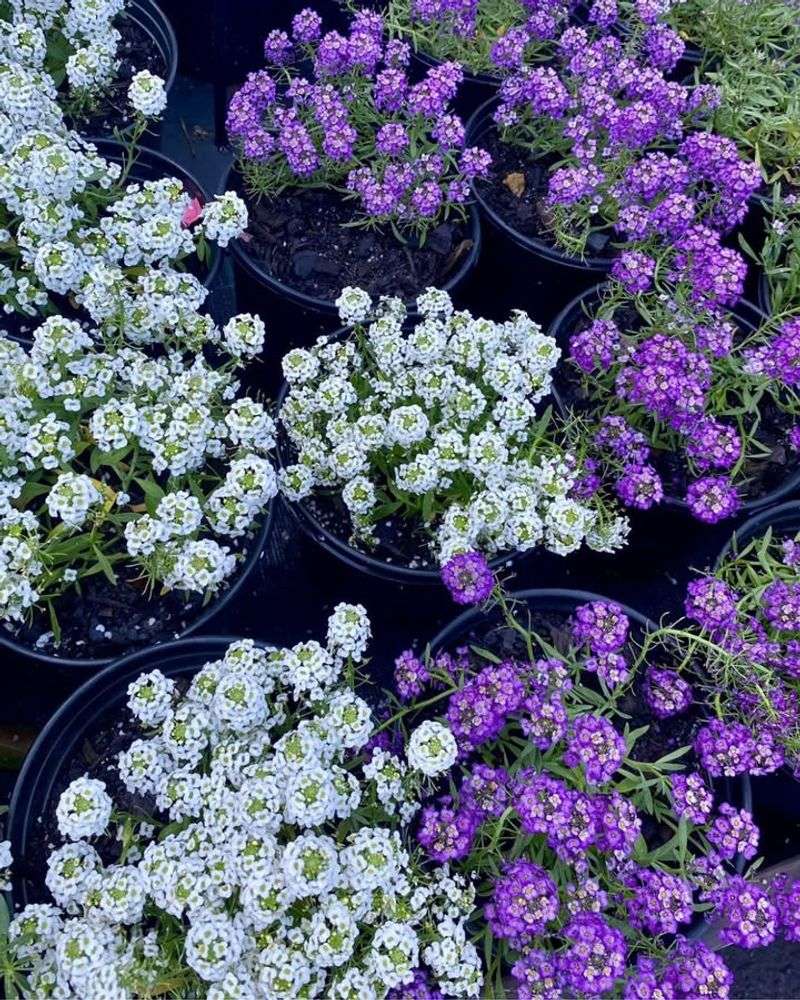
Sweet alyssum creates fragrant clouds of tiny flowers that smell like honey on warm afternoons. This low-growing annual forms neat mounds or spreading carpets depending on the variety you choose.
The delicate appearance of sweet alyssum belies its tough nature, as it handles Georgia’s late winter temperature swings with remarkable resilience.
White remains the most popular color, but sweet alyssum also comes in shades of purple, pink, and lavender. The flowers are so small and numerous that they create a frothy effect, softening the edges of containers, borders, and walkways throughout Georgia landscapes.
Bees and butterflies visit the blooms constantly, adding movement and life to your garden.
Growing sweet alyssum couldn’t be simpler for Georgia gardeners. Scatter seeds directly where you want them to grow, barely covering them with soil since they need light to germinate.
They’ll sprout within a week when soil temperatures stay above forty degrees. Transplants work equally well and provide instant gratification for impatient gardeners.
Sweet alyssum tolerates poor soil and doesn’t need fertilizer to perform well. It actually blooms better when not overfed.
Water during dry spells, but don’t worry if you occasionally forget, as established plants handle brief drought periods. If plants get leggy by late spring, shear them back by half, and they’ll rebound with fresh growth and renewed blooming.
6. Lobelia
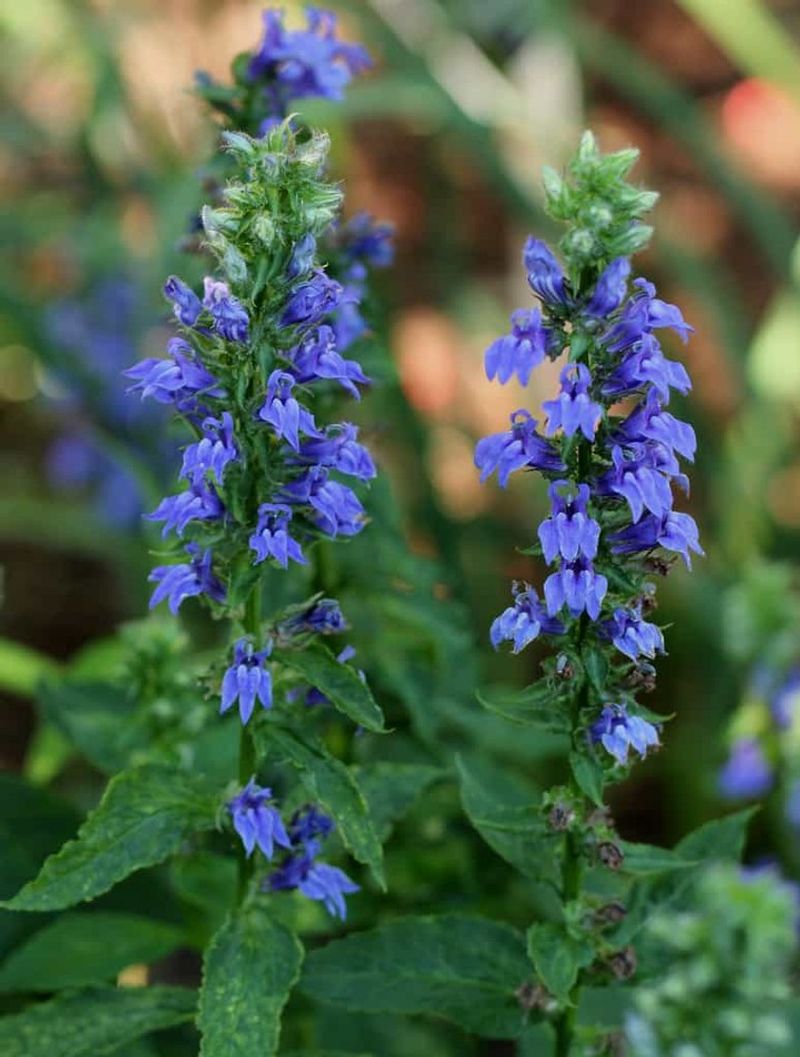
Electric blue lobelia catches every eye with its intense color that seems almost unnatural in its vibrancy. While blue varieties steal the show, lobelia also blooms in white, pink, and purple shades.
The small flowers appear in such abundance that they nearly hide the foliage beneath, creating solid masses of color in Georgia gardens and containers.
Trailing varieties work beautifully in hanging baskets and window boxes where their cascading stems can spill gracefully over edges. Upright types stay more compact and work well as edging plants along pathways and borders.
Both forms appreciate the mild temperatures that late winter brings to Georgia, thriving when other flowers might struggle.
Lobelia prefers consistently moist soil and partial shade, especially in southern Georgia where late winter sun can be surprisingly strong. Morning sun with afternoon shade creates ideal conditions.
Plant them in groups rather than singly to create impressive color impact. Space them about six inches apart to allow for their spreading habit.
Keep lobelia well-watered throughout the growing season, as dry soil causes them to stop blooming and look stressed. They benefit from occasional feeding with a balanced liquid fertilizer.
If plants start looking tired by late spring, trim them back lightly to encourage fresh growth. Lobelia self-seeds readily in Georgia, so you might find volunteer seedlings appearing in future seasons.
7. Dianthus
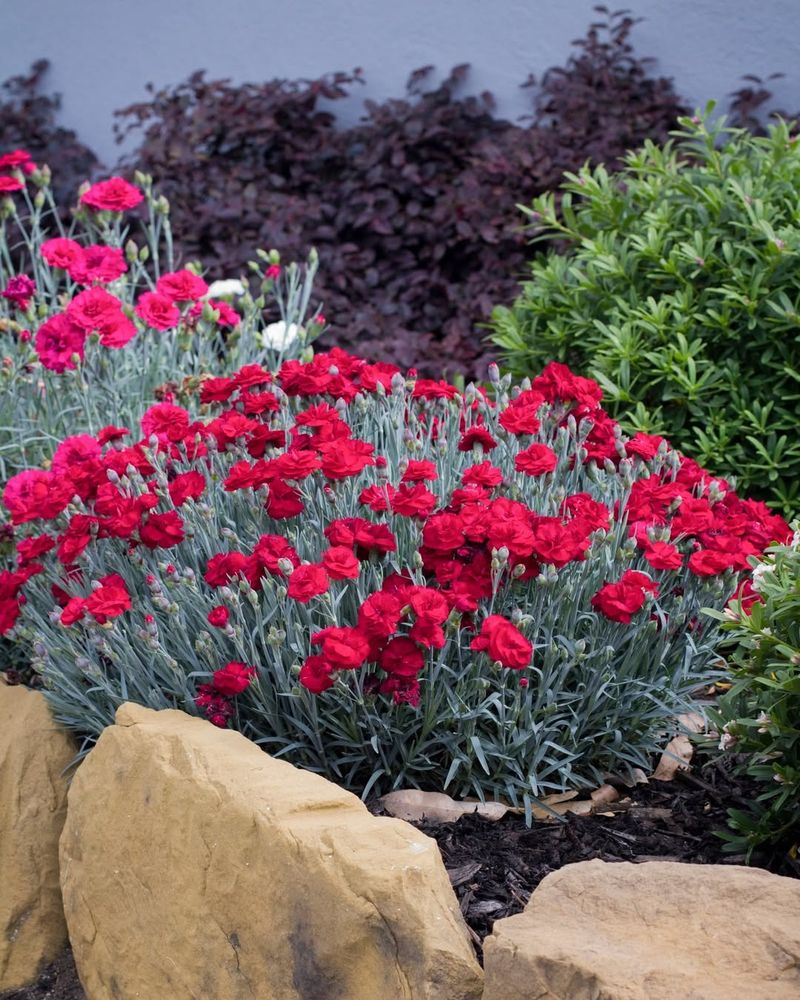
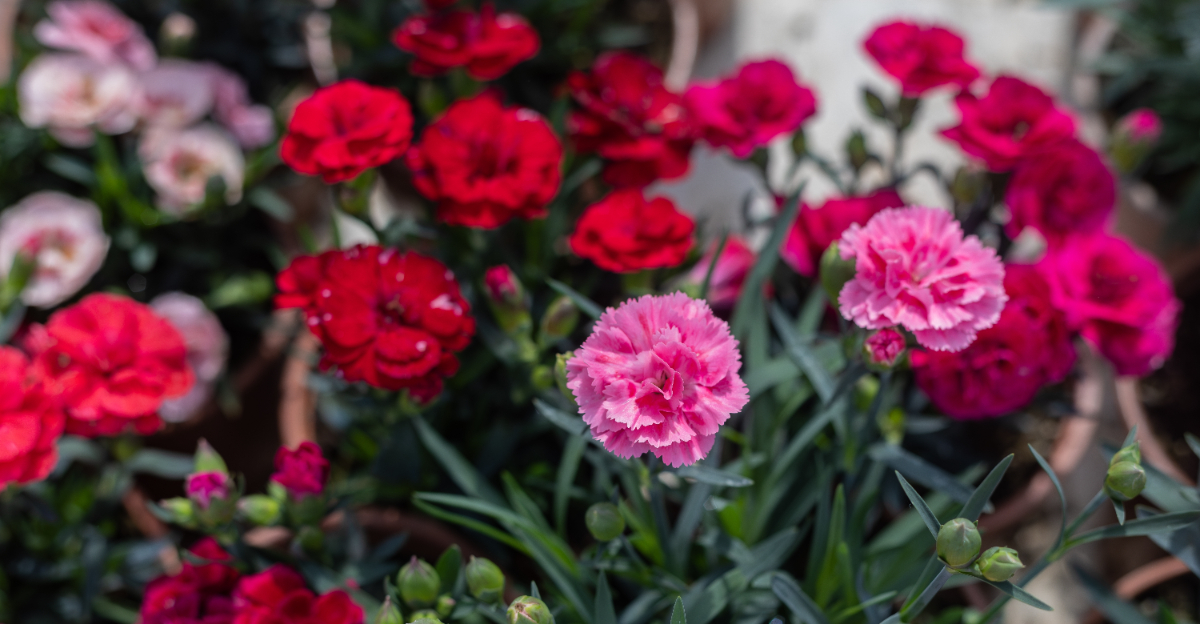
Dianthus earns its common name of pinks honestly, though the flowers actually bloom in shades ranging from pure white through pink to deep red and even purple. The fringed petals look like they were trimmed with pinking shears, creating a charming cottage garden effect.
Many varieties release a sweet, spicy fragrance reminiscent of cloves that perfumes Georgia gardens on still days.
These flowers form neat mounds of blue-green foliage that looks attractive even when plants aren’t blooming. Dianthus handles cold remarkably well, continuing to bloom even after light frosts that would damage more tender flowers.
This toughness makes them reliable performers during Georgia’s unpredictable late winter weather.
Plant dianthus in full sun with excellent drainage, as they dislike wet feet and can develop problems in heavy, soggy soil. Amend clay soils with sand and compost before planting.
Space them about eight to ten inches apart, and avoid planting them too deeply, as crown rot can occur when stems stay too wet.
Deadheading spent blooms keeps dianthus flowering prolifically and prevents the plants from putting energy into seed production. Simply snap off faded flowers where they meet the stem.
Dianthus doesn’t need much fertilizer and actually blooms better when grown somewhat lean. Water during dry periods, but allow soil to dry slightly between waterings for best results in Georgia gardens.
8. Primrose
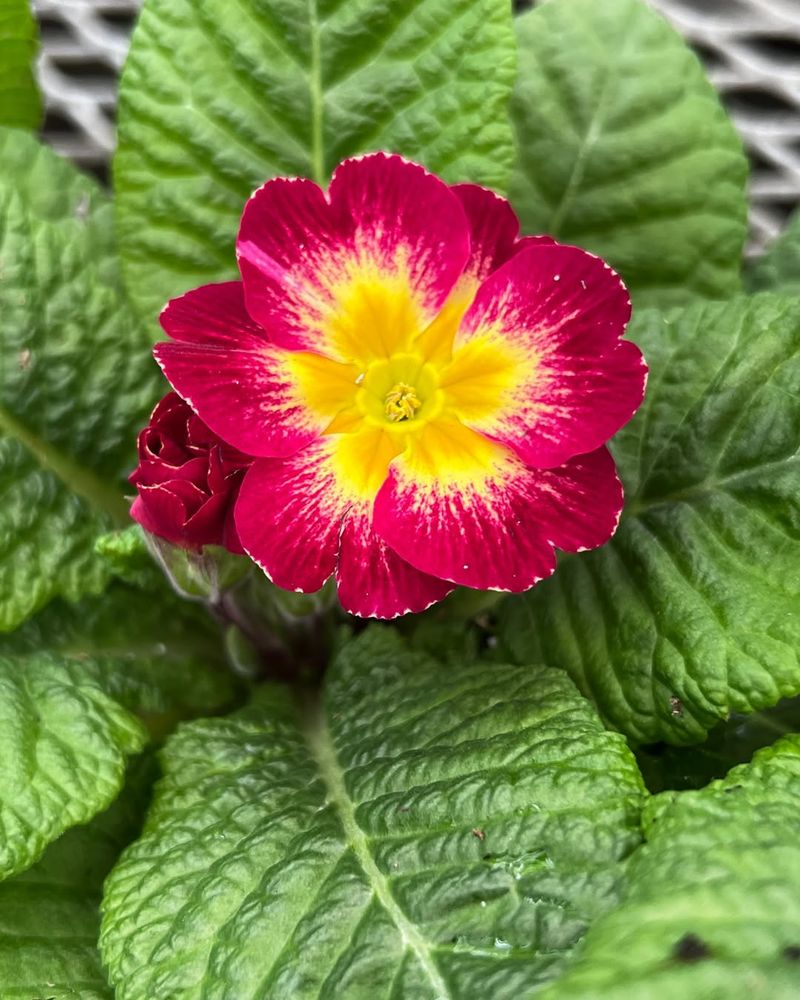
Primroses announce spring’s approach with their bright, cheerful blooms that appear in late winter throughout Georgia. The flowers cluster together atop short stems, creating bouquet-like displays in shades of yellow, pink, red, purple, blue, and white.
Many varieties feature contrasting yellow centers that add extra visual interest to their already colorful petals.
Cool weather brings out the best in primroses, making them perfect for Georgia’s late winter gardens. They bloom most abundantly when temperatures stay below seventy degrees, which typically means they perform from February through April in most parts of the state.
Plant them where you’ll see them often, as their cheerful faces provide welcome color during gray winter days.
Primroses prefer partial shade and consistently moist soil rich in organic matter. They struggle in hot, dry locations, so choose planting spots carefully.
Morning sun with afternoon shade works well, especially in southern Georgia. Amend soil generously with compost before planting, and space plants about eight inches apart.
Keep primroses well-watered but not waterlogged throughout their blooming season. They appreciate regular moisture more than most winter annuals.
Remove spent flowers to encourage continued blooming and prevent the plants from setting seed. Primroses can sometimes survive as short-lived perennials in cooler parts of Georgia, returning for another year of late winter color if conditions suit them perfectly.
9. Dusty Miller
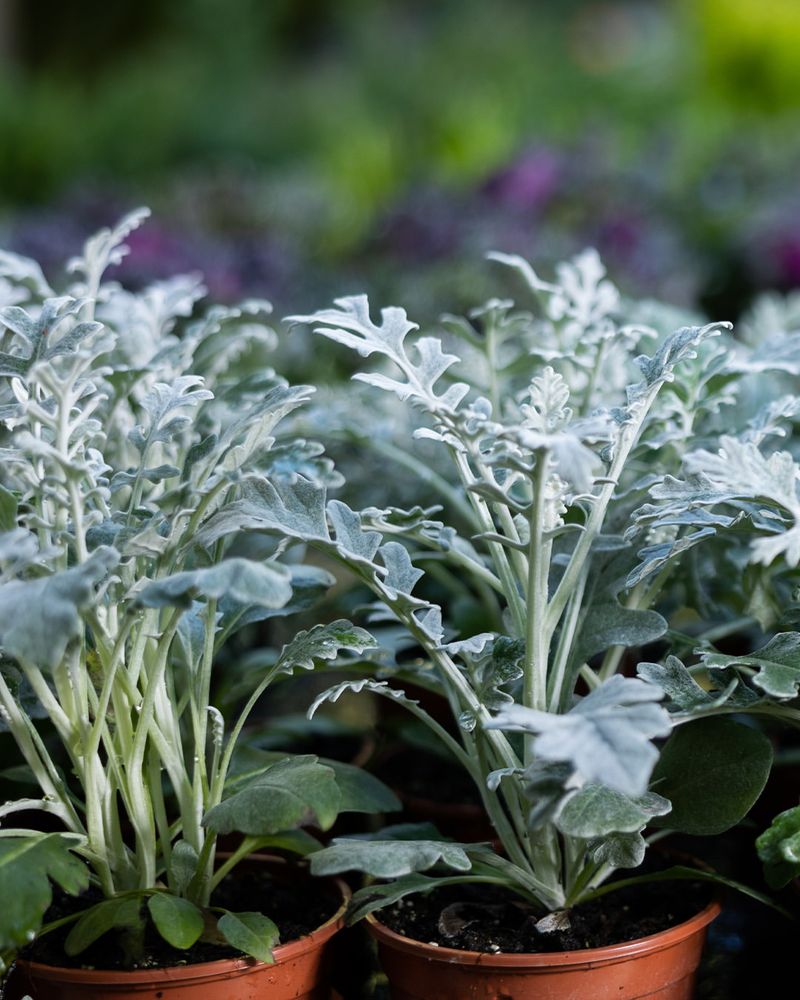
Dusty miller stands out in Georgia gardens not for its flowers but for its stunning silvery-gray foliage that looks almost frosted. The soft, fuzzy leaves add texture and contrast to flower beds, making bright blooms appear even more vibrant by comparison.
This Mediterranean native handles cold weather beautifully, maintaining its attractive appearance throughout late winter months.
While technically grown as a foliage plant, dusty miller does occasionally produce small yellow flowers in summer. Most gardeners pinch these off to keep the plant’s energy focused on producing more of its beautiful leaves.
The silvery color comes from tiny hairs covering the foliage, giving it a velvet-like texture that children love to touch.
Plant dusty miller in full sun to partial shade throughout Georgia. It tolerates poor soil and drought once established, making it remarkably low-maintenance.
Space plants about ten to twelve inches apart, as they grow into substantial clumps over time. They work beautifully as edging plants or as cool-toned accents among brightly colored flowers.
Dusty miller requires minimal care beyond occasional watering during extended dry periods. It doesn’t need fertilizer and actually maintains better color when grown in average soil.
The plants stay naturally compact without pruning, though you can trim them back if they get leggy. Dusty miller can survive mild Georgia winters and return as a short-lived perennial in some areas, providing multiple seasons of silvery beauty.