These Flowers Grow In Poor Arizona Soil Without Extra Work

Dry, compact ground in Arizona can make a flower bed look uneven before it ever has a chance to fill in, and many plants struggle to settle once roots hit that kind of soil.
Even with regular care, growth can stall, color can fade early, and gaps can start to show where plants fail to take hold.
Some flowers deal with those conditions far better from the start. They root into tough soil without hesitation, keep their shape, and hold steady color without constant adjustments.
The change becomes clear once those plants establish. Areas that once looked difficult begin to stay full, and the overall bed starts to feel more balanced without extra effort.
Choosing the right flowers turns poor soil into something workable instead of something that needs constant fixing.
1. Blanket Flower Keeps Blooming Even In Dry, Low-Nutrient Soil
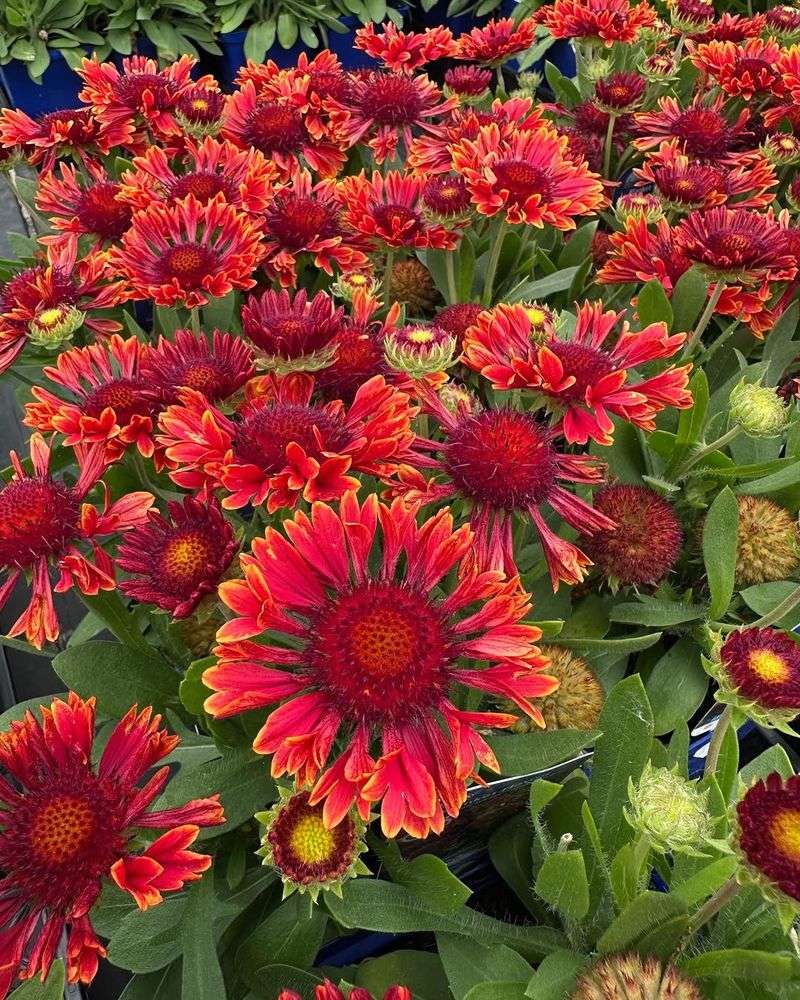
Blanket flower is one of those plants that almost seems to enjoy being ignored. Gaillardia, its botanical name, pushes out bold red and yellow blooms right through Arizona’s punishing summers without asking for fertilizer or extra water.
Rocky, sandy ground? That’s exactly where it settles in.
Native to open grasslands and dry plains across North America, blanket flower has spent centuries adapting to rough conditions. In Arizona, that history shows.
Plant it in full sun, give it a drink when you first get it in the ground, and then step back. It doesn’t want rich soil — too much nitrogen actually causes floppy stems and fewer blooms.
Deadheading spent flowers every couple of weeks keeps the plant producing through spring and into fall. Even without deadheading, it continues flowering — just at a slower pace.
Bees and butterflies visit regularly, so you get wildlife activity without doing much to encourage it.
Blanket flower stays relatively compact, usually under two feet tall, which makes it easy to tuck into borders or gravel beds. It reseeds itself modestly, so you may find small plants popping up nearby the following year.
For Arizona gardeners tired of fighting the soil, blanket flower is a reliable, honest performer that delivers color without drama.
It also handles reflected heat from gravel, stone, or pavement without struggling, which makes it especially useful in typical Arizona landscape settings.
2. Desert Marigold Thrives In Native Soil With Almost No Care
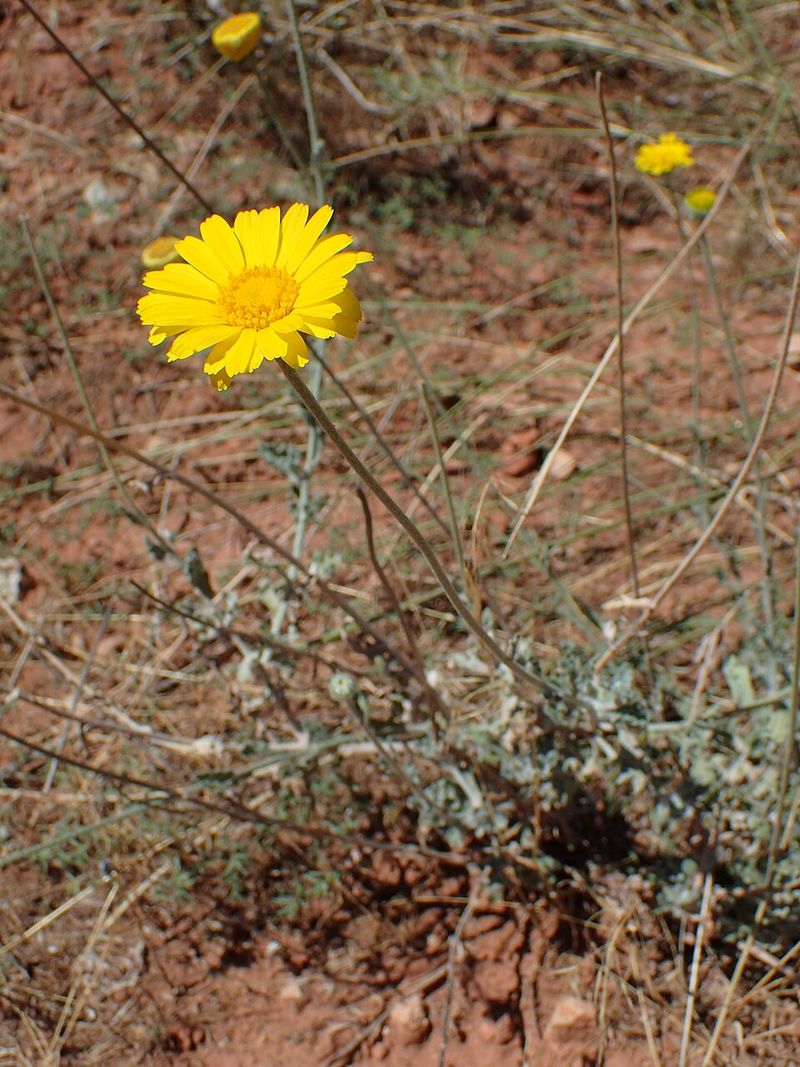
Walk through any open stretch of the Sonoran Desert between March and November and you’ll spot Desert Marigold’s bright yellow faces nodding in the heat.
Baileya multiradiata grows straight out of native Arizona ground with zero soil prep and almost no supplemental water once it’s settled in.
What makes this plant so well-suited to Arizona is its deep taproot system, which pulls moisture from far below the surface. Sandy, gravelly, nutrient-stripped soil doesn’t slow it down.
In fact, heavy clay or overly amended beds can cause root rot, so the lean native soil here actually works in its favor.
Blooms show up in waves rather than all at once, which means the plant stays interesting for months rather than peaking and fading quickly.
The gray-green foliage has a woolly texture that reflects heat and reduces water loss — a clever built-in adaptation for Arizona summers.
Scatter seeds directly onto cleared ground in fall or early spring. Germination rates are solid when soil temperatures are right, and transplants establish without much fuss.
Keep in mind that all parts of the plant are mildly toxic to livestock, so placement matters if animals have access to the area.
For low-effort color in Arizona landscapes, Desert Marigold earns its place every season.
It tends to reseed easily in the right conditions, so new plants often appear on their own without any extra work the following season.
3. Globe Mallow Handles Harsh Soil And Keeps Producing Color
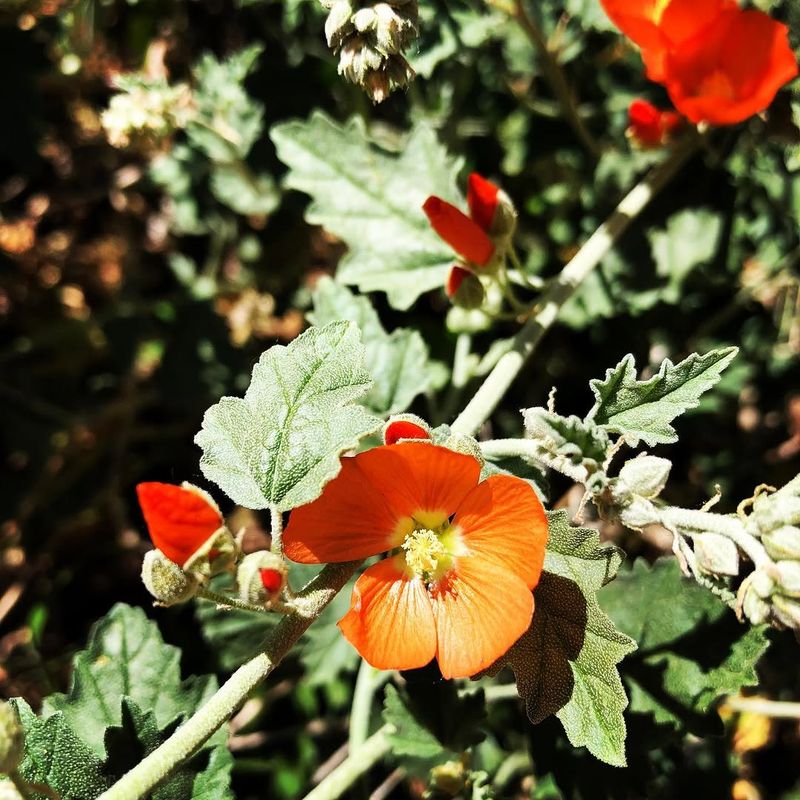
Apricot-orange blooms covering a silvery-leaved shrub in the middle of baked, nutrient-poor ground — that’s Globe Mallow doing exactly what it was built to do.
Sphaeralcea ambigua grows all over Arizona roadsides, rocky slopes, and vacant lots without anyone planting or tending it.
Soil quality barely registers as a concern with this plant. Compacted caliche layers, pure gravel, sandy washes — Globe Mallow handles the full range of Arizona’s difficult ground conditions.
What it cannot tolerate is standing water or heavy clay that stays wet, so drainage matters more than fertility here.
Color range runs from classic orange to softer shades of pink, lavender, and white depending on the variety.
Plants bloom heavily in spring, take a partial break during the hottest weeks of Arizona summer, then often push out a second round of flowers in fall when temperatures ease.
That two-season pattern gives you more return per plant than many alternatives.
Cutting plants back by about a third after the spring bloom helps keep them tidy and encourages fresh growth. Left completely alone, Globe Mallow gets woody and open over time, but it keeps flowering regardless.
Pollinators — especially native bees — are drawn to the blooms consistently throughout the season.
For Arizona gardeners dealing with truly difficult ground, this plant is a practical, low-fuss solution.
4. Blackfoot Daisy Grows Well In Rocky Soil Without Amendments
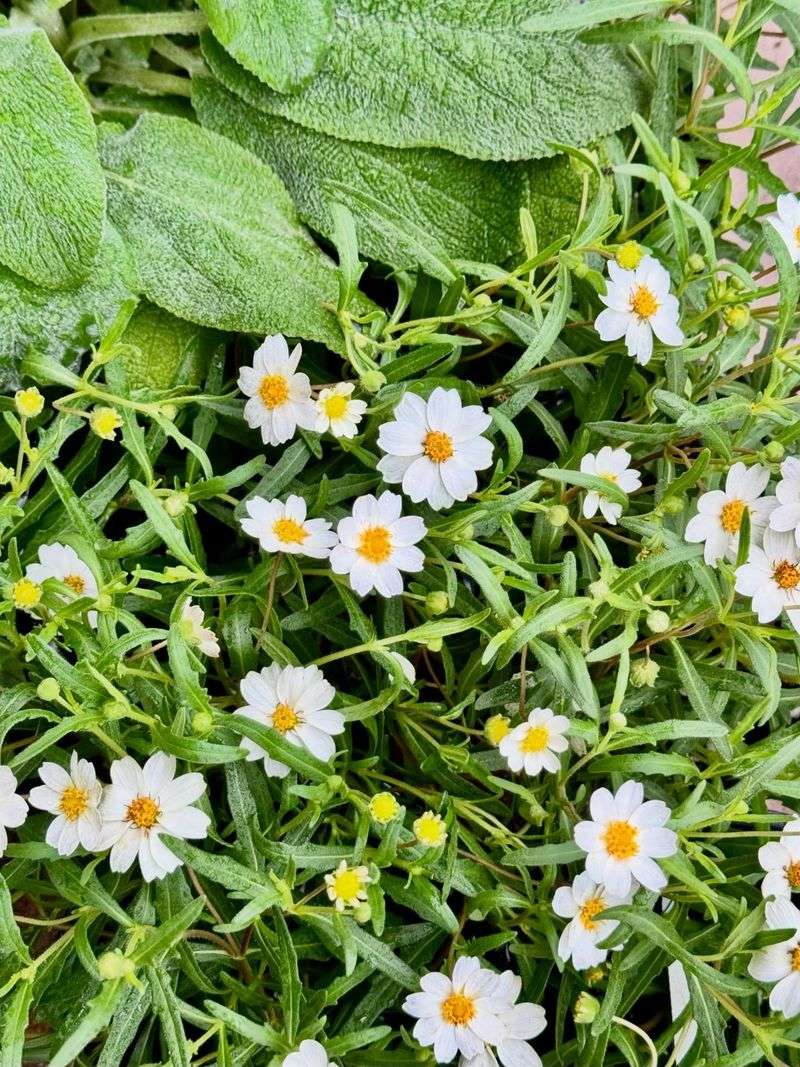
Blackfoot Daisy looks delicate — small white petals around a yellow center, barely a foot tall — but don’t let that fool you.
Melampodium leucanthum is tough enough to grow out of pure caliche and gravel in Arizona without anyone adding a single scoop of compost or fertilizer.
Rocky hillsides and dry limestone outcroppings are where this plant naturally shows up across the Southwest. In Arizona landscapes, it fits right into gravel gardens, rock borders, and dry slopes where other plants struggle to get started.
Full sun and sharp drainage are the two things it genuinely needs. Everything else — soil nutrition, extra water, soil amendments — is optional at best.
Blooms appear in spring and continue through fall with only occasional pauses during peak summer heat. A faint honey-like fragrance comes from the flowers, which is subtle but noticeable up close.
Bees visit regularly, and the compact size makes it easy to combine with other dry-adapted Arizona natives without one plant overwhelming another.
Blackfoot Daisy reseeds itself over time, so a single plant can expand into a small colony across a few seasons. If you want to control spread, remove spent flowers before seeds drop.
Otherwise, let it naturalize and fill in gaps between rocks. For rocky Arizona spots where most plants quit, this one just keeps going.
5. Penstemon Adapts Well To Poor Soil And Stays Resilient
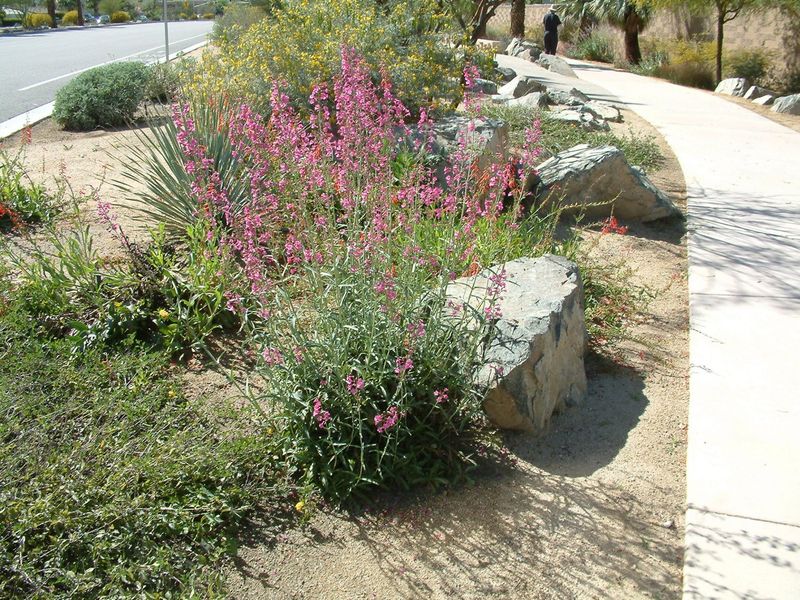
Penstemon is one of Arizona’s most underused native flowers, which is surprising given how well it performs in the state’s roughest growing conditions.
Tubular blooms in shades of red, pink, purple, and coral line tall spikes that hummingbirds find almost irresistible during spring migration season.
Arizona hosts several native Penstemon species, including Penstemon parryi and Penstemon pseudospectabilis, both of which grow naturally in rocky desert foothills without any soil improvement. Poor, gritty, alkaline ground is their baseline.
Adding heavy organic matter or fertilizer often does more harm than good, encouraging lush growth that can’t handle the heat and dry air Arizona delivers in summer.
Blooms typically peak from late winter through spring at lower Arizona elevations, then shift into a rest period during summer. At higher elevations around Prescott or Show Low, flowering stretches a bit later into the season.
Either way, the display is worth the wait — dense flower spikes that stand two to four feet tall depending on the species.
Water deeply once a week during establishment, then pull back to monthly or less once roots are down. Penstemon actually performs better with some stress — too much irrigation leads to root problems faster than drought does.
Planting in fall gives roots time to settle before the following spring bloom cycle begins in earnest.
6. California Poppy Performs Well In Sandy And Unimproved Soil
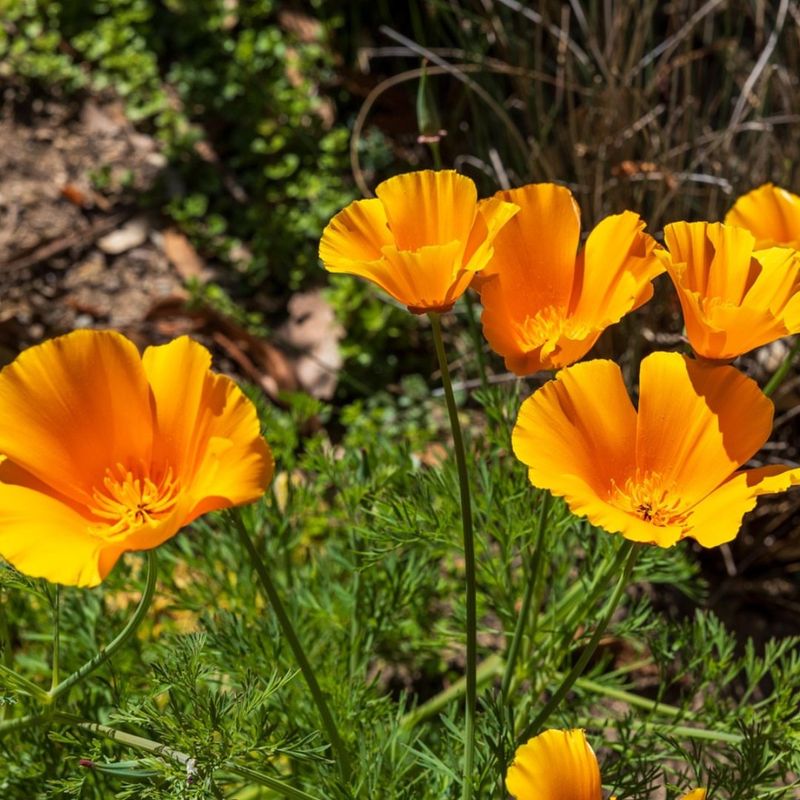
California Poppy doesn’t need California soil to put on a show.
Eschscholzia californica seeds scattered across sandy, unimproved Arizona ground in fall will germinate on their own schedule and produce cups of orange, yellow, or cream flowers by late winter and early spring.
Sandy, nutrient-poor soil is genuinely where this poppy thrives. Rich, amended beds cause too much leafy growth and fewer blooms — the plant responds to lean conditions by flowering harder, almost as if it’s making seeds before things get worse.
That survival instinct works perfectly in Arizona’s dry, gritty landscapes.
Sow seeds directly where you want them to grow. California Poppy doesn’t transplant well because it develops a taproot early and resents being moved.
Scatter seeds after the first fall rains or in early spring, press them lightly into the soil surface, and let rain or a light watering do the rest. Germination usually happens within two to three weeks when soil temperatures are cool.
Plants complete their cycle and scatter seeds before summer heat arrives, then go dormant. In many Arizona gardens, they return the following year from dropped seed without any replanting.
Bloom colors can shift slightly in subsequent generations, which adds some pleasant unpredictability to a planting over time.
For a quick, easy splash of spring color in Arizona, California Poppy delivers without asking for anything in return.
7. Verbena Keeps Flowering Even In Dry, Lean Conditions
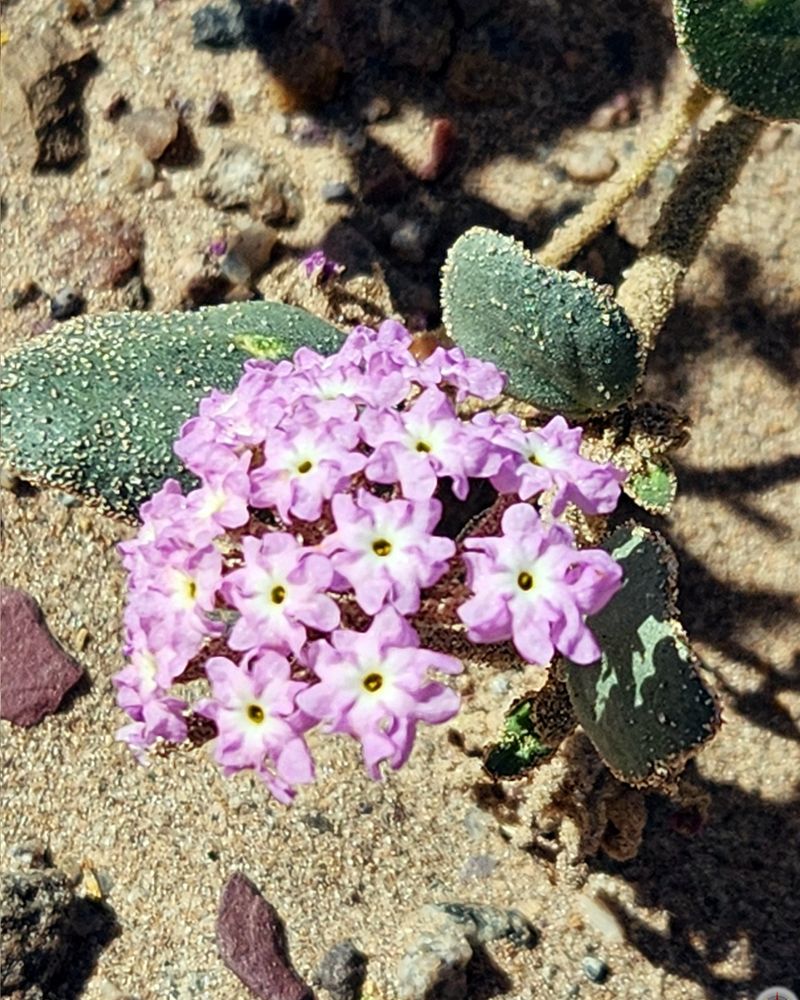
Arizona native Verbena gooddingii spreads low across dry, rocky ground and pushes out clusters of lavender-purple flowers from late winter all the way through fall. Few plants in the state cover as much ground with as little water and zero soil preparation.
Unlike the annual verbena sold at most garden centers, native Arizona verbena species are perennials adapted to the state’s specific heat and drought patterns.
They spread by rooting where stems touch the soil, gradually filling in gaps between rocks or along dry slopes.
Gravel mulch suits them well — it keeps roots cool without holding moisture that could cause problems.
Bloom production stays consistent even when soil is bone dry and temperatures push past 100 degrees. Pollinators — particularly butterflies and native bees — visit the flowers regularly during the warmer months.
That steady activity makes verbena a useful plant in any Arizona garden trying to support local wildlife without a complicated planting scheme.
Cut stems back by about half after the heaviest spring bloom to encourage fresh growth and continued flowering. Without any pruning, plants get a bit rangy but keep producing flowers at the tips.
Either approach works depending on how tidy you want your beds to look.
Sandy washes, gravel gardens, and rocky slopes across Arizona are natural fits. Give it space to spread and it will reward you with months of color.
8. Zinnia Grows Easily In Average To Poor Soil With Little Effort
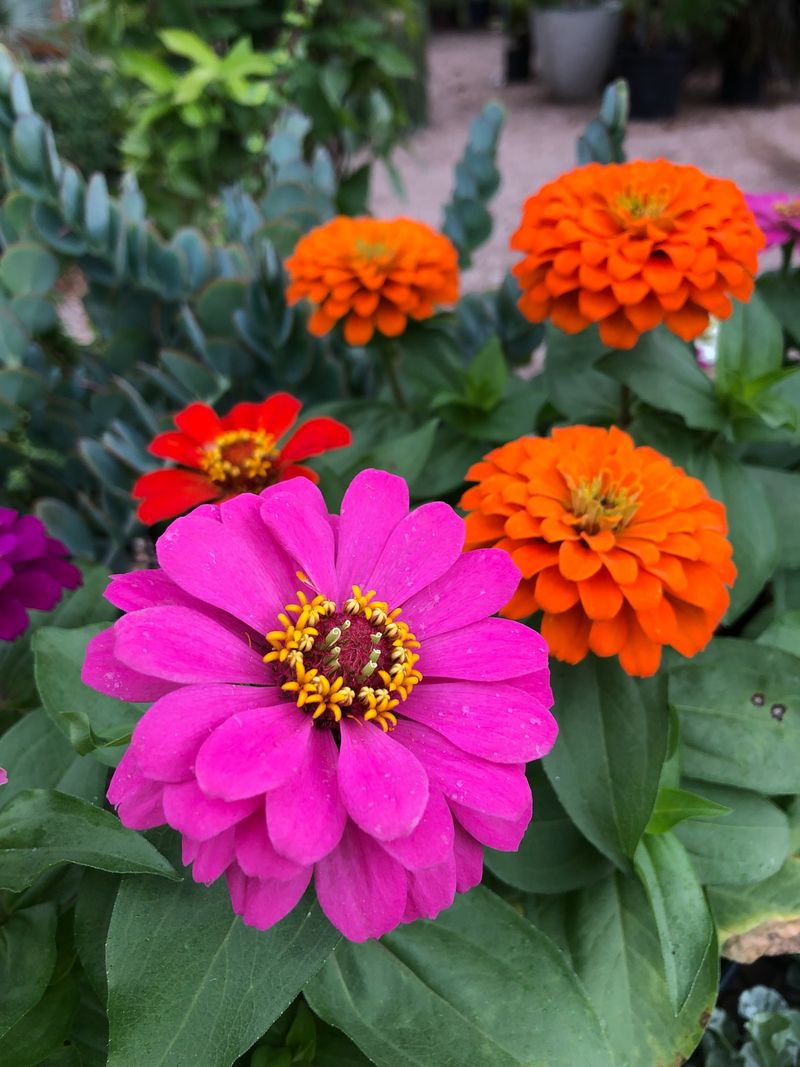
Zinnias are proof that you don’t need a perfect garden to grow something worth looking at.
Direct-seed them into average Arizona ground after the last frost threat passes — typically late March to April at lower elevations — and they’ll push up fast and start blooming within six to eight weeks.
Heavily amended soil isn’t necessary. Zinnias originated in dry Mexican highlands and handle heat, lean soil, and limited water better than most annual flowers.
In Arizona summers, they actually prefer the heat, putting on their strongest growth when temperatures climb into the 90s and above.
Powdery mildew can show up late in the season, especially when humidity rises during Arizona’s monsoon period. Spacing plants about a foot apart and watering at the base rather than overhead helps reduce that issue without chemical treatments.
Choosing mildew-resistant varieties like Profusion or Zahara adds another layer of protection.
Deadhead regularly to keep plants producing new buds through the season. Even a quick pass through the bed every week or two makes a noticeable difference in how long plants stay productive.
Without deadheading, flowering slows down as plants shift energy toward seed production.
Colors range from white and soft yellow to deep red and orange, making it easy to customize a planting for any Arizona yard. For summer color with minimal investment, zinnias remain one of the most reliable choices available.