These 9 Flowers Have Survived Millions Of Years And They Still Thrive In Oregon
Some flowers are more than just pretty. They’re ancient survivors.
We’re talking about plants that were growing when dinosaurs still ruled the planet. And yes, many of them still grow happily right here in Oregon. Pretty cool, right?
These tough blooms have seen ice ages, floods, heat waves, and everything in between. Yet they keep coming back stronger than ever.
That makes them perfect for gardeners who want beauty without constant babysitting. Below you’ll find some flowers with serious staying power.
Think bold color, strong roots, and plants that simply refuse to quit.
1. Western Trillium (Trillium ovatum)
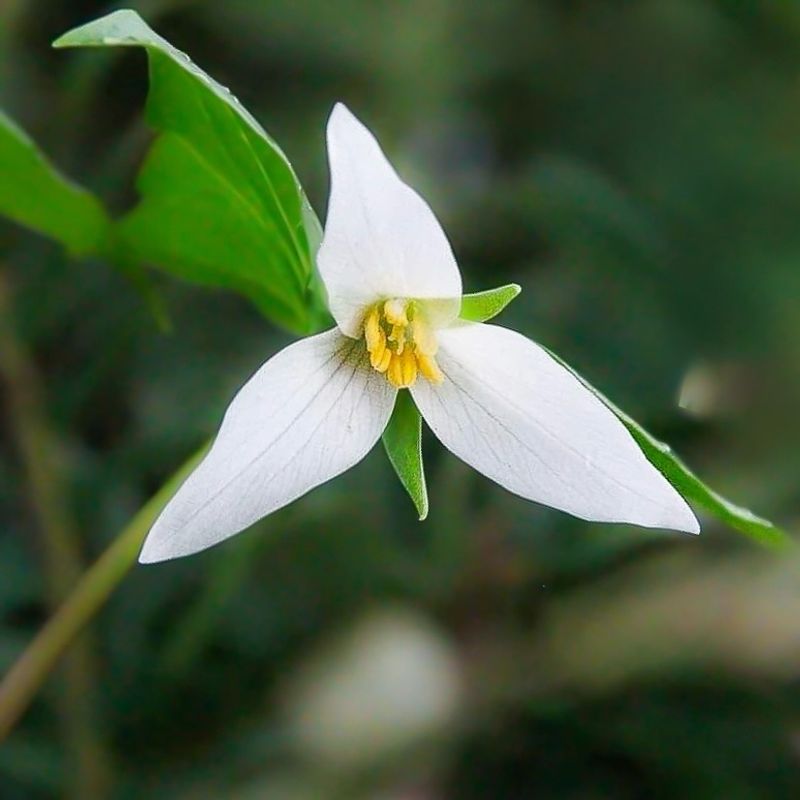
Early spring in an Oregon forest brings a special kind of quiet magic. Sunlight filters through bare branches overhead, and there, pushing up through damp leaf litter, you spot clusters of three-petaled white blooms balanced on single stems.
Each flower sits like a small constellation of threes, three petals, three leaves, three sepals, a signature so consistent it feels almost mathematical.
Western Trillium belongs to one of the oldest lineages of flowering plants still with us. Trilliums evolved tens of millions of years ago, part of the early monocot radiation that gave us lilies, orchids, and grasses.
Their three-part symmetry is a hallmark of ancient design, refined and unchanged because it works beautifully.
You’ll find them carpeting the understory of Douglas-fir and western red cedar forests from the Coast Range to the Cascades. They bloom from March through May, often before the canopy fully leafs out.
Ants are their primary seed dispersers, attracted to fatty appendages on the seeds.
What strikes me most is their patience. Each plant can take seven years or more to bloom from seed.
They’re not in a hurry. Standing among a hillside of trilliums, you’re witnessing a rhythm that predates our entire human story, slow, steady, and deeply rooted in Oregon’s forested past.
2. Yellow Pond-Lily (Nuphar polysepala)
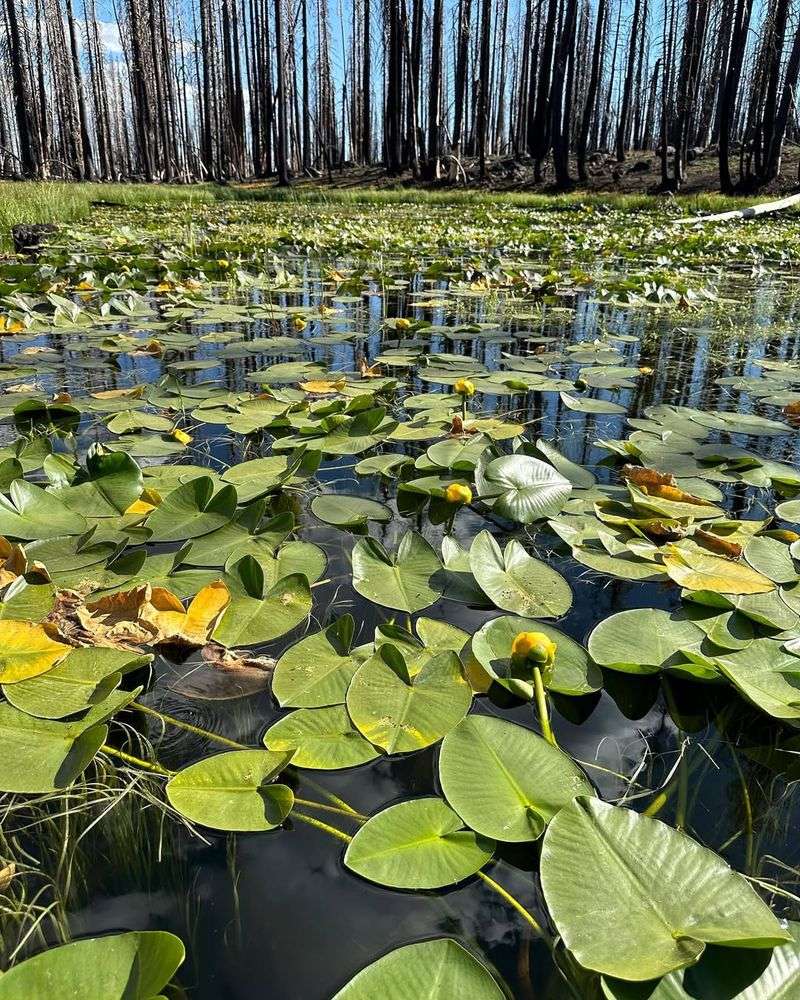
Picture a still mountain pond on a June morning, mist rising off the water’s surface. Floating among broad, heart-shaped leaves, you see waxy yellow blooms, round, cupped, almost glowing in the early light.
The air smells faintly sweet, with a hint of something fermented, like old fruit or bourbon.
Yellow Pond-Lily is a member of the water lily family, one of the most ancient groups of flowering plants on Earth.
Genetic studies place water lilies near the very base of the angiosperm family tree, meaning they represent some of the earliest experiments in flower evolution, possibly 130 million years old or more.
Their simple, bowl-shaped flowers may echo what the first blooms looked like.
In Oregon, you’ll find them in ponds, slow streams, and wetlands throughout the state, from low-elevation lakes to subalpine tarns. They bloom from late spring into summer.
Beetles are their main pollinators, crawling into the flowers and sometimes spending the night, warmed by the bloom’s slight heat.
Indigenous peoples across the Pacific Northwest harvested the starchy rhizomes and seeds for food.
When you see a pond dotted with these yellow spheres, you’re looking at a plant whose ancestors witnessed the age of dinosaurs, and whose presence still shapes Oregon’s aquatic ecosystems today.
3. Common Camas (Camassia quamash)
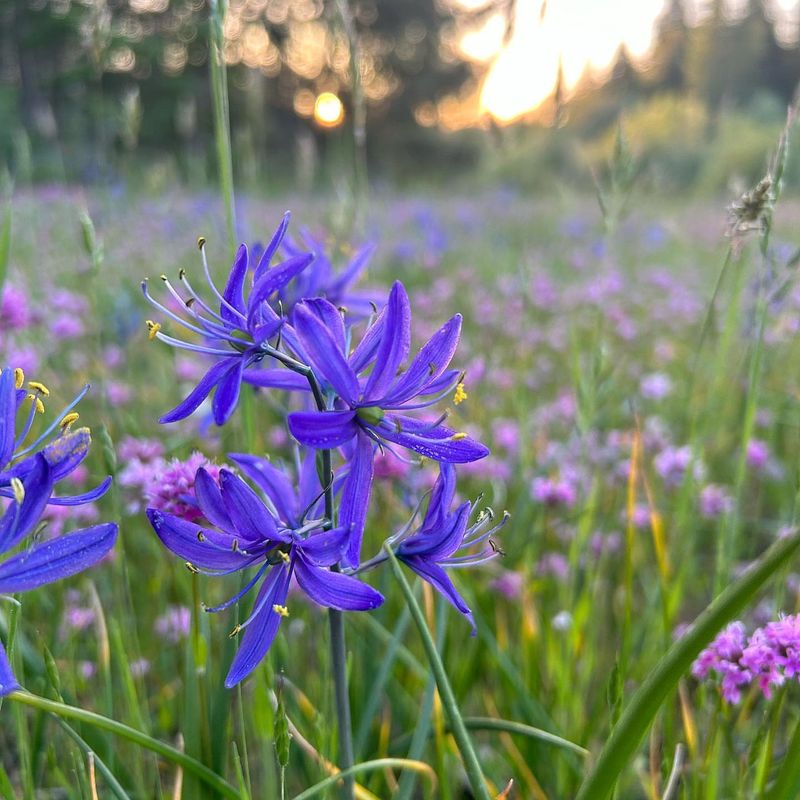
Late April in the Willamette Valley, and certain meadows turn an impossible shade of blue. From a distance, it looks like someone spilled the sky across the grass.
Up close, you see tall spikes crowded with star-shaped flowers, each one a deep violet-blue with delicate yellow stamens.
Common Camas is part of the asparagus family, but its roots run much deeper in time. The broader lily-like monocots, including camas, trace their origins back more than 100 million years.
These plants were here when Oregon’s landscape was a coastal plain along an ancient sea, long before the volcanoes rose.
Camas thrives in wet prairies and meadows that flood in winter and dry out by summer. You’ll find it from the coast to the eastern slopes of the Cascades.
It blooms from April into June, attracting native bees and bumblebees that work the flowers methodically, top to bottom.
For thousands of years, Indigenous communities across the Pacific Northwest cultivated and harvested camas bulbs, which were roasted in earth ovens and traded widely. The blue meadows you see today are partly the legacy of that stewardship.
Walking through a camas bloom, you’re standing in a landscape shaped by both deep time and human care, a living bridge between ancient evolution and cultural memory.
4. Columbia Tiger Lily (Lilium columbianum)
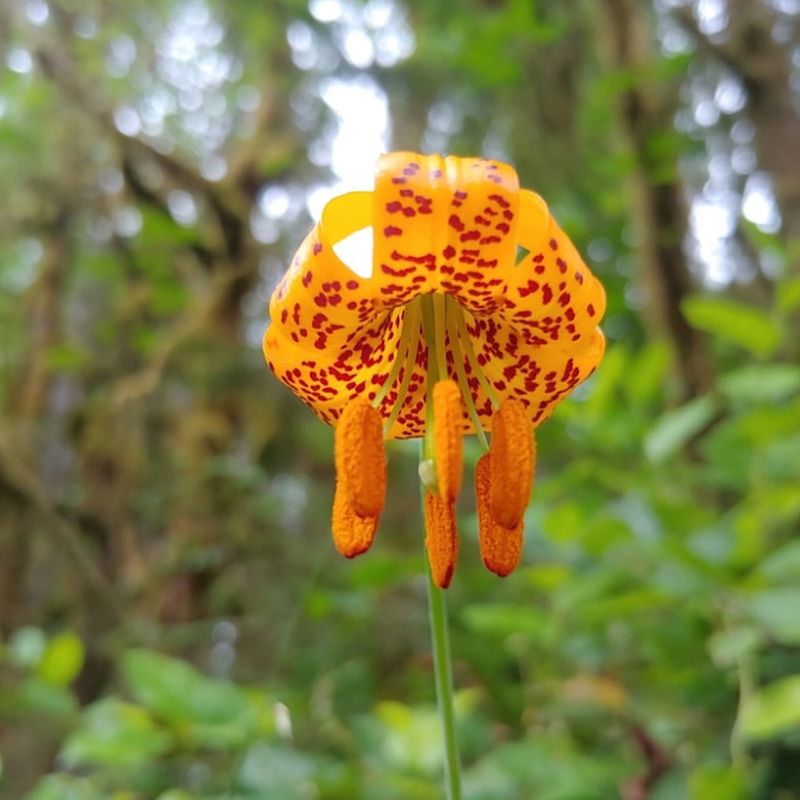
Mid-summer on a mountain trail, and suddenly you round a bend into a clearing dotted with tall, graceful stalks crowned by nodding orange flowers. Each bloom curls back on itself, petals swept upward like flames frozen mid-flicker, spotted heavily with maroon.
Hummingbirds dart between them, their wings a blur.
Columbia Tiger Lily is a true lily, part of a family that stretches back at least 50 million years. Lilies are deeply woven into the evolutionary fabric of flowering plants, and their showy, recurved petals represent millions of years of refinement in attracting pollinators.
Fossils of lily-like plants have been found across the Northern Hemisphere, showing how widespread and successful this lineage became.
In Oregon, you’ll encounter these beauties in forest openings, meadows, and along trails from sea level up into the mountains. They bloom from June through August, and both hummingbirds and swallowtail butterflies visit them eagerly.
The bulbs were traditionally harvested and eaten by Indigenous peoples, often steamed or roasted.
What I love most is their dramatic presence, tall, bold, unapologetically bright. They don’t hide.
Standing among a group of tiger lilies on a sunny July afternoon, you feel the weight of their lineage. These flowers have been turning heads for eons, and they’re still at it, right here in Oregon’s high country.
5. Oregon Iris (Iris tenax)
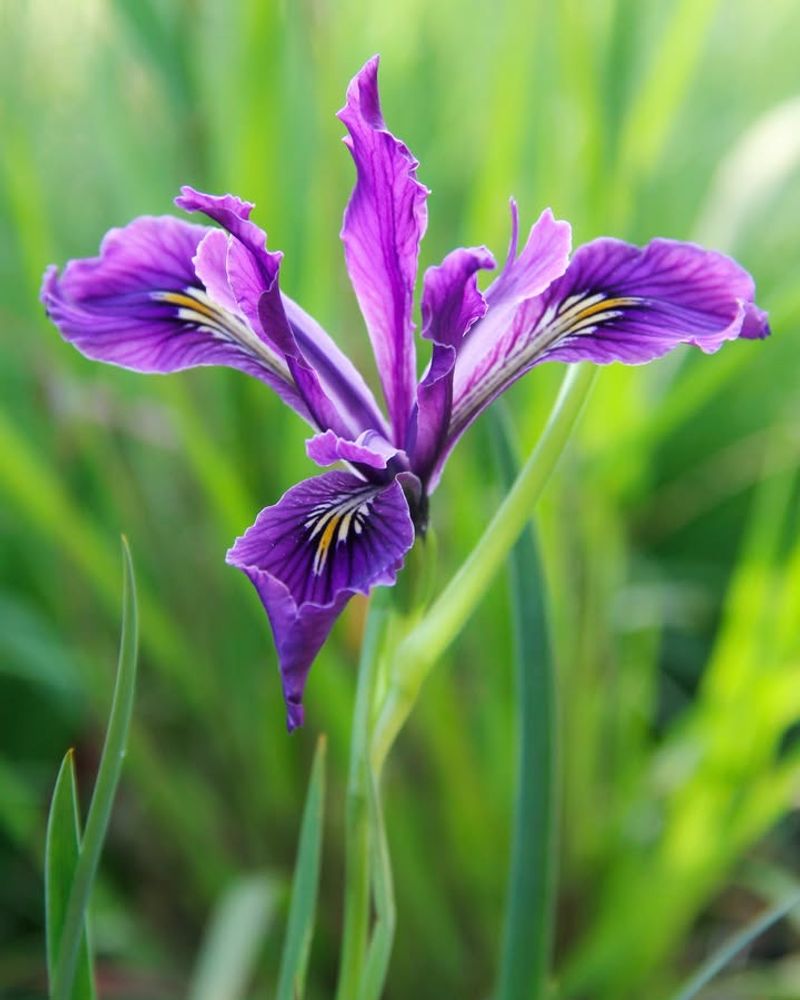
Spring arrives differently in Oregon’s oak savannas and grassy hillsides. Among the new green, low clumps of narrow leaves send up delicate stalks topped with flowers in shades of deep purple, lavender, or occasionally cream.
The petals are soft and ruffled, veined with darker lines that guide pollinators inward like landing strips.
Irises are ancient. The iris family appeared at least 60 million years ago, and possibly earlier.
Their three-petaled structure and specialized pollination mechanisms place them among the early successes of flowering plant evolution. Fossilized iris-like pollen has been found in sediments spanning back through the Cenozoic Era, the age of mammals and modern ecosystems.
Oregon Iris favors open, well-drained sites, prairies, oak woodlands, and grassy slopes west of the Cascades. It blooms from April through June.
Native bees, especially bumblebees, are its main visitors, crawling into the flower’s throat to reach nectar and emerging dusted with pollen.
Settlers and Indigenous peoples both appreciated this iris for its beauty and utility; the tough leaves were used in basketry and cordage.
When you kneel beside a patch of Oregon Iris on a sunny May morning, you’re looking at a survivor, a lineage that weathered the shifting climates of the past 60 million years and found a home in the exact soils and seasons Oregon offers today.
6. Elegant Mariposa (Calochortus elegans)
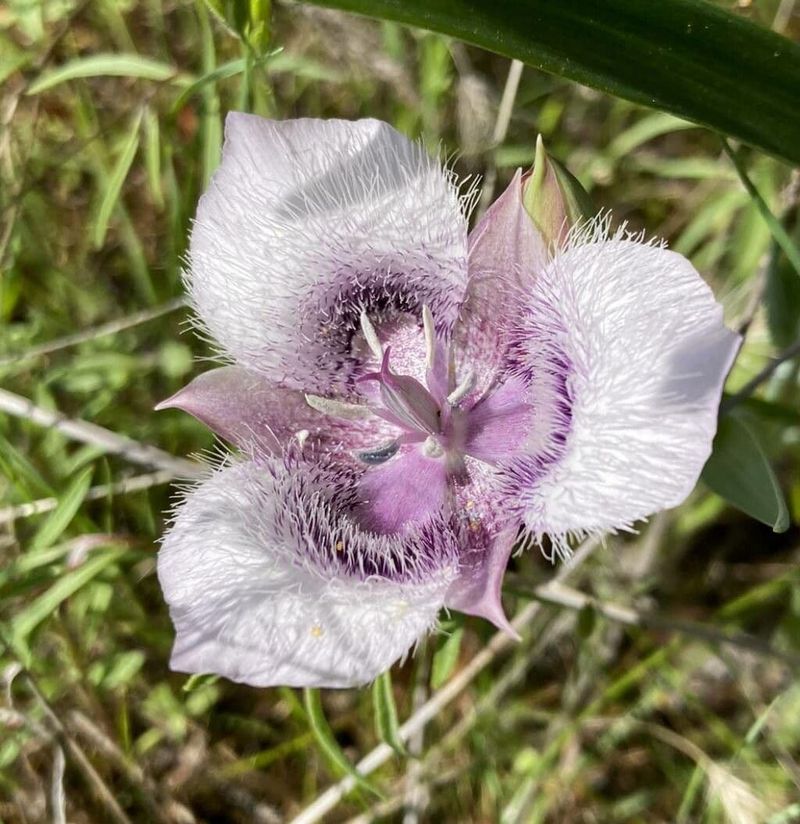
High in the Cascades, where the forest thins and meadows open to the sky, you might stumble on a flower that looks almost too delicate to be real.
A slender stem rises from dry, rocky soil, topped by a single tulip-shaped bloom, white or pale pink, with a greenish stripe down each petal’s back and a splash of purple at the base inside.
It’s small, unassuming, and utterly exquisite.
Mariposa lilies belong to the lily family, but they occupy a particularly ancient branch. The genus Calochortus likely diverged tens of millions of years ago, adapted to the dry summers and open habitats of western North America.
Their evolutionary strategy is patience and precision, blooming briefly, setting seed quickly, and retreating underground as bulbs until the next favorable season.
Elegant Mariposa grows in montane meadows, open slopes, and rocky areas, mostly in the Cascades and eastern Oregon. It blooms in late spring to early summer, often just as the snowmelt recedes.
Native bees visit the flowers, though the blooms are short-lived and easy to miss.
I’ve found them on dry ridges where nothing else seemed to be flowering yet, standing alone like tiny lanterns. They remind me that beauty doesn’t need to shout.
These flowers have survived millennia of droughts, fires, and freezes by being small, smart, and perfectly tuned to Oregon’s high-elevation rhythms.
7. Giant White Fawn-Lily (Erythronium oregonum)
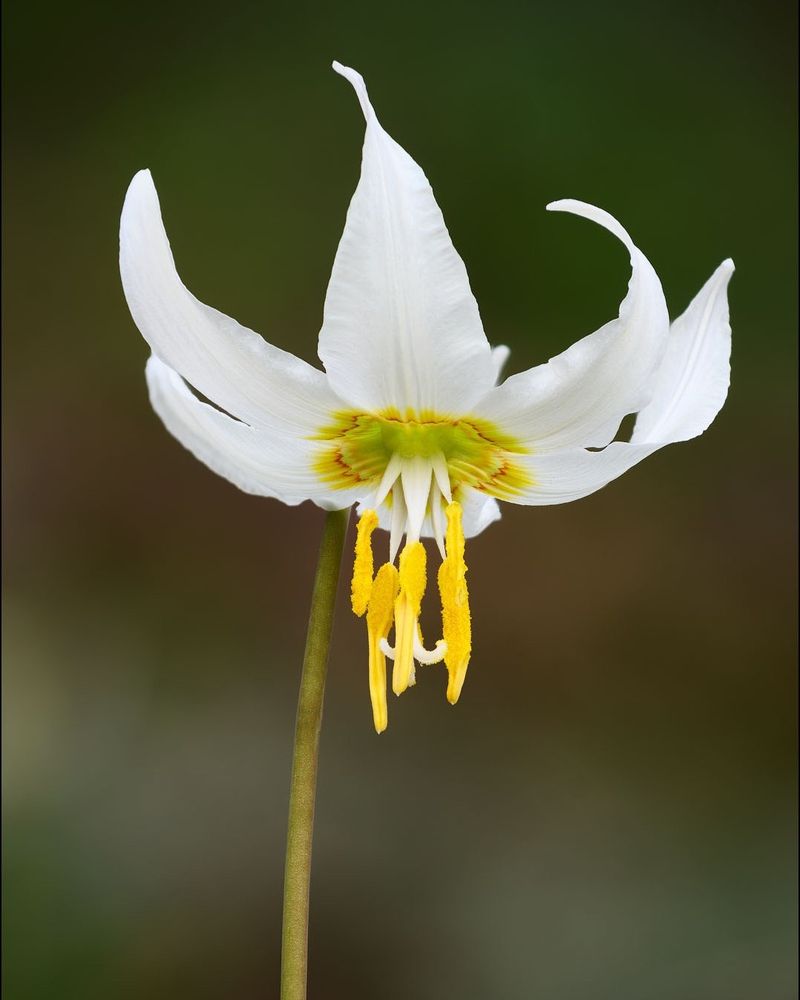
Walk through an oak woodland or conifer forest in early spring, and you might notice patches of mottled leaves spreading across the forest floor, green marbled with brown, like camouflage.
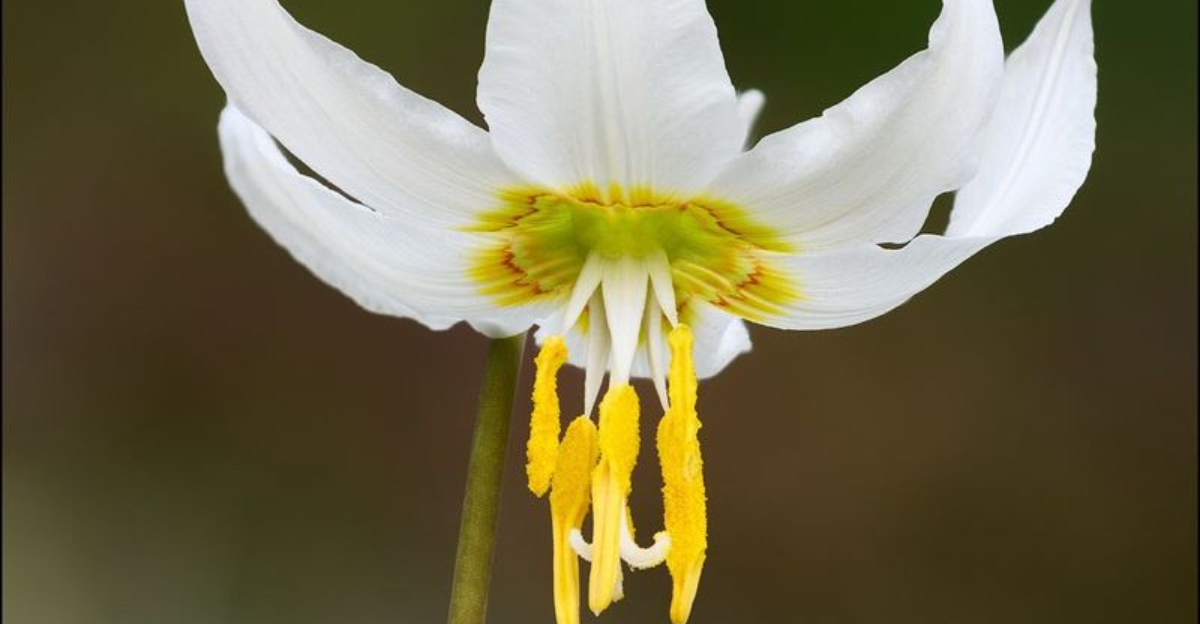
From the center of each pair of leaves rises a single nodding flower, white with a yellow throat, petals swept back like a shooting star.
Fawn-lilies, or trout lilies as they’re sometimes called, are members of the lily family and have been around for millions of years.
Their corm-based life cycle and early spring blooming strategy are ancient adaptations, allowing them to capture sunlight and complete their growth before the forest canopy closes in.
Fossilized lily relatives from similar lineages date back more than 50 million years.
Giant White Fawn-Lily is widespread in Oregon’s western forests, from the Coast Range through the Willamette Valley and into the Cascades. It blooms from March through May.
Bumblebees and native bees visit the flowers, and ants help disperse the seeds.
What strikes me is their timing. They appear, bloom, set seed, and vanish, all within a few short weeks.
By summer, there’s no trace of them above ground. It’s a strategy honed over eons, a quiet mastery of the forest’s seasonal rhythms.
When you spot a fawn-lily, you’re witnessing a performance millions of years in the making, perfected right here in Oregon’s spring woodlands.
8. Brodiaea (Brodiaea elegans)
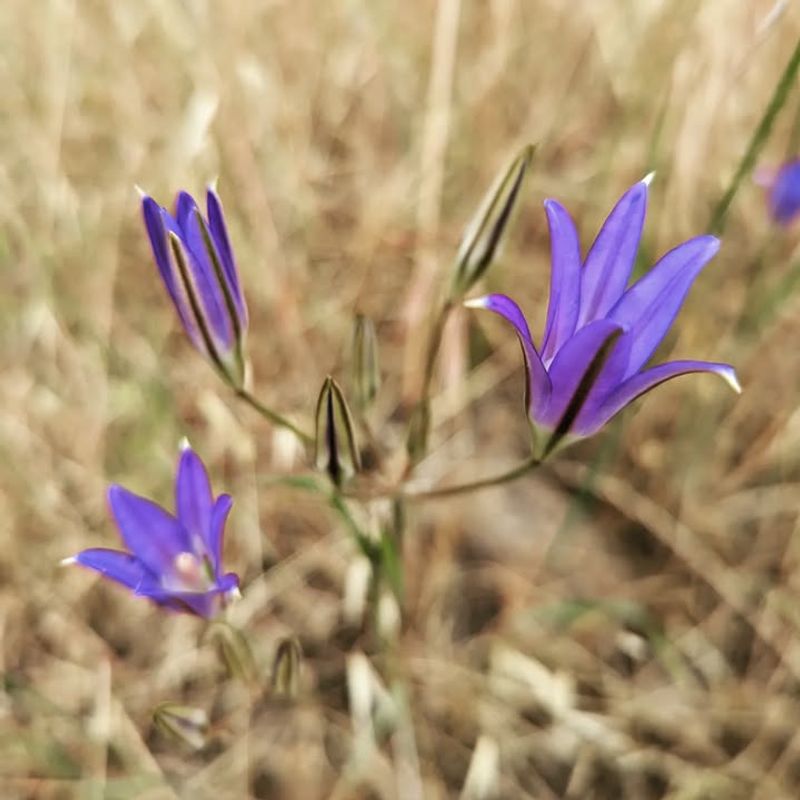
Late spring in a dry meadow east of the Cascades, and the grass is already turning golden.
But scattered across the hillside, you see clusters of purple-blue flowers on slender, leafless stalks, each bloom a small funnel of six petals, grouped together like tiny bouquets held up to the sun.
The air is warm, and the ground beneath your boots is already cracking with dryness.
Brodiaea is part of the asparagus family, related to onions and lilies, but its lineage is distinctly western and ancient. These plants evolved in the seasonal Mediterranean climates of western North America, adapting to wet winters and bone-dry summers.
Their corms lie dormant underground for months, waiting for the right signals to emerge and bloom, a survival strategy refined over millions of years.
Harvest Brodiaea thrives in open grasslands, oak savannas, and rocky slopes, mostly in southern and eastern Oregon. It blooms from May into July, just before the summer heat fully sets in.
Native bees and butterflies visit the flowers, working quickly before the blooms fade.
I’ve seen them dotting roadsides and forgotten fields, blooming in places that look too harsh to support much life. But that’s their genius.
They time their appearance perfectly, make the most of a narrow window, and then disappear. It’s a strategy as old as Oregon’s dry side itself, patient, precise, and perfectly evolved for this exact landscape.
9. Salmonberry (Rubus spectabilis)
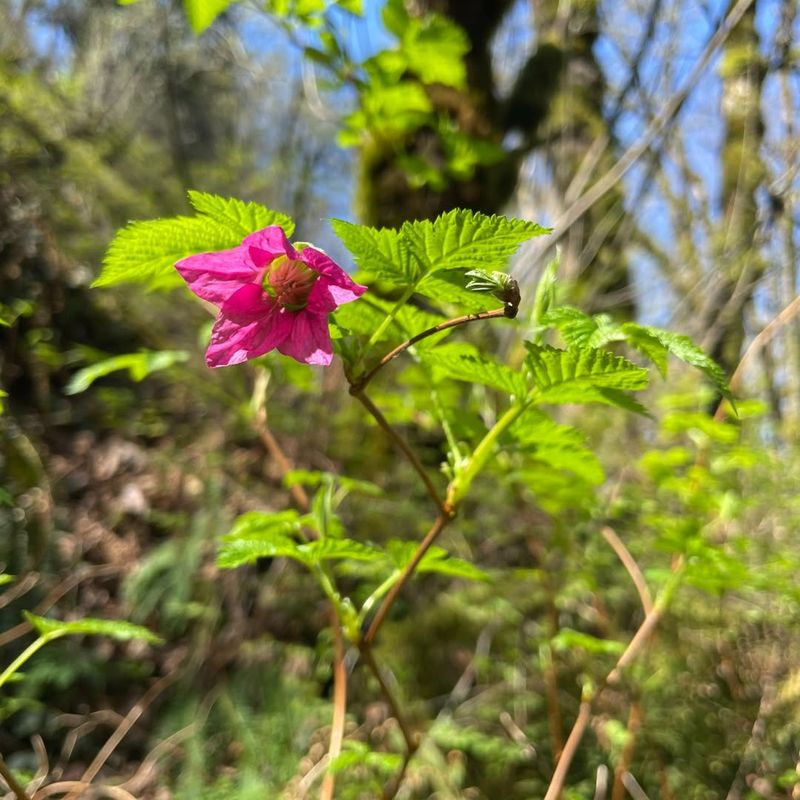
Walk along a shaded stream or coastal trail in early spring, and you’ll notice thickets of arching canes covered in bright pink flowers. Each bloom is simple, five petals, a crown of yellow stamens, but they stand out vividly against the green understory.
By summer, those flowers will become soft, orange-red berries that taste faintly of melon and nostalgia.
Salmonberry is a member of the rose family, one of the most successful and ancient plant families on Earth. Roses, brambles, and their relatives have been around for at least 100 million years, evolving alongside early mammals and birds.
The family’s flexible growth habits and edible fruits made them key players in shaping ecosystems across the Northern Hemisphere.
In Oregon, Salmonberry dominates wet, shaded areas, streambanks, coastal forests, and moist lowland woods. It blooms from March through June.
Bumblebees and hummingbirds both visit the flowers, and the berries are eaten by birds, bears, and people alike. Indigenous communities harvested the young shoots as a spring vegetable and valued the berries for fresh eating and preserving.
I remember picking salmonberries as a kid, the way the ripe ones would come apart in your fingers if you weren’t careful. They’re not flashy or dramatic, but they’re woven into the fabric of Oregon’s wet forests.
Their lineage stretches back through the age of flowering plants, and their presence still marks the rhythm of spring along every shaded creek and coastal trail in the state.