These 7 Flowers Should Be Started In March For Early Oregon Color
By the time March rolls around in Oregon, most gardeners are more than ready to shake off winter.
The ground is damp, the air is cool, and those brief sunny breaks feel like an open invitation to start planting. If your yard is still looking sleepy, now is the perfect chance to wake it up with early blooms.
Not every flower is eager to brave chilly nights, but some are tough enough to handle Oregon’s unpredictable spring.
Getting them started this month means you will see color sooner and enjoy a longer display as temperatures gradually warm.
Many early starters actually thrive in cool soil, putting down strong roots before summer heat ever becomes a factor.
March planting also helps you stay ahead of the rush. Garden centers are stocked, seed selections are plentiful, and you have time to plan thoughtfully instead of scrambling later in the season.
With the right choices, you can layer textures and shades that carry your garden beautifully into late spring.
A little effort now pays off in a big way. Tuck the right varieties into garden beds or containers, and you will have bright, cheerful blossoms popping up just when you need them most, turning gray days into something worth stepping outside for.
1. Pansies
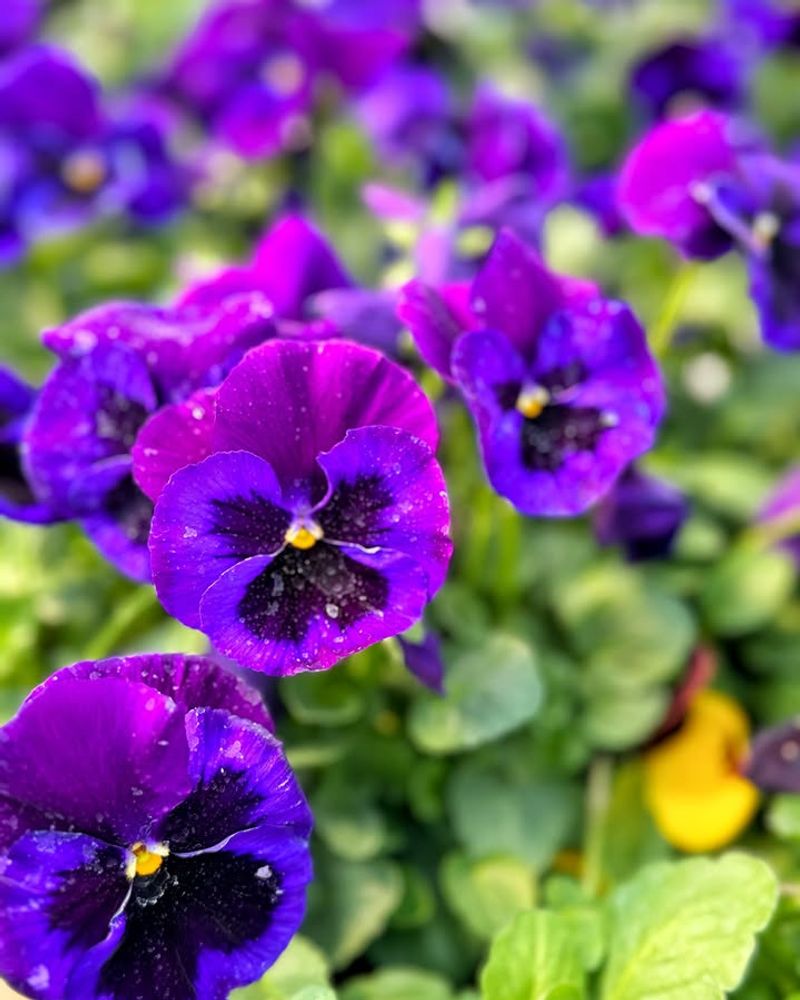
Few flowers are as cheerful and cold-tough as pansies. They have been a favorite in Oregon gardens for generations, and for good reason.
Start pansy seeds indoors in March, about eight weeks before your last expected frost, and you will have sturdy transplants ready to go outside in April.
Pansies actually prefer cool weather, making them a perfect match for Oregon’s chilly spring mornings.
They can handle a light frost without much trouble, which means you can get color in your beds earlier than almost any other flower. Plant them in a spot that gets morning sun and some afternoon shade for the best blooms.
Water them regularly but do not let the roots sit in soggy soil. Feed them with a balanced fertilizer every two weeks to keep the flowers coming.
Deadhead spent blooms to encourage more flowers throughout the season. Pansies come in nearly every color imaginable, from deep purple to bright yellow, and they look stunning in both garden beds and containers.
Oregon gardeners love mixing multiple colors together for a bold, eye-catching display that lasts from early spring well into summer.
2. Snapdragons
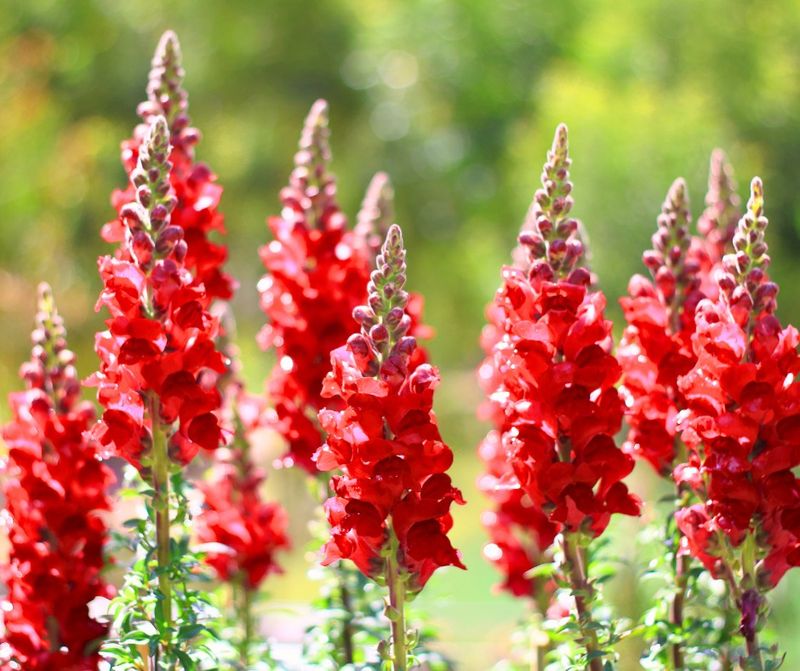
Snapdragons have a magical quality that kids and adults both love. Squeeze the sides of a bloom and it opens like a little mouth, which is exactly how they got their name.
Beyond the fun factor, these flowers are workhorses in the garden, producing tall, colorful spikes that add serious drama to any yard in Oregon.
Start snapdragon seeds indoors in March under grow lights or near a bright window. They need light to germinate, so press the seeds gently onto moist seed-starting mix without covering them.
Germination usually takes about two weeks. Once seedlings are a few inches tall, pinch the tops to encourage bushy, branching growth.
Snapdragons thrive in the cooler temperatures that Oregon spring delivers so reliably. They actually slow down in the heat of summer, then often bounce back beautifully in fall when temperatures drop again.
Plant them in full sun with well-draining soil. They pair beautifully with pansies and alyssum for a layered, cottage-garden look.
Available in almost every color, snapdragons are a must-start in March for any Oregon gardener who wants early, long-lasting color from spring all the way into late autumn.
3. Zinnias
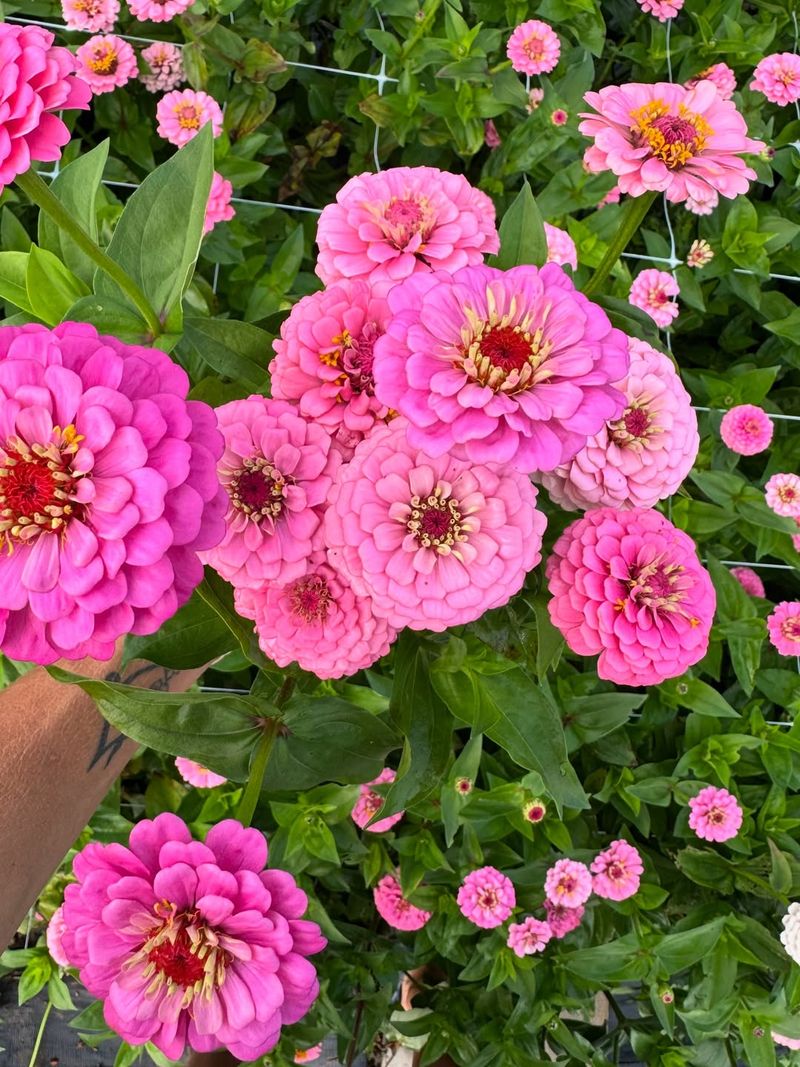
Zinnias are the party guests of the flower world. They show up bold, colorful, and ready to make an impression.
While they are warm-season flowers that cannot go outside until frost danger has passed, starting them indoors in Oregon in March means you will have big, blooming plants ready to transplant the moment conditions are right.
Sow zinnia seeds in individual peat pots or biodegradable cells in mid to late March. Zinnias do not love having their roots disturbed, so using containers you can plant directly in the ground is a smart move.
They germinate quickly, usually within five to seven days, and grow fast once they get going.
Place transplants outside in a sunny spot after your last frost date, which varies across Oregon from late April in the Willamette Valley to late May in higher elevations.
Zinnias love heat and full sun, and they will reward you with non-stop blooms from early summer through fall.
They also attract butterflies and hummingbirds, which is a bonus for any Oregon garden. Deadhead regularly to keep the color coming strong all season long.
4. Bachelor’s Buttons
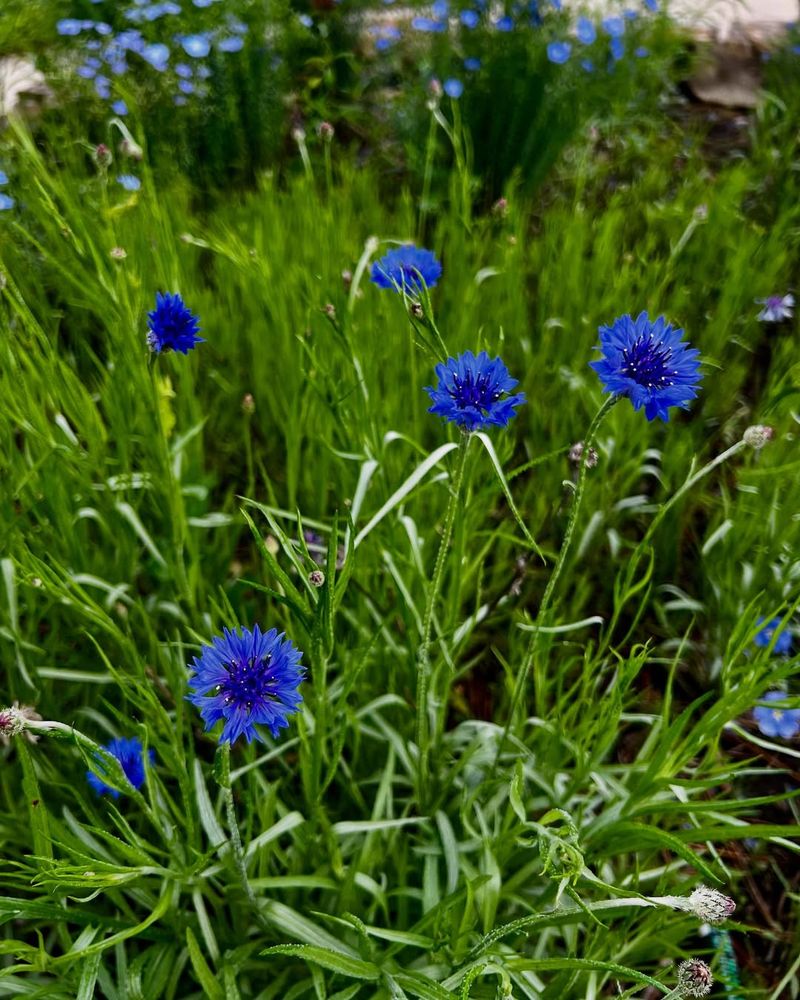
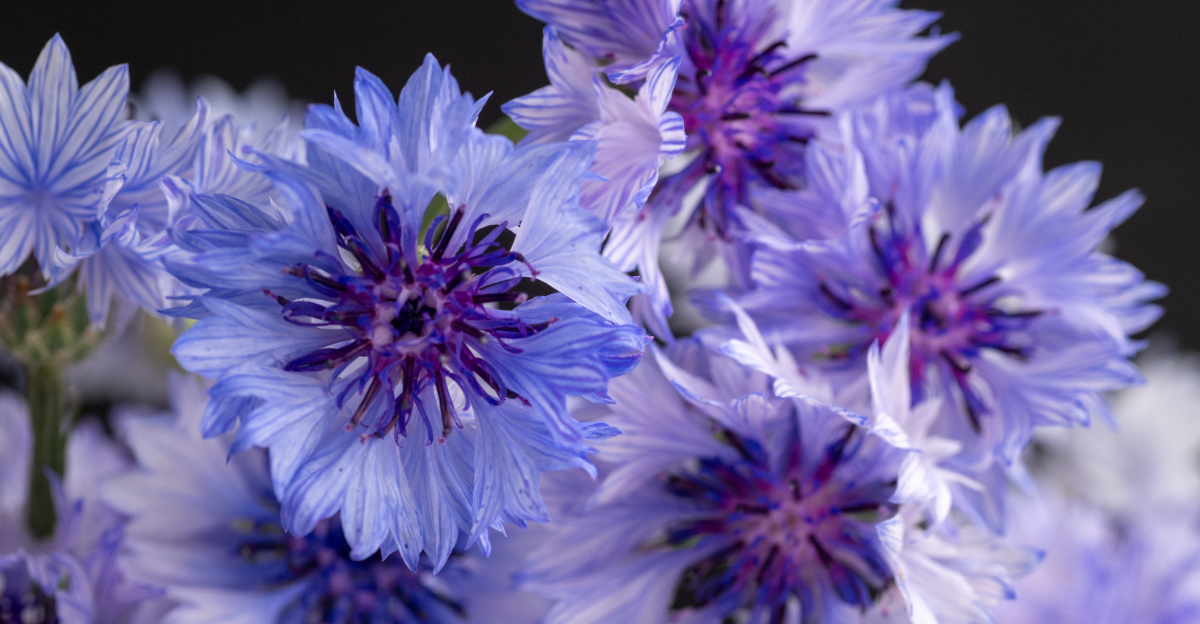
There is something wonderfully old-fashioned about bachelor’s buttons. Also called cornflowers, these bright blue, purple, pink, or white blooms have been grown in American gardens for centuries.
They are easy to grow, incredibly charming, and surprisingly cold-hardy, which makes them a fantastic choice for Oregon’s variable spring weather.
Start bachelor’s button seeds indoors in early March, about four to six weeks before your last frost. They can also be direct-sown outdoors once the soil can be worked, but starting them inside gives you a noticeable head start on blooms.
Transplant seedlings carefully, as they have somewhat delicate roots.
Once established in the garden, bachelor’s buttons are low-maintenance and drought-tolerant, which is great news for Oregon gardeners during drier summer stretches. They prefer full sun and well-drained soil.
The vivid blue varieties, like ‘Blue Boy,’ are especially striking against other spring flowers. Bachelor’s buttons also make excellent cut flowers and last well in a vase.
They reseed readily, meaning once you plant them in your Oregon garden, they may come back on their own year after year, spreading cheerful color with very little effort on your part.
5. Sunflowers
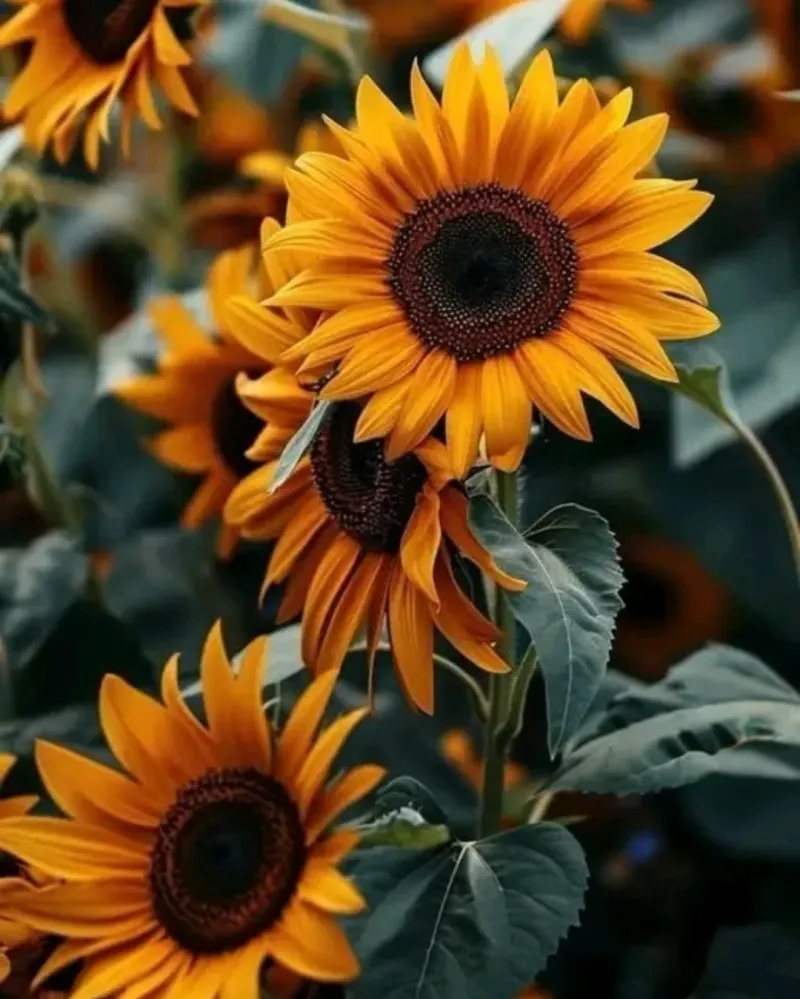
Starting sunflowers in March indoors might seem early, but in Oregon’s cooler climate, it gives these sun-loving giants the warm head start they need. Sunflowers are typically direct-sown outdoors, but starting them inside in late March in biodegradable pots can push blooming forward by several weeks, which is a big deal in regions with shorter warm seasons.
Use deep containers because sunflower roots grow long quickly. Sow one seed per pot about an inch deep and keep the soil warm.
Sunflowers germinate best at around 70 to 75 degrees Fahrenheit. Place them near the sunniest window you have or under grow lights for the best results.
Transplant them outdoors after the last frost has passed in your part of Oregon. They need full sun and well-drained soil, and they are not picky about soil quality as long as drainage is good.
Tall varieties like ‘Mammoth’ can reach ten feet or more, while dwarf types like ‘Teddy Bear’ work great in smaller spaces or containers.
Sunflowers attract pollinators, birds love the seeds in fall, and they make anyone walking past your Oregon yard stop and smile. They are a true garden classic.
6. Alyssum
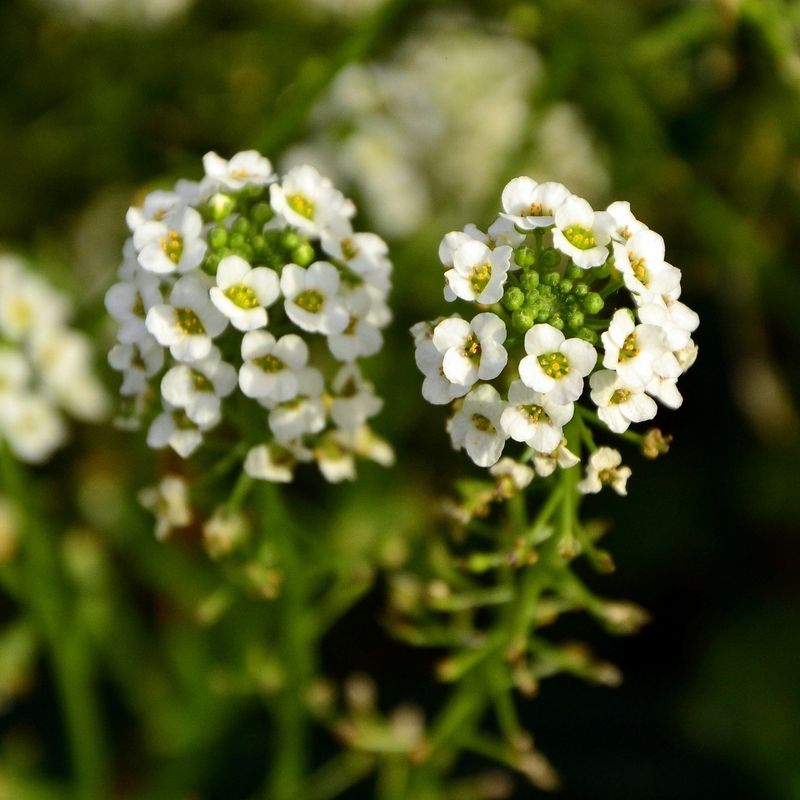
Sweet alyssum is one of those plants that looks delicate but is surprisingly tough. It produces tiny clusters of flowers in white, pink, or purple that carry a honey-like fragrance strong enough to notice from several feet away.
Starting alyssum seeds in March gives Oregon gardeners an early-blooming, fragrant ground cover that fills in spaces beautifully.
Sow seeds indoors in late March in shallow trays. Like pansies, alyssum seeds need light to germinate, so just press them onto the surface of moist seed-starting mix.
They sprout within seven to ten days and grow quickly. Harden off transplants carefully before moving them outside.
Alyssum is perfect for edging garden beds, filling containers, or tucking into rock gardens, which are popular in many parts of Oregon. It tolerates light frost and actually prefers cooler temperatures, making it ideal for Oregon’s spring climate.
Plant it in full sun to partial shade with decent drainage. When blooming slows in summer heat, shear the plant back by about one-third and it will rebound with fresh flowers in cooler fall weather.
Alyssum also attracts beneficial insects like hoverflies that help protect your other garden plants naturally.
7. Creeping Phlox
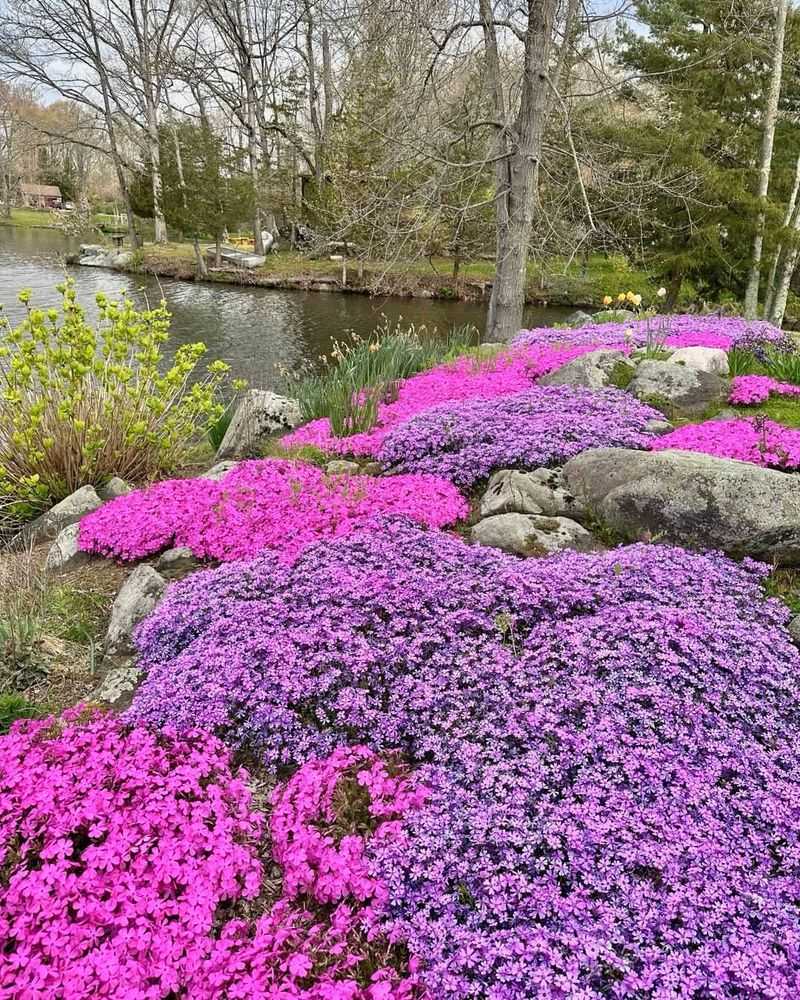
Walk through any Oregon neighborhood in early spring and you might spot a hillside or rock wall completely covered in a carpet of pink, purple, or white flowers. That is creeping phlox doing what it does best.
This low-growing perennial is a showstopper, and starting it from seed in March means you can have it blooming in your own yard sooner than you might expect.
Creeping phlox seeds benefit from cold stratification before planting, so place them in a damp paper towel inside a sealed bag in the refrigerator for about four weeks before your March start date.
Then sow them indoors under lights. Germination can be slow and uneven, so patience is key.
Once established, creeping phlox is an extremely low-maintenance plant. It spreads gradually each year, forming a thicker mat of color over time.
It grows well in rocky or sloped areas where other plants struggle, which makes it especially useful across Oregon’s varied terrain, from coastal cliffs to high desert edges. Plant it in full sun with excellent drainage.
After blooming, trim it back lightly to keep it tidy and encourage healthy new growth. Creeping phlox is truly one of Oregon’s most rewarding spring flowers.