These Flowers Thrive In Georgia Heat With Minimal Watering
Some flowers look great in spring and then quietly give up once the Georgia heat settles in, and that is where the right choices make all the difference.
When temperatures stay high and rain becomes hit or miss, certain flowers keep going without needing constant attention or extra watering.
These are the ones that hold their color, stay healthy, and keep blooming even when the rest of the garden starts to struggle. Instead of watching plants fade halfway through the season, you get steady, reliable performance right through the hottest months.
It is not about watering more or doing extra work, it is about planting flowers that are naturally built to handle these conditions.
Once they are established, they take the pressure off and keep the garden looking alive and full without constant effort, which is exactly what most Georgia gardeners are after.
1. Coneflower Handles Heat And Keeps Blooming Through Summer
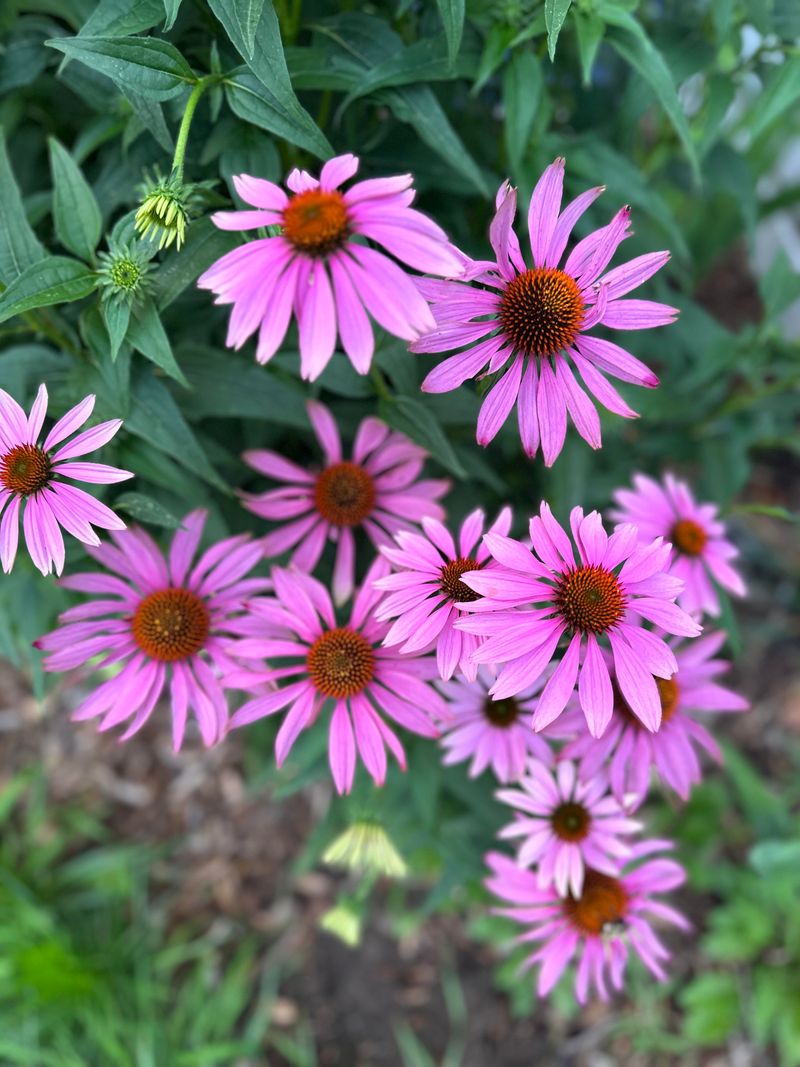
Walk past a coneflower patch in July and you will wonder why anyone plants anything else. These tough, daisy-shaped blooms in shades of purple, pink, and white just keep going when other flowers look worn out from the heat.
Coneflowers grow well in Georgia’s red clay soil as long as there is decent drainage. You do not need to amend the soil heavily or fuss over them.
Plant them in a sunny spot, water them during the first few weeks, and then mostly leave them alone.
By midsummer, they are pulling in bees, butterflies, and goldfinches without any extra effort from you. Deadheading spent blooms can push more flowers out, but honestly, even if you skip that step, they keep producing.
One thing Georgia gardeners appreciate is how coneflowers handle dry stretches without sulking. A week or two without rain barely phases them.
Their deep root systems reach moisture that shallower-rooted plants simply cannot access.
Come fall, leave the seed heads standing. Birds will pick them clean through winter, and the plants will spread naturally on their own.
You could end up with a much bigger patch next year without planting a single extra seed. That kind of self-sufficiency is rare and genuinely satisfying.
Clumps can be divided every few years in early spring to keep plants vigorous and expand the patch naturally.
Good air circulation helps prevent mildew, so giving each plant enough space pays off during Georgia’s humid summer stretches.
2. Black Eyed Susan Thrives In Dry Soil And Full Sun
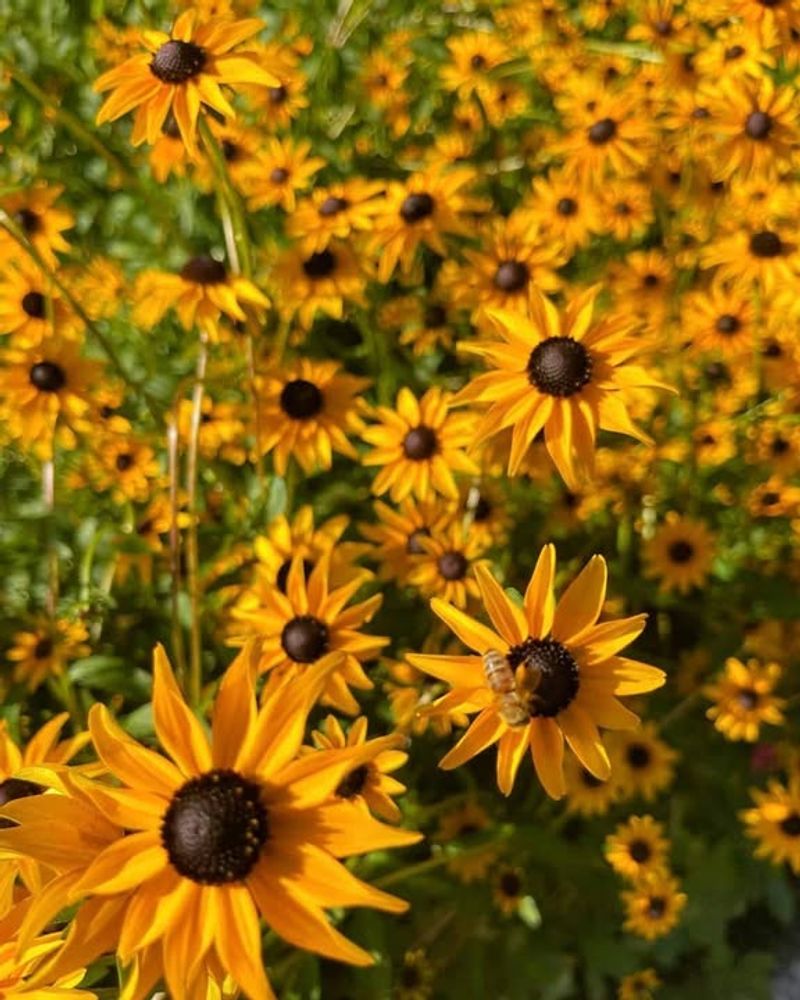
Few flowers look as cheerful under a blazing Georgia sky as Black-Eyed Susans. Those bold yellow petals around a dark chocolate center are almost impossible to miss, and they bloom from early summer straight into fall without much fuss.
Dry soil does not slow them down. In fact, overly rich or constantly moist soil can actually cause problems, encouraging weak stems and fewer blooms.
Sandy or average garden soil suits them just fine, which makes them practical for a wide range of Georgia yards.
Full sun is where they shine brightest. South-facing beds that cook all afternoon are perfect.
Partial shade is okay, but you will get leggier plants and fewer flowers if they do not get at least six solid hours of direct sunlight.
Watering is minimal after the first season. A good soak when you first plant them helps roots get established, but after that, rainfall usually handles things.
During an unusually dry stretch, one deep watering per week is more than enough.
Deadheading spent flowers encourages a longer bloom period, but it is completely optional. If you leave the seed heads, birds will visit regularly through late fall.
Black-Eyed Susans also self-seed freely, so expect new plants to pop up nearby each spring, slowly filling in bare spots across your garden bed.
Clumps can be thinned every few years to prevent overcrowding, which helps maintain strong stems and more consistent flowering.
3. Blanket Flower Blooms Nonstop Even In Hot Conditions
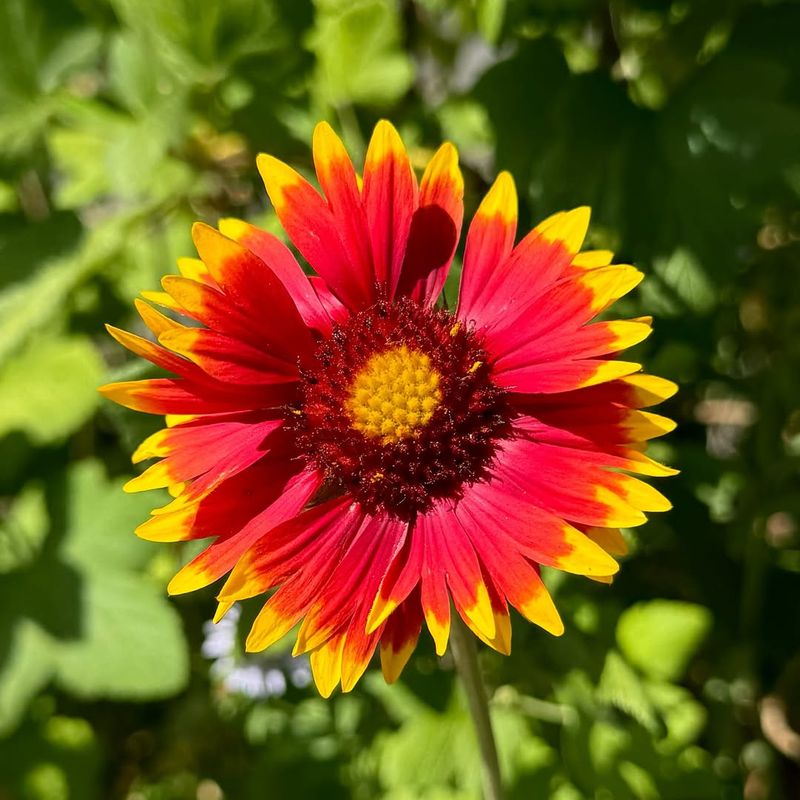
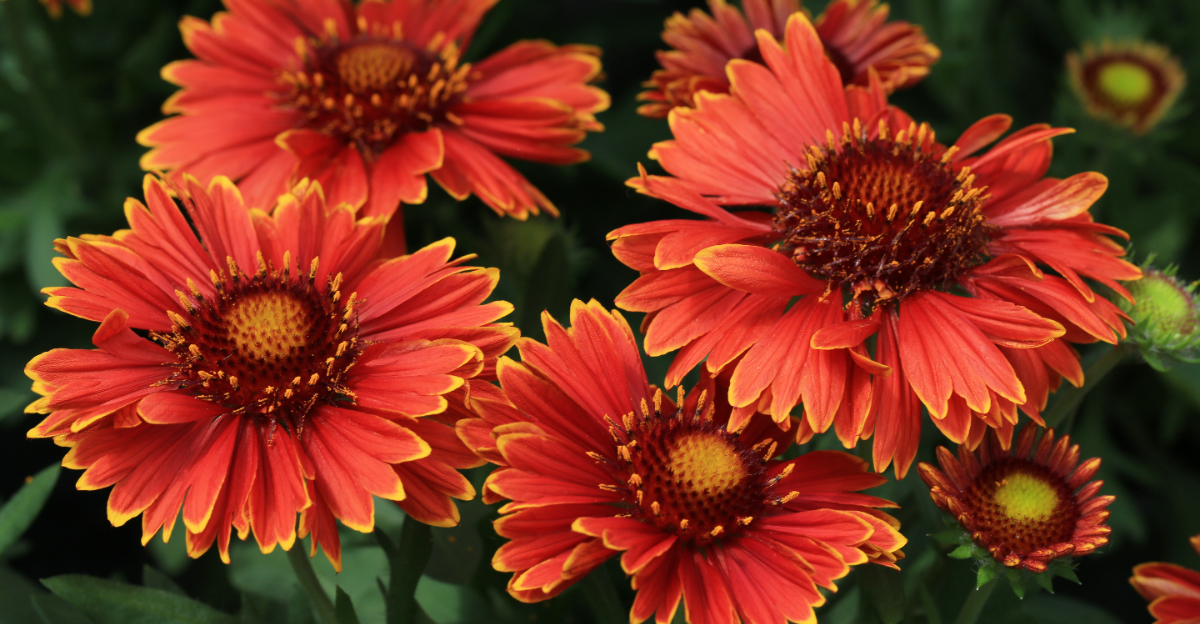
Blanket flower might be the most reliable bloomer in a Georgia summer garden. Red, orange, and yellow petals ringed together like a sunset just keep appearing from late spring all the way through the first cool snap of fall.
Heat does not slow it down even slightly. In fact, the hotter and drier things get, the more it seems to thrive.
Sandy or rocky soil with sharp drainage is ideal. Rich, heavy soil actually causes more problems than poor soil ever would for this plant.
Spacing matters. Give each plant room to breathe, roughly eighteen inches apart, so air can move around the foliage.
Crowded plants in Georgia’s humid summers can develop fungal issues, so good airflow is worth thinking about from the start.
Watering needs are genuinely low. After the first few weeks in the ground, blanket flower rarely needs supplemental water unless there has been no rain for two weeks or more.
Even then, one slow, deep soak is usually enough to keep it going strong.
Cut plants back by about a third in midsummer if they start looking scraggly. New growth and fresh blooms will follow within a couple of weeks.
Blanket flower is also a pollinator magnet, drawing in bees and butterflies that will benefit every other plant in your Georgia yard.
4. Lantana Loves Heat And Needs Very Little Water Once Established
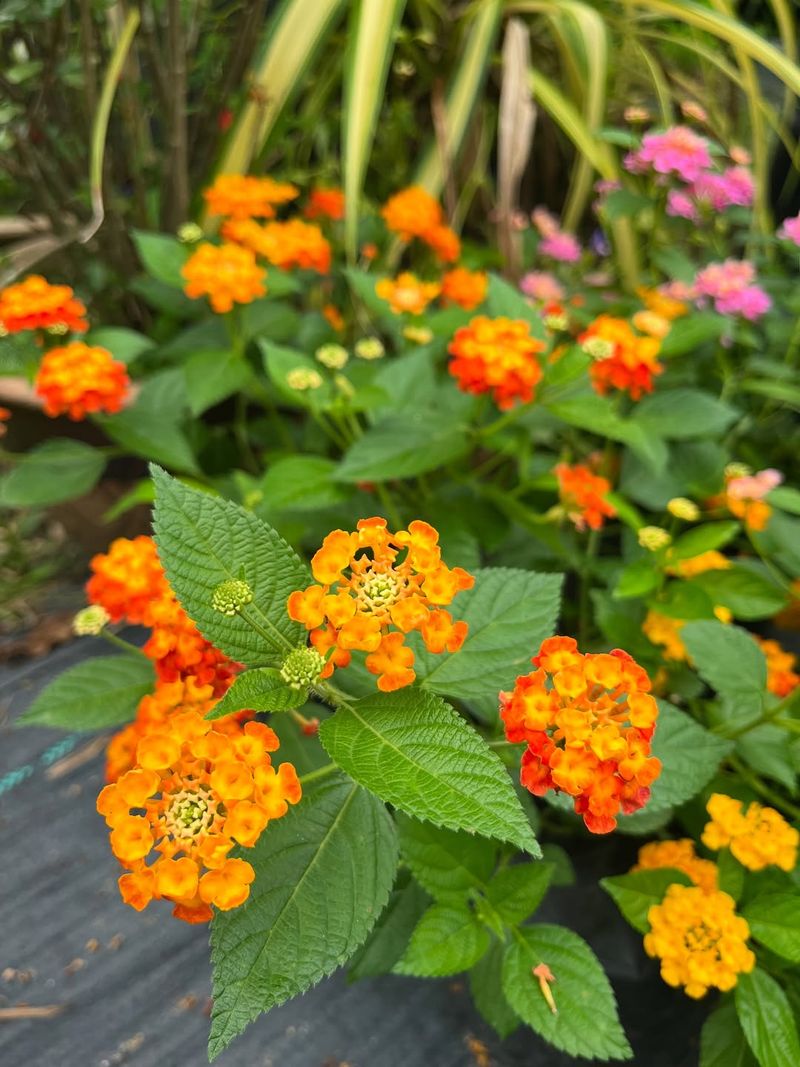
Lantana is practically built for Georgia. Clusters of tiny flowers in orange, yellow, pink, and purple pack onto each stem, and the whole plant just gets more vibrant as temperatures climb into the nineties.
Butterflies absolutely flock to it. On a warm afternoon, a single lantana plant can have a dozen or more butterflies feeding at once.
Hummingbirds visit too, which makes it one of the most entertaining plants you can put in a Georgia yard.
Watering needs drop off quickly after planting. Get it through the first month with regular moisture, and after that, rainfall alone handles most of the work.
Even during dry spells that send other plants into distress, lantana holds its color and keeps producing new blooms.
Plant it in full sun for the best results. Afternoon shade will reduce flowering noticeably, and lantana in shaded spots tends to stretch and flop rather than stay compact and full.
Well-drained soil is a must since standing water is the one condition it genuinely dislikes.
In South Georgia, lantana often returns year after year as a perennial. In the northern parts of the state, it may behave more like an annual during harsh winters, but it grows so fast that replanting each spring is not a burden.
Either way, the color payoff through summer is absolutely worth it.
5. Coreopsis Grows Easily And Tolerates Dry Spells Well
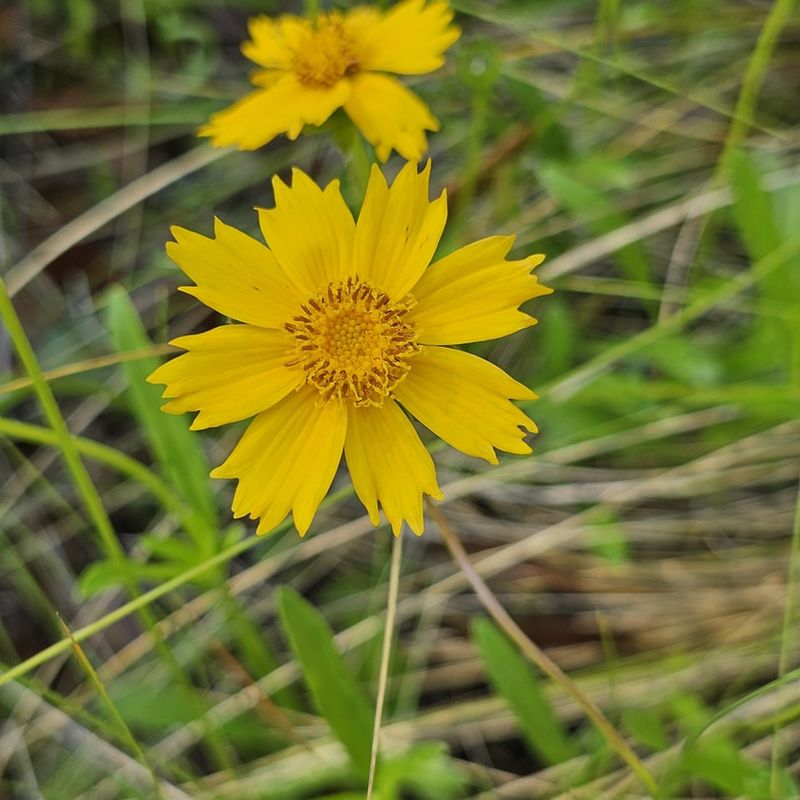
Coreopsis is the kind of plant that makes new gardeners look experienced. Bright yellow flowers on slender stems appear quickly after planting, bloom generously through summer, and come back stronger each year without much intervention.
Dry spells that stress out roses or hydrangeas barely register with coreopsis. Its thin, needle-like leaves lose very little moisture to evaporation, which is a smart adaptation for surviving Georgia summers without constant irrigation.
Soil quality is not a big concern. Average or even poor soil produces perfectly healthy plants.
Overly rich soil can push leafy growth at the expense of flowers, so skip the heavy fertilizing and let the plant do its thing naturally.
Deadheading spent blooms keeps the show going longer. It takes about five minutes to go through a small patch and snip off faded flowers, and the reward is weeks of additional color.
If you skip deadheading entirely, the plants will still bloom, just with a shorter overall season.
Coreopsis works well along sunny borders, in rock gardens, or mixed into a naturalistic planting with other drought-tolerant flowers. In Georgia landscapes, it pairs especially well with salvia and black-eyed susan for a long-blooming, low-water combination that looks intentional and well-planned.
Expect it to self-seed lightly and spread gradually over several seasons without becoming invasive or unruly.
6. Salvia Stays Strong In Heat And Attracts Pollinators
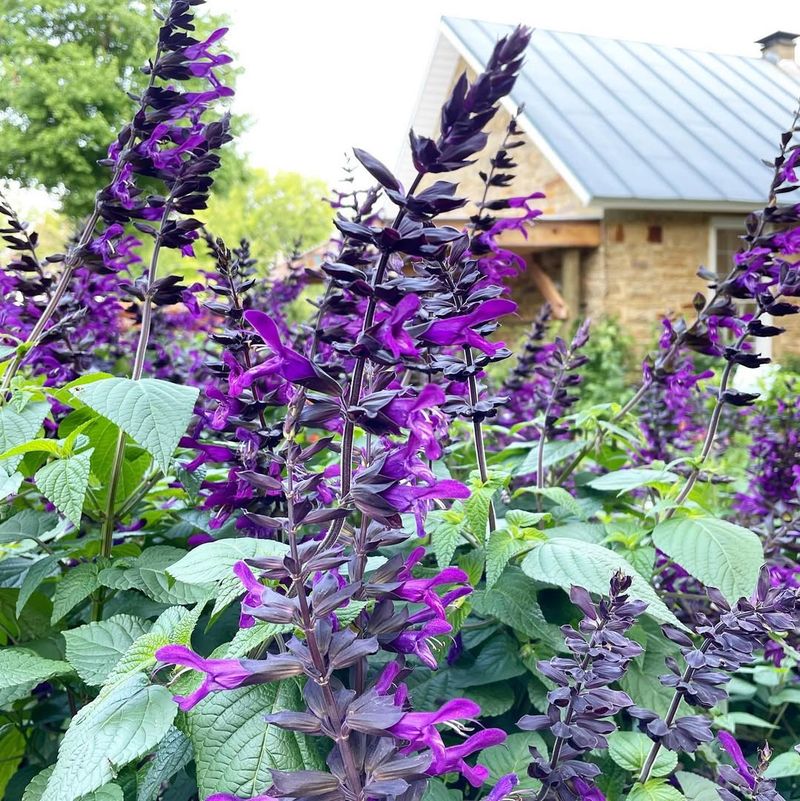
Tall spikes of purple and blue salvia rising above the garden in July are a familiar sight across Georgia yards, and for good reason. Few plants deliver that much vertical color with so little effort during the hottest part of the season.
Hummingbirds zero in on salvia fast. The tubular flowers are shaped perfectly for them, and once word gets out in your neighborhood, expect regular visits from late spring through early fall.
Bees love it too, covering the spikes on warm mornings.
Heat does not cause salvia to skip a beat. It handles Georgia’s long, hot summers without wilting or dropping leaves, staying upright and presentable even when temperatures sit in the high nineties for days at a stretch.
Watering is modest. During the first few weeks after planting, consistent moisture helps roots settle in.
After that, watering once a week during dry periods is usually sufficient. Rainfall alone often handles things during a normal Georgia summer.
Cut salvia back by about half in midsummer when the first flush of blooms fades. Within a few weeks, fresh growth emerges and a second round of flowering begins, carrying the plant right into fall.
Perennial varieties like Salvia greggii or Salvia guaranitica come back reliably year after year across most of Georgia, saving you replanting time and money each spring season.
7. Verbena Spreads Fast And Handles Heat With Ease
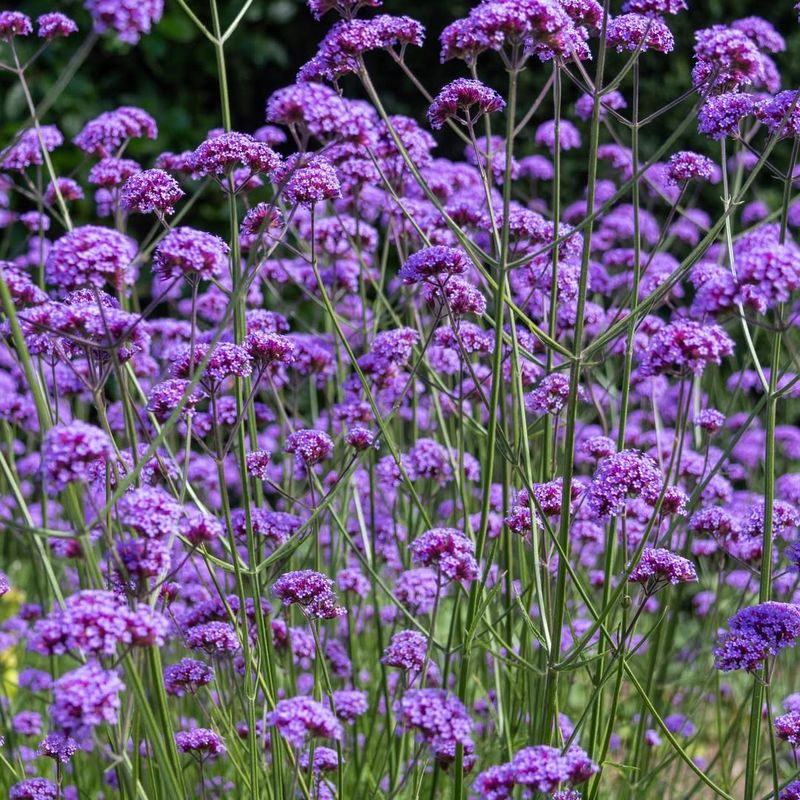
Verbena fills in bare spots faster than almost anything else you can plant in a Georgia garden. Clusters of small flowers in purple, pink, red, and white spread outward in a low, trailing mat that covers ground quickly and smothers weeds in the process.
Hot pavement, reflected heat from walls, full afternoon sun — none of it bothers verbena. It actually performs better in those tough spots than in shaded, cooler areas.
That makes it a practical choice for tricky locations other plants struggle with.
Watering needs are genuinely low after the first few weeks. Sandy or well-drained soil suits it perfectly, and the plant handles dry stretches without much visible stress.
Avoid planting in areas where water pools after rain, since wet feet are the one reliable way to weaken it.
Deadheading or giving plants a light shearing midseason refreshes the appearance and encourages a fresh round of blooming. Without any trimming, verbena can get a little straggly by August, but a quick cut brings it back looking full and tidy within a week or two.
Verbena works well spilling over retaining walls, filling container planters, or edging sunny borders across Georgia landscapes. Trailing varieties are especially useful in hanging baskets where the heat and wind dry out soil fast.
The color holds up impressively through the entire Georgia summer without fading or dropping off prematurely.
8. Yarrow Thrives In Poor Soil And Hot Dry Conditions
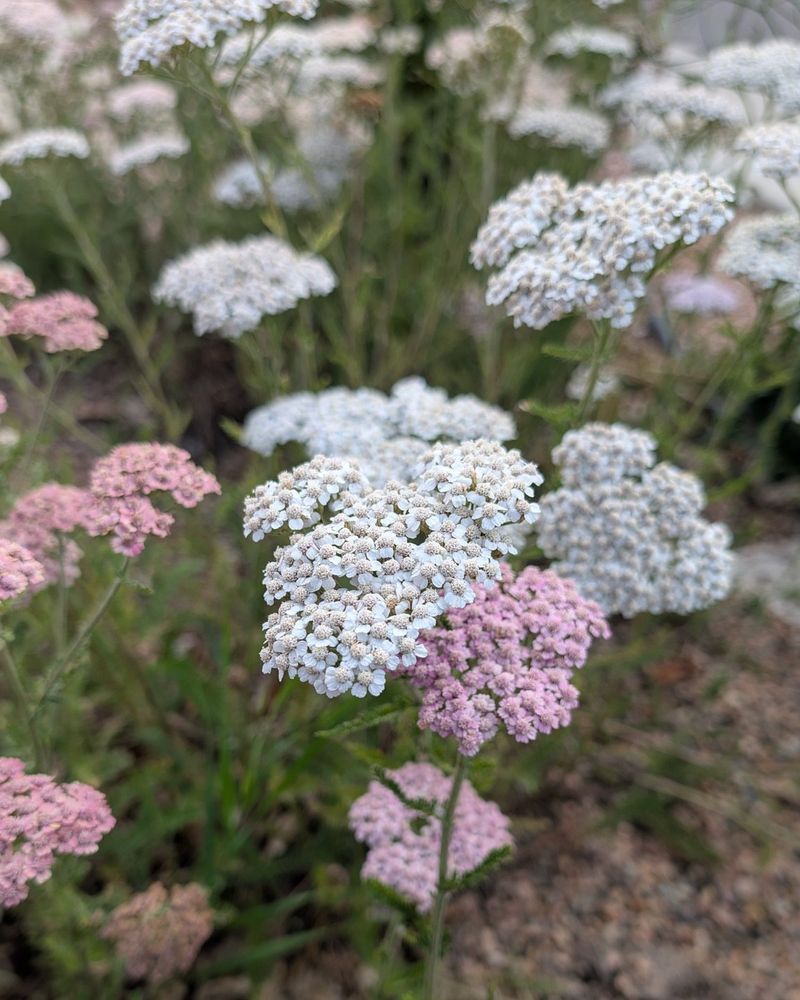
Yarrow is proof that a plant does not need pampering to look good. Flat-topped clusters of tiny flowers in yellow, white, or soft pink sit above ferny, aromatic foliage, and the whole plant holds up through the worst of a Georgia summer without complaint.
Poor soil is not a problem — it is practically a preference. Yarrow planted in lean, sandy, or rocky ground tends to stay compact and upright.
Rich soil can cause floppy, overgrown stems that need staking, which defeats the whole purpose of a low-effort plant.
Water sparingly. Established yarrow rarely needs irrigation beyond normal rainfall, even during the dry stretches that Georgia summers regularly deliver.
Overwatering is actually a bigger concern than underwatering with this plant.
Pollinators visit the flat flower heads constantly throughout the blooming season. Beetles, bees, and wasps all use yarrow as a food source, which adds quiet ecological value to your yard beyond just the visual appeal.
Cut spent flower stems down after the first bloom flush fades. Fresh stems push up quickly and a second round of color follows, extending the season well into early fall across Georgia gardens.
Yarrow also dries beautifully if you cut stems at peak bloom and hang them upside down, giving you long-lasting arrangements that hold their color for months indoors. It naturalizes steadily without taking over aggressively.