These Fragrant Plants Fill California Yards With Incredible Scent
Step outside in California and your yard can greet you with a burst of fragrance before you even spot a single bloom.
Some plants are total show offs, sending sweet perfume drifting through the air and turning everyday spaces into dreamy, scent filled escapes.
Imagine warm evening breezes carrying soft floral notes, bright citrusy hints sparkling in the sunshine, and rich, soothing aromas wrapping around you after sunset. It feels like nature turned on a secret fragrance machine just for your garden.
The best part is that many of these scented stars love California sunshine, handle dry spells like champs, and grow even more fragrant as the weather warms.
Plant a few near patios, paths, or open windows and every passing breeze becomes a little moment of joy.
1. Jasmine (Jasminum polyanthum)
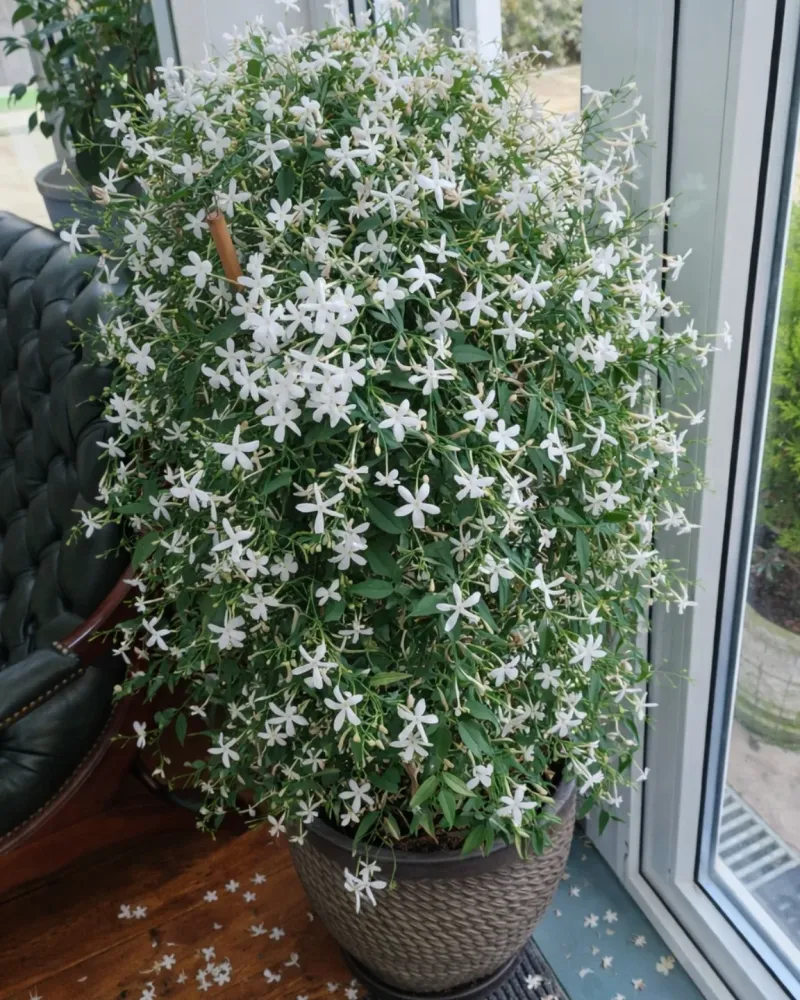
Pink jasmine brings an intoxicating sweetness to California yards that few other plants can match. This vigorous climbing vine produces masses of pink buds that open into white star-shaped flowers from late winter through spring.
The fragrance is strongest in the evening and can perfume an entire garden with its rich, romantic scent.
Growing jasmine is surprisingly simple in California’s climate. It loves full sun to partial shade and needs a sturdy support structure like a fence, trellis, or arbor to climb.
Once established, it tolerates drought well, though regular watering keeps the blooms more abundant. Pruning after flowering helps control its enthusiastic growth and encourages more blooms the following season.
Many California gardeners plant jasmine near patios, walkways, or bedroom windows where the fragrance can be fully appreciated. The vine grows quickly and provides excellent coverage for unsightly walls or fences.
It attracts pollinators and adds vertical interest to landscapes.
In coastal and inland areas throughout California, this jasmine variety thrives and becomes a standout feature that neighbors always notice and admire for its incredible perfume.
2. Gardenia (Gardenia jasminoides)
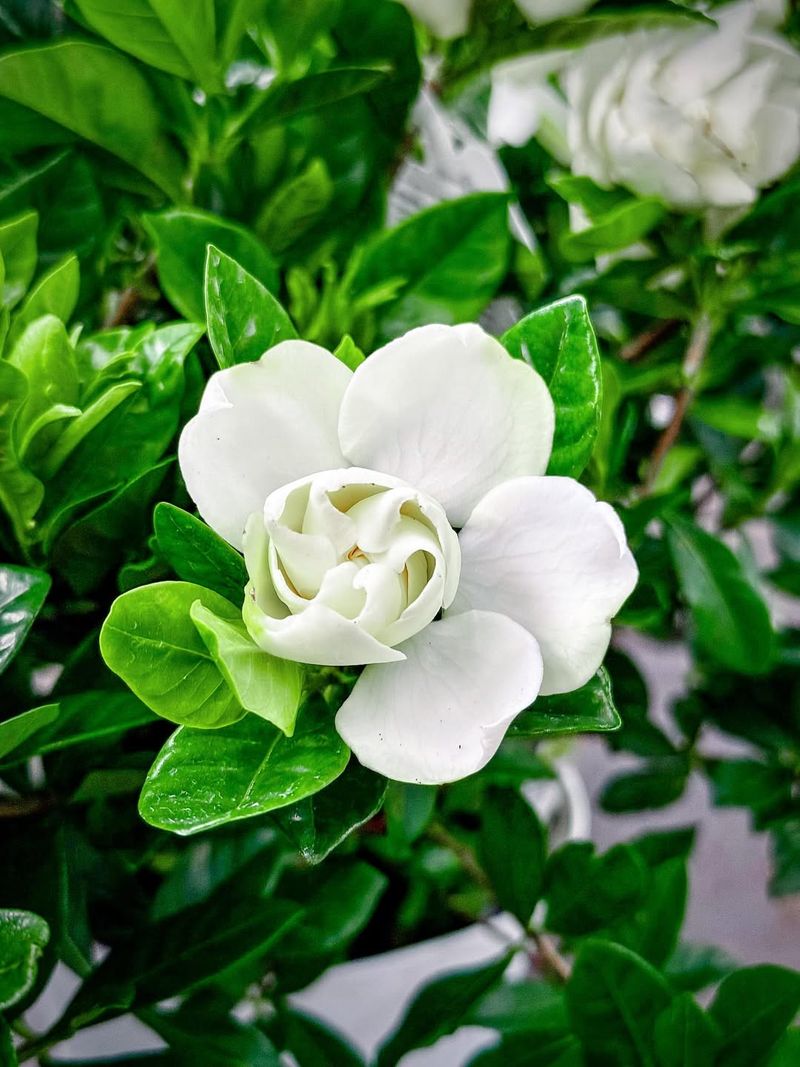
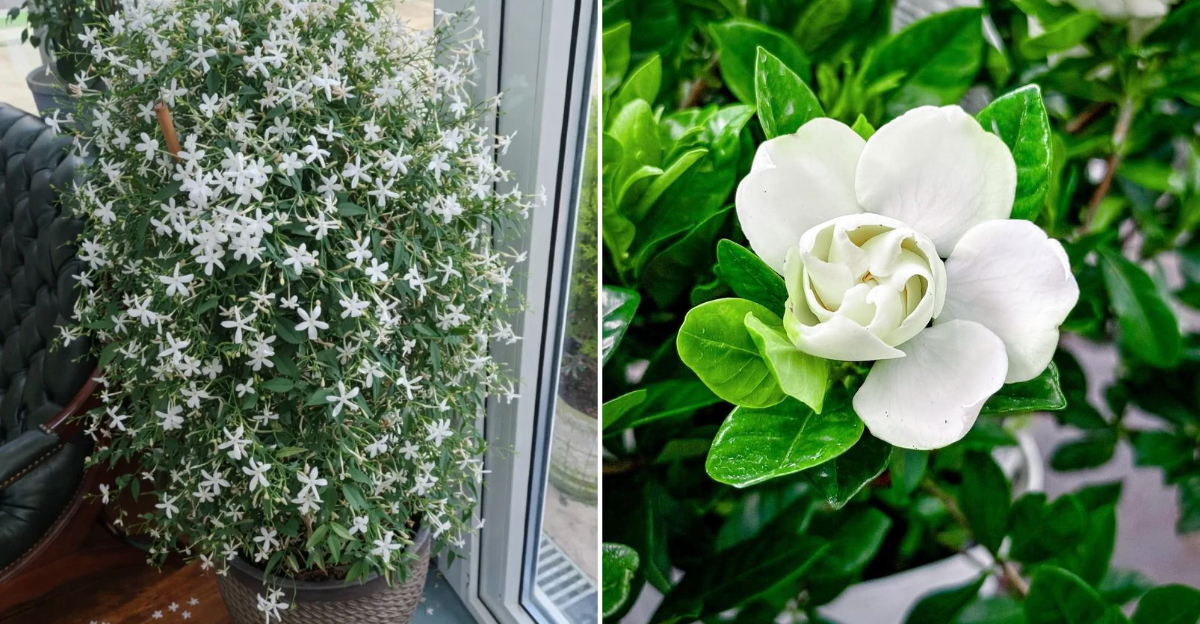
These evergreen shrubs produce creamy white flowers with a heavy, sweet fragrance that some describe as a mix of jasmine and orange blossoms. The waxy petals and glossy leaves make gardenias as beautiful to look at as they are to smell.
California gardeners find success with gardenias in areas with morning sun and afternoon shade. These plants prefer acidic soil and benefit from regular feeding with fertilizer designed for acid-loving plants.
Consistent moisture is important, especially during blooming season in late spring and summer. Mulching around the base helps retain moisture and keeps roots cool.
Many people in California choose compact varieties for containers on patios where the scent can be enjoyed up close. The flowers are also popular for cutting and floating in bowls of water indoors.
Gardenias work beautifully as foundation plantings near entryways or underneath windows. While they need more attention than some plants, the reward of their extraordinary fragrance makes the extra care worthwhile for countless California homeowners.
3. Lavender (Lavandula spp.)
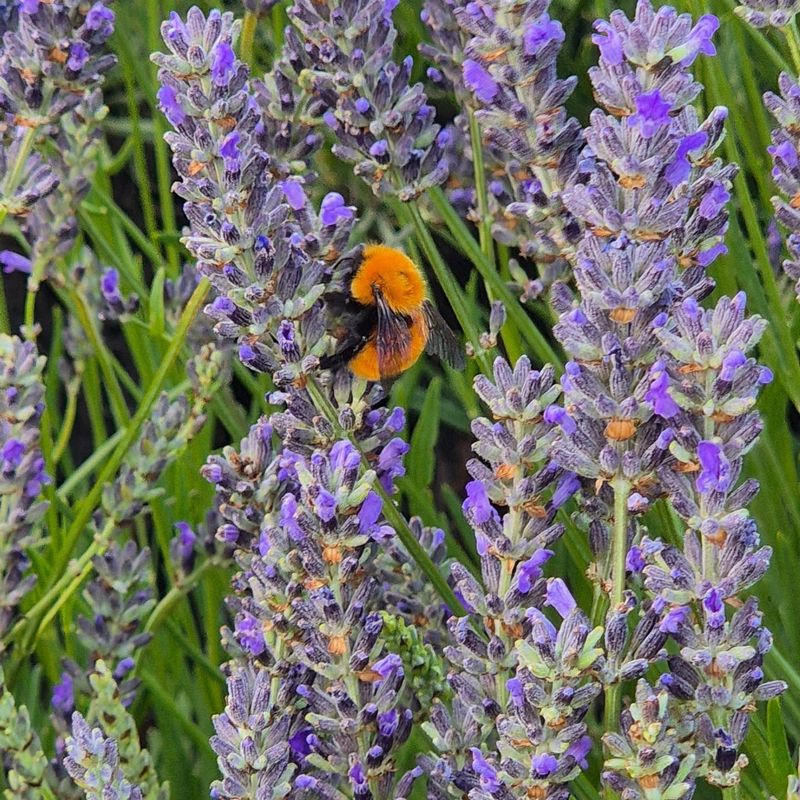
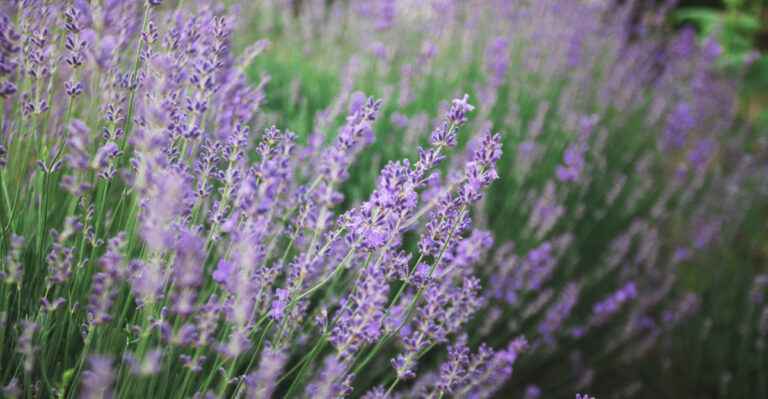
Few plants say California garden quite like lavender. These hardy perennials produce spikes of purple, blue, or white flowers that release a clean, herbal fragrance loved by people and pollinators alike.
The silvery foliage looks attractive year-round and gives off scent when brushed or touched.
Lavender absolutely thrives in California’s dry summers and mild winters. It needs full sun and excellent drainage to perform its best.
Spanish lavender and French lavender varieties do particularly well in warmer inland areas, while English lavender prefers coastal climates. These plants are incredibly drought-tolerant once established and actually perform better with less water than more.
California landscapers often use lavender as edging along pathways, in mass plantings, or mixed with other Mediterranean plants. The flowers can be harvested and dried for sachets, crafts, or culinary uses.
Cutting back spent blooms encourages additional flowering and keeps plants looking tidy. Butterflies and bees flock to lavender, making it excellent for supporting local pollinators.
From San Diego to Sacramento, lavender brings fragrance, color, and easy-care beauty to gardens throughout the state.
4. Star Jasmine (Trachelospermum jasminoides)
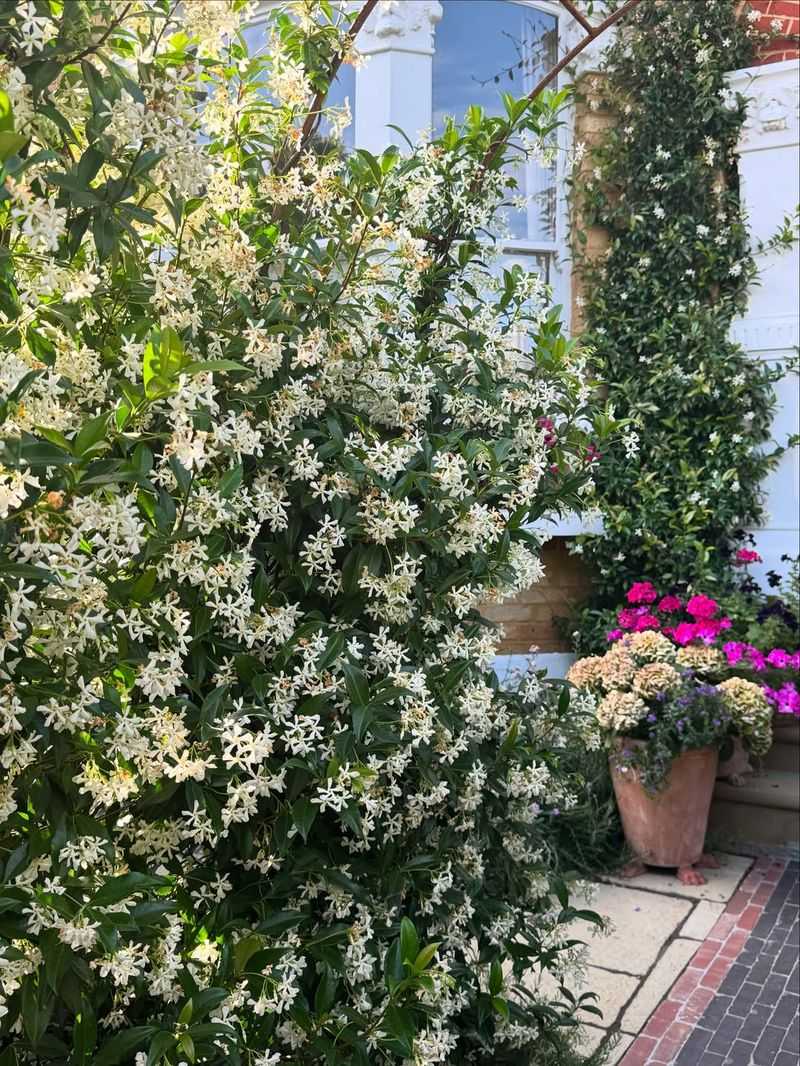
Star jasmine stands out as one of California’s most versatile fragrant plants. This evergreen vine produces thousands of small white flowers shaped like tiny pinwheels that release an incredibly sweet scent in late spring and early summer.
The fragrance is powerful enough to perfume an entire yard without being overwhelming.
California gardeners appreciate star jasmine for its adaptability and low maintenance needs. It grows well as a climbing vine, ground cover, or even a clipped hedge.
The plant tolerates various light conditions from full sun to partial shade and handles different soil types. Regular watering during establishment helps it take off, but mature plants handle dry periods reasonably well.
Many California homeowners train star jasmine along fences, over arbors, or up walls to create living screens that provide privacy and fragrance. As a ground cover, it effectively suppresses weeds while looking lush and green.
The glossy leaves turn bronze in winter, adding seasonal interest.
Star jasmine works beautifully in both coastal and inland California regions, making it a reliable choice for adding serious scent appeal to landscapes throughout the state.
5. Roses (Fragrant varieties)
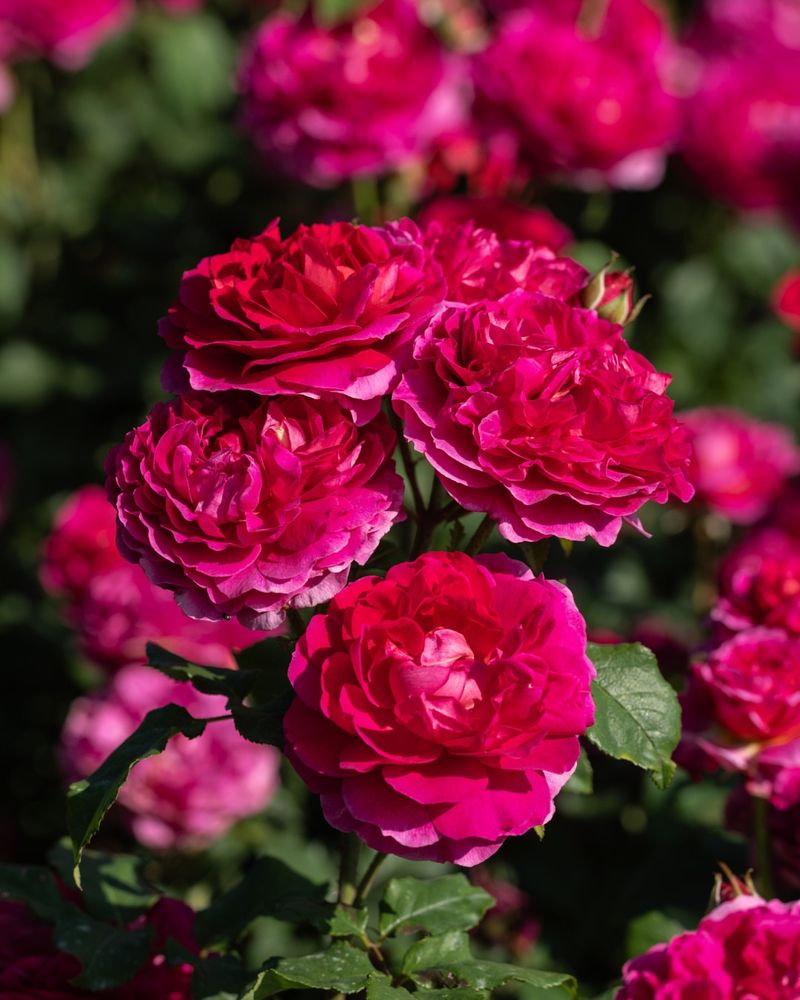
Certain rose varieties bring exceptional fragrance to California gardens along with their classic beauty.
Heirloom roses like ‘Madame Isaac Pereire’ and modern varieties such as ‘Mr. Lincoln’ and ‘Double Delight’ produce blooms with intense, sweet perfumes that range from fruity to spicy.
These roses prove that gorgeous flowers and incredible scent can go hand in hand. Growing fragrant roses successfully in California requires choosing varieties suited to your specific region.
Coastal areas do well with roses that tolerate cool, foggy conditions, while inland gardeners should select heat-tolerant types.
Most fragrant roses need at least six hours of sunlight daily and benefit from regular feeding during the growing season. Proper spacing allows good air circulation, which helps prevent common rose problems.
California rose enthusiasts often plant fragrant varieties near outdoor living spaces where the scent can be enjoyed. Cutting roses for indoor arrangements brings the fragrance inside.
Deadheading spent blooms encourages continuous flowering throughout the long California growing season.
Many fragrant roses are also quite beautiful, with colors ranging from deep reds to soft pinks and creamy whites that complement any garden style.
6. Sweet Alyssum (Lobularia maritima)
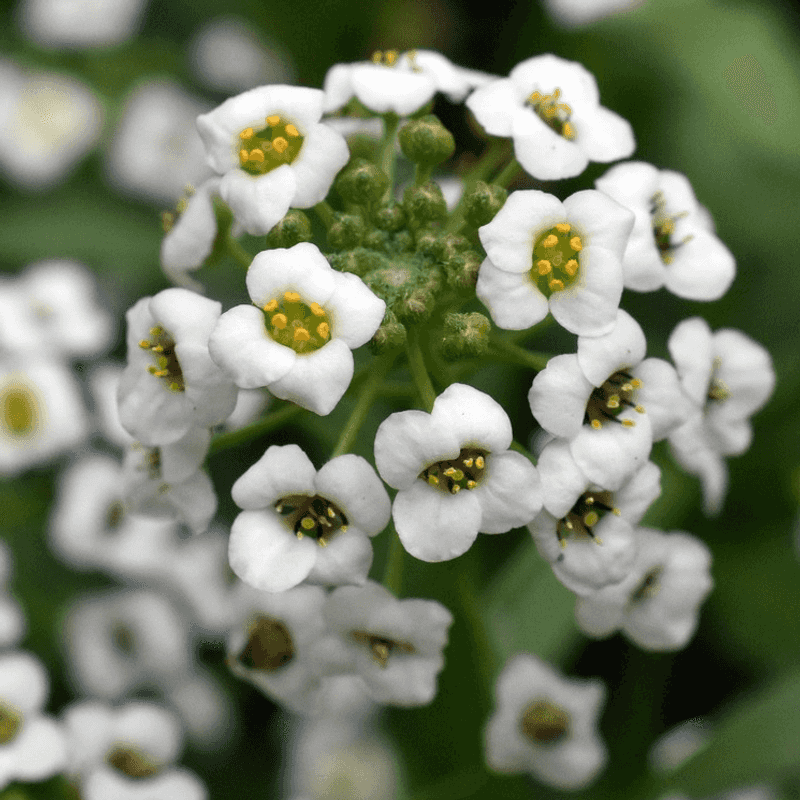
This low-growing annual produces masses of small flowers in white, purple, or pink that smell like honey. The scent is subtle during the day but intensifies in the evening, creating a sweet atmosphere around patios and walkways.
California gardeners love sweet alyssum for its carefree nature and quick growth. It thrives in cooler weather, making it perfect for fall, winter, and spring gardens in most California regions.
The plant self-seeds readily, returning year after year without replanting. Sweet alyssum tolerates various soil conditions and needs minimal care beyond occasional watering.
It even handles light frost, continuing to bloom when many other flowers have finished.
Many people in California use sweet alyssum as edging along borders, between stepping stones, or cascading from containers. It works beautifully as a ground cover under taller plants and attracts beneficial insects to the garden.
The flowers bloom continuously without deadheading, making maintenance practically effortless.
In California’s mild climate, sweet alyssum often blooms for months, providing long-lasting fragrance and charm to gardens throughout the state with minimal effort required.
7. Mock Orange (Philadelphus lewisii)
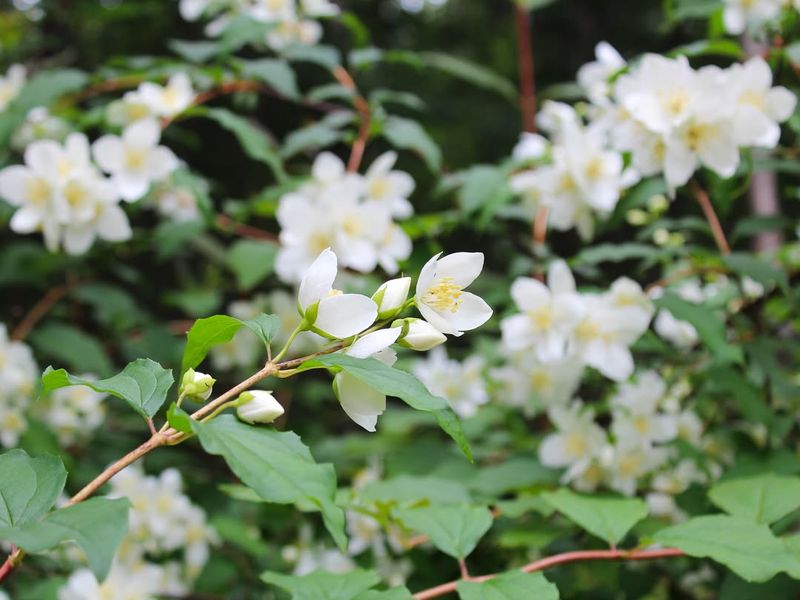
Did you guess why it’s called Mock Orange? This shrub earns its name from flowers that smell remarkably similar to orange blossoms.
The Mock Orange produces clusters of white, four-petaled flowers in late spring that fill California gardens with sweet, citrusy fragrance. The blooms are so aromatic that just a few branches can perfume an entire room when brought indoors.
California’s native mock orange variety adapts perfectly to local conditions and needs less water than many other flowering shrubs. It prefers full sun to light shade and grows well in various soil types.
The plant reaches six to ten feet tall and wide, making it suitable for larger garden spaces or as an informal hedge. Pruning after flowering helps maintain shape and encourages better blooming the following year.
Landscapers throughout California often feature mock orange as a specimen plant or include it in mixed shrub borders. The white flowers stand out beautifully against the green foliage and attract butterflies during bloom time.
After flowering, the plant provides a pleasant green backdrop for other garden stars. Mock orange works particularly well in foothill and inland California gardens where it receives the chill hours needed for optimal flowering and fragrance production.
8. Scented Geranium (Pelargonium spp.)
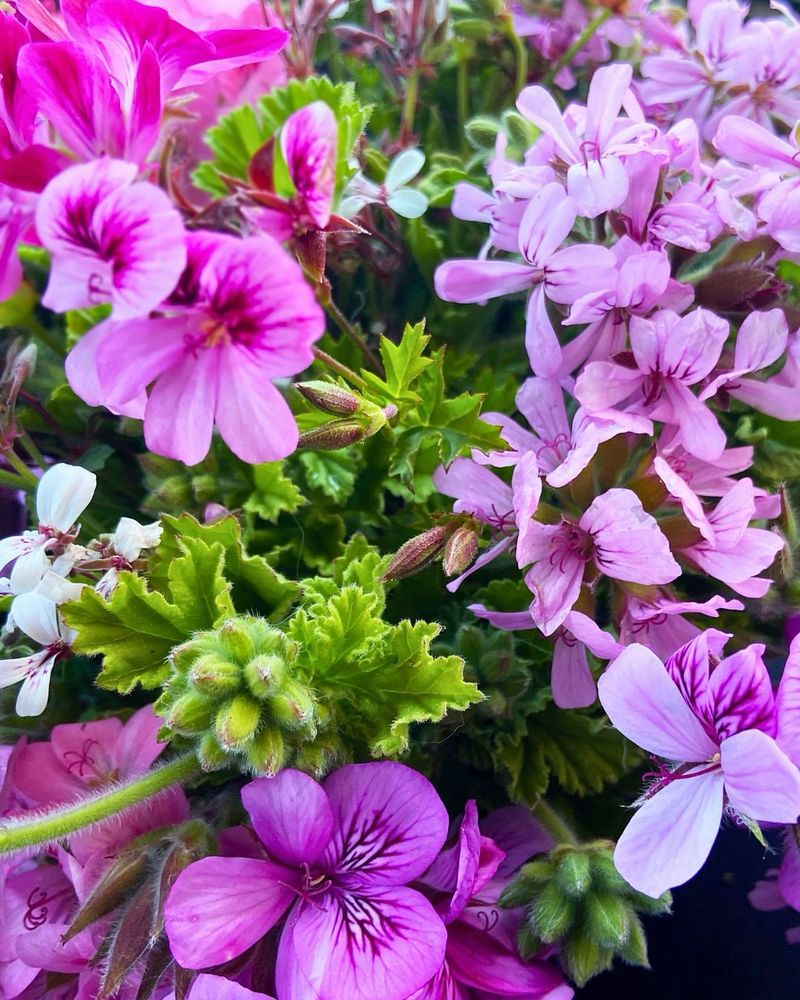
This type of geraniums offer an amazing variety of fragrances from a single plant family. Depending on the variety, leaves can smell like rose, lemon, mint, apple, coconut, or even chocolate when touched or brushed.
Small flowers in pink, white, or purple add visual interest, but the real star is the aromatic foliage that releases scent with the slightest touch.
These plants thrive in California’s Mediterranean climate and are incredibly easy to grow. They prefer full sun and well-draining soil but adapt to container growing beautifully.
Scented geraniums handle drought well once established and actually develop stronger fragrance when slightly stressed for water. They grow quickly and can be pruned regularly to maintain size and encourage bushier growth.
California gardeners often plant scented geraniums along pathways where people will brush against them, releasing their fragrance.
They work wonderfully in containers near doorways or on patios. The leaves can be used in cooking, added to potpourri, or steeped for tea.
Many varieties are available at California nurseries, allowing gardeners to collect different scents and create a fragrant collection that performs reliably throughout the year in the state’s favorable climate.
9. Night-Blooming Jasmine (Cestrum nocturnum)
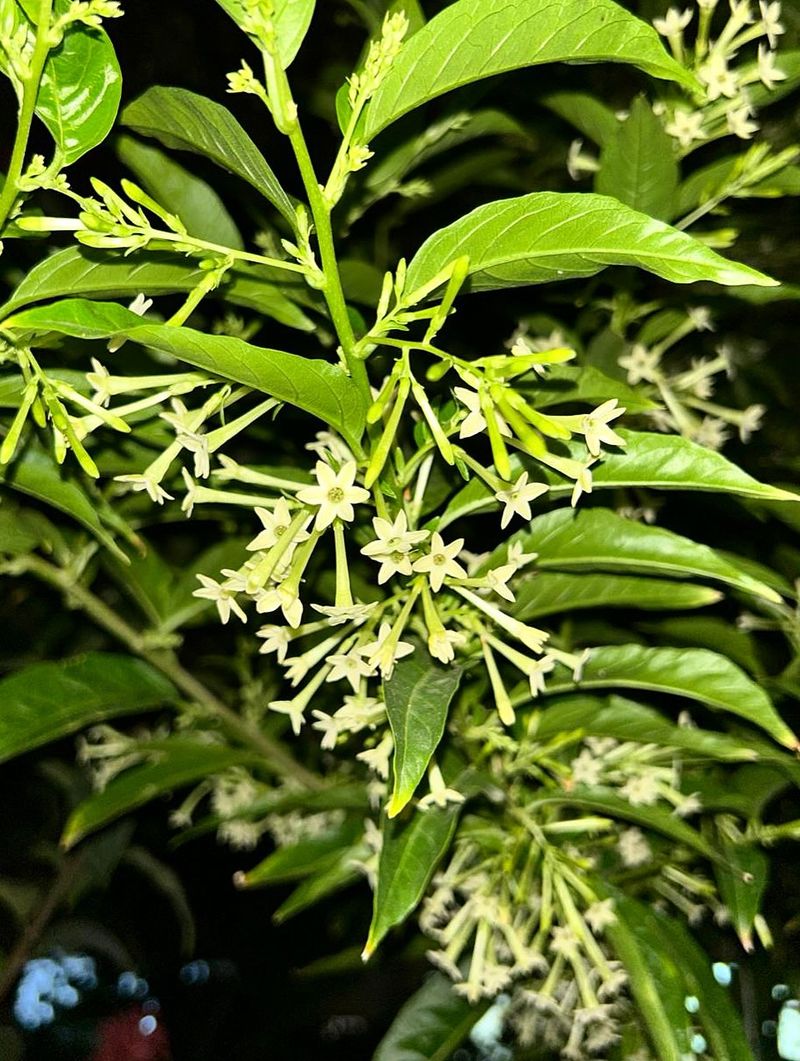
This evergreen shrub produces small, tubular flowers that are barely noticeable during the day but release an incredibly powerful, sweet fragrance at night.
The scent is so intense that a single plant can perfume an entire neighborhood, making it either beloved or controversial depending on your sensitivity.
California’s frost-free and mild-winter areas provide ideal conditions for growing night-blooming jasmine. It prefers full sun to partial shade and grows quickly into a large shrub that can reach twelve feet tall if unpruned.
Regular pruning keeps it manageable and encourages more blooms. The plant tolerates various soil types and handles drought once established, though regular watering promotes better flowering.
Many California homeowners plant this shrub near outdoor seating areas, bedroom windows, or along pathways used in the evening. The fragrance peaks during warm summer nights when windows are open and people spend time outdoors.
Some find the scent too strong and prefer planting it away from main living areas. Throughout Southern California and warmer Central Valley regions, night-blooming jasmine adds magical evening fragrance that transforms ordinary summer nights into something special.