These Fruit Trees And Berry Bushes Are Perfect For Late Winter Planting In California
Late winter in California is a special time for gardeners who know how to make the most of it.
While many people are waiting for spring, this quiet season is actually perfect for planting fruit trees and berry bushes.
The cooler weather helps new plants settle in without stress, and the soil still holds enough moisture to support healthy root growth.
Instead of rushing later, planting now gives trees and bushes a strong head start before the busy growing season begins.
California’s mild climate makes late winter planting even more valuable.
Roots can slowly spread and adjust while the plants are still resting, which leads to better growth once warm days arrive.
Whether you are building a backyard orchard or adding a few berry bushes to your garden, timing plays a huge role in long term success.
Choosing the right plants and getting them into the ground now can lead to stronger harvests and fewer problems later.
When you plant with care during this season, you set your garden up for years of healthy growth and delicious fruit.
1. Blueberry Bushes
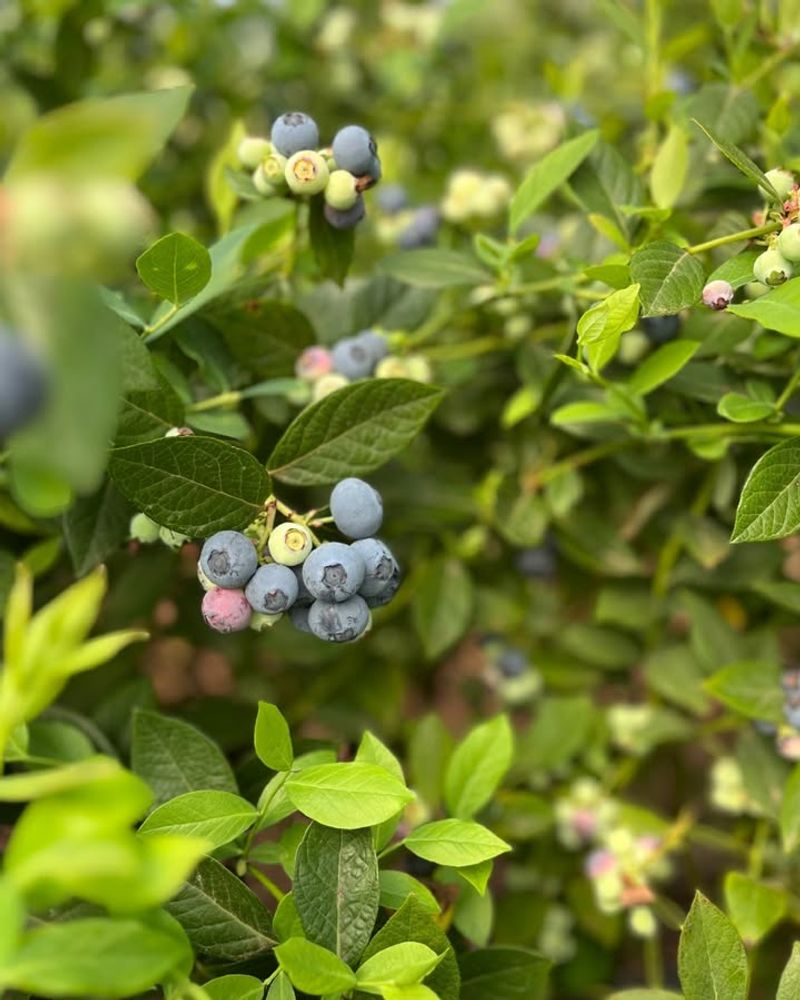
California gardeners love blueberry bushes because they produce sweet, antioxidant-rich berries that taste amazing fresh or baked into pies and muffins.
Late winter planting gives these bushes time to settle in before warmer weather arrives, helping them develop healthy root systems.
Blueberries need acidic soil with a pH between 4.5 and 5.5, so you might need to amend your garden soil or plant them in containers with special acidic potting mix.
Most varieties require cross-pollination, which means planting at least two different types will give you bigger harvests.
Choose low-chill varieties like ‘Misty,’ ‘O’Neal,’ or ‘Sunshine Blue’ that are specifically bred for California’s mild winters.
These bushes grow well in both Northern and Southern California, adapting to different microclimates throughout the state.
Blueberries prefer full sun but can tolerate partial shade, especially in hotter inland areas.
They need consistent moisture, so mulching around the base helps retain water and keeps roots cool during summer.
With proper care, your blueberry bushes will produce fruit for 20 years or more, making them an excellent long-term investment.
The spring flowers are beautiful, and the fall foliage turns stunning shades of red and orange, adding ornamental value to your California landscape.
2. Fig Trees
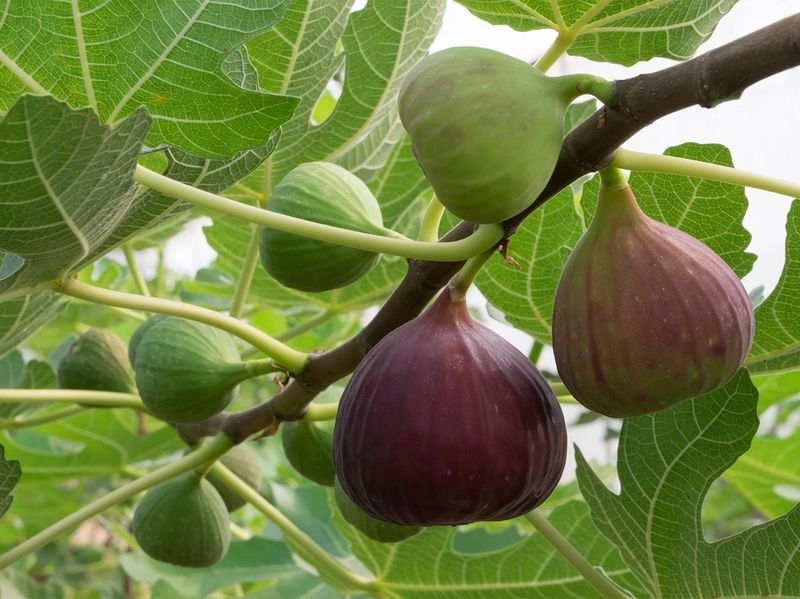
Few fruit trees adapt as beautifully to California’s climate as the fig tree, which thrives in Mediterranean-like conditions found throughout much of the state.
These trees are incredibly forgiving and can handle drought once established, making them perfect for water-conscious gardeners.
Late winter is the ideal time to plant bare-root fig trees, giving them a head start before the growing season kicks into high gear.
Popular varieties like ‘Black Mission,’ ‘Brown Turkey,’ and ‘Kadota’ all grow exceptionally well in California’s various regions.’Black Mission’ figs are especially beloved for their rich, sweet flavor and dark purple skin.
Fig trees can grow quite large, reaching 15 to 30 feet tall, but they also do well in large containers if you have limited space.
California’s warm summers provide the perfect conditions for figs to ripen to perfection, developing their signature honey-sweet flavor.
These trees typically produce two crops per year in warmer areas, with an early summer crop and a larger fall harvest.
Figs require minimal pruning and are relatively pest-free, making them low-maintenance choices for busy gardeners.
The large, lobed leaves create beautiful shade and give your garden a Mediterranean feel that complements California’s architectural styles perfectly.
3. Raspberry Canes
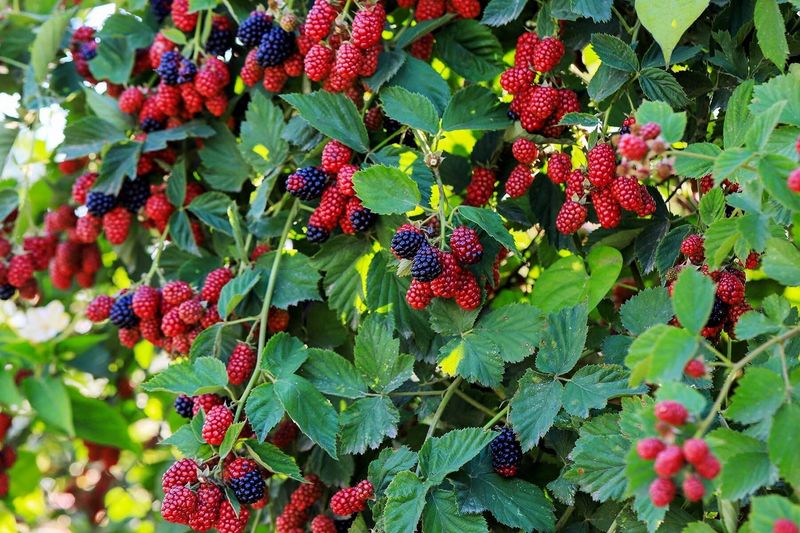
Raspberry canes offer California gardeners the joy of picking fresh, delicate berries right from their own yards throughout the summer months.
Planting in late winter allows these perennials to establish strong root systems before they start producing fruit.
California’s climate supports both summer-bearing and ever-bearing varieties, giving you flexibility in harvest timing.
For California gardens, choose varieties like ‘Heritage,’ ‘Bababerry,’ or ‘Fallgold,’ which perform well in the state’s diverse growing conditions.
Ever-bearing types produce two crops annually, with fruit appearing in early summer and again in fall.
Raspberries grow best in full sun but appreciate some afternoon shade in the hottest inland valleys of California.
These plants prefer well-draining soil enriched with compost, and they benefit from consistent watering during fruit development.
Setting up a simple trellis or support system helps keep the canes upright and makes harvesting much easier.
Raspberries spread through underground runners, so containing them in a designated bed or using barriers prevents them from taking over your garden.
In California’s mild climate, raspberry canes may retain some leaves year-round, especially in coastal areas.
Fresh raspberries are packed with vitamins and have a flavor that far surpasses anything you’ll find at the grocery store.
4. Peach Trees
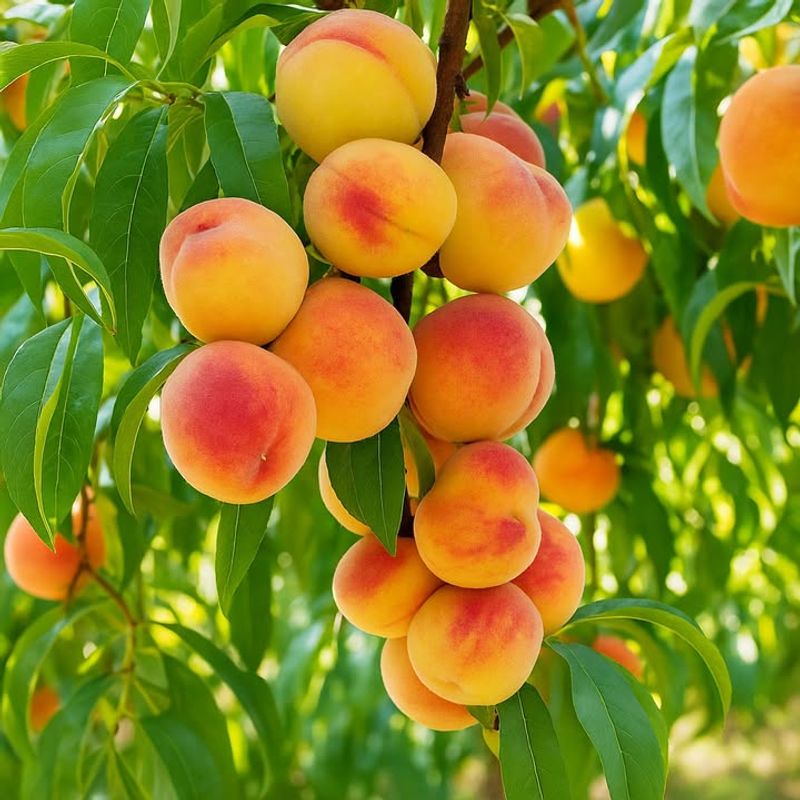
Nothing says summer in California quite like biting into a perfectly ripe, juicy peach from your own backyard tree.
Late winter planting of bare-root peach trees takes advantage of dormancy, allowing roots to establish before leaves emerge.
California grows more peaches commercially than almost any other state, proving these trees absolutely love the climate here.
Select low-chill varieties like ‘Desert Gold,’ ‘Tropic Snow,’ or ‘Flordaprince’ for Southern California, while Northern California gardeners can grow almost any variety.
Peach trees need full sun and well-draining soil to produce their best fruit.
Most varieties are self-pollinating, so you only need one tree to get a harvest, though planting multiple varieties extends your picking season.
These trees require annual pruning to maintain their shape and encourage productive fruiting wood.
Thinning the young fruits in spring, though it seems wasteful, actually results in larger, sweeter peaches at harvest time.
California’s dry summers help reduce fungal diseases that plague peach trees in humid climates, making them easier to grow here.
Depending on the variety, you’ll harvest peaches from May through September in different parts of California.
Homegrown peaches have a flavor intensity that makes store-bought fruit seem bland by comparison.
5. Strawberry Plants
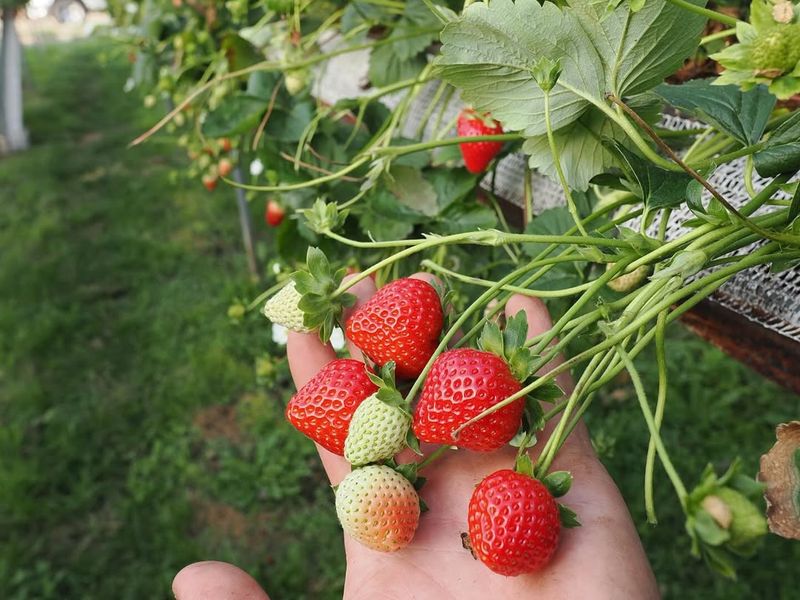
Strawberry plants are surprisingly productive in California gardens, with some varieties producing fruit for up to eight months of the year.
Late winter planting gets strawberries established during the cool season, leading to earlier and more abundant spring harvests.
California’s coastal climate is particularly ideal for strawberries, which is why the state produces the majority of America’s commercial strawberry crop.
Day-neutral varieties like ‘Albion,’ ‘Seascape,’ and ‘San Andreas’ were developed specifically for California conditions and produce continuously.
June-bearing types give you one large harvest, while ever-bearing varieties produce smaller amounts throughout the growing season.
Strawberries grow beautifully in raised beds, containers, or hanging baskets, making them perfect for gardeners with limited ground space.
These plants prefer full sun and soil enriched with plenty of organic matter.
In California’s mild winters, strawberries often continue producing fruit year-round in coastal areas, though production slows during the coolest months.
Replace your strawberry plants every two to three years to maintain vigorous growth and good fruit production.
Mulching with straw keeps the berries clean and helps conserve moisture in California’s dry climate.
Freshly picked strawberries warm from the sun are one of life’s simple pleasures that every California gardener should experience.
6. Apricot Trees
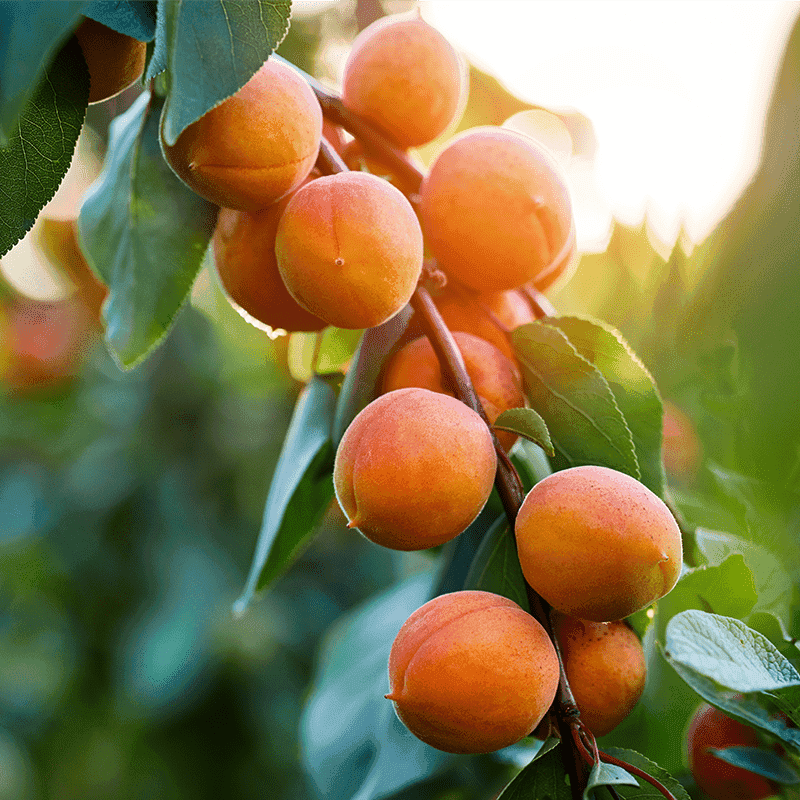
Apricot trees flourish in California’s warm, dry climate, producing abundant crops of golden-orange fruits that taste like sunshine.
Planting bare-root apricot trees in late winter gives them the best chance to establish before spring growth begins.
California actually leads the nation in apricot production, with the Central Valley providing near-perfect growing conditions.
Varieties like ‘Blenheim,’ ‘Moorpark,’ and ‘Goldcot’ are excellent choices for California gardens, each offering slightly different flavor profiles and harvest times.
‘Blenheim’ apricots are particularly prized for their rich, complex flavor and are considered by many to be the finest-tasting variety.
Most apricot trees are self-fruitful, meaning you’ll get fruit from just one tree, though planting multiple trees can increase yields.
These trees bloom very early in spring, sometimes as early as February in warmer parts of California, creating a spectacular floral display.
Apricots need full sun and good air circulation to produce quality fruit and avoid disease issues.
In California’s climate, apricot trees require relatively little water once established, making them drought-tolerant landscape choices.
The fruit ripens quickly, usually in late spring or early summer, and should be picked when fully colored for the best flavor.
Fresh apricots are delicious, but they also dry beautifully in California’s low humidity, creating a concentrated sweet treat.
7. Blackberry Vines
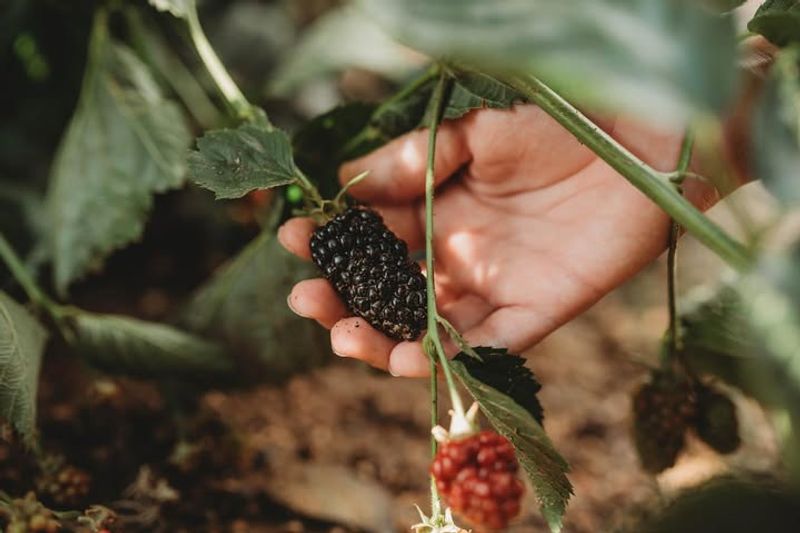
Blackberry vines produce abundantly in California gardens, offering large, sweet berries that are perfect for eating fresh, making jam, or baking into cobblers.
Late winter is the perfect time to plant bare-root blackberry canes, giving them time to develop strong roots before the growing season.
California’s mild climate allows blackberries to thrive throughout the state, from coastal areas to inland valleys.
Choose thornless varieties like ‘Triple Crown,’ ‘Chester,’ or ‘Navaho’ for easier harvesting and maintenance.
California gardeners can also try the heat-tolerant ‘Arapaho’ variety, which performs well in hotter inland regions.
Blackberries need full sun and consistent moisture during fruit development, though they’re more drought-tolerant than raspberries once established.
Installing a sturdy trellis system is essential because blackberry canes can grow quite long and become unmanageable without support.
In California’s climate, some varieties produce fruit on first-year canes, while others fruit on second-year growth.
Blackberries spread vigorously through underground runners, so plant them where they have room to expand or use barriers to contain them.
The berries ripen gradually over several weeks in summer, giving you an extended harvest period.
California’s dry summers help reduce fungal diseases that can affect blackberries in more humid climates, making them relatively easy to grow here.
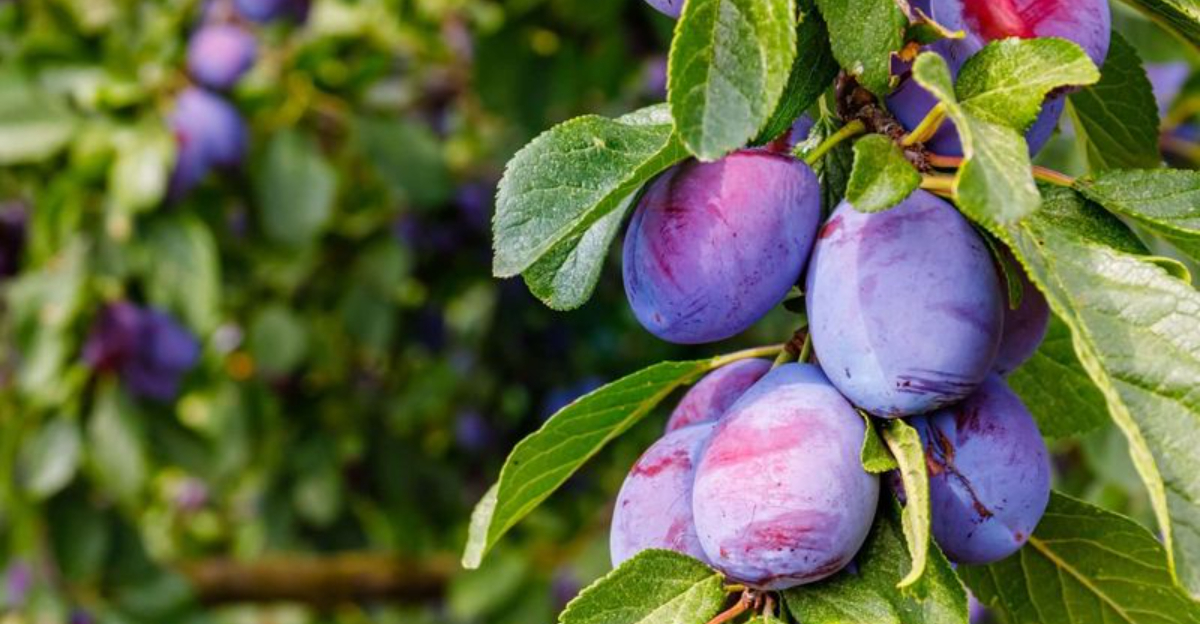
8. Plum Trees
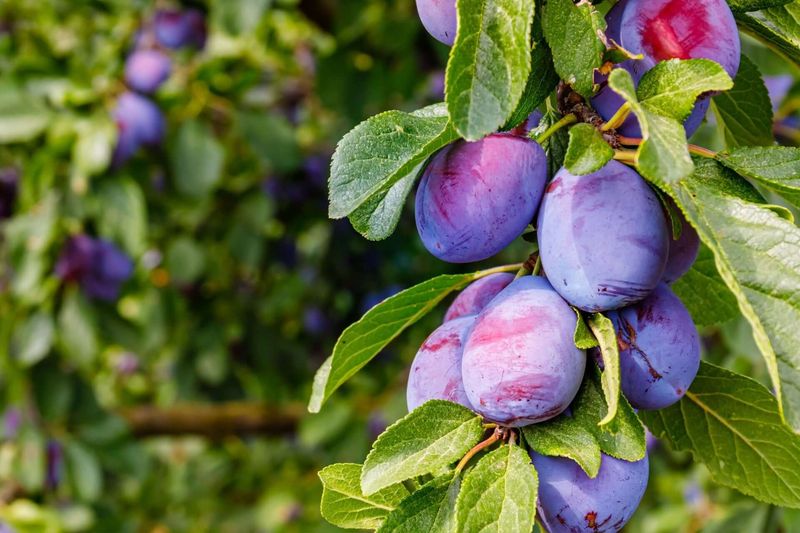
Plum trees adapt wonderfully to California’s diverse climates, producing delicious fruits that range from sweet to tart depending on the variety.
Late winter planting of bare-root plum trees allows them to break dormancy naturally and establish roots before spring growth.
California’s climate supports both Japanese and European plum varieties, giving gardeners lots of options.
Japanese plums like ‘Santa Rosa,’ ‘Satsuma,’ and ‘Methley’ are especially popular in California because they have lower chill requirements and produce juicy, sweet fruit.
European plums, including ‘Italian Prune’ and ‘Green Gage,’ have firmer flesh and are excellent for drying or making preserves.
Many plum varieties need cross-pollination, so check whether your chosen variety needs a pollination partner before planting.
Plum trees prefer full sun and well-draining soil, and they’re relatively low-maintenance once established in California gardens.
The trees bloom in early spring with beautiful white or pink flowers that attract beneficial pollinators to your garden.
Fruit typically ripens in summer, and California’s warm, dry weather helps develop the sugars that make plums so delicious.
Thinning the fruit when it’s small results in larger, better-quality plums at harvest time.
In California’s mild climate, plum trees often live for decades, becoming beautiful shade trees that also provide food.
9. Cherry Trees
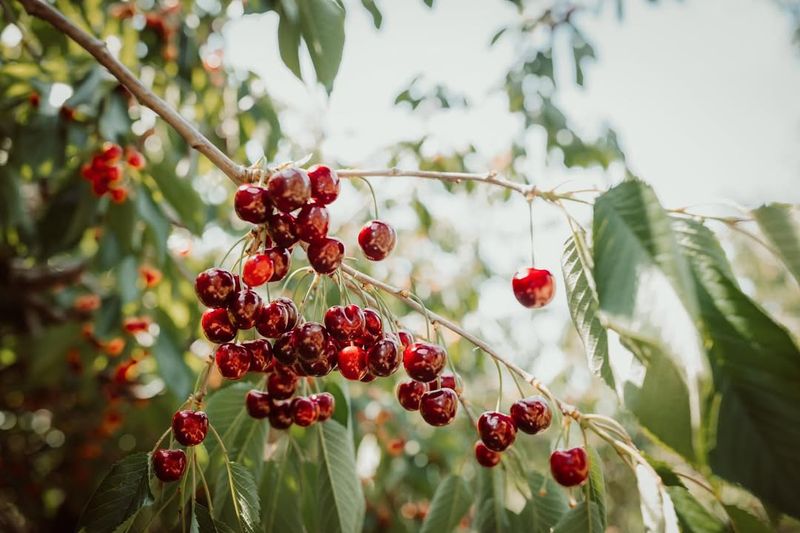
Cherry trees bring springtime beauty and delicious fruit to California gardens, though choosing the right variety for your specific region is important.
Late winter planting gives cherry trees time to establish before they leaf out and begin their growth cycle.
California gardeners have success with both sweet cherries and sour cherries, depending on their location and chill hours.
For warmer parts of California, low-chill sweet cherry varieties like ‘Minnie Royal’ and ‘Royal Lee’ produce well without needing cold winter temperatures.
In Northern California and higher elevations, traditional sweet cherries like ‘Bing’ and ‘Rainier’ thrive beautifully.
Sour cherries like ‘Montmorency’ are more cold-hardy and self-fruitful, making them easier to grow in many California locations.
Sweet cherry trees often need a pollination partner, so plant at least two compatible varieties for fruit production.
Cherry trees prefer full sun and well-draining soil, and they need protection from birds when the fruit ripens.
In California, cherries typically ripen in late spring or early summer, providing one of the season’s first tree fruits.
The spring blossoms are absolutely stunning, covering the tree in clouds of white or pink flowers.
Growing cherries in California requires attention to variety selection based on your specific microclimate and winter chill hours.
10. Pomegranate Trees
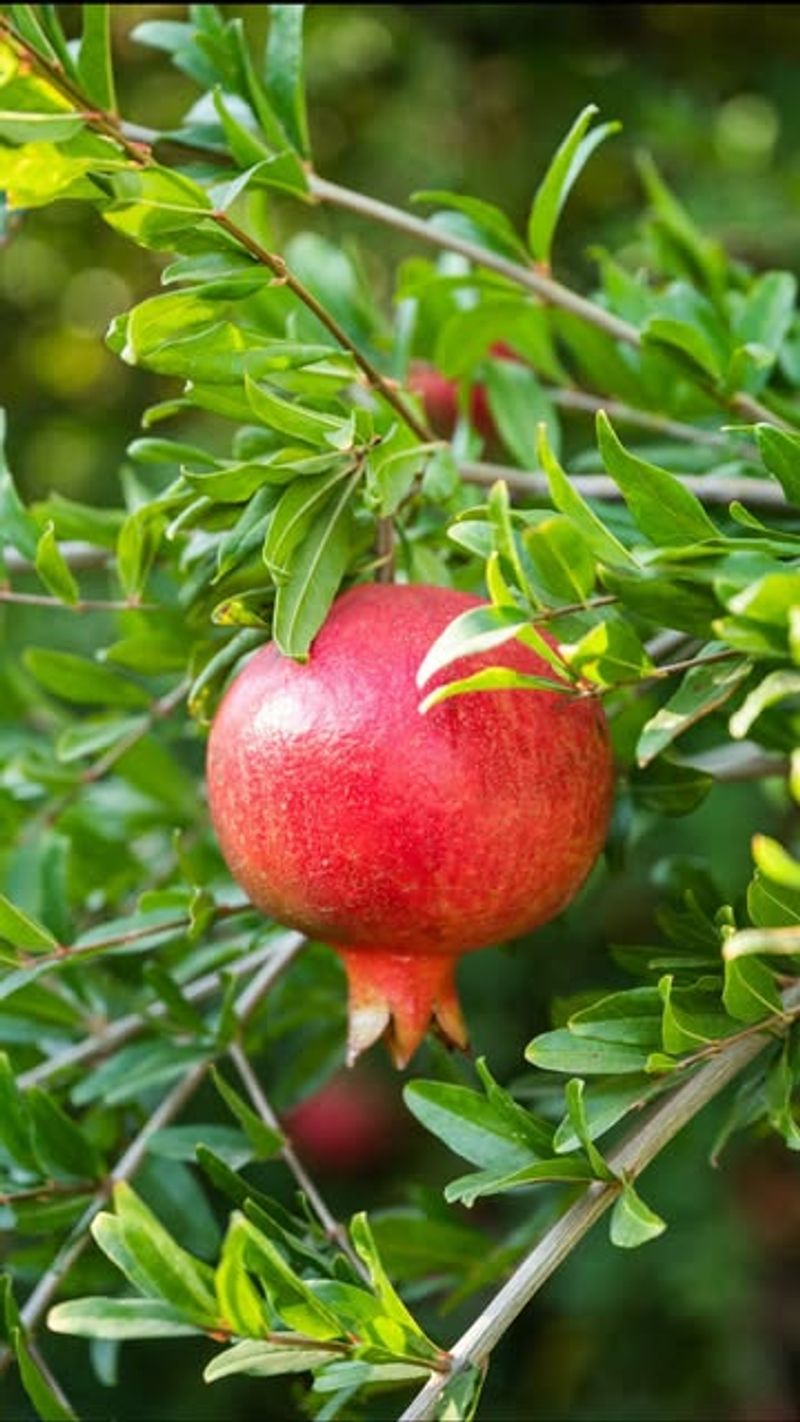
Pomegranate trees are perfectly suited to California’s Mediterranean climate, thriving in the state’s hot, dry summers and mild winters.
Late winter planting allows these trees to establish roots during the cooler months before the heat arrives.
California has a long history of growing pomegranates, and they’ve become increasingly popular in home gardens throughout the state.
Varieties like ‘Wonderful,’ ‘Eversweet,’ and ‘Ambrosia’ all perform excellently in California gardens, each offering different flavor profiles and fruit characteristics.
‘Wonderful’ is the most commonly grown variety and produces large fruits with deep red, tart-sweet arils.
Pomegranate trees are self-fruitful, so you only need one tree to get fruit, though they’re so beautiful you might want several.
These trees are extremely drought-tolerant once established, making them ideal for California’s water-conscious landscape designs.
The bright orange-red flowers that appear in spring are absolutely gorgeous and attract hummingbirds to your garden.
Pomegranates ripen in fall, usually from September through November in different parts of California.
The trees have attractive glossy leaves and interesting bark, providing year-round ornamental value beyond just fruit production.
In California’s climate, pomegranate trees rarely suffer from pest or disease problems, making them one of the easiest fruit trees to grow successfully.