These Fruit Trees Benefit From Light Fertilizing In Early April In Georgia
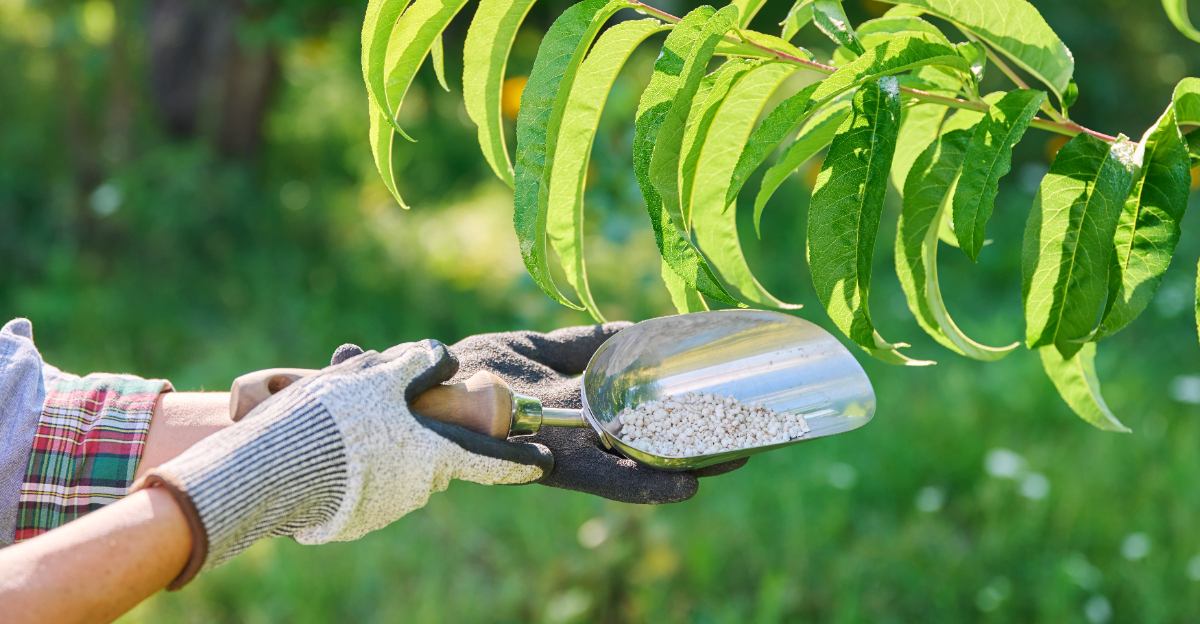
Some fruit trees in Georgia start strong, then suddenly lose that energy a few weeks later. Leaves may still look fine, but growth slows down and the tree never quite reaches its full potential.
What happens early in the season often sets the tone for everything that follows. Soil conditions, timing, and small care choices all play a role, even when nothing seems wrong at first.
A light fertilizer at the right moment can help support steady growth and keep trees from falling behind as the season moves forward. The goal is not to push fast growth, but to keep everything balanced and consistent.
When this step is done correctly, trees stay stronger, more stable, and better prepared for the changes that come later in the season.
1. Apple Trees Use Early Nutrients To Support Strong Growth
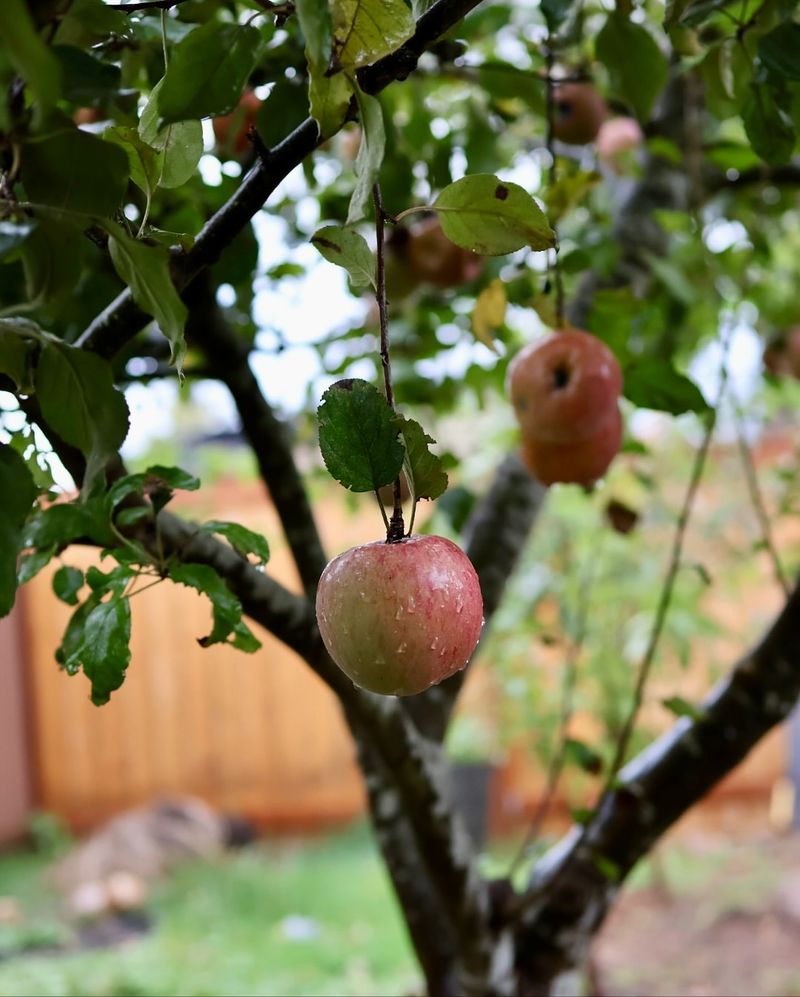
Apple trees in Georgia wake up hungry. After a long winter, the roots are already reaching for nutrients before you even notice buds forming on the branches.
Getting ahead of that hunger with a light feeding in early April can set the tone for the whole growing season.
A balanced fertilizer like a 10-10-10 blend spread evenly from the trunk out to the drip line works well. Avoid piling fertilizer right against the bark.
Water it in thoroughly right after applying so nutrients move down into the root zone where they actually do something useful.
Skip high-nitrogen formulas with apple trees in Georgia. Too much nitrogen pushes leafy growth at the expense of fruit and can make trees more vulnerable to fire blight, which is already a real concern in the Southeast.
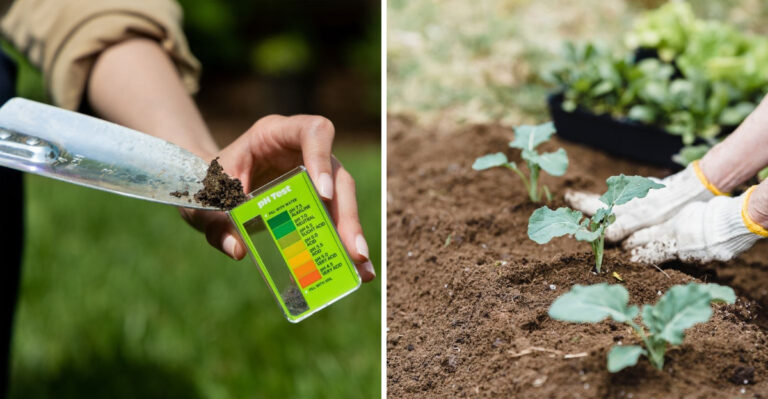
A soil test before you apply anything is always a smart move. It tells you exactly what your soil is missing so you are not guessing.
Light and steady is the approach that works best here, not heavy handed applications that stress the tree right when it is trying to get going.
Mulch around the base helps hold moisture and keeps nutrients from washing away too quickly after feeding. Keep a few inches of space clear around the trunk so the bark stays dry and healthy.
A steady start in April usually leads to stronger flowering and more reliable fruit set later in the season.
2. Peach Trees Perform Better When Fed Right After Bloom Ends
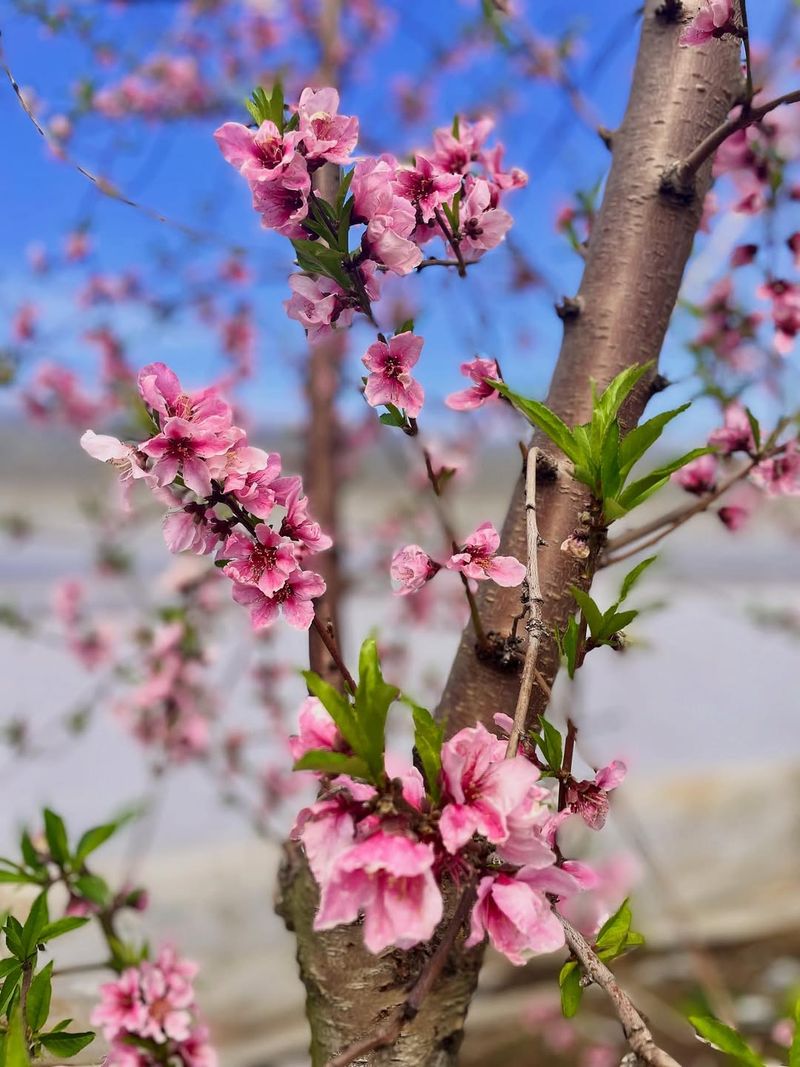
Peach trees are one of Georgia’s most iconic crops, and they respond well to timely fertilizer applications. Right after bloom ends in early April is actually the sweet spot.
The tree has spent a lot of energy pushing flowers, and a light feeding helps it shift focus toward fruit development.
A balanced 10-10-10 fertilizer applied evenly around the base is a solid starting point for most home orchards. Mature trees can handle around ten cups spread out to the drip line.
Water the area well after applying so the nutrients reach the feeder roots below the surface.
One thing to keep in mind with peaches in Georgia is that they are fast growers. They do not need heavy feeding to produce well.
Too much fertilizer, especially nitrogen, can push excessive leafy growth that shades out developing fruit. A second light application in early August helps support the tree through the rest of the season without overloading it.
Spreading the fertilizer in two smaller doses rather than one big one is a practical habit that most experienced Georgia growers stick to. Keep records of what you apply and when so you can adjust based on how the tree performs year to year.
Watch for unusually long, soft shoots after feeding, as that is often a sign the tree is getting more nitrogen than it needs. Keeping growth balanced makes a noticeable difference in fruit size, flavor, and overall tree health.
3. Pear Trees Need Balanced Nutrients As Spring Growth Picks Up
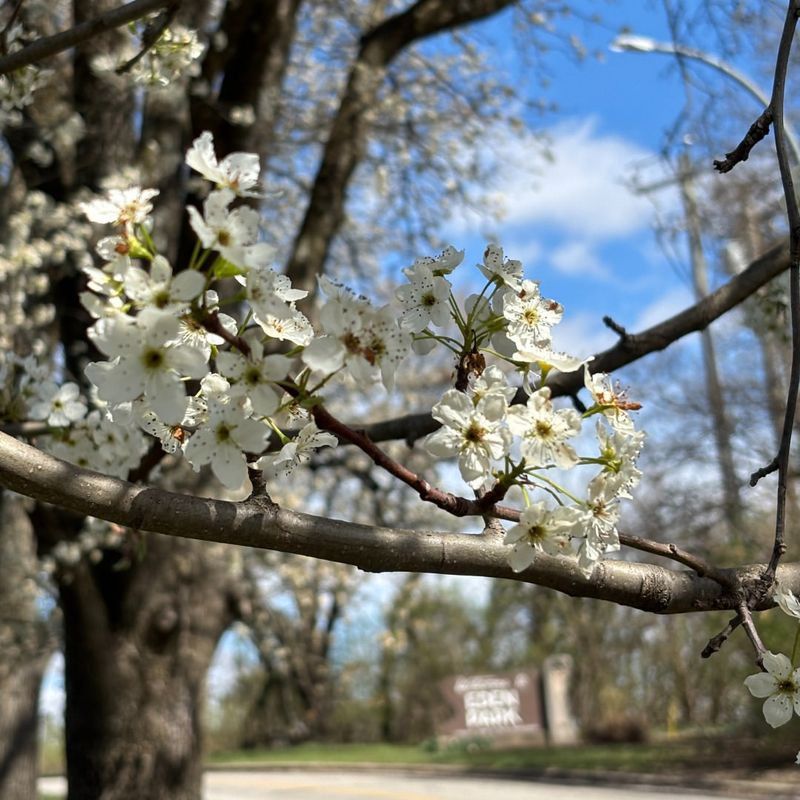
Pear trees have a reputation for being fussy, but in Georgia they can do surprisingly well with just a little attention. Early April is when new growth really starts pushing, and that is when a balanced fertilizer application makes the most sense.
Stick with a straightforward balanced blend and apply it once annually during this spring window. Spread it evenly from the base out past the drip line and water it in right away.
Pear trees in Georgia do not need much to perform well, and less is genuinely better here.
Fire blight is the biggest concern with pears in the Southeast, and high-nitrogen fertilizers make the problem worse by promoting soft, fast-growing shoots that are highly susceptible to the disease. Keeping nitrogen levels moderate is one of the most practical things you can do to protect your tree.
A soil test every couple of years helps you stay on top of what the ground actually needs. Sandy soils common in parts of Georgia drain quickly and may need more frequent but lighter applications compared to heavier clay soils found in the piedmont region.
Paying attention to your specific soil type makes a real difference in how your pear tree responds to feeding throughout the season.
Keep the area under the tree clear of fallen leaves and old fruit to reduce disease pressure as the season moves forward.
4. Plum Trees Benefit From Feeding To Support Healthy Fruit Set
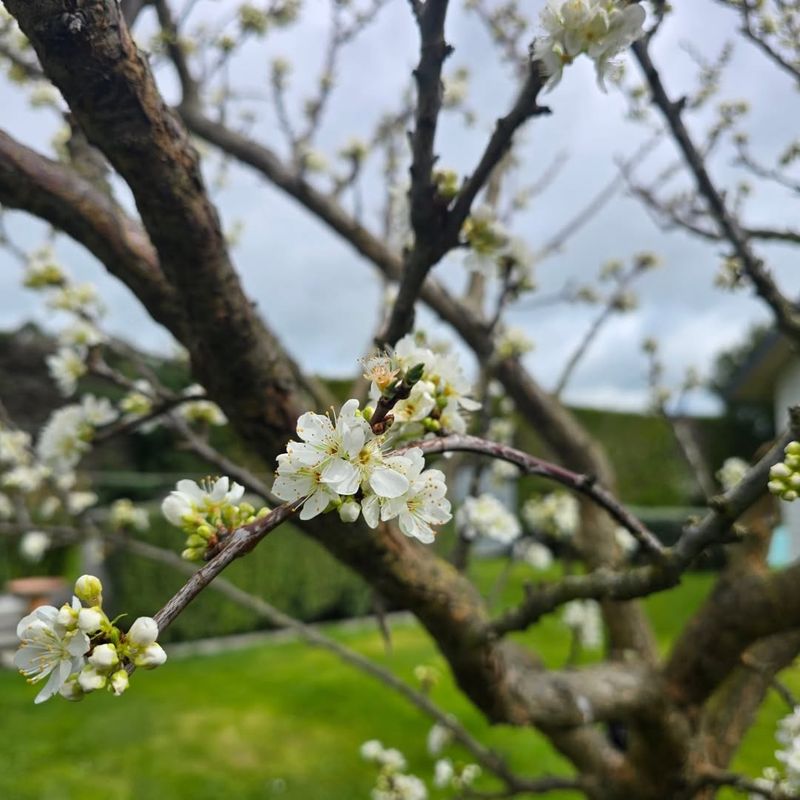
Plum trees come out of dormancy with a burst of energy that catches a lot of Georgia gardeners off guard. Blossoms appear early, sometimes before you have even thought about spring garden tasks.
Catching them with a light fertilizer application right after bloom gives the tree what it needs to set fruit successfully.
A balanced granular fertilizer works well for plums. Apply it in a wide circle around the base rather than concentrating it near the trunk.
Work it lightly into the soil surface if possible and water thoroughly. Feeder roots extend well beyond what most people expect, so spreading the fertilizer broadly makes a real difference in uptake.
Plums in Georgia tend to be vigorous growers, which means they can actually be harmed by over-fertilizing more easily than some other fruit trees. If your tree is putting out more than about eighteen inches of new growth per season, that is a sign it is getting plenty of nutrients already.
Pulling back on fertilizer in that situation is the right call. Healthy fruit set depends on the tree having enough energy reserves without being pushed into excessive vegetative growth.
A moderate, well-timed application in early April is almost always enough to support a solid crop without tipping the balance in the wrong direction.
5. Cherry Trees Use Spring Nutrients To Maintain Vigorous Growth
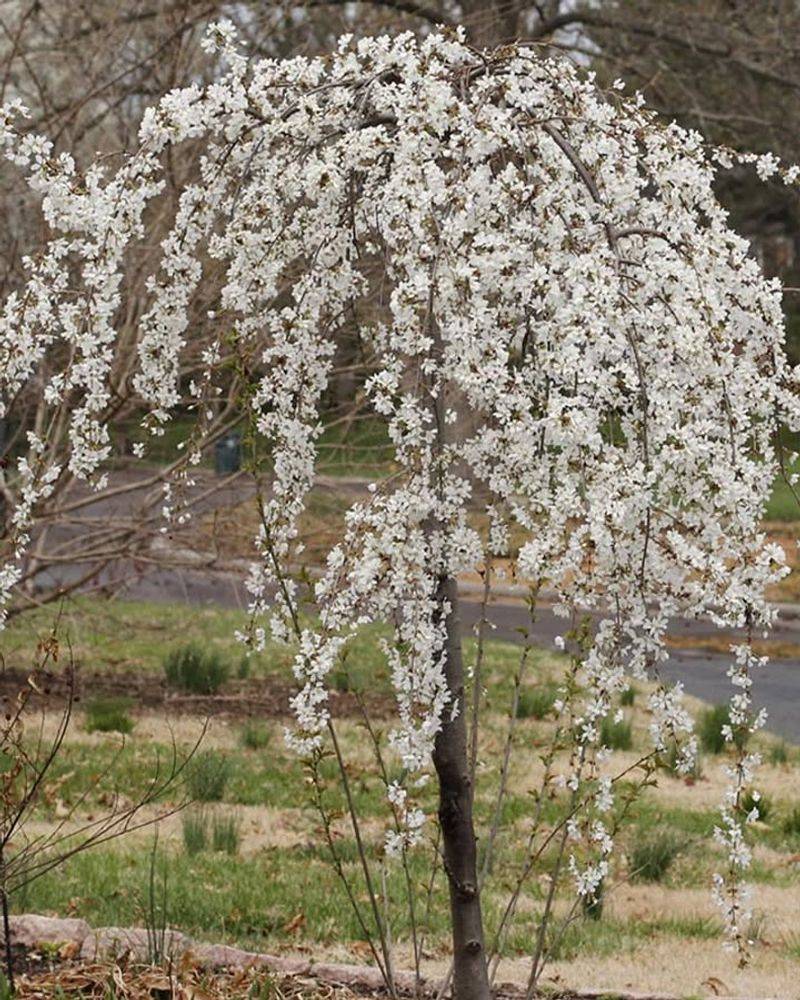
Cherry trees are not as common in Georgia as peaches or plums, but they can absolutely thrive with the right care. Early April is a critical window for getting nutrients in before the tree shifts all its energy toward fruit development.
Missing that window can leave the tree running on empty mid-season.
Sweet cherries and tart cherries both respond well to a light balanced fertilizer in early spring. Apply it evenly under the canopy and out to the drip line, then water deeply.
Cherries have relatively shallow root systems, so getting moisture and nutrients down into that zone is important.
One thing cherry trees in Georgia really do not like is waterlogged soil. If your yard has drainage issues, fix those before worrying about fertilizer.
Nutrients sitting in saturated soil are not getting absorbed efficiently anyway. A light mulch layer around the base after fertilizing helps retain moisture during dry spells without holding too much water during wet periods.
Georgia springs can be unpredictable with rainfall, so having that buffer matters. Cherry trees also benefit from consistent feeding rather than heavy annual doses.
Keeping applications light and well-timed across the season gives the tree steady support without the stress that comes from irregular or excessive fertilizer applications.
Watch for yellowing leaves early in the season, as that can signal nutrient imbalance or poor drainage before bigger issues show up. Keeping the root zone evenly moist but not saturated helps the tree stay stable through Georgia’s shifting spring conditions.
6. Fig Trees Do Best With Minimal Feeding As Leaves Begin To Form
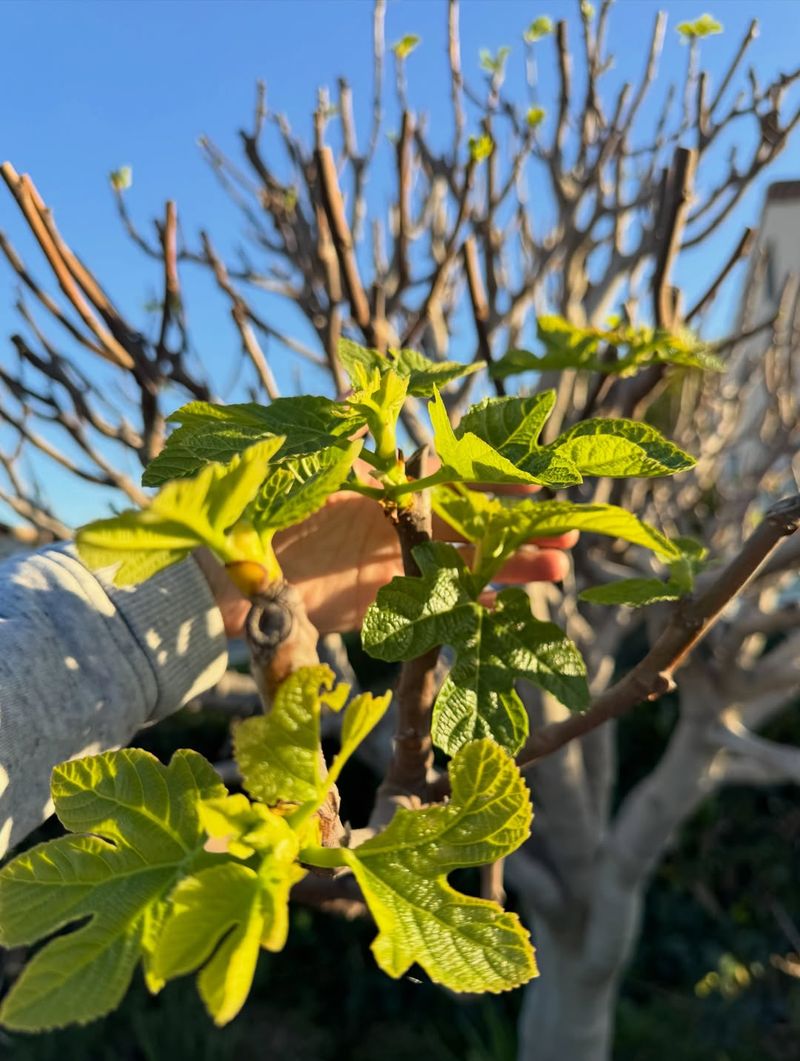
Fig trees are tough, and they have a tendency to laugh at gardeners who overthink their care. In Georgia, they push new leaves in early April with almost no encouragement at all.
That does not mean fertilizing is pointless, but it does mean less is more with figs.
A light application of a balanced or potassium-rich fertilizer just as buds begin to swell is usually all a fig tree needs. High-nitrogen fertilizers are worth avoiding entirely with figs.
Too much nitrogen sends the tree into a leafy frenzy and fruit production takes a back seat, which is the opposite of what you want.
Container-grown figs are a little different. They benefit from a combination of slow-release granular fertilizer at the start of the season and occasional liquid feeding as the season progresses.
In-ground figs in Georgia’s warmer regions are often so vigorous that a single light spring feeding is genuinely enough for the whole year. Checking new growth is a practical way to gauge whether the tree needs more.
If shoots are extending twelve to eighteen inches per season, the tree is in a healthy range. Pushing beyond that with extra fertilizer does not improve fruit quality and can actually reduce it by encouraging the wrong kind of growth at the wrong time.
7. Blueberries Require Acidic Nutrients To Support Healthy Development
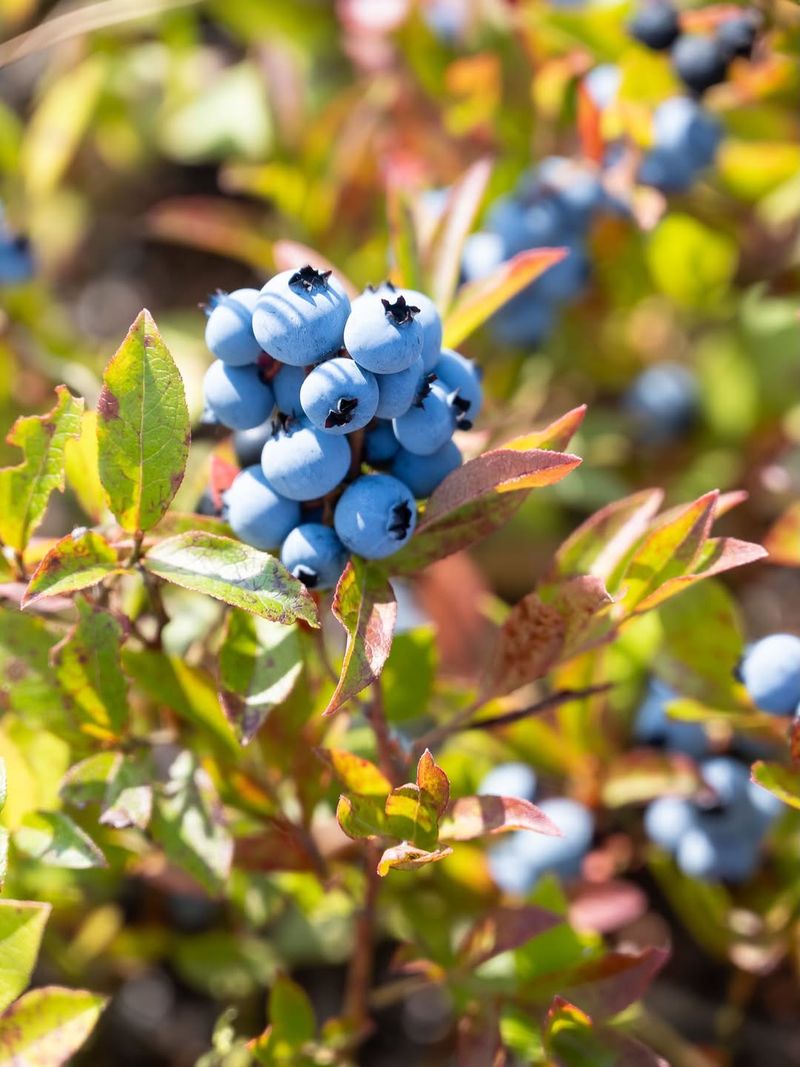
Blueberries are not just picky about fertilizer, they are picky about everything, starting with soil pH. In Georgia, getting the pH down to somewhere between 4.5 and 5.5 is the foundation of growing blueberries successfully.
Without that acidity, nutrients sit in the soil completely unavailable to the plant no matter how much you apply.
Early April is the right time to apply an acid-forming fertilizer formulated specifically for blueberries or azaleas. Ammonium sulfate is a popular choice among Georgia growers because it feeds the plant while also helping maintain that low pH.
Apply it in a ring around each bush, keeping it several inches away from the stems, and water in well.
Split applications work better than a single heavy dose for blueberries. A light feeding in early April followed by another in late May gives the plants consistent support without the risk of fertilizer burn, which blueberries are genuinely sensitive to.
Pine bark mulch around the base helps maintain soil acidity between feedings and keeps moisture levels more stable. Georgia summers get brutal, and blueberries need that moisture buffer.
Rabbiteye varieties are the most reliable for Georgia conditions and tend to respond well to this kind of careful, measured feeding approach throughout the growing season.
8. Muscadine Grapes Grow Stronger With Early Season Nutrient Support
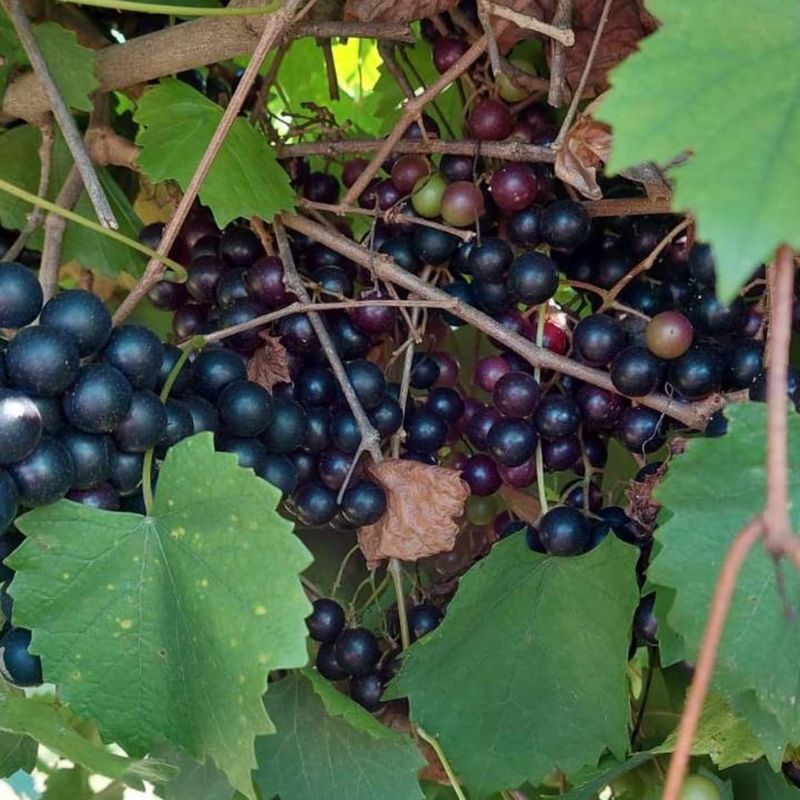
Muscadines are as Georgia as it gets. These thick-skinned grapes have been growing across the Southeast for centuries, and they are genuinely hard to discourage.
But even tough plants benefit from a well-timed nutrient boost, and early April is exactly the right moment to give muscadine vines a little support.
A balanced 10-10-10 fertilizer applied in early spring works well for established vines. Spread it evenly under the vine canopy and out past where the roots are likely reaching.
Water it in well after applying. Young vines in their first or second year need a lighter hand since they are still developing their root systems.
Muscadines in Georgia do not need heavy feeding to produce well. Vines that are over-fertilized tend to push long, leafy shoots that can crowd the trellis and create humidity problems that invite disease.
Keeping applications moderate and well-spaced is the practical approach most experienced Georgia growers follow. A second light application in early June supports the vine through fruit development without pushing excessive growth.
Soil tests every few years are worth doing since muscadines prefer a slightly acidic soil in the 6.0 to 6.5 pH range. Adjusting pH if needed makes the fertilizer you apply far more effective and gives the vine a better foundation for producing a strong crop.