These Garden Center Flowers In New York Are The Worst Choice For Bees
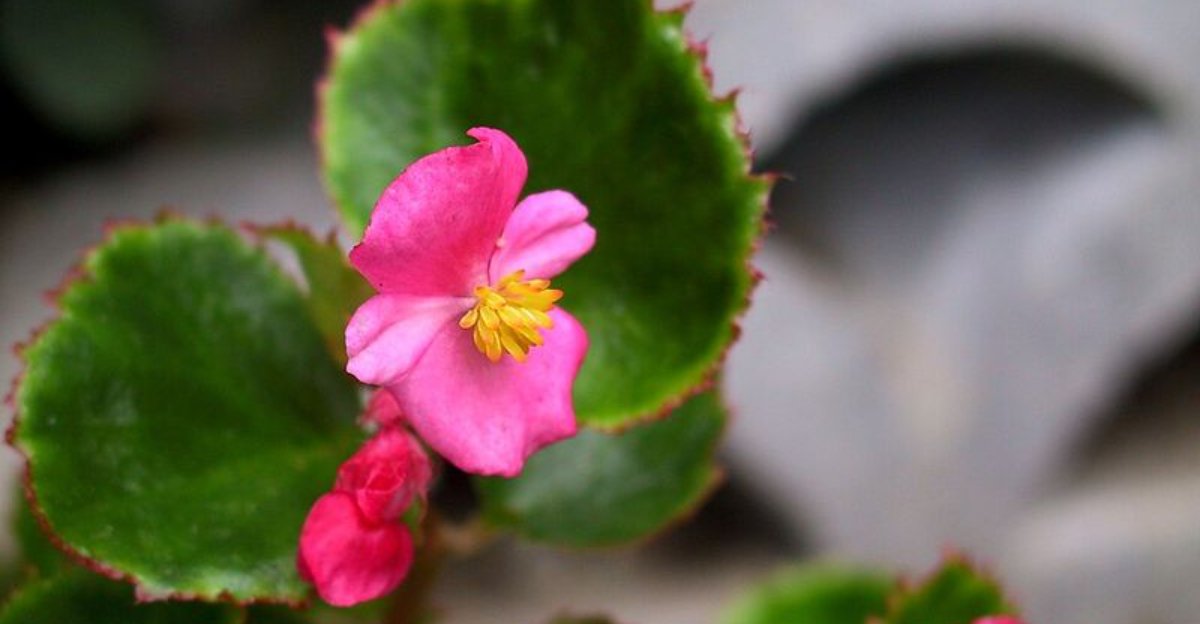
A trip to a garden center in New York can feel inspiring, with rows of colorful flowers promising instant beauty for your yard. But not every bright bloom is as helpful as it looks, especially when it comes to supporting bees.
Many popular flowers sold at garden centers are bred for looks alone, offering little to no nectar or pollen. That means while your garden may look full and lively, it could actually be doing very little for the pollinators that need help the most.
It’s surprising how often well-meaning gardeners unknowingly choose plants that bees simply ignore. Some flowers are flashy but useless for pollinators.
Others may even replace better, bee-friendly options in limited garden space. What you plant matters more than you think, because a beautiful garden should also be a useful one.
Bees rely on the right plants to survive, especially in cities and suburbs where natural food sources are limited. New York gardeners have the power to make a real difference with smarter plant choices.
Before filling your cart with the most eye-catching flowers, it helps to know which ones fall short for bees and why. Understanding what not to plant is just as important as knowing what to grow, and it can turn your garden into a space that truly supports local pollinators.
1. Double Impatiens
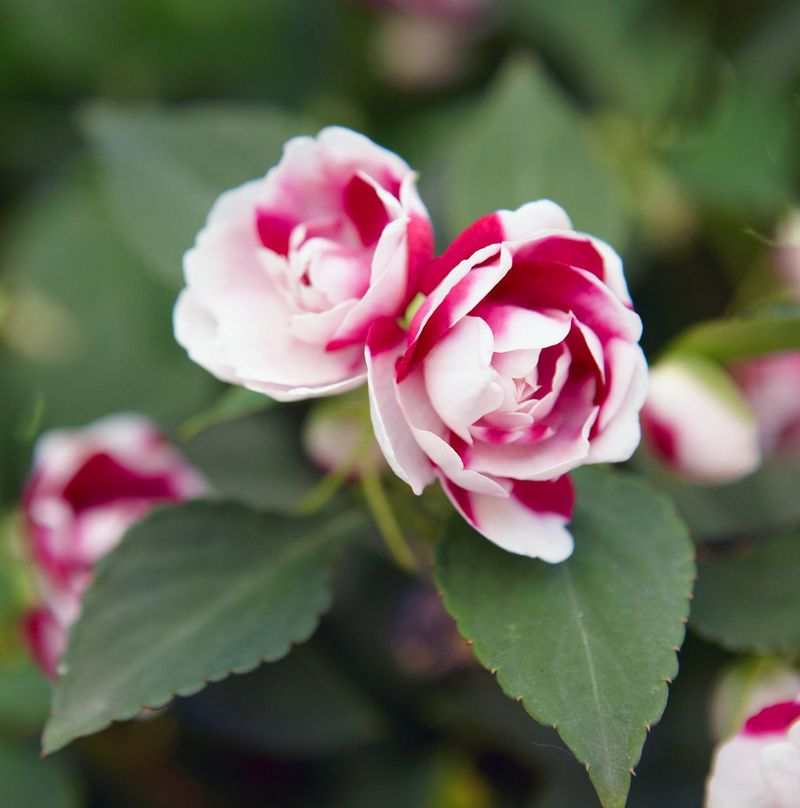
Walk past the shade plant section at any New York garden center and you will probably spot rows of double impatiens. These fluffy, pom-pom-like flowers come in cheerful shades of pink, red, white, and orange.
Gardeners love them because they bloom all summer long and thrive in shady spots where other plants struggle. But despite their charm, double impatiens are a poor choice if you care about bees.
The problem lies in their breeding. Double impatiens have been cultivated to produce extra petals, creating that full, ruffled look that catches the eye.
However, those extra petals often cover up or replace the flower’s reproductive parts, including the stamens that produce pollen. Bees visiting these blooms find themselves unable to access any food.
Even if a bee lands on a double impatiens, it will leave empty-handed, having wasted precious energy on a flower that offers no reward.
In regions like the Finger Lakes or the Adirondacks, where native bee populations are already under pressure, planting flowers that provide no nutrition can make survival even harder. Bees need pollen for protein and nectar for energy, and double impatiens provide neither.
Single-flowered impatiens are a better option if you want the same shade-loving color without leaving bees hungry. When shopping in New York, always check the flower’s center.
If you cannot see the stamens or the bloom looks overly fluffy, it is probably not bee-friendly. Choose simple, open flowers instead to give pollinators the fuel they need.
2. Hybrid Tea Roses
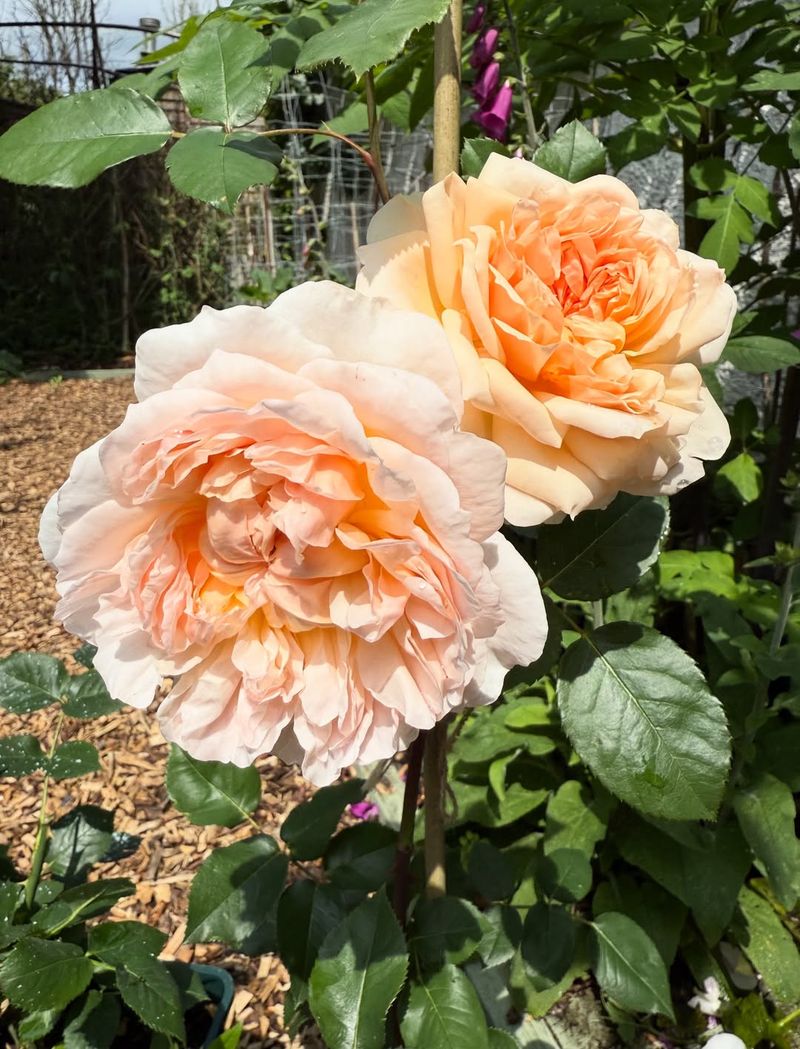
Roses are a classic choice for gardens across New York, from Brooklyn brownstone yards to upstate country estates. Hybrid tea roses, with their large, elegant blooms and long stems, are especially popular for cutting and displaying indoors.
These roses come in nearly every color imaginable and have a reputation for being the showstoppers of the rose world. But beauty comes at a cost, and for bees, hybrid tea roses are mostly useless.
Most hybrid tea roses have been bred for appearance rather than function. Their petals are thick and tightly packed, often forming a spiral shape that looks stunning but hides the flower’s center.
This dense petal arrangement makes it nearly impossible for bees to reach the pollen and nectar inside. Even worse, many hybrid tea roses produce little to no pollen at all because breeders have focused on petal count and color rather than reproductive success.
Bees that land on these roses find themselves working hard for no payoff. Fragrance is another issue. While some hybrid tea roses smell lovely to humans, many modern varieties have been bred to be scentless.
Bees rely on scent to locate flowers, so a rose without fragrance is much less likely to attract pollinators in the first place. If you live in areas like Westchester County or the Catskills and want to support bees, consider planting heirloom or wild roses instead.
These older varieties have simple, open blooms with accessible pollen and strong scents that draw bees from far away. Your garden will still look beautiful, but it will also serve a purpose for New York’s pollinators.
3. Double Petunias
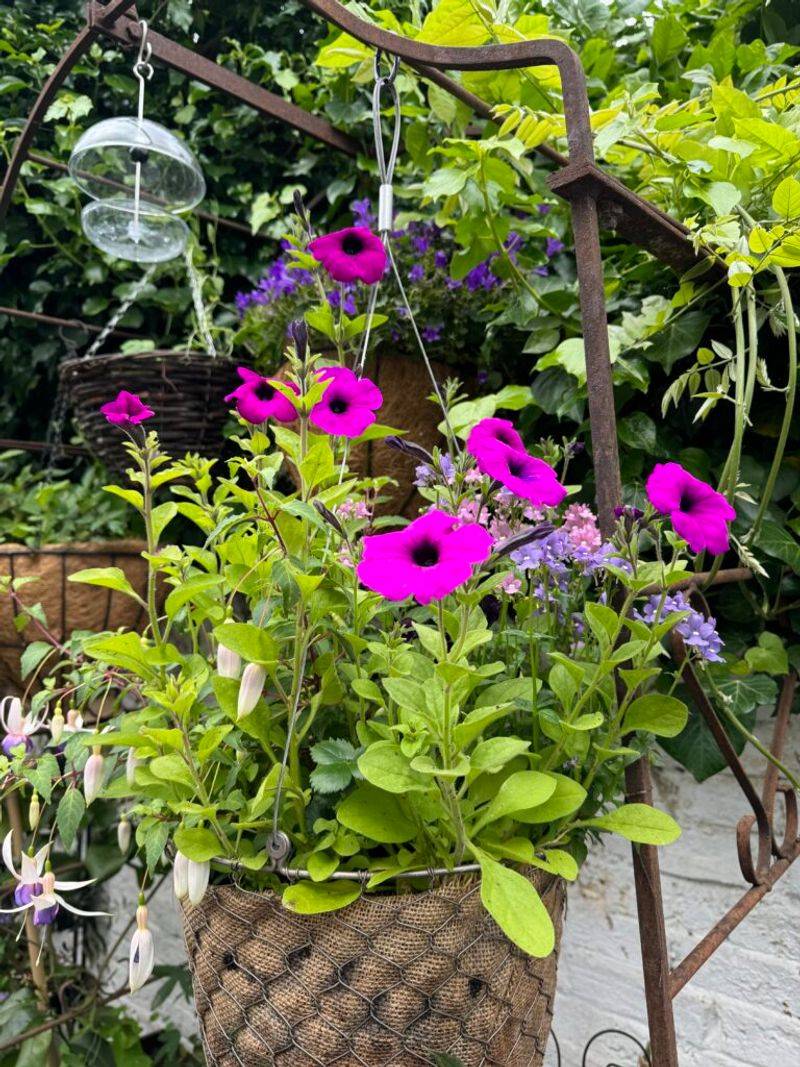
Petunias are everywhere in New York during the summer months. Hanging baskets overflow with them on porches in Syracuse, and window boxes in Manhattan burst with their bright colors.
Double petunias, with their extra-full blooms, are especially eye-catching. They look almost like miniature carnations and come in shades of purple, pink, yellow, and white.
Gardeners adore them for their long blooming season and low maintenance needs. But bees do not share that enthusiasm.
Just like double impatiens, double petunias have been bred to produce more petals than nature intended. This breeding creates a flower that is visually impressive but functionally flawed.
The extra petals crowd out the stamens and pistils, making it difficult or impossible for bees to find pollen. Even if a bee manages to push its way into the center of a double petunia, there is often no pollen to collect.
The flower has been transformed into a decorative object rather than a food source. Single petunias are a much better option for pollinator-friendly gardens. They have open centers that bees can easily access, and they produce plenty of pollen and nectar.
If you shop at a garden center in Buffalo, Rochester, or anywhere else in New York, take a moment to compare single and double petunias. The single varieties might look simpler, but they are far more valuable to bees.
Remember, a garden that supports pollinators is a garden that supports the entire ecosystem, from fruit trees to vegetable crops and wildflowers.
4. Begonias
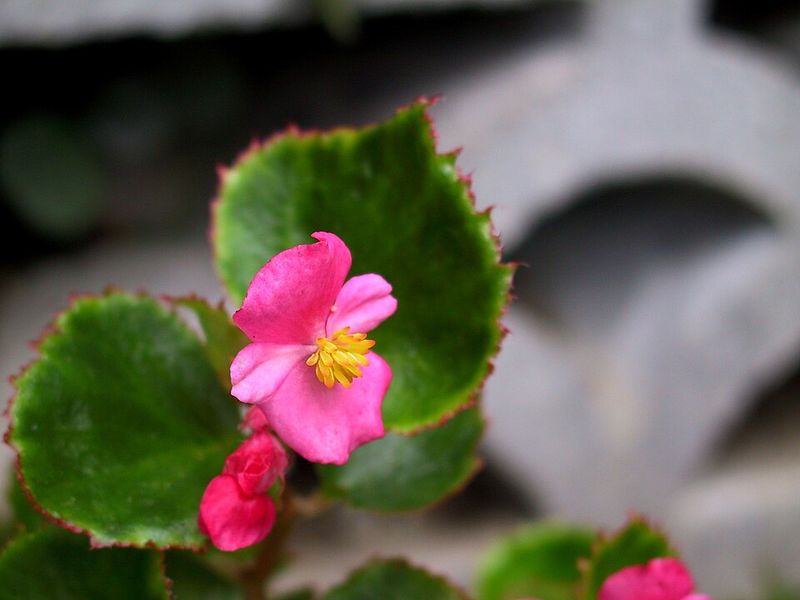
Begonias are a staple at garden centers throughout New York, especially for gardeners looking for reliable shade plants. Their waxy leaves and clusters of small flowers make them a popular choice for borders, containers, and hanging baskets.
Begonias bloom continuously from late spring through fall, and they come in shades of red, pink, white, and coral. But despite their popularity and long blooming season, begonias offer almost nothing to bees.
The issue with begonias is simple: they produce very little pollen and nectar. Some varieties produce none at all.
Begonias have been bred primarily for their foliage and flower color, with little attention paid to their value as a food source for pollinators.
Bees that visit begonias will find themselves wasting time and energy on flowers that provide no nutrition. In a world where bees are already facing habitat loss, pesticides, and disease, every flower should count.
New York gardeners in places like Queens, the Hudson Valley, and the Southern Tier often choose begonias because they thrive in shade and require little care. But there are better options that offer the same benefits while also supporting bees.
Shade-loving plants like coral bells, astilbe, and foamflower provide nectar and pollen while still adding color and texture to shady spots. If you already have begonias in your garden, consider adding a few pollinator-friendly plants nearby to make up for the lack of bee food.
Every little bit helps, and mixing in even a few bee-friendly blooms can make a big difference for local pollinators trying to survive in urban and suburban New York environments.
5. Pansies
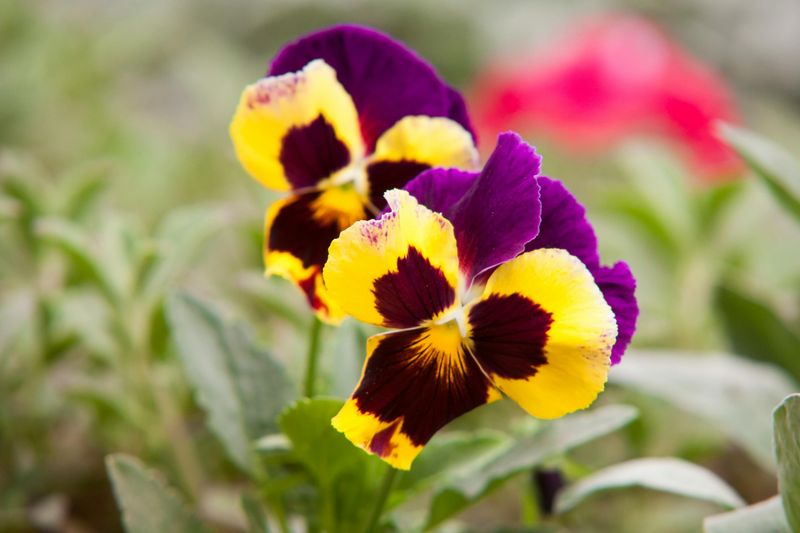
Pansies are one of the first flowers to appear at garden centers in New York each spring. Their cheerful faces and wide range of colors make them a favorite for cool-season planting.
You will find them in planters outside cafes in Albany, lining walkways in Ithaca, and brightening up gardens from Staten Island to Niagara Falls.
Pansies are hardy, affordable, and easy to grow, which explains their popularity. But when it comes to feeding bees, pansies fall short.
Modern pansies have been bred for visual appeal rather than pollinator support. Many varieties produce very little pollen, and some produce none at all.
Their flowers are large and showy, but the reproductive parts are often reduced or hidden. Bees that visit pansies may find a small amount of nectar, but it is rarely enough to make the trip worthwhile.
Pansies also bloom early in the season when other flowers are scarce, which can be especially frustrating for bees emerging from hibernation and searching desperately for food.
If you want to plant cool-season flowers that actually help bees, consider alternatives like crocus, grape hyacinth, or early-blooming wildflowers. These plants bloom at the same time as pansies but offer much more nutrition.
In New York, where spring can be unpredictable and late frosts are common, early-blooming flowers are critical for bee survival. Choosing the right ones can mean the difference between a thriving bee population and one that struggles to get through the season.
Next time you visit a garden center in New York, skip the pansies and look for flowers that give bees the energy they need to start the season strong.
6. Marigolds (African Marigolds)
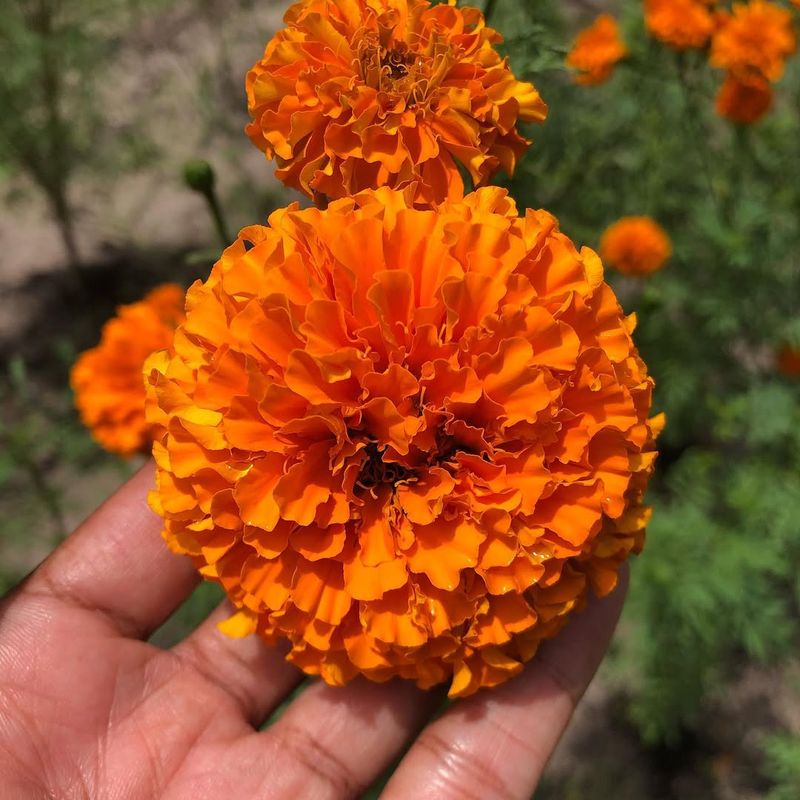
Marigolds are a summer staple in gardens across New York. Their bright orange, yellow, and red blooms are hard to miss, and they are often used as companion plants in vegetable gardens to deter pests.
African marigolds, in particular, are prized for their large, globe-shaped flowers and long blooming period. Gardeners in the Bronx, Long Island, and the North Country all rely on marigolds for reliable color.
But not all marigolds are created equal, and African marigolds are among the worst for bees. The problem with African marigolds is their flower structure.
These marigolds have been bred to produce large, densely packed blooms that are nearly impossible for bees to navigate.
The petals are so tightly layered that the flower’s center is completely hidden. Even if a bee manages to land on an African marigold, it cannot reach the pollen or nectar inside.
The flower looks impressive, but it is functionally useless to pollinators. Some varieties also have a strong, pungent smell that actually repels bees rather than attracting them.
French marigolds and signet marigolds are better choices if you want marigolds that support bees. These varieties have simpler, open flowers that bees can easily access.
They still provide the same pest-deterring benefits and bright colors, but they also offer food for pollinators. When shopping at a garden center in New York, take a close look at the marigold varieties available.
Choose the ones with single, open blooms rather than the large, fluffy African types. Your bees will thank you, and your garden will still be full of color and life all summer long.
7. Geraniums (Pelargoniums)

Geraniums are a garden center classic, and you will find them in nearly every New York nursery from spring through fall. Their bold clusters of red, pink, white, and purple flowers make them a popular choice for pots, window boxes, and garden beds.
Geraniums are tough, drought-tolerant, and bloom continuously, which makes them a favorite for busy gardeners. But despite their popularity, geraniums are a poor choice if you want to support bees.
The geraniums sold at most garden centers are actually pelargoniums, which are different from true geraniums. Pelargoniums produce very little pollen and nectar, and their flowers are not structured in a way that makes them easy for bees to access.
The petals are often tightly packed, and the flower’s center is small and difficult to reach. Bees that visit pelargoniums usually leave without finding any food. Some varieties also have a strong, slightly bitter scent that bees find unappealing.
True geraniums, also called cranesbill geraniums, are a much better option for pollinator-friendly gardens. These plants have simple, open flowers that bees love, and they produce plenty of pollen and nectar.
They are also hardy perennials that come back year after year, making them a smart investment for New York gardeners.
Whether you live in New York City, the Finger Lakes, or the Thousand Islands, choosing true geraniums over pelargoniums can make your garden a welcoming place for bees.
Next time you shop for flowers, look for cranesbill varieties and skip the common pelargoniums. Your pollinators will appreciate the difference, and your garden will be healthier and more vibrant as a result.
8. Dahlias (Decorative And Dinner Plate Varieties)
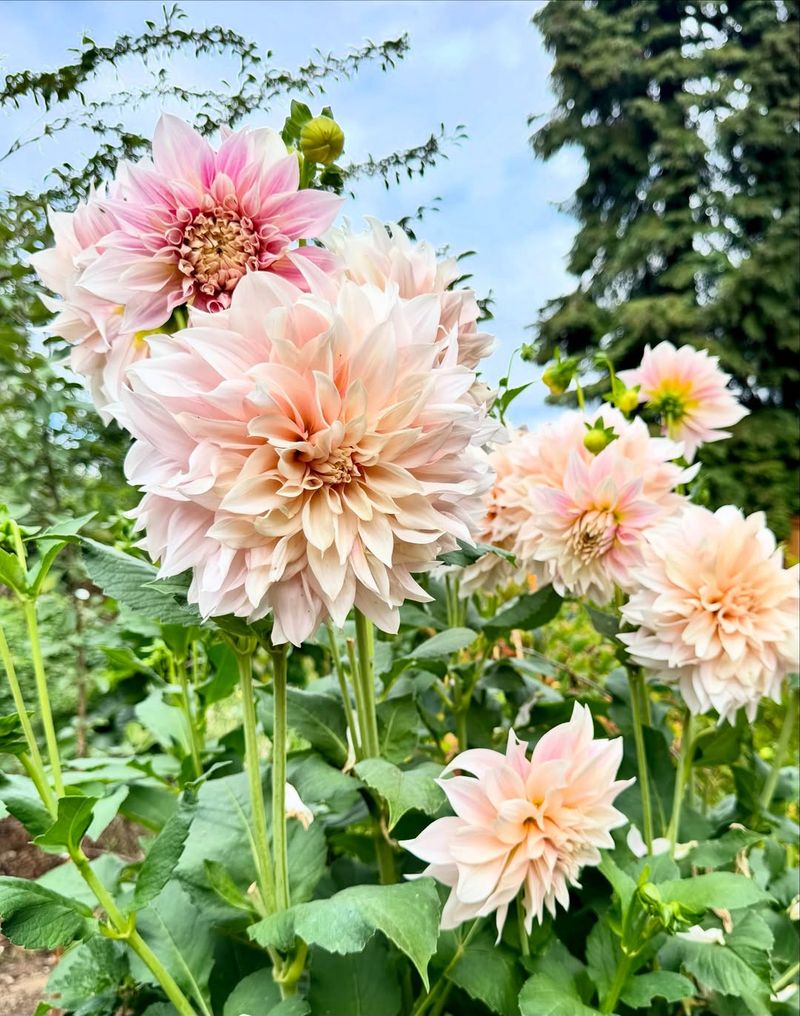
Dahlias are showstoppers in late summer and fall gardens across New York. Their enormous blooms and stunning range of colors make them a favorite for flower lovers and photographers alike.
Decorative and dinner plate dahlias, with their huge, multi-layered flowers, are especially popular at garden centers in places like Saratoga Springs, Rochester, and the Hudson Valley.
These dahlias can grow as large as a dinner plate, with petals arranged in intricate patterns. But their beauty comes at a cost to bees.
Decorative and dinner plate dahlias have been bred to produce as many petals as possible, often at the expense of their reproductive parts. The stamens and pistils are buried deep within layers of petals, making them nearly impossible for bees to reach.
Some varieties have so many petals that there is no room left for pollen production at all. Bees that visit these dahlias will find themselves struggling to navigate the dense petal layers, often giving up and moving on to more accessible flowers.
It is a frustrating experience for a pollinator that needs to gather as much food as possible before winter arrives.
If you love dahlias but want to support bees, look for single-flowered or semi-double varieties. These dahlias have open centers that bees can easily access, and they produce plenty of pollen and nectar.
They might not be as dramatic as the dinner plate varieties, but they are far more valuable to pollinators. New York gardeners can have the best of both worlds by planting a mix of dahlia types, ensuring that some flowers are purely decorative while others serve a functional purpose for bees.