These Garden Chemicals Are Illegal To Use In California
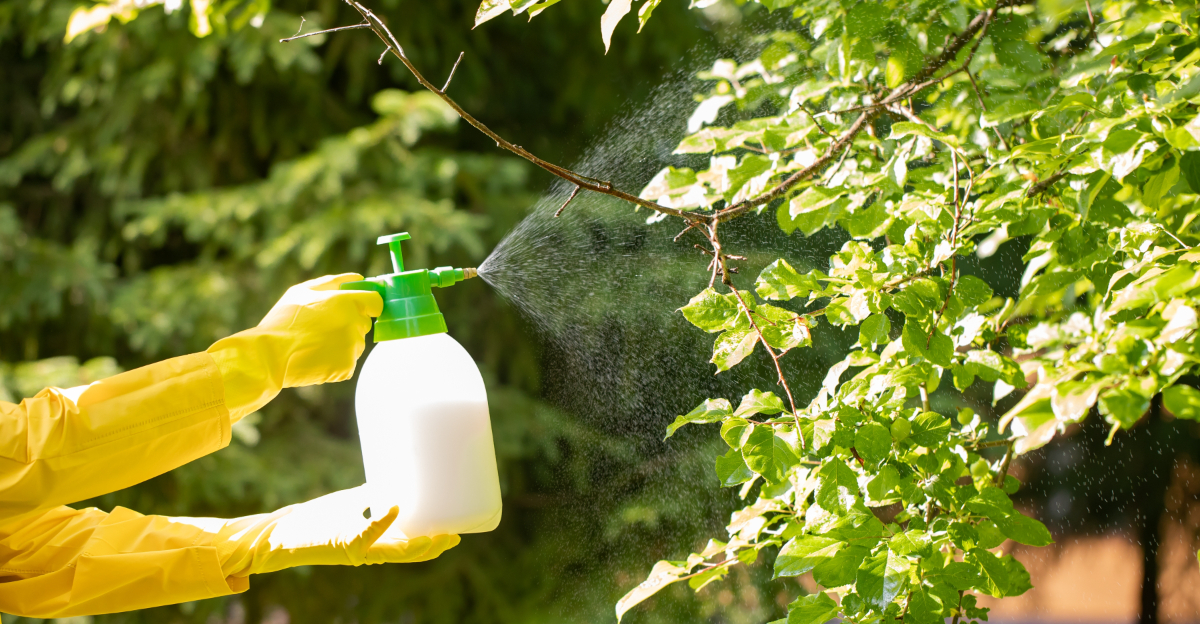
Think any garden chemical is fair game in California? Not even close. Some common products are restricted, banned, or illegal to use, and getting it wrong can turn a simple yard job into a costly mistake.
California has strict rules for a reason. Certain pesticides, herbicides, and garden treatments are off-limits because of the risks they pose to people, pets, pollinators, and water supplies.
So before you spray first and read the label later, it pays to know what is actually allowed in the state of California.
The upside is simple: once you know which chemicals are a no-go, it gets much easier to protect your plants without creating bigger problems in the process. Safer choices, healthier soil, and no legal headaches? That is a pretty good deal.
1. Chlorpyrifos

For decades, chlorpyrifos was one of the most widely used insecticides in the country. Farmers sprayed it on crops.
Homeowners used it in their yards. It seemed like the go-to fix for almost any pest problem.
Then researchers started connecting the dots between this chemical and serious brain development problems in children.
California officially banned chlorpyrifos in 2020, making it one of the first states to take that step. The California Department of Pesticide Regulation cited strong scientific evidence linking exposure to neurodevelopmental harm in young children.
Products like Dursban, once sold openly at hardware stores, became completely off-limits for home use.
You may still find old bottles of chlorpyrifos sitting in garages or garden sheds across California. Using them today is against the law, no matter how much product is left.
Proper disposal through your local household hazardous waste program is the right move. Safe alternatives like neem oil, insecticidal soap, and pyrethrin-based sprays can handle most common garden pests without the same level of risk to your family or the environment.
2. Imidacloprid
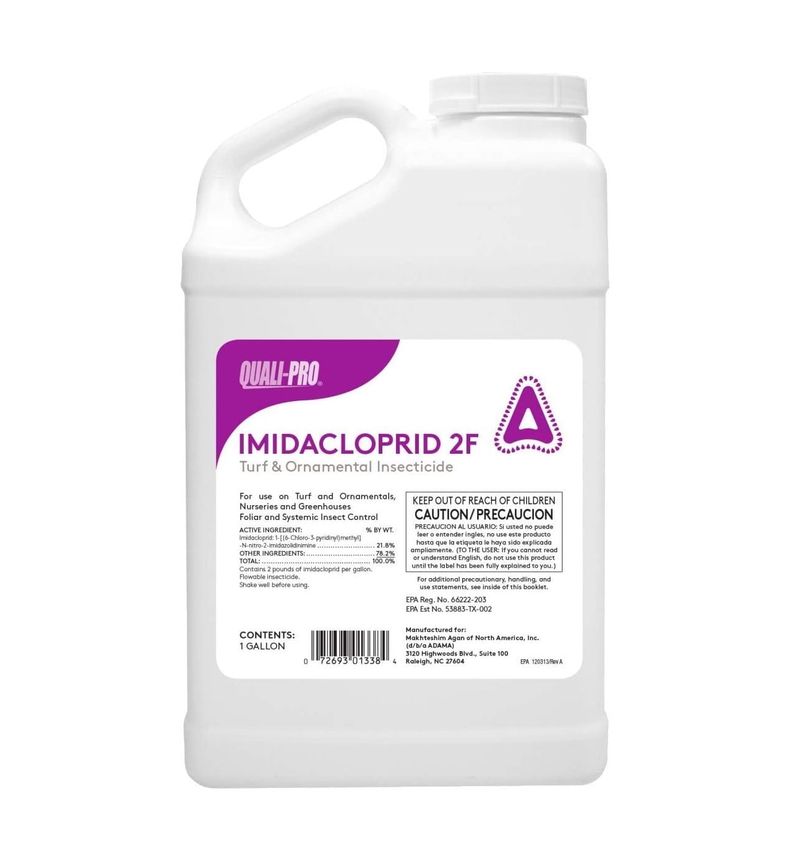
Walk into almost any garden center a few years ago and you would have spotted imidacloprid-based products on nearly every shelf. Bayer BioAdvanced 12-Month Tree and Shrub Protect and Feed was a bestseller.
Homeowners loved it because one application seemed to handle everything from aphids to beetles for months at a time. That convenience came with a serious catch.
Imidacloprid is a neonicotinoid, a class of systemic insecticides that get absorbed into every part of a plant, including pollen and nectar. Bees and other pollinators collect that pollen, and the chemical affects their nervous systems.
Under California AB 363, which took effect on January 1, 2025, imidacloprid is now banned for outdoor residential use on lawns and ornamental plants.
It is worth knowing that the label is the law in California. Even if you already own a product containing imidacloprid, applying it to outdoor ornamental plants or lawns is now illegal.
Some exceptions exist for licensed applicators or for food-producing backyard gardens when the product label specifically allows it. For most home gardeners, switching to beneficial insects or targeted organic sprays is the smarter, safer path forward.
3. Acetamiprid
Rose growers across California were hit hard when acetamiprid landed on the banned list. For years, products like Ortho Rose and Flower Insect Killer were trusted staples for keeping aphids, thrips, and whiteflies off prized blooms.
Your California Garden Changes Every Week. Your Plan Should Too.
Gardening in California changes quickly throughout the season. Every Friday you’ll receive a simple weekly plan showing exactly what to plant, prune, fertilize, harvest, and protect so you never miss the right timing.
The active ingredient acetamiprid made those products work fast and last long. But fast and long-lasting is exactly what makes neonicotinoids so dangerous to pollinators.
Acetamiprid is another member of the neonicotinoid family banned under California AB 363 starting January 1, 2025. Like its chemical cousins, it moves through a plant systemically, meaning it ends up in the pollen and nectar that bees feed on.
Studies show it can impair bee navigation and reproduction, which has major consequences for California agriculture and native ecosystems.
The good news is that rose pests can absolutely be managed without acetamiprid. Insecticidal soap sprays work well on soft-bodied insects like aphids.
Ladybugs and lacewings are natural predators that love to snack on the same pests. Neem oil is another solid option that disrupts pest life cycles without harming pollinators.
California gardeners have plenty of effective tools that keep both their flowers and their local bee populations thriving.
4. Thiamethoxam

Broad-spectrum pest control sounds appealing when you are dealing with a yard full of insects you cannot identify. Thiamethoxam was marketed exactly that way, as a product that could handle almost any pest problem in one go.
Products like Optigard and Flagship carried this neonicotinoid as their active ingredient and were widely used in both residential and commercial settings throughout California.
Starting January 1, 2025, thiamethoxam joined the list of neonicotinoids banned for outdoor residential use under California AB 363. The reasoning is the same as with other neonics.
The chemical is taken up by the plant and distributed into its tissues, pollen, and nectar. Pollinators that visit treated plants are exposed to doses that can affect their health and behavior over time.
California is home to hundreds of native bee species, many of which are already under pressure from habitat loss and climate change. Removing thiamethoxam from backyard use is a meaningful step toward protecting those populations.
Gardeners looking for broad-spectrum control can try rotating between pyrethrin-based sprays, horticultural oils, and physical pest barriers. Working with your local UC Cooperative Extension office is also a great way to get California-specific advice tailored to your garden.
5. Clothianidin
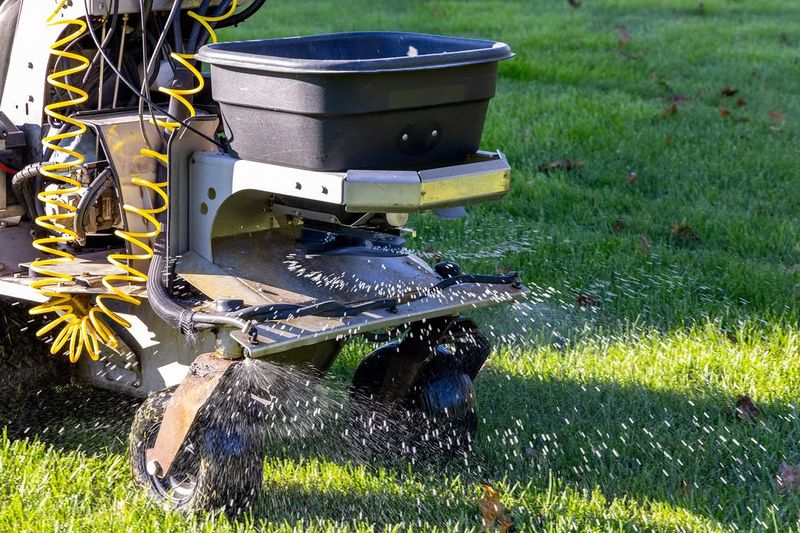
Granular lawn treatments are popular because they are easy to apply and seem harmless enough. You scatter them on the grass, water them in, and wait for results.
Clothianidin-based products like Arena and Aloft worked this way, targeting grubs and other turf pests by moving through the soil and into plant roots. What made them effective also made them a problem for the broader environment.
Rain and irrigation can carry clothianidin from treated lawns into nearby soil and water, where it can persist for a long time. Earthworms and ground-nesting bees, which are critical to healthy California soil, can be exposed even when the product is used exactly as directed.
Under AB 363, clothianidin is now banned for outdoor residential use in California as of January 1, 2025.
Grub control does not have to rely on neonicotinoids. Beneficial nematodes are microscopic organisms that naturally target soil-dwelling pests and are completely safe for people, pets, and pollinators.
Milky spore is another biological option specifically effective against Japanese beetle grubs. Making the switch to these methods might take a little more patience, but California gardeners are finding that the results are well worth the extra effort.
6. Dinotefuran
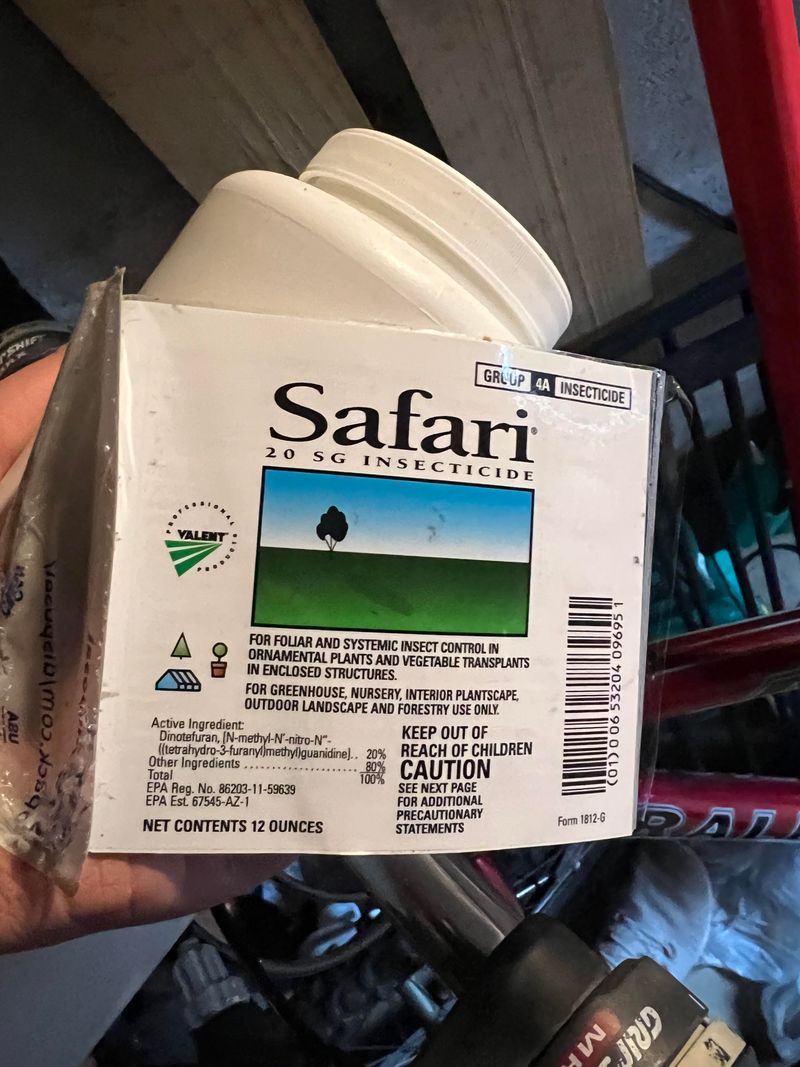
When stubborn pests like spotted lanternflies or heavy aphid infestations show up, gardeners want something that works fast. Dinotefuran-based products like Safari, Zylam, and Alpine had a reputation for handling even the toughest pest situations quickly.
Pest control professionals used them. Home gardeners reached for them when nothing else seemed to work.
That effectiveness, though, came with environmental consequences California was no longer willing to overlook.
Dinotefuran is the fifth neonicotinoid banned under California AB 363 for outdoor residential use, effective January 1, 2025. It is actually one of the more water-soluble neonics, which means it moves through soil and into groundwater more easily than some of its chemical cousins.
That mobility makes it especially risky for aquatic environments and the insects and organisms that depend on them.
California has unique ecosystems that are worth protecting. From coastal wetlands to the Central Valley, the state supports a wide variety of wildlife that can be affected when pesticides leach into the water supply.
For stubborn pest issues at home, consider reaching out to a licensed pest control professional who can legally use targeted treatments when truly necessary. Many pest problems can also be addressed with physical removal, reflective mulches, and companion planting strategies.
7. Brodifacoum
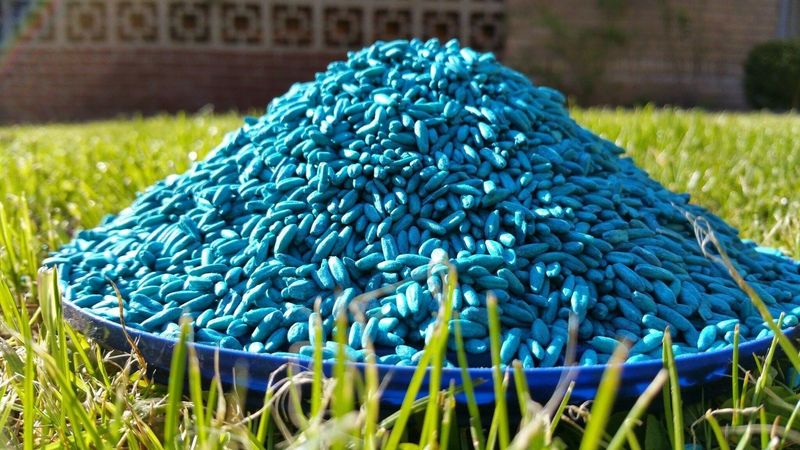
Finding a rat in your garden is alarming, and the urge to grab the most powerful product available is completely understandable. For years, brodifacoum-based products like d-CON and Final were considered the gold standard for rodent control.
They worked with a single feeding, which is exactly why they earned the label second-generation anticoagulant rodenticide, or SGAR. That single-feeding power is also what made them so dangerous beyond the intended target.
California banned homeowner use of brodifacoum and other SGARs because of the devastating effect on wildlife. When a rat or mouse eats the bait and then wanders outside, predators like owls, hawks, foxes, and mountain lions can eat the poisoned animal.
The chemical builds up through the food chain, a process called secondary poisoning. California mountain lions and barn owls were turning up harmed at alarming rates.
The California Department of Pesticide Regulation worked alongside wildlife agencies to push this ban forward. Homeowners across California can still use first-generation anticoagulant rodenticides, snap traps, and live traps for rodent control.
Sealing entry points, removing food sources like fallen fruit, and storing birdseed in sealed containers are also highly effective at keeping rodents away without putting local wildlife at risk.
8. Bromadiolone
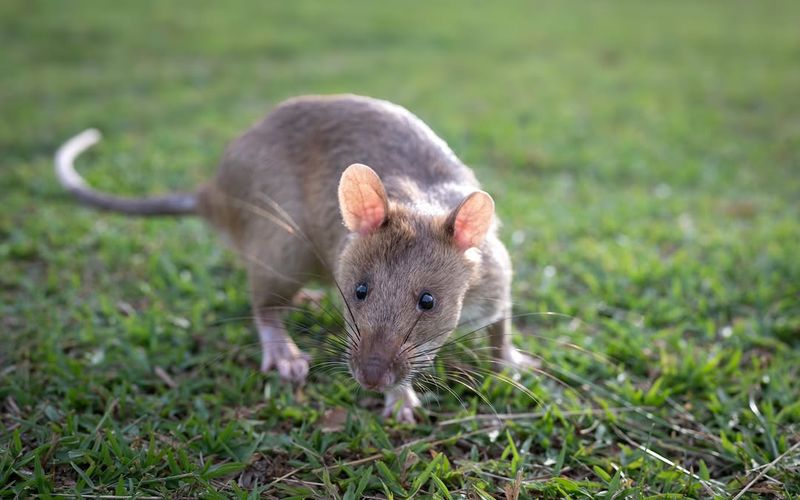
Just One Bite. The name says it all.
Bromadiolone-based products were designed to be lethal to rodents after a single exposure, making them incredibly convenient for homeowners dealing with mice or rats in the garden. Products like Contrac and Just One Bite were easy to find at hardware stores across California.
Sadly, that convenience had a serious downside that went far beyond the backyard.
Bromadiolone is a second-generation anticoagulant rodenticide, or SGAR, and it is now banned for homeowner use in California. The chemical stays active in the bodies of rodents long after they have consumed it.
Predatory birds, especially barn owls and red-tailed hawks that nest throughout California, frequently consume poisoned rodents and absorb a lethal dose themselves. Raptors are natural pest controllers, and losing them creates bigger rodent problems over time.
California wildlife organizations documented hundreds of raptor cases linked to SGARs before the ban took effect. The message from state regulators is clear: protecting the food chain protects everyone.
Homeowners looking for effective rodent control can use enclosed snap traps, electronic traps, or work with a licensed pest control professional for more serious infestations. Nature-based solutions, like encouraging owl habitat with nesting boxes, are a surprisingly effective long-term strategy in many California neighborhoods.
9. DCPA (Dacthal)
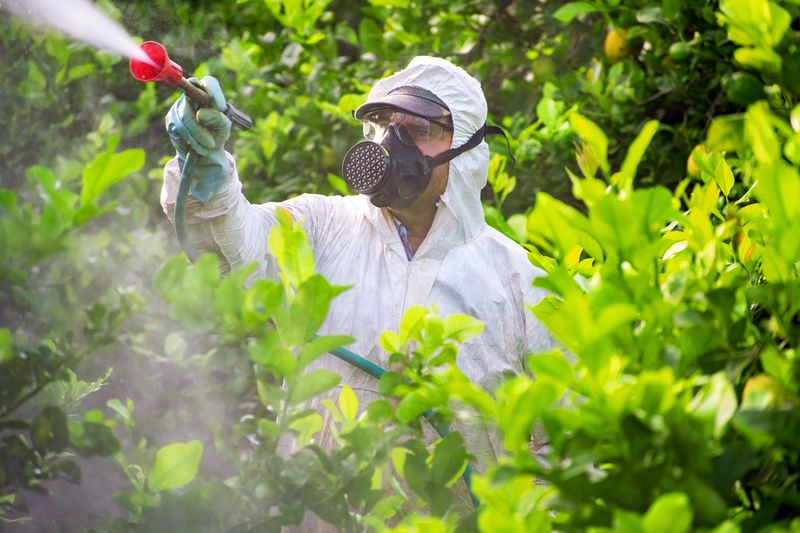
DCPA, sold under the brand name Dacthal, was a staple herbicide used on vegetable crops like broccoli, onions, and ornamental lawns for decades. Gardeners and farmers trusted it to keep weeds from taking over without much thought about what else it might be doing.
In August 2024, the U.S. Environmental Protection Agency issued an emergency order that changed everything about how this chemical is viewed.
The EPA suspended all uses of DCPA after finding that it posed extreme risks to fetal development. Specifically, the agency found that exposure during pregnancy could harm a baby’s developing brain and thyroid function.
No other herbicide had triggered this level of emergency action in recent memory. Because the ban is federal, it applies in every state, including California, making DCPA illegal to sell, distribute, or use anywhere in the country.
If you have old Dacthal products stored in your garden shed, do not use them. Contact your local California household hazardous waste facility for safe disposal options.
For weed control in vegetable gardens, options like corn gluten meal, landscape fabric, thick mulch layers, and hand-weeding are all effective and safe.
California gardeners have more organic weed management resources available today than ever before, making it easier to keep gardens tidy without reaching for harmful chemicals.