These 7 Garden Picks Handle Georgia’s Spring Swings Without Trouble
Spring in Georgia rarely eases in quietly. A few cool nights can hang on, then warm rain and bright afternoons show up almost overnight, and front yards start revealing every weak spot from winter.
That is exactly when dependable groundcovers earn their place.
Some low-growing native plants handle Georgia’s spring swings with far less fuss than others, settling into shady beds, sunny edges, and in-between spots without acting stressed every time the weather changes.
When the goal is steady color, better coverage, and fewer bare patches just as the season gets going, these are the kinds of plants that make a front yard feel pulled together fast.
1. Green And Gold Spreads Bright Color Through Shady Spring Beds
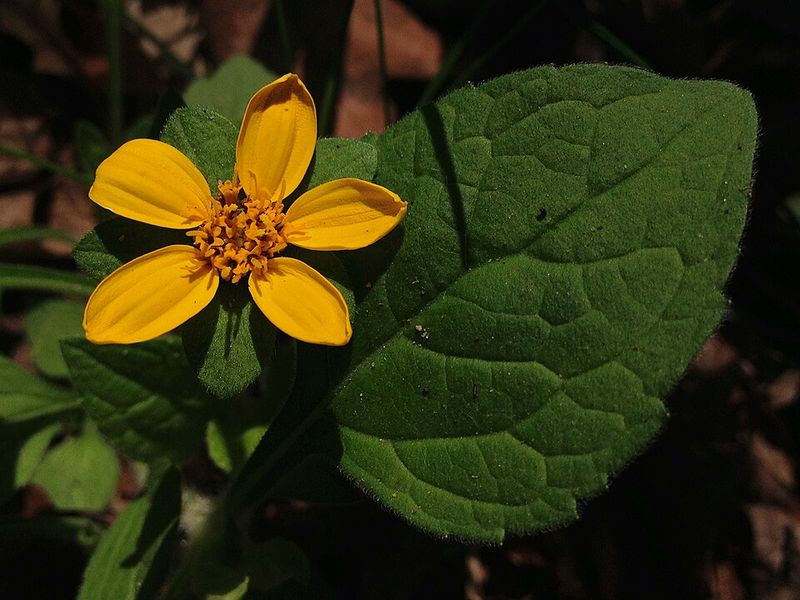
Under Georgia’s old oaks and dogwoods, where the soil stays cool and the light filters down in patches, Green and Gold finds its rhythm early in the season.
This cheerful native groundcover produces vivid yellow blooms that pop against its dark, glossy leaves, bringing life to spots where most plants just sit and sulk.
It typically flowers from late March into May, right when Georgia gardens are still figuring out whether winter is truly done.
Green and Gold handles both dry shade and moderately moist soil with the kind of flexibility that Georgia gardeners learn to value quickly.
It spreads by stolons, forming a low, dense mat that rarely needs much attention once it settles in.
That spreading habit makes it useful along shaded borders, beneath large trees, or tucked against the north-facing side of a house where sun barely reaches.
In terms of soil, it adapts well to the clay-heavy ground common across much of Georgia, though it appreciates a bit of organic matter worked in before planting.
March is a solid time to get it in the ground, while temperatures are still mild and spring rains help with establishment.
Space transplants about 12 inches apart and water consistently for the first few weeks.
Pollinators, including native bees, visit the flowers regularly, which adds quiet wildlife value to shaded front yards that often get overlooked when it comes to supporting local insects.
2. Allegheny Spurge Handles Cool Shade With Easy Woodland Style
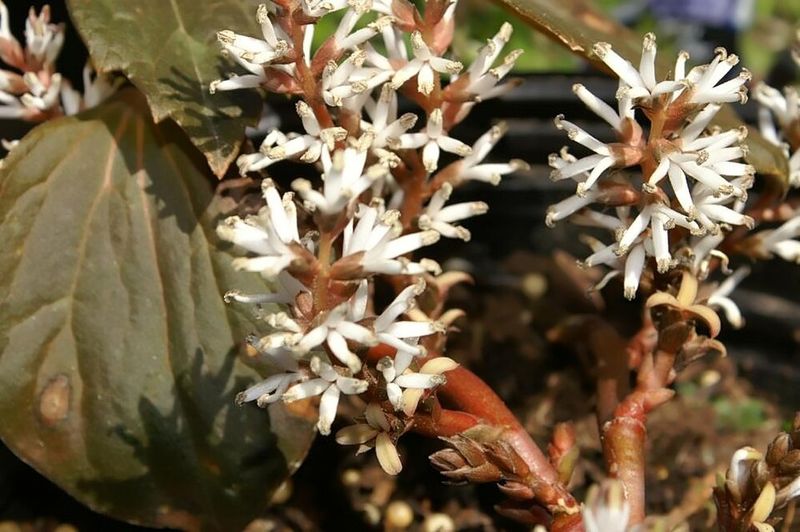
Cool, damp shade under a canopy of Georgia pines or hardwoods is exactly where Allegheny Spurge feels most at home.
The plant’s leathery, patterned leaves hold their good looks through the whole season, and in early spring it sends up small, fragrant white flowers that are easy to miss until you lean in close.
That quiet elegance is part of what makes it such a reliable choice for front yards where you want groundcover that looks tidy without constant fussing.
Allegheny Spurge is semi-evergreen in Georgia, meaning it keeps its foliage through mild winters and greens back up fast after cold snaps.
That trait is especially handy during the unpredictable stretches of late February and March, when temperatures can bounce between freezing and springlike within days.
The plant handles those swings without showing much stress, which is more than you can say for many ornamental groundcovers sold at big-box stores.
It grows slowly compared to some spreaders, eventually forming a dense, weed-suppressing mat about six to ten inches tall.
Plant it in well-drained soil with plenty of organic matter, and it will gradually fill in over two to three seasons.
March planting works well in Georgia because the cooler soil temperatures suit its preference for a gentle start. Use it under mature trees, along shaded walkways, or in narrow beds where taller plants would feel out of scale.
Slugs can occasionally bother new growth, so keep an eye out early in the season.
3. Creeping Phlox Brings Soft Spring Flowers To Part Shade Spots
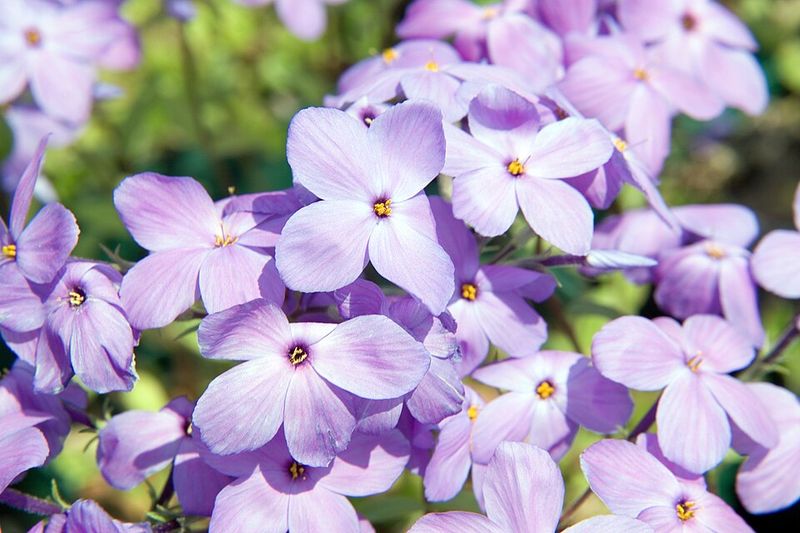
There is a particular kind of charm in watching Creeping Phlox come into bloom during a warm Georgia March afternoon, its clusters of soft pink, lavender, or white flowers spilling over a border like something out of a cottage garden catalog.
Unlike showier plants that demand full sun and fuss, this one is content in part shade, making it useful for the transitional spots in front yards where tree canopy breaks up the light throughout the day.
Creeping Phlox blooms from late March into April across most of Georgia, giving you color right when the garden needs it most after a long winter.
The foliage stays low and semi-evergreen, forming a soft, needle-like mat that looks presentable even when the plant isn’t in flower.
That year-round presence is something gardeners really appreciate in beds that face the street and need to look decent through every season.
It grows best in well-drained soil and does not do well when its roots stay soggy, so avoid low spots that collect rainwater during Georgia’s spring wet stretches. On gentle slopes or raised beds with decent drainage, it thrives with minimal care.
Plant divisions or transplants in March, spacing them about 18 inches apart to allow for natural spread. A light layer of pine straw mulch helps retain moisture while the plants get established.
Butterflies and early-season bees visit the flowers regularly, adding quiet movement to part-shade borders that can sometimes feel static.
4. Moss Phlox Covers Sunny Edges With Early Color
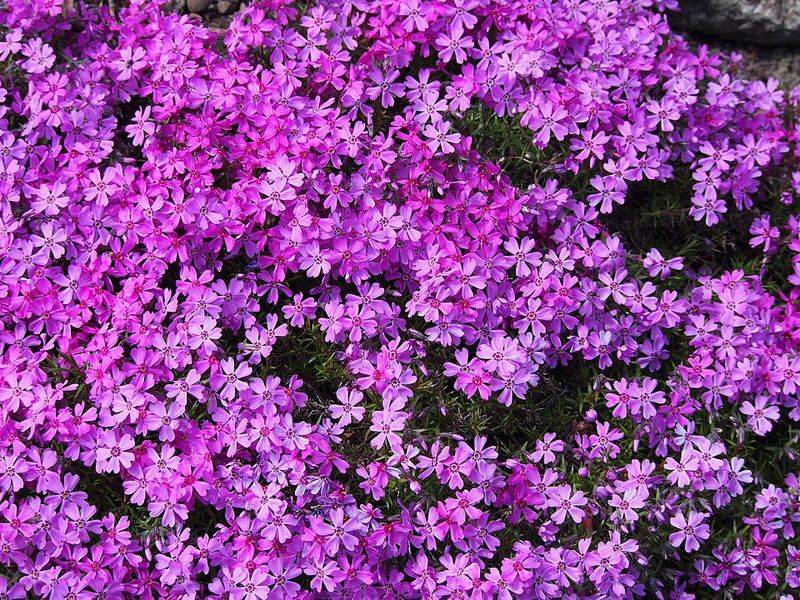
Along the sunny edges of Georgia front yards, where the soil bakes dry in summer and frost pockets form on clear winter nights, Moss Phlox earns its reputation as one of the toughest low-growing groundcovers you can plant.
It blooms in late March to early April, sometimes even earlier in the warmer parts of the state, covering itself so completely in flowers that the foliage nearly disappears beneath the color.
Pink, white, lavender, and magenta forms are all widely available, giving gardeners plenty of options for matching a color scheme.
Moss Phlox is built for full sun and well-drained soil, which makes it a natural fit for slopes, raised rock gardens, and the dry strips along driveways or sidewalks where water runs off quickly.
It handles Georgia’s spring temperature swings without complaint, bouncing back from late cold snaps and then pushing through warm stretches with equal ease.
The needle-like foliage forms a dense, evergreen mat that stays about four to six inches tall year-round.
One thing worth knowing is that Moss Phlox does not do well in compacted clay without some soil amendment.
Work in coarse sand or gritty compost before planting to improve drainage, especially in yards where red Georgia clay sits close to the surface.
Plant in March and water regularly for the first month until roots are established. After that, it is remarkably self-sufficient.
A light shearing after bloom keeps the mat tidy and encourages denser growth heading into summer.
5. Foamflower Lights Up Part Shade With Airy Spring Blooms
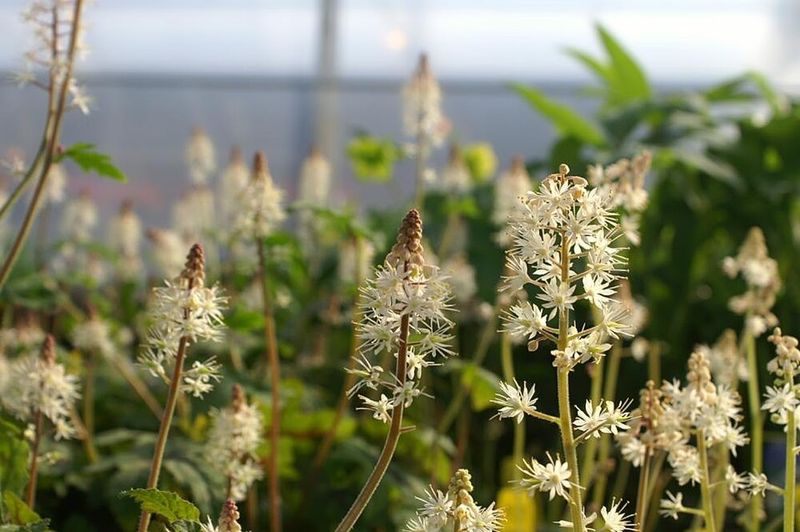
Walk through any moist woodland in the Georgia piedmont during April and you might spot Foamflower sending up its delicate flower spikes along a creek bank or in the dappled shade of a hillside.
That native habitat tells you a lot about what this plant needs and where it will succeed in a front yard setting.
It thrives under trees where the soil stays consistently moist but never waterlogged, and it brings a soft, airy quality to shaded beds that few other groundcovers can match.
The flowers are small and feathery, white to pale pink, rising four to twelve inches above the foliage in April and sometimes again lightly in fall.
But even without the blooms, the heart-shaped, often mottled leaves make Foamflower worth growing as a foliage plant alone.
Some cultivars have burgundy markings along the leaf veins that intensify as temperatures cool, which means the plant looks interesting well beyond its spring bloom window.
Georgia’s spring weather suits Foamflower well because the plant appreciates the mild, moist conditions that arrive in March and April before summer heat sets in.
Plant it in humus-rich, well-drained soil on the acidic side, which is easy to find in most Georgia yards.
Space plants about 12 to 18 inches apart and mulch with shredded leaves or pine straw to hold moisture. It spreads gradually by stolons, filling in bare ground under trees where turf grass struggles.
Native bees and small pollinators visit the flower spikes regularly through the bloom period.
6. Wild Strawberry Spreads Fast And Stays Tough Through Spring
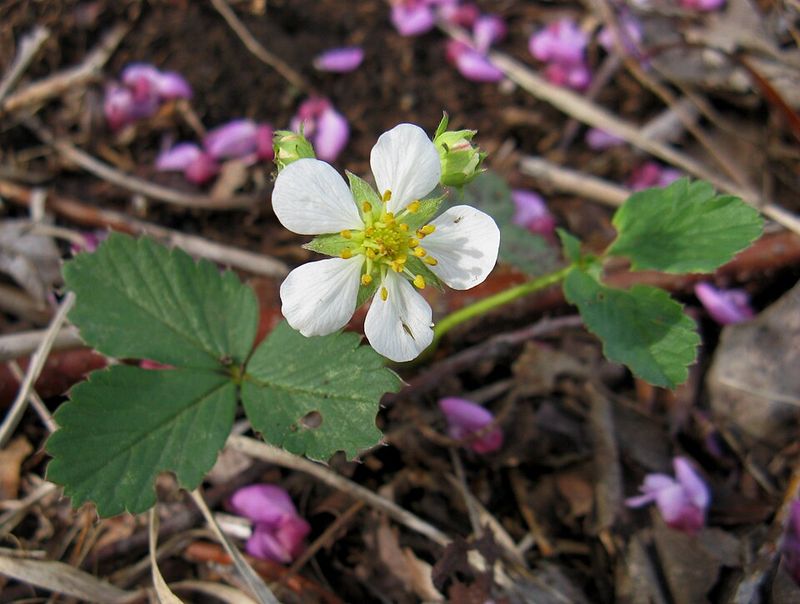
Few native groundcovers move as quickly and confidently across bare spring ground as Wild Strawberry, and in Georgia front yards that need fast coverage, that quality is genuinely useful.
By March, the plant is already pushing out new runners across the soil surface, rooting as it goes and forming a low, leafy mat that fills in surprisingly fast compared to slower-spreading natives.
The small white flowers appear in early spring and give way to tiny red berries that birds and small wildlife find irresistible through late spring and early summer.
Wild Strawberry handles a wide range of conditions across Georgia, growing in full sun, part shade, and even fairly dry soil once established.
That flexibility makes it practical for spots in the front yard that get uneven light due to trees, rooflines, or neighboring structures.
It tolerates the clay soils common throughout much of the state, though it performs better when a bit of organic material is mixed in before planting.
The foliage is attractive on its own, with three-part leaves that take on reddish tones as temperatures cool in fall and through mild Georgia winters. Spring planting in March works well because the cooler temperatures help new plants root before summer heat arrives.
Space transplants or divisions about 12 inches apart and water regularly through the first month.
Once established, Wild Strawberry largely takes care of itself, spreading to cover ground while requiring only occasional edging to keep it from moving beyond its intended area.
It works especially well along walkways and gentle slopes.
7. Golden Ragwort Brings Cheerful Yellow Flowers And Strong Ground Cover
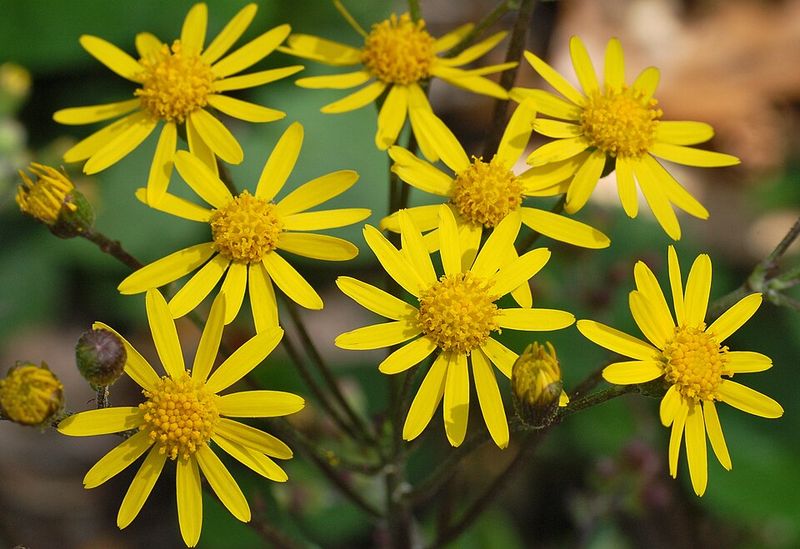
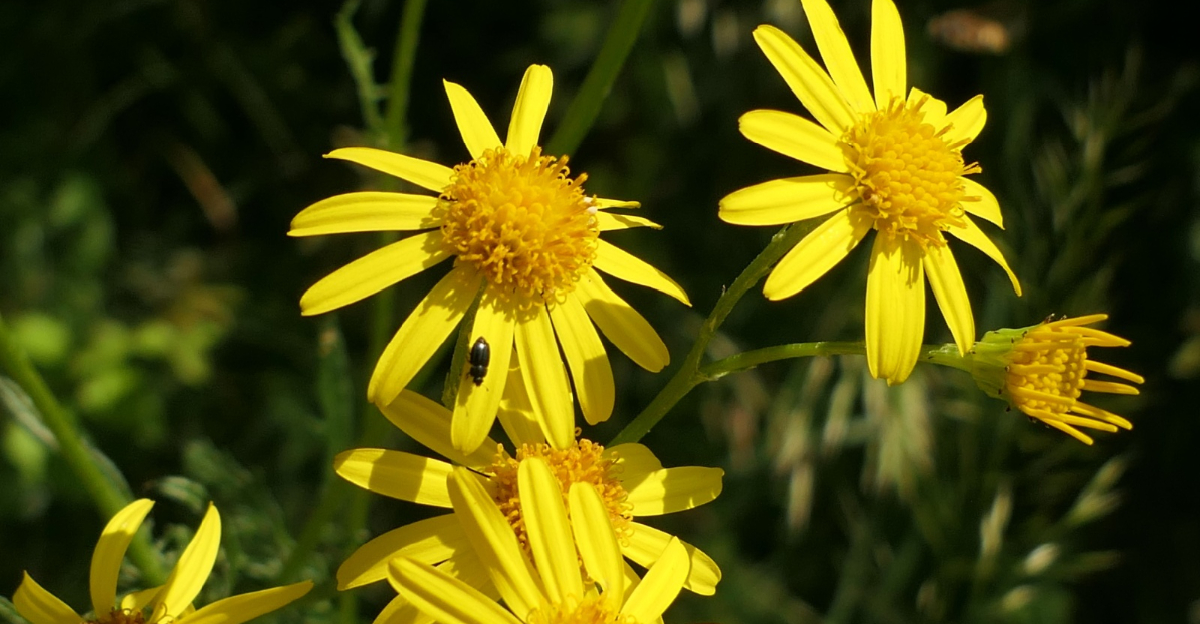
Sunny yellow flowers rising above a carpet of rounded green leaves — that is what Golden Ragwort delivers to Georgia front yards in March and April, right when gardeners are hungry for color after a gray winter.
This native perennial is one of the earliest bloomers in the Southeast, and its cheerful, daisy-like flowers attract early-season pollinators including queen bumblebees that are just starting to build their colonies.
The visual impact is real, especially when planted in drifts along a shaded or semi-shaded border.
Golden Ragwort handles moist soil better than most groundcovers, making it a strong choice for low spots in Georgia yards that stay damp after spring rains.
It also tolerates moderate drought once established, which is useful given how quickly Georgia spring weather can flip from wet to dry.
The basal rosettes of foliage remain semi-evergreen through Georgia winters, providing ground coverage even before the spring bloom begins.
It spreads both by seed and by short rhizomes, forming colonies over time that can cover a surprisingly large area in three to four seasons.
That spreading habit makes it effective under trees, along fence lines, or in the transition zone between lawn and a wooded area at the back of a property.
Plant transplants in March in well-drained to moderately moist soil with some organic matter mixed in. Space plants about 18 inches apart and keep them watered through the first dry stretch.
Once settled in, Golden Ragwort largely manages itself with minimal intervention from the gardener.