These Garden Plants Are Most Likely To Suffer From Ice And Snow Buildup In New Jersey
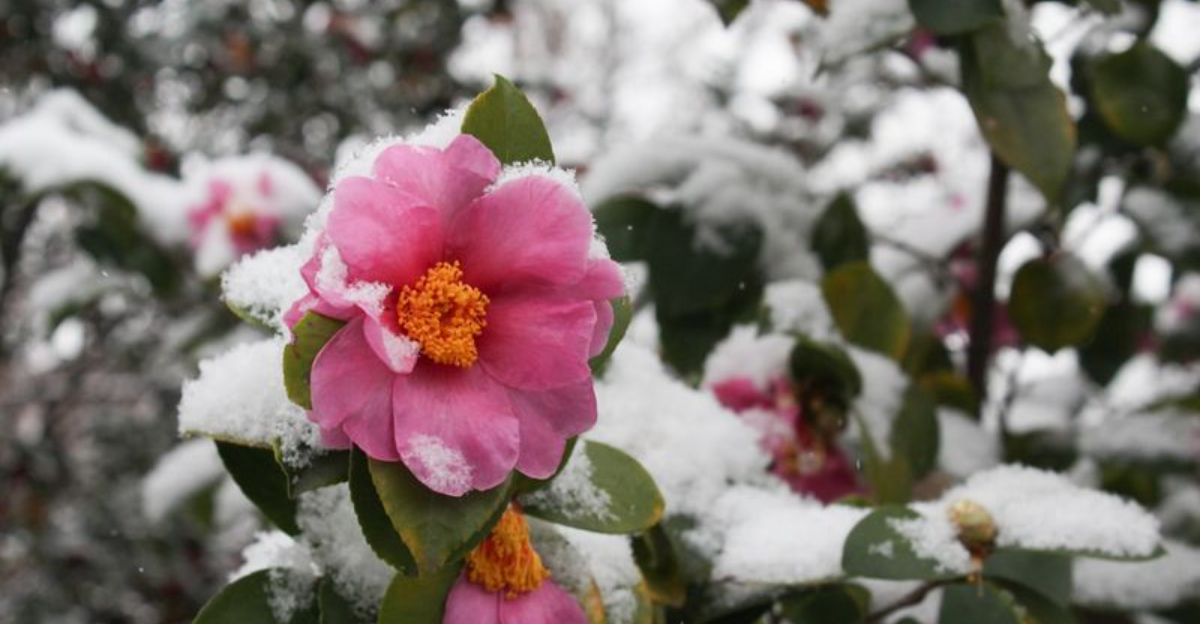
Winter in New Jersey can be tough on gardens.
When ice and snow pile up on plants, the weight can cause serious damage to branches, stems, and leaves.
Some plants are more vulnerable than others, especially those with delicate structures or broad surfaces that catch and hold frozen precipitation.
Understanding which plants in your garden are most at risk helps you take the right steps to protect them before winter weather arrives.
From evergreen shrubs to ornamental trees, certain varieties simply cannot handle the heavy burden of ice accumulation.
The Garden State experiences its fair share of winter storms, and being prepared can save your landscape from costly damage.
Knowing what to look for means you can wrap vulnerable plants, shake off snow carefully, or even choose different varieties for exposed areas.
Prevention is always easier than trying to fix broken branches and damaged foliage come spring.
Whether you are a seasoned gardener or just starting out, learning about these vulnerable plants will help you make smarter choices for your New Jersey landscape and keep your outdoor spaces looking their best year after year.
Arborvitae
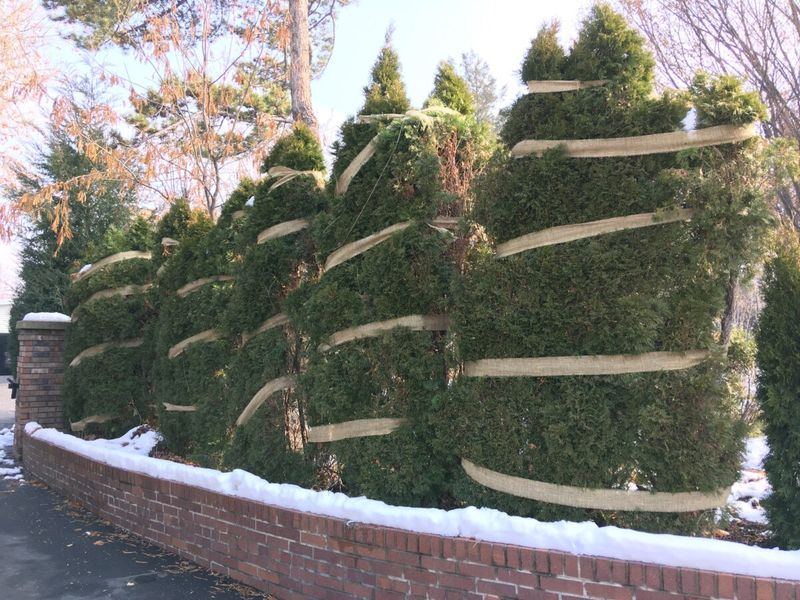
Standing tall in many New Jersey yards, arborvitae shrubs are popular choices for privacy screens and hedges.
Their dense, upright growth makes them perfect for blocking unwanted views, but this same feature becomes a problem when winter storms roll through.
Snow and ice settle between the tightly packed branches and stay there, creating heavy loads that the plant struggles to support.
The columnar shape of arborvitae acts like a snow collector.
As precipitation falls, it gets trapped in the foliage rather than sliding off.
This accumulation can become extremely heavy, causing branches to bend outward or even snap completely.
Once the damage occurs, these evergreens rarely bounce back to their original shape, leaving permanent gaps and an uneven appearance.
New Jersey gardeners should consider wrapping their arborvitae with burlap or twine before winter arrives.
This simple step holds the branches together and prevents them from splaying apart under snow weight.
You can also gently brush off snow after storms using a broom, working from bottom to top to avoid breaking branches.
Another helpful tip is to avoid planting arborvitae in areas where snow slides off roofs or where plows push snow piles.
These spots create extra accumulation that even healthy plants cannot handle.
If you already have arborvitae in vulnerable locations, extra vigilance during winter months will help preserve their structure and keep them looking good throughout the cold season and beyond.
Boxwood
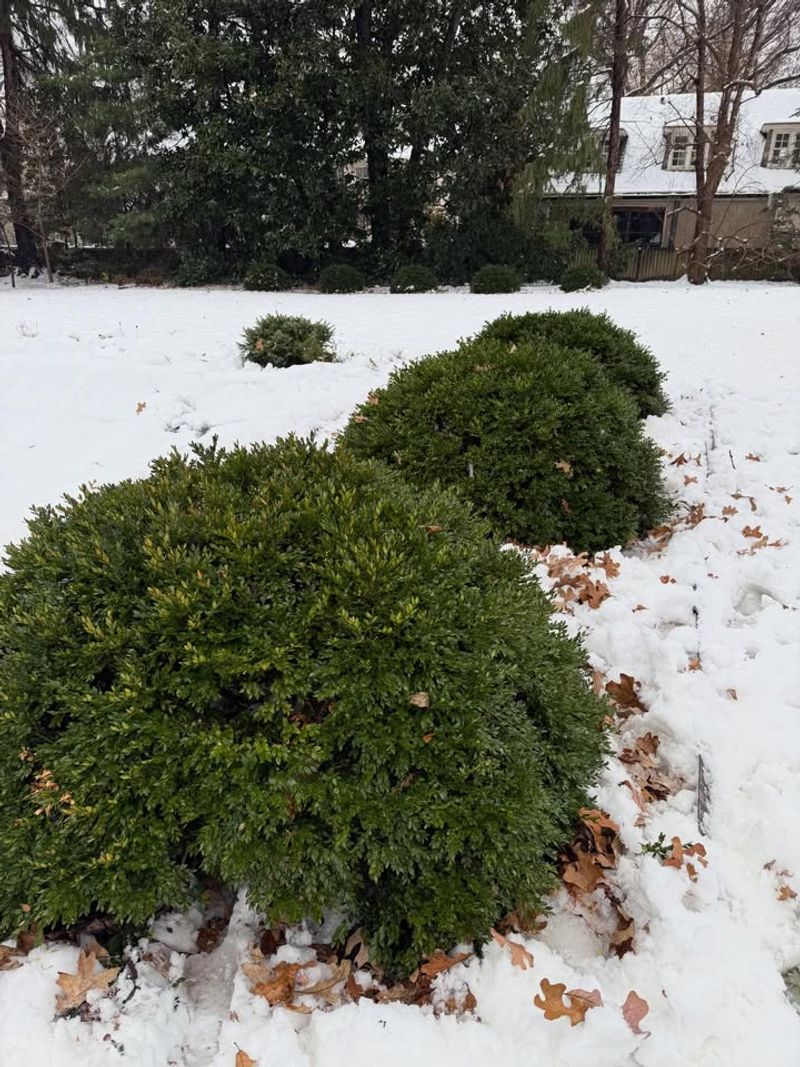
Boxwood shrubs bring year-round color and formal elegance to garden beds across New Jersey.
Their compact, rounded forms and small evergreen leaves make them favorites for foundation plantings and garden borders.
However, their dense branching structure creates a perfect trap for winter precipitation, and the weight can cause significant structural problems.
When snow piles up on boxwood, the branches bend under pressure and may not return to their upright position even after the snow melts.
Ice storms are particularly damaging because the frozen coating adds tremendous weight to every tiny leaf and stem.
The center of the shrub often collapses inward, creating an unsightly hollow appearance that takes years to correct through pruning and regrowth.
Gardeners in the Garden State can protect boxwood by building simple A-frame structures over them or wrapping them loosely with burlap.
These barriers deflect some of the snow while still allowing air circulation.
Avoid packing snow around the base of boxwood shrubs, as this can create additional moisture problems and encourage disease.
Location matters too.
Boxwood planted under eaves or near walkways where snow gets shoveled should receive extra attention during winter.
After each snowfall, gently shake branches to remove accumulation before it freezes solid.
With proper care and strategic protection, your boxwood can survive New Jersey winters without losing its beautiful shape or suffering permanent damage to its delicate branch structure.
Japanese Maple
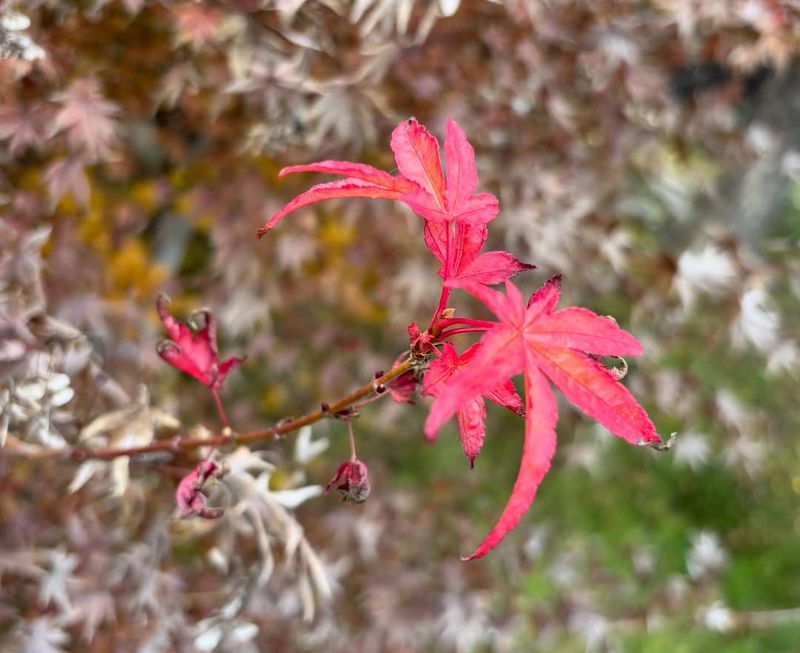
Few trees offer the stunning beauty of a Japanese maple with its delicate leaves and graceful branching pattern.
These ornamental treasures add elegance to New Jersey landscapes, but their thin, spreading branches make them extremely vulnerable to winter weather damage.
Ice accumulation can transform these beautiful trees into broken, misshapen specimens in just one severe storm.
The horizontal branching habit that makes Japanese maples so attractive also makes them prone to breakage.
Snow and ice collect on the flat surfaces of branches, and the added weight causes them to droop or snap.
Young trees are especially at risk because their branches have not yet developed the thickness and strength to support heavy loads.
Once a major branch breaks, the tree loses its balanced appearance permanently.
Protecting Japanese maples requires planning ahead.
Wrapping young trees with burlap screens or building temporary shelters can prevent ice buildup.
For established trees, carefully knocking snow off branches after each storm helps reduce weight.
Always work gently because the branches are brittle, especially when cold.
Consider planting Japanese maples in protected spots where buildings or other trees block some winter precipitation.
Avoid exposed hilltops or open areas where wind drives snow and ice directly onto the tree.
New Jersey gardeners who take these precautions can enjoy their Japanese maples for decades without watching them suffer through repeated winter damage that diminishes their beauty and health season after season.
Rhododendron
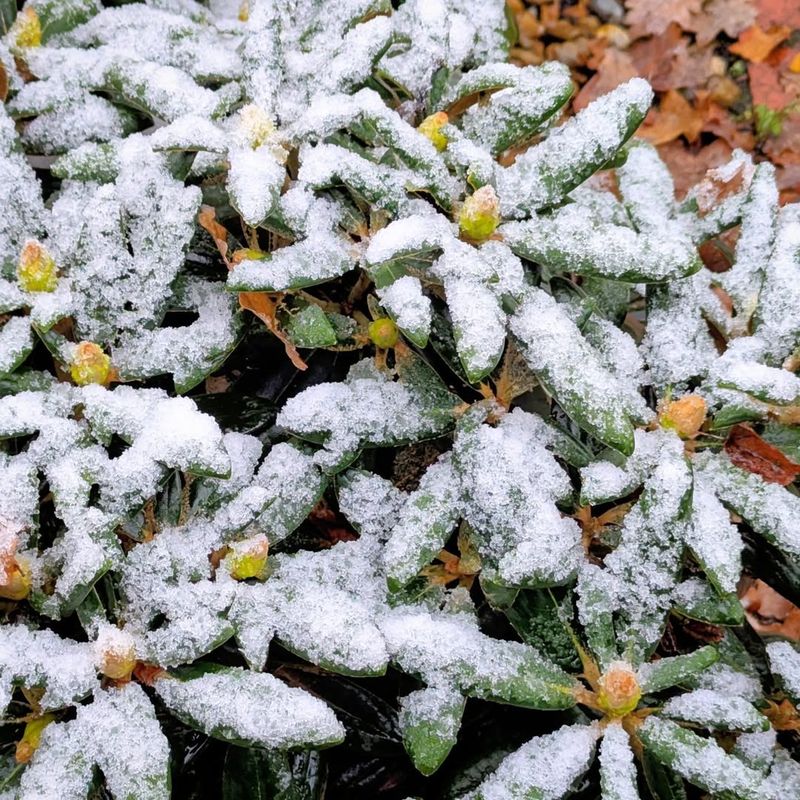
Rhododendrons bring spectacular spring blooms and glossy evergreen foliage to shaded garden areas throughout New Jersey.
Their broad, leathery leaves look tough, but they actually create large surfaces that catch and hold snow and ice.
When winter storms arrive, these popular shrubs can suffer badly if left unprotected, with branches breaking under the accumulated weight.
The problem starts with those beautiful wide leaves.
Each leaf acts like a small shelf that collects precipitation.
As snow piles up across dozens or hundreds of leaves, the total weight becomes enormous.
The branches, which grow at wide angles from the main stem, cannot support this burden and bend downward.
In severe cases, entire branches tear away from the trunk, leaving wounds that take years to heal.
New Jersey gardeners should monitor their rhododendrons closely during winter.
After heavy snowfalls, gently lift branches and shake off the snow before it turns to ice.
You can also use a broom to carefully sweep snow from the foliage, working from the inside of the plant outward.
Never hit or whack the branches, as this can cause more damage than the snow itself.
Planting rhododendrons under the canopy of larger trees provides natural protection from the worst accumulation.
The tree branches above intercept some snow before it reaches the shrubs below.
For rhododendrons in exposed locations, consider building temporary windbreaks or tying up branches loosely to provide extra support during the coldest months when Garden State weather is most unpredictable.
Weeping Cherry
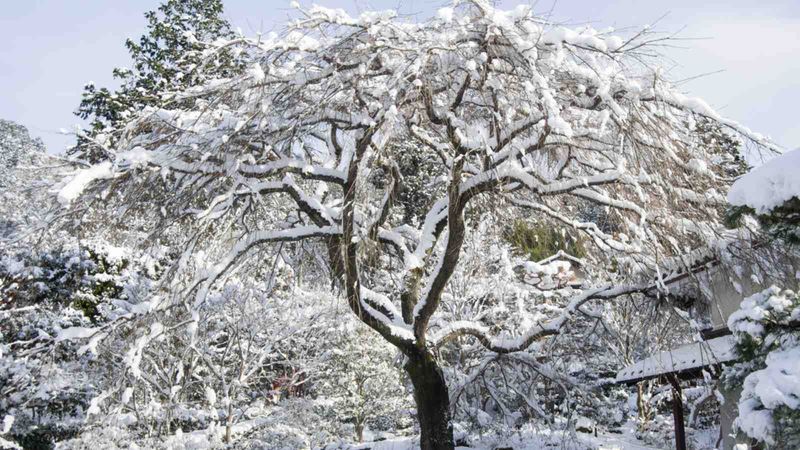
Weeping cherry trees create stunning focal points with their cascading branches covered in spring blossoms.
However, this same drooping form becomes a liability when New Jersey winters bring ice and snow.
The long, flexible branches hang downward naturally, and when weighted with frozen precipitation, they bend even further until they touch the ground or break completely.
Ice storms pose the greatest threat to weeping cherries.
A coating of ice adds incredible weight to every inch of those graceful branches.
The combination of the natural downward growth and the added burden often results in branches snapping at their connection points.
The damage not only ruins the tree’s appearance but also creates entry points for diseases and pests that can threaten the entire tree.
Prevention works better than trying to fix broken branches later.
Some gardeners stake up the longest branches during winter, creating temporary support that reduces strain.
Others wrap the entire canopy loosely with netting or fabric that helps deflect snow while maintaining air flow.
After storms, carefully removing snow and ice as soon as possible prevents prolonged stress on the branches.
Location choices matter significantly for weeping cherries in the Garden State.
Avoid planting them where snow falls from roofs or where strong winds drive precipitation directly onto the tree.
Protected courtyards or spots near walls that block prevailing winds work well.
With thoughtful placement and winter care, your weeping cherry can survive cold months and return each spring with its beautiful cascading form intact and ready to bloom.
Yew Shrubs
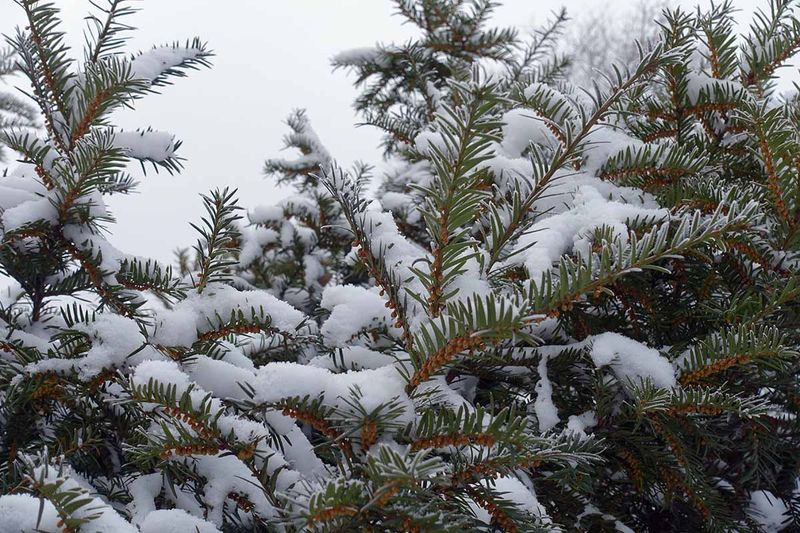
Yew shrubs have been garden staples in New Jersey for generations, valued for their dark green needles and ability to tolerate pruning into various shapes.
Foundation plantings often feature these reliable evergreens, but their dense growth habit makes them magnets for snow accumulation.
When winter weather arrives, yews can quickly become buried under heavy loads that damage their structure.
The thick, needled branches of yew shrubs create layers that trap snow rather than letting it slide off.
As more snow falls, it compacts the layers below, creating increasing pressure on the inner branches.
The outer branches may splay outward, while the center collapses inward.
This damage often goes unnoticed until spring when the snow finally melts and reveals the misshapen plant underneath.
Tying yew shrubs with soft rope or twine before winter provides crucial support.
Wrap the cord around the shrub in a spiral pattern, starting at the bottom and working upward.
This holds branches together and prevents them from spreading apart.
The binding should be snug but not tight enough to damage the foliage or restrict growth.
Pay special attention to yews planted near buildings where snow slides off roofs.
These locations receive double or triple the normal accumulation, overwhelming even healthy plants.
Installing roof guards that break up sliding snow helps reduce the impact.
New Jersey homeowners should also clear snow away from yew bases regularly to prevent moisture buildup and reduce the total weight pressing down on the plant throughout the winter season.
Holly Bushes
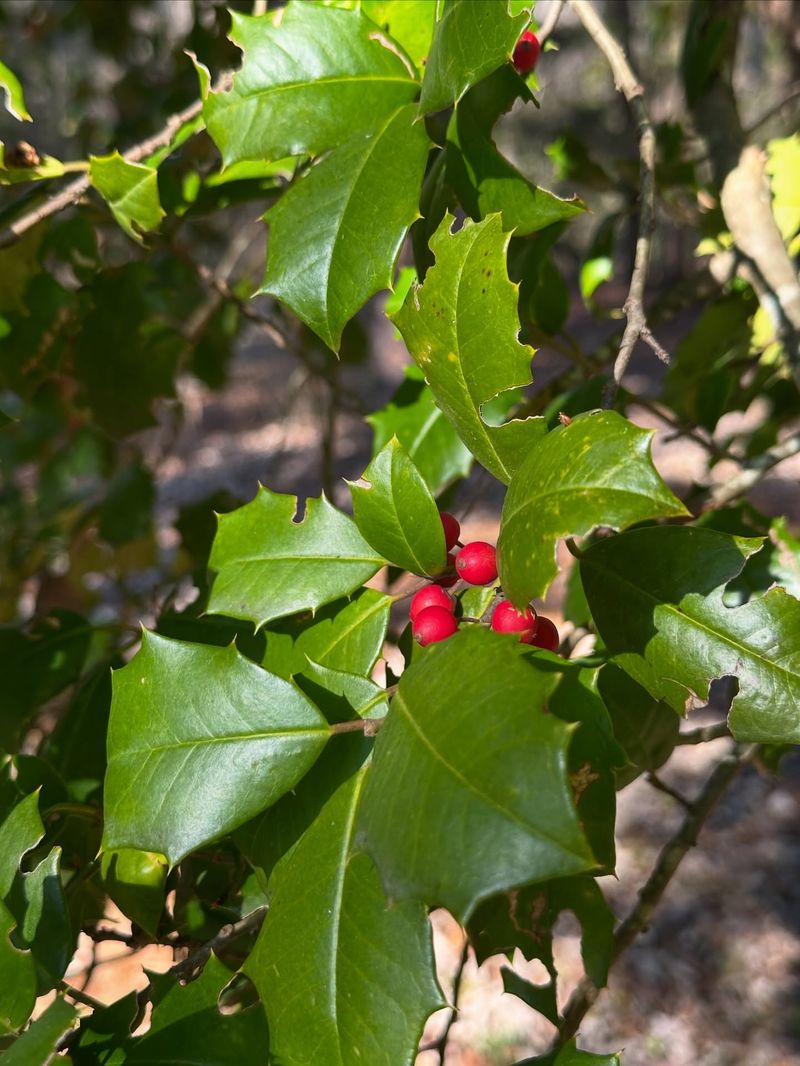
Holly bushes bring cheerful red berries and glossy evergreen leaves to winter landscapes across New Jersey.
These traditional favorites look beautiful during the holidays, but their broad leaves and dense branching make them vulnerable to ice and snow damage.
The weight of accumulated precipitation can bend branches out of shape or cause them to break away from the main stem entirely.
American holly and English holly varieties both suffer from similar problems during harsh winters.
Their leaves, which point in multiple directions, catch snow from every angle.
Ice storms coat each leaf and berry with a thick layer of frozen water, multiplying the weight many times over.
The branches, which grow at angles that make the shrub naturally full and rounded, cannot support this extra burden without bending or breaking.
Gardeners can reduce damage by pruning holly bushes strategically before winter.
Removing weak or crossing branches eliminates vulnerable spots where breakage is most likely.
After snow falls, use a broom to gently brush off accumulation, paying special attention to the upper branches where weight concentrates.
Work carefully to avoid knocking off the decorative berries that make hollies so attractive during winter months.
Planting hollies in locations that receive some overhead protection helps them weather Garden State winters better.
Spots near evergreen trees or on the south side of buildings get less direct snow accumulation.
For established hollies in exposed areas, consider installing temporary stakes or supports during the coldest months to help branches handle the extra weight without permanent damage to the plant.
Azalea
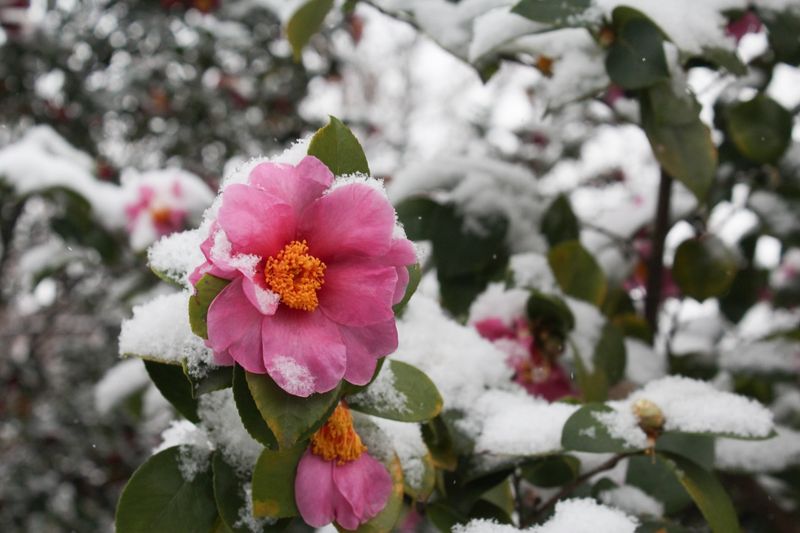
Azaleas rank among the most popular flowering shrubs in New Jersey gardens, offering spectacular spring color in shades of pink, white, red, and purple.
Most varieties keep their leaves through winter, and while this provides year-round interest, it also creates surfaces that collect snow and ice.
The relatively brittle branches of azaleas make them particularly susceptible to breaking under winter weather stress.
Evergreen azaleas face the greatest risk because their leaves remain on the plant all winter long.
Each small leaf catches snowflakes, and the cumulative effect across the entire shrub creates substantial weight.
The branches, which are thinner and less flexible than those of many other shrubs, cannot bend very far before they snap.
Once broken, these branches rarely recover, leaving gaps in the plant that take multiple growing seasons to fill in.
Protecting azaleas starts with proper fall care.
Make sure plants are well-watered going into winter, as hydrated branches are more flexible than dry ones.
Apply a layer of mulch around the base to insulate roots and maintain soil moisture.
When snow falls, gently shake branches to remove accumulation before it freezes solid or becomes too heavy to safely remove.
Consider the microclimate where you plant azaleas in your New Jersey landscape.
North-facing exposures and windy hilltops subject plants to harsher conditions than protected spots near walls or under tree canopies.
For valuable or mature azaleas, wrapping them with burlap or erecting snow fences nearby can deflect the worst weather and help these beautiful shrubs emerge from winter ready to bloom.