These Gardening Chemicals Could Soon Be Restricted For Home Use In New Jersey

If you’ve ever stood in the garden aisle staring at rows of colorful bottles, you’re not alone.
For many New Jersey homeowners, weekend gardening is a labor of love, a way to keep weeds at bay, lawns green, and flowers thriving.
But the tools you’ve relied on for years may soon be on the chopping block.
State officials are taking a closer look at certain gardening chemicals commonly used at home, and change may be just around the corner.
As the saying goes, the grass isn’t always greener, especially when health and environmental concerns enter the picture.
What once seemed like a quick fix could now raise red flags, pushing gardeners to rethink old habits.
This potential shift isn’t just red tape for the sake of it.
Supporters argue it’s about protecting kids, pets, pollinators, and even groundwater, things that hit close to home.
Critics, on the other hand, worry it could leave homeowners between a rock and a hard place when it comes to controlling weeds and pests.
Either way, the writing may already be on the wall, and it’s better to be in the know than caught off guard.
1. Glyphosate-Based Herbicides

Glyphosate has been the go-to weed destroyer for homeowners throughout New Jersey for decades, found in countless garages and garden sheds under various brand names.
This powerful herbicide works by blocking a specific enzyme that plants need to grow, causing unwanted vegetation to wither away within days.
However, recent studies and legal battles have raised serious questions about its safety for humans and pets who come into contact with treated areas.
Concerns about potential health risks have prompted lawmakers in New Jersey to consider placing tight restrictions on glyphosate products for residential use.
Scientists continue debating whether long-term exposure might contribute to certain health problems, and environmental groups worry about contamination of groundwater and streams.
Many homeowners have already noticed warnings on product labels becoming more prominent and detailed over the past few years.
If restrictions pass, New Jersey residents will need to find alternative ways to manage stubborn weeds in driveways, sidewalks, and garden beds.
Manual removal using tools like hoes and weed pullers offers excellent exercise and immediate results without any chemical concerns.
Vinegar-based solutions, corn gluten meal, and boiling water provide natural options that work surprisingly well for smaller weed problems.
Mulching garden beds heavily also prevents weed seeds from sprouting in the first place.
Professional landscaping companies might retain limited access under strict licensing requirements, but everyday gardeners should start exploring safer methods now.
Adjusting your expectations about perfectly weed-free spaces and embracing some natural variation can reduce your reliance on harsh chemicals.
Many New Jersey communities are already moving toward more sustainable landscaping practices that prioritize environmental health alongside aesthetic appeal.
2. Neonicotinoid Insecticides
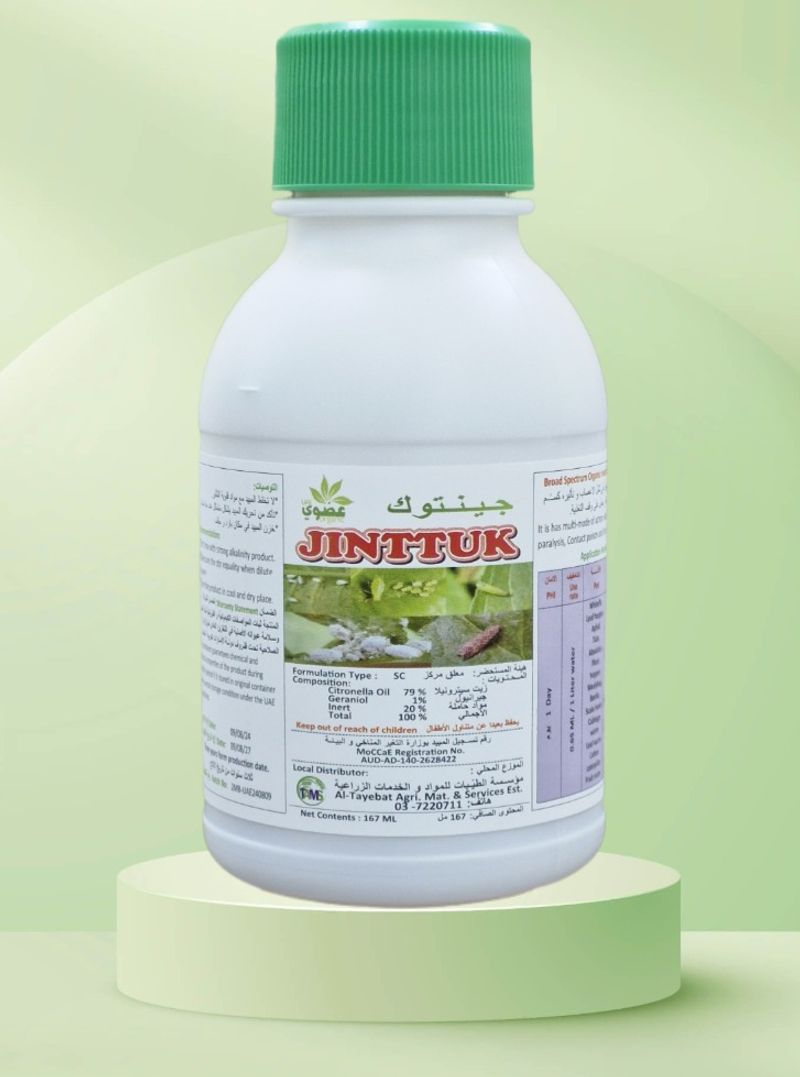
Neonicotinoids revolutionized pest control when they first appeared, offering homeowners an effective way to protect ornamental plants and vegetables from destructive insects.
These systemic insecticides get absorbed into plant tissues, making the entire plant toxic to bugs that feed on leaves, stems, or roots.
Garden centers across New Jersey have stocked these products for years, and many homeowners swear by their effectiveness against aphids, beetles, and other common pests.
The problem is that neonicotinoids do not discriminate between harmful pests and beneficial pollinators like bees, butterflies, and native insects.
Research has shown that even small amounts can disorient bees, making it difficult for them to navigate back to their hives or reproduce successfully.
Since pollinator populations have been declining dramatically across the United States, including New Jersey, state officials are seriously considering restrictions to protect these essential creatures.
Several European countries have already banned or severely limited neonicotinoid use, and some American states are following their lead.
New Jersey gardeners who depend on these products should start transitioning to integrated pest management strategies that focus on prevention and natural predators.
Encouraging ladybugs, lacewings, and parasitic wasps in your garden creates a balanced ecosystem where beneficial insects keep pest populations under control naturally.
Companion planting, physical barriers like row covers, and targeted organic sprays made from neem oil or insecticidal soap offer effective alternatives.
Regular monitoring of your plants helps you catch pest problems early when they are easier to manage without harsh chemicals.
By protecting pollinators, New Jersey homeowners contribute to healthier ecosystems that support food production and beautiful flowering landscapes for everyone to enjoy.
3. Synthetic Fertilizers With High Phosphorus
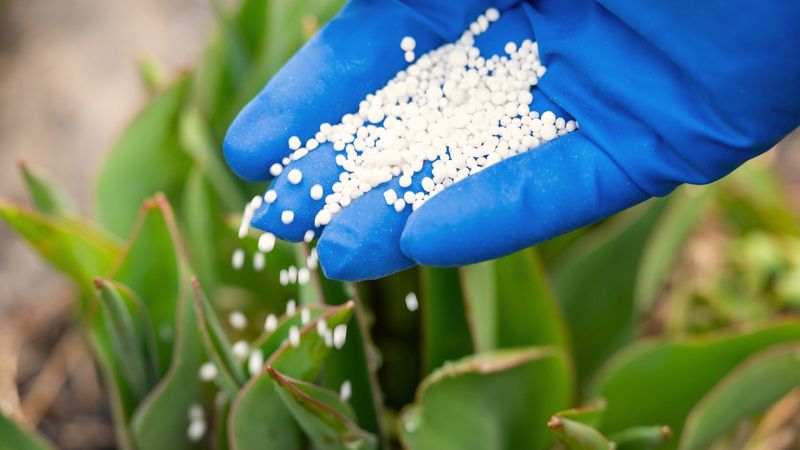
Phosphorus-heavy fertilizers have long been marketed as the secret to lush, green lawns and vibrant flower gardens throughout New Jersey neighborhoods.
Homeowners apply these products generously each spring, hoping to give their grass and plants the nutrients needed for explosive growth.
While phosphorus does play an important role in root development and flowering, most New Jersey soils already contain adequate levels, making additional applications unnecessary and potentially harmful.
Excess phosphorus does not stay put in your yard but washes into storm drains, streams, and eventually larger water bodies during rainstorms.
Once in lakes, rivers, and coastal areas, this nutrient overload triggers algae blooms that deplete oxygen levels and create zones where fish and other aquatic life cannot survive.
New Jersey has been battling water quality issues for years, and residential fertilizer runoff contributes significantly to these environmental problems.
State legislators are looking at restrictions similar to those already in place in other states, which limit or ban phosphorus in lawn fertilizers unless soil tests prove it is actually needed.
Getting your soil tested through a local cooperative extension office costs very little and provides valuable information about what your lawn truly requires.
You might discover that your yard needs different nutrients entirely, saving you money while protecting New Jersey waterways.
Organic alternatives like compost, aged manure, and plant-based fertilizers release nutrients slowly and improve soil structure over time.
These natural options feed beneficial soil microorganisms that help plants access nutrients more efficiently.
Grasscycling, which means leaving grass clippings on your lawn after mowing, returns valuable nitrogen and reduces the need for any fertilizer applications.
Healthy soil creates healthy plants that resist pests and diseases better than chemically dependent landscapes ever could.
4. 2,4-D Broadleaf Herbicides
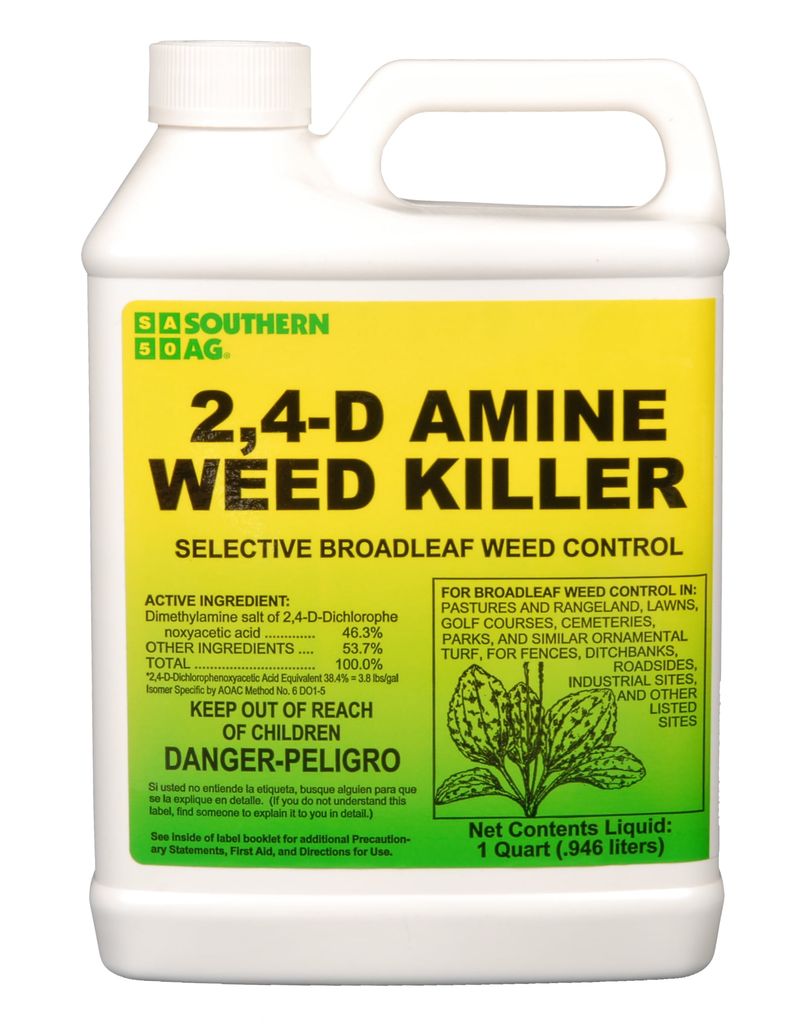
Homeowners battling dandelions, clover, and other broadleaf weeds in their New Jersey lawns have turned to 2,4-D products for generations.
This selective herbicide targets broadleaf plants while leaving grass unharmed, creating the uniform green carpets that many suburban neighborhoods prize.
Hardware stores and garden centers stock numerous products containing 2,4-D, often in combination with other herbicides for maximum effectiveness against diverse weed populations.
Despite its widespread use, 2,4-D has faced scrutiny for decades due to questions about its safety and environmental impact.
Some research suggests potential links to health concerns with repeated exposure, while drift from applications can damage nearby vegetable gardens and ornamental plants.
New Jersey officials are evaluating whether the benefits of weed-free lawns justify continued residential access to this chemical, especially when safer alternatives exist.
Many homeowners are discovering that a few dandelions or clover patches actually benefit their yards by providing food for pollinators and fixing nitrogen in the soil.
Adjusting your definition of a perfect lawn to include some diversity can eliminate the need for herbicides entirely.
If you prefer a more traditional look, spot-treating individual weeds with a dandelion digger takes just a few minutes and provides satisfying immediate results.
Corn gluten meal applied in early spring prevents weed seeds from germinating, reducing weed populations over time without harming existing plants.
Maintaining your lawn at a higher mowing height, around three inches, shades out weed seedlings and promotes deeper grass roots that compete better against unwanted plants.
Overseeding thin areas with quality grass seed creates a thick turf that naturally resists weed invasion.
New Jersey gardeners who embrace these practices often find their lawns healthier and more resilient than chemically maintained ones, with less time and money spent on products that might soon face restrictions anyway.
5. Chlorpyrifos Pesticides
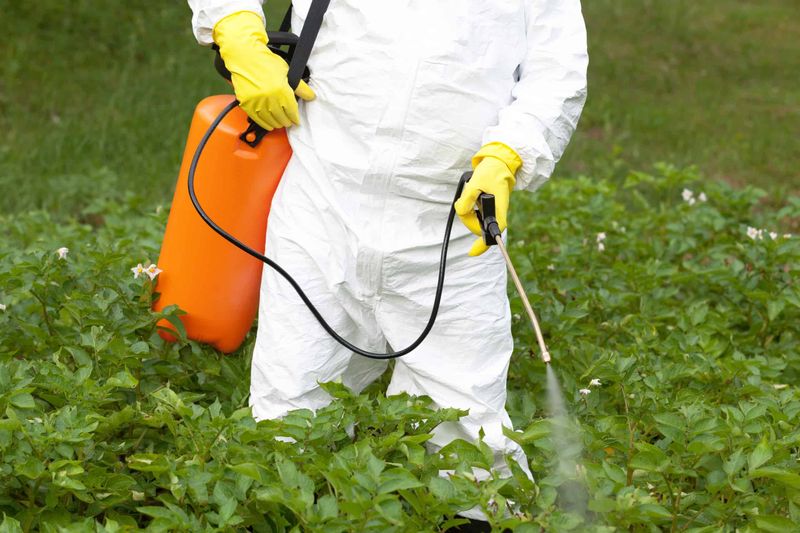
Chlorpyrifos belongs to a class of pesticides called organophosphates, originally developed decades ago for agricultural use but later adapted for home gardens.
New Jersey homeowners have used products containing this chemical to control a wide range of insects on fruit trees, vegetable gardens, and ornamental plants.
Its effectiveness made it popular, but growing evidence about potential health effects has put chlorpyrifos squarely in the crosshairs of environmental and health advocates.
Studies suggest that exposure to chlorpyrifos, especially during critical developmental periods, might affect the nervous system and brain development in children.
Because of these concerns, the federal government has gone back and forth on restrictions, but many states including New Jersey are considering their own bans for residential use.
Professional agricultural applications face different rules, but keeping this pesticide out of home gardens where children and pets play makes sense to many lawmakers and parents.
Gardeners who have relied on chlorpyrifos for pest control will need to adopt different strategies if restrictions pass.
Bacillus thuringiensis, a naturally occurring bacteria, effectively controls caterpillars and other leaf-eating pests without harming beneficial insects or posing risks to humans.
Spinosad, derived from soil bacteria, works well against a broader range of insects while breaking down quickly in the environment.
Physical methods like handpicking pests, using sticky traps, and installing bird feeders to attract insect-eating birds can dramatically reduce pest populations without any chemical intervention.
Crop rotation in vegetable gardens prevents pest buildup, while choosing disease-resistant plant varieties reduces the need for any pesticide use.
New Jersey gardeners have access to excellent resources through county extension offices that offer free advice on pest identification and organic control methods tailored to local conditions and common garden problems.
6. Carbaryl Insecticides
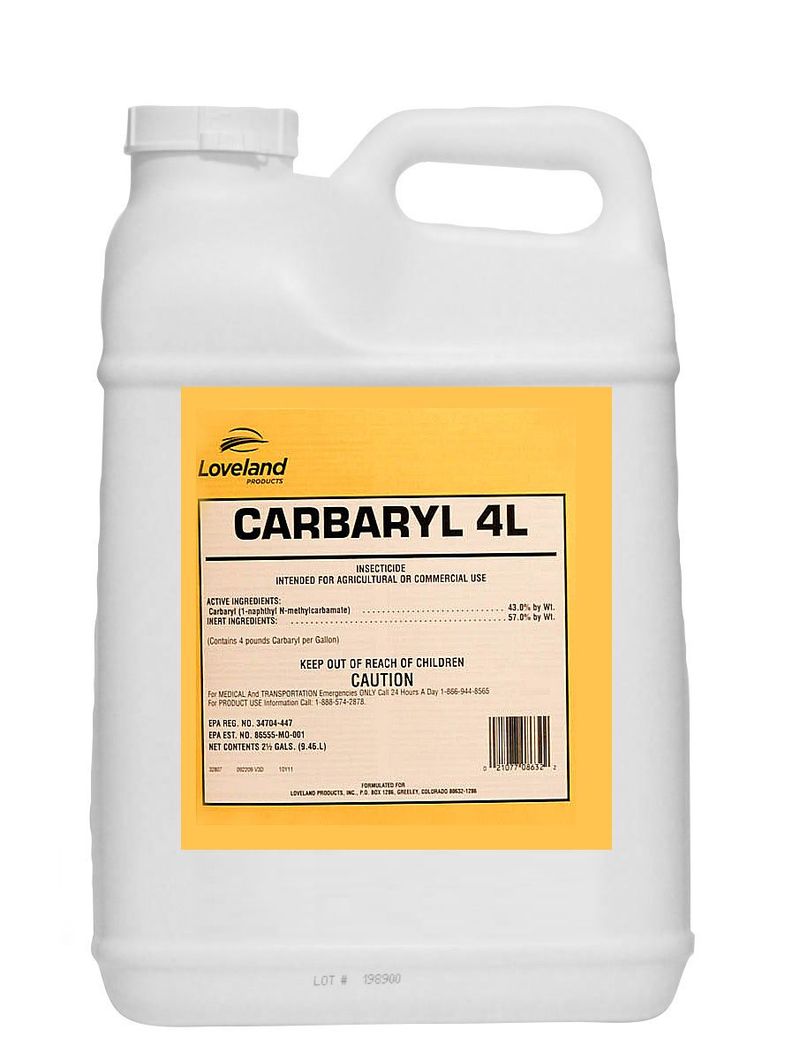
Carbaryl has been a staple in New Jersey gardens since the 1950s, valued for its effectiveness against Japanese beetles, tomato hornworms, and numerous other garden pests.
Available as sprays, dusts, and granules, this broad-spectrum insecticide works quickly to stop pest damage on vegetables, fruits, and ornamental plants.
Many older gardeners remember when carbaryl was considered a safer alternative to earlier pesticides, making it a trusted choice passed down through generations.
Recent reevaluations of carbaryl safety have raised concerns about its impact on beneficial insects, aquatic organisms, and potentially human health with prolonged exposure.
Bees are particularly vulnerable to carbaryl, and applications during flowering can devastate local pollinator populations that New Jersey gardens and farms depend on.
As state officials prioritize pollinator protection and environmental health, carbaryl faces possible restrictions that would limit or eliminate its availability for home use.
Fortunately, New Jersey gardeners have many effective alternatives that target specific pests without broad environmental impacts.
Bacillus thuringiensis varieties control caterpillars like tomato hornworms safely and effectively, while beneficial nematodes combat soil-dwelling pests like grubs and root weevils.
For Japanese beetles, handpicking them into soapy water early in the morning when they are sluggish works surprisingly well for small to medium infestations.
Floating row covers protect vulnerable crops from flying insects without any chemical intervention, and they also extend the growing season by providing frost protection.
Planting trap crops like zinnias or marigolds draws pests away from your prized vegetables and flowers.
Encouraging birds, toads, and beneficial insects creates a balanced ecosystem where nature handles most pest problems without human intervention.
New Jersey extension services offer workshops and online resources to help homeowners transition from chemical-dependent gardening to integrated pest management approaches that work with nature rather than against it.
7. Metaldehyde Slug And Snail Baits
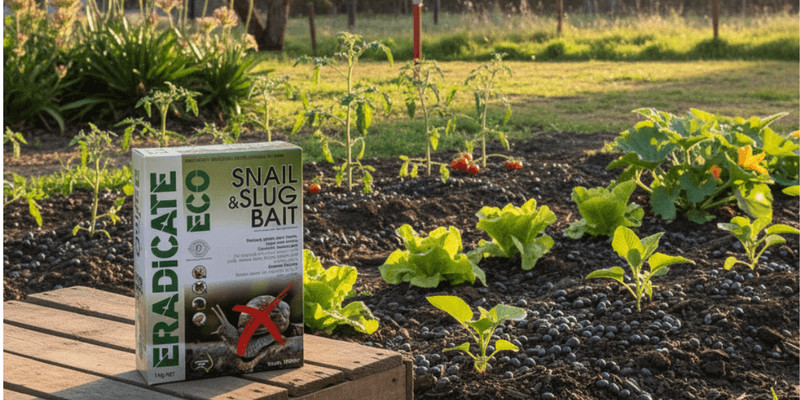
Slugs and snails cause frustrating damage in New Jersey gardens, especially during wet springs when these slimy pests seem to appear overnight and devour seedlings, hostas, and other tender plants.
Metaldehyde baits have been the standard solution for decades, with blue or green pellets scattered around vulnerable plants to attract and eliminate these mollusks.
Garden centers stock various brands, and many homeowners automatically reach for these products at the first sign of slug damage.
The serious problem with metaldehyde is its toxicity to pets, wildlife, and even children who might accidentally ingest the colorful pellets.
Dogs are particularly at risk because they sometimes eat the bait, leading to veterinary emergencies.
Birds and hedgehogs that consume poisoned slugs can also suffer secondary poisoning.
New Jersey lawmakers are considering restrictions on metaldehyde products to prevent accidental poisonings while still allowing homeowners to protect their gardens from these persistent pests.
Iron phosphate baits offer a much safer alternative that works just as effectively against slugs and snails without posing risks to pets or wildlife.
These products break down into soil nutrients after use, making them environmentally friendly as well as safe.
Beer traps, which involve burying shallow containers filled with beer at soil level, attract slugs that then drown in the liquid, providing a non-toxic control method that costs almost nothing.
Copper tape or mesh around pots and raised beds creates barriers that slugs will not cross due to a reaction between their slime and the copper.
Encouraging natural predators like toads, ground beetles, and garter snakes helps keep slug populations under control without any intervention on your part.
Removing mulch and debris where slugs hide during the day, watering in the morning instead of evening, and handpicking slugs during night patrols all reduce damage effectively.
New Jersey gardeners who combine several of these strategies find they can protect their plants without relying on potentially dangerous chemicals that might soon face restrictions.