These Georgia Plants Look Lush And Full Even When You Forget To Water Them All Week
Some parts of a Georgia yard feel like they are stuck on repeat, with the same crops going in every season and the same effort poured into getting them started all over again.
It works, but it also starts to feel like a cycle that never really pays back the time spent on it.
Then there are those quiet spots that don’t ask for much, yet somehow keep coming back stronger, filling in without much help and producing again when the timing is right.
It is the kind of growth that almost goes unnoticed at first, until the difference becomes impossible to ignore.
After a while, it gets harder to justify replanting everything from scratch when a few crops clearly handle Georgia conditions better than the rest. Some settle in, adapt, and keep producing year after year without turning the garden into constant work.
Knowing which ones do that can completely change how the whole yard feels and how much effort it really takes to keep it going.
1. Lantana Stays Full And Colorful With Minimal Water
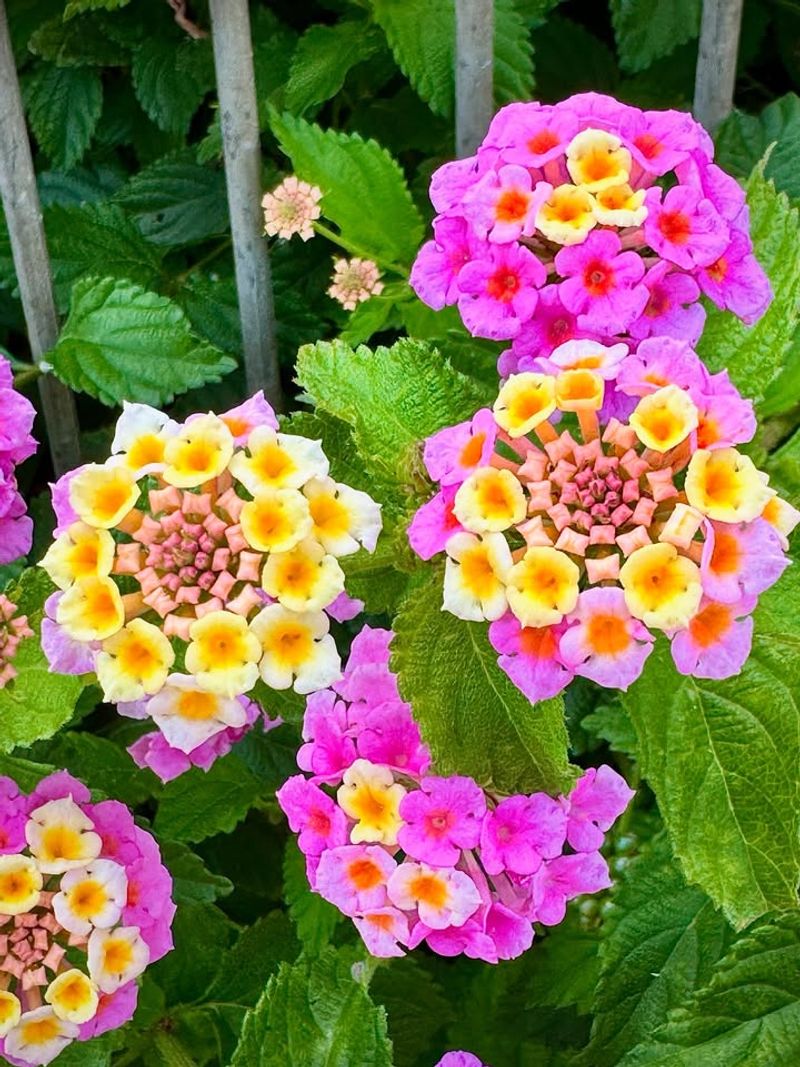
Lantana might be the most overachieving plant in a Georgia garden. While everything else starts drooping by mid-July, lantana just keeps pumping out those tight little clusters of orange, red, and yellow blooms like the heat is nothing to worry about.
Once established in the ground, lantana builds a deep root system that pulls moisture from soil long after the surface has dried out completely. You really do not need to water it more than once a week in most Georgia summers, and skipping a week here and there rarely causes visible stress.
Planted in full sun with decent drainage, it rewards neglect in the best way possible.
Butterflies absolutely swarm lantana, so you get a bonus wildlife show while barely lifting a finger. Trim it back lightly if it gets leggy, and it will flush out again fast.
Gardeners across Georgia have been leaning on lantana for years because it performs through humidity, clay soil, and relentless heat without complaint. Just avoid waterlogged spots since standing water is the one condition it really cannot handle well.
Even after several hot days, the plant keeps pushing new blooms without slowing down. Deep roots help it pull moisture long after the top layer dries out.
2. Russian Sage Keeps A Soft Full Shape In Dry Conditions
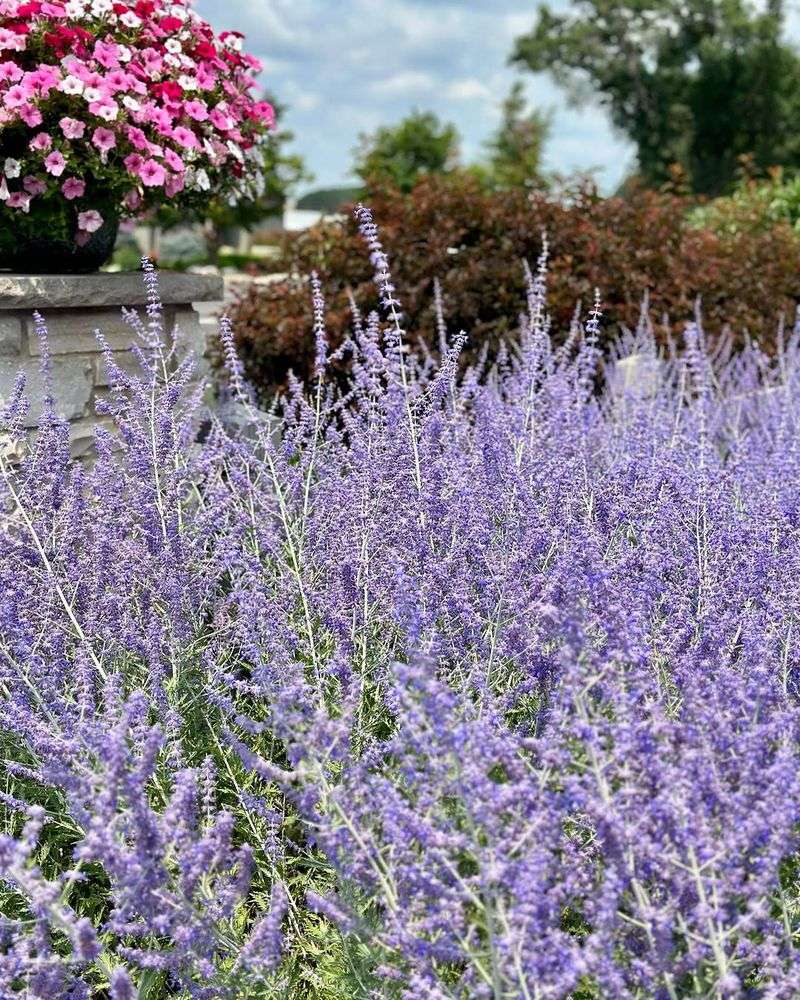
Walk past a patch of Russian sage on a dry August afternoon in Georgia and you would never guess it had not been watered in days. Those long, airy spikes of lavender-blue flowers stay upright and soft-looking even when the ground beneath them is bone dry.
Russian sage is not actually a true sage, but it behaves like one in terms of drought toughness. Its silvery stems and fine-textured foliage actually reduce water loss on their own, which is a clever built-in survival strategy.
Once roots get established after the first season, this plant becomes remarkably self-sufficient in Georgia’s heat. Full sun is a must, and sandy or loamy soil helps it thrive even more than heavy clay.
Your Georgia Garden Changes Every Week. Your Plan Should Too.
Gardening in Georgia changes quickly throughout the season. Every Friday you’ll receive a simple weekly plan showing exactly what to plant, prune, fertilize, harvest, and protect so you never miss the right timing.
Spacing matters with Russian sage because crowding it limits airflow and can cause stem rot in humid Georgia summers. Give each plant plenty of room to spread and you will be rewarded with months of color from late spring well into fall.
Cut it back hard in late winter and it bounces back fuller than before. It pairs beautifully with coneflower and coreopsis in mixed perennial beds across central and north Georgia landscapes.
Long stems hold their form without collapsing in heat or humidity. Silvery foliage reflects light and reduces stress during dry spells.
3. Yarrow Holds Structure And Blooms With Little Water
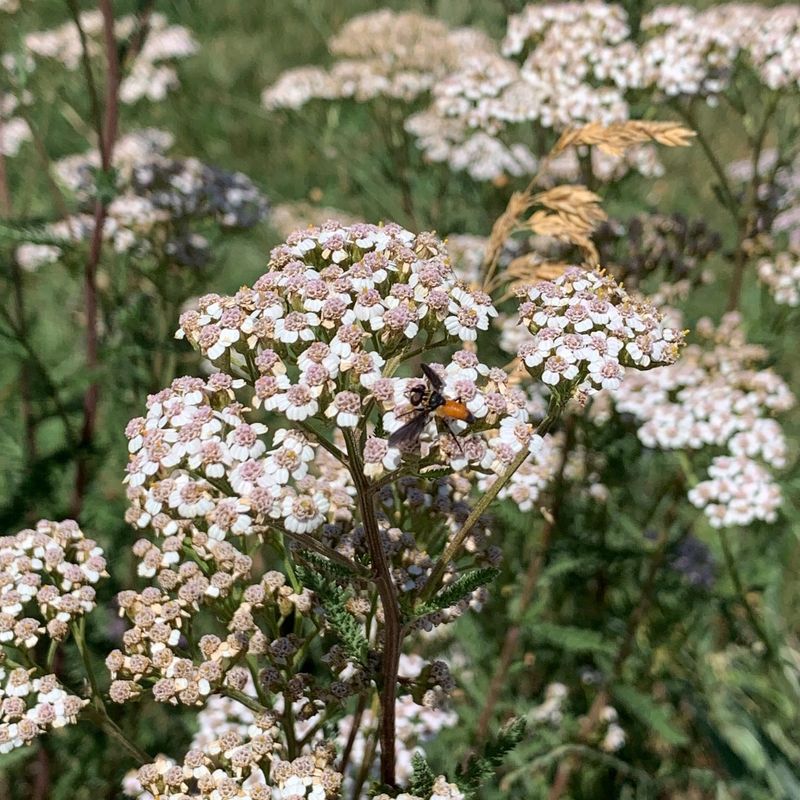
Yarrow is stubborn in the best possible way. Plant it in a hot, sunny spot in Georgia and walk away for a week.
Come back and it will still be standing straight, blooming hard, and looking completely unbothered by the lack of rainfall.
Native to dry, open meadows, yarrow evolved to handle exactly the kind of conditions Georgia throws at it in summer. Its feathery, fern-like foliage is not just pretty; it actually conserves moisture efficiently.
Flat-topped flower clusters in yellow, white, and pink hold their shape for weeks, making yarrow a reliable visual anchor in any perennial bed. Gardeners in north Georgia especially love it because it handles both clay and rocky soil with equal ease.
One thing to watch: yarrow does not love being overwatered. If you are in a low area with poor drainage, consider raising the bed slightly before planting.
Established plants can go ten days or more between waterings during moderate heat without showing any visible stress. Deadheading spent blooms encourages a second flush of flowers in late summer.
Yarrow also attracts beneficial insects, which makes it a genuinely useful addition to any Georgia garden that values both beauty and function.
Flat blooms stay intact without drooping under pressure from heat. Natural toughness makes it reliable in exposed, sunny spots.
4. Coreopsis Looks Bright And Full Even In Dry Soil
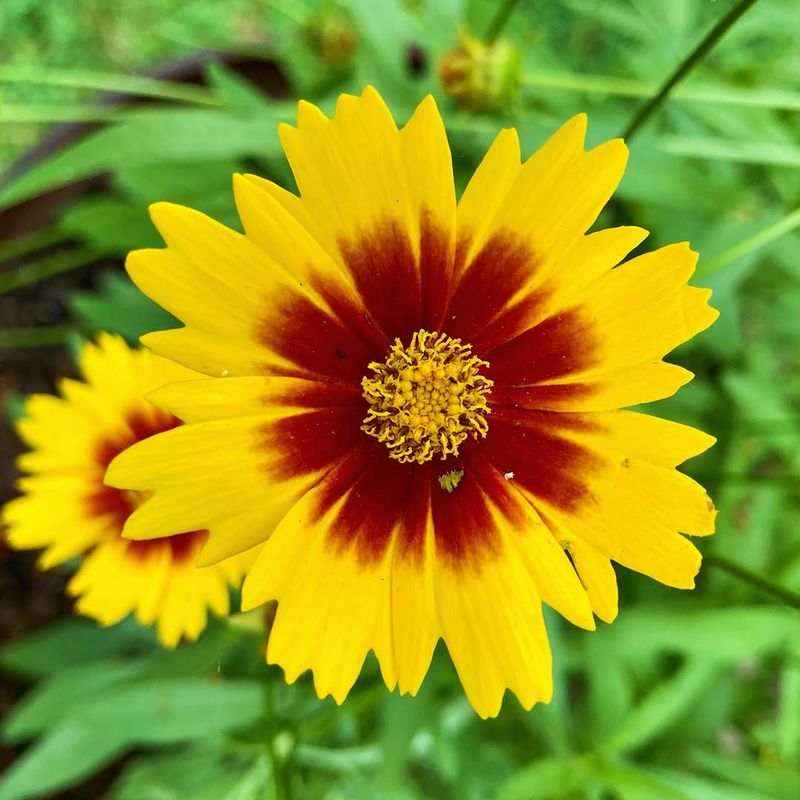
Few plants put on a cheerier show in Georgia’s brutal summer heat than coreopsis. Those daisy-like yellow blooms just keep coming, even when the soil around them looks like it has not seen rain in a week or more.
Coreopsis is actually native to much of the southeastern United States, which explains why it handles Georgia’s climate so naturally. Its thin, wiry stems and narrow leaves minimize water loss, and its root system is surprisingly efficient at finding moisture deep in the soil.
Planted in full sun with well-drained soil, it blooms from late spring through fall with very little intervention from the gardener. Even in the red clay-heavy soils common across middle Georgia, coreopsis tends to adapt well once established.
Deadheading regularly keeps the blooms coming strong, though some gardeners skip it entirely and still get decent flowering. A light trim in midsummer can reinvigorate the plant if it starts looking a bit tired.
Water deeply once a week during the first growing season to help roots establish, then back off significantly in year two. After that, coreopsis is largely on its own.
Pollinators love it, birds eat the seeds in fall, and the plant stays compact and full without needing much hands-on attention.
Bloom production continues steadily even when rain is limited. Native traits allow it to stay active through long dry periods.
5. Sedum Stores Moisture And Stays Plump In Heat
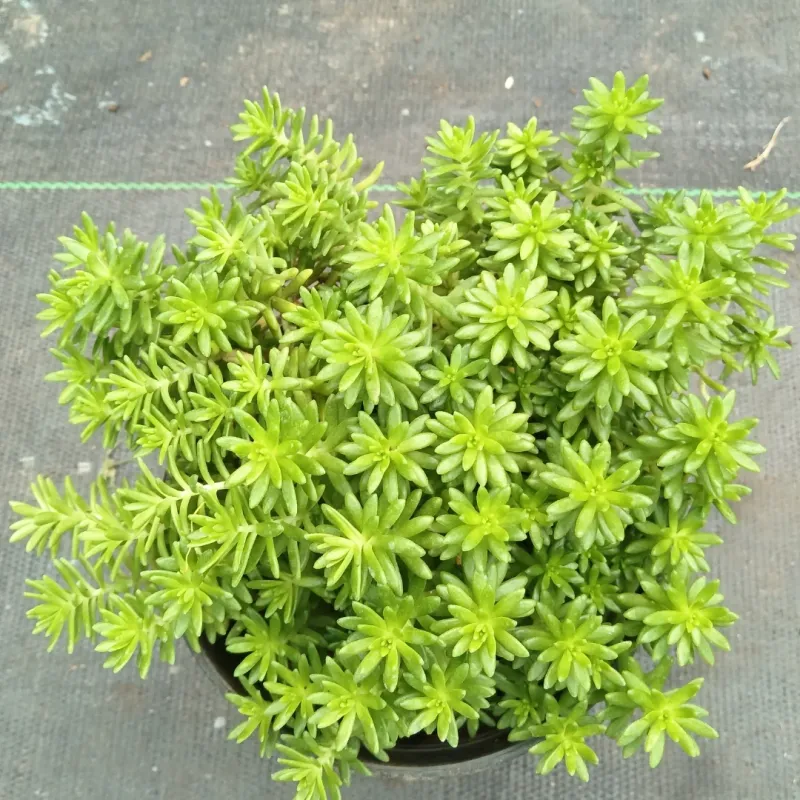
Sedum handles a dry week in Georgia without trouble. Its thick, fleshy leaves store water internally, so even when the top inch of soil is completely parched, the plant itself is drawing on its own reserves and looking absolutely fine.
There are many varieties of sedum that work well in Georgia, from low-growing ground cover types to the tall autumn joy varieties that top out around two feet. All of them share the same superpower: succulence.
Leaves hold onto water the way a sponge holds onto moisture, releasing it slowly as the plant needs it. Rocky slopes, raised beds, and containers with fast-draining soil are ideal spots in Georgia where sedum absolutely thrives.
It does struggle in areas with standing water or heavy, compacted clay with no drainage improvement.
In late summer and fall, the taller varieties produce flat-topped flower clusters that shift from pink to rusty red as temperatures drop. Bees swarm those blooms in September and October, making sedum genuinely valuable to pollinators late in the season.
Minimal pruning is needed; just clean up old stems in late winter. Sedum is also deer-resistant, which matters a lot for gardeners in rural north Georgia where deer pressure can be intense and persistent throughout the year.
Water held inside the leaves keeps the plant looking fresh. Dry conditions rarely cause visible changes in its structure.
6. Coneflower Handles Dry Spells And Keeps Upright Growth
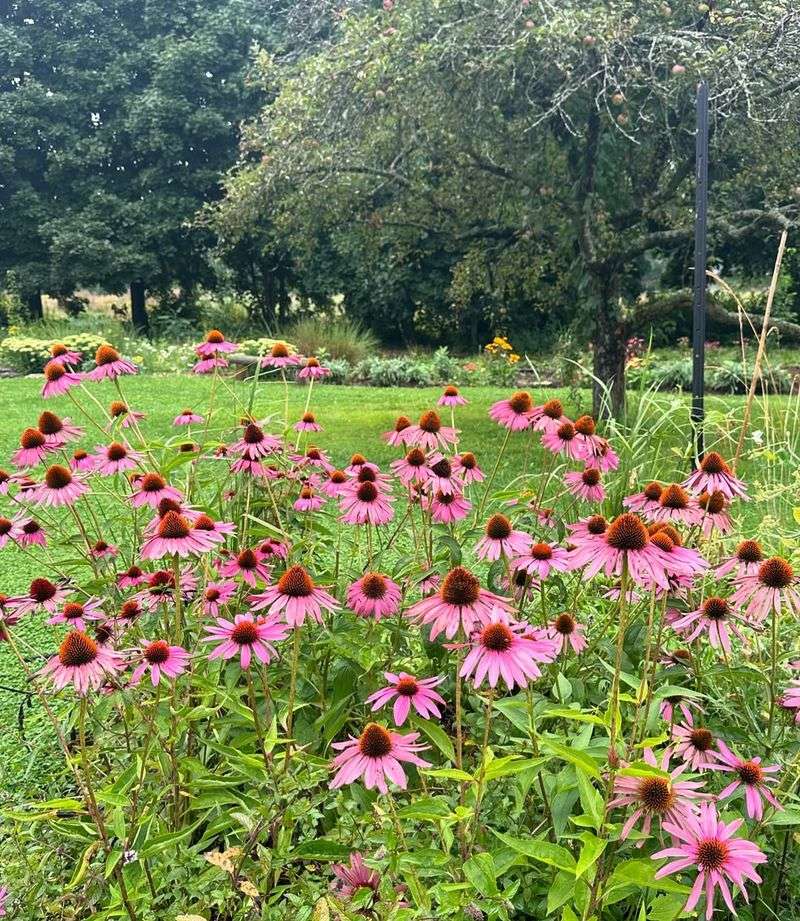
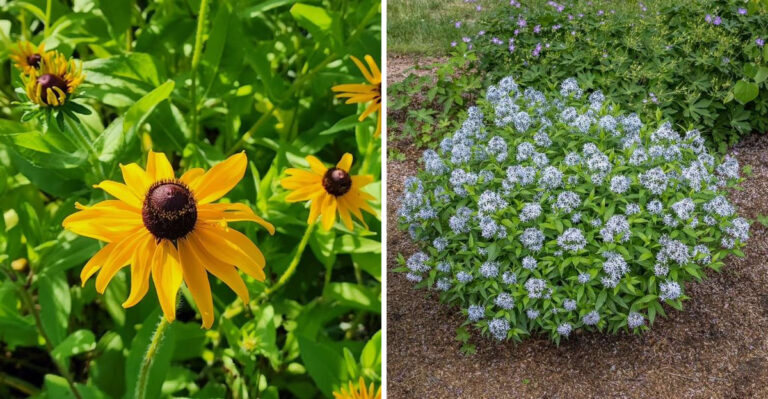
Coneflower does not wilt at the first sign of stress. Even after a week without rain in a Georgia summer, those tall stems stay upright and those purple petals hold their shape better than most perennials in the garden.
Echinacea, as it is formally known, is native to the central and eastern parts of North America, and it adapted long ago to periods of drought followed by heavy rain. That pattern is not too different from what Georgia gardeners experience every summer.
Deep taproots help coneflower pull moisture from lower soil layers when the surface dries out.
Full sun and well-drained soil bring out the best in this plant, though it also tolerates partial shade in the hotter parts of south Georgia where afternoon sun can be truly intense.
One of the underrated benefits of coneflower is how it looks after the petals drop. Those spiky seed heads stand tall through fall and into winter, feeding goldfinches and other small birds.
Deadhead early blooms to push more flowers, then leave late-season heads intact for wildlife. Coneflower spreads slowly over time through both self-seeding and root division, meaning a single plant can fill out a garden bed gradually without much help.
Georgia gardeners find it reliably returns year after year with minimal fuss.
Tall stems remain firm without bending under stress. Deep roots draw moisture from lower soil layers with ease.
7. Gaura Maintains Airy Fullness With Low Water Needs
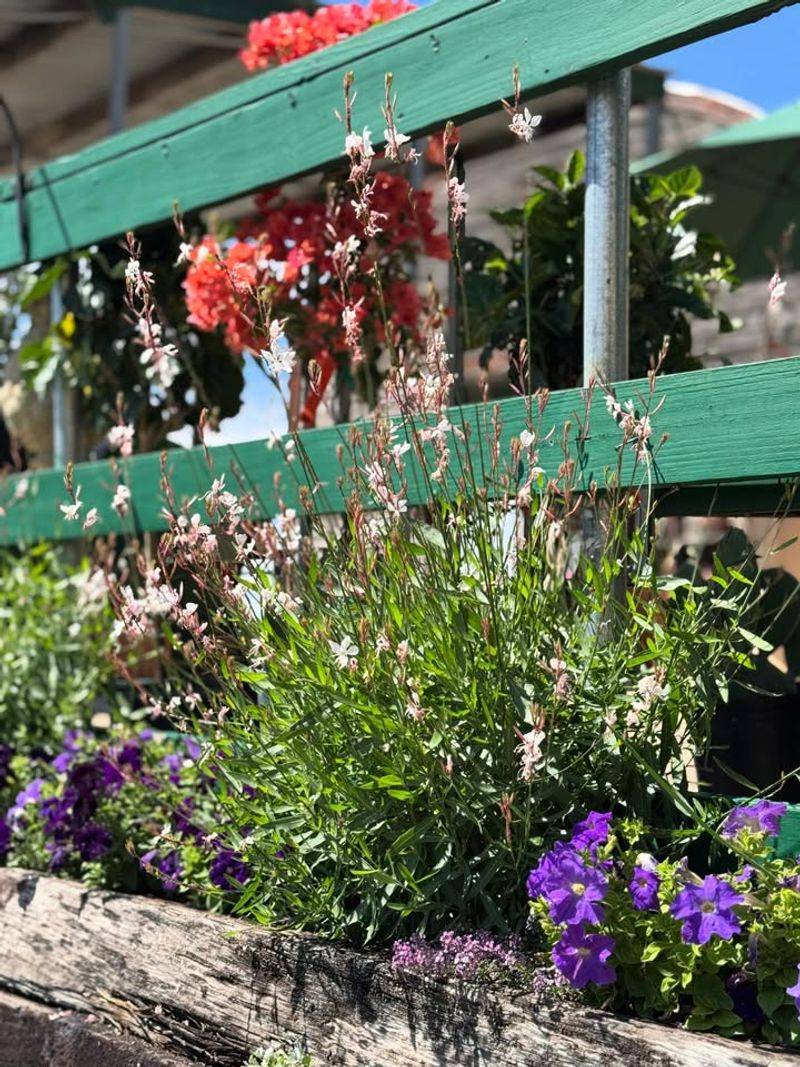
Gaura has a way of making a garden feel effortless.
Those slender stems loaded with small white and pink blooms sway in the breeze and create a soft, cloud-like fullness that looks like someone spent a lot of time maintaining it, when in reality gaura mostly takes care of itself.
Native to the American South, gaura is genuinely built for heat and low rainfall. It thrives in the kind of dry, sunny conditions that Georgia delivers from June through August without missing a beat.
Sandy or loamy soil suits it best, though it handles clay reasonably well if drainage is decent. Once rooted in, established plants can go ten days or longer without supplemental water during typical Georgia summer conditions.
That kind of resilience is hard to find in a plant that also looks this graceful.
Gaura blooms from late spring all the way through early fall, which gives it one of the longest flowering windows of any perennial in Georgia gardens. Cutting it back by about a third in midsummer refreshes the plant and encourages another strong flush of blooms.
It pairs naturally with ornamental grasses and coneflower in mixed beds. Gaura also reseeds itself modestly, so you may find small volunteer plants appearing nearby each spring, which most Georgia gardeners consider a pleasant bonus.
Thin stems move freely without losing density or balance. Consistent flowering keeps the plant from looking sparse.
8. Blanket Flower Thrives In Dry Conditions And Stays Colorful
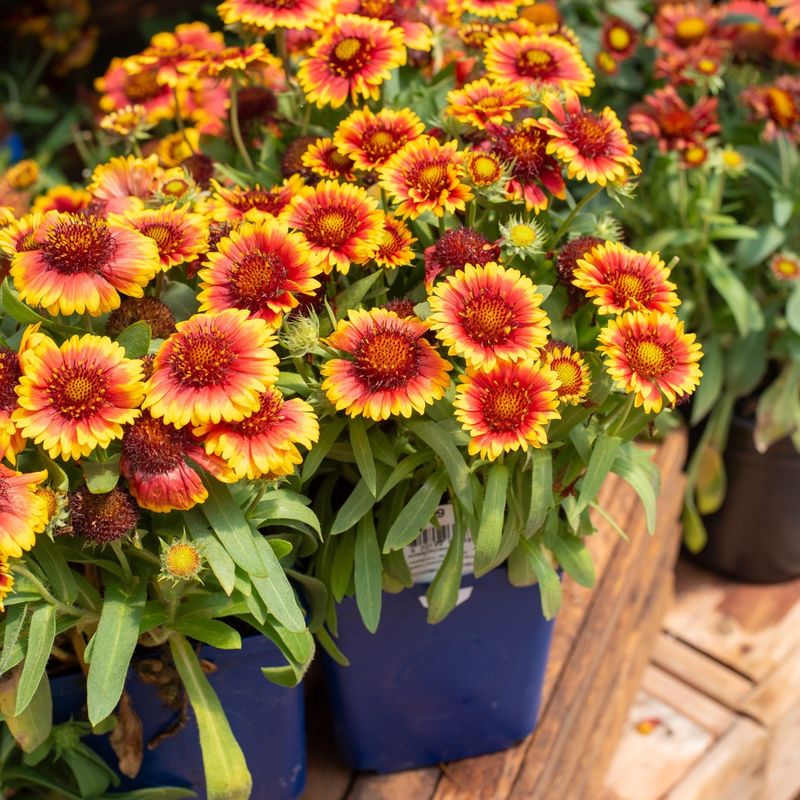
Bold, fiery, and completely unbothered by a missed watering, blanket flower earns its place in any Georgia garden that gets hit hard by summer heat.
Those red and yellow blooms look almost tropical, but the plant itself is one of the toughest perennials available to southeastern gardeners.
Gaillardia, the botanical name, actually prefers lean, dry soil. Overly rich or consistently moist soil causes it to flop and struggle rather than thrive.
Sandy or gravelly beds in full sun bring out its strongest performance, which is why coastal Georgia gardeners near Savannah often have remarkable success with it.
Plants that get too much water or too much fertilizer tend to produce lush foliage but fewer flowers, so holding back on both is genuinely good practice with blanket flower.
Blooms appear from late spring and keep going strong through summer and into fall with very little intervention.
Deadheading spent flowers regularly helps maintain a tidy appearance and pushes new buds forward, though skipping a few rounds will not cause serious problems.
Blanket flower is also a magnet for bees and butterflies, adding ecological value beyond its visual appeal. Short-lived as perennials go, it reseeds freely in Georgia gardens, so the colony tends to sustain itself naturally across multiple growing seasons without replanting.
Strong blooms hold their color without fading quickly. Lean soil helps maintain steady flowering instead of excess growth.