These 7 Ground Covers Feed Oregon Pollinators Without Looking Wild
You don’t have to choose between a tidy garden and helping pollinators. I wanted neat borders and clean pathways, but I also wanted bees and butterflies around.
Turns out, it’s possible to support both goals with the right plant choices.
For years, I avoided anything labeled “pollinator plant” because I pictured tall, floppy flowers and chaotic garden beds. I worried they would take over my space and ruin the clean look I worked so hard to maintain.
But once I started experimenting with low-growing, well-behaved ground covers, everything changed.
Some ground covers stay low, spread attractively, and still provide food for pollinators. When I started using them, I began noticing more activity in my garden fairly quickly.
More buzzing, more fluttering, and the space still looked organized.
If you’ve avoided ground covers because they seemed messy or hard to manage, you’re not alone. I felt the same way.
These plants shifted how I approach planting. They fill bare spots, help suppress weeds, and add soft color without overwhelming the space.
These beautiful options make it easier to grow a garden that looks good while also supporting pollinators.
1. Broadleaf Stonecrop (Sedum spathulifolium)
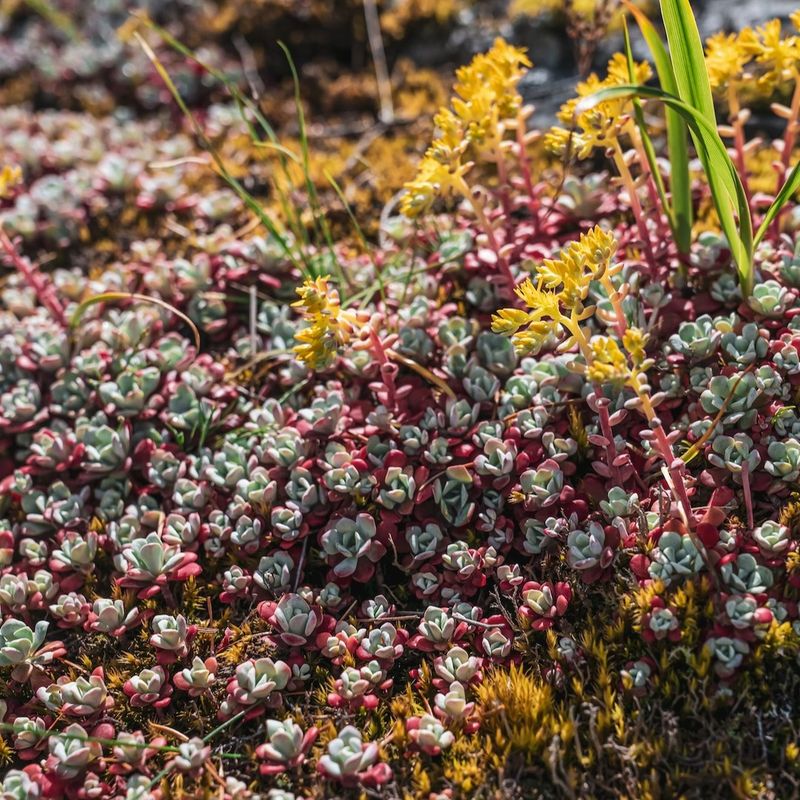
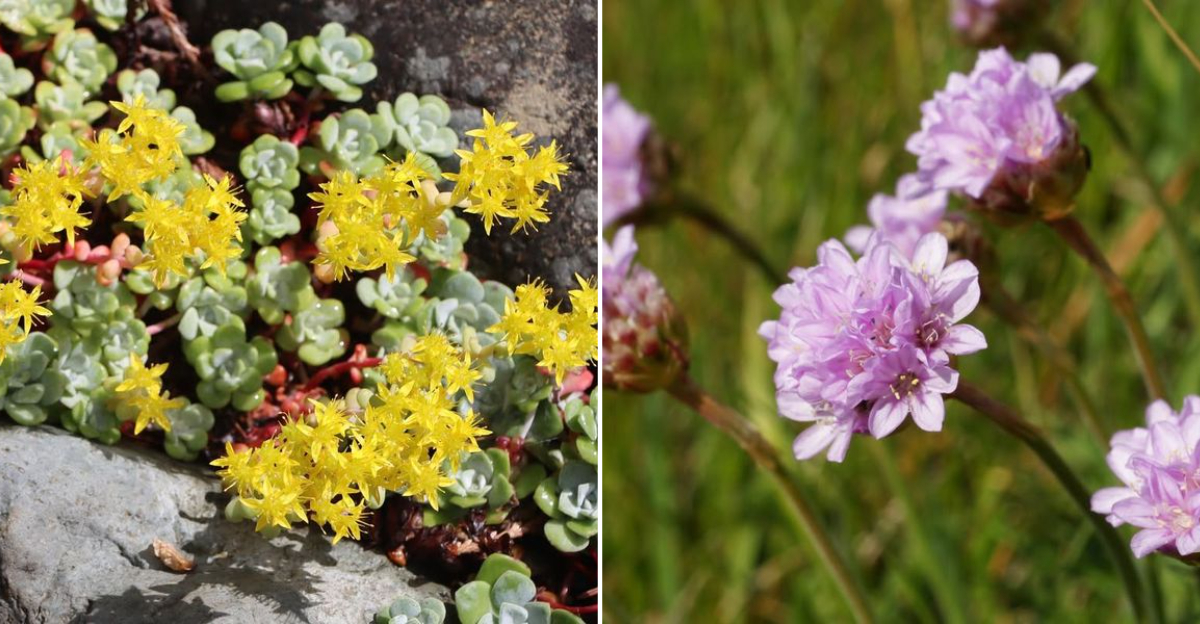
Imagine a sunny rockery lighting up with bright yellow blooms in late spring, drawing in native bees and other pollinators. Broadleaf stonecrop brings life to dry, challenging areas in Oregon gardens while keeping a tidy appearance.
Its fleshy, spoon-shaped leaves form tight rosettes that hug the ground, creating a textured carpet in shades of silvery green and dusty rose.
Native to the Pacific Northwest, this sedum handles rocky, well-drained soils and requires very little summer water once established. Plant it in full sun along pathways, between pavers, or cascading over retaining walls where its shallow roots anchor well.
Spacing plants about six to eight inches apart gives them room to spread into a dense mat that helps reduce weeds.
When May and June arrive, clusters of star-shaped yellow flowers rise just above the foliage, attracting mason bees, sweat bees, and honeybees. The blooms last several weeks and provide valuable early-season nectar when pollinators are becoming active.
Even after flowering, the foliage stays attractive year-round, often taking on burgundy tones in winter.
Because it stays under four inches tall and spreads at a manageable pace, broadleaf stonecrop maintains a polished look.
It pairs nicely with ornamental grasses, lavender, and other drought-tolerant perennials, creating a low-maintenance garden that supports Oregon’s native pollinators without sacrificing structure.
2. Oregon Stonecrop (Sedum oreganum)
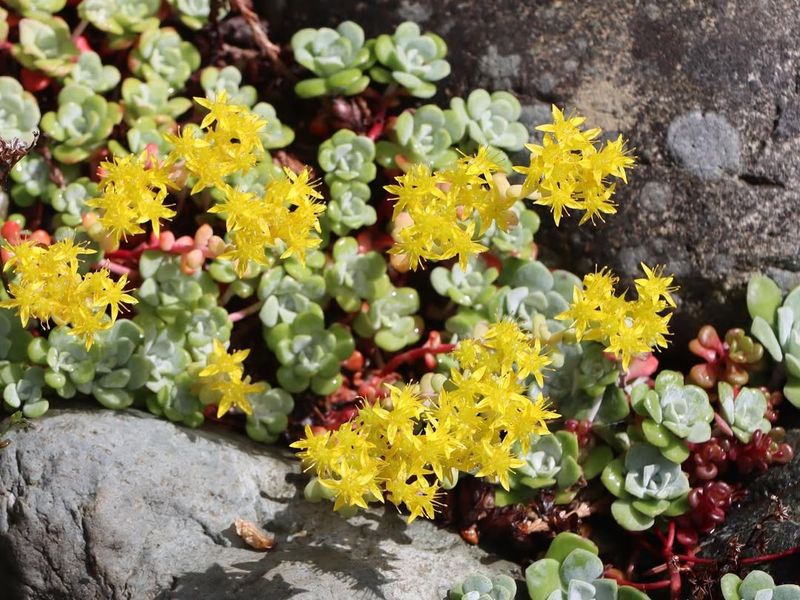
Walk along a woodland edge in early summer and you may spot clusters of golden flowers brightening shaded areas.
Oregon stonecrop brings that same forest-floor charm to gardens, performing well in spots that receive morning sun and afternoon shade, especially in the Willamette Valley and coastal regions.
This Pacific Northwest native forms a low, evergreen carpet of rounded leaves that stay green through much of the winter. Compared to broadleaf stonecrop, Oregon stonecrop tolerates slightly more moisture and heavier soils, making it useful for clay-rich gardens.
Space plants eight to ten inches apart and they gradually knit together over time.
Bright yellow, star-shaped blooms appear from June through August and attract bumblebees, native bees, and hoverflies. The flowers sit just above the foliage, keeping a neat appearance while offering accessible nectar.
The extended bloom period helps bridge seasonal gaps between spring and late-summer flowering plants.
Oregon stonecrop stays compact at three to six inches tall and typically remains well-behaved in garden settings.
It works well edging shaded paths, under shrubs, or filling gaps in rock gardens where it softens hard edges while providing steady pollinator support.
3. Kinnikinnick (Arctostaphylos uva-ursi)
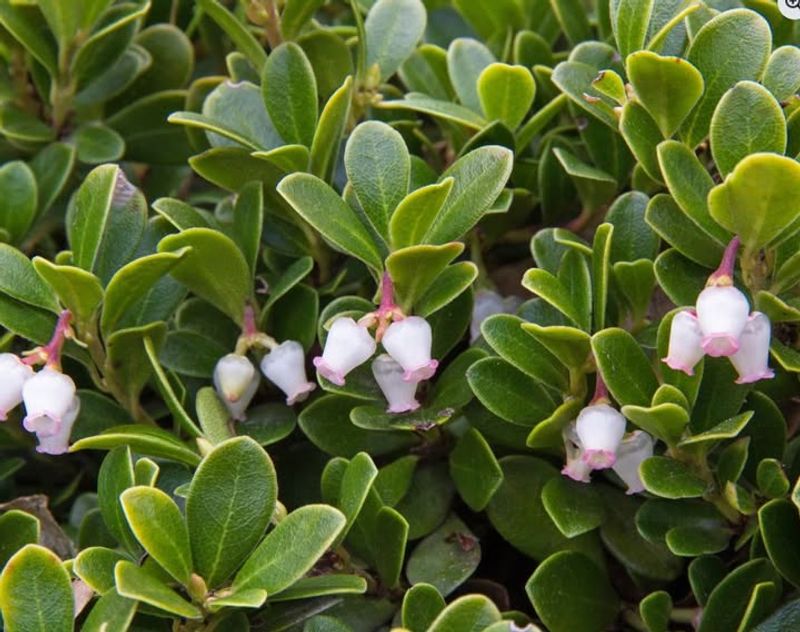
Coastal gardeners often recognize this glossy evergreen ground cover hugging sandy slopes, dotted with pink spring flowers and bright red berries by fall.
Kinnikinnick, also known as bearberry, brings that same rugged beauty into home landscapes while offering early-season nectar.
This native shrub spreads gradually, forming woody stems that root as they grow, creating a dense mat six to twelve inches tall. Its leathery leaves stay green year-round and often develop bronze tones during colder months.
Plant in full sun to part shade in well-drained, acidic soil. Kinnikinnick struggles in heavy clay and standing water, so sandy or rocky sites work best.
The delicate pink, bell-shaped flowers appear in late winter and early spring, attracting early-emerging bumblebee queens and mason bees searching for food.
Though individual flowers are small, they bloom in clusters and provide a valuable nectar source during lean months.
The berries that follow add ornamental interest and feed birds as well.
Kinnikinnick maintains a neat growth habit and evergreen structure that suits both formal and naturalistic landscapes. Space plants two to three feet apart and allow them time to fill in gradually.
Once established, they handle dry summers well in Oregon’s climate.
4. Wild Strawberry (Fragaria spp.)
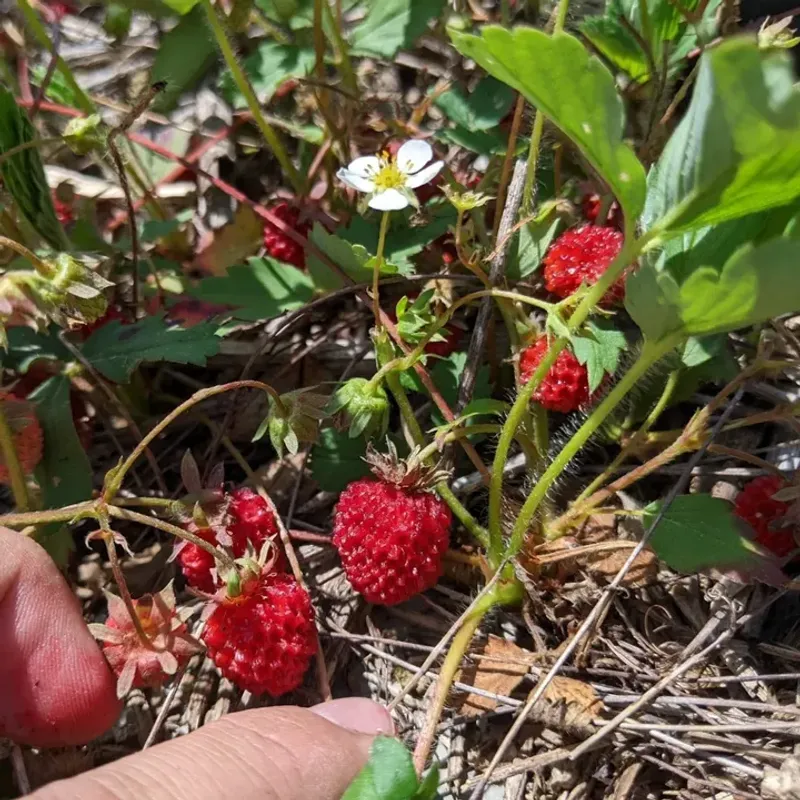
There’s something satisfying about spotting tiny white flowers in your lawn alternative and knowing they’ll eventually become small, sweet berries.
Wild strawberry creates a soft green carpet that tolerates light foot traffic and offers long seasonal interest while feeding pollinators.
Both woodland strawberry (Fragaria vesca) and coastal strawberry (Fragaria chiloensis) grow well in Oregon.
Woodland strawberry prefers part shade and consistent moisture, while coastal strawberry thrives in sun and handles drought once established.
Plant runners or divisions about twelve inches apart and they will gradually fill in using above-ground stolons.
White flowers with yellow centers appear repeatedly through the growing season, attracting small native bees, honeybees, and hoverflies. The extended bloom window provides ongoing nectar and pollen when other ground covers have finished flowering.
The tiny red berries are edible and flavorful, though birds and wildlife often enjoy them too.
Wild strawberry stays low at four to six inches tall with lush foliage that maintains a tidy appearance. It works well under fruit trees, along edges, or as a partial lawn replacement where it adds charm while supporting pollinators.
5. Sea Thrift (Armeria maritima)
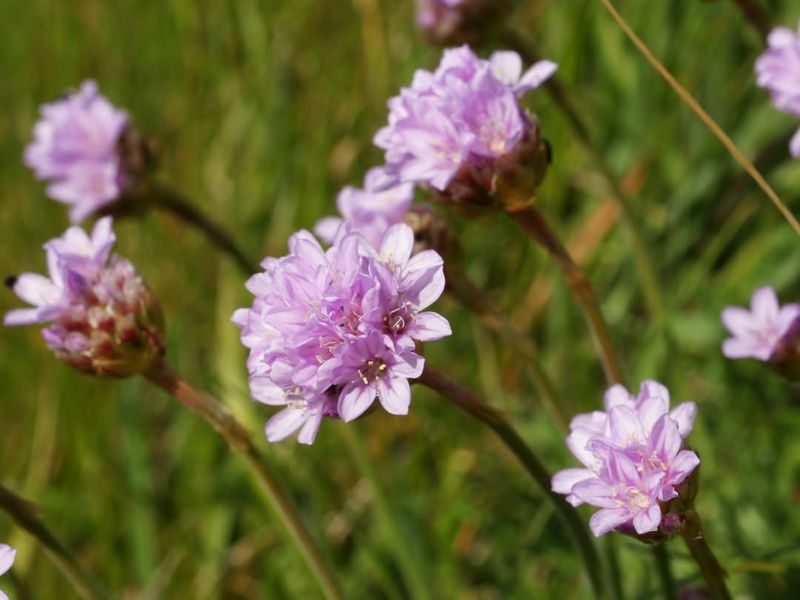
Picture a coastal bluff dotted with pink pompom flowers swaying above neat grassy tufts. Sea thrift brings that coastal charm inland and performs well across much of Oregon.
This compact perennial thrives in full sun and well-drained soil. It tolerates wind, salt spray, sandy ground, and shallow rocky soils that challenge many plants.
Space plants eight to twelve inches apart and they gradually form tidy mounds of evergreen foliage.
The globe-shaped pink or white flowers rise on slender stems in spring, attracting bumblebees and native bees. Removing spent blooms often encourages additional flowering later in the season.
Even when not blooming, the grass-like foliage adds structure and texture without demanding maintenance.
Sea thrift stays compact and typically maintains a controlled growth habit. Once established, it requires little summer watering, making it well suited for Oregon’s dry season while continuing to provide pollinator value.
6. Oregon Sunshine (Eriophyllum lanatum)
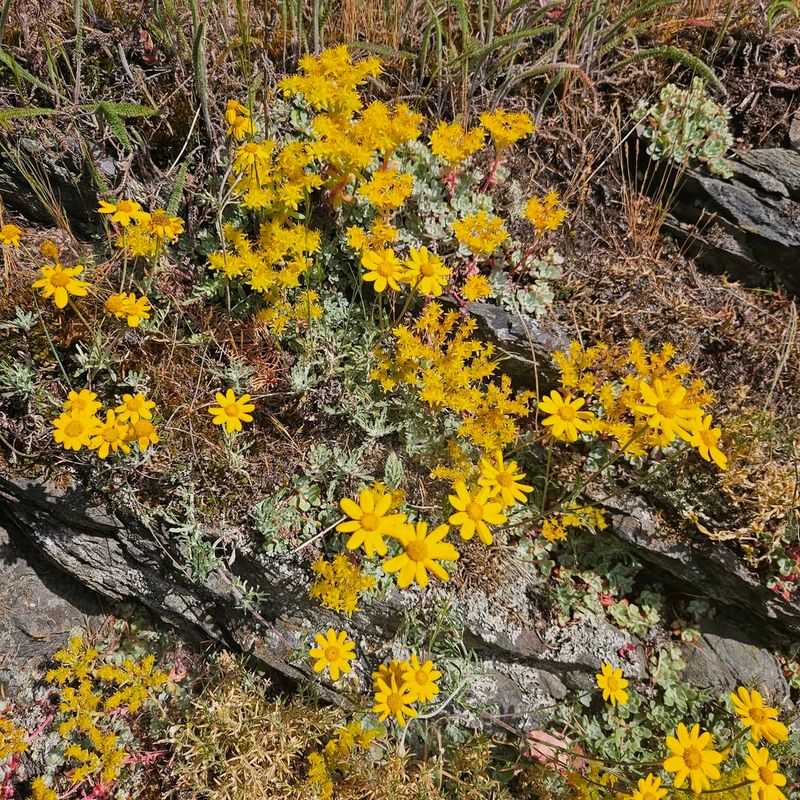
Bright yellow daisy-like flowers blanket sunny areas in late spring, standing out against silvery foliage. Oregon sunshine adds bold color to dry, open spaces and attracts pollinators throughout early summer.
This Pacific Northwest native prefers full sun and lean, well-drained soil. It performs well in challenging sites where grass struggles and weeds often invade.
With proper drainage, it tolerates clay and adapts well to dry summer conditions.
Plant seedlings twelve to fifteen inches apart and allow them to spread slowly into low mounds six to twelve inches tall.
The abundant yellow blooms attract native bees, butterflies, and beneficial insects. The extended bloom period provides important food resources while pollinators are actively raising young.
The gray-green foliage remains attractive after flowering and adds texture to mixed plantings.
Oregon sunshine maintains a compact habit and pairs nicely with lavender, sage, and ornamental grasses. Its drought tolerance and adaptability make it a strong choice for pollinator-friendly gardens with a refined appearance.
7. Oregon Cranesbill (Geranium oreganum)
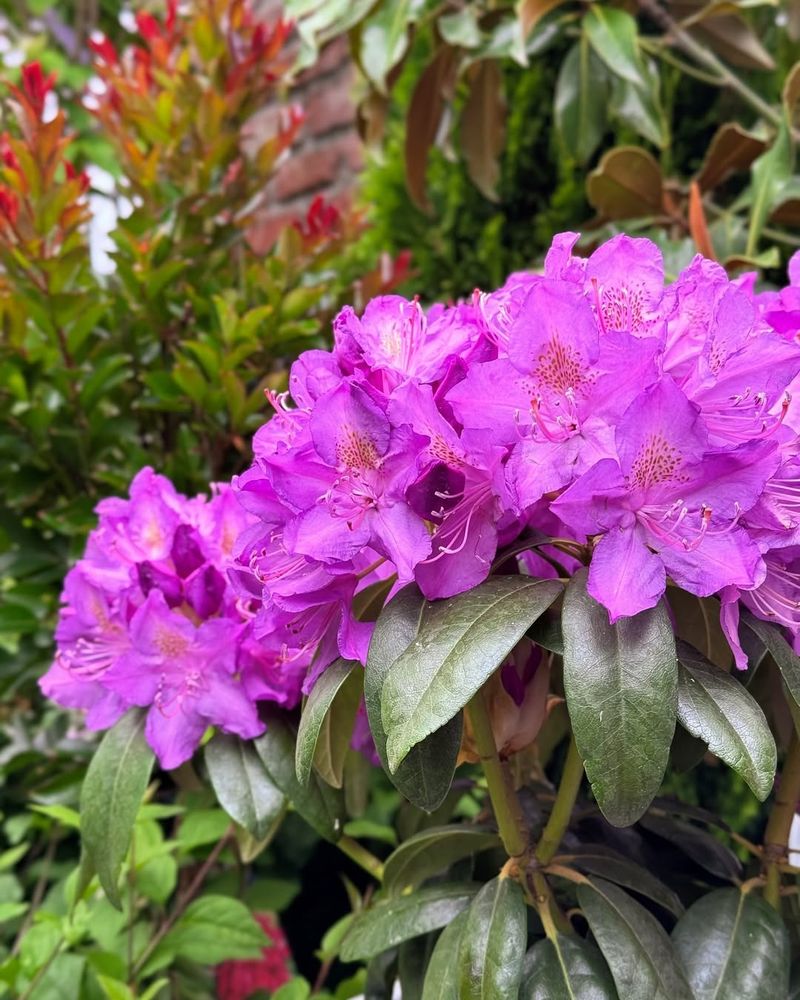
Soft pink flowers rise above textured foliage in shaded garden spaces, showing that pollinator plants don’t have to be limited to full sun. Oregon cranesbill offers dependable shade performance while supporting beneficial insects.
This native geranium prefers part to full shade and moist, well-drained soil rich in organic matter. It spreads slowly by rhizomes, forming loose mats eight to twelve inches tall that fill gaps without overwhelming neighboring plants.
Space plants twelve to eighteen inches apart to allow natural expansion.
Pink to lavender flowers appear from May through July and attract native bees, bumblebees, and hoverflies. The extended bloom window provides steady nectar during peak growing months.
The deeply lobed foliage often turns reddish in fall before going dormant, adding seasonal interest.
Oregon cranesbill maintains a natural but organized appearance that works well in woodland gardens, shade borders, and native landscapes. Once established, it tolerates summer dryness better than many shade plants, making it a practical low-water option.