These Hardy Perennials Keep Growing In Arizona Heat With Minimal Water
Arizona summers can be relentless. Intense sun, dry air, and long stretches without rain quickly push many plants to their limits.
While some flowers fade or struggle once the real heat arrives, a few perennials are built to handle these conditions far better than most people expect.
These tough plants keep growing even when the heat settles in and watering stays minimal. Instead of constant care, they rely on natural resilience, deep roots, and an ability to tolerate dry soil and strong sun.
For Arizona gardeners, choosing the right perennials can make a big difference in how the garden looks through the hottest part of the year.
The right varieties continue producing color, texture, and movement in the landscape long after more delicate plants have slowed down.
With the right picks, it is possible to keep a garden lively even when summer heat is at its peak.
1. Red Yucca Handles Extreme Heat And Low Water
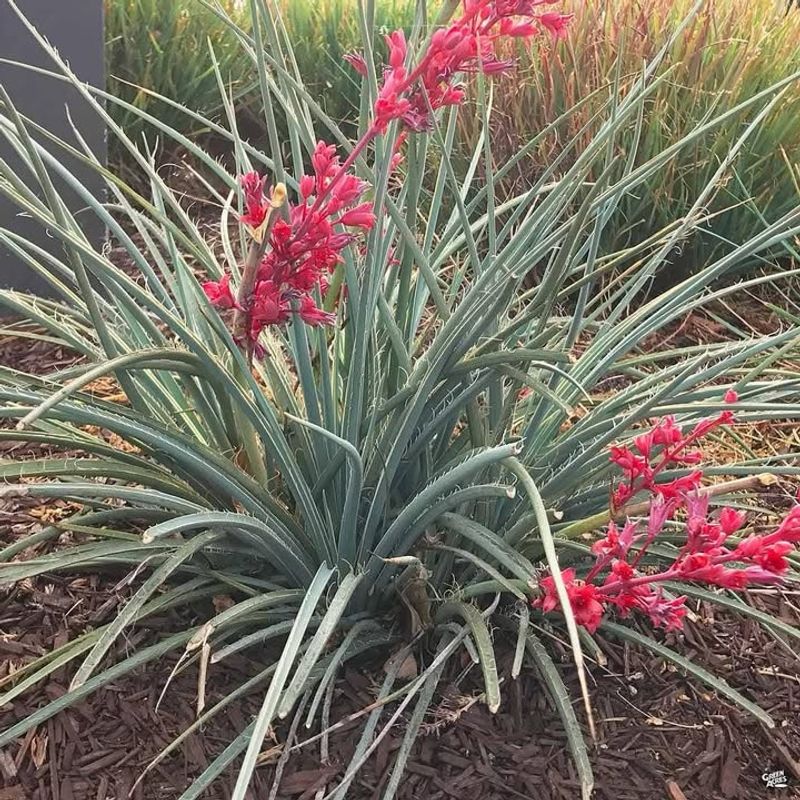
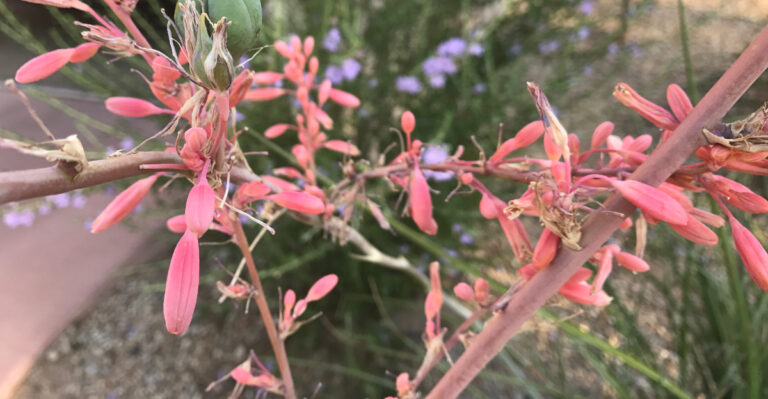
Coral-red flower spikes shooting up four to five feet in the air are hard to miss, and Red Yucca pulls that off every single year without complaint.
Technically it belongs to the Hesperaloe family, not a true yucca, but most Arizona gardeners just call it Red Yucca and leave it at that.
Hummingbirds absolutely cannot resist those tubular blooms, so expect regular visitors from spring through summer.
Rocky, well-drained soil is where this plant truly settles in. Sandy desert soil works perfectly fine, and clay-heavy ground is the one condition you want to avoid.
Once the root system gets established, deep watering every two to three weeks during summer is plenty, and in cooler months you can cut back even further.
Planting in full sun gives the best results across most Arizona landscapes. It handles reflected heat from walls and pavement without any visible stress, which makes it a solid choice near driveways or south-facing walls.
Clumping growth habit means it stays tidy without pruning. Old flower stalks can be cut down after blooming wraps up, but beyond that, this plant basically takes care of itself.
Groups of three planted together create a dramatic look that holds up beautifully all season long.
It is one of those plants that quietly thrives in Arizona landscapes with very little effort once it settles in.
2. Desert Marigold Keeps Blooming In Dry Sunny Conditions
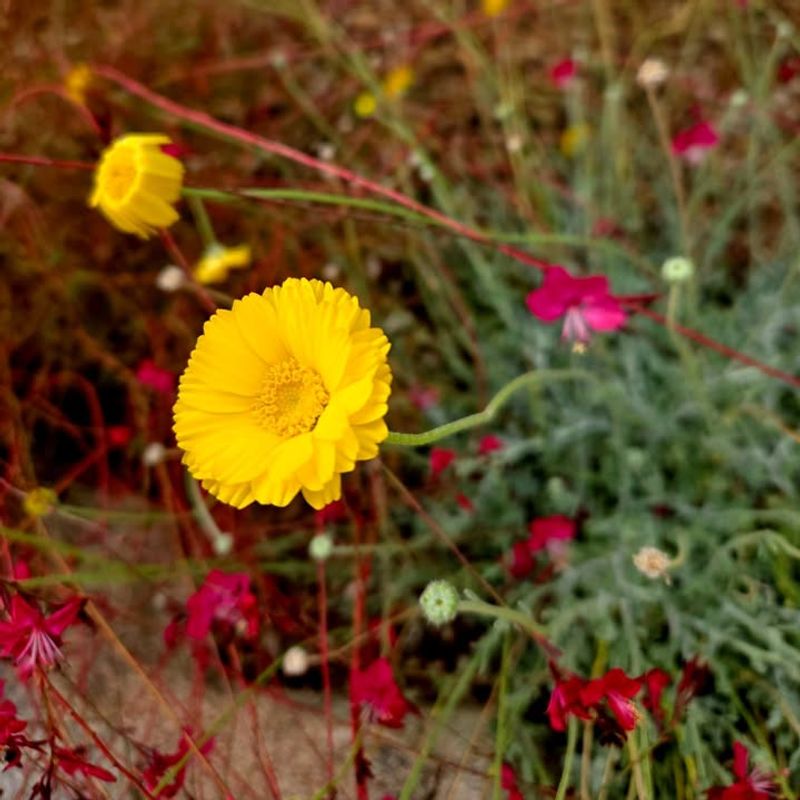
Bright yellow blooms popping up against dusty desert soil is one of the most cheerful sights an Arizona yard can offer, and Desert Marigold delivers that from late winter all the way into fall.
Baileya multiradiata is the botanical name, but most people in the Phoenix and Tucson areas just know it as the yellow wildflower that never seems to quit.
Poor, rocky soil does not slow it down at all.
Standing about twelve to eighteen inches tall, it fits neatly along pathways, in rock gardens, or scattered through a mixed desert planting. Fertilizer is actually something to skip entirely here.
Rich soil or too much feeding causes leggy growth and reduces the number of flowers. Lean conditions push more blooms, which is the opposite of what most gardeners expect.
Watering every ten to fourteen days during summer heat keeps it going strong. Rain alone often carries it through fall and winter without any extra irrigation needed.
Deadheading spent flowers encourages fresh rounds of blooming, though even without deadheading it continues performing reasonably well. Seed easily self-sows in sandy soil, so you may find new plants popping up in nearby spots each spring.
Across Arizona landscapes, few perennials offer this much visual payoff for this little effort. It earns its place every single year.
3. Blackfoot Daisy Thrives In Hot Well Drained Soil
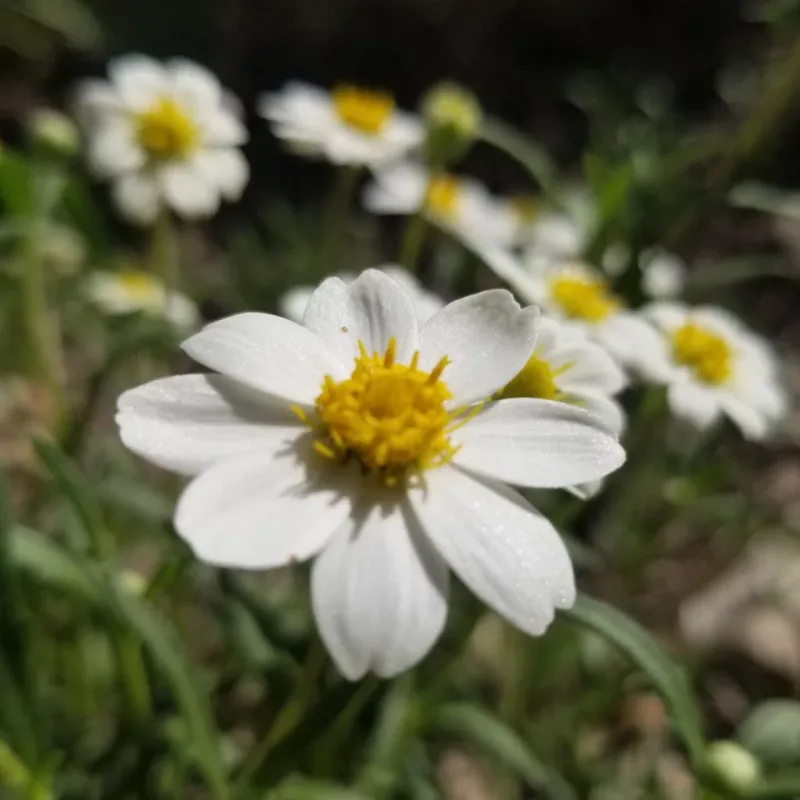
Squeeze a handful of Blackfoot Daisy flowers and you get a faint honey scent that most people do not expect from a desert plant. Melampodium leucanthum is the botanical name, and it grows in tidy mounds about twelve inches tall and wide.
White petals with yellow centers cover the plant almost continuously from early spring through late fall, especially in the warmer parts of Arizona.
Drainage is non-negotiable with this one. Soggy soil or standing water after monsoon rains can cause root problems fast.
Raised beds, sloped ground, or gravelly desert soil all give it the drainage it needs to stay healthy through the wet season. Sandy loam works especially well.
Full sun placement is a must. Partial shade reduces blooming noticeably, and plants in shaded spots tend to stretch and flop rather than holding their compact shape.
Watering once every two weeks during peak summer heat is usually sufficient, and established plants often get by on monsoon rainfall alone from July through September.
Trimming back by about one third in late summer encourages a fresh flush of blooms heading into fall. No heavy fertilizing required.
Across central and southern Arizona landscapes, Blackfoot Daisy fills in spaces between rocks and boulders naturally, giving yards that polished desert look without demanding constant attention from you.
4. Penstemon Parryi Performs Well With Minimal Irrigation
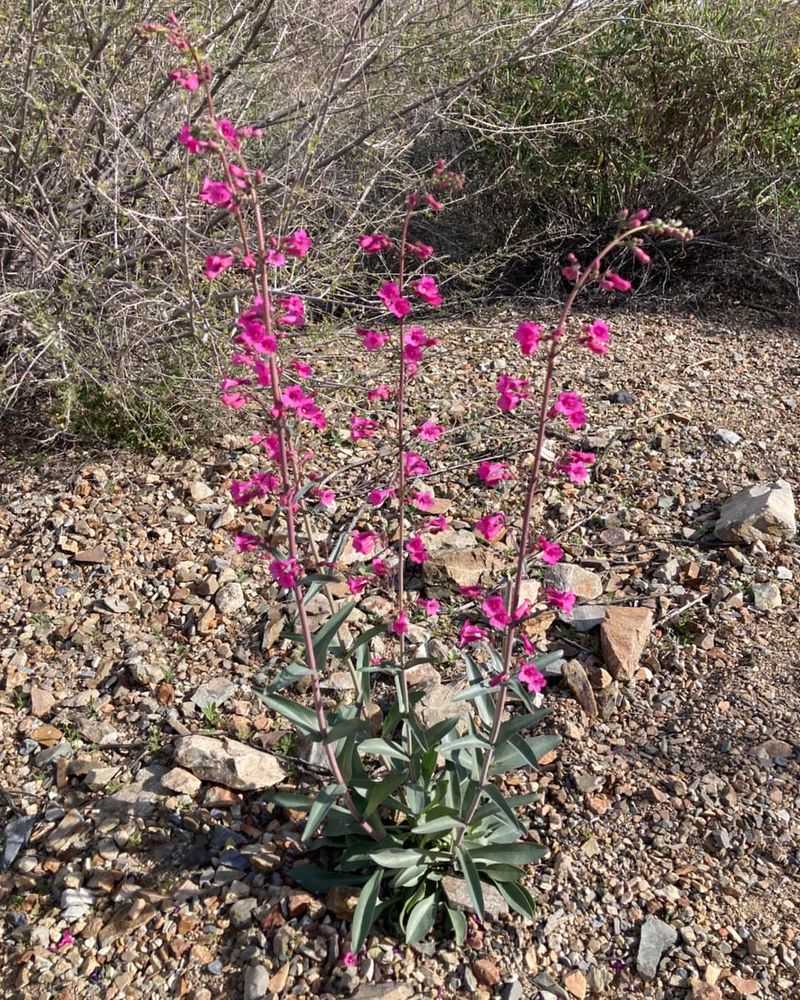
Tall wands of hot pink flowers rising above silvery-green foliage in late winter is exactly what Penstemon Parryi brings to an Arizona garden when almost nothing else is blooming yet.
Parry’s Penstemon is native to the Sonoran Desert, which means it evolved specifically for the kind of brutal heat and minimal rainfall that defines life across much of Arizona.
That origin story matters when you are picking plants that will actually survive here long-term.
Blooming typically peaks between February and April, making it one of the earliest perennials to put on a show after winter. Hummingbirds arrive right alongside those blooms, sometimes before the flowers have fully opened.
Sandy, rocky, well-drained soil is the preferred growing environment, and the plant handles slopes and hillsides especially well.
Deep watering every two to three weeks during the dry season keeps it healthy without encouraging soft, weak growth. Overwatering is actually a bigger risk than underwatering with this plant.
Good drainage prevents the root rot issues that take down penstemons faster than heat ever does.
After blooming wraps up, seed heads form and can be left on the plant to self-sow. New seedlings often appear the following season in nearby gravel or soil.
Across Tucson and the greater Phoenix area, Penstemon Parryi adds early-season color that bridges the gap between winter dormancy and the full heat of summer.
5. Damianita Stays Compact And Tolerates Intense Sun
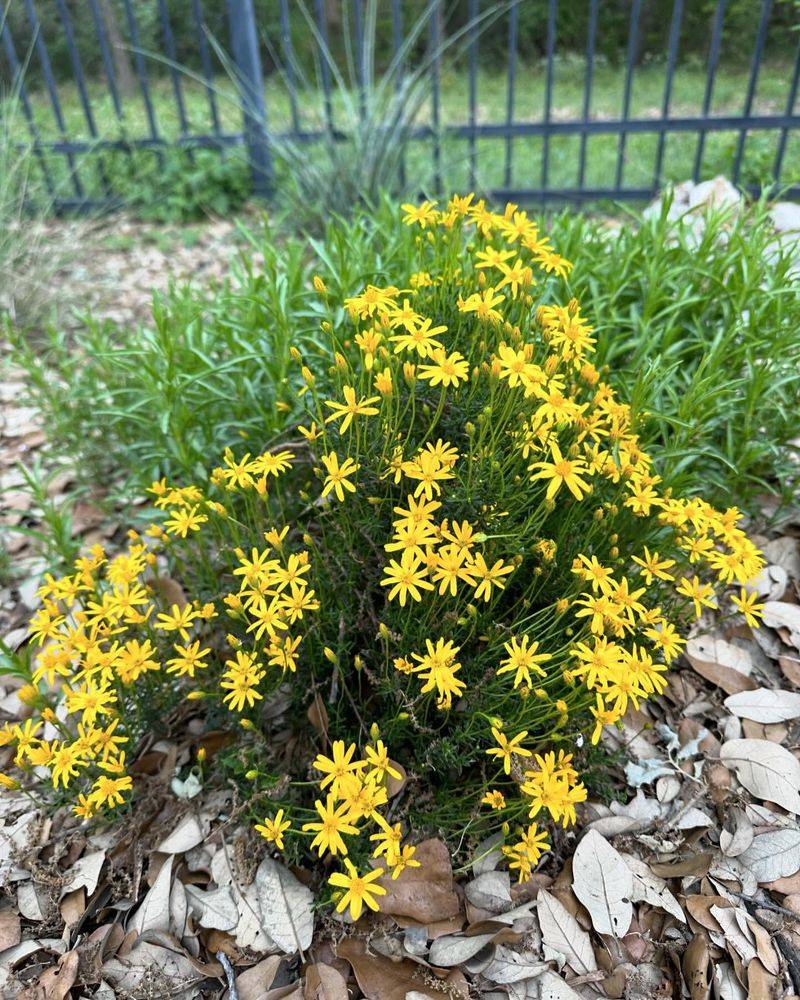
Few plants in Arizona hold their shape as naturally as Damianita does. Chrysactinia mexicana forms dense, rounded mounds of fine needle-like foliage that stay tidy without any trimming.
Bright yellow flowers cover the plant in spring and again in fall, and the foliage releases a pleasant herbal fragrance when brushed. In a state where most plants either sprawl or struggle, this one just stays put and looks good doing it.
Full sun and excellent drainage are the two things Damianita absolutely requires. Reflected heat from walls, rocks, and pavement does not bother it at all, which makes it an excellent choice for those brutally hot south and west-facing exposures common in Arizona landscapes.
Soil does not need to be rich. Lean, gravelly soil actually produces the tightest, most attractive growth habit.
Watering every two to three weeks through summer is sufficient for established plants. During Arizona’s monsoon season, natural rainfall often covers irrigation needs entirely.
Overwatering in clay soil is the most common mistake with this plant and leads to root problems fairly quickly.
Compact size, usually twelve to eighteen inches tall and wide, makes Damianita practical for smaller spaces, borders, and container plantings. Pairing it with red-blooming plants like Penstemon Parryi or Hummingbird Trumpet creates strong color contrast in the landscape.
Across southern and central Arizona, it earns its reputation as one of the most reliable low-water perennials available.
6. Gaillardia Blanket Flower Handles Dry Heat Very Well
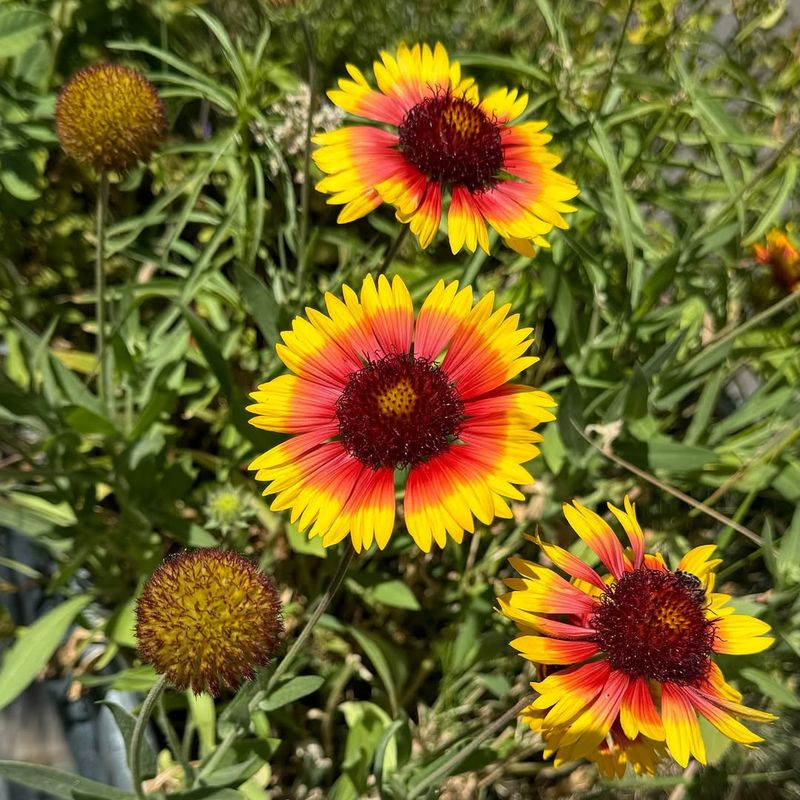
Red and yellow swirling together in a single bloom is one of nature’s better design decisions, and Gaillardia pulls it off all summer long without asking for much in return.
Blanket Flower earned its common name from the bold, bright patterns that resemble traditional woven blankets, and in an Arizona yard those colors pop hard against pale desert soil and gravel mulch.
Heat does not slow the blooming cycle down at all.
Sandy or rocky soil with reliable drainage is the sweet spot for Gaillardia. Heavy clay holds too much moisture around the roots, especially during monsoon season, and that is where problems start.
Raised planting areas or mixing gravel into existing soil improves drainage enough to keep the plant thriving through the wet months.
Deadheading spent flowers regularly pushes continuous new blooms from late spring through early fall. Skipping deadheading is fine too, and the seed heads that form attract finches and other small birds.
Watering deeply once a week during the hottest stretch of Arizona summer keeps plants vigorous without encouraging excessive leafy growth at the expense of flowers.
Plants typically reach twelve to twenty-four inches tall depending on variety. Shorter compact varieties suit container growing well, while taller selections work nicely in mixed perennial borders.
Cutting plants back by about half in midsummer refreshes growth and extends the blooming season significantly into the cooler fall months across Arizona landscapes.
7. Angelita Daisy Continues Flowering In Harsh Desert Conditions
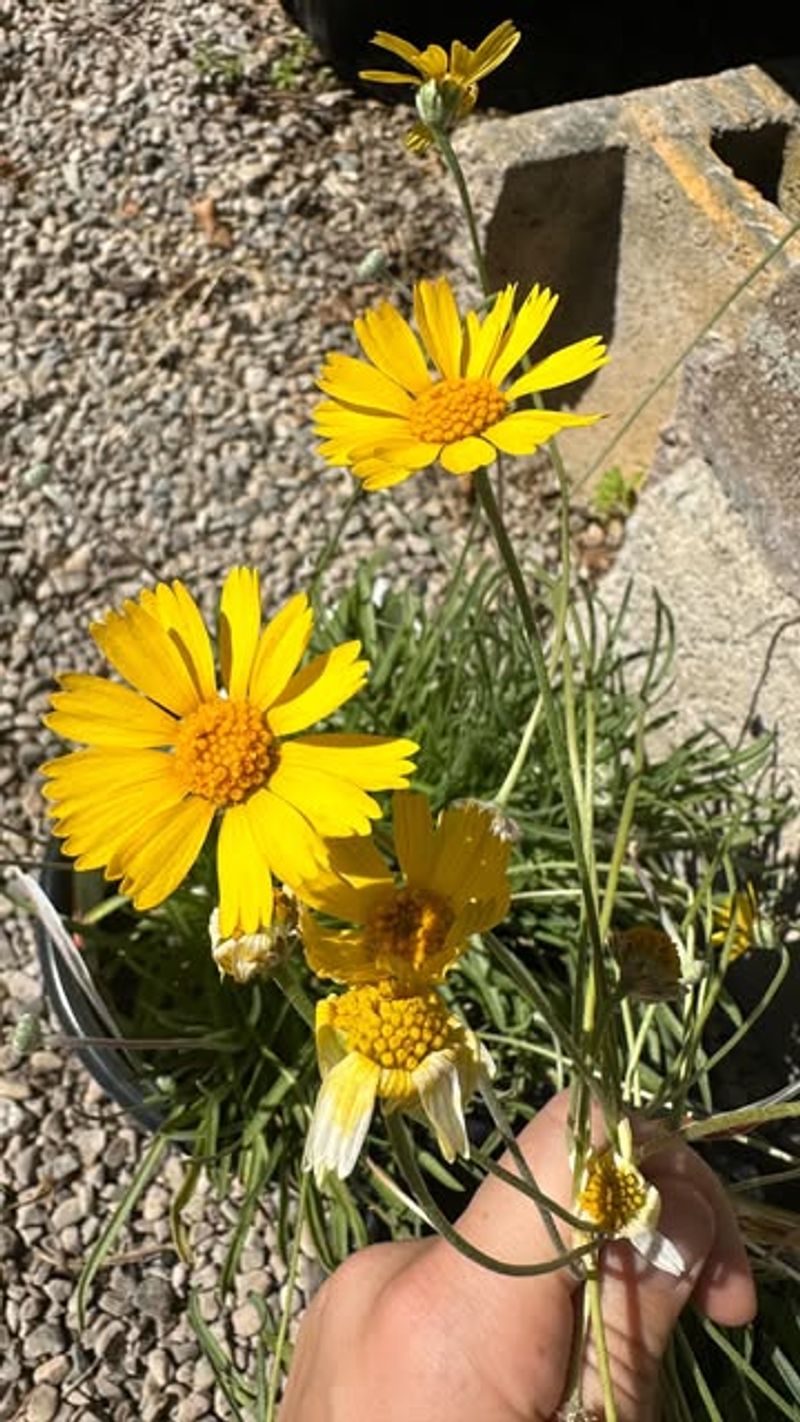
Year-round yellow flowers sound too good to be true in Arizona, but Angelita Daisy actually delivers close to that in the warmer parts of the state.
Tetraneuris acaulis, sometimes listed as Hymenoxys acaulis, forms low mounds of fine, grassy foliage topped with cheerful yellow blooms that show up in every season except the coldest weeks of winter.
Even then, the foliage stays green and attractive.
Full sun is essential. Shade reduces blooming significantly and causes the plant to stretch toward light rather than maintaining its natural tight mound shape.
Arizona’s intense summer sun suits it perfectly, and reflected heat from nearby rocks or walls does not cause any visible stress. Well-drained soil is the other key requirement, especially through monsoon season when standing water can accumulate quickly.
Watering every ten to fourteen days during summer keeps Angelita Daisy performing at its best. Supplemental irrigation during dry stretches between monsoon storms helps maintain consistent bloom coverage.
During cooler months, natural rainfall is usually enough to carry it through without any extra watering from you.
Trimming back lightly after the main spring blooming flush encourages a second strong wave of flowers in fall. No heavy pruning needed, just a light shaping pass.
Across Tucson, Phoenix, and surrounding Arizona communities, Angelita Daisy works well as a border plant, a rock garden filler, or a low-growing accent alongside taller desert shrubs and ornamental grasses.
8. Globemallow Grows Strongly In Dry Arizona Landscapes
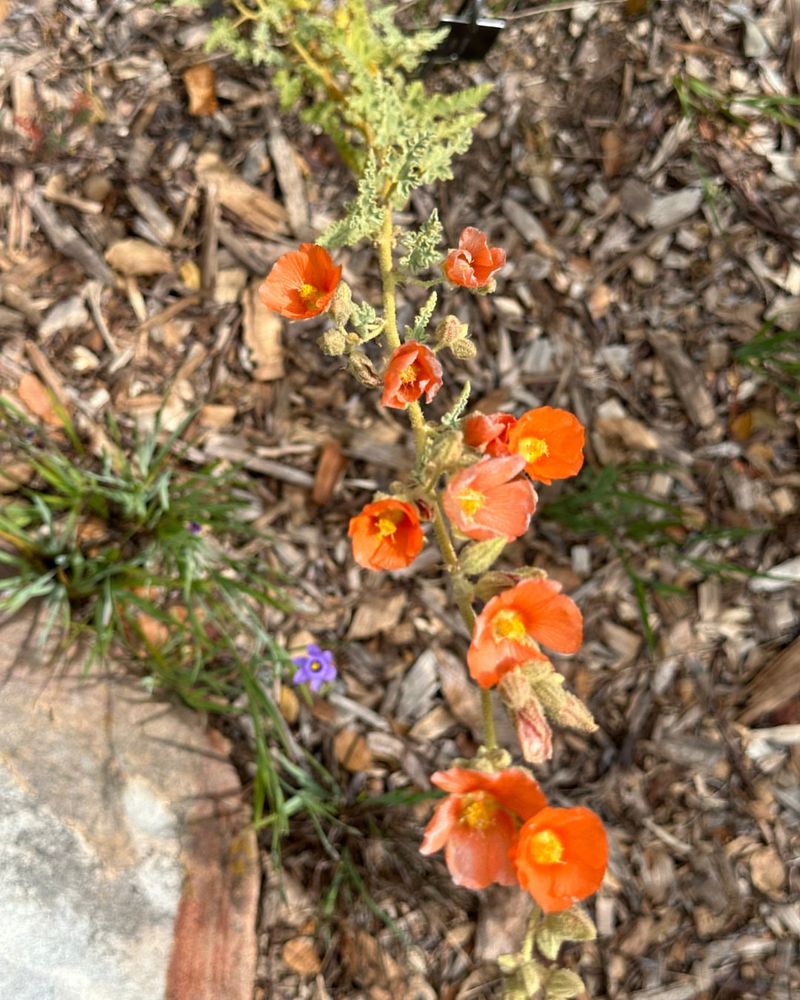
Globemallow is the kind of plant that makes newcomers to Arizona gardening do a double take.
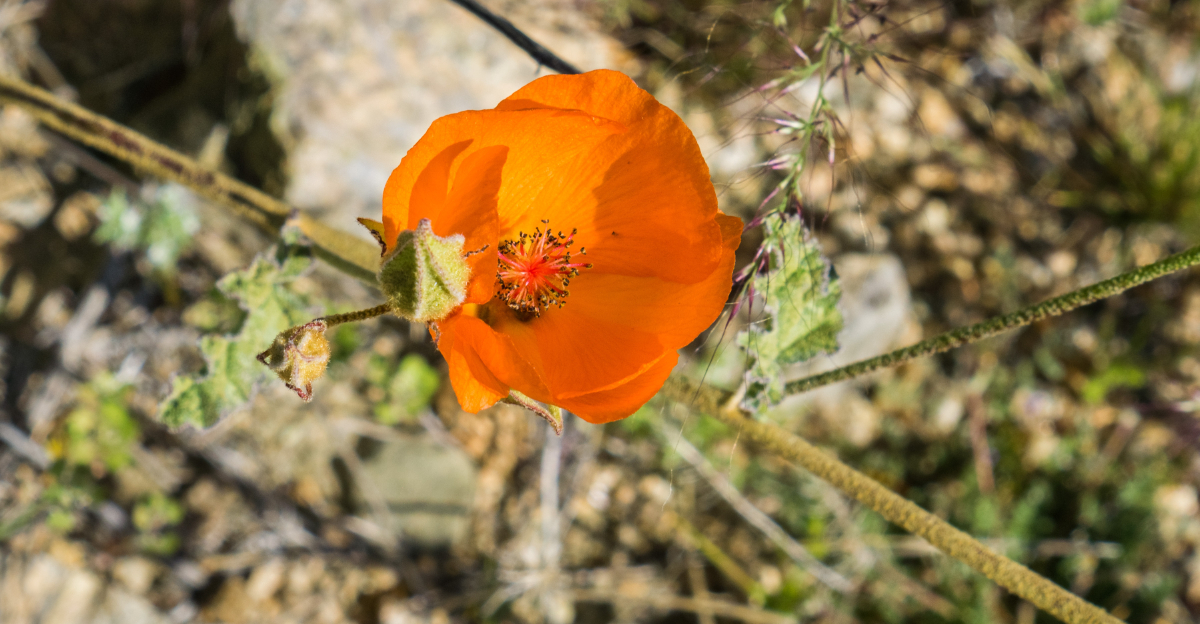
Sphaeralcea ambigua produces clusters of cup-shaped flowers in vivid shades of orange, red, pink, or lavender, depending on the variety, and it does all of that in some of the driest, most sun-blasted spots in the state.
Sandy washes, rocky hillsides, and roadsides across Arizona are where you naturally find it growing wild.
Orange is the most common flower color, and it contrasts beautifully against the blue-gray foliage that covers the stems.
Leaves have a slightly fuzzy texture that helps reflect sunlight and reduce moisture loss, a built-in adaptation that makes Globemallow exceptionally suited to Arizona’s intense radiation and low humidity.
Watering deeply every two to three weeks through summer is all it needs once roots are established. During Arizona’s monsoon season, natural rainfall often handles irrigation completely on its own.
Avoid overhead watering if possible since wet foliage in humid conditions can lead to fungal spotting.
Plants grow two to three feet tall and spread about as wide. Cutting back by one third after spring blooming encourages a fresh round of growth and a second bloom period in fall.
Globemallow pairs naturally with Penstemon, Desert Marigold, and Blackfoot Daisy in mixed desert plantings. Across Phoenix, Tucson, and rural Arizona landscapes, it fills dry spots with reliable color that holds up all season long.