These Hardy Plants Thrive In West Virginia’s Mountain Climate
Gardening in West Virginia’s mountain climate can feel tricky, but it doesn’t have to be. Cool nights, changing seasons, and uneven terrain can challenge many plants, yet some thrive in these conditions.
The secret is choosing the right ones. Strong plants make mountain gardening easier.
Imagine a garden that stays healthy through cool springs, warm summers, and sudden weather changes. What if your plants actually loved the mountain air?
You don’t need a perfect yard to grow something beautiful. With hardy plants, success comes faster.
West Virginia’s climate is ideal for tough, adaptable plants that handle temperature swings and rough weather. From colorful flowers to reliable shrubs and ground covers, these plants are built to last.
Whether you garden on a hillside or in a backyard, the right choices can turn your space into a thriving landscape.
1. Eastern Redbud
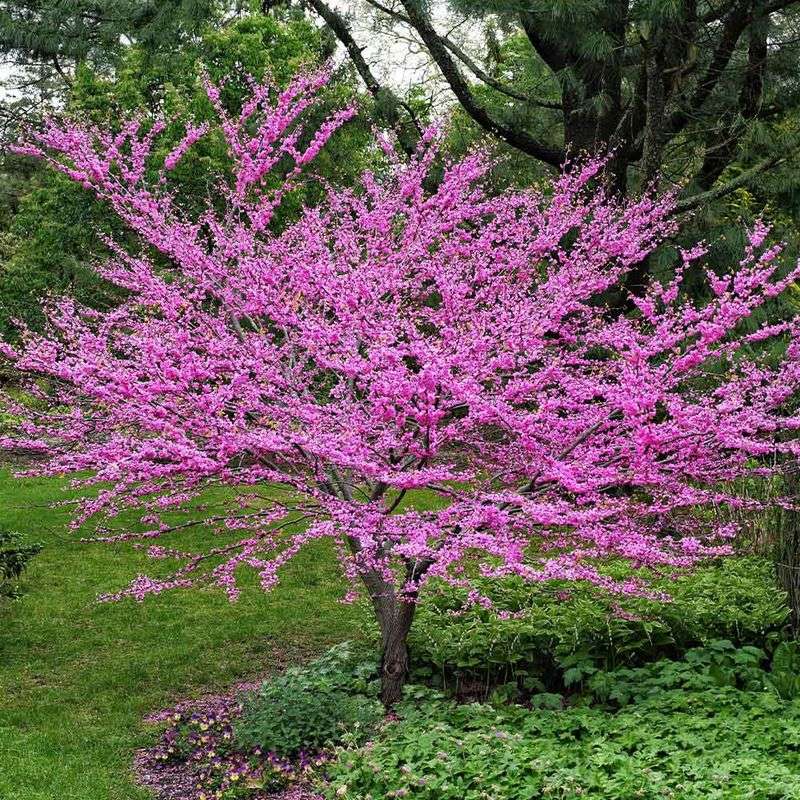
Before most trees have even thought about leafing out, eastern redbud puts on a spectacular early spring show. Bright magenta-pink flowers cover every branch in April, creating a stunning contrast against the gray mountain landscape.
This small tree signals that winter has finally released its grip on West Virginia’s highlands.
Growing 20 to 30 feet tall, eastern redbud fits perfectly into smaller garden spaces or works as an understory tree beneath taller oaks and maples.
The heart-shaped leaves emerge after flowering, providing attractive foliage throughout summer before turning golden-yellow in fall.
Interesting seed pods develop after blooming and often persist through winter, adding visual interest.
Eastern redbud tolerates a wide range of soil conditions, from clay to rocky mountain earth, as long as drainage is adequate.
It handles both full sun and partial shade, though flowering tends to be more abundant with good light exposure. The tree establishes quickly and begins blooming within just a few years of planting.
Wildlife benefits greatly from eastern redbud, with early pollinators relying on its flowers when few other food sources are available. Birds enjoy the seeds later in the season.
This native tree requires minimal care once its roots have settled into West Virginia’s mountain soil, making it an excellent choice for low-maintenance landscapes.
2. Mountain Laurel
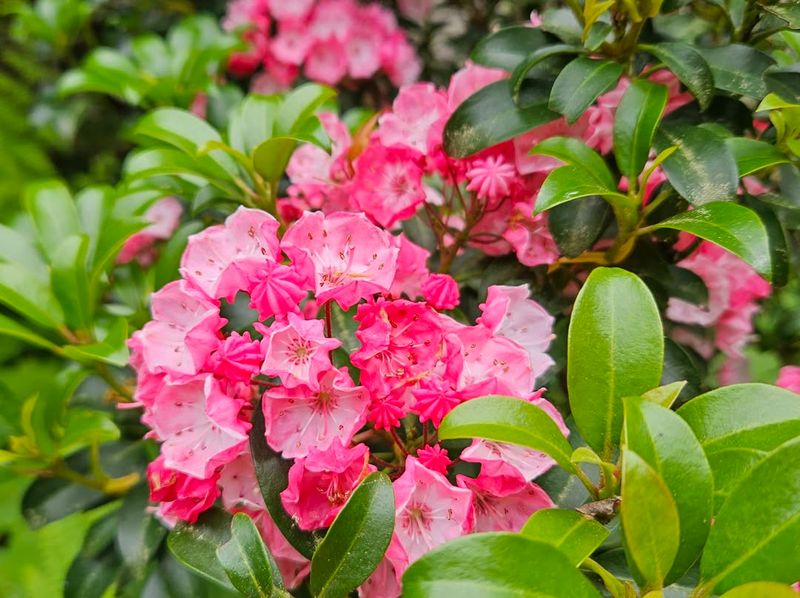
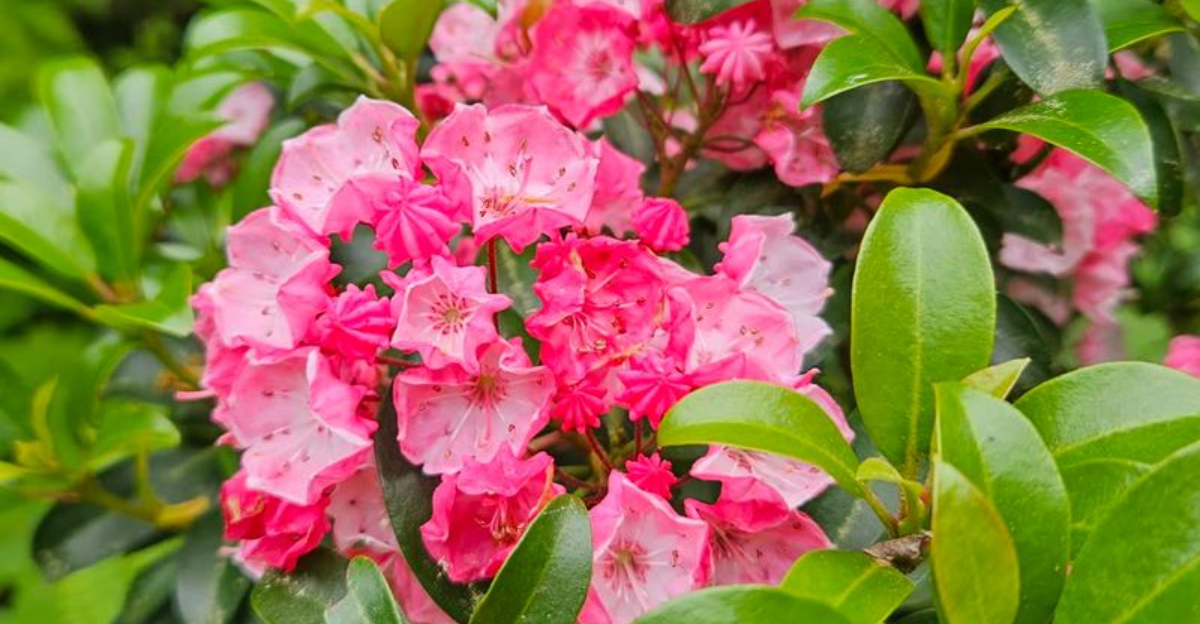
Native to the Appalachian region, mountain laurel stands as one of West Virginia’s most iconic flowering shrubs. This evergreen beauty produces clusters of pink, white, or rose-colored blooms each spring that look almost too perfect to be real.
The flowers have a unique cup shape with delicate markings that attract pollinators from all around your garden.
Mountain laurel adapts wonderfully to the acidic soil found throughout West Virginia’s mountain areas. It grows slowly but steadily, eventually reaching heights of 5 to 15 feet depending on growing conditions.
The glossy green leaves provide year-round interest, making this shrub valuable even when not in bloom.
Plant mountain laurel in partial shade where it receives protection from harsh afternoon sun. The roots prefer cool, moist soil with good drainage, similar to conditions found on forest floors.
Once established, this shrub requires very little maintenance beyond occasional pruning to maintain shape.
Deer tend to avoid mountain laurel, which is a huge advantage for West Virginia gardeners who struggle with wildlife browsing. The plant’s natural resistance to pests and diseases means you can enjoy its beauty without constant intervention.
Pair it with rhododendrons and azaleas for a stunning spring display that celebrates the region’s native flora.
3. Black-Eyed Susan
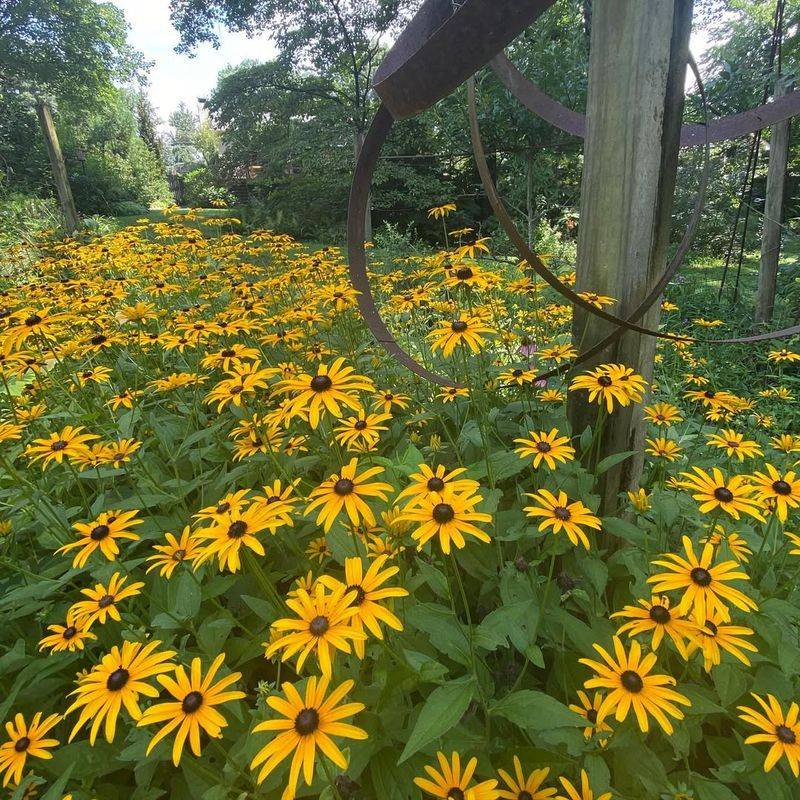
Cheerful and virtually indestructible, black-eyed Susan brings sunny golden-yellow blooms to West Virginia gardens from midsummer through fall.
These bright flowers with dark chocolate-brown centers seem to glow in the landscape, attracting butterflies, bees, and goldfinches throughout their long blooming season. Few plants offer such reliable color with so little effort.
Black-eyed Susan grows 2 to 3 feet tall and spreads readily, making it perfect for filling in bare spots or naturalizing in meadow-style plantings. The rough, hairy leaves and sturdy stems stand up to mountain winds and summer storms without flopping over.
This native wildflower actually prefers the lean soil conditions common in West Virginia’s rocky terrain.
Full sun brings out the best performance in black-eyed Susan, though it tolerates some light shade. Once established, this perennial handles drought remarkably well, sending deep roots into the soil to find moisture.
It self-seeds generously, creating expanding drifts of color year after year without becoming invasive or problematic.
Cut flowers last well in vases, and the seed heads provide winter food for birds while adding architectural interest to the dormant garden.
Black-eyed Susan pairs beautifully with purple coneflowers, ornamental grasses, and other prairie-style plants. This tough perennial embodies the resilient spirit of West Virginia mountain gardening.
4. Rhododendron
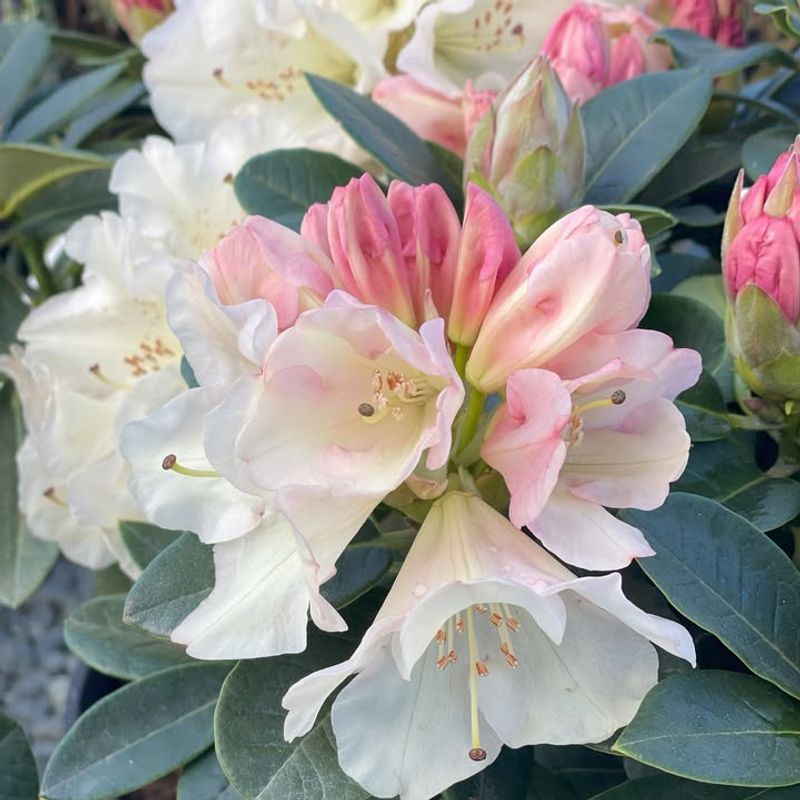
Rhododendrons reign supreme as the showstoppers of West Virginia’s mountain gardens. These magnificent evergreen shrubs produce enormous clusters of flowers in late spring, with colors ranging from pure white to deep purple, pink, red, and coral.
When rhododendrons bloom across the mountainsides, they create a spectacle that draws visitors from far and wide.
West Virginia’s naturally acidic soil provides ideal growing conditions for rhododendrons, which struggle in alkaline environments.
These shrubs prefer partial shade and protection from drying winter winds, making them perfect for planting on the north or east side of buildings or beneath tall trees. Their glossy evergreen leaves provide structure and interest throughout all four seasons.
Mature rhododendrons can reach 6 to 15 feet tall and equally wide, creating substantial presence in the landscape. They grow slowly but live for decades, becoming treasured family heirlooms passed down through generations.
The thick foliage offers excellent screening and privacy while also providing shelter for birds.
Mulching with pine needles or shredded bark helps maintain the cool, moist root conditions rhododendrons prefer. Avoid planting too deep, as these shrubs have shallow root systems that need good air circulation.
Once established in West Virginia’s mountain climate, rhododendrons require minimal care beyond occasional watering during extended dry periods and light pruning after flowering to maintain shape.
5. Virginia Bluebells
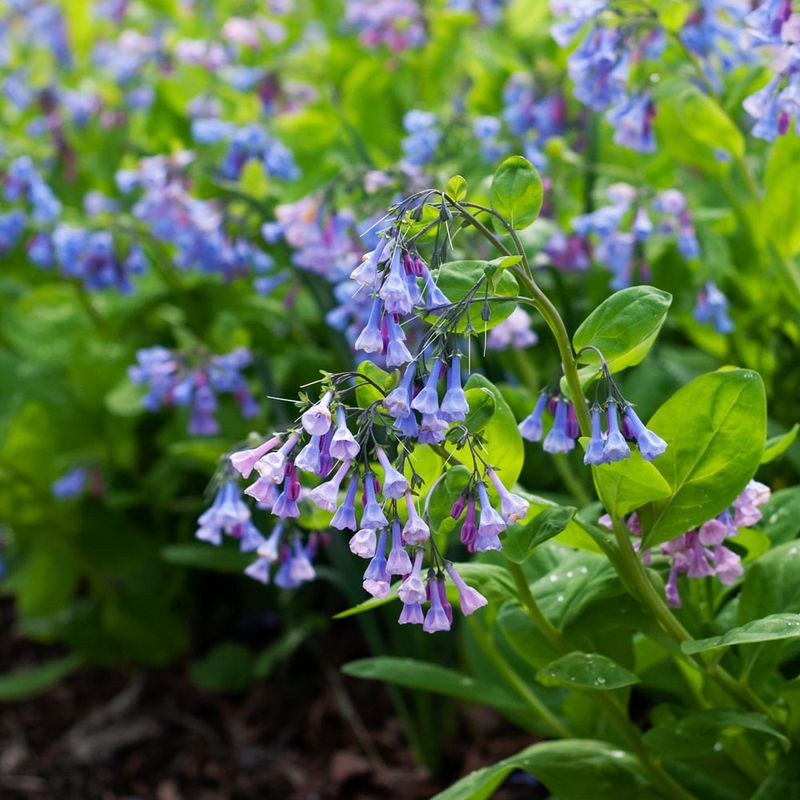
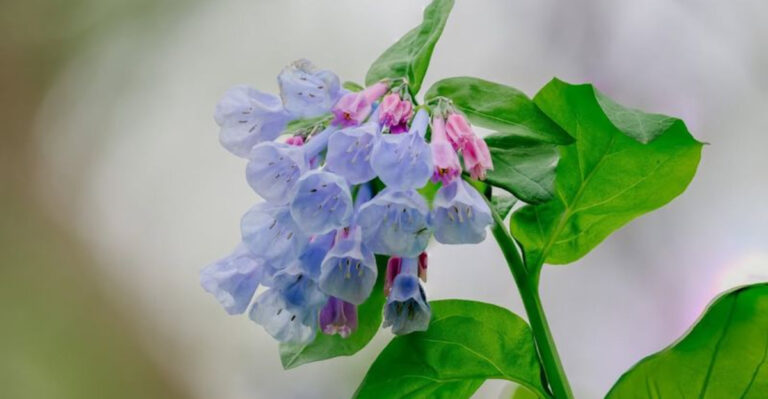
Few spring wildflowers capture hearts quite like Virginia bluebells, with their graceful arching stems and clusters of trumpet-shaped flowers.
The blooms emerge pink in bud, then open to a stunning sky-blue color that seems almost luminous in shaded woodland gardens.
This native perennial appears like magic each spring, carpeting the forest floor before trees fully leaf out.
Virginia bluebells thrive in the moist, rich soil found along West Virginia’s mountain streams and in deciduous woodlands. They grow 1 to 2 feet tall and spread gradually into lovely colonies over time.
The smooth blue-green foliage is attractive while present but goes dormant by midsummer, disappearing completely until the following spring.
Plant Virginia bluebells in partial to full shade where they receive spring sunlight but summer shade from overhead trees.
This ephemeral nature makes them perfect companions for hostas, ferns, and other shade plants that emerge later and fill the space after bluebells go dormant. Mark their location to avoid accidentally digging into them during their dormant period.
Pollinators treasure Virginia bluebells as an early nectar source when few other flowers are available. The plants self-seed readily in favorable conditions, naturalizing beautifully in woodland settings.
West Virginia gardeners lucky enough to have a shaded spot with good soil can create stunning spring displays that rival any formal garden with these charming native wildflowers.
6. Serviceberry
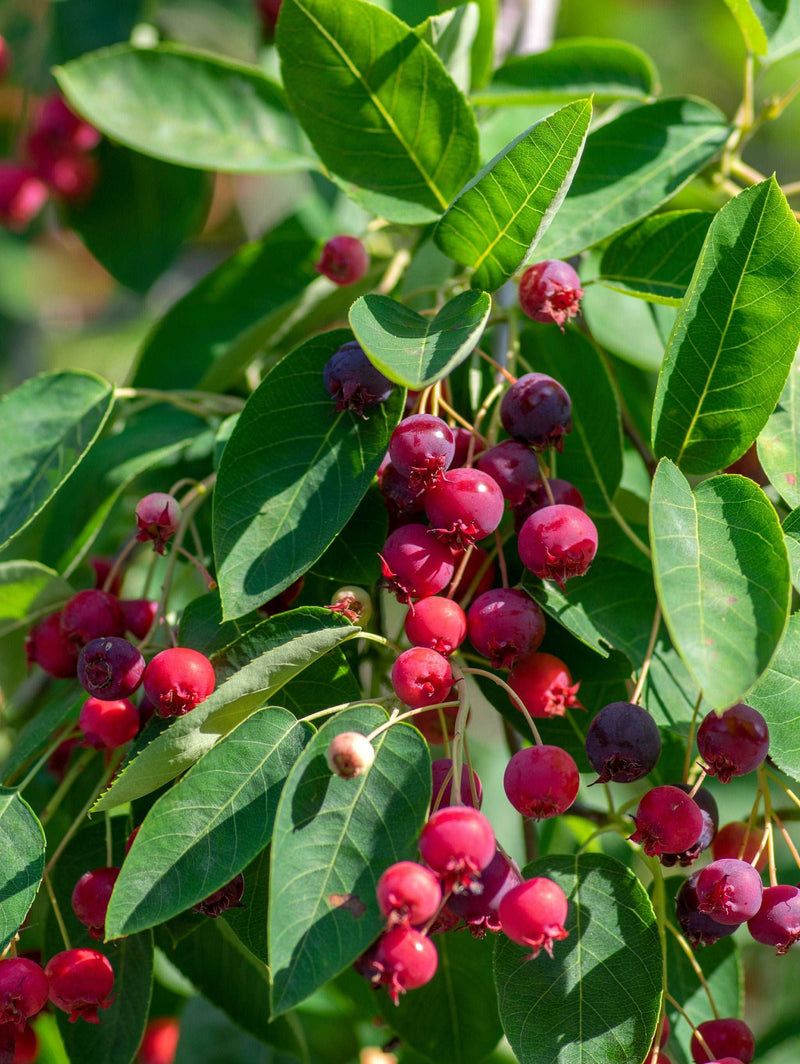
Serviceberry earns its place in West Virginia mountain gardens by offering something special in every season. Delicate white flowers appear in early spring before leaves emerge, creating a cloud-like effect against bare branches.
By early summer, the small purple-red berries ripen and taste delicious fresh or in pies and jams, though you’ll need to compete with birds for the harvest.
This native small tree or large shrub typically grows 15 to 25 feet tall with a graceful, often multi-stemmed form. The oval leaves emerge with a bronzy tint, mature to blue-green in summer, then transform into brilliant shades of yellow, orange, and red each fall.
Smooth gray bark adds winter interest, especially attractive against snow-covered mountain landscapes.
Serviceberry adapts to various light conditions from full sun to partial shade, though berry production increases with more sunlight. It tolerates West Virginia’s rocky, acidic soil and establishes quickly with minimal care.
The tree’s moderate size makes it suitable for smaller properties or as an understory planting beneath taller trees.
Wildlife value ranks extremely high for serviceberry, with over 40 bird species feeding on the berries. Early pollinators depend on the spring flowers, and deer browse the twigs in winter.
For gardeners seeking a low-maintenance, four-season tree that supports local wildlife while providing beauty and edible fruit, serviceberry checks every box in West Virginia’s mountain climate.
7. Creeping Phlox
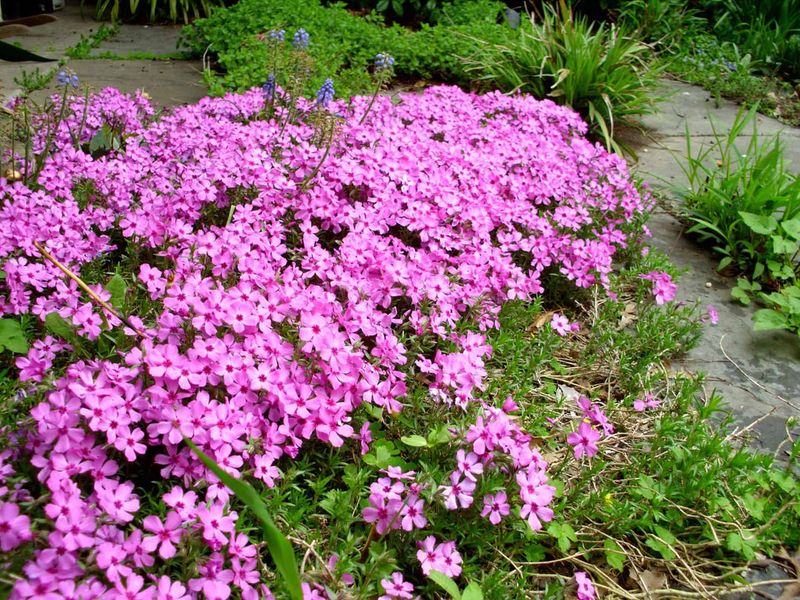
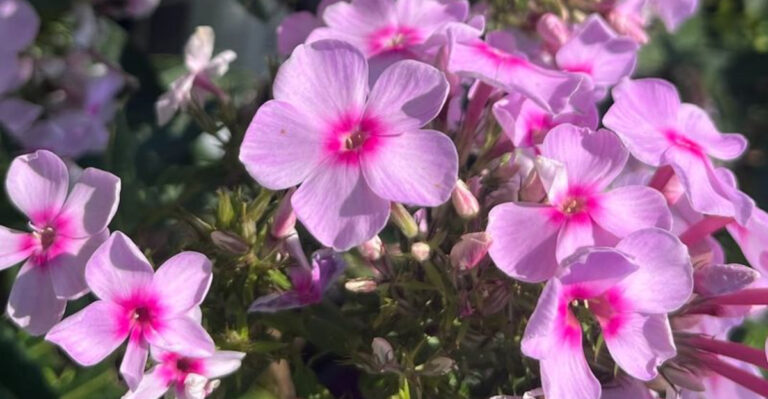
Creeping phlox transforms challenging slopes and rocky areas into cascading waterfalls of color each spring.
This low-growing perennial spreads into dense mats just 4 to 6 inches tall, completely covered with vibrant flowers in shades of pink, purple, white, or blue.
When planted on hillsides or tumbling over retaining walls, creeping phlox creates a stunning display that stops traffic.
West Virginia’s mountain terrain often includes steep slopes that are difficult to maintain, and creeping phlox offers an attractive solution. The dense growth helps prevent erosion while requiring virtually no maintenance once established.
The needle-like evergreen foliage provides year-round ground cover, staying attractive even under snow.
Full sun brings out the most abundant flowering, though creeping phlox tolerates light shade. It prefers well-drained soil and actually performs better in lean, rocky conditions than in rich, fertile ground.
This makes it perfectly suited to West Virginia’s mountain gardens where soil tends to be thin and rocky.
After the main spring bloom, lightly shearing back the plants encourages compact growth and may trigger sporadic rebloom. Creeping phlox spreads steadily but not aggressively, filling in gaps between rocks or pavers in pathways.
Deer and rabbits generally leave it alone. For covering difficult areas with waves of spring color, few plants match creeping phlox’s combination of beauty, toughness, and ease of care in mountain gardens.
8. Witch Hazel
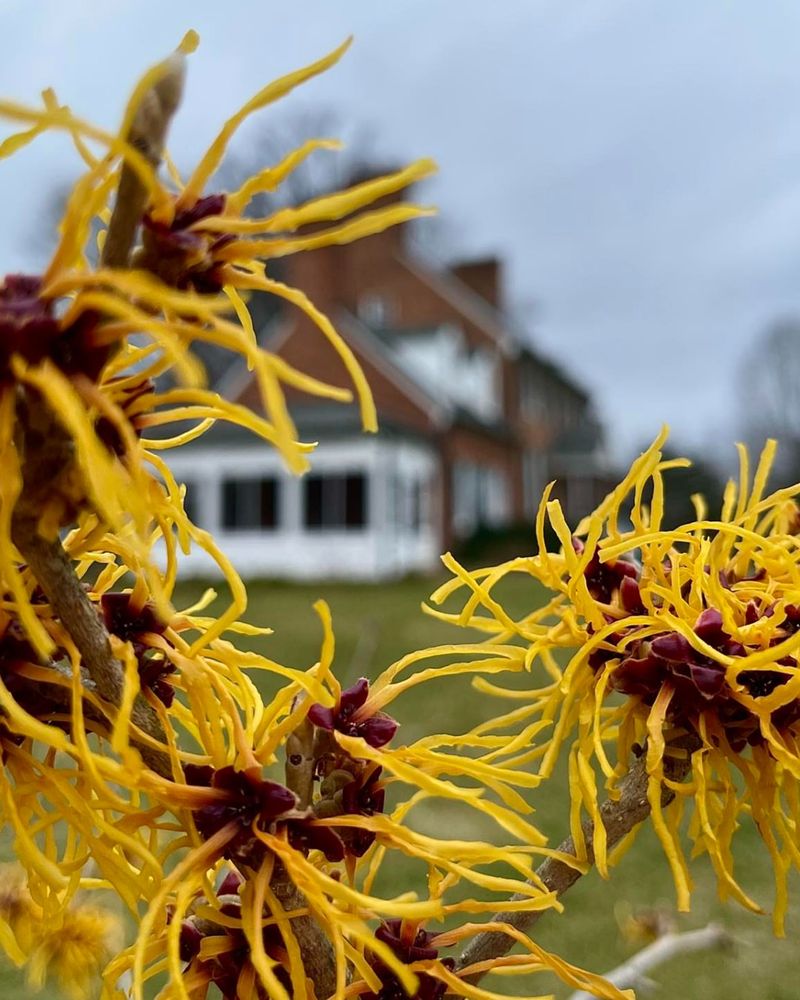
Witch hazel brings unexpected magic to West Virginia gardens by blooming when most plants are fast asleep.
Depending on the variety, fragrant ribbon-like flowers in yellow, orange, or red appear either in late fall after leaves drop or in late winter before spring arrives. The spidery blooms seem impervious to cold, often appearing alongside snow and ice.
Native witch hazel grows as a large shrub or small tree, reaching 15 to 20 feet tall with an equal spread. The rounded leaves resemble those of hazelnut trees and turn clear yellow in autumn, providing excellent fall color before the late-blooming varieties flower.
The plant’s vase-shaped form creates an attractive architectural presence in the landscape.
Witch hazel thrives in West Virginia’s acidic mountain soil and adapts to both full sun and partial shade, though some afternoon shade is beneficial in hotter locations.
It tolerates a range of moisture conditions once established but performs best with consistent moisture. The shrub rarely suffers from serious pest or disease problems.
Beyond ornamental value, witch hazel has historical significance as a source of astringent used in traditional medicine. The unique blooming time provides valuable nectar when almost nothing else is flowering, supporting late-season or early-emerging pollinators.
For gardeners seeking something truly special that extends the season of interest, witch hazel offers beauty, fragrance, and conversation-starting blooms in West Virginia’s mountain gardens.
9. Allegheny Spurge
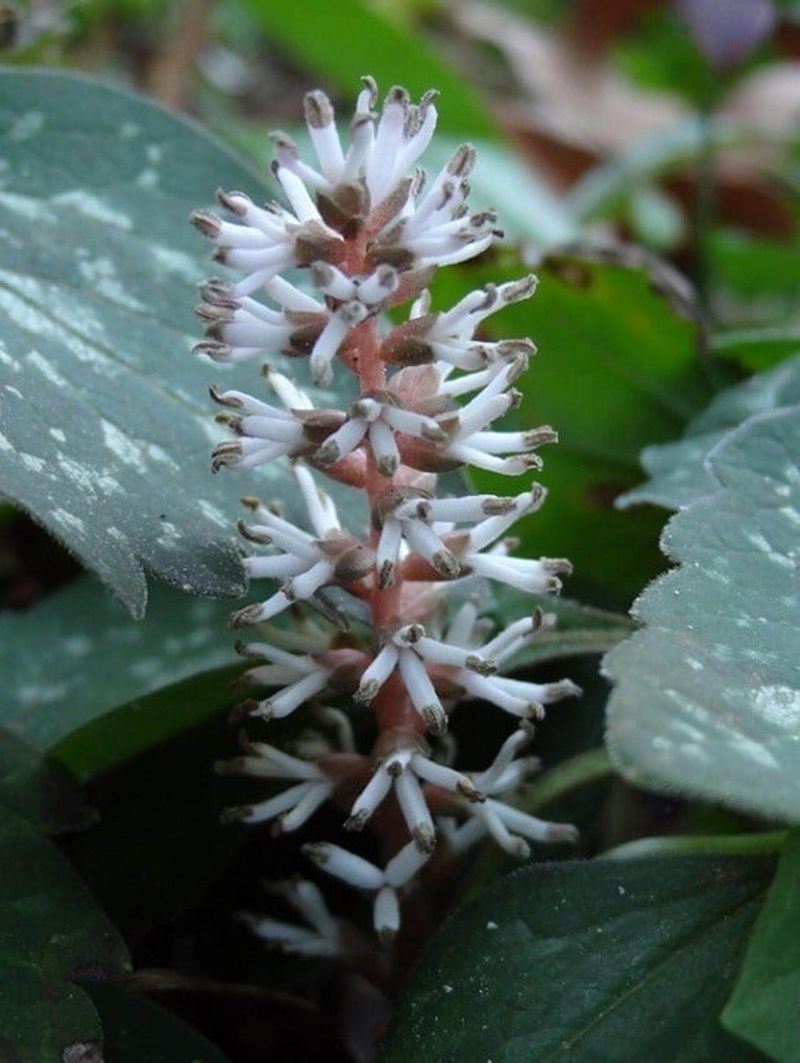
Allegheny spurge solves the challenging problem of what to plant in deep shade under trees where grass refuses to grow. This native evergreen ground cover forms dense mats of attractive foliage that remains lush and green throughout the year.
Small white flowers appear in spring, adding a delicate touch, but the real value lies in the plant’s ability to carpet difficult shady areas.
The rounded leaves have a slightly mottled appearance, creating subtle texture and visual interest even without flowers. Allegheny spurge spreads slowly by underground runners, eventually forming a solid carpet 6 to 9 inches tall.
Unlike some aggressive ground covers, it stays manageable and won’t overtake your entire garden or invade woodland areas.
West Virginia’s mountain forests provide the perfect natural habitat for Allegheny spurge, which thrives in acidic soil and deep shade. It tolerates dry shade under mature trees, a notoriously difficult growing condition for most plants.
Once established, this ground cover requires virtually no maintenance beyond occasional removal of fallen leaves.
Deer typically avoid Allegheny spurge, making it especially valuable for mountain properties where browsing pressure is high. The evergreen foliage provides year-round coverage, preventing erosion on slopes and creating a finished, polished look under trees and shrubs.
For West Virginia gardeners struggling with bare, shady spots, Allegheny spurge offers an attractive, low-maintenance solution that celebrates the region’s native plant heritage.