These 7 Homemade Solutions Make Plant Rooting Easier In Arizona Homes
Ever tried rooting a cutting indoors and watched it stall, shrivel, or do absolutely nothing? It’s frustrating, especially when the plant itself looks healthy and you’re doing everything “right.”
In Arizona homes, dry air, indoor heat, and uneven light can quietly work against new roots before they ever get started.
Rooting cuttings here isn’t impossible, but it does need a slightly different approach. What works in humid climates doesn’t always translate well indoors in Arizona, where moisture disappears fast and stress builds quickly.
That’s why simple, homemade rooting helpers often work better than expected. They focus on moisture balance, gentle stimulation, and steady conditions instead of forcing fast results.
These homemade solutions are easy to use, cost almost nothing, and fit naturally into Arizona indoor growing conditions, making rooting feel less like guesswork and more like a sure thing.
1. Clean Water Gives Cuttings a Better Start Indoors
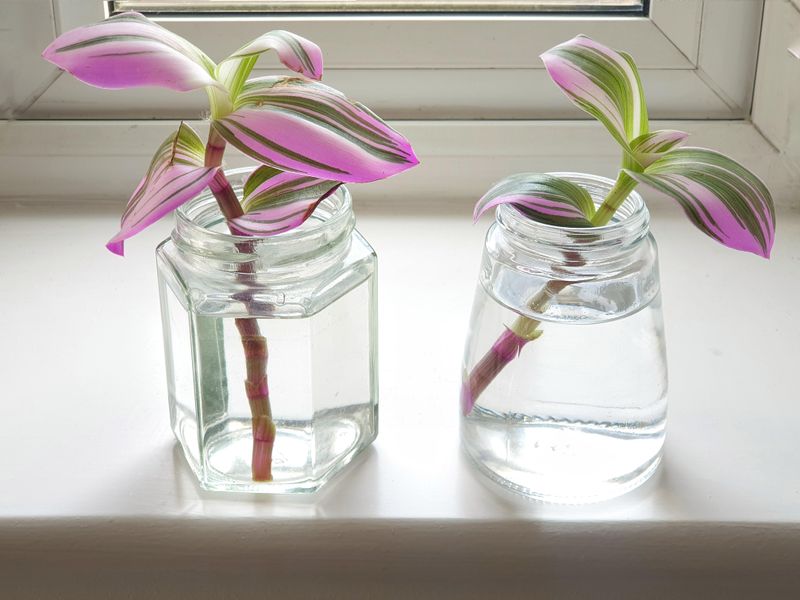
Starting with the right water makes a tremendous difference when you’re trying to root cuttings in Arizona homes. Many people grab water straight from the tap without realizing that our local water supply contains high levels of minerals, chlorine, and other chemicals that can actually slow down root development.
Fresh cuttings are vulnerable during their first few weeks, and exposing them to harsh tap water right away creates unnecessary stress.
Filtered or distilled water provides a gentler environment for new roots to emerge. The absence of chlorine and heavy minerals means your cuttings can focus their energy on root formation instead of dealing with chemical stress.
Room temperature water works best because cold water can shock the plant tissue, while warm water might encourage bacterial growth in Arizona’s climate.
Change the water every three to four days to keep it fresh and oxygenated. Stagnant water becomes a breeding ground for bacteria and fungi, which pose serious threats to vulnerable cuttings.
When you notice the water looking cloudy or developing an odor, replace it immediately rather than waiting for your scheduled change.
Place your water-filled containers in bright, indirect light near a window. Arizona homes often have plenty of natural light, but direct sun through windows can heat the water too much and cook your cuttings.
The goal is creating stable conditions where roots can develop without interference from water quality issues that are common throughout Arizona.
2. Aloe Vera Helps Roots Form in Dry Arizona Air
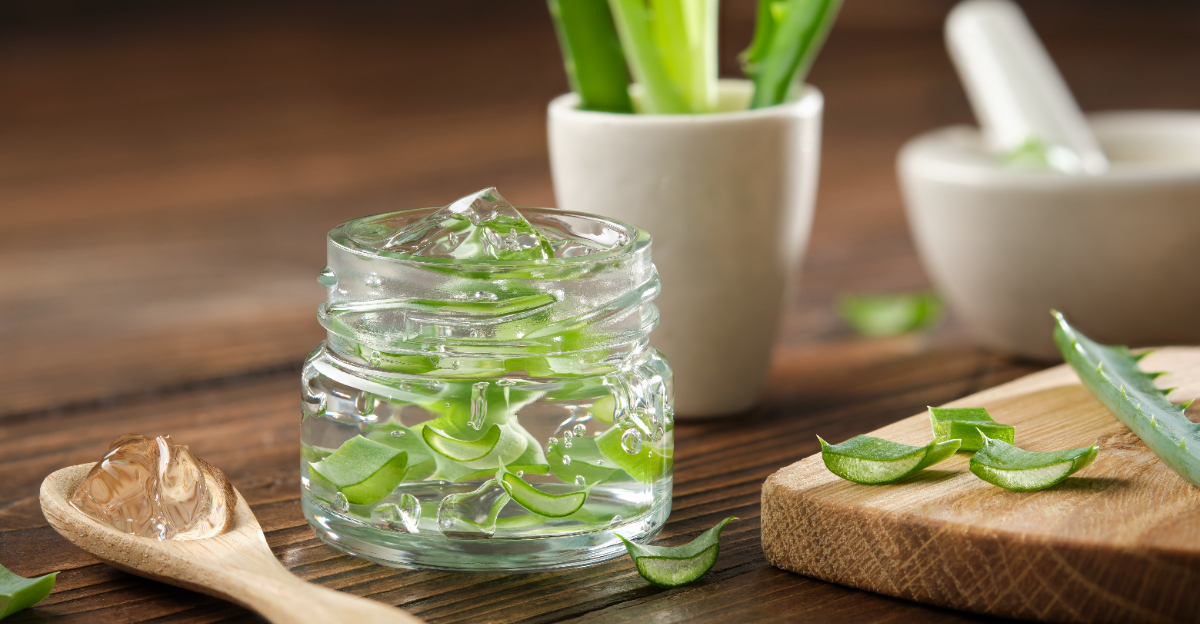
Your aloe vera plant sitting on the kitchen counter can help protect fresh cuttings during the rooting process.
The gel creates a protective barrier that keeps the cut surface moist and stable while roots begin forming.
Aloe also provides antimicrobial protection, which becomes especially important in Arizona where warm indoor temperatures can promote unwanted bacterial growth on fresh cuts.
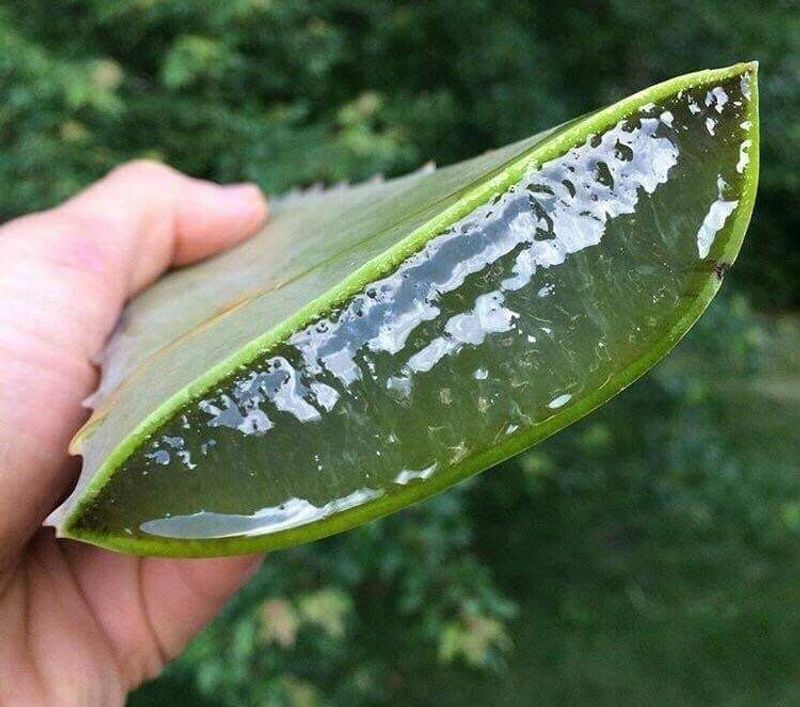
Cut a healthy aloe leaf and squeeze out the clear gel into a small bowl. You only need about a tablespoon of gel for several cuttings.
Dip the cut end of your plant cutting directly into the fresh aloe gel, coating the bottom inch or so completely.
Arizona gardeners appreciate that aloe gel also helps seal the cut surface, reducing moisture loss in our notoriously dry indoor air. This protective coating prevents the cutting from drying out before roots have a chance to form.
The natural humidity retention becomes particularly valuable during summer months when air conditioning pulls even more moisture from the air inside Arizona homes.
After applying aloe gel, you can place the cutting directly into soil or water depending on your preferred rooting method. The gel won’t interfere with either approach.
Store any leftover aloe gel in the refrigerator for up to a week, giving you a ready supply for additional cuttings without harvesting a fresh leaf each time.
This simple method works well for common Arizona houseplants like pothos, philodendron, spider plants, and succulents.
It’s an easy, low-cost option when you want a more reliable rooting setup without relying on synthetic products.
3. Honey Protects Fresh Cuttings During Rooting
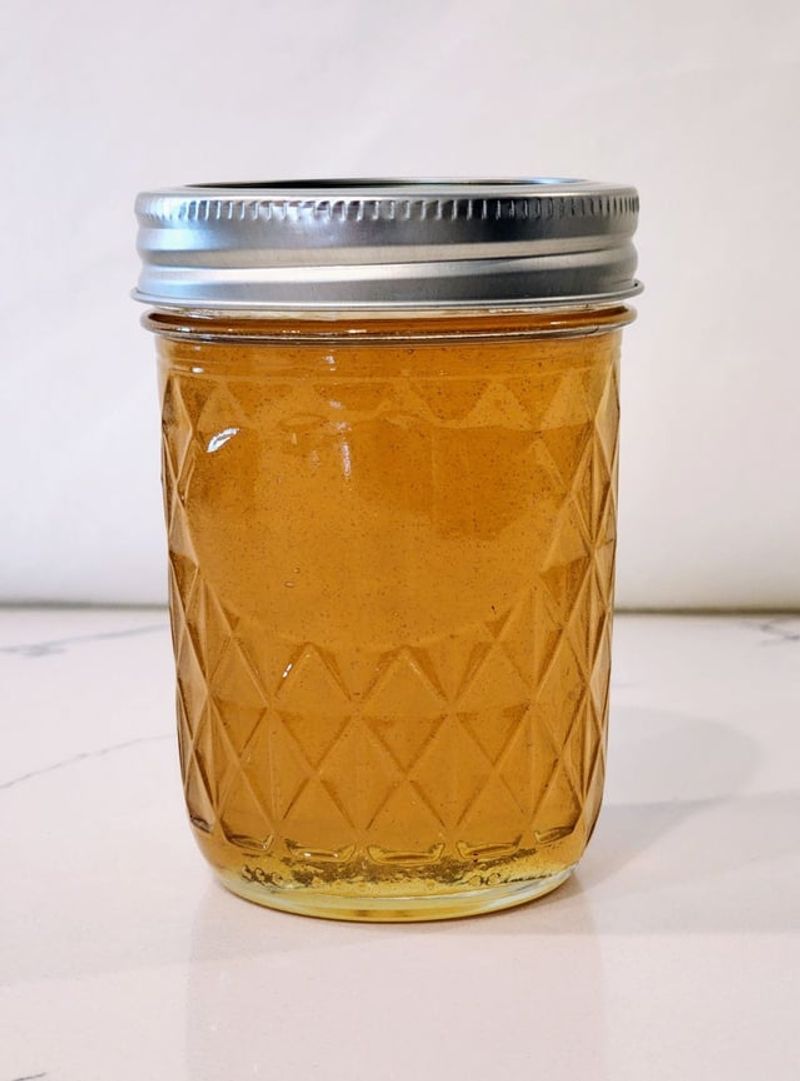
Raw honey sitting in your pantry works as a natural protective coating that helps keep fresh cuts clean while roots begin to form. The natural enzymes in honey help protect the vulnerable cut surface from infection while keeping conditions clean as roots begin to form.
Arizona’s warm indoor conditions can quickly lead to fungal problems on cuttings, making honey’s protective properties especially useful for local gardeners.
Use raw, unprocessed honey rather than the highly filtered commercial varieties found in squeeze bottles. Raw honey contains beneficial enzymes and natural compounds that help keep the cut surface clean and protected.
Simply dip the cut end of your plant cutting into the honey, coating about half an inch of the stem. The honey will stick to the plant tissue, creating a protective seal.
Some Arizona gardeners mix honey with warm water to create a diluted solution that’s easier to work with. Combine one tablespoon of honey with two cups of lukewarm water, stirring until the honey dissolves completely.
This honey water can serve as the rooting medium itself, or you can soak cuttings in it for a few hours before transferring them to plain water or soil.
The antibacterial properties of honey remain active for days after application, continuing to protect your cuttings as they begin forming roots. This extended protection proves particularly valuable in Arizona homes where indoor temperatures often stay in the 70s and 80s year-round, creating conditions where bacteria and fungi thrive if given the opportunity to establish themselves on plant tissue.
4. Cinnamon Limits Rot in Warm Indoor Conditions
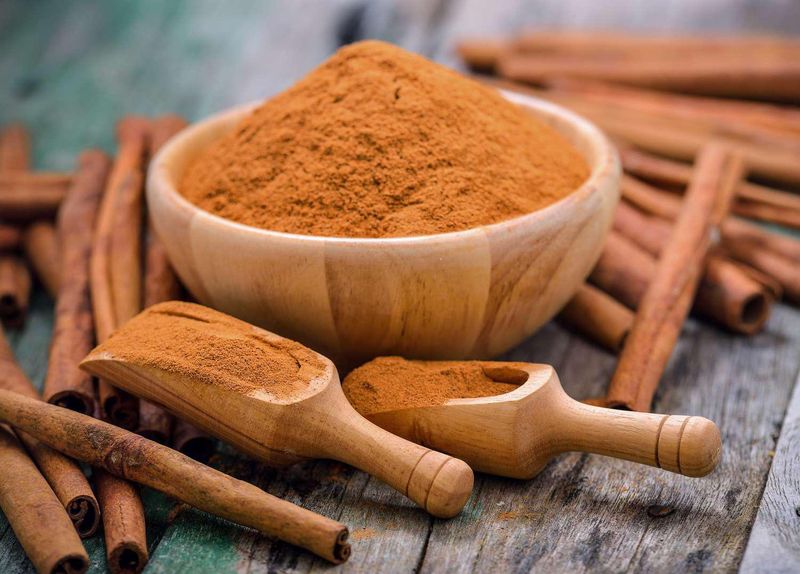
Ground cinnamon from your spice rack acts as a powerful antifungal treatment for plant cuttings. Arizona homes maintain warm temperatures throughout most of the year, and these conditions can encourage fungal growth on fresh plant cuts.
A light dusting of cinnamon powder on the cut surface creates a protective barrier that fungal spores cannot penetrate easily.
The cinnamon doesn’t necessarily speed up root formation like some other solutions, but it prevents the rot and decay that often stops Arizona gardeners from successfully propagating plants indoors. Apply cinnamon immediately after making your cutting, while the wound is still fresh.
Pour a small amount of ground cinnamon onto a plate or into a shallow dish, then roll the cut end of your plant cutting through the powder until it’s lightly coated.
You can also sprinkle cinnamon powder directly onto the soil surface when rooting cuttings in potting mix. This top layer of cinnamon helps prevent fungal growth in the soil itself, which becomes a concern when Arizona’s hard water deposits minerals that can harbor fungi.
The cinnamon creates an environment where beneficial root development can occur without competition from harmful organisms.
Many Arizona gardeners combine cinnamon with other rooting methods, using it as insurance against the rot that warm conditions can cause. The spice is inexpensive, readily available, and won’t harm your cuttings even if you apply too much.
Any excess cinnamon will simply fall away or wash off during watering without affecting the plant’s ability to develop healthy roots.
This simple step gives cuttings a better chance to stay firm and healthy during the vulnerable early days before roots appear.
For Arizona gardeners, that extra protection often makes the difference between a cutting that survives and one that quietly fails.
5. Willow Water Encourages Early Root Growth
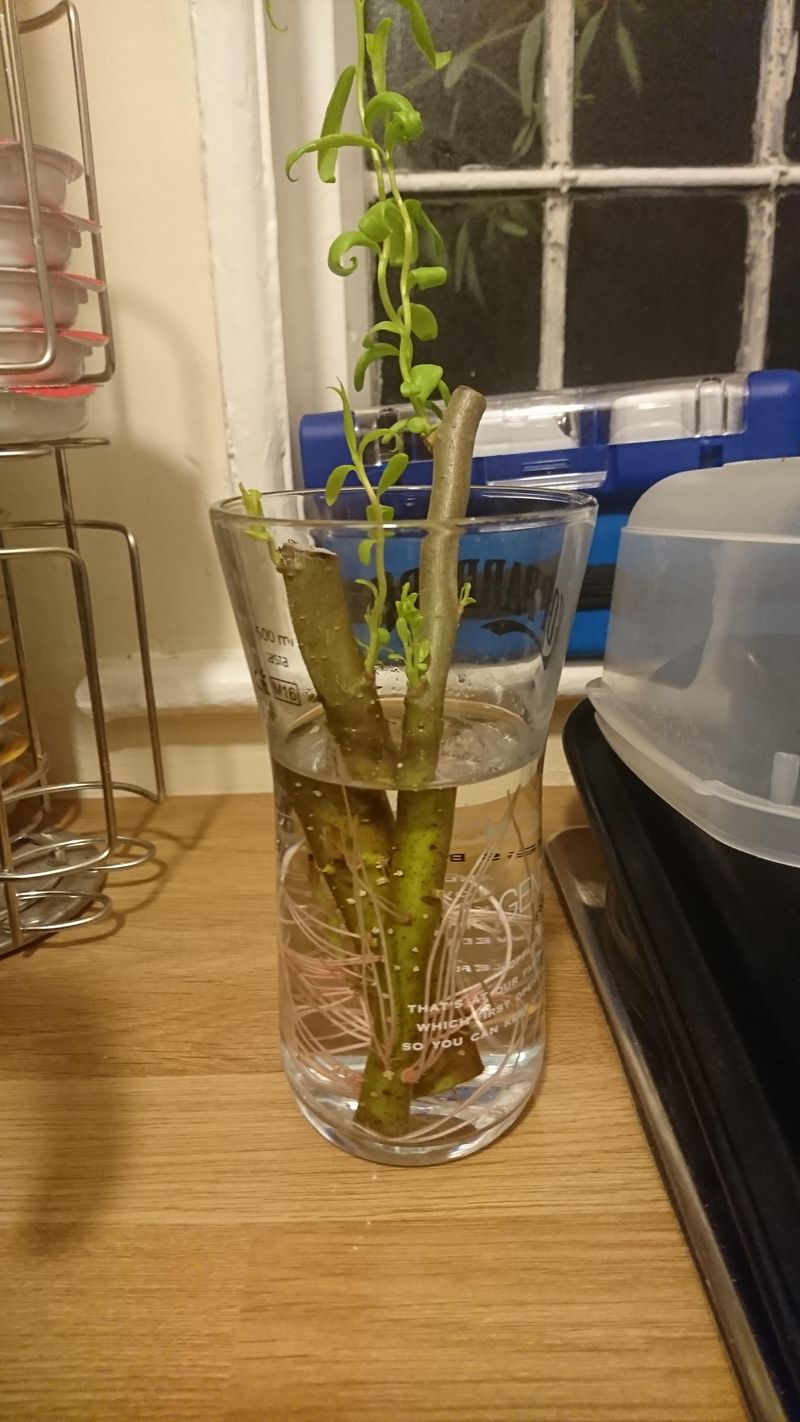
Willow trees produce natural rooting hormones in their bark and young branches, and you can extract these compounds by making willow water. Arizona has several willow species growing along rivers and in parks, making this solution accessible to gardeners across the state.
The natural compounds released from young willow branches help signal root development in many types of plant cuttings.
Collect young willow twigs that are about pencil-thick, preferably from branches that grew during the current year. Cut these twigs into pieces roughly two to three inches long, and place them in a container.
Pour boiling water over the willow pieces, using enough water to cover them completely. Let this mixture steep overnight, similar to making a strong tea.
Strain out the willow pieces the next day, leaving you with willow water that’s ready to use. This liquid contains concentrated rooting hormones that you can use in two ways.
Either soak your cuttings in the willow water for several hours before planting them, or use the willow water as the rooting medium itself, placing your cuttings directly into it.
Store willow water in the refrigerator for up to two months, giving Arizona gardeners a ready supply for ongoing propagation projects. The solution remains effective even after storage, though making fresh batches periodically ensures maximum hormone concentration.
Many Arizona gardeners prepare willow water in spring when willows produce vigorous new growth, then store it for use throughout the year when they want to propagate their favorite plants.
6. Diluted Water Helps Roots Handle Arizona Tap Minerals
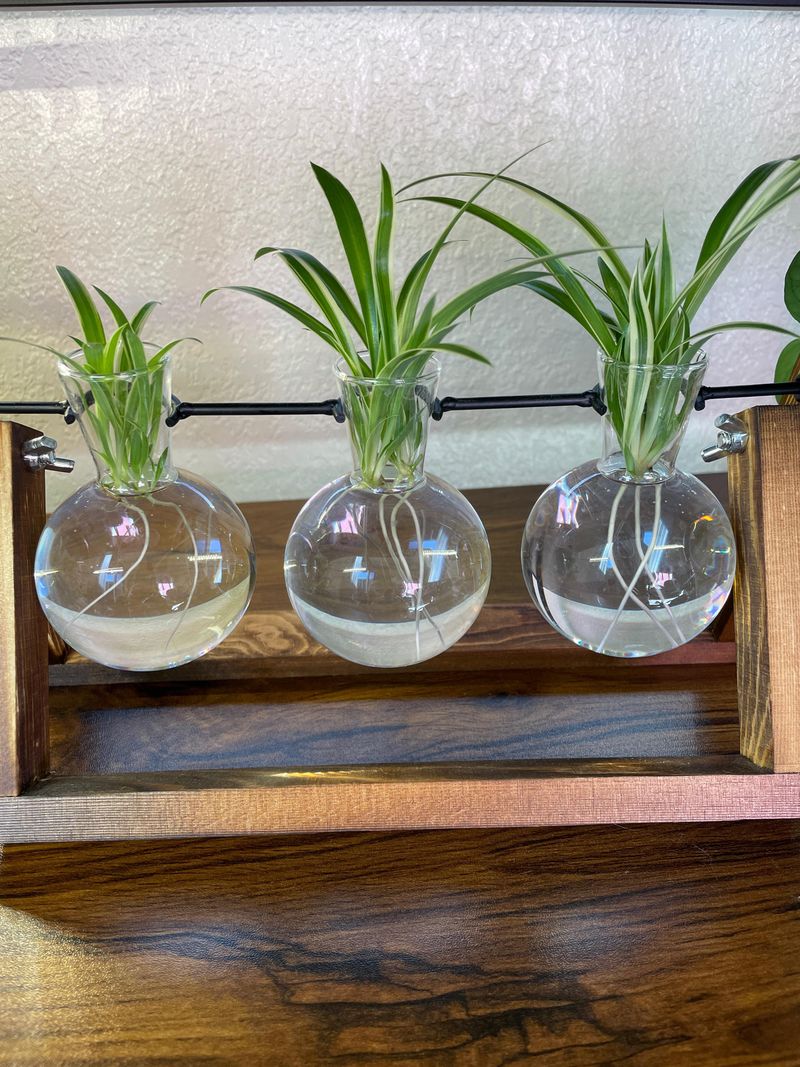
Arizona tap water contains some of the highest mineral concentrations in the country, with calcium, magnesium, and salt levels that can overwhelm delicate new roots. Completely avoiding tap water isn’t always practical for Arizona gardeners who propagate many cuttings, but diluting it with distilled or filtered water provides a middle ground.
This approach reduces mineral exposure while making your distilled water supply last longer.
Mix tap water with distilled water in equal parts to create a rooting solution that’s gentler on developing roots. The dilution cuts mineral concentration roughly in half, which makes a significant difference for sensitive cuttings.
You can adjust this ratio based on how hard your local water is, using more distilled water if you live in areas of Arizona with particularly mineral-heavy supplies.
Test your diluted water occasionally by checking for white mineral deposits on the sides of your rooting containers. If you notice crusty buildup forming quickly, increase the proportion of distilled water in your mix.
The goal is finding a balance that works for both your budget and your plants, since buying only distilled water for all your propagation needs can become expensive.
Change diluted water every few days just as you would with pure distilled water. Even diluted, Arizona tap water will gradually concentrate minerals as water evaporates in our dry climate.
Fresh water changes prevent mineral buildup from reaching levels that stress your cuttings. This simple dilution strategy has helped countless Arizona gardeners improve their rooting success rates without completely abandoning their tap water supply.
7. Chamomile Tea Reduces Rot While Roots Develop

Chamomile tea offers antifungal benefits similar to cinnamon but in liquid form, making it perfect for use as a rooting medium or soil drench. The natural compounds in chamomile help prevent damping off and other fungal issues that commonly affect cuttings in Arizona’s warm indoor environment.
Brew a strong batch of chamomile tea using several tea bags or a generous amount of loose chamomile flowers.
Let the tea cool to room temperature before using it with your plant cuttings. Hot tea will damage delicate plant tissue, while cold tea can slow root development.
The cooled chamomile tea can replace plain water as your rooting medium, or you can use it to water cuttings that you’ve planted in soil. The antifungal properties work whether the chamomile tea contacts the cutting directly or reaches it through the soil.
Arizona gardeners often prepare chamomile tea in larger batches and store it in the refrigerator for up to a week. This makes it convenient to have antifungal protection ready whenever you take new cuttings.
Some people add a splash of chamomile tea to their regular rooting water as preventive medicine, helping ensure that fungal problems never get started.
The mild nature of chamomile means you can use it frequently without worrying about harming your plants. Unlike chemical fungicides that can stress sensitive cuttings, chamomile provides gentle protection that works with your plants’ natural processes.
Many Arizona gardeners who struggled with persistent fungal issues on their cuttings found success after switching to chamomile tea, particularly during the hottest months when fungal growth becomes most aggressive in warm indoor conditions.
This approach fits easily into a normal plant-care routine and doesn’t require any special equipment or products.
It’s especially helpful when rooting multiple cuttings at once and you want consistent, low-stress protection from the start.