These Host Plants Bring Different Butterfly Species To Your Georgia Garden
You can fill your Georgia garden with flowers and still notice that butterflies only stop by for a moment.
That usually happens because something simple is missing. Butterflies need more than color and flowers that only look good in bloom.
In Georgia, this matters early in the season and continues all year as different butterflies move through the area. Butterflies stay where they feel supported, not where they are only entertained.
Host plants quietly change how your garden works. They give butterflies a reason to stay, lay eggs, and return again instead of drifting away.
The right plants turn quick sightings into regular visits.
Once host plants are in place, your garden feels more active and personal. You start seeing more butterflies, more often, and for longer stretches of time, right where you planted them.
1. Milkweed Supports Monarchs From Egg To Flight
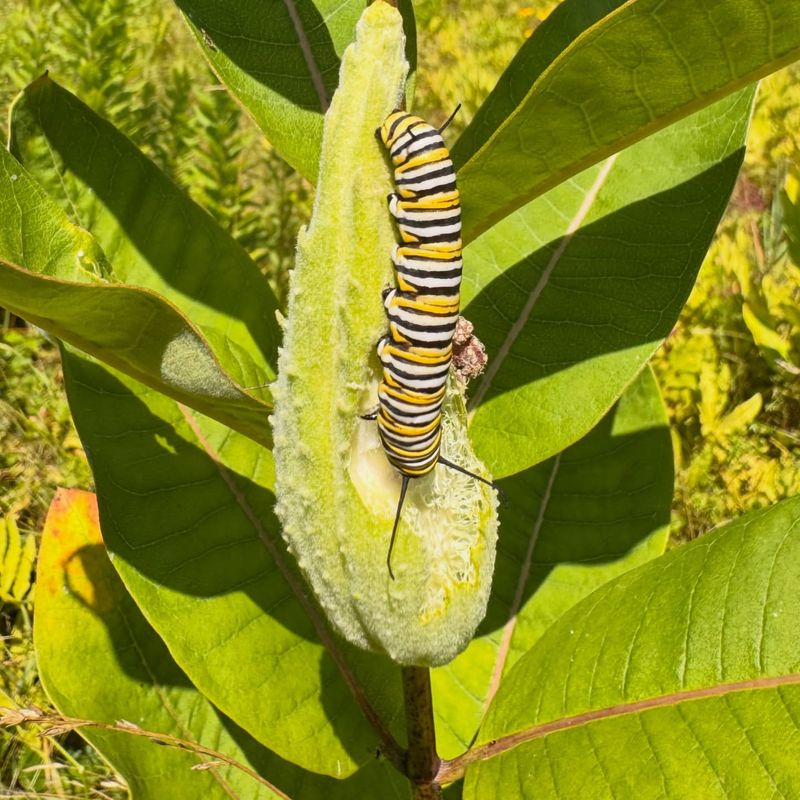
Monarch butterflies cannot reproduce without milkweed, making it one of the most important host plants you can grow in Georgia.
Female Monarchs search specifically for milkweed leaves to lay their tiny cream-colored eggs, and once hatched, the striped caterpillars feed exclusively on milkweed foliage.
Georgia gardeners have several native milkweed options to choose from. Swamp milkweed thrives in moist areas with its pink flower clusters, while butterfly weed prefers drier spots and displays brilliant orange blooms.
Common milkweed grows tall with large leaves that caterpillars love.
Plant milkweed in sunny locations where it gets at least six hours of direct sunlight daily. Some milkweed species spread by seed or underground roots, so give them room to grow naturally.
Avoid using pesticides anywhere near your milkweed since even organic treatments can harm Monarch caterpillars.
Throughout spring and summer in Georgia, you’ll likely see multiple generations of Monarchs using your milkweed plants. The caterpillars grow rapidly, shedding their skin five times before forming their beautiful jade-green chrysalis.
In about two weeks, a brand new Monarch emerges to continue the cycle.
Many Georgia nurseries now carry native milkweed varieties specifically grown without harmful chemicals. Starting with healthy, pesticide-free plants gives Monarchs the best chance of successfully raising their young in your garden.
2. Passionvine Quickly Attracts Gulf Fritillaries
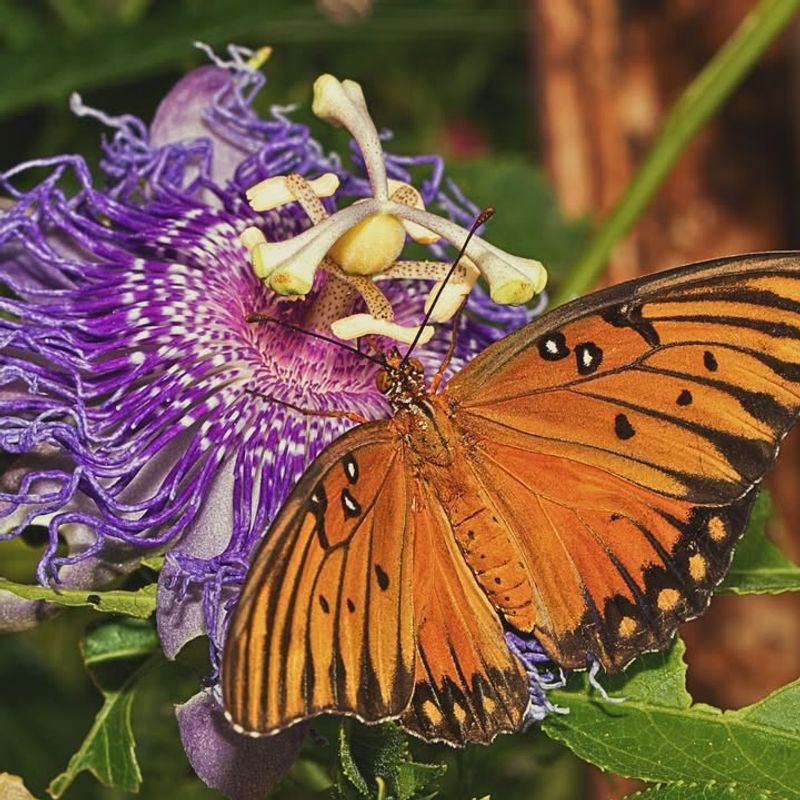
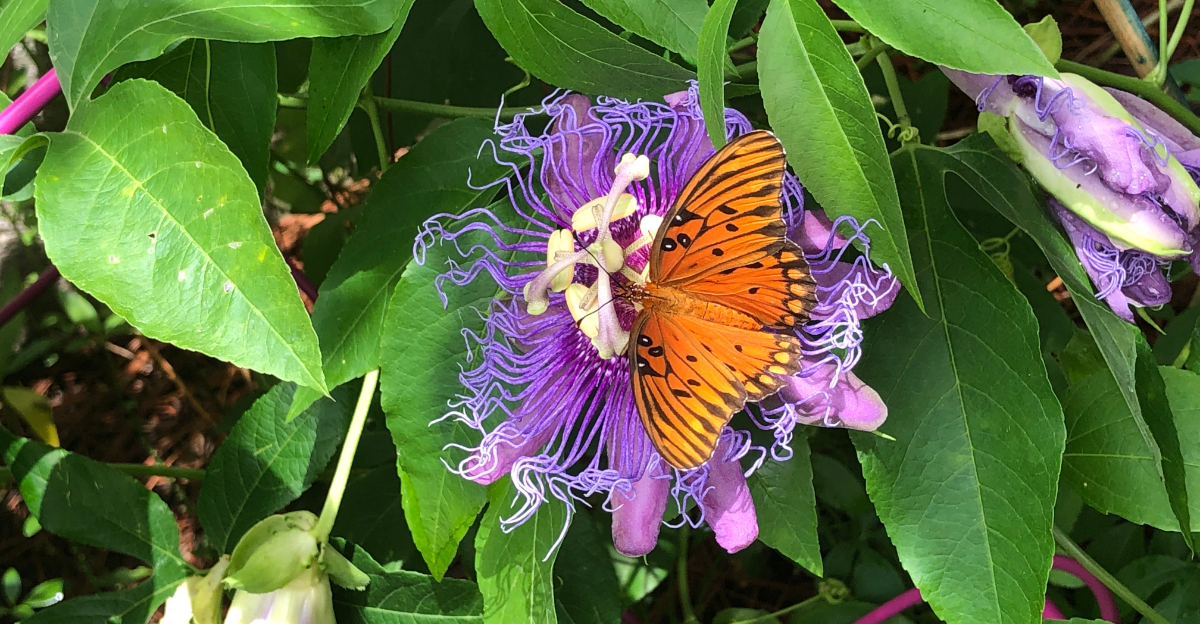
Passionvine is the primary host plant that keeps Gulf Fritillary butterflies returning to Georgia gardens year after year.
These stunning orange butterflies with silver-spotted underwings lay eggs exclusively on passion vines, making this plant essential for their reproduction.
The exotic-looking purple flowers are just a bonus.
Passionvine grows vigorously in Georgia’s climate, often covering fences, trellises, or arbors within a single season. The native Maypop passionflower produces edible fruits and handles cold winters better than tropical varieties.
Purple passionflower vines create dense coverage with intricate blooms that look almost alien in their complexity.
Gulf Fritillary caterpillars are bright orange with black spines that look fierce but are best left undisturbed while feeding. They munch through passionvine leaves at an impressive rate, sometimes defoliating entire sections.
Don’t worry though, the vines recover quickly and produce new growth for the next batch of caterpillars.
Position passionvine where it can climb freely without smothering other plants. These vines need strong support structures because they get heavy when fully grown.
Full sun to partial shade works well across most Georgia locations.
From late spring through fall, you’ll see Gulf Fritillaries constantly visiting passionvine in your garden. The adults sip nectar from various flowers but always return to lay eggs on the vine.
Passionvine thrives with minimal care once established, making it an easy win for Georgia gardens focused on pollinator support.
Even when caterpillars strip the leaves, the vine rebounds quickly thanks to warm temperatures and long growing seasons. Hosting this plant means accepting a little leaf loss in exchange for steady butterfly activity all season long.
3. Parsley And Dill Welcome Black Swallowtails
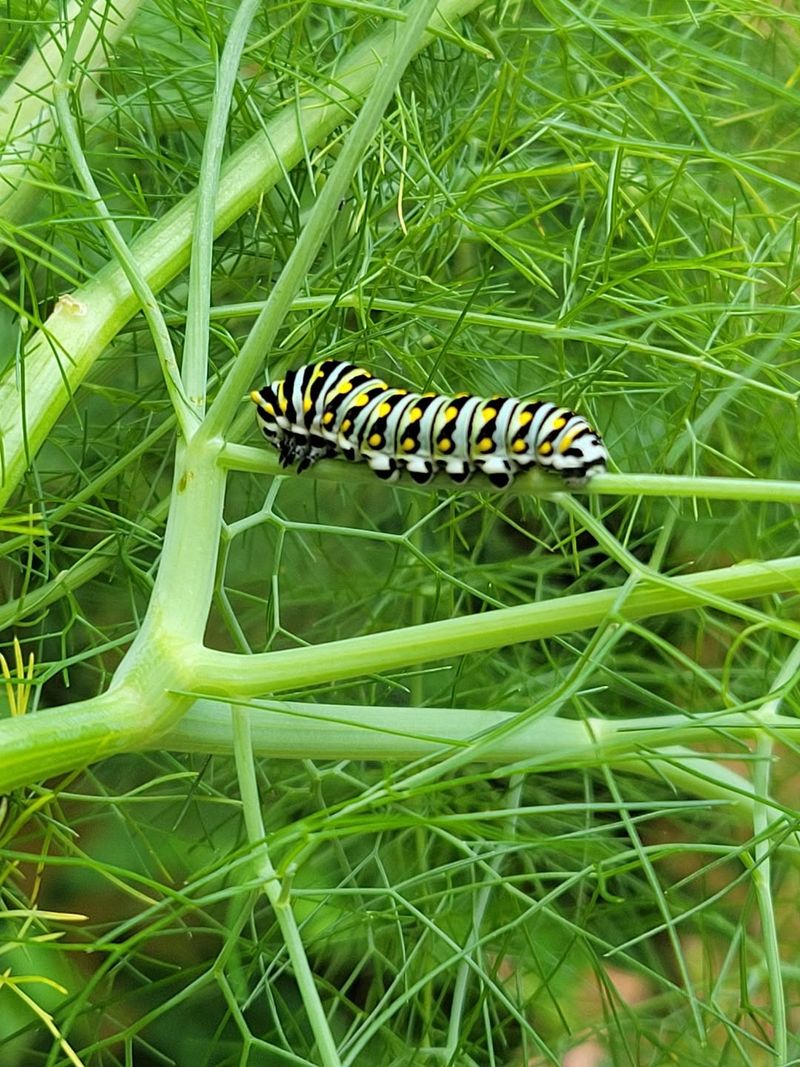
Parsley and dill are host plants that turn ordinary herb gardens into breeding sites for Black Swallowtails. These large, beautiful butterflies with their distinctive yellow and blue markings scout herb gardens looking for the perfect spot to lay eggs.
The caterpillars start tiny and black with a white saddle marking, looking remarkably like bird droppings for protection. As they grow larger, they transform into stunning green caterpillars with black bands and yellow spots.
When threatened, they extend bright orange horns from behind their heads that emit a strong smell.
Plant extra parsley and dill if you want both herbs for cooking and butterflies for watching. Georgia’s growing season allows multiple plantings, so succession planting ensures you always have fresh herbs and host plants available.
Curly or flat-leaf parsley works equally well, and dill’s feathery foliage provides excellent hiding spots for caterpillars.
Black Swallowtails appear throughout Georgia from early spring until the first frost. They prefer sunny garden spots where herbs grow vigorously.
Container gardens work perfectly for these butterflies since you can move pots to optimal locations.
Sharing your herbs with caterpillars means accepting some chewed leaves, but watching these beautiful butterflies emerge from their chrysalises makes it worthwhile.
The adults will thank you by pollinating other garden plants while gracefully floating through your landscape.
4. Native Pawpaw Feeds Zebra Swallowtail Caterpillars
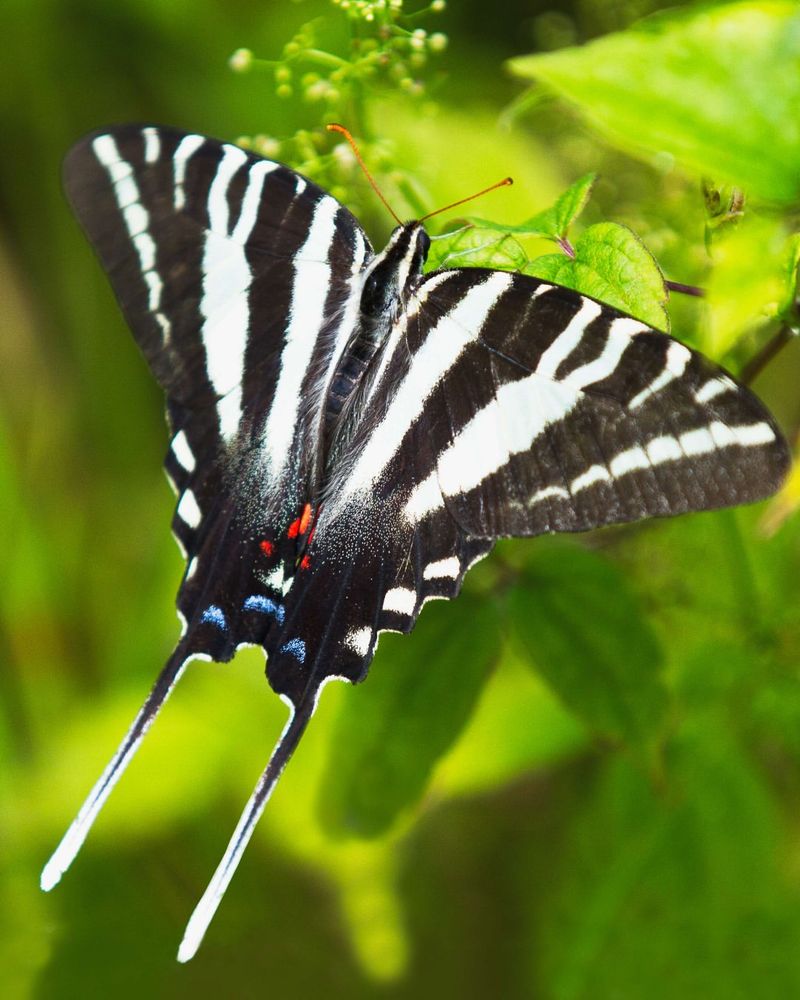
Zebra Swallowtails are specialist butterflies that rely on native pawpaw trees for reproduction. If you grow pawpaw, you give them a real reason to stay in your Georgia garden.
Pawpaw trees thrive naturally in Georgia’s woodlands, producing large tropical-looking leaves and custard-flavored fruits that humans enjoy too. The trees prefer partial shade and moist soil, making them perfect for woodland edges or shady garden corners.
Young trees need protection from direct afternoon sun until established.
The green caterpillars blend perfectly with pawpaw leaves, making them challenging to spot despite their decent size. They feed quietly on the foliage throughout spring and summer, preparing for their transformation.
Zebra Swallowtail caterpillars are less common than other species, so finding them feels like discovering hidden treasure.
Plant pawpaw trees in groups because they produce more fruit when cross-pollinated. Georgia gardeners in zones 7-9 have excellent success growing these native trees.
Established trees require minimal care and provide habitat for Zebra Swallowtails year after year.
Spotting a Zebra Swallowtail in your Georgia garden indicates a healthy ecosystem with native plants. These butterflies typically stay close to pawpaw groves, so you’ll see them repeatedly once they discover your trees.
Their graceful flight pattern and stunning appearance make them worth the wait for pawpaw trees to mature.
5. Pipevine Naturally Draws Pipevine Swallowtails
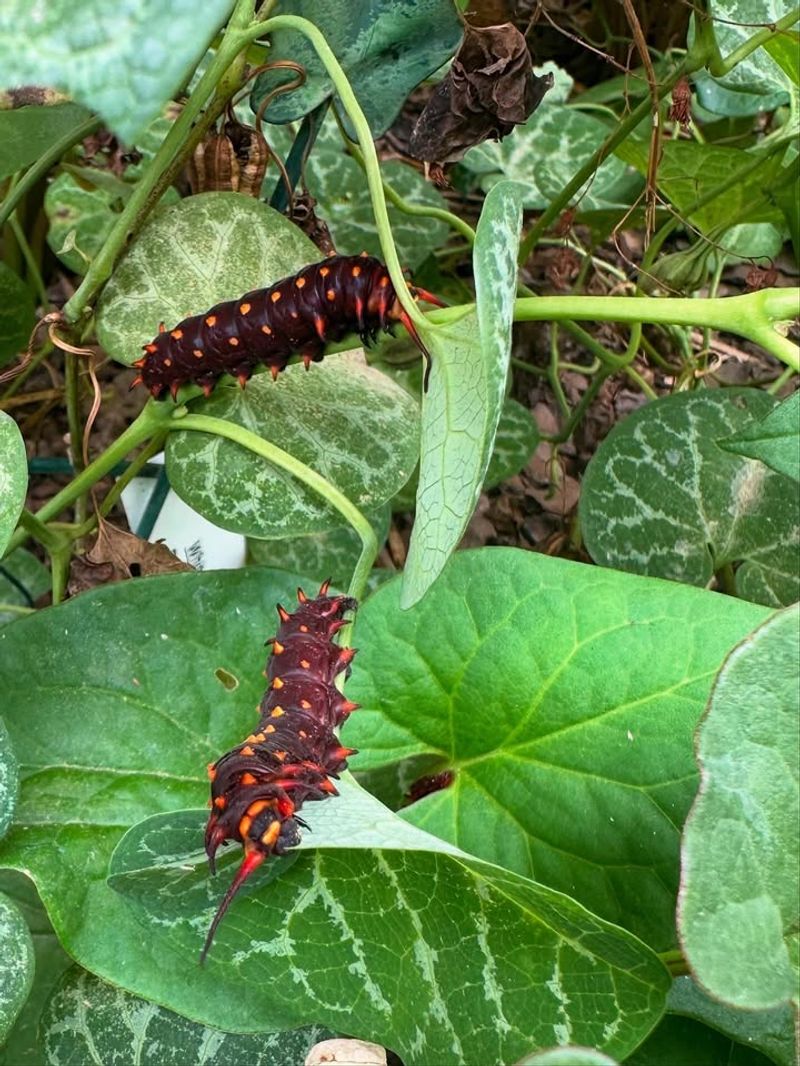
Pipevine is the host plant that supports Pipevine Swallowtail caterpillars in Georgia. These butterflies seek out pipevine plants exclusively for laying eggs, and the relationship benefits both species.
The caterpillars consume pipevine leaves containing chemicals that make both caterpillars and adult butterflies taste terrible to predators.
Native pipevine grows as a vigorous climbing vine with heart-shaped leaves and unusual pipe-shaped flowers near the base. The plant prefers moist soil and partial shade, making it ideal for growing on fences or trellises in protected garden areas.
Georgia’s native Dutchman’s pipe works beautifully for supporting local butterfly populations.
The caterpillars are absolutely bizarre-looking with their dark bodies covered in fleshy orange and black tubercles. They feed in groups when young, then spread out as they grow larger.
Despite their strange appearance, they’re completely harmless and fascinating to observe up close.
Pipevine establishes slowly but becomes a reliable perennial once settled in your Georgia landscape. The vines go dormant in winter and return vigorously each spring.
Position them where their unusual flowers can be appreciated since they bloom low on the vine.
Other butterfly species mimic the Pipevine Swallowtail’s coloring to fool predators into thinking they also taste bad. By supporting Pipevine Swallowtails in your garden, you’re helping protect multiple butterfly species.
The adults patrol garden areas looking for pipevine plants throughout the warm months across Georgia.
6. Fennel Acts As A Magnet For Swallowtail Larvae
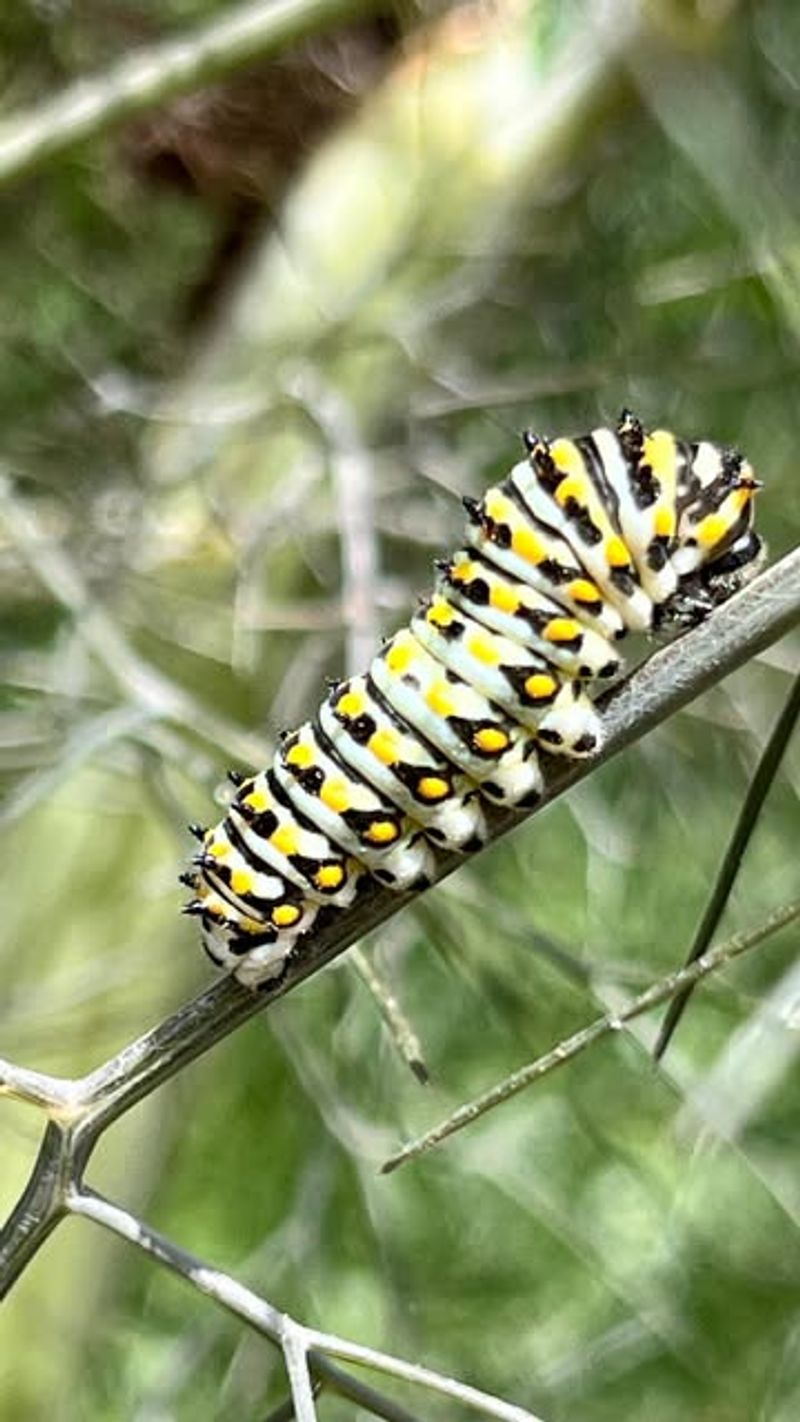
Fennel is one of the easiest host plants for supporting multiple generations of Black Swallowtail caterpillars. Black Swallowtails find fennel irresistible for egg-laying, and the tall, airy plants support multiple caterpillars without looking stripped bare.
The bronze variety adds gorgeous color contrast in Georgia garden beds.
Fennel grows easily from seed and can self-sow once established, especially in warm Georgia gardens. The plants reach four to six feet tall with wispy foliage that sways gracefully in breezes.
Full sun and well-drained soil keep fennel happy throughout Georgia’s growing season. Unlike parsley, fennel handles heat exceptionally well during summer months.
Eastern Black Swallowtail caterpillars on fennel look identical to those on parsley, but the plant’s structure gives them more hiding spots. The delicate foliage allows caterpillars to blend in while feeding.
Multiple generations of butterflies use the same fennel plants from spring through fall.
Harvest fennel seeds for cooking while leaving plenty of foliage for caterpillars. The yellow flower umbels attract beneficial insects before setting seed.
Georgia gardeners appreciate fennel’s dual purpose as both culinary herb and butterfly host plant.
Let fennel grow in informal garden areas where its casual growth habit fits the landscape style. The plants tolerate neglect and poor soil better than many herbs.
Butterflies will find fennel quickly once planted, often within days of the first leaves emerging. The combination of ornamental value and wildlife support makes fennel an excellent choice for Georgia butterfly gardens.
7. Wild Senna Supports Sulphur Butterflies In Summer
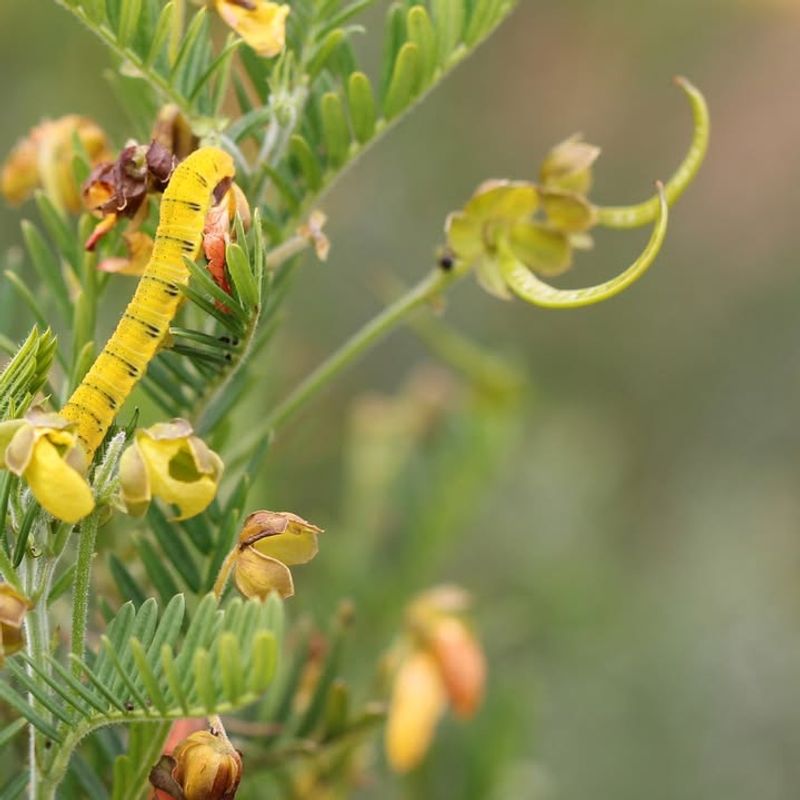
Wild senna is a critical host plant for Sulphur butterflies during Georgia’s summer months. These cheerful butterflies brighten Georgia gardens throughout summer, laying eggs on senna’s compound leaves.
The plants produce beautiful yellow flowers that attract adult butterflies while the foliage feeds hungry caterpillars.
Wild senna grows as a substantial perennial shrub reaching three to five feet tall and wide. The plant thrives in full sun and tolerates Georgia’s summer heat without complaint.
Native to the southeastern United States, wild senna adapts easily to garden conditions and requires minimal maintenance once established.
The caterpillars are bright green with yellow stripes running lengthwise along their bodies. They blend remarkably well with senna foliage, making them challenging to spot unless you look closely.
The caterpillars feed steadily but rarely cause significant damage to healthy plants.
Plant wild senna in masses for greater visual impact and better butterfly support. The yellow pea-like flowers bloom prolifically in summer, creating a cheerful display.
Seedpods develop after flowering, adding winter interest and providing seeds for next year’s plants across Georgia landscapes.
Sulphur butterflies are active fliers that patrol gardens constantly during warm months. Males are bright yellow while females can be yellow or pale greenish-white.
Watching these energetic butterflies visit wild senna plants adds movement and life to summer gardens. The combination of attractive flowers and butterfly activity makes wild senna a valuable addition to any Georgia butterfly garden.
8. Native Grasses Host Skipper Butterfly Caterpillars
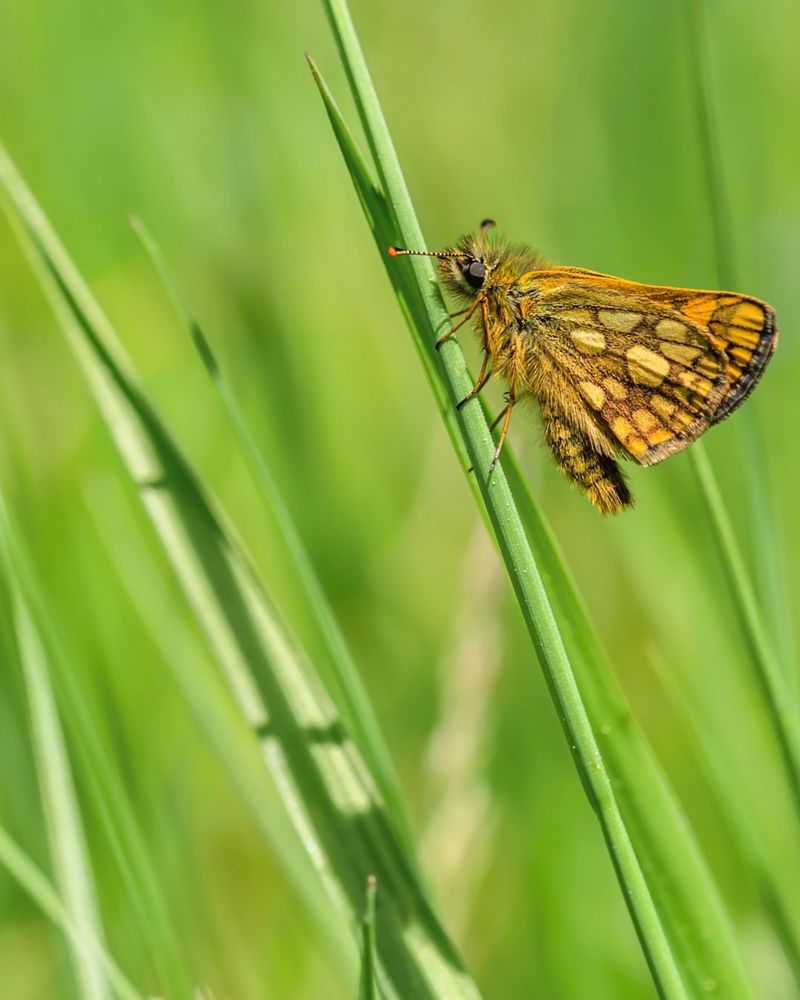
Native grasses are essential host plants for skipper butterfly caterpillars, even though the butterflies themselves often go unnoticed. Their caterpillars develop on grass blades, so planting natives is one of the simplest ways to support more skipper species.
Several skipper species call Georgia home throughout the growing season.
Little bluestem, Indian grass, and switchgrass all serve as host plants for various skipper species. These native grasses provide four-season interest with their upright growth, attractive seed heads, and beautiful fall colors.
They thrive in Georgia’s climate and require far less maintenance than traditional lawns.
Skipper caterpillars are pale green and hide inside rolled grass leaves they secure with silk. The shelters protect caterpillars from predators while they feed on grass tissue.
Finding these leaf rolls indicates healthy skipper populations using your native grasses.
Plant native grasses in sweeping drifts for maximum impact and better butterfly habitat. The grasses look stunning when backlit by morning or evening sun.
They tolerate drought once established and provide nesting material for birds as an added benefit throughout Georgia.
Skippers dart rapidly between flowers, hovering briefly before moving on. Their quick flight pattern distinguishes them from other butterflies.
Adults sip nectar from small flowers while caterpillars develop hidden in grass leaves. Including native grasses in your Georgia landscape creates habitat for these underappreciated butterflies while adding texture and movement to garden designs.