These 9 Houseplant Issues Hit Oregon Homes Every Winter
If you keep houseplants in Oregon, winter usually brings a few quiet surprises. One day everything looks fine, and the next a leaf is yellowing, growth has slowed, or a plant just seems off.
Maybe it’s sitting near a window, maybe it hasn’t moved at all, yet something has changed. Have you ever found yourself adjusting blinds, checking the soil, or wondering if you watered too much, or not enough?
Winter conditions indoors can be just as challenging for plants as the weather outside. Shorter days, cooler rooms, dry indoor air, and less consistent light all play a role.
Even plants that thrive the rest of the year can struggle during these months, and the signs aren’t always obvious at first. It’s easy to assume you’re doing something wrong when, really, the season is the biggest factor.
If a few of your houseplants aren’t looking their best right now, you’re not alone. Many Oregon homes deal with the same winter-related issues every year.
These are the houseplant problems that tend to show up most in Oregon homes during winter, along with reassurance that they’re often fixable.
1. Overwatering From Reduced Evaporation
Cold weather slows down how fast water evaporates from soil, which means your plants need less frequent watering than they did in summer. Many plant owners keep the same watering schedule year-round, and that leads to soggy roots and unhappy plants.
When soil stays wet too long, roots can’t breathe properly and start to rot.
You might notice leaves turning yellow at the base or a musty smell coming from the pot. The soil surface stays damp for days instead of drying out between waterings.
Your plant might even start to wilt despite the wet soil, which confuses a lot of people into watering even more.
Check the soil with your finger before you water. Stick it down about two inches deep to see if moisture is still there.
Most houseplants prefer the top layer to dry out before getting another drink. Cut back your watering frequency by half compared to summer, and adjust based on what you observe.
Consider the type of pot you use too. Terracotta dries faster than plastic or ceramic, so you might need to water those a bit more often.
Pay attention to each plant individually rather than watering everything on the same day. Some plants like succulents barely need water at all during winter months.
2. Low Light Levels And Reduced Growth
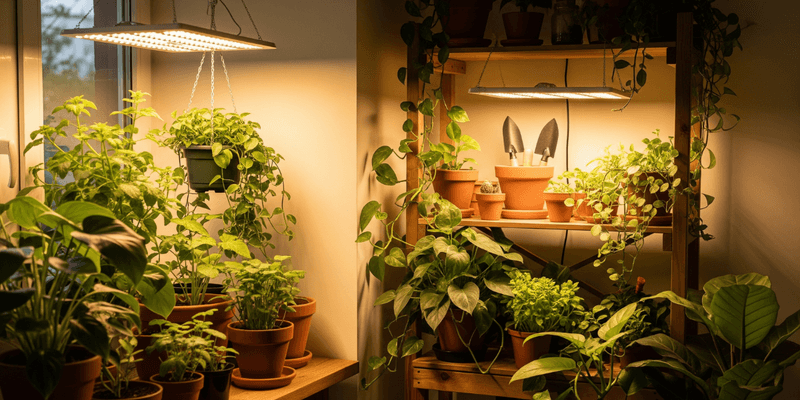
Oregon winters are famous for gray skies and short days, which means your houseplants get way less light than they need. Even spots that were bright in summer can become too dim when the sun sits lower in the sky and clouds block most of the rays.
Plants respond by slowing their growth or going dormant until spring returns.
You might see your plant stop putting out new leaves or notice that new growth looks pale and stretched out. This stretching, called etioliation, happens when plants reach desperately toward whatever light they can find.
Some plants might drop lower leaves to conserve energy for the parts closer to the light source.
Move your plants closer to windows, especially south-facing ones that get the most winter sun. Clean your windows inside and out to let in maximum light.
Rotate your pots every week or two so all sides get equal exposure and growth stays balanced.
For plants that really struggle, consider adding a grow light. These come in affordable bulb versions that fit regular lamps or clip-on models that attach right to a shelf.
Run them for 10-12 hours daily to supplement natural light. Your plants will thank you with healthier growth and better color through the dark months.
3. Dry Air From Indoor Heating
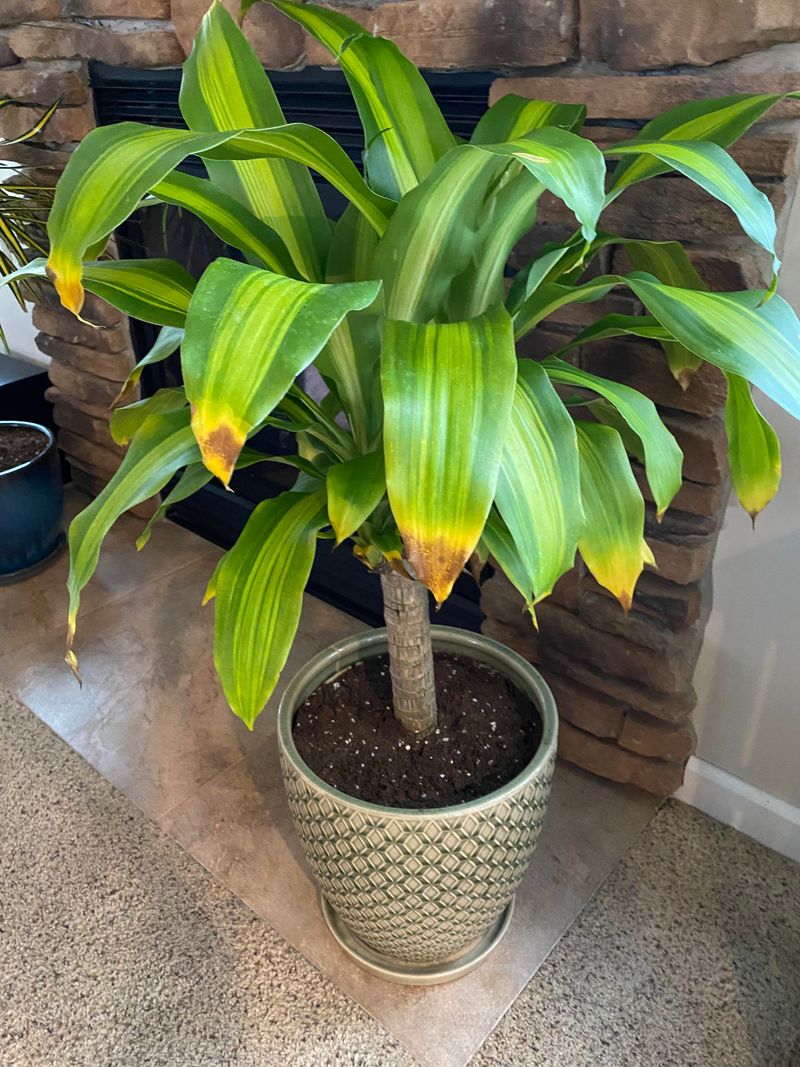
Turning on the heater drops indoor humidity fast, and most tropical houseplants hate dry air. They evolved in rainforests where moisture hangs thick in the air all day long.
When humidity falls below 40 percent, which is common in heated Oregon homes, plants start to show stress signs pretty quickly.
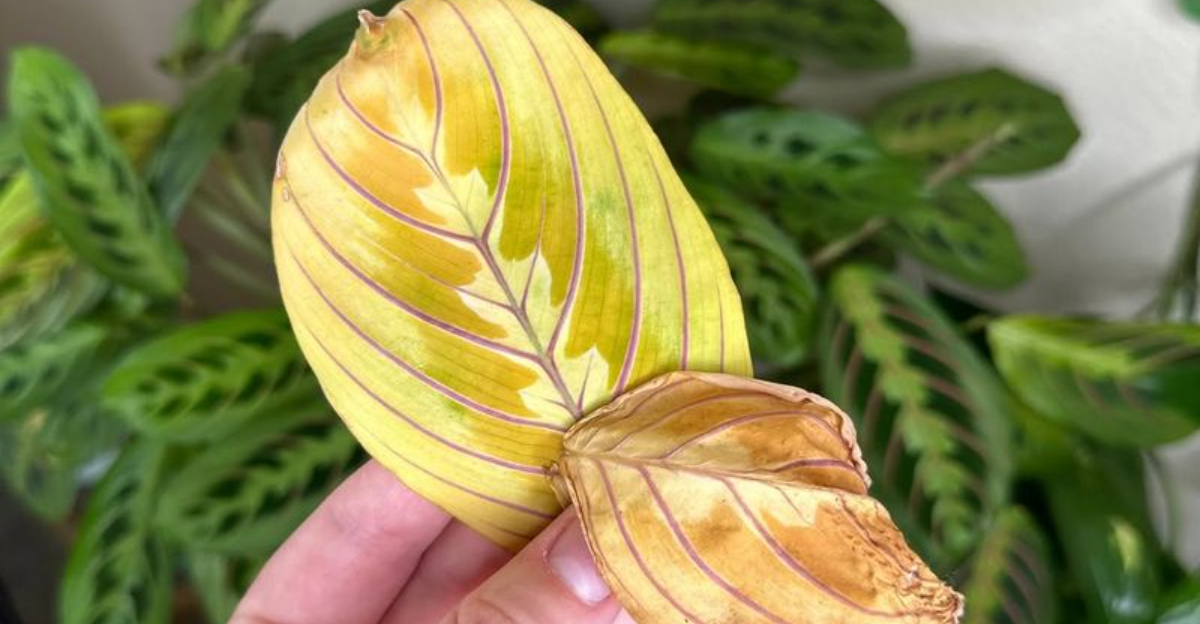
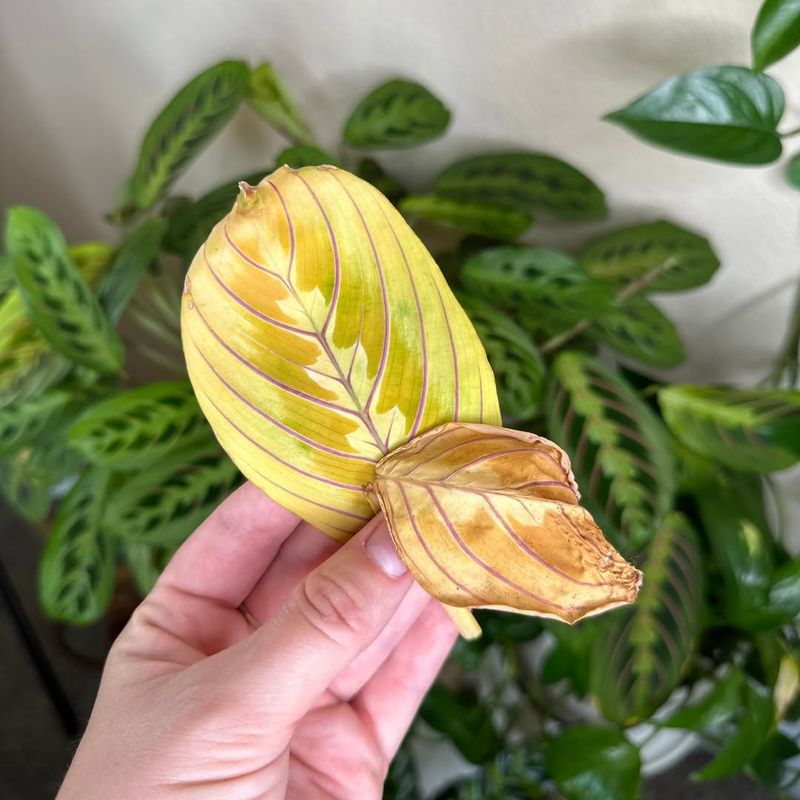
Brown, crispy leaf tips are the most obvious clue. You might also notice leaves curling inward or edges turning papery and brittle.
Some plants like calatheas or ferns become especially dramatic, with leaves that look fried despite regular watering. Spider mites love dry conditions too, so low humidity can invite pest problems.
Group your plants together to create a mini humidity zone where they all benefit from each other’s transpiration. Set pots on trays filled with pebbles and water, making sure the pot bottom sits above the waterline.
As the water evaporates, it adds moisture to the air right around your plants.
Run a humidifier in the room where you keep most of your plants. Small personal humidifiers work great for plant shelves, while larger models can handle whole rooms.
Mist your plants occasionally if you want, but misting only helps for a few minutes and isn’t a long-term solution. Avoid placing plants directly above heating vents where hot, dry air blasts them constantly.
4. Cold Drafts Near Windows And Doors
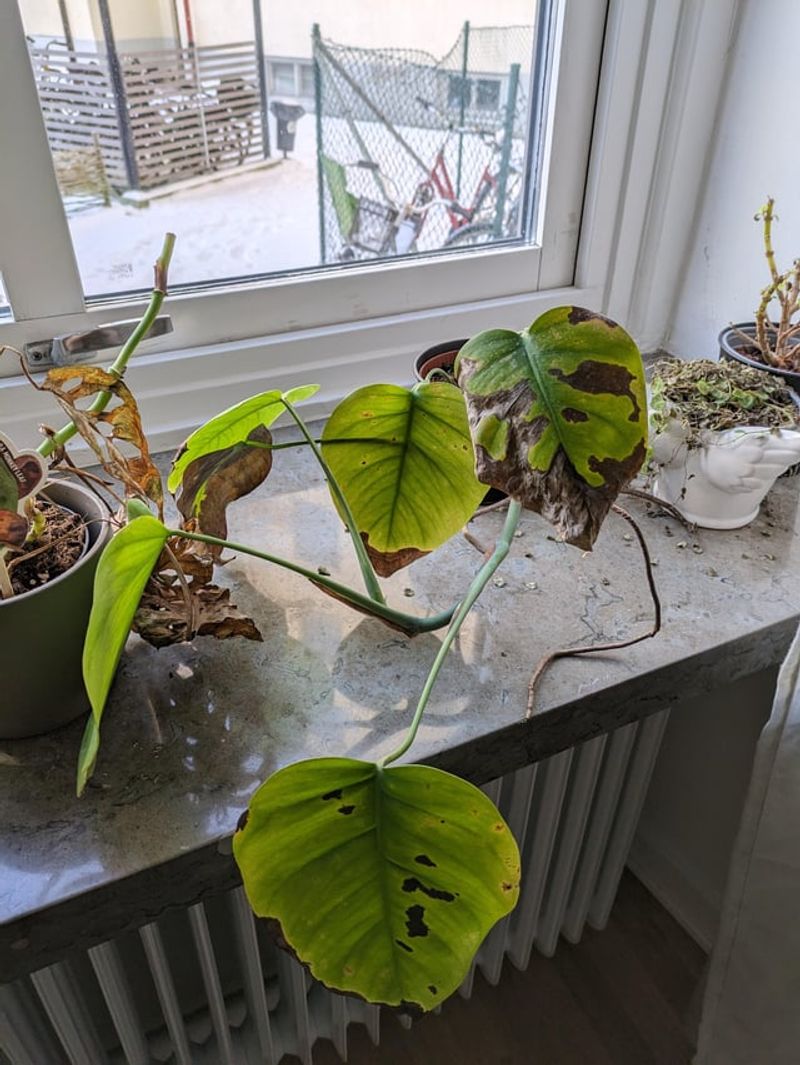
Windows and exterior doors let in cold drafts even when they’re closed, especially in older Oregon homes. Tropical plants can’t handle sudden temperature drops, and a chilly draft feels like a shock to their system.
Temperatures below 50 degrees can damage sensitive species, causing leaves to drop or develop dark spots overnight.
Plants sitting on windowsills or near entryways often show the worst damage. You might wake up to find leaves that were fine yesterday now wilted or turning black.
Cold damage looks different from other problems because it usually affects the parts of the plant closest to the draft source first.
Move plants away from windows at night during the coldest weeks, or at least pull them back from the glass by a few inches. Use heavy curtains to insulate windows and trap warmer air near your plants.
Check for gaps around window frames and doors, and seal them with weatherstripping or draft stoppers.
Feel the temperature around your plant spots with your hand at different times of day. You might be surprised how much cooler it gets near glass after sunset.
Avoid placing plants near doors that open frequently to the outside. If you must keep plants on a windowsill, choose hardy varieties like pothos or snake plants that tolerate temperature swings better than delicate tropicals.
5. Spider Mites Thriving In Dry Conditions
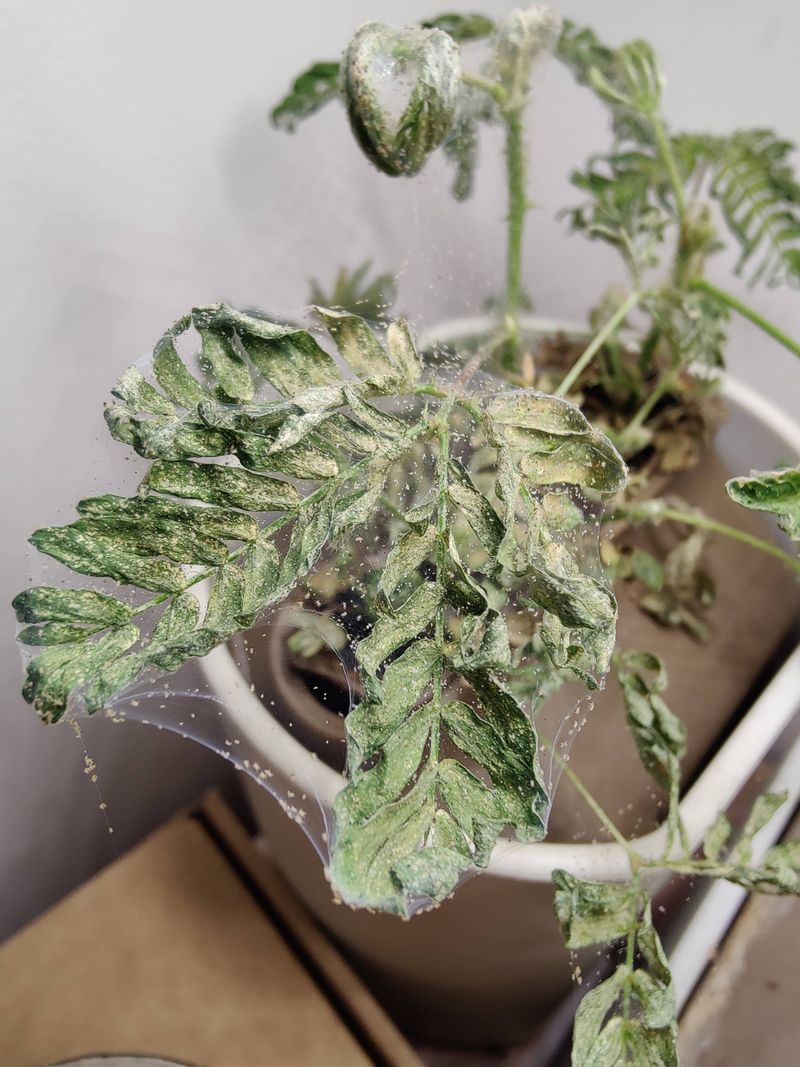
Spider mites are tiny pests that explode in population when indoor air gets dry, making them a huge winter problem in heated homes. These microscopic bugs suck juice from plant leaves, leaving behind stippled yellow spots and fine webbing that looks like miniature spider webs.
They reproduce incredibly fast, so a small problem can become a major infestation in just weeks.
Check the undersides of leaves for tiny moving dots and delicate webs, especially on plants like ivy, palms, and spider plants. Leaves might look dusty or faded, losing their vibrant green color.
Heavy infestations cause leaves to yellow completely and drop off, leaving your plant looking sparse and unhealthy.
Raise humidity levels since spider mites hate moisture in the air. Wipe down affected leaves with a damp cloth to physically remove mites and their eggs.
Spray plants thoroughly with water every few days, making sure to hit the undersides of all leaves where mites hide.
For serious infestations, use insecticidal soap or neem oil following package directions carefully. These products work best when applied multiple times over several weeks to catch newly hatched mites.
Isolate infested plants from your healthy ones to prevent the pests from spreading. Prevention is easier than treatment, so keep humidity up and inspect your plants regularly throughout winter to catch problems early.
6. Fungus Gnats From Constantly Moist Soil
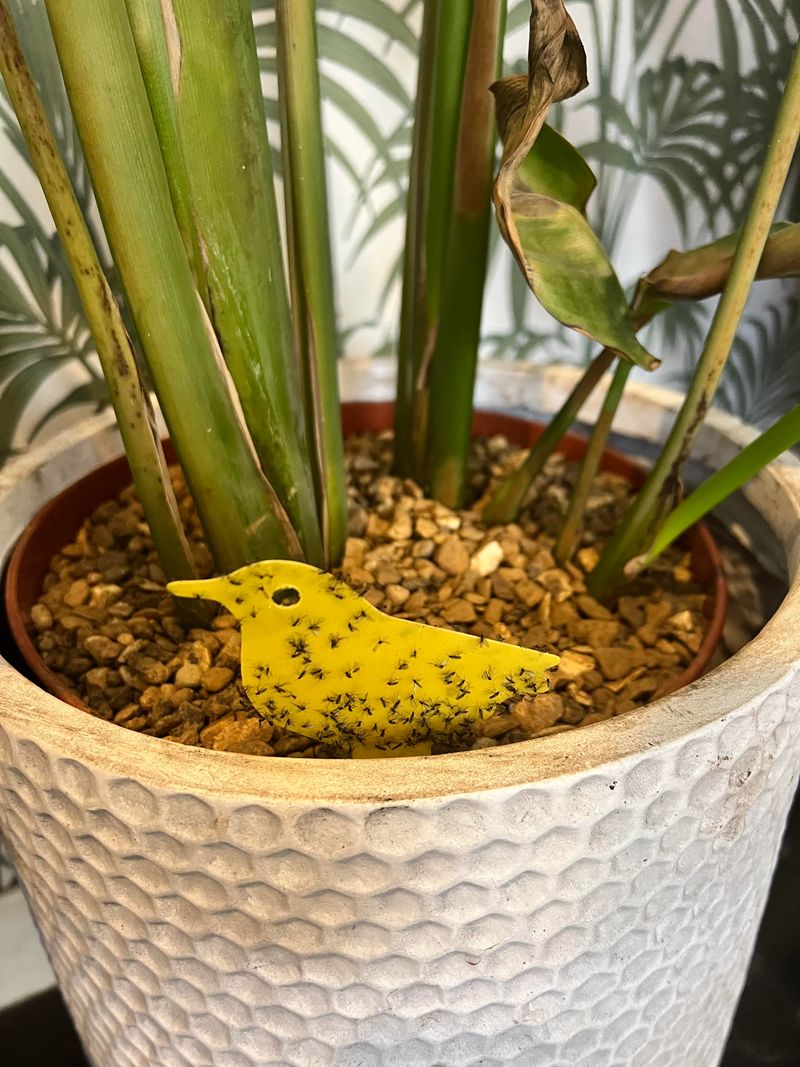
Those annoying little flies buzzing around your houseplants are probably fungus gnats, and they love the consistently damp soil that happens when plants get watered too often in winter. Adult gnats are harmless to plants but super irritating to have in your home.
Their larvae live in the soil and feed on organic matter and sometimes plant roots.
You’ll see tiny black flies hovering around the soil surface or crawling on pots. They’re especially noticeable when you water or move a plant.
In bright light near windows, they become even more obvious as they flutter around. Large populations can stress young plants or fresh cuttings by damaging tender root systems.
Let the top two inches of soil dry out completely between waterings, since gnat larvae need moisture to survive. This simple change disrupts their life cycle and reduces populations naturally.
Avoid leaving standing water in saucers under pots, as this creates perfect breeding conditions.
Try sticky yellow traps placed near affected plants to catch adult gnats and monitor population levels. For heavy infestations, sprinkle food-grade diatomaceous earth on the soil surface or use mosquito bits in your watering can.
These products contain bacteria that target gnat larvae without harming plants or people. Bottom watering can help too, since it keeps the soil surface drier while still getting moisture to roots.
7. Leaf Drop From Environmental Stress
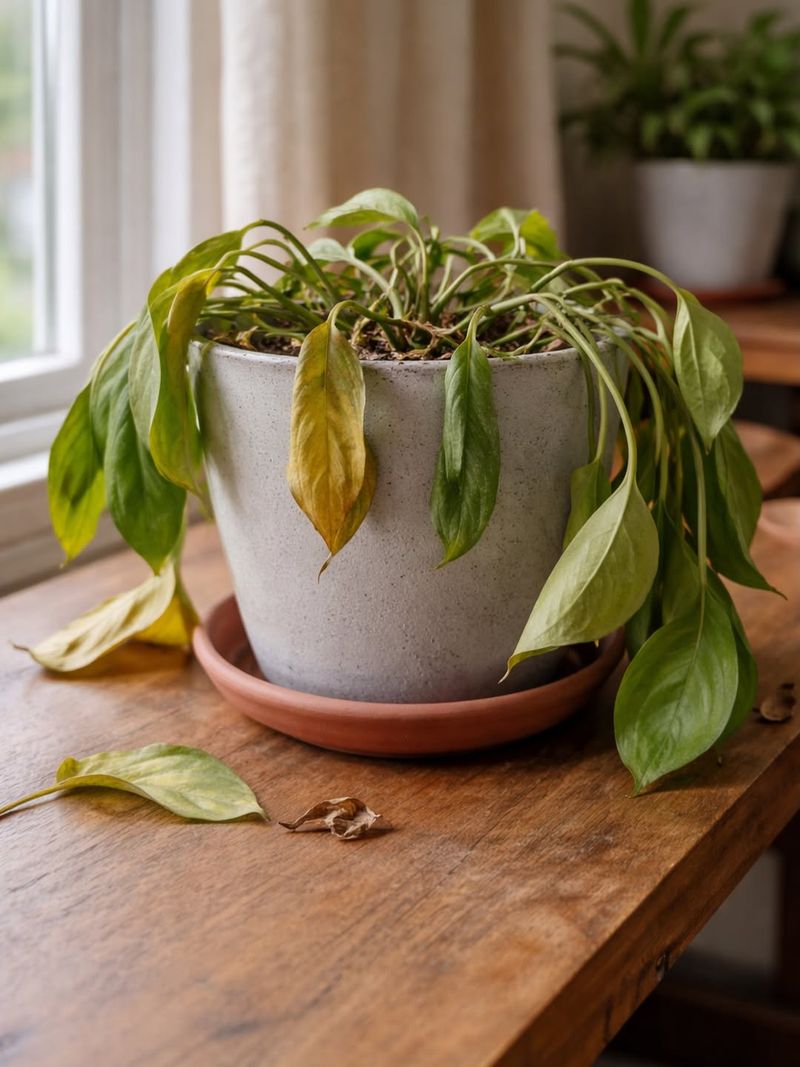
Plants drop leaves as a stress response to major environmental changes, and the shift from fall to winter brings lots of changes all at once. Lower light levels, different temperatures, altered humidity, and modified watering schedules all hit your plants simultaneously.
Some leaf drop is normal as plants adjust, but excessive loss signals a problem that needs attention.
Ficus trees are notorious for dropping leaves when conditions change, sometimes losing half their foliage in a matter of days. Other plants might drop just their oldest, lowest leaves while keeping newer growth.
If your plant drops leaves from all over, including new growth, something is seriously wrong with its care or environment.
Avoid moving plants around unnecessarily once winter starts. Pick a good spot and let your plant settle in rather than constantly shifting it to different locations.
Keep conditions as stable as possible, maintaining consistent temperatures and avoiding dramatic swings in watering or light exposure.
If your plant does drop leaves, don’t panic and change everything at once. Give it time to adjust to winter conditions before making more modifications.
Reduce watering slightly since fewer leaves means less water uptake. Make sure the plant still gets adequate light and isn’t sitting in cold drafts.
Most plants will stabilize after a few weeks and start looking better as they adapt to their new seasonal normal.
8. Nutrient Deficiency From Dormant Growth
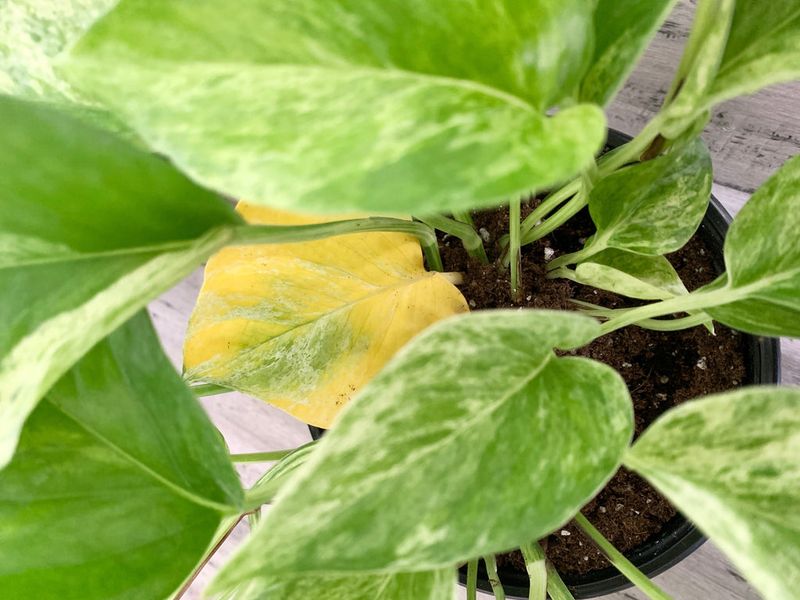
Most houseplants slow their growth dramatically or go completely dormant during winter months when light levels drop. Because they’re not actively growing, they need far less fertilizer than during spring and summer.
Many plant parents keep fertilizing on the same schedule year-round, which can actually cause more harm than good when plants aren’t using those nutrients.
You might notice pale new growth or yellowing between leaf veins if your plant does need nutrients. However, these symptoms look similar to other problems like overwatering or pests, so don’t assume fertilizer will fix everything.
Overfertilizing dormant plants can lead to salt buildup in the soil, which burns roots and causes brown leaf edges.
Stop fertilizing most houseplants from November through February unless you’re using grow lights to maintain active growth. Plants simply can’t process nutrients efficiently without adequate light for photosynthesis.
Continuing to fertilize dormant plants is like forcing someone to eat a big meal when they’re not hungry.
If you really want to give your plants a boost, wait until late February or early March when days start getting longer and you notice new growth emerging. Start with half-strength fertilizer and gradually increase to full strength as spring arrives.
Flush pots with plain water occasionally to prevent salt buildup from previous fertilizing. Remember that dormancy is natural and healthy, not something you need to fix or fight against during winter months.
9. Root Rot From Poor Drainage
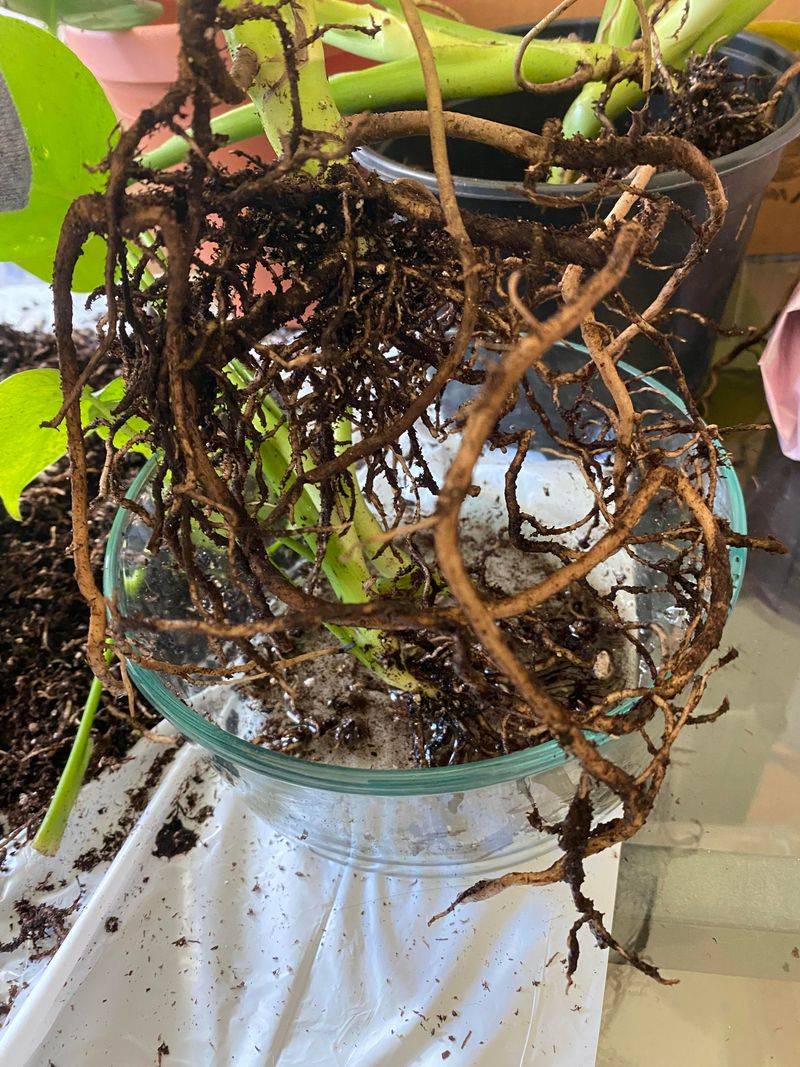
Root rot becomes much more common in winter when plants use less water and soil stays wet longer. This condition happens when roots sit in waterlogged soil without enough oxygen, allowing harmful fungi and bacteria to attack the root system.
Once rot starts, it spreads quickly and can be hard to reverse if you don’t catch it early.
Warning signs include yellowing leaves, wilting despite wet soil, and a foul smell coming from the pot. If you gently tug the plant and it lifts easily from the soil, roots have probably rotted away.
Healthy roots look white or tan and feel firm, while rotted roots turn brown or black and feel mushy when touched.
Prevention is way easier than treatment. Make sure every pot has drainage holes so excess water can escape.
Use well-draining potting mix rather than heavy garden soil, and consider adding perlite or orchid bark to improve drainage for moisture-sensitive plants. Water less frequently in winter and always empty saucers after watering so roots don’t sit in standing water.
If you catch root rot early, you might save the plant by trimming away affected roots and repotting in fresh, dry soil. Remove all mushy brown roots with clean scissors, leaving only healthy tissue.
Let the plant dry out completely before watering again, and consider using a smaller pot since the reduced root system can’t handle as much soil volume. Some plants recover beautifully, while others are too far gone to save.