These 13 Houseplants Clean the Air While You Sleep In North Carolina
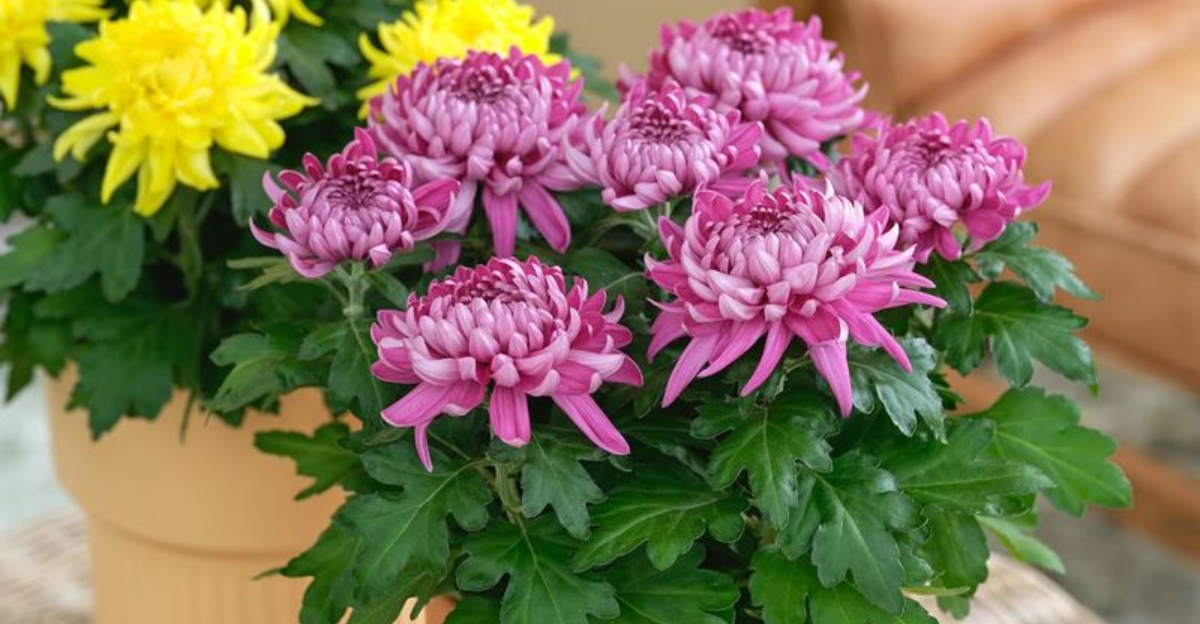
Living in North Carolina means dealing with humidity, pollen, and indoor air pollutants that can affect your health and comfort at home every single day.
Houseplants offer a natural solution by filtering toxins and releasing oxygen while you rest, making your bedroom a healthier and more peaceful sleeping environment.
Scientific research shows certain plants remove harmful chemicals like formaldehyde and benzene from indoor air, improving breathing and overall wellness for you and family.
Bringing these green companions into your home transforms stale indoor spaces into fresh, vibrant sanctuaries that support better sleep and happier, healthier living year-round.
1. Snake Plant
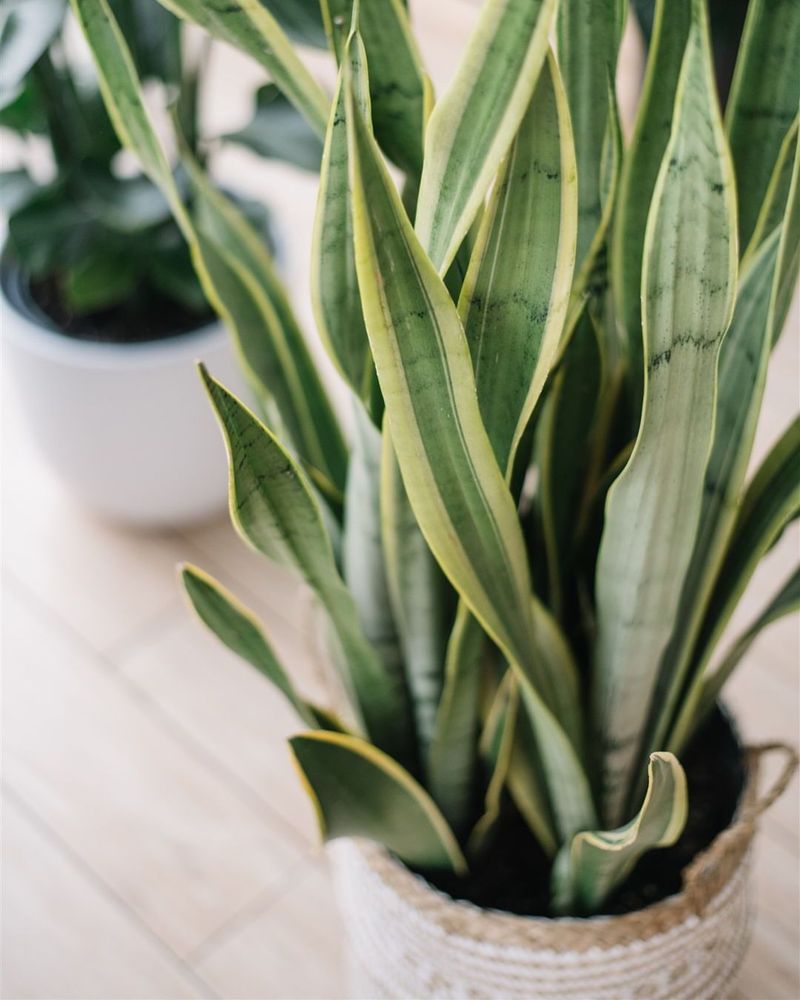
Snake plants stand tall with striking vertical leaves that add modern style to any bedroom while working overtime to purify your breathing space continuously.
This hardy succulent converts carbon dioxide into oxygen at night, unlike most plants that only photosynthesize during daylight hours for energy production.
North Carolina homeowners appreciate how snake plants thrive in various light conditions, from bright windows to dimly lit corners without much fuss.
Their thick, waxy leaves store water efficiently, meaning you only need to water them every two to three weeks depending on humidity.
Formaldehyde, xylene, toluene, and nitrogen oxides get filtered from your bedroom air as you sleep peacefully through the night ahead.
Snake plants tolerate neglect better than most houseplants, making them perfect for busy families or first-time plant parents learning the ropes.
Their upright growth pattern saves valuable floor space while still providing impressive air-cleaning benefits for healthier indoor living environments.
Pests rarely bother these tough plants, and they multiply easily through division, letting you share cuttings with friends and neighbors across town.
Place one on your nightstand or dresser to enjoy cleaner air and a touch of greenery that requires minimal maintenance effort.
2. Spider Plant
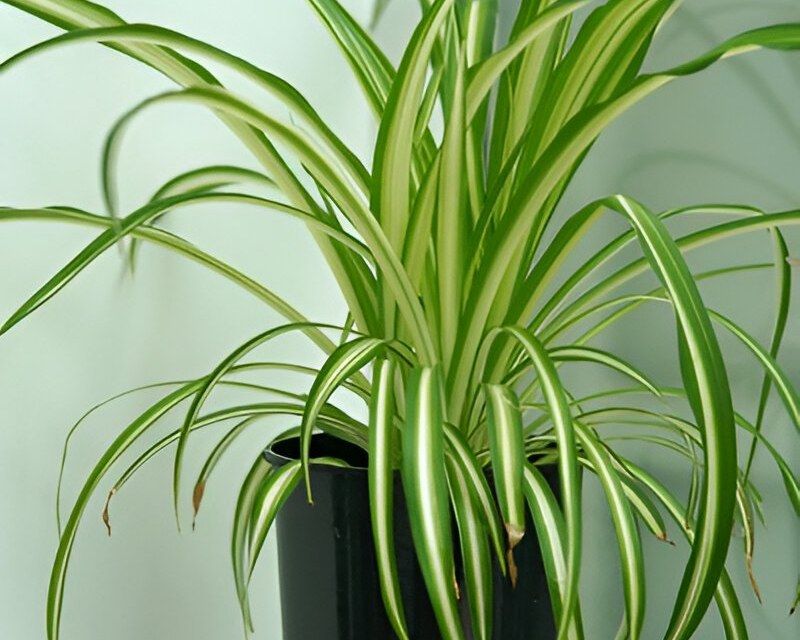
Arching gracefully from hanging baskets, spider plants produce cascading foliage and adorable baby plantlets that dangle like natural ornaments throughout the year.
These cheerful plants excel at removing carbon monoxide and formaldehyde from indoor environments, making them excellent choices for bedrooms with new furniture.
Spider plants adapt wonderfully to North Carolina’s indoor climate, tolerating fluctuating temperatures and humidity levels without showing signs of stress or decline.
Their striped leaves add visual interest to empty corners, and the trailing babies create a living curtain effect that softens hard edges.
Watering once weekly keeps spider plants happy, though they can survive occasional forgetfulness thanks to their fleshy roots that store moisture reserves.
Bright indirect light encourages the most vigorous growth and plantlet production, but they still perform well in moderate shade conditions too.
Spider plants reproduce so enthusiastically that you’ll soon have extras to propagate and share with family members or coworkers needing greenery.
Their non-toxic nature makes them safe around curious pets and children who might nibble on leaves during exploration and playtime adventures.
Trimming brown tips occasionally keeps them looking fresh and vibrant, ensuring your bedroom remains an inviting, healthy sanctuary for restful sleep.
3. Peace Lily
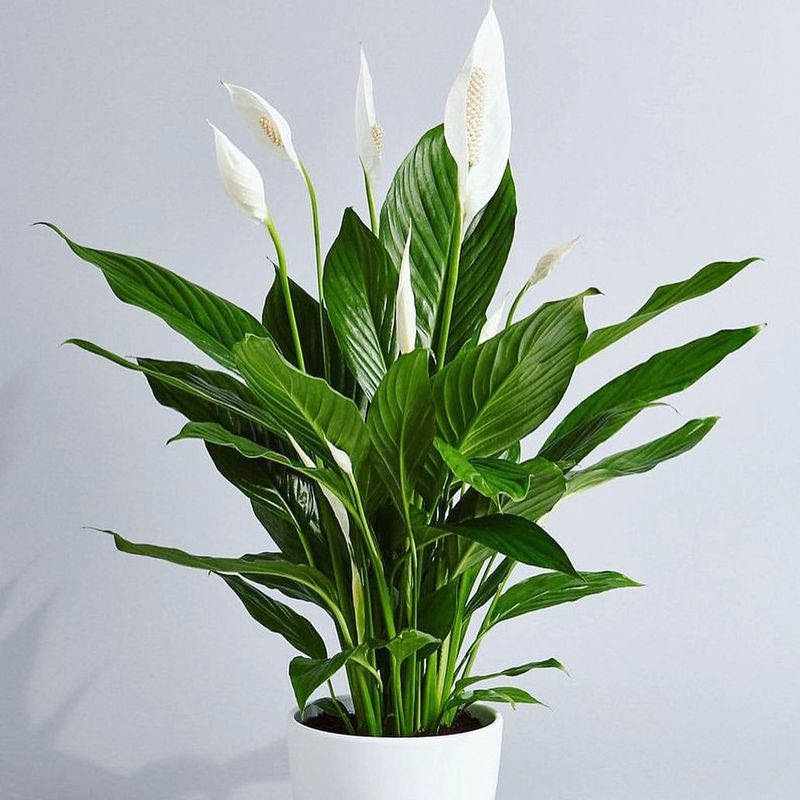
Elegant white blooms emerge from glossy green foliage, making peace lilies one of the most visually appealing air purifiers you can grow indoors.
NASA research identified peace lilies as top performers for removing ammonia, benzene, formaldehyde, and trichloroethylene from enclosed indoor spaces effectively.
North Carolina residents love how these plants signal their watering needs by drooping slightly, then perking up quickly after receiving moisture.
Their shade tolerance makes them ideal for bedrooms with limited natural light, where other flowering plants might struggle to survive long.
Peace lilies prefer consistently moist soil but not waterlogged conditions, so checking the top inch before watering prevents root problems.
Humidity from bathrooms or humidifiers keeps their leaves looking lush and vibrant, though they adapt to average household moisture levels.
These plants bloom periodically throughout the year when happy, adding touches of elegance to your sleeping space with minimal effort required.
Wiping dust from their broad leaves monthly helps them breathe better and photosynthesize more efficiently for improved air cleaning performance.
Keep peace lilies away from direct sun, which can scorch their delicate foliage and reduce their overall health and appearance dramatically.
Their low-maintenance requirements and beautiful appearance make them favorites for bedrooms seeking both style and cleaner air quality.
4. Boston Fern
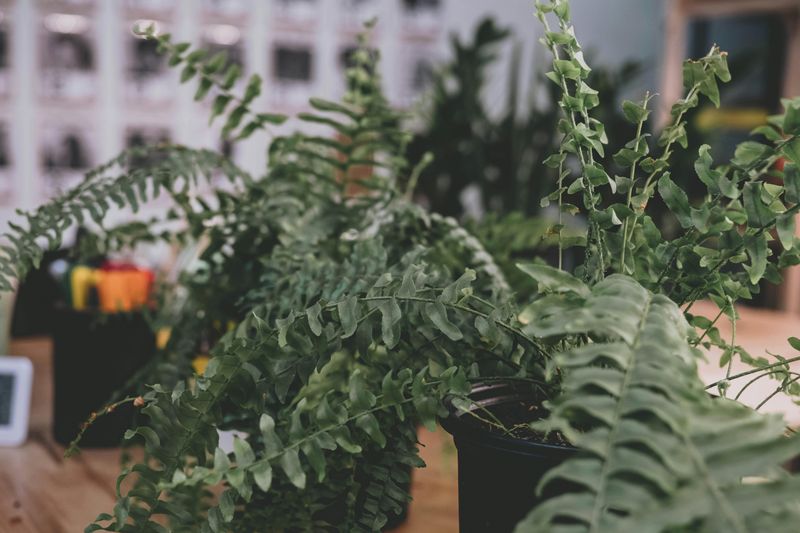
Feathery fronds spill abundantly from pots and baskets, creating a lush tropical atmosphere while Boston ferns work diligently to humidify and purify air.
These classic houseplants remove formaldehyde and xylene effectively, making them valuable additions to bedrooms with synthetic carpeting or pressed wood furniture.
North Carolina’s naturally humid climate suits Boston ferns perfectly, though indoor heating during winter months may require supplemental misting or humidifier use.
Their delicate appearance belies their powerful air-cleaning abilities, as they transpire moisture while filtering toxins from your breathing space continuously.
Consistent moisture keeps Boston ferns thriving, so checking soil daily during warmer months prevents browning and leaf drop problems.
Bright indirect light from east-facing windows provides ideal conditions, though they tolerate lower light better than many flowering houseplants.
Monthly feeding with diluted liquid fertilizer during growing seasons encourages lush, healthy fronds that maximize air purification benefits.
Trimming withered fronds regularly maintains their attractive appearance and redirects energy toward producing fresh, vibrant growth.
Boston ferns appreciate occasional showers in the bathtub, which rinses dust and refreshes their foliage while providing humidity boosts.
Their non-toxic nature makes them safe choices for homes with pets and children who share bedroom spaces.
5. Aloe Vera
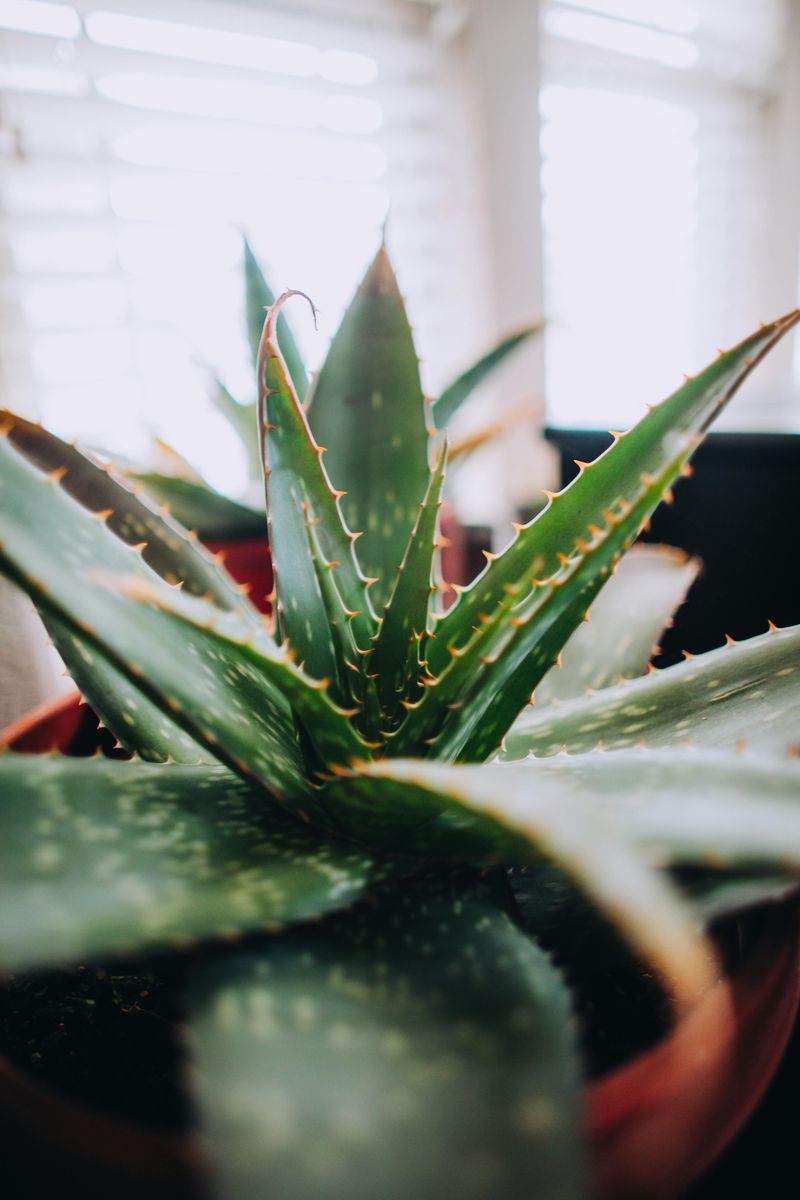
Spiky succulent leaves store soothing gel while aloe vera plants quietly filter formaldehyde and benzene from bedroom air throughout nighttime hours.
This multitasking plant serves double duty by purifying air and providing natural burn relief when you break off leaves carefully.
North Carolina gardeners appreciate aloe’s drought tolerance and minimal care requirements, making it perfect for forgetful waterers.
Bright light near windows encourages compact growth and healthy coloring, though aloe tolerates some shade.
Watering every three weeks during cooler months and every two weeks in summer keeps aloe happy without risking root rot.
Shallow root systems prefer wide, well-draining pots such as terracotta containers.
Aloe plants produce offsets called pups that can be separated and potted individually.
Formaldehyde from furniture and benzene from cleaning products get absorbed by aloe leaves while you rest.
Brown leaf tips indicate underwatering, while yellowing suggests overwatering.
Their architectural form adds sculptural interest to nightstands and dressers while supporting healthier indoor living.
6. English Ivy
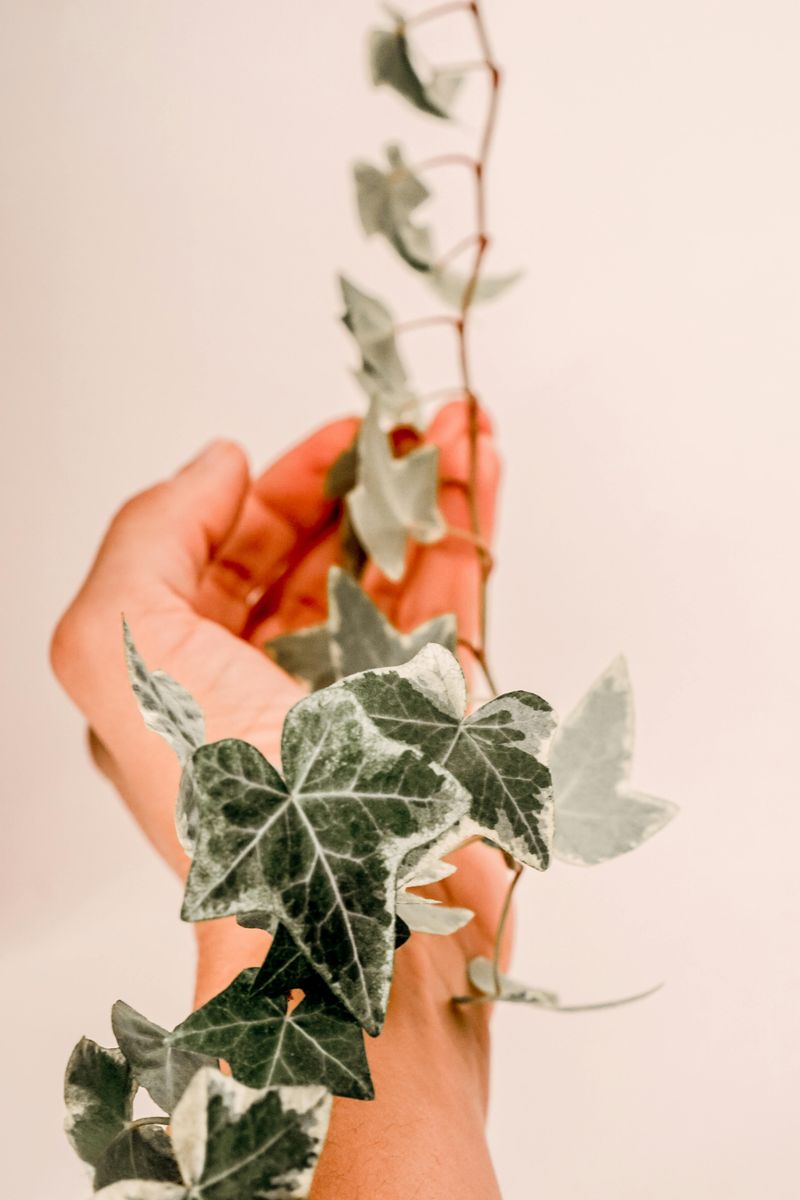
Trailing vines adorned with distinctive lobed leaves create living curtains while English ivy works tirelessly to remove airborne mold spores and toxins.
Research shows English ivy reduces airborne fecal particles and mold significantly, making it especially valuable for bedrooms with moisture issues or allergies.
North Carolina’s variable humidity levels suit this adaptable plant well, though it prefers cooler temperatures than many tropical houseplants require.
Its vigorous growth habit means regular pruning keeps it manageable and prevents it from overtaking your entire bedroom space unexpectedly.
Moderate light and consistent moisture produce the healthiest ivy, though it tolerates some neglect better than more finicky houseplants do.
Training vines along shelves or hanging them from ceiling hooks creates attractive green displays that maximize air-cleaning surface area effectively.
English ivy filters benzene, formaldehyde, trichloroethylene, and xylene, making it one of the most comprehensive air purifiers available for homes.
Spider mites occasionally bother ivy in dry indoor conditions, so misting leaves weekly or running humidifiers helps prevent infestations naturally.
Fertilizing monthly during spring and summer encourages lush growth that enhances both decorative appeal and air purification performance significantly.
Keep English ivy away from pets and children, as its leaves contain compounds that cause digestive upset if consumed in quantity.
7. Rubber Plant
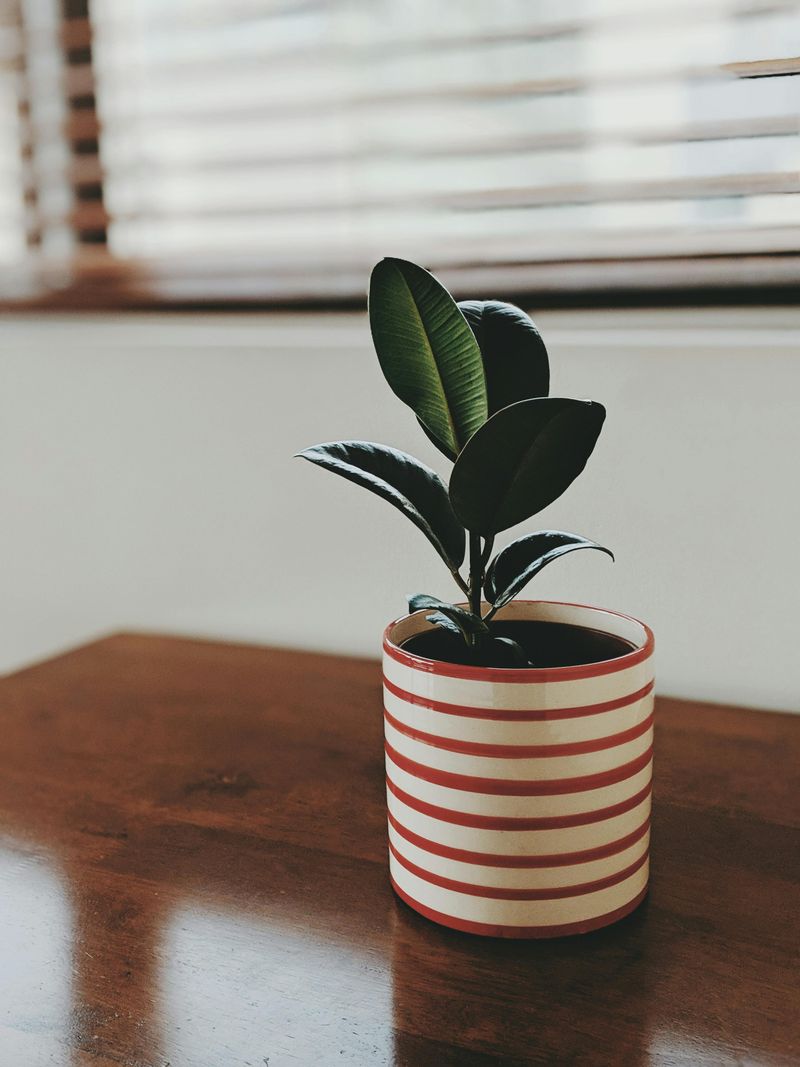
Bold, glossy leaves make dramatic statements while rubber plants efficiently process formaldehyde and other volatile organic compounds from bedroom air continuously.
These sturdy plants grow into impressive floor specimens that anchor bedroom corners with tropical elegance and substantial air-cleaning capacity over time.
North Carolina homeowners value rubber plants for their low-maintenance nature and ability to thrive in various indoor conditions without constant attention.
Their large leaf surface area maximizes photosynthesis and air filtration, making them highly efficient purifiers relative to their footprint size.
Bright indirect light produces the most vigorous growth, though rubber plants adapt to moderate light levels without losing their attractive appearance.
Watering when the top two inches of soil feel dry prevents both overwatering and underwatering problems that plague less attentive gardeners.
Wiping leaves monthly with a damp cloth removes dust that blocks light and reduces photosynthesis efficiency for optimal air cleaning.
Rubber plants occasionally drop lower leaves naturally as they grow taller, which is normal aging rather than a sign of problems.
Their upright growth habit saves floor space while still providing impressive visual impact and substantial air purification benefits for sleeping spaces.
Rotating plants quarterly ensures even growth on all sides, preventing them from leaning awkwardly toward light sources over time.
8. Dracaena
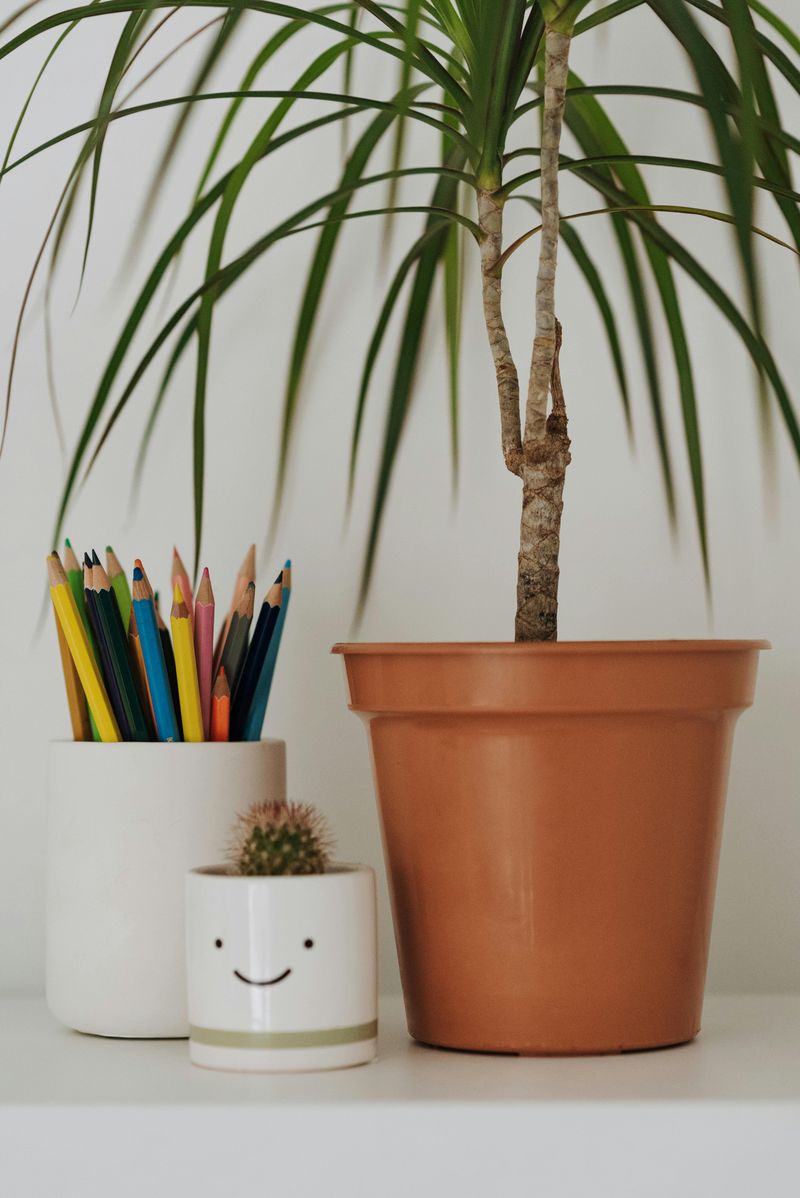
Sword-shaped leaves with colorful stripes bring architectural interest while dracaena varieties efficiently remove benzene, formaldehyde, trichloroethylene, and xylene from indoor environments.
Multiple dracaena species offer different leaf patterns and colors, letting you choose varieties that complement your bedroom’s existing decor perfectly.
North Carolina’s indoor climate suits these adaptable plants well, as they tolerate average household humidity and temperature fluctuations without showing stress.
Their slow growth rate means they maintain manageable sizes for years without requiring frequent repotting or drastic pruning interventions.
Moderate indirect light keeps dracaenas healthy, though they survive in lower light conditions better than many other air-purifying houseplants do.
Watering when the top half of soil feels dry prevents root rot while ensuring plants receive adequate moisture for growth.
Dracaenas signal overwatering through yellowing leaves and underwatering through brown tips, making them relatively easy to read and adjust.
Fluoride sensitivity causes leaf tip browning in some dracaena varieties, so using filtered or distilled water prevents this cosmetic issue.
Their vertical growth pattern makes them ideal for tight spaces where floor area is limited but ceiling height allows taller plants.
Dracaenas live for many years with minimal care, becoming long-term bedroom companions that continuously improve your indoor air quality reliably.
9. Pothos
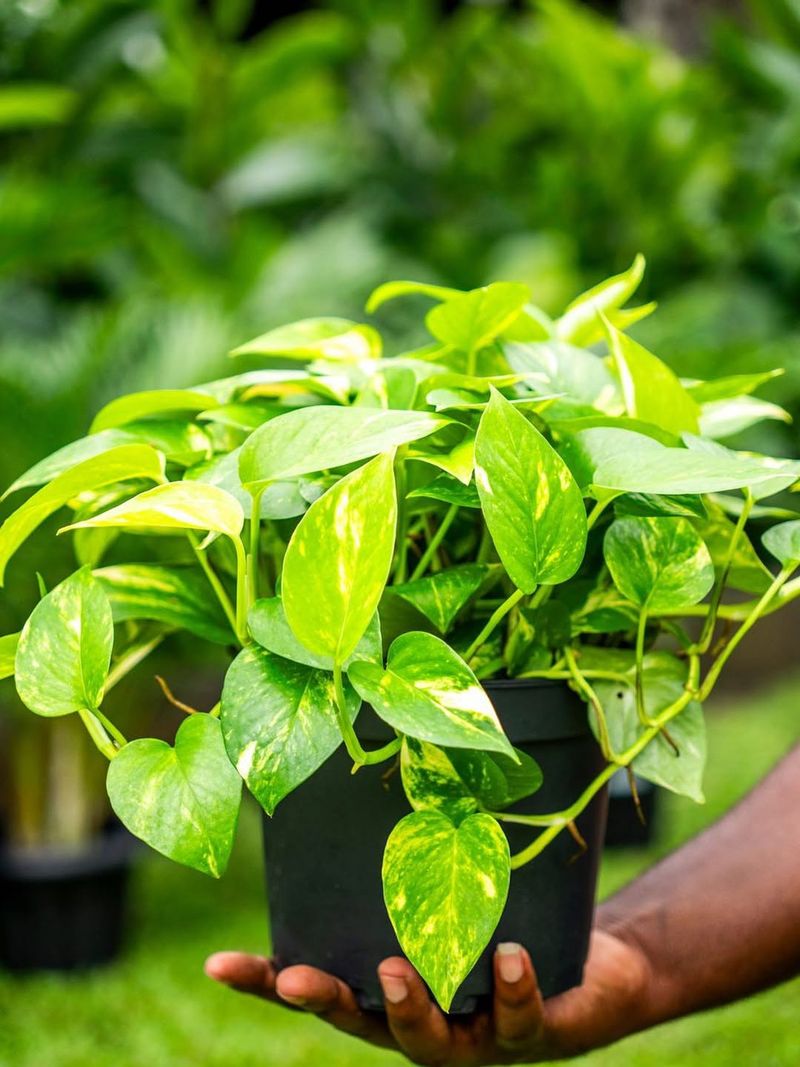
Heart-shaped leaves cascade gracefully from shelves and baskets while pothos plants scrub formaldehyde, xylene, and benzene from your bedroom’s breathing space.
Nearly indestructible, pothos thrives despite neglect, making it perfect for beginners or anyone seeking low-maintenance greenery that actually works hard.
North Carolina plant lovers appreciate how pothos adapts to almost any light condition, from bright indirect sun to shadowy corners with minimal illumination.
Their rapid growth produces long vines quickly, creating impressive displays that maximize air-cleaning leaf surface area in compact spaces.
Watering when soil feels dry to the touch keeps pothos happy, though they tolerate occasional drought better than overwatering.
Variegated varieties need slightly brighter light to maintain their colorful patterns, while solid green types thrive in dimmer conditions.
Pothos propagates easily from stem cuttings placed in water, letting you multiply your collection or share starts with friends inexpensively.
Pruning encourages bushier growth and prevents vines from becoming straggly or bare near the base over time with proper maintenance.
Their trailing habit works beautifully on high shelves, allowing vines to drape downward and create living green curtains that soften bedroom walls.
Keep pothos away from curious pets, as the leaves contain calcium oxalates that cause mouth irritation if chewed or swallowed.
10. Bamboo Palm
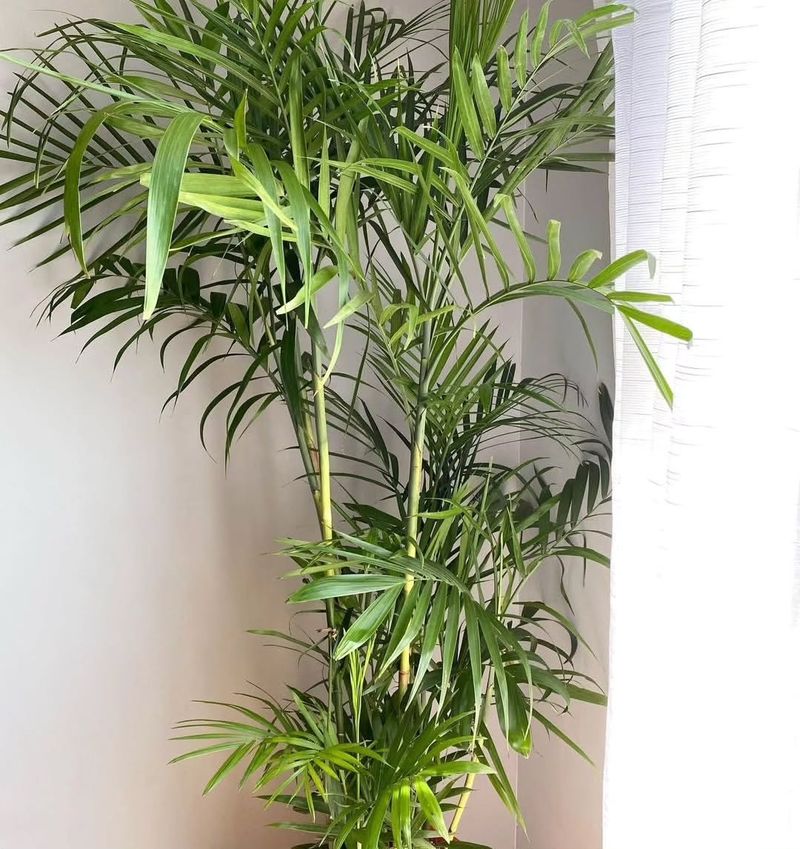
Graceful fronds sway gently in air currents while bamboo palms filter formaldehyde, benzene, and trichloroethylene from bedroom environments with tropical efficiency.
These elegant palms bring vacation vibes indoors while working as natural humidifiers that add moisture to dry air during winter heating seasons.
North Carolina residents appreciate bamboo palms for their shade tolerance and ability to thrive in lower light conditions where other palms fail.
Their clumping growth habit creates full, lush specimens that make bold statements in bedroom corners or beside furniture pieces.
Consistent moisture keeps bamboo palms looking their best, so checking soil regularly and watering when the top inch dries out prevents problems.
Bright indirect light produces the most vigorous growth, though these adaptable palms tolerate moderate shade without becoming weak or spindly.
Monthly feeding during growing seasons with balanced fertilizer encourages healthy fronds that maximize air purification and decorative appeal simultaneously.
Spider mites occasionally appear on palms in dry indoor conditions, but regular misting or humidifier use prevents most infestations naturally.
Brown leaf tips usually indicate fluoride sensitivity or low humidity rather than serious health problems requiring major intervention.
Bamboo palms grow slowly and steadily, eventually reaching impressive sizes that transform bedrooms into peaceful, tropical-inspired sanctuaries with cleaner air.
11. Chrysanthemum
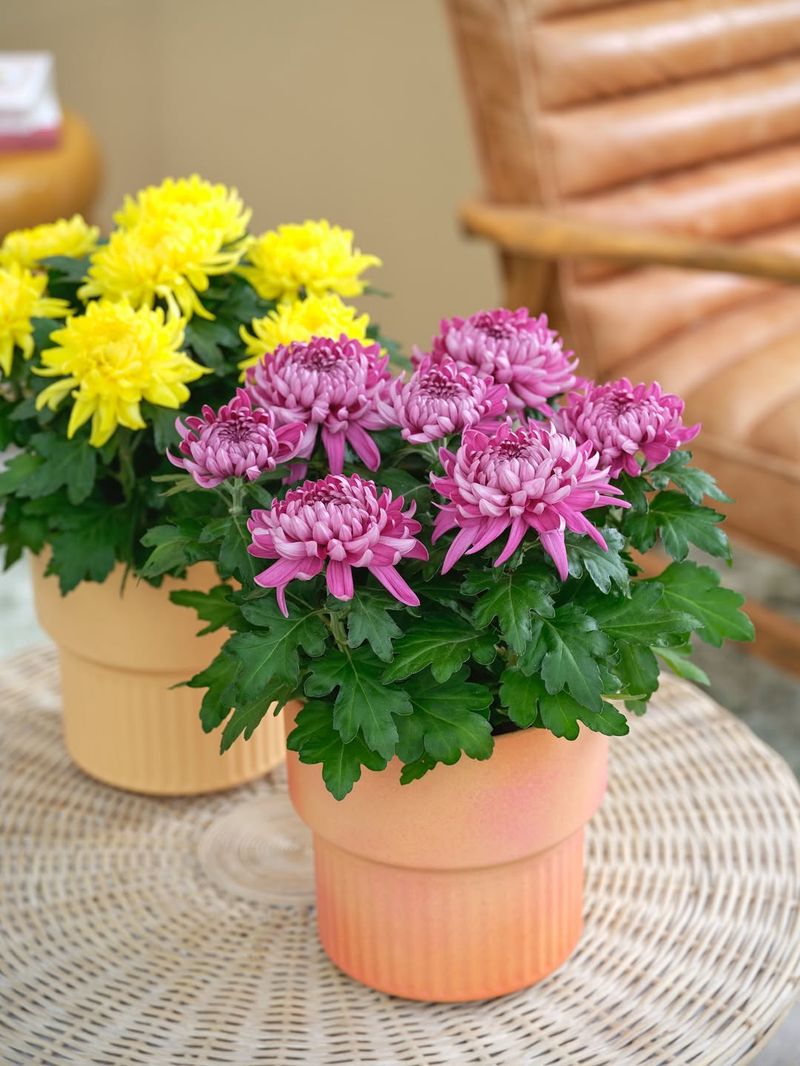
Cheerful blooms in vibrant colors brighten bedrooms while chrysanthemums filter ammonia, benzene, formaldehyde, and xylene from indoor air with impressive efficiency.
NASA studies ranked chrysanthemums among the top air-purifying plants available, making them valuable additions despite their temporary flowering nature indoors.
North Carolina gardeners often bring potted mums indoors temporarily, enjoying their blooms and air-cleaning benefits before transplanting them to outdoor gardens.
Bright light from sunny windows keeps chrysanthemums blooming longer and encourages them to produce the most flowers and foliage possible.
Consistent moisture prevents wilting and extends bloom time, so checking soil daily during flowering periods ensures plants receive adequate water supplies.
Removing spent flowers encourages additional blooming and keeps plants looking fresh and attractive throughout their indoor display period successfully.
Chrysanthemums prefer cooler temperatures, making them ideal for bedrooms kept around 60–70 degrees Fahrenheit for comfortable sleeping conditions.
Their dense foliage and abundant flowers provide substantial surface area for air filtration, making them highly effective purifiers relative to size.
After blooming finishes indoors, transplanting chrysanthemums to outdoor gardens gives them a second life and makes room for new plants.
Their temporary nature means they offer intense air-cleaning benefits during their stay, then transition outdoors where they continue providing beauty seasonally.
12. Gerbera Daisy
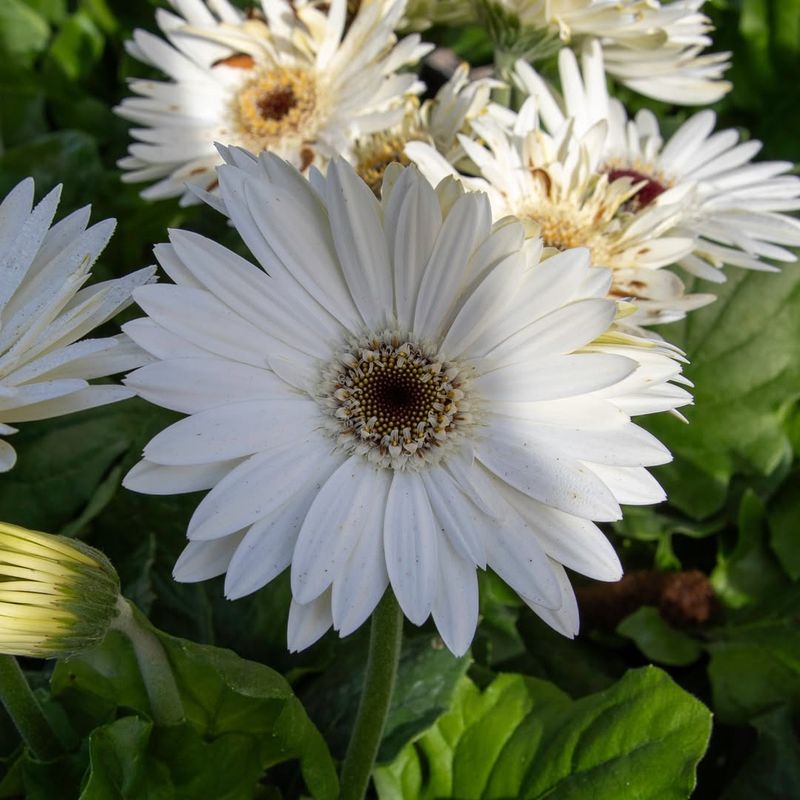
Brilliant daisy-like blooms in rainbow hues add cheerful pops of color while gerbera daisies remove benzene and trichloroethylene from bedroom air.
These flowering plants release oxygen at night while absorbing carbon dioxide, making them particularly beneficial for improving sleep quality and breathing comfort.
North Carolina plant enthusiasts appreciate gerberas for their long-lasting blooms and ability to brighten indoor spaces with vibrant, cheerful colors year-round.
Bright, direct sunlight from south or west-facing windows provides the intense light gerberas need for continuous flowering and healthy growth.
Careful watering prevents crown rot, so water soil directly rather than overhead and ensure excellent drainage in pots always.
Gerberas prefer slightly cooler temperatures and good air circulation, making them ideal for well-ventilated bedrooms with moderate climate control.
Deadheading spent blooms regularly encourages plants to produce more flowers and extends their decorative display period significantly for maximum enjoyment.
Their dense rosette of leaves and large flowers provide ample surface area for filtering toxins from indoor air efficiently.
Gerberas can be challenging to maintain long-term indoors, but their impressive air-purifying abilities make the extra effort worthwhile for many.
Fertilizing every two weeks with bloom-boosting formulas supports continuous flowering and robust growth that maximizes both beauty and air-cleaning benefits.
13. Philodendron
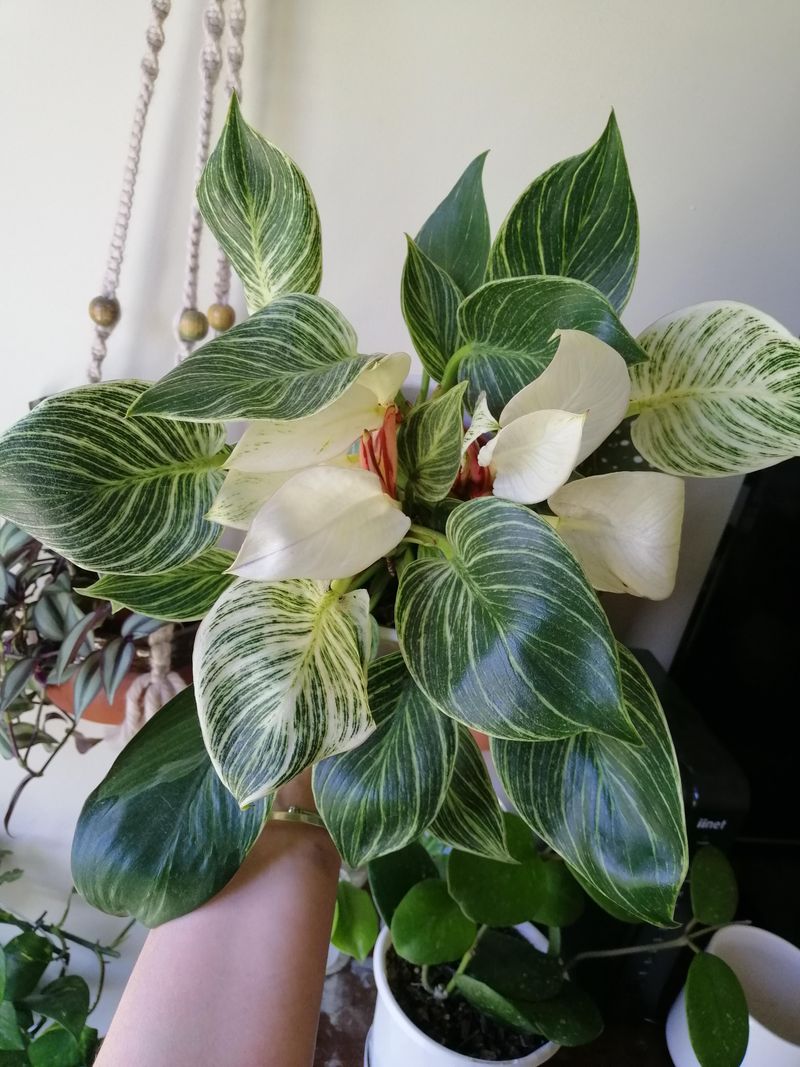
Lush, heart-shaped leaves create verdant displays while philodendrons efficiently remove formaldehyde from bedroom air during nighttime and daytime hours alike.
These classic houseplants adapt to various growing conditions with remarkable resilience, making them perfect for both experienced and novice plant parents.
North Carolina homes provide ideal environments for philodendrons, which appreciate moderate humidity and warm temperatures similar to their native tropical habitats.
Their climbing or trailing growth habits offer versatility, allowing you to train them up moss poles or let them cascade from baskets.
Moderate indirect light keeps philodendrons growing steadily without causing leaf burn or leggy, weak growth patterns over extended periods.
Watering when the top inch of soil dries out provides adequate moisture without risking root rot from overly soggy conditions.
Philodendrons grow quickly under good conditions, producing new leaves regularly that expand your plant’s air-cleaning capacity and visual appeal.
Wiping leaves occasionally removes dust and helps them photosynthesize more efficiently, improving both appearance and air purification performance measurably.
Their forgiving nature makes them excellent starter plants for anyone building a bedroom jungle focused on cleaner air and greenery.
Keep philodendrons away from pets and children, as their leaves contain calcium oxalates that irritate mouths and digestive systems if consumed.