These 10 Houseplants Love Oregon’s Low-Light Winters
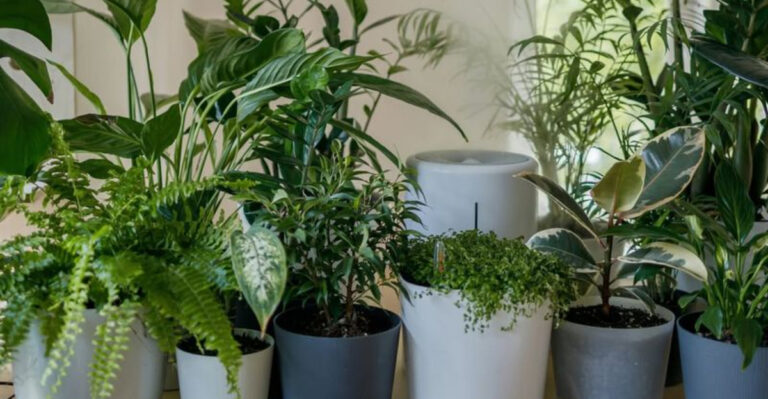
During Oregon’s long, gray winters, I’ve learned that keeping houseplants happy can feel like a bit of a challenge.
Some days, the light barely makes it past the clouds, and it’s easy to feel like my plants are struggling right along with me.
Over the years, I’ve discovered that not all houseplants need bright sun to thrive, some actually love these low-light months.
I’ve started gravitating toward plants that don’t mind the dim corners of my living room or the north-facing window that barely sees the sun.
They’re surprisingly hardy, forgiving if I forget a watering here and there, and they bring a touch of green that makes the house feel lively even when the outdoors looks gray and dreary.
From leafy favorites that spread cheer across shelves to compact plants perfect for small apartments, there are plenty of options to keep your indoor garden thriving through Oregon’s winter.
I’ve tried a few myself, and I love seeing them quietly grow and brighten my home during the darker months.
1. Pothos
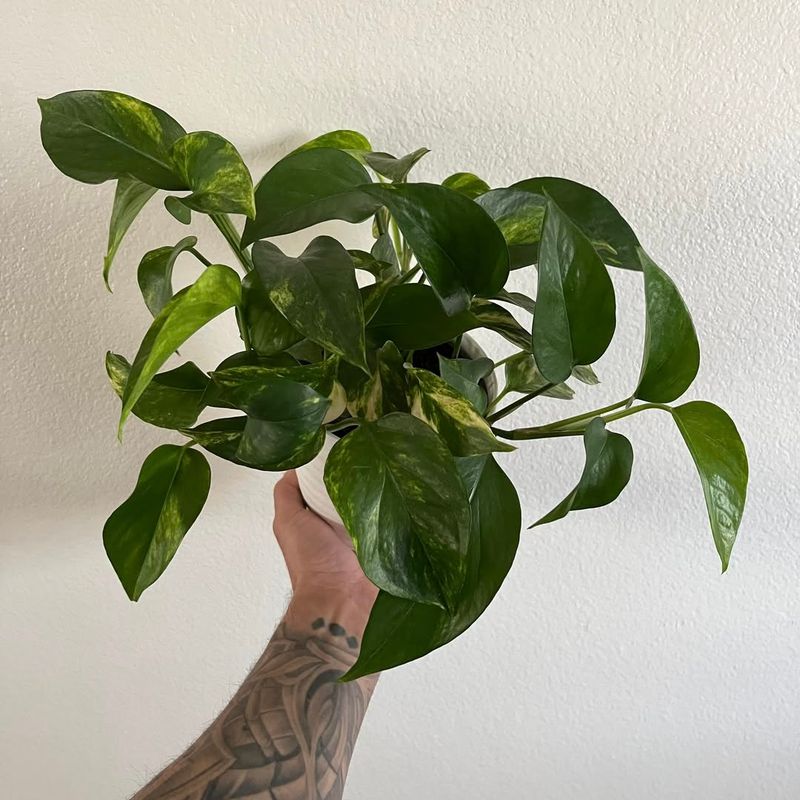
Pothos might just be the most forgiving plant you’ll ever own.
It grows in dim corners, bright rooms, and everything in between.
Oregon’s cloudy winter days won’t slow it down one bit.
The heart-shaped leaves cascade down from shelves and climb up walls if you give them something to grab onto.
You’ll see new growth even when the rain clouds stick around for weeks.
Watering is simple.
Wait until the soil dries out, then give it a good drink.
Overwatering causes more problems than underwatering with this plant.
Pothos tolerates a little neglect, which makes it perfect for busy households.
The vines can grow several feet long, creating a lush curtain of green that brightens any space.
Trim it back when it gets too long, and stick the cuttings in water.
They’ll root quickly, and you can share baby plants with friends or fill more spots in your home.
Golden pothos features yellow variegation, while marble queen shows off white and green patterns.
All varieties handle low light beautifully.
Place one on top of your fridge, hang it in a bathroom, or tuck it into a shadowy bookshelf.
Pothos adapts and thrives wherever you put it, making your Oregon winter feel a whole lot greener.
2. Snake Plant
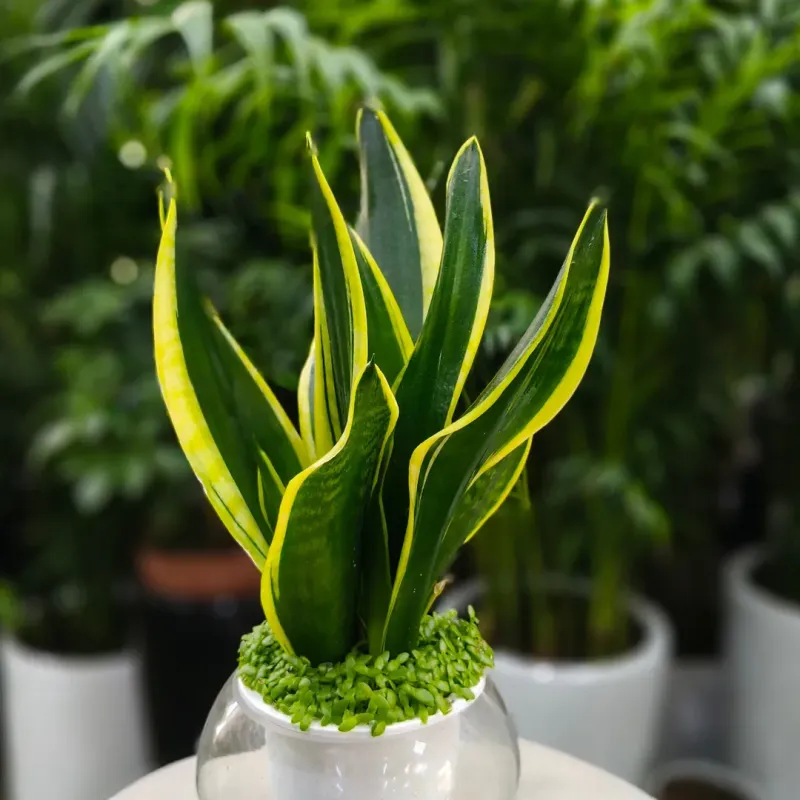
Snake plants stand tall and proud, even when your home feels like a cave.
Their thick, upright leaves store water like little reservoirs, so you won’t need to fuss over them constantly.
Perfect for anyone who sometimes forgets to water.
These plants originally come from West Africa, where they grow in the shade of bigger plants and rocky outcrops.
Oregon’s dim winter light mimics their natural habitat better than blazing sunshine ever could.
The striped, sword-like leaves add a modern, sculptural look to any room.
You can find varieties with dark green coloring, yellow edges, or silvery-blue tones.
All of them handle neglect like champions.
Water sparingly during winter months.
The cooler temperatures and lower light mean the plant grows more slowly and needs less moisture.
Once every three to four weeks is usually plenty.
Snake plants also clean the air in your home, filtering out toxins while you sleep.
They release oxygen at night, unlike most plants, making them great bedroom companions.
Place one in a corner that never sees direct sun, and watch it hold its shape and color all winter long.
It won’t wilt, won’t complain, and won’t demand much attention.
Just the kind of reliable green friend you need when the weather outside stays gray.
3. ZZ Plant
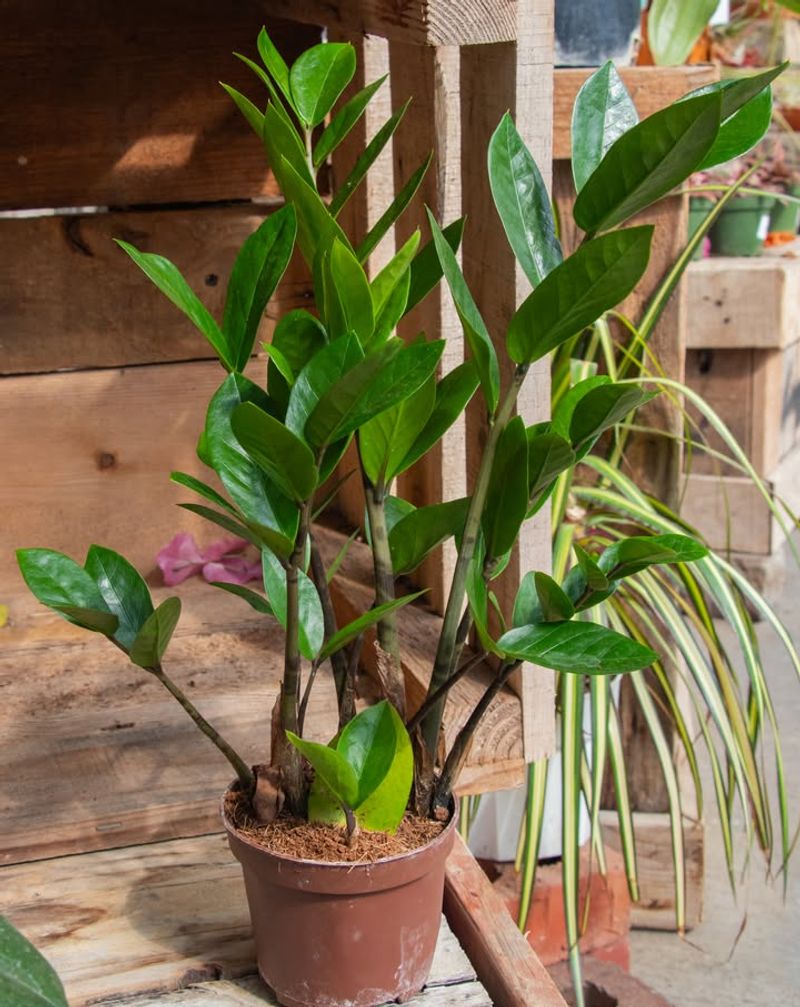
ZZ plants look polished and glossy, like someone just wiped down every leaf with a soft cloth.
The thick, waxy foliage reflects whatever light is available, making the plant seem to glow even on the grayest Oregon day.
This one comes from East Africa, where it grows in dry, shaded conditions.
It stores water in its thick rhizomes underground, so it can go weeks without a drink.
Overwatering is the only real way to mess up with a ZZ plant.
During winter, you might only need to water once a month.
Check the soil first.
If it feels dry a couple inches down, go ahead and water.
If not, wait a bit longer.
The stems grow upright and graceful, creating a full, bushy appearance without taking up too much space.
You can tuck a ZZ plant into an office, a bedroom, or even a bathroom with just a small window.
It won’t mind the low light at all.
New growth emerges bright green and gradually darkens as it matures.
Watching those fresh shoots unfurl brings a little spark of joy during the long, rainy season.
ZZ plants rarely have pest problems and almost never need fertilizer.
They just sit there, looking elegant and unbothered.
If you want a plant that makes you look like a green thumb without much effort, this is the one.
4. Peace Lily
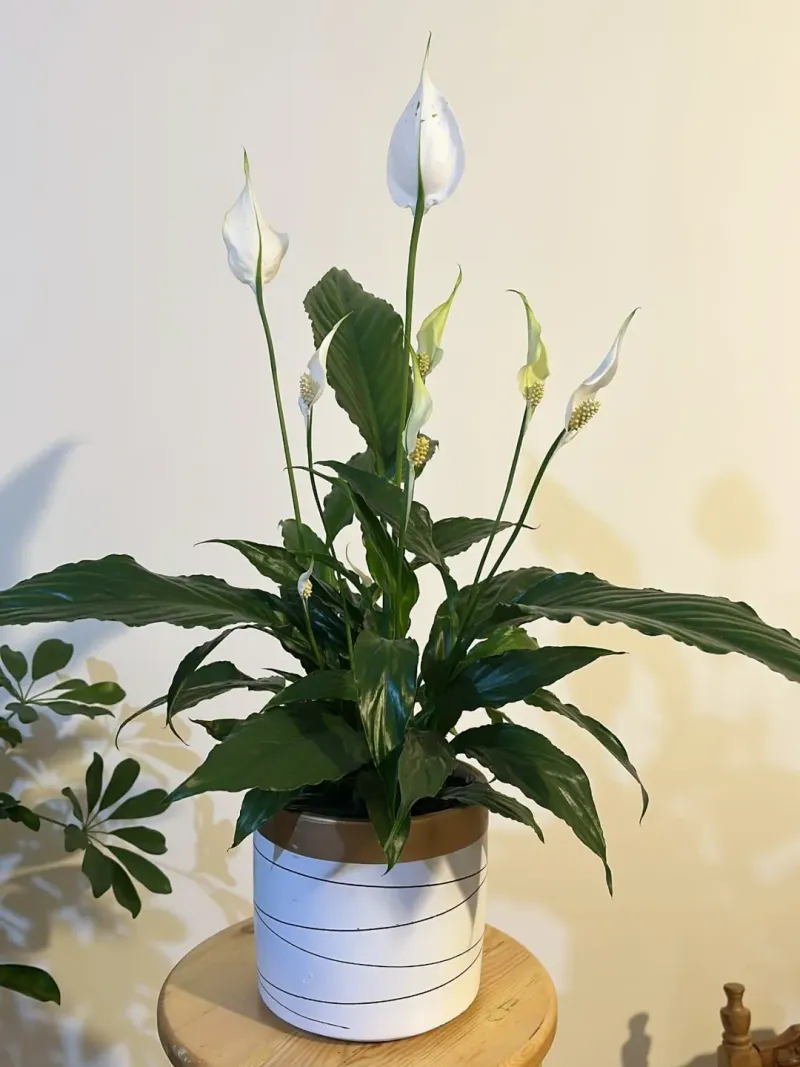
Peace lilies bloom even when the sun hides behind clouds for days on end.
Those elegant white flowers emerge from dark green foliage, creating a stunning contrast that brightens any room.
Each bloom lasts for weeks, and the plant can flower multiple times throughout the year if conditions stay consistent.
Native to tropical rainforests, peace lilies grow on the forest floor where sunlight barely penetrates.
Your dim Oregon home feels just right to them.
They prefer evenly moist soil, so check the pot every few days.
The leaves will droop slightly when the plant needs water, giving you a clear signal.
A quick drink perks them right back up within hours.
Peace lilies also help clean indoor air, removing common pollutants like formaldehyde and benzene.
You’ll breathe easier with one nearby.
Place them in bathrooms or kitchens where humidity runs a bit higher.
They appreciate the extra moisture in the air.
If your home runs dry during winter, mist the leaves occasionally or set the pot on a tray of pebbles with water.
The plant will reward you with lush growth and regular blooms.
Peace lilies stay compact, rarely growing taller than two feet indoors.
They fit nicely on tables, counters, or plant stands.
With minimal care, they’ll thrive all winter long and remind you that beauty can flourish even in the shadows.
5. Cast Iron Plant
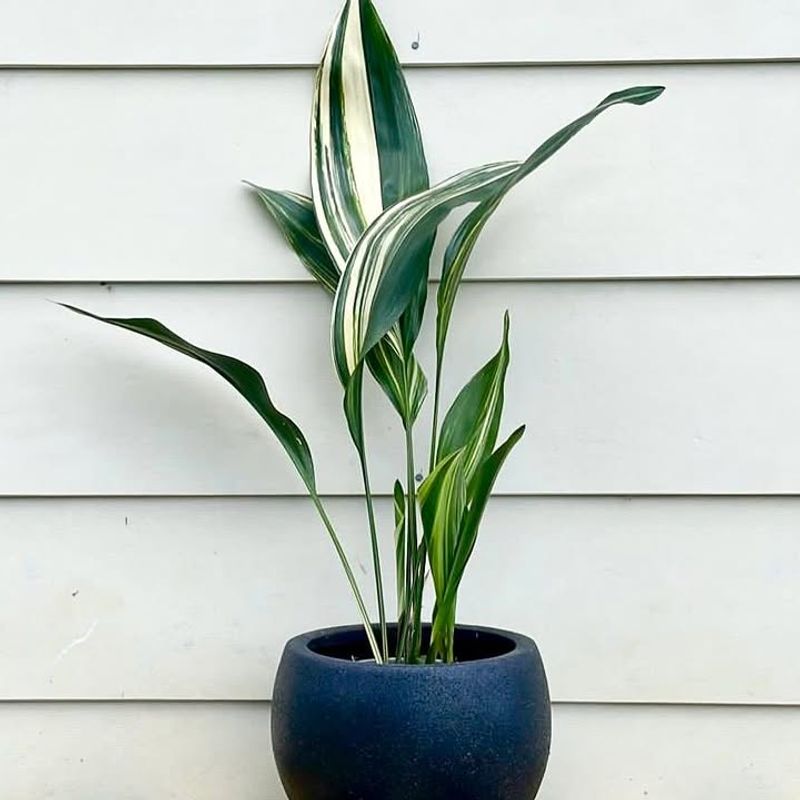
If you’ve struggled to keep houseplants alive in the past, the cast iron plant is your redemption story.
It earns its name by tolerating just about anything you throw at it.
Low light, irregular watering, temperature swings, and dry air won’t faze it.
Originally from the forests of Japan and Taiwan, this plant grows in deep shade under dense canopies.
Oregon’s winter gloom is actually brighter than what it’s used to.
The broad, dark green leaves arch gracefully from the base, creating a full, elegant look.
Some varieties feature white or yellow stripes running down the leaves, adding extra visual interest.
Growth happens slowly, so you won’t need to repot often.
Water when the top inch or two of soil dries out.
During winter, that might mean watering every two to three weeks.
The plant can handle being a bit dry better than sitting in soggy soil.
Cast iron plants rarely attract pests and don’t require fertilizer during the dormant winter months.
They just sit quietly in their corner, looking good and asking for almost nothing.
Place one in a hallway, a north-facing room, or any spot that doesn’t get much natural light.
It’ll stay green and healthy all season long.
This plant proves that you don’t need a sunny window to enjoy living greenery in your home.
Sometimes the toughest plants are also the most beautiful.
6. Philodendron
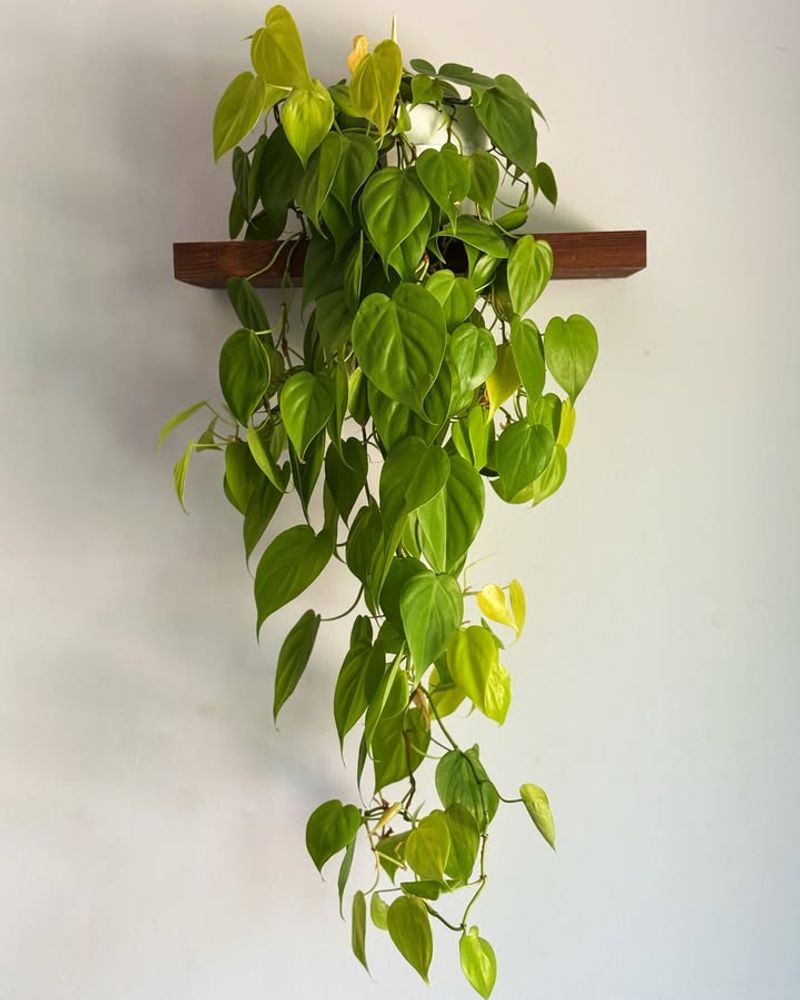
Philodendrons come in dozens of varieties, but they all share one trait: they thrive in low light.
Heart-leaf philodendrons are especially popular, with their glossy, trailing vines that can stretch across an entire wall if you give them time.
These plants hail from the rainforests of Central and South America, where they climb trees and sprawl across the forest floor.
They’re used to filtered light and high humidity, so Oregon winters suit them just fine.
Water when the top inch of soil feels dry to the touch.
Philodendrons like consistent moisture but won’t tolerate waterlogged roots.
Empty the drainage tray after watering so the pot doesn’t sit in standing water.
The vines grow quickly, even in winter, sending out new leaves every few weeks.
You can train them to climb a moss pole or let them cascade from a hanging basket.
Either way, they create a lush, tropical vibe indoors.
Dust the leaves occasionally to keep them shiny and help the plant absorb whatever light is available.
Philodendrons also tolerate pruning well.
Snip off leggy stems to encourage bushier growth, and root the cuttings in water to propagate new plants.
Within a few weeks, you’ll have baby philodendrons to share or spread around your home.
These plants bring a touch of the jungle to your space without needing bright sun or complicated care routines.
They just grow, adapt, and look gorgeous doing it.
7. Dracaena
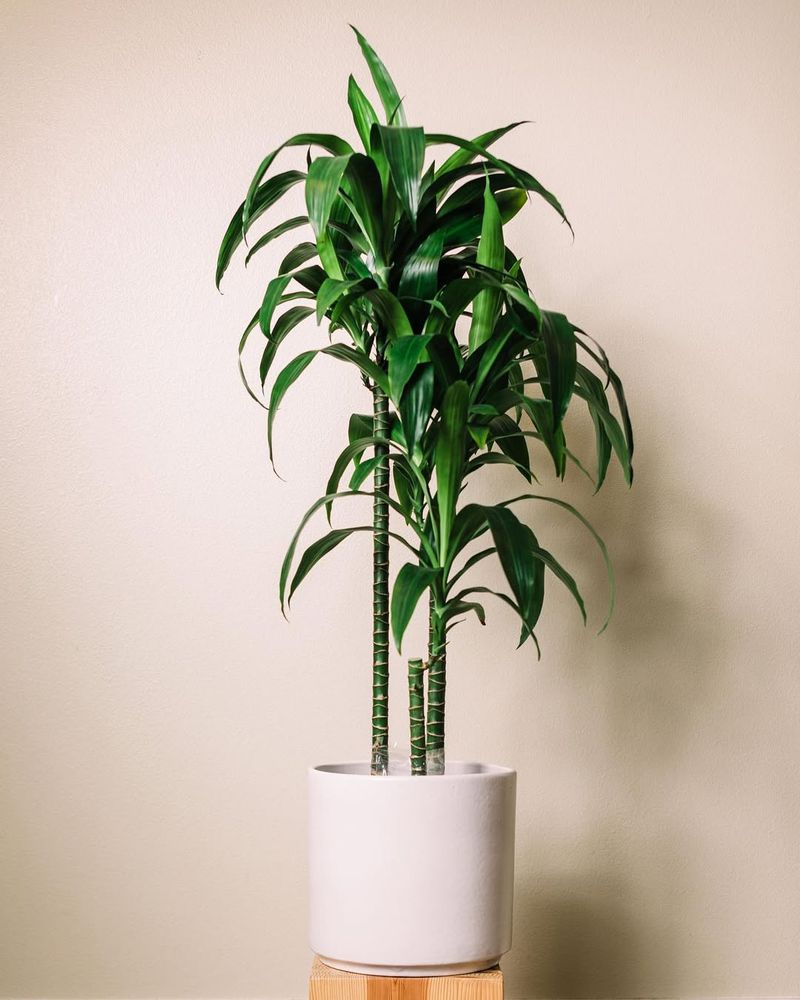
Dracaenas add height and drama to any room without demanding much in return.
Their tall, woody stems and arching leaves create a tree-like silhouette that works beautifully in corners or next to furniture.
Several varieties thrive in low light, including the popular corn plant and the striking dragon tree.
These plants come from Africa and parts of Asia, where they grow under the canopy of larger trees.
They’re built for shade and handle Oregon’s dim winters with ease.
Water when the top couple inches of soil dry out.
Dracaenas prefer to dry out slightly between waterings, especially during the cooler months when growth slows down.
Overwatering can lead to root rot, so err on the side of caution.
The leaves come in various colors and patterns, from solid green to striped with yellow, white, or red.
They add color and texture even when the world outside looks monochrome.
Dracaenas grow slowly, so you won’t need to worry about them outgrowing their space quickly.
Wipe the leaves down every few weeks to remove dust and keep them looking fresh.
These plants also help purify indoor air, filtering out chemicals commonly found in household products.
Place a dracaena in a living room, bedroom, or office where natural light is limited.
It’ll stand tall and steady, providing a green focal point that makes your space feel more alive.
With minimal care, it’ll thrive all winter and beyond.
8. Chinese Evergreen
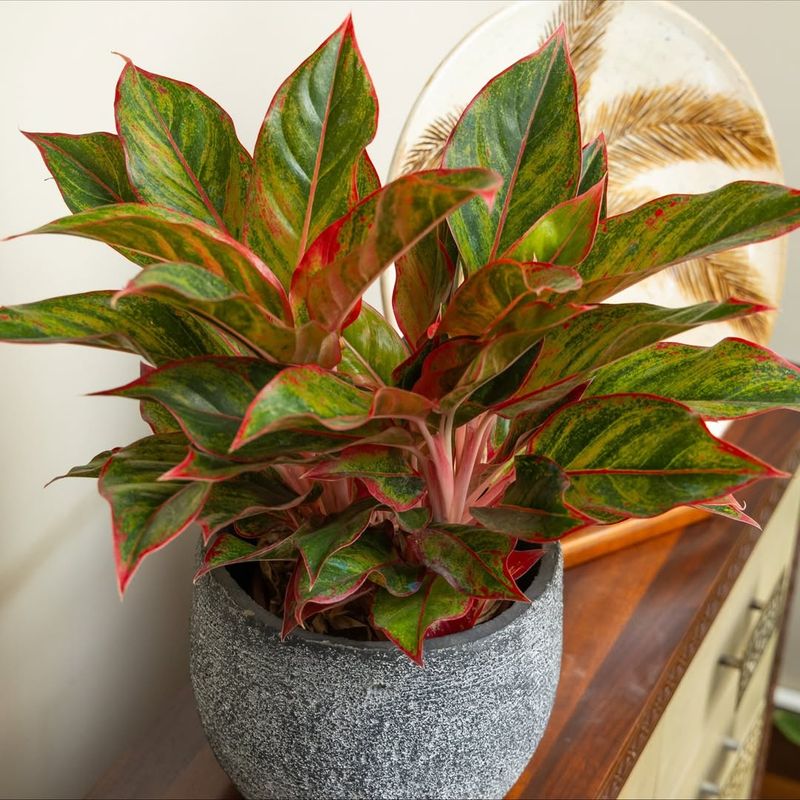
Chinese evergreens bring a splash of color to low-light spaces without needing any sun at all.
Their patterned leaves feature shades of green, silver, pink, or red, depending on the variety.
Each plant looks like a piece of living art.
These tropical beauties come from the rainforests of Southeast Asia, where they grow under thick canopies.
Oregon’s cloudy skies mimic those conditions perfectly.
Chinese evergreens grow slowly and stay compact, making them ideal for small spaces.
Place one on a desk, a nightstand, or a kitchen counter.
It won’t demand much room or attention.
Water when the top inch of soil dries out.
These plants like consistent moisture but won’t tolerate soggy roots.
During winter, you might water every week or two, depending on your home’s humidity and temperature.
The colorful foliage stays vibrant even in dim light, though some varieties may lose a bit of their pink or red tones if conditions get too dark.
Bright, indirect light brings out the best colors, but they’ll still thrive in shadier spots.
Chinese evergreens rarely have pest problems and don’t need frequent fertilizing.
They just grow steadily, sending up new leaves every few weeks.
If you want a plant that adds color and interest without needing a sunny window, this is your best bet.
It’ll brighten your space all winter long, reminding you that not everything beautiful needs sunshine to flourish.
9. Spider Plant
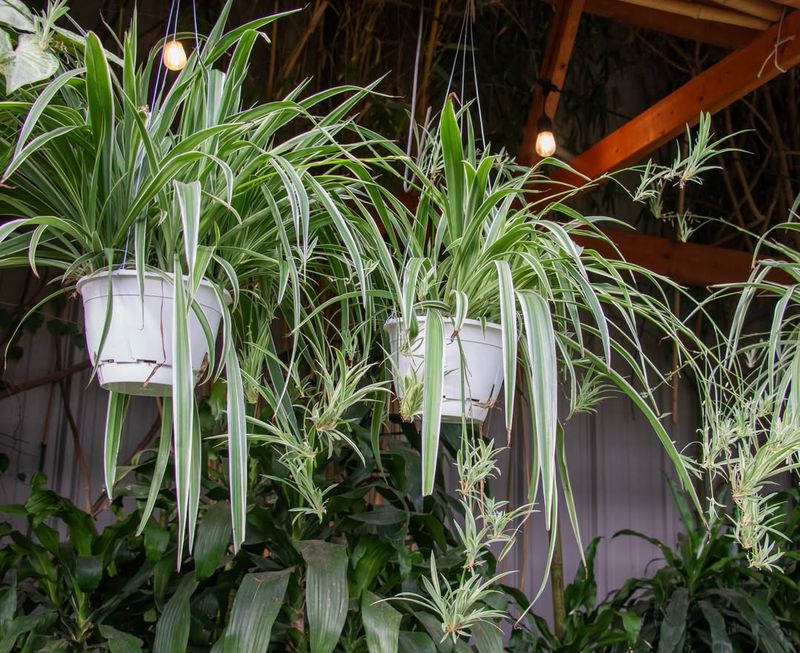
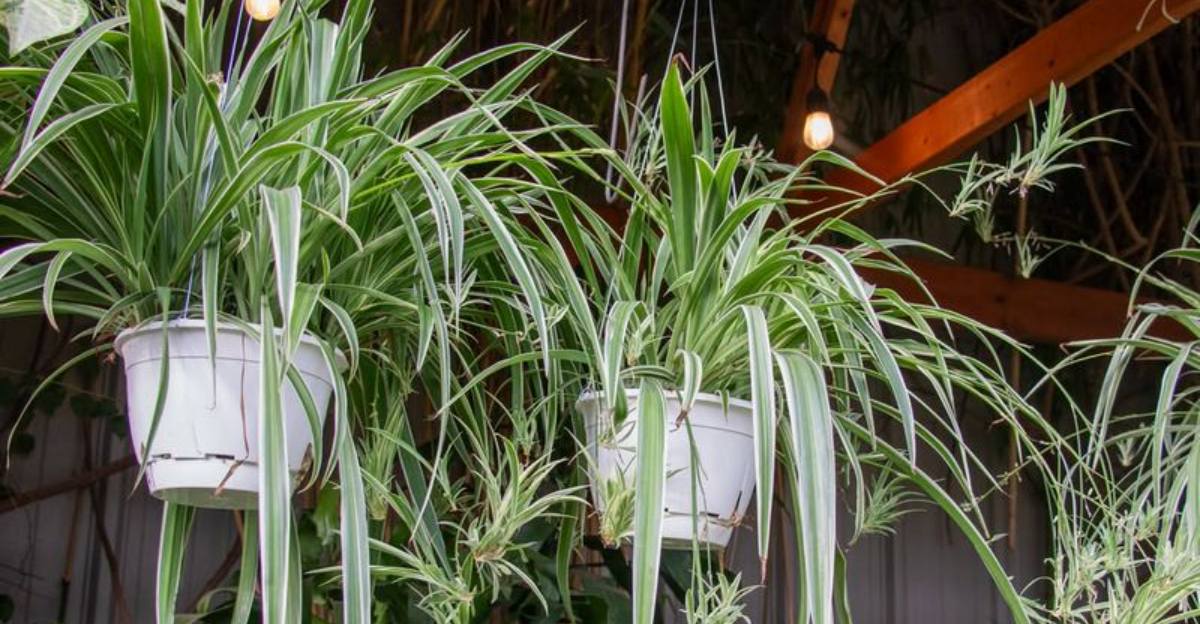
Spider plants are cheerful, easy, and endlessly generous.
They produce baby plantlets on long stems that dangle down like little green spiders, ready to root and grow into new plants.
You’ll have an endless supply to share with neighbors and friends.
These plants come from South Africa, where they grow in shaded forests and grasslands.
They adapt easily to indoor conditions and tolerate low light better than you might expect.
The arching, striped leaves create a fountain-like shape that looks great in hanging baskets or on shelves.
Water when the soil starts to dry out.
Spider plants like evenly moist soil but can handle occasional dryness without too much fuss.
They store water in their thick, tuberous roots, giving them a buffer during forgetful moments.
During Oregon’s rainy winters, your home’s humidity levels might fluctuate.
Spider plants handle it all without complaint.
They also filter indoor air, removing toxins and releasing fresh oxygen.
Place one in a bathroom, kitchen, or any room where you spend a lot of time.
The baby plantlets appear on long stems after the plant matures.
You can snip them off and pot them up, or leave them attached for a cascading, layered look.
Either way, spider plants bring life and movement to your space.
They’re forgiving, fun, and full of personality.
Perfect for Oregon winters when you need a little green cheer to brighten the gloom.
10. Prayer Plant
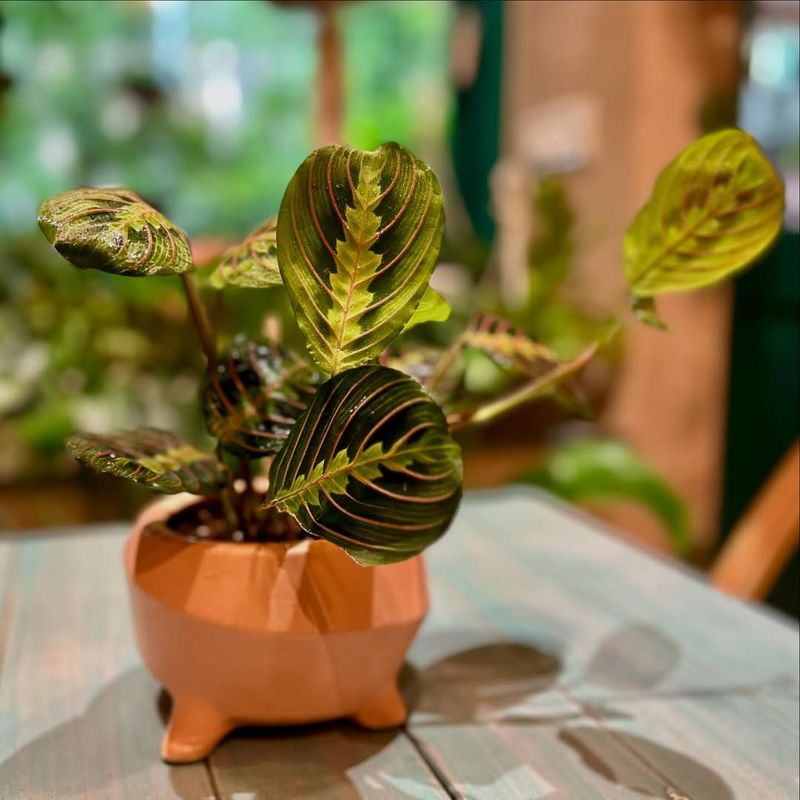
Prayer plants put on a nightly show that never gets old.
As evening approaches, the leaves fold upward like hands in prayer, then open again in the morning.
It’s a gentle reminder that your plants are alive and responding to the world around them.
These beauties come from the rainforests of Brazil, where they grow in the shade of towering trees.
They’re built for low light and high humidity, making them a great match for Oregon’s damp, gray winters.
The leaves feature stunning patterns with shades of green, red, and cream, creating a tapestry of color that brightens any space.
Water when the top half-inch of soil dries out.
Prayer plants like consistent moisture and don’t appreciate drying out completely.
Keep the soil slightly damp but not soggy.
They also enjoy humidity, so mist the leaves occasionally or place the pot on a pebble tray with water.
If your bathroom has a window, even a small one, a prayer plant will thrive there.
These plants grow low and bushy, spreading out rather than growing tall.
They look lovely on shelves, tables, or in shallow pots.
New leaves unfurl tightly curled, then slowly open to reveal their intricate patterns.
Prayer plants grow steadily through winter, sending out fresh foliage even when the days stay short.
They bring movement, color, and a touch of the tropics to your home without needing bright sun or complicated care.
Just water, watch, and enjoy the daily rhythm of their folding leaves.