These Houseplants Need Special Winter Care In Pennsylvania
Winter in Pennsylvania can be tough, not just for outdoor plants but for houseplants too. Shorter days, dry indoor air, and colder temperatures can quickly stress plants that normally grow well during warmer months.
Many homeowners don’t realize that some houseplants need extra care in winter to stay healthy and strong. Without the right attention, leaves may turn yellow, growth can slow down, and plants can even stop thriving altogether.
The good news is that a few simple changes can make a big difference. Knowing which plants need special care helps you avoid common problems and keep your indoor space looking fresh.
If you want your houseplants to survive winter and bounce back beautifully in spring, it’s important to understand what they need during the colder months. Let’s take a look at which houseplants require extra winter care in Pennsylvania homes.
1. Fiddle Leaf Fig
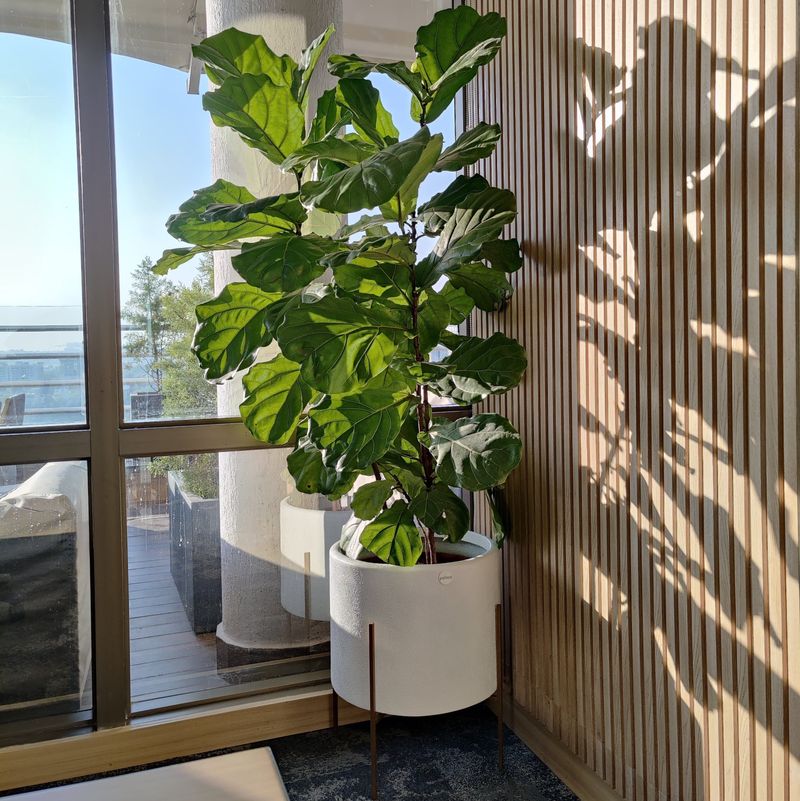
Fiddle leaf figs have become incredibly popular, but they’re also famously fussy during Pennsylvania winters. These tropical plants absolutely hate cold drafts and sudden temperature changes.
When you turn down the heat at night or a chilly breeze slips through your window, your fiddle leaf fig notices immediately.
Temperature consistency matters more than you might think. Keep your plant away from exterior walls, drafty windows, and heating vents throughout winter months.
Room temperatures between 60 and 75 degrees work best, and dramatic swings can cause those big beautiful leaves to turn brown and drop.
Humidity presents another challenge in Pennsylvania homes during winter. Heating systems suck moisture from the air, creating desert-like conditions that stress tropical plants.
Your fiddle leaf fig prefers humidity levels around 40 to 60 percent, which is much higher than most heated homes provide.
Watering becomes trickier when growth slows down. Check the soil before adding water, letting the top two inches dry out completely.
Overwatering in winter leads to root problems that show up as drooping leaves and brown spots.
Light requirements don’t change just because it’s cold outside. These plants still need bright, indirect sunlight for several hours daily.
South-facing windows work wonderfully in Pennsylvania during winter, providing maximum light without harsh afternoon rays. Rotate your plant every few weeks so all sides receive equal exposure.
Clean those large leaves monthly with a damp cloth to remove dust that blocks light absorption. Consider adding a grow light if your home doesn’t get enough natural brightness during short winter days.
2. Boston Fern
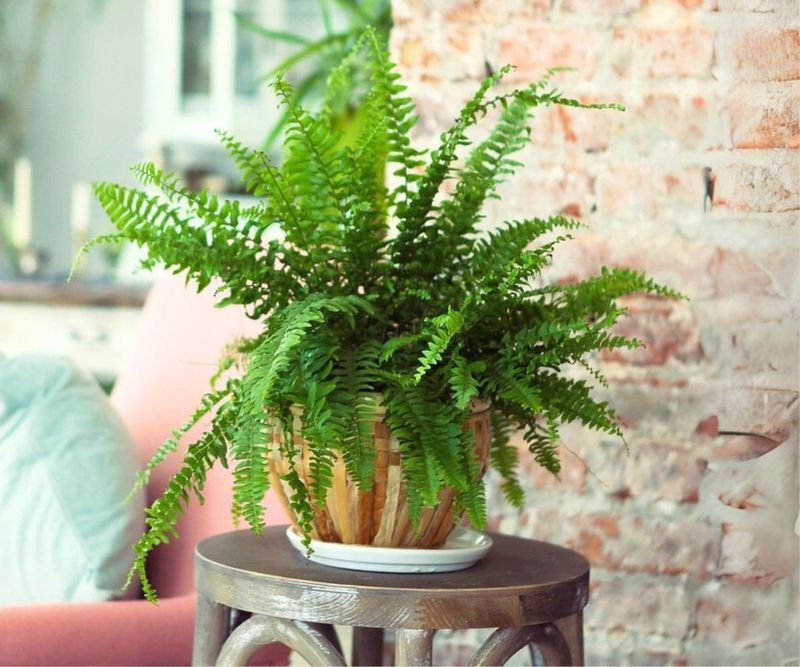
Boston ferns bring gorgeous greenery indoors, but Pennsylvania winters test their patience. Originally from tropical forests, these plants expect warmth and moisture year-round. Your heated home creates the exact opposite environment they prefer.
Dry indoor air causes the most problems for Boston ferns during cold months. Brown, crispy fronds signal that humidity levels have dropped too low.
These plants thrive when humidity reaches 50 percent or higher, which rarely happens naturally in Pennsylvania homes between November and March.
Creating a humid microclimate helps tremendously. Place your fern on a pebble tray filled with water, making sure the pot sits above the waterline.
Group several plants together so they share moisture through transpiration. Run a humidifier nearby, especially if you notice leaf tips turning brown.
Misting provides temporary relief but doesn’t solve the underlying humidity problem. The moisture evaporates quickly in dry, heated air.
Instead, consider moving your Boston fern to naturally humid rooms like bathrooms or kitchens where steam from showers and cooking raises moisture levels.
Watering frequency needs adjustment as growth slows during shorter days. The soil should stay consistently moist but never waterlogged.
Check it every few days by sticking your finger an inch deep. Cool temperatures mean slower evaporation, so you’ll water less often than summer.
Light requirements remain important even when your fern isn’t actively growing. Bright, indirect light works best throughout Pennsylvania winters.
East-facing windows provide gentle morning sun without harsh afternoon heat. Keep your fern away from cold window glass that can damage tender fronds on frigid nights.
3. African Violet
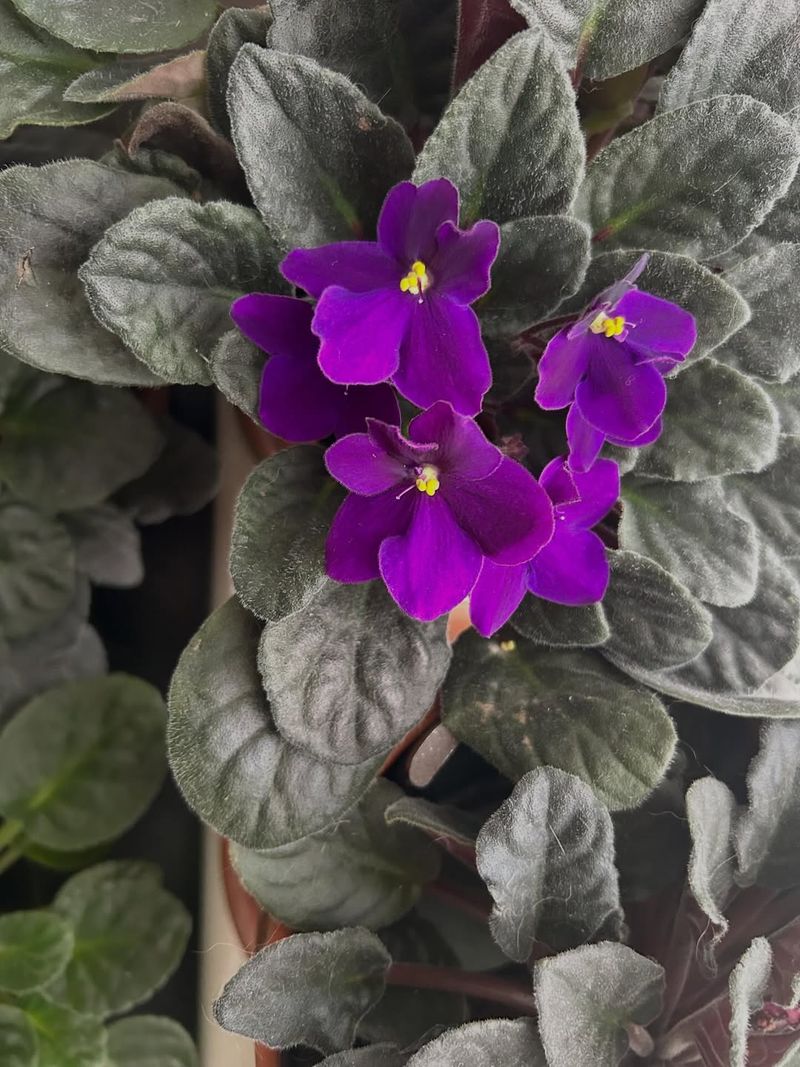
African violets reward careful attention with cheerful blooms even during Pennsylvania’s darkest months.
These compact plants can flower year-round if you meet their specific requirements. Winter presents unique challenges that require adjustments to your care routine.
Cold water shocks African violets and causes ugly spots on their fuzzy leaves. Always use room-temperature water when watering, letting tap water sit out for several hours beforehand.
Bottom watering works better than pouring from above, which damages leaves and encourages disease.
Temperature sensitivity affects both flowering and overall health. African violets prefer consistent warmth between 65 and 75 degrees.
Cold windowsills during Pennsylvania nights can stress plants quickly. Place a barrier between pots and cold glass, or move plants away from windows after sunset.
These plants dislike drafts as much as they hate cold water. Keep them away from frequently opened doors, leaky windows, and heating vents that blast hot, dry air. Stable conditions encourage better blooming throughout winter months.
Light becomes critical for continuous flowering during short winter days. African violets need 12 to 14 hours of bright, indirect light daily.
Natural light alone won’t provide enough brightness in Pennsylvania from November through February. Supplement with grow lights positioned 12 inches above the plants.
Humidity matters but not as much as for tropical species. Levels around 40 percent work fine for African violets.
Avoid misting the fuzzy leaves, which traps moisture and invites fungal problems. Instead, use pebble trays or room humidifiers to raise ambient moisture.
Proper spacing between plants allows air circulation that prevents disease while maintaining adequate humidity for healthy growth and abundant blooms.
4. Calathea
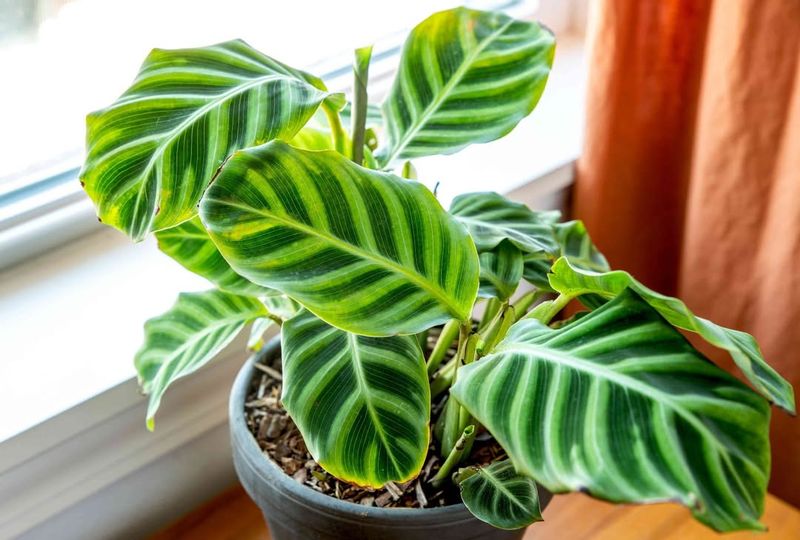
Calatheas display some of the most stunning foliage patterns you’ll find in houseplants. Their decorative leaves feature stripes, spots, and color combinations that brighten any Pennsylvania home during gray winter months.
But these beauties demand specific conditions that become harder to provide when temperatures drop.
Prayer plants, as they’re sometimes called, fold their leaves upward at night and lower them during the day. This natural movement depends on healthy plants receiving proper care. Stress from winter conditions can disrupt this fascinating behavior.
Humidity ranks as the biggest challenge for calatheas during Pennsylvania winters. These rainforest natives expect moisture levels above 50 percent constantly.
Central heating creates the opposite environment, often dropping humidity below 30 percent. Brown leaf edges and curling foliage signal that your calathea is suffering from dry air.
Multiple strategies work better than relying on one method alone. Run a humidifier near your plant, place it on water-filled pebble trays, and group it with other humidity-loving species.
Some people even keep calatheas in terrariums or glass cases where moisture stays trapped.
Temperature fluctuations stress these sensitive plants quickly. Maintain consistent warmth between 65 and 80 degrees, avoiding cold drafts and hot air blasts from heating systems.
Never let your calathea experience temperatures below 60 degrees, which can damage leaves permanently.
Watering requires attention to both frequency and water quality. Calatheas are sensitive to chemicals in tap water, particularly fluoride and chlorine.
Use filtered or distilled water when possible, or let tap water sit overnight before using. Keep soil consistently moist but not soggy, reducing watering frequency slightly as growth slows during winter in Pennsylvania.
5. Orchid
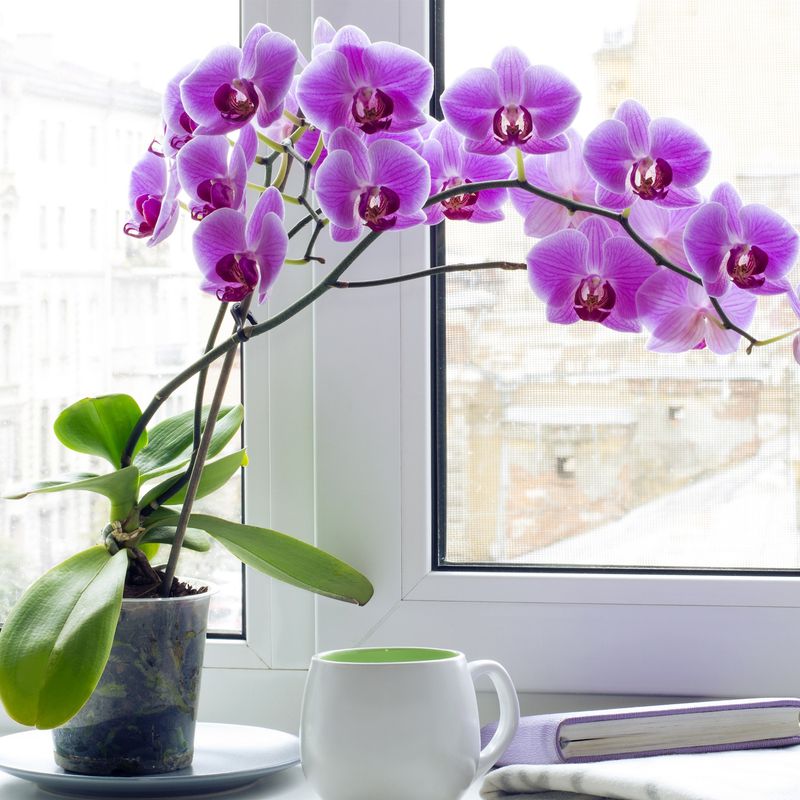
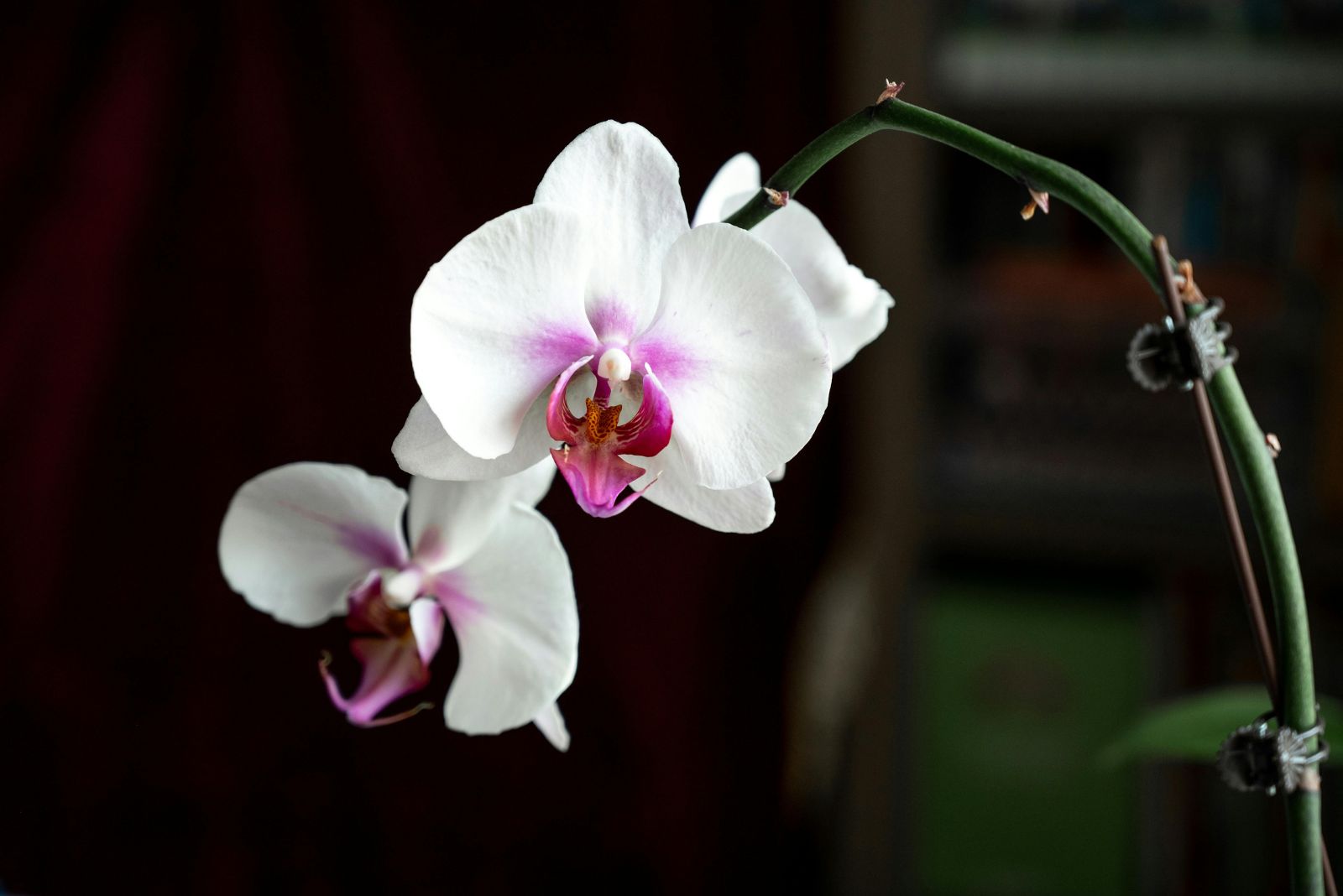
Orchids surprise many people by actually enjoying Pennsylvania winter conditions more than summer heat.
These elegant bloomers prefer cooler nighttime temperatures that naturally occur when you turn down the thermostat. Understanding their unique needs helps you enjoy flowers for months.
Most household orchids are phalaenopsis varieties that tolerate average home conditions reasonably well. They appreciate the temperature drop between day and night that happens naturally during winter. This variation actually triggers blooming, making winter an ideal flowering season.
Light requirements increase during shorter winter days. Orchids need bright, indirect light for several hours daily to support blooming.
East or west-facing windows work perfectly in Pennsylvania homes during cold months. South-facing windows provide maximum light but may require sheer curtains to prevent leaf burn on sunny days.
Watering habits must change as temperatures drop and light decreases. Orchids planted in bark or moss dry out more slowly during winter.
Check the growing medium before watering, waiting until it feels barely moist. Overwatering causes root rot that shows up as yellow leaves and mushy roots visible through clear pots.
The ice cube watering method works well during winter when evaporation slows. Place two or three ice cubes on the growing medium weekly, allowing them to melt slowly. This prevents overwatering while providing consistent moisture.
Humidity preferences for orchids are moderate compared to other tropical plants. Levels between 40 and 60 percent work fine, which many Pennsylvania homes maintain even with heating systems running.
Avoid placing orchids near heating vents or cold drafts. Good air circulation prevents disease while maintaining appropriate moisture around leaves and roots.
Open windows briefly on milder winter days to refresh stale indoor air without shocking your plants.
6. Peace Lily
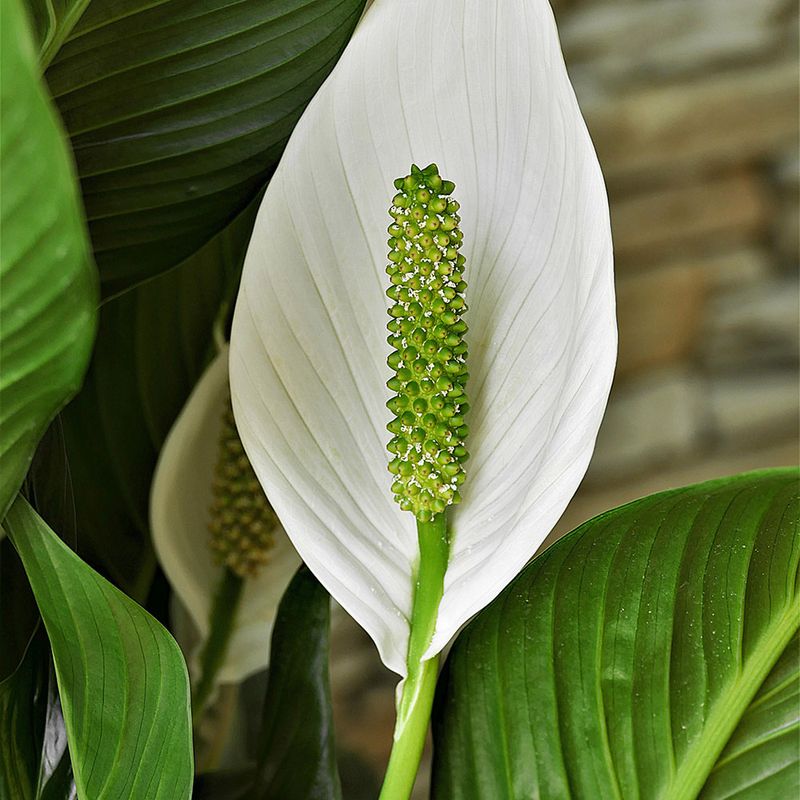
Peace lilies rank among the most forgiving houseplants, but even they struggle when Pennsylvania winter conditions become extreme.
These popular plants communicate their needs clearly through drooping leaves that perk up quickly after watering. Winter care focuses on preventing stress before it starts.
Cold sensitivity becomes obvious when peace lilies sit too close to windows or exterior doors. These tropical plants prefer temperatures above 65 degrees consistently.
Brief exposure to cold drafts won’t cause permanent damage, but repeated chilling weakens plants and makes them susceptible to pests and disease.
Humidity preferences are moderate compared to fussier tropical species. Peace lilies tolerate average home humidity levels during winter better than Boston ferns or calatheas.
However, they still appreciate extra moisture when heating systems run constantly. Brown leaf tips indicate that air has become too dry.
Simple solutions raise humidity enough to keep peace lilies happy. Pebble trays work well, as does grouping plants together.
Misting provides temporary relief but doesn’t address underlying dryness. Consider moving your peace lily to a bathroom where shower steam provides natural humidity boosts.
Watering frequency decreases during winter when growth slows and light levels drop. Peace lilies prefer consistently moist soil but forgive occasional drying between waterings.
Let the top inch of soil dry out before adding more water. The dramatic drooping that signals thirst reverses quickly once you water, but repeated wilting stresses plants over time.
Light requirements remain important for healthy foliage and occasional winter blooms. Peace lilies tolerate low light better than most flowering houseplants, but they still need bright, indirect light for several hours daily.
North-facing windows provide gentle light throughout Pennsylvania winters without risk of leaf burn. Dust leaves monthly to maximize light absorption during short winter days.
7. Rubber Plant
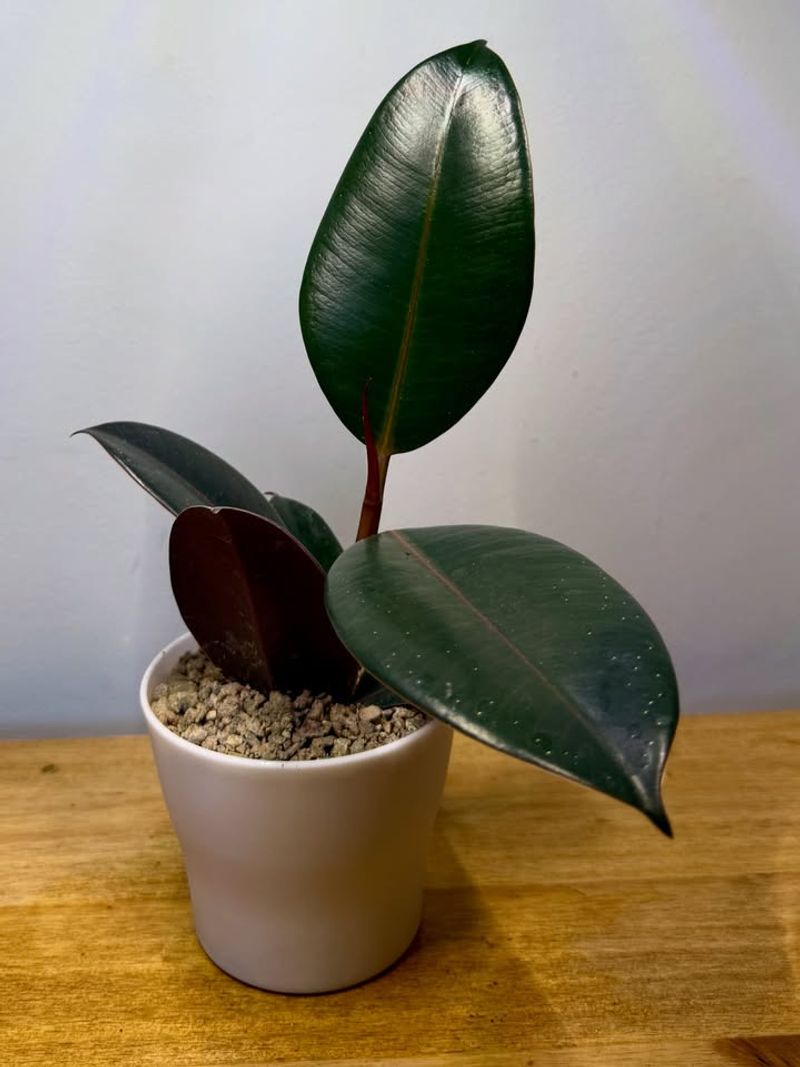
Rubber plants bring bold, architectural beauty to Pennsylvania homes with their large, glossy leaves and upright growth habit. These sturdy plants handle indoor conditions better than many tropical species, but winter still requires some adjustments to keep them thriving.
Leaf drop during winter months often worries rubber plant owners. A few leaves falling is normal as plants adjust to lower light levels and slower growth.
However, excessive leaf loss signals problems with watering, temperature, or light that need correction.
Cold drafts cause more damage than gradual temperature changes. Rubber plants tolerate temperatures down to 55 degrees but prefer warmth between 60 and 75 degrees.
Keep them away from drafty windows, exterior doors, and air conditioning vents. Sudden cold exposure causes leaves to yellow and drop quickly.
Watering becomes less frequent as growth slows during Pennsylvania winters. These plants prefer soil that dries out between waterings, especially during cold months when root activity decreases.
Overwatering leads to root rot that shows up as yellow leaves and soft stems. Check soil moisture by sticking your finger two inches deep before adding water.
Light requirements don’t decrease just because it’s winter outside. Rubber plants need bright, indirect light to maintain their rich leaf color and compact growth.
Insufficient light causes leggy growth and pale leaves. South or west-facing windows provide ideal exposure during short winter days in Pennsylvania.
Dust accumulates quickly on those large, glossy leaves throughout winter when windows stay closed. Clean leaves monthly with a damp cloth to remove buildup that blocks light absorption.
This simple task makes a noticeable difference in plant health and appearance. Humidity isn’t critical for rubber plants, but they appreciate levels above 40 percent. Dry air won’t cause serious problems but may result in brown leaf edges over time.