These Hyacinth Planting Mistakes Keep Showing Up In Pennsylvania Gardens
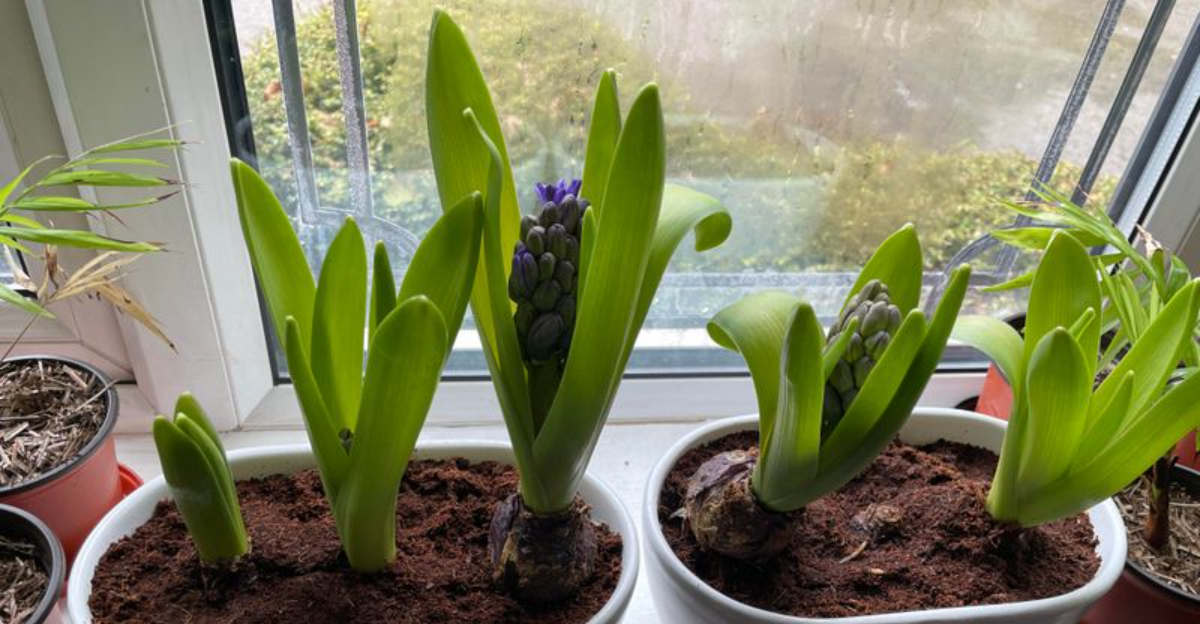
Hyacinths often look simple to grow, yet the same planting mistakes keep showing up in Pennsylvania gardens each year.
Most problems start early, long before blooms appear, and they usually trace back to timing, depth, or soil conditions.
By the time spring arrives, those small missteps can quietly limit flower quality and overall plant performance.
Many gardeners never realize anything went wrong because plants still emerge, just not with the fullness or fragrance they expected.
Knowing what to correct before planting makes the difference between weak results and hyacinths that truly stand out each spring.
1. Planting Bulbs Too Shallow in the Ground
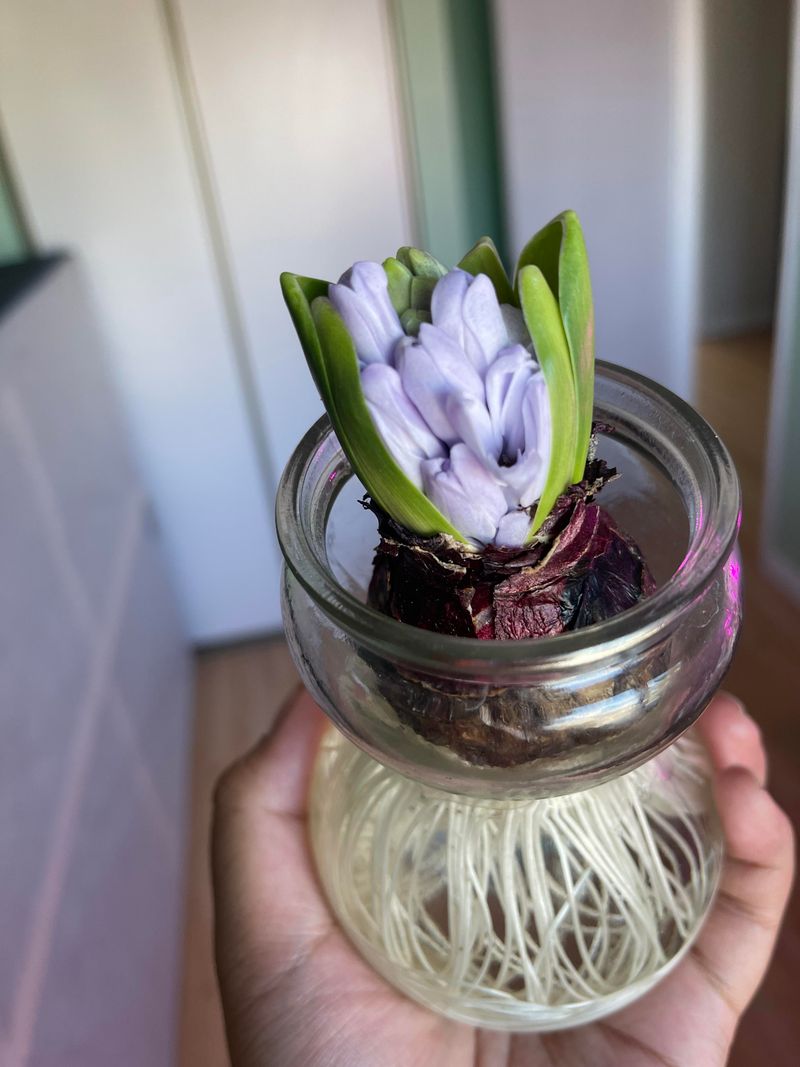
Bulb depth matters more than most gardeners realize when establishing hyacinths that will survive Pennsylvania winters and bloom reliably each spring.
Shallow planting leaves bulbs vulnerable to temperature swings and frost heaving that push them right out of the ground during freeze-thaw cycles.
Pennsylvania experiences harsh winter conditions that demand bulbs sit at least six to eight inches below the soil surface for protection.
Proper depth also ensures roots develop strongly and anchor plants securely while providing insulation against extreme cold snaps common here.
Measure carefully with a ruler or use a bulb planting tool to guarantee consistent depth across your entire garden bed.
Bulbs planted too high often produce weak stems that flop over or fail to emerge at all after a tough winter.
Pennsylvania soil freezes deeply, so giving bulbs adequate coverage prevents damage and encourages vigorous growth when temperatures warm up in spring.
Taking time to plant at the correct depth pays off with spectacular blooms that stand tall and strong.
2. Ignoring Soil Drainage Needs Completely
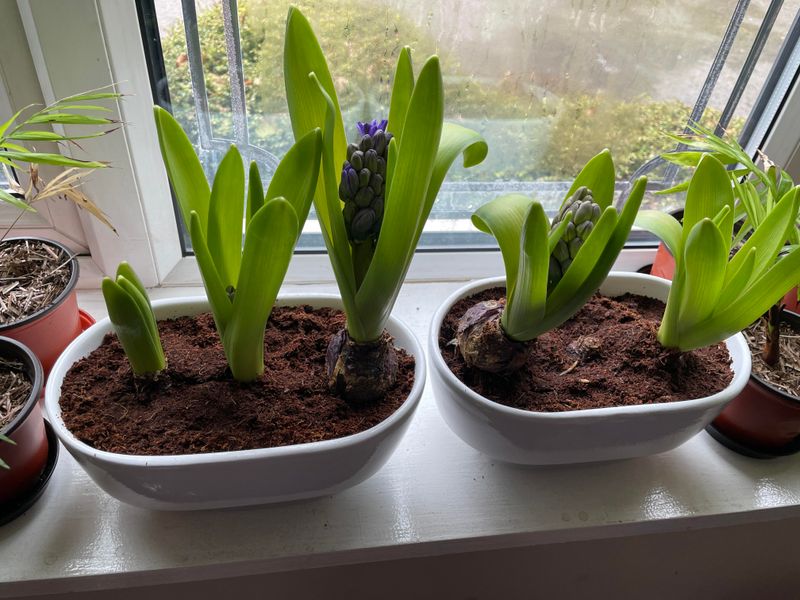
Waterlogged conditions spell disaster for hyacinth bulbs because they rot quickly when sitting in soggy soil for extended periods of time.
Many Pennsylvania gardens have heavy clay soil that holds moisture too long, creating an environment where bulbs simply cannot survive.
Good drainage allows excess water to move away from bulbs while still keeping them hydrated enough to develop healthy root systems.
Testing your soil involves digging a hole, filling it with water, and watching how quickly it drains over several hours.
If water remains after twenty-four hours, you need to amend the area before planting any hyacinths in that particular spot.
Adding coarse sand, compost, or perlite improves soil structure and creates pathways for water to escape instead of pooling around bulbs.
Raised beds work wonderfully in Pennsylvania locations where drainage problems persist despite your best efforts to improve native soil conditions.
Bulbs planted in well-draining soil develop strong roots and resist common fungal diseases that thrive in wet environments throughout the state.
3. Choosing the Wrong Planting Time
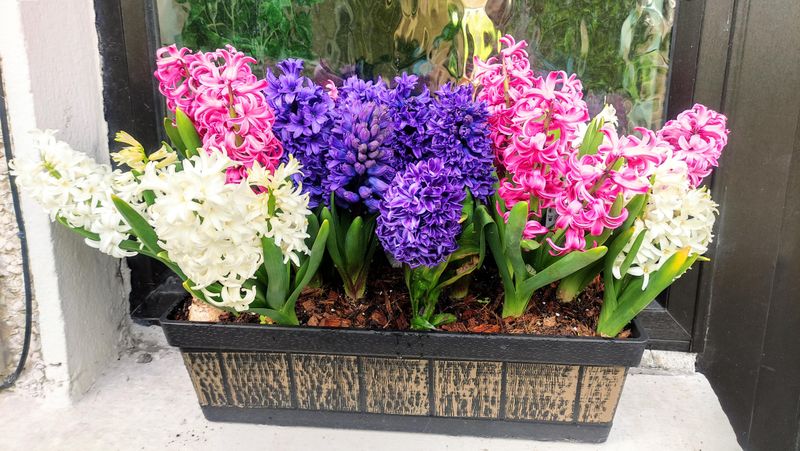
Timing makes all the difference between hyacinths that bloom beautifully and those that struggle or fail to emerge in spring gardens.
Fall planting gives bulbs essential time to establish roots before winter arrives, which prepares them for vigorous growth when warm weather returns.
Pennsylvania gardeners should plant hyacinth bulbs between late September and early November, depending on their specific location within the state.
Planting too early while soil remains warm can trigger premature growth that gets damaged when frost finally arrives in late autumn.
Waiting too long means bulbs lack sufficient time to root properly before ground freezes solid, leaving them unprepared for spring growth.
Monitoring soil temperature helps determine the ideal planting window, aiming for consistent readings around fifty degrees Fahrenheit or slightly cooler.
Pennsylvania experiences variable fall weather, so check local frost dates and plan your planting schedule accordingly for best results each year.
Proper timing ensures bulbs undergo necessary cold dormancy while developing roots that support spectacular blooms when temperatures rise again in spring.
4. Skipping Soil Preparation Steps Entirely
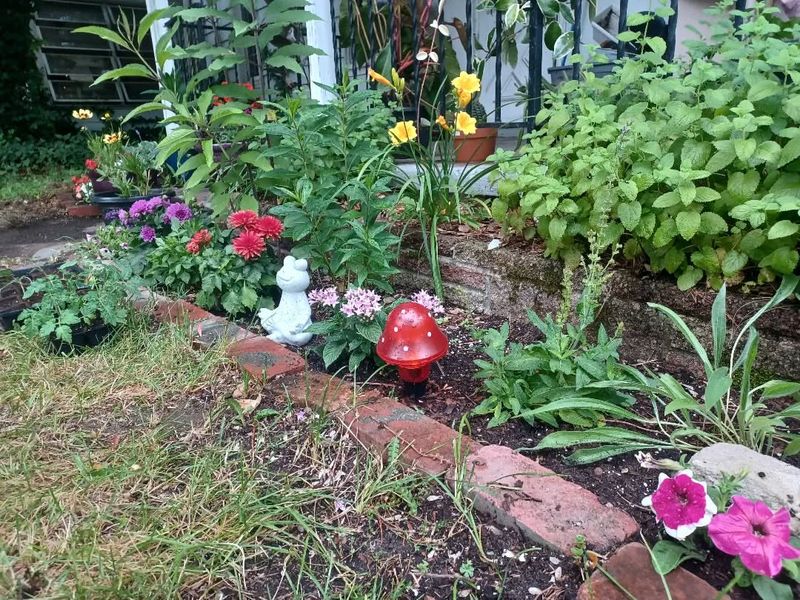
Rushing into planting without preparing soil first sets hyacinths up for disappointing performance and lackluster blooms throughout the growing season.
Pennsylvania soil varies widely across regions, but most areas benefit from organic matter additions that improve texture, drainage, and nutrient availability.
Working compost into planting beds several weeks before bulbs go in allows soil to settle and creates ideal conditions for root development.
Testing soil pH helps identify whether amendments like lime or sulfur are needed to reach the slightly acidic range hyacinths prefer.
Bulbs planted in unprepared, compacted soil struggle to push roots through dense layers and often produce stunted growth or sparse flowers.
Loosening soil to a depth of twelve inches creates a welcoming environment where roots can spread easily and access nutrients efficiently.
Adding bone meal or bulb fertilizer during preparation provides phosphorus that encourages strong root systems and abundant blooms in Pennsylvania gardens.
Investing effort in soil preparation before planting delivers healthier plants that return year after year with increasingly impressive floral displays each spring.
5. Planting Bulbs Upside Down Accidentally
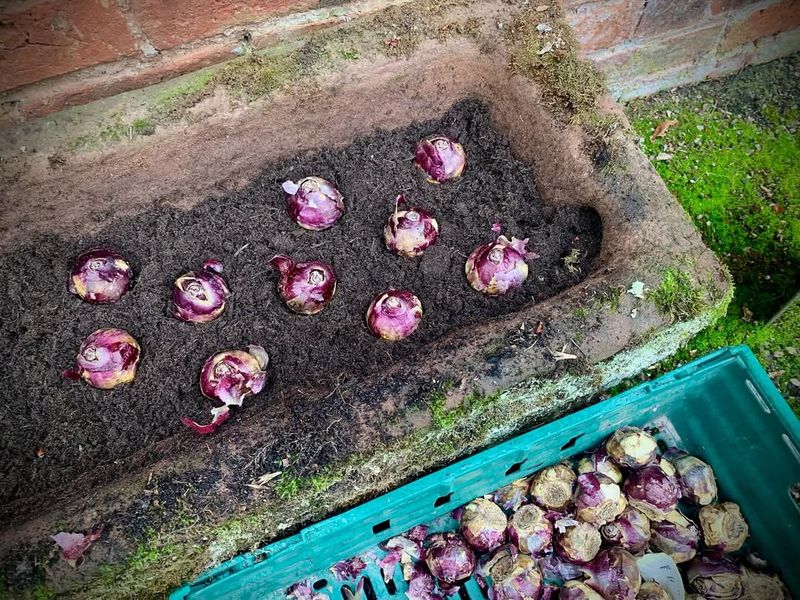
Orientation seems obvious until you hold a hyacinth bulb and realize the pointed end and flat base look surprisingly similar sometimes.
Planting bulbs upside down forces shoots to work harder, wasting energy as they twist and turn to find their way upward.
The pointed end should always face skyward because that is where stems and leaves emerge when growth begins in early spring.
Roots develop from the flatter, broader base, so positioning that end downward allows them to anchor properly into Pennsylvania soil below.
Some bulbs planted incorrectly still manage to bloom, but they arrive later and produce weaker flowers than properly oriented neighbors nearby.
Checking orientation before covering bulbs with soil takes only seconds but prevents frustration and ensures vigorous growth from the very start.
Pennsylvania gardeners working in dim light or rushing through planting sometimes make this mistake, so slow down and verify each bulb.
Proper orientation channels all the bulb’s stored energy into producing spectacular blooms rather than wasting resources correcting its awkward position underground.
6. Overcrowding Bulbs in Small Spaces
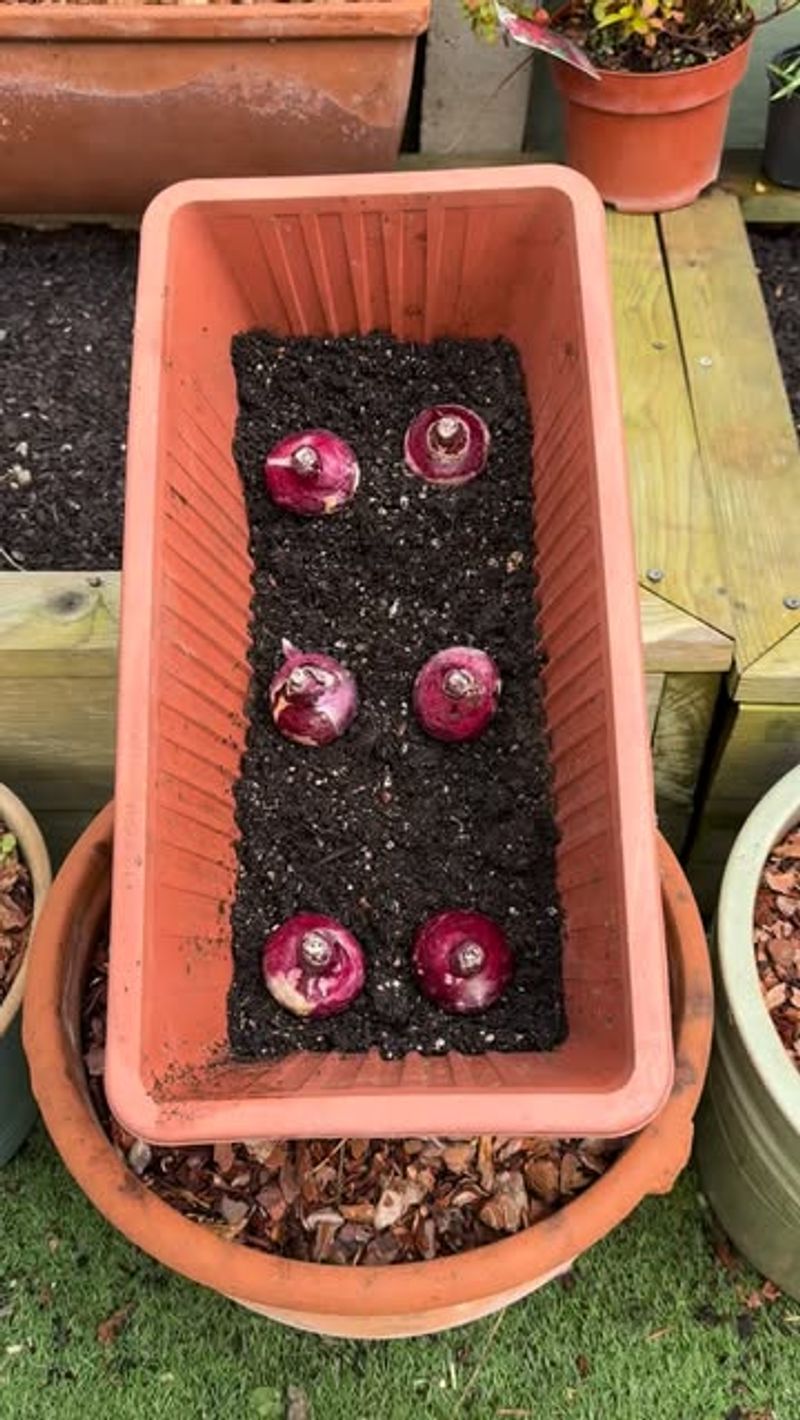
Cramming too many bulbs into limited space creates competition for nutrients, water, and sunlight that weakens every plant in the area.
Hyacinths need room to develop full foliage and robust root systems that support their heavy, fragrant flower spikes through the blooming period.
Pennsylvania gardeners eager for maximum color sometimes plant bulbs too closely, which results in smaller blooms and increased disease risk over time.
Spacing bulbs four to six inches apart allows each one to access adequate resources while still creating an impressive visual impact.
Proper spacing also improves air circulation around plants, which reduces moisture buildup that encourages fungal problems common in humid spring weather here.
Bulbs planted too close together struggle to multiply naturally over years, limiting the expanding display you hope to enjoy in future seasons.
Measuring spacing carefully during planting might feel tedious, but it prevents problems and ensures each hyacinth reaches its full potential beautifully.
Pennsylvania gardens benefit from thoughtful spacing that balances dramatic color displays with the healthy growing conditions individual bulbs require for long-term success.
7. Forgetting Winter Mulch Protection Layers
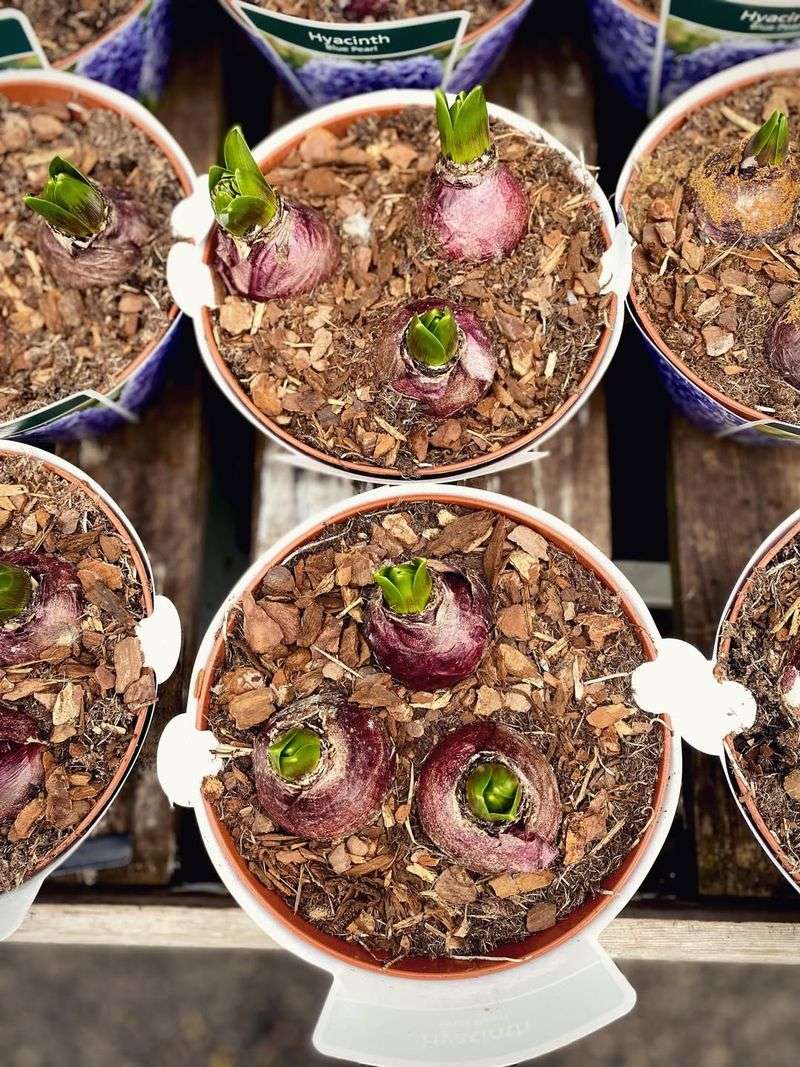
Winter protection helps hyacinth bulbs survive Pennsylvania’s unpredictable freeze-thaw cycles that can heave bulbs upward or damage developing roots below.
Applying a three to four inch layer of mulch after the ground freezes provides insulation that moderates soil temperature fluctuations throughout winter.
Straw, shredded leaves, or pine needles work excellently as mulch materials that protect without smothering bulbs underneath during dormant months ahead.
Pennsylvania experiences temperature swings that stress unprotected bulbs, causing them to emerge prematurely or suffer damage from repeated freezing and thawing.
Mulch also prevents moisture loss during dry winter periods and suppresses early weed growth that competes with hyacinths come springtime arrival.
Waiting until ground freezes prevents rodents from nesting in mulch and feasting on your bulbs throughout the cold season when food is scarce.
Removing mulch gradually in early spring allows soil to warm naturally and prevents shoots from becoming pale or weak from lack of light.
Pennsylvania gardeners who skip this step often notice reduced bloom quality and smaller flowers compared to neighbors who provide proper winter protection.
8. Neglecting Post-Bloom Foliage Care Routines
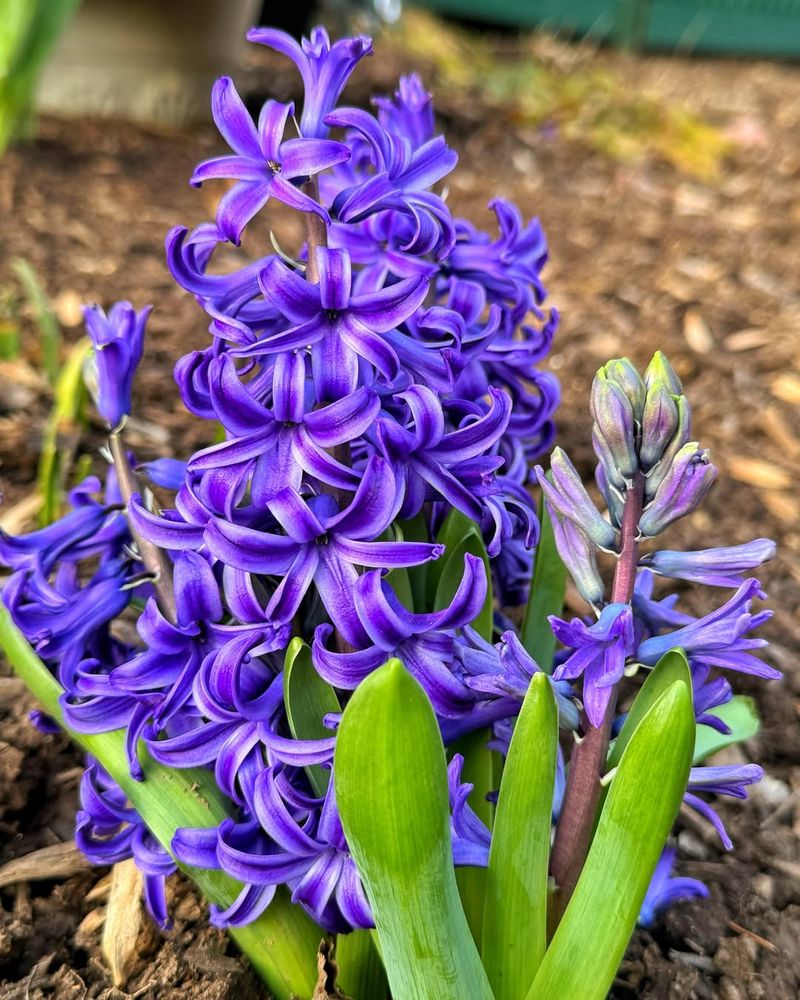
Cutting foliage too soon after flowers fade robs bulbs of the energy they need to build reserves for next year’s spectacular display.
Leaves continue photosynthesizing for several weeks following bloom time, creating and storing nutrients that fuel future growth cycles in Pennsylvania gardens.
Allowing foliage to yellow naturally signals that bulbs have completed their energy storage process and are ready for dormancy through summer.
Pennsylvania gardeners impatient with fading leaves sometimes remove them prematurely, which weakens bulbs and leads to disappointing blooms the following spring.
Braiding or bundling leaves keeps gardens tidy while still permitting the photosynthesis process to continue until foliage dies back completely naturally.
Removing flower stalks after blooms fade prevents seed formation that drains energy better directed toward bulb development for next season’s flowers.
Fertilizing with a balanced formula after flowering supports bulbs during this critical energy storage phase and strengthens them for Pennsylvania’s summer dormancy.
Patience with post-bloom care ensures hyacinths return stronger each year, multiplying gradually and creating increasingly impressive spring displays throughout your garden space.