These Indoor Plant Habits May Be Stressing Your Plants In Washington
Ever glance at one of your houseplants in your Washington home and feel like something is quietly off?
That moment usually shows up when growth slows, leaves look different, or a plant just doesn’t seem as relaxed as it once did.
In Washington, indoor conditions can change more than we notice, especially with shifting light, cooler seasons, and homes that stay closed up for long stretches.
Most of the time, these small changes aren’t a big deal, and plants are simply responding in their own way.
When the same signs keep appearing, though, they often trace back to everyday habits rather than the plant itself. Those habits tend to sneak in slowly.
Things like where plants sit, how often they’re handled, or routines that feel helpful can sometimes add pressure instead. Spotting those patterns early is usually the turning point between stressed plants and steady growth.
This guide walks through common indoor plant habits in Washington homes and helps you see which small adjustments can make a noticeable difference.
1. Overwatering During Low-Light Months
Your plants slow down significantly when sunlight becomes scarce. Washington winters bring gray skies and short days, which means photosynthesis drops to a crawl.
When plants aren’t actively growing, they use far less water than during bright summer months.
Most people continue their summer watering routines straight through fall and winter. This creates soggy soil conditions that roots can’t handle.
Excess moisture sits around the roots with nowhere to go, creating an unhealthy environment.
Root systems need oxygen just as much as they need water. Constantly wet soil pushes out air pockets that roots depend on for respiration.
Without proper oxygen exchange, roots begin to deteriorate and lose their ability to absorb nutrients.
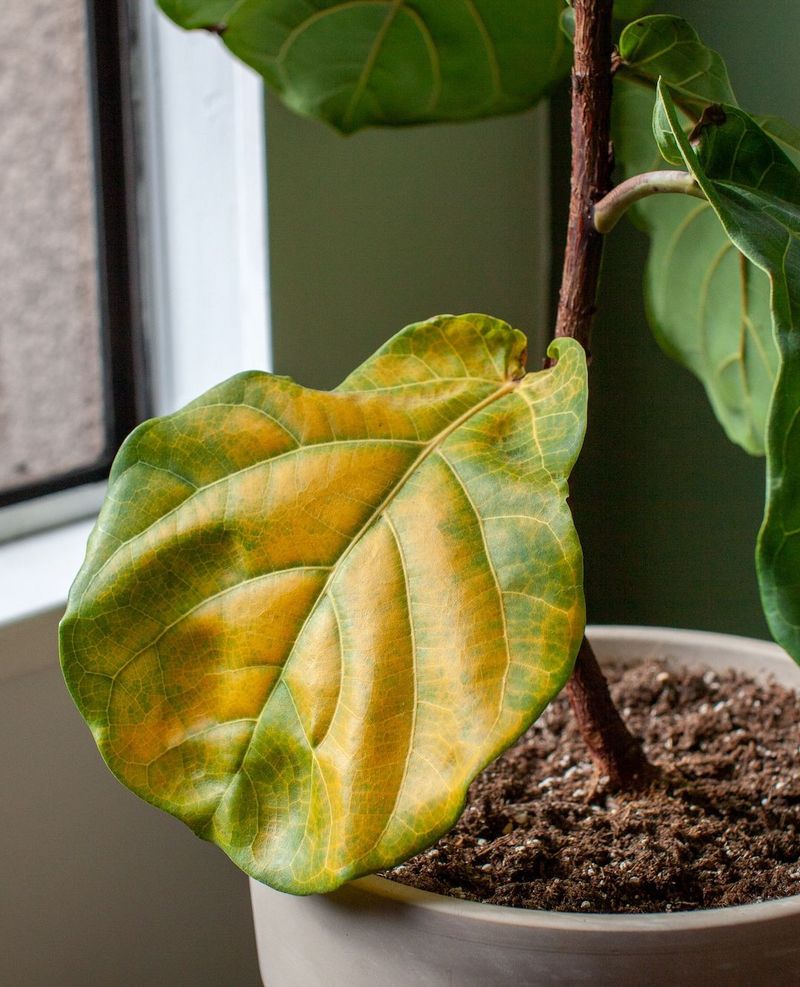
You’ll notice leaves turning yellow or developing brown, mushy spots when overwatering becomes a problem. The plant may also start dropping leaves unexpectedly or developing a foul smell from the soil.
These are clear signs that roots are struggling beneath the surface.
Washington’s indoor humidity during winter months stays relatively high compared to other regions. This means soil takes longer to dry out naturally.
Your watering schedule needs to reflect this slower evaporation rate.
Check soil moisture before every watering session by sticking your finger two inches deep. If it feels damp or cool, wait a few more days.
Many Washington plant owners find they only need to water half as often during November through February.
Different plant species have varying water needs during dormancy. Succulents and cacti might go weeks without water, while tropical plants still need occasional drinks.
Research your specific plants to understand their winter requirements.
2. Keeping Plants Too Far From Windows
Light is the single most important factor for plant health, yet it’s often underestimated. Even plants labeled as low-light tolerant still need some natural illumination to function properly.
Pushing them into dark corners or placing them across the room from windows creates stress you might not notice immediately.
Washington’s cloudy weather already reduces available sunlight compared to sunnier states. When you add distance from windows into the equation, light intensity drops dramatically.
A plant sitting ten feet from a window receives only a fraction of the light that reaches one placed directly on the sill.
Light decreases exponentially as you move away from the source. What looks bright to your eyes may still be too dim for photosynthesis.
Your perception of brightness doesn’t match what plants actually need to produce energy and grow.
Plants placed far from windows often develop stretched, leggy growth as they reach desperately toward the light. Leaves may become pale or smaller than normal.
New growth appears weak and spindly rather than robust and vibrant.
South-facing windows provide the strongest light in Washington homes, followed by west-facing ones. North-facing windows offer the gentlest, most indirect light.
Understanding these differences helps you position plants according to their specific needs.
If your space lacks sufficient natural light, you’re not out of options. Grow lights have become affordable and effective for supplementing what Washington’s gray skies can’t provide.
Even a simple LED grow bulb in a desk lamp can make a significant difference.
Rotate your plants every few weeks if they’re near windows but not directly in front of them. This ensures all sides receive equal exposure and prevents lopsided growth.
Balanced light exposure creates more symmetrical, healthier specimens.
Sheer curtains can diffuse harsh direct sun while still allowing plenty of light through. This works well for plants that need brightness but can’t handle intense rays.
Many Washington homes benefit from this approach during the limited sunny days.
3. Ignoring Seasonal Light Changes
Daylight hours shift dramatically throughout the year, especially in Washington’s northern latitude. Your plants feel these changes deeply, even though they live indoors.
A spot that gets six hours of bright light in July might only receive two or three in December.
Many plant owners set up their collection in spring or summer and never reconsider placement. As autumn arrives and days shorten, those previously perfect spots become inadequate.
Plants begin struggling without anyone realizing the cause.
The angle of the sun also changes with seasons, affecting how light enters your windows. Winter sun sits lower on the horizon, potentially reaching deeper into your Washington home.
Summer sun comes from almost directly overhead, creating different shadow patterns.
Plants that thrived in a particular location during one season might need relocation when conditions change. This doesn’t mean constant rearranging, but it does mean paying attention twice a year.
Spring and fall are ideal times to reassess your plant placement.
You might notice your plants looking less vibrant as winter approaches in Washington. Growth slows dramatically, and some plants enter dormancy.
These are natural responses to reduced light and shouldn’t cause alarm if you adjust care accordingly.
Consider moving light-hungry plants closer to windows during the darker months. Temporary relocation can make the difference between a plant that merely survives winter and one that stays healthy.
You can always move them back when spring returns.
Some plants actually appreciate the rest period that comes with shorter days. Forcing them to grow year-round with artificial light can exhaust them.
Understanding natural growth cycles helps you work with your plants rather than against them.
4. Using Heavy Soil That Drains Poorly
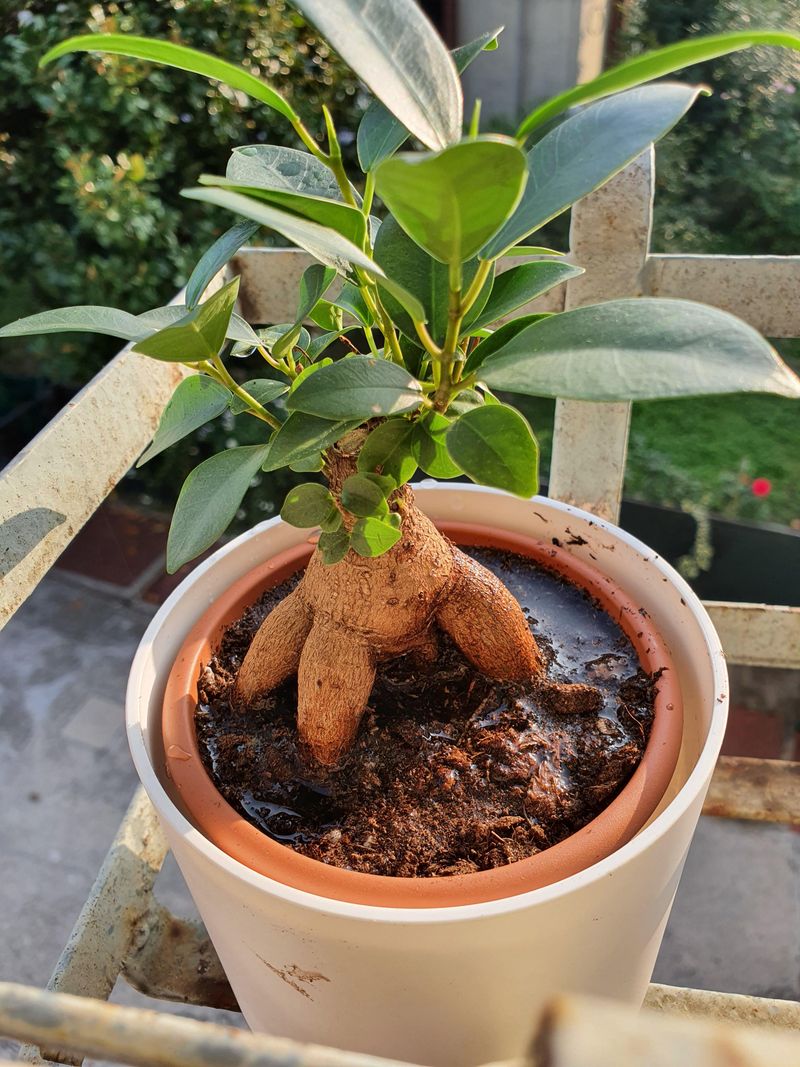
Soil composition matters more than most people realize when growing houseplants. Garden soil or heavy potting mixes hold onto water for too long, creating conditions that most indoor plants can’t tolerate.
Roots need a balance between moisture retention and proper drainage.
Washington’s naturally high humidity means soil stays wet longer than in drier climates. If you’re using dense, compact soil, you’re compounding the problem.
Water has nowhere to go and just sits there, suffocating roots over time.
Quality potting mix should feel light and fluffy, not heavy and muddy. It should contain ingredients like perlite, vermiculite, or orchid bark that create air pockets.
These amendments allow water to flow through while still retaining enough moisture for plant uptake.
When you water, excess should drain out the bottom within seconds, not minutes. If water sits on the surface before slowly absorbing, your soil is too dense.
This is one of the most common problems affecting Washington houseplants.
Different plants require different soil compositions. Succulents and cacti need extremely fast-draining mixes with lots of sand or pumice.
Tropical plants prefer something moisture-retentive but still airy. Ferns like consistent moisture but absolutely need good drainage.
Over time, even good potting mix breaks down and becomes compacted. Organic materials decompose, perlite settles to the bottom, and drainage deteriorates.
Most houseplants benefit from fresh soil every year or two to maintain optimal growing conditions.
You can test your soil’s drainage by watering thoroughly and observing how quickly excess flows out. If it takes more than a few seconds, consider repotting with a better mix.
This simple change can transform struggling plants.
Adding extra perlite or pumice to store-bought potting mix improves drainage significantly. Aim for roughly 30-40% amendments mixed with standard potting soil.
This creates a texture that works well for most common houseplants in Washington homes.
5. Watering On A Fixed Schedule Instead Of By Need
Calendar-based watering is one of the most harmful habits you can develop. Plants don’t operate on human schedules, and their water needs fluctuate based on countless variables.
Temperature, humidity, light levels, growth stage, and pot size all influence how quickly soil dries.
Washington’s weather changes frequently, sometimes within the same week. A warm, dry stretch makes soil dry faster, while cool, rainy periods slow evaporation.
Sticking to every-Saturday watering ignores these real-time conditions.
Each plant in your collection has unique requirements that change throughout the year. Your fiddle leaf fig might need water every five days in summer but only every two weeks in winter.
Meanwhile, your snake plant might go a month between waterings regardless of season.
The only reliable way to know when to water is checking the soil itself. Stick your finger into the soil up to your second knuckle.
If it feels dry at that depth, it’s time to water. If it’s still moist, wait a few more days and check again.
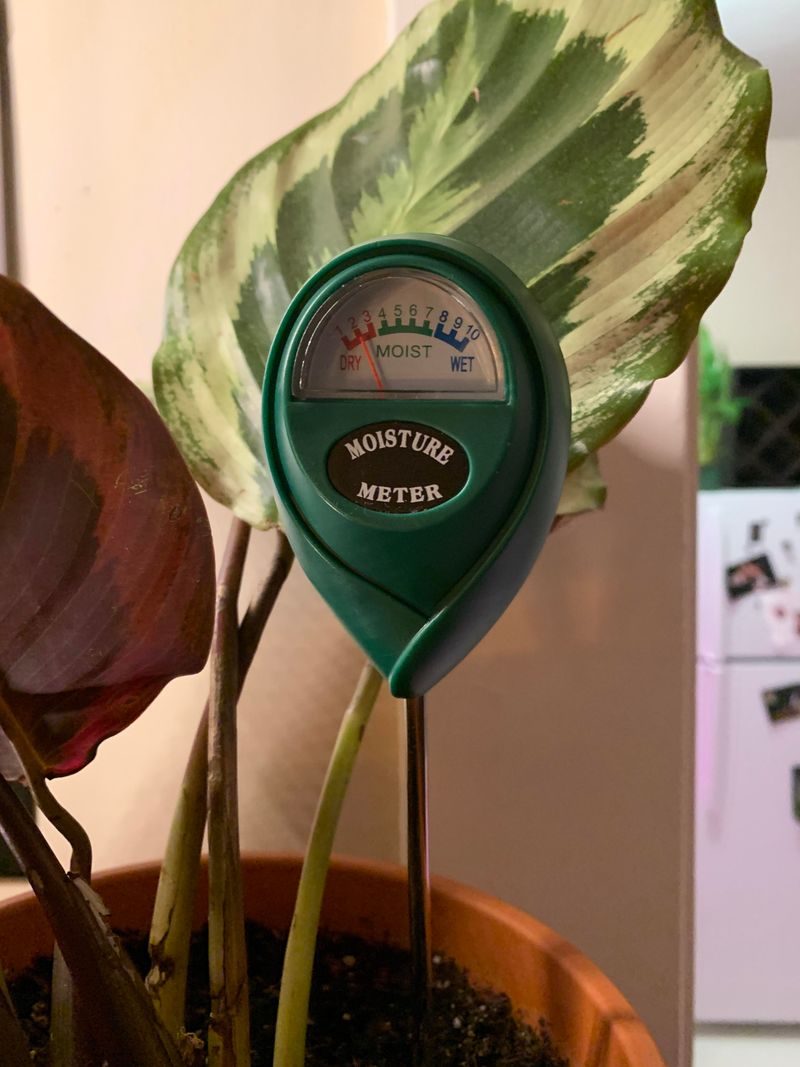
Moisture meters offer another option if you prefer a tool-based approach. These inexpensive devices give you a reading of soil moisture at root level.
They’re particularly helpful for large pots where surface dryness doesn’t reflect what’s happening deeper down.
Plant size relative to pot size also affects watering frequency. A small plant in a large pot takes forever to dry out because there’s so much soil.
A root-bound plant in a small pot might need water every few days because roots have filled all available space.
Seasonal changes in your Washington home’s heating and cooling also impact watering needs. Forced air heat during winter dries plants faster than you might expect.
Summer air conditioning removes humidity, also speeding up evaporation.
6. Skipping Air Circulation In Closed Rooms
Stagnant air creates multiple problems for indoor plants that many Washington residents overlook. In nature, plants experience constant air movement from breezes, which strengthens stems and helps prevent fungal issues.
Indoor plants miss out on these benefits unless you provide circulation artificially.
Closed rooms with no airflow trap humidity around leaves, creating ideal conditions for fungal diseases and pest infestations. Moisture accumulates on leaf surfaces with nowhere to go.
This standing moisture invites problems that healthy air circulation would prevent.
Washington’s naturally humid climate means your indoor air already holds significant moisture, especially during rainy seasons. Without movement, this humidity concentrates around your plants.
Fungal spores that land on damp leaves find perfect conditions for germination.
Plants also release moisture through transpiration, adding to ambient humidity. In a closed room with multiple plants, humidity can climb surprisingly high.
While some plants love this, others develop spotting, mildew, or rot when air doesn’t circulate.
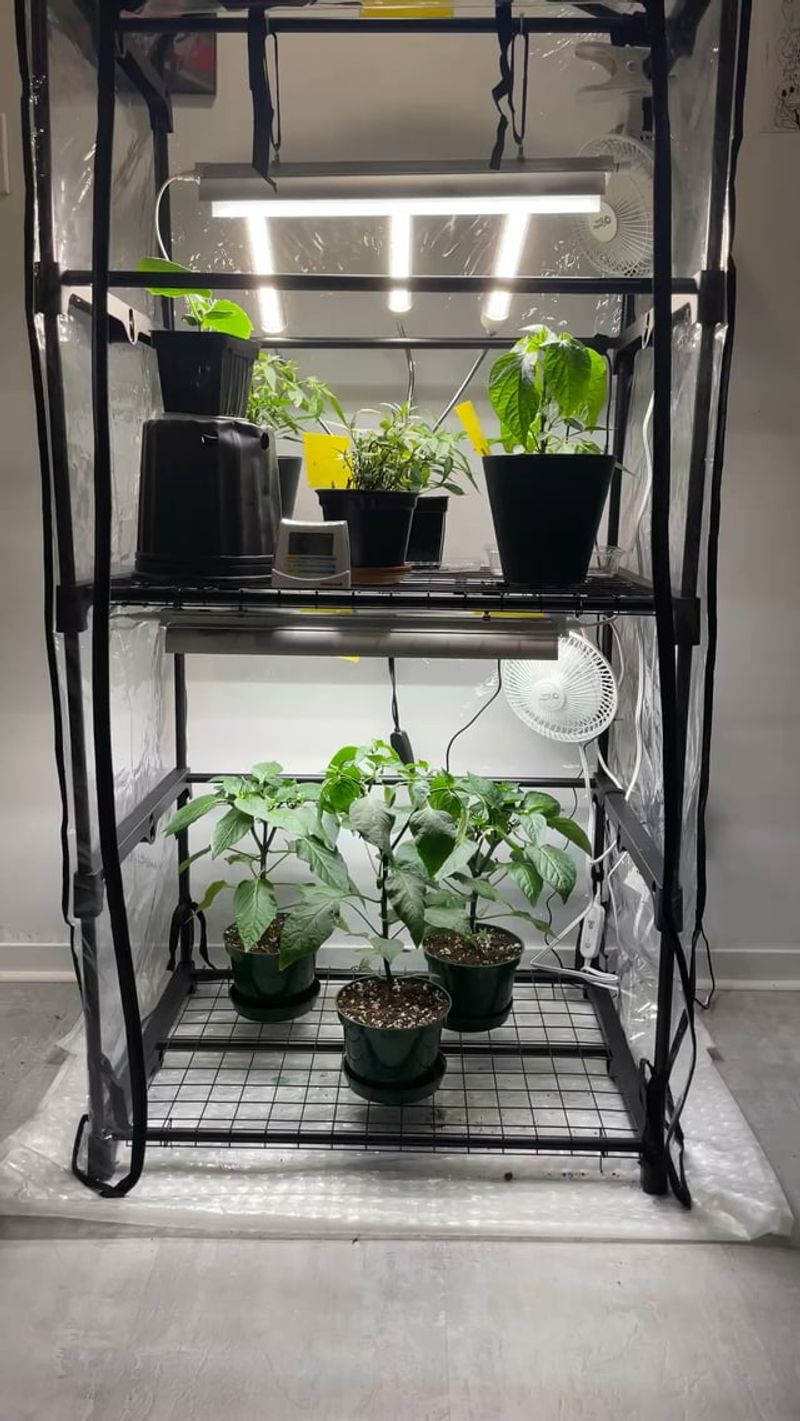
A simple solution involves running a small fan on low speed for a few hours daily. You don’t need strong wind, just gentle movement that keeps air from becoming stagnant.
Position the fan so it doesn’t blow directly on plants but rather creates general circulation.
Opening windows occasionally provides natural air exchange, though Washington’s rainy weather doesn’t always make this practical. Even cracking a window for fifteen minutes helps refresh the air.
Just watch that cold drafts don’t directly hit your tropical plants.
Air circulation also helps strengthen plant stems through a process called thigmomorphogenesis. Gentle movement stimulates plants to develop thicker, sturdier stems.
Plants grown in still air often develop weak, floppy growth that can’t support their own weight.
7. Leaving Plants In Cold Drafts Near Windows
Windows provide essential light but can also create temperature problems that stress your plants. During Washington winters, cold air seeps through even well-sealed windows, creating chilly zones that tropical plants absolutely hate.
The temperature near a window can drop ten or fifteen degrees below the rest of the room.
Most common houseplants come from warm, tropical regions where temperatures stay consistently mild. Sudden cold exposure shocks their systems and disrupts normal functions.
You’ll notice this stress through leaf drop, browning edges, or sudden wilting despite adequate watering.
The combination of cold glass and warm indoor air also creates condensation. This moisture drips onto plants or collects in saucers, creating additional problems.
Cold, wet conditions together form a particularly harmful combination for tropical species.
At night, temperatures near windows drop even further as outdoor temperatures plummet. Your plant might experience comfortable warmth during the day but suffer through cold nights.
This temperature fluctuation prevents proper rest and recovery.
Single-pane windows pose the biggest challenge in Washington homes, especially older houses. These transfer cold much more readily than modern double or triple-pane windows.
If you’re renting or can’t upgrade windows, you’ll need to adjust plant placement accordingly.
Feel the area around your windows on a cold evening to understand the temperature difference. Place your hand on the glass, then move it a few feet away.
You’ll be surprised how much the temperature varies within just a small space.
Moving plants back from windows by even twelve inches can make a significant difference. They’ll still receive adequate light while avoiding the coldest zone directly against the glass.
This simple adjustment prevents cold stress without sacrificing light exposure.
8. Forgetting To Adjust Care During Winter
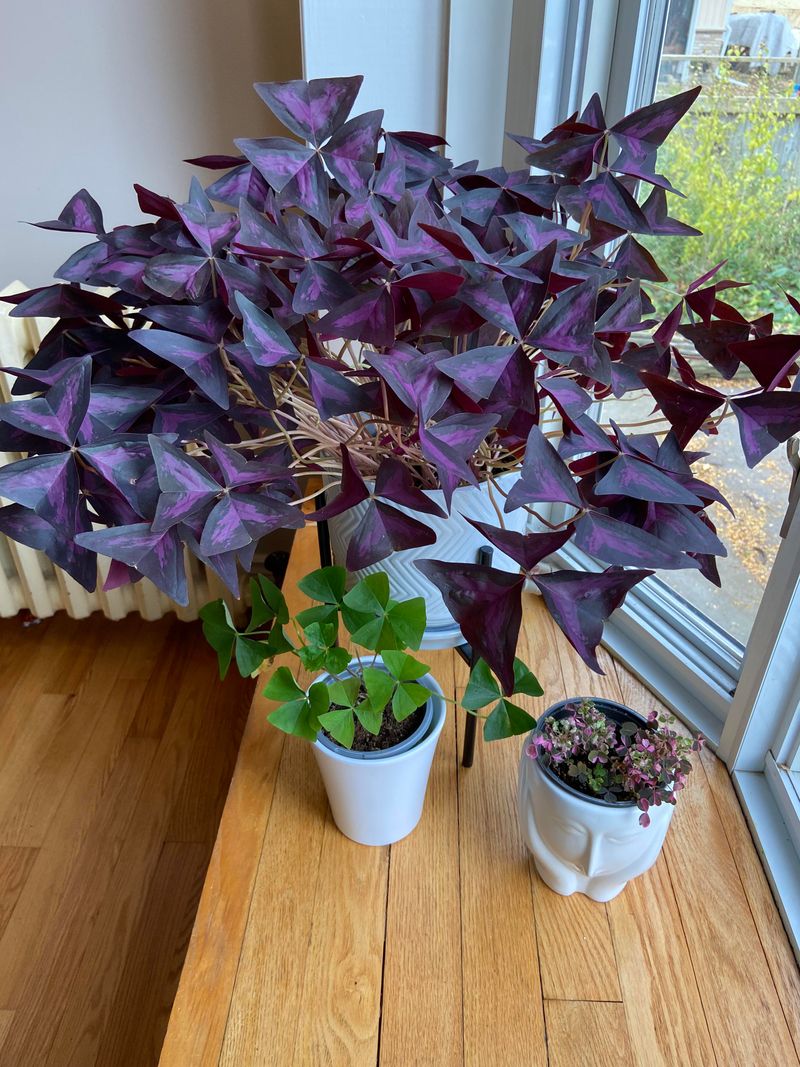
Winter transforms how your plants function, yet many Washington plant owners continue summer care routines straight through the year. This mismatch between plant needs and provided care creates unnecessary stress.
Successful indoor gardening requires recognizing and responding to seasonal shifts.
Growth slows or stops completely for most houseplants during shorter, darker days. They enter a rest period similar to dormancy, using minimal energy and resources.
Continuing to fertilize during this time can actually harm plants by forcing growth when they’re trying to rest.
Fertilizer application should stop or reduce dramatically from October through February in Washington. Plants can’t process nutrients they’re not actively using, and excess salts build up in the soil.
This accumulation can burn roots and create toxic conditions over time.
Temperature preferences also shift during winter dormancy. Many plants appreciate slightly cooler conditions during their rest period.
Keeping your Washington home at 65-68 degrees instead of 72-75 can actually benefit dormant plants while reducing your heating costs.
Humidity drops when heating systems run, even in naturally humid Washington. Tropical plants that were fine all summer might suddenly develop brown leaf tips.
A simple humidifier or pebble trays with water can counteract this drying effect.
Resist the urge to repot during winter months. Plants need energy to recover from repotting, and they simply don’t have that energy during dormancy.
Wait until early spring when new growth signals they’re ready for the disturbance.
Cleaning leaves becomes more important during winter when plants spend months indoors without rain to wash them. Dust blocks light absorption and can harbor pests.
Gently wipe leaves monthly with a damp cloth to keep them functioning efficiently.