These 14 Indoor Plants Help California Homes Feel Calm And Focused

California living brings sunshine, creativity, and a unique lifestyle that many people cherish every single day in their beautiful homes and communities.
Bringing plants indoors creates a peaceful atmosphere that helps reduce stress while improving focus and mental clarity for everyone in the household.
Green companions offer natural beauty and air-purifying benefits that make any room feel more inviting, relaxing, and connected to nature.
Discover which indoor plants work best for creating calm, focused spaces that transform your California home into a tranquil personal sanctuary.
1. Snake Plant
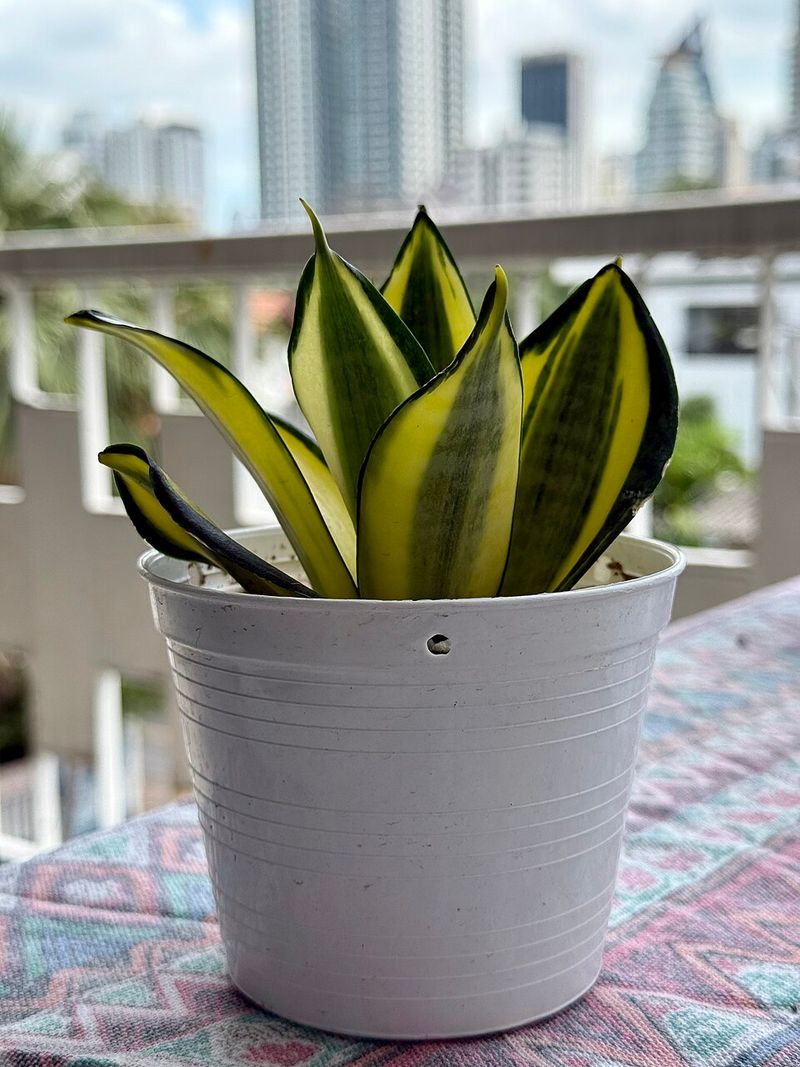
Snake plants stand tall with striking sword-like leaves that add architectural interest to any room while requiring minimal care from busy homeowners.
This hardy plant thrives in low light conditions and needs watering only every two to three weeks, making it perfect for forgetful gardeners.
Air purification happens naturally as snake plants remove toxins like formaldehyde and benzene, creating cleaner breathing spaces throughout your California home.
Bedrooms benefit especially from this plant because it releases oxygen at night, unlike most other plants that only produce oxygen during daytime.
Drought tolerance makes snake plants ideal for California’s climate, surviving well even during water restrictions or forgetful watering schedules without complaining much.
Propagation is simple through leaf cuttings or division, allowing you to multiply your collection and share with friends who appreciate low-maintenance greenery.
Vertical growth patterns mean snake plants take up minimal floor space while still making a bold visual statement in corners or shelves.
Popular in California homes, this plant suits modern, minimalist, and bohemian decor styles equally well with its clean, sculptural appearance and texture.
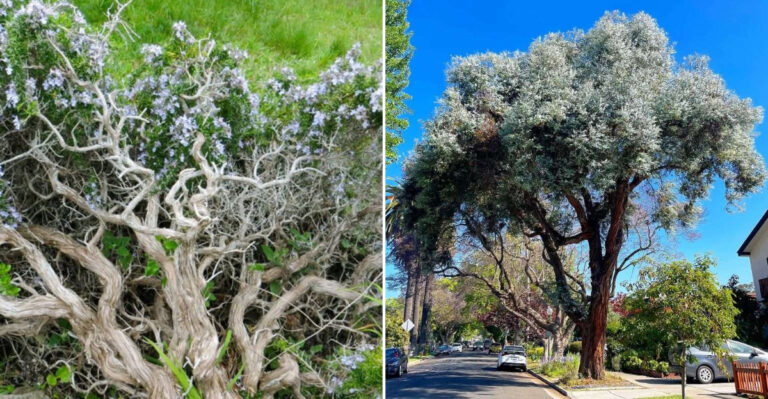
2. Lavender

Lavender’s soothing fragrance has been used for centuries to promote relaxation, reduce anxiety, and help people unwind after long, stressful days at work.
Growing lavender indoors requires bright sunlight for at least six hours daily, so placing it near south-facing windows works best in homes.
California’s Mediterranean climate mirrors lavender’s native habitat, making it easier to transition plants between indoor and outdoor spaces throughout the changing seasons.
Watering should be moderate, allowing soil to dry between sessions, as lavender prefers drier conditions and can suffer from root rot issues.
Pruning encourages bushier growth and more blooms, plus you can harvest the fragrant flowers for sachets, teas, or homemade aromatherapy products.
Focus improves when lavender’s calming scent fills your workspace, helping you concentrate better on tasks while reducing mental clutter and distracting thoughts.
Bees and butterflies love lavender, so moving your plant outdoors occasionally supports local pollinators and adds ecological value to your gardening efforts.
This versatile plant combines beauty, fragrance, and therapeutic benefits, making it a triple threat for anyone seeking calm, focused living spaces indoors.
3. Peace Lily
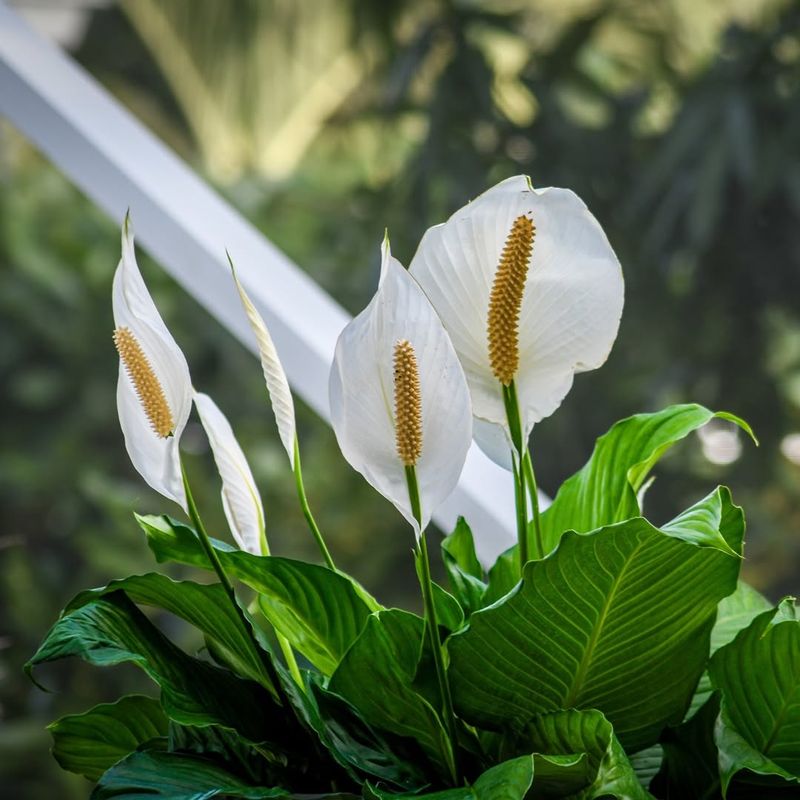
Peace lilies bloom with elegant white flowers that symbolize tranquility, making them a meaningful addition to spaces where you seek mental clarity daily.
Low light tolerance means peace lilies thrive in offices, bathrooms, or darker corners where other plants might struggle to survive and grow properly.
Air purification ranks high with peace lilies, as NASA studies show they remove mold spores, formaldehyde, and benzene from indoor air effectively.
Watering is straightforward because peace lilies droop dramatically when thirsty, providing a clear visual signal that it’s time to water them again.
Humidity lovers, peace lilies appreciate California coastal climates but may need occasional misting in drier inland areas to keep leaves looking their best.
Blooms appear regularly when plants receive proper care, rewarding you with fresh white flowers that brighten rooms and lift spirits throughout the year.
Toxicity to pets means peace lilies should be placed out of reach if you have curious cats or dogs who like to nibble.
Meditation spaces and yoga rooms benefit from peace lilies’ calming presence, creating serene environments that support mindfulness practices and stress reduction beautifully.
4. Aloe Vera
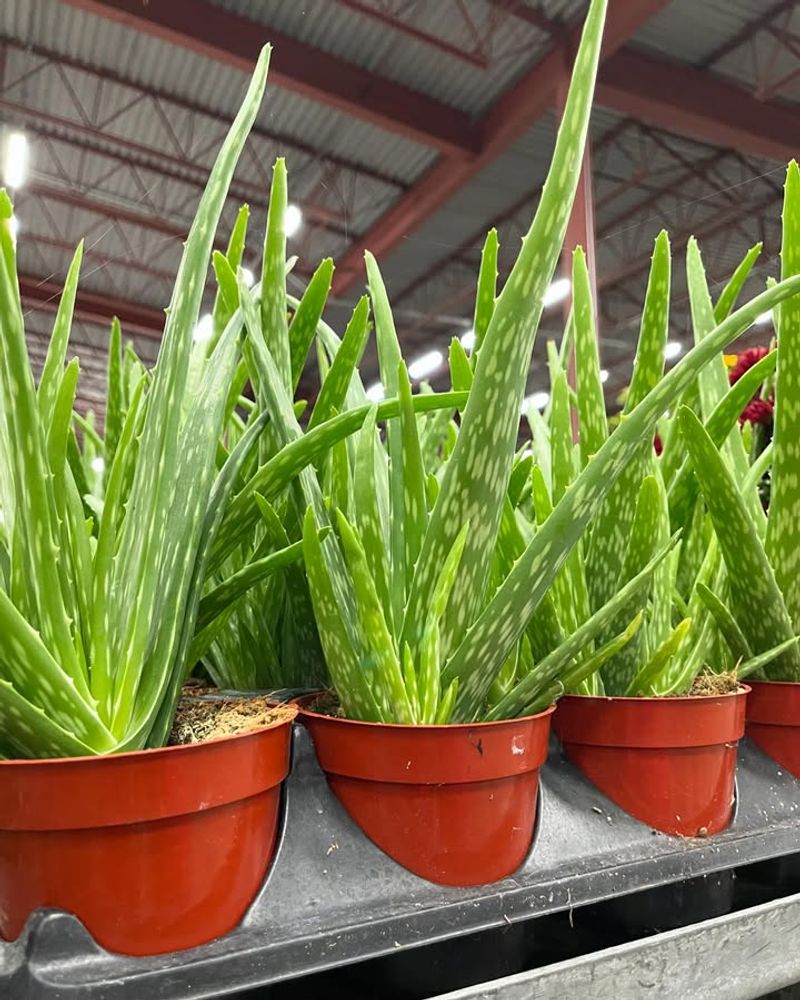
Aloe vera serves double duty as both a decorative plant and a natural first-aid remedy for minor burns, cuts, and skin irritations.
Succulent leaves store water efficiently, making aloe vera extremely drought-tolerant and perfect for California homeowners who travel frequently or have unpredictable schedules.
Bright, indirect sunlight keeps aloe vera healthy and vibrant, though it can tolerate some direct sun without burning or developing brown spots.
Gel inside the leaves soothes sunburns instantly, which is especially useful in sunny California where outdoor activities often lead to overexposure to rays.
Propagation happens naturally through offsets called pups that grow around the base, allowing you to expand your collection or share with neighbors easily.
Air quality improves as aloe vera removes formaldehyde and benzene, contributing to a healthier indoor environment for your entire family to enjoy daily.
Minimal maintenance requirements make aloe vera ideal for beginners who want to start their indoor plant journey without feeling overwhelmed by complicated care.
Kitchen windowsills are perfect spots for aloe vera, keeping this useful plant within easy reach whenever you need its healing properties quickly.
5. Spider Plant
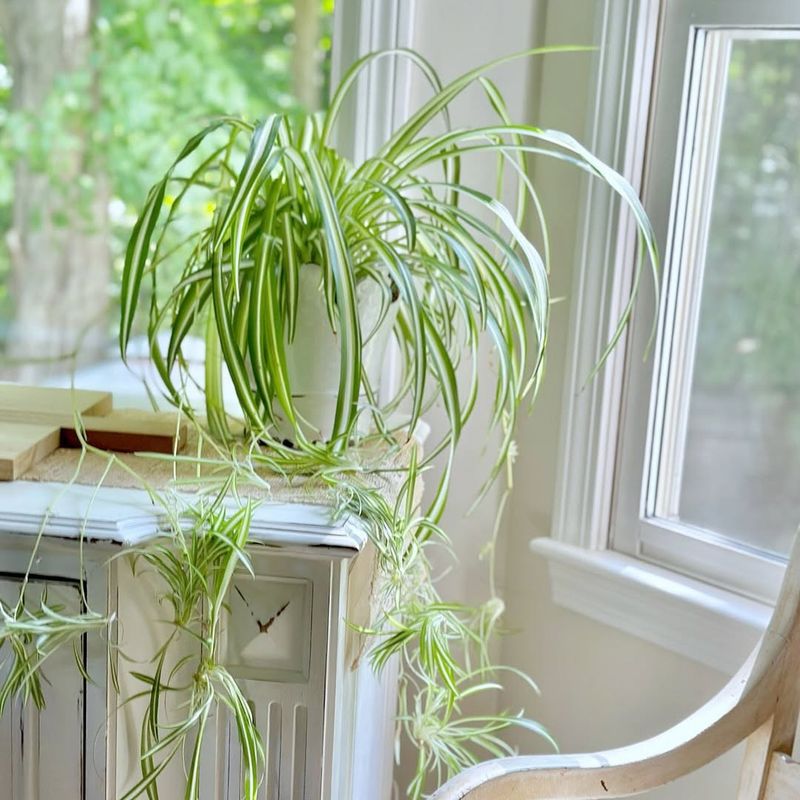
Spider plants produce cascading baby plantlets that dangle gracefully from arching leaves, creating a living waterfall effect that adds movement to any space.
Air purification capabilities are impressive, as spider plants remove carbon monoxide, formaldehyde, and xylene, making them excellent choices for improving indoor air quality.
Adaptability is a hallmark trait, with spider plants tolerating various light conditions from bright indirect to moderate shade without losing their vibrant appearance.
Watering needs are flexible, as spider plants can handle occasional neglect but prefer consistently moist soil during growing seasons for optimal health and growth.
Non-toxic to pets makes spider plants safe for households with cats and dogs who might investigate or nibble on dangling leaves occasionally.
Hanging baskets showcase spider plants beautifully, allowing their arching foliage and baby plantlets to cascade freely and create stunning vertical garden displays indoors.
Propagation is incredibly easy by planting the baby plantlets, giving you endless opportunities to fill your home with greenery or gift plants.
California’s mild climate allows spider plants to thrive year-round indoors, maintaining their lush appearance and continuing to produce new growth consistently and reliably.
6. Pothos

Pothos vines grow vigorously with heart-shaped leaves that trail beautifully from shelves, creating living curtains that soften hard edges in modern home interiors.
Nearly indestructible, pothos survives neglect, low light, and irregular watering, earning its reputation as one of the easiest houseplants for absolute beginners.
Air purification studies show pothos removes formaldehyde, benzene, and carbon monoxide, contributing to healthier indoor environments for families living in California homes.
Variegated varieties feature stunning yellow, white, or cream patterns that add visual interest and brightness to darker rooms where colorful plants typically struggle.
Propagation in water is simple and satisfying, allowing you to create new plants from cuttings and watch roots develop in clear jars.
Climbing or trailing growth habits offer versatility, as pothos can be trained up moss poles or allowed to cascade down from high places.
Focus improves in workspaces adorned with pothos, as greenery reduces stress and creates more pleasant environments that support productivity and creative thinking.
California homeowners love pothos for its forgiving nature and rapid growth, which quickly fills empty spaces with lush, vibrant foliage year-round indoors.
7. Boston Fern
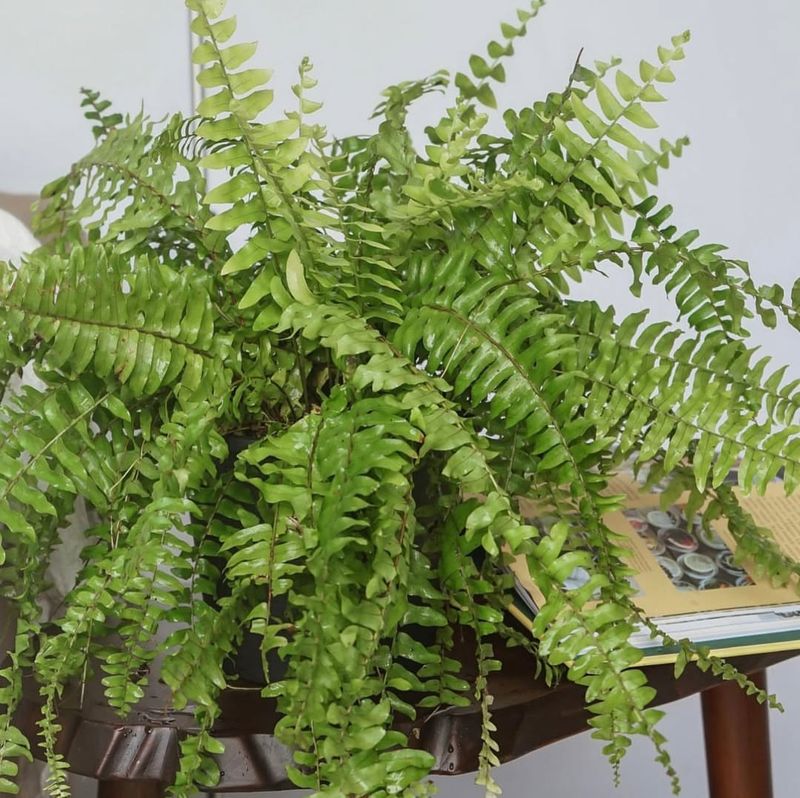
Boston ferns bring Victorian elegance with their feathery, arching fronds that create soft, romantic atmospheres perfect for cozy reading nooks and relaxation areas.
Humidity lovers, Boston ferns thrive in California coastal regions but may need regular misting or pebble trays in drier inland areas for best results.
Air purification benefits include removing formaldehyde and xylene while adding moisture to dry indoor air, which improves respiratory comfort during California’s dry seasons.
Consistent moisture is essential, as Boston ferns dislike drying out completely but also suffer from waterlogged soil, requiring attentive watering practices from caregivers.
Bright, indirect light keeps fronds vibrant and lush, though Boston ferns tolerate lower light better than many other ferns, making them versatile choices.
Bathroom environments suit Boston ferns perfectly because natural humidity from showers mimics their preferred growing conditions without requiring extra effort or equipment.
Brown tips indicate low humidity or inconsistent watering, but trimming damaged fronds encourages fresh growth and maintains the plant’s attractive, full appearance.
Hanging baskets display Boston ferns beautifully, allowing their graceful fronds to cascade freely and create stunning focal points in California homes seeking classic elegance.
8. Rubber Plant

Rubber plants command attention with their large, glossy leaves that reflect light beautifully, creating bold statements in minimalist or contemporary California home designs.
Air purification research shows rubber plants excel at removing airborne toxins, particularly formaldehyde, making them valuable additions to newly furnished or renovated spaces.
Fast growth rates mean rubber plants can reach impressive heights quickly, filling vertical space and creating natural room dividers or privacy screens indoors.
Bright, indirect light promotes the deepest leaf color and most vigorous growth, though rubber plants adapt to moderate light conditions reasonably well.
Watering should allow soil to dry slightly between sessions, as rubber plants prefer consistent moisture without becoming waterlogged, which can cause root problems.
Leaf wiping removes dust and keeps foliage glossy, enhancing the plant’s appearance while allowing it to photosynthesize more efficiently and stay healthier overall.
Pruning controls height and encourages bushier growth, giving you flexibility to shape your rubber plant according to your space constraints and aesthetic preferences.
California’s warm climate suits rubber plants perfectly, allowing them to thrive year-round indoors without special temperature adjustments or complicated seasonal care routines required.
9. Jade Plant

Jade plants symbolize prosperity and good fortune in many cultures, making them meaningful gifts for new homeowners or anyone starting fresh chapters.
Succulent leaves store water efficiently, allowing jade plants to survive weeks without watering, which suits busy California lifestyles and forgetful plant parents.
Bright light encourages compact growth and may trigger pink or red leaf edges, adding unexpected color to these typically green succulents.
Slow growth makes jade plants ideal for small spaces like desks or shelves where you want greenery without rapid, overwhelming expansion.
Ancient specimens can live for decades, even generations, becoming family heirlooms that carry memories and connections across time in California households.
Propagation from leaf cuttings is simple and rewarding, allowing you to create new plants easily and share jade’s good fortune with friends.
Minimal watering during winter months mimics jade plants’ natural dormancy period, helping them rest and prepare for vigorous spring growth cycles ahead.
Focus improves in workspaces featuring jade plants, as their calm presence and symbolic meaning create positive, motivating environments that support goal achievement effectively.
10. English Ivy
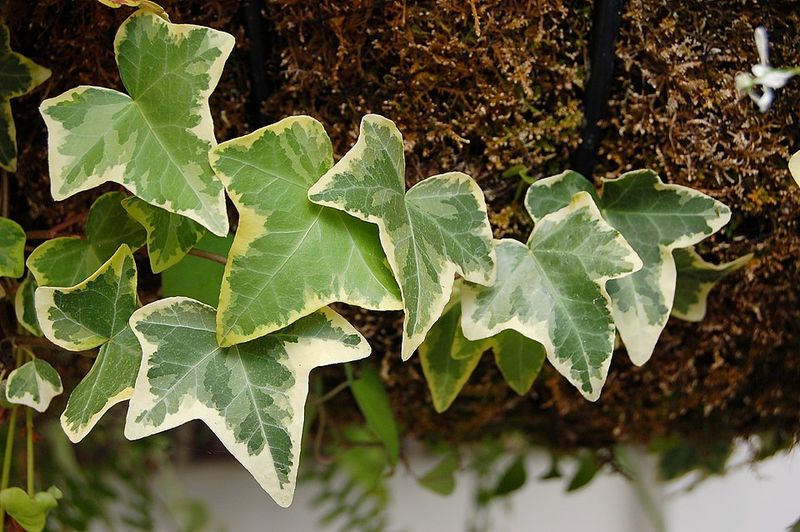
English ivy climbs or trails with delicate, lobed leaves that create classic, timeless appeal reminiscent of historic gardens and European countryside landscapes.
Air purification studies highlight English ivy’s ability to reduce airborne mold particles significantly, which benefits California homes in humid coastal areas especially.
Versatile growth allows English ivy to be trained up trellises, along walls, or cascading from hanging baskets, offering numerous creative decorating possibilities.
Cool temperatures suit English ivy best, making it perfect for California’s mild climate where extreme heat rarely stresses this adaptable, forgiving plant.
Consistent moisture keeps English ivy looking its best, though it tolerates brief dry periods better than constant overwatering, which causes root issues.
Pet toxicity requires caution, as English ivy can cause digestive upset in cats and dogs, so place it out of reach carefully.
Propagation through stem cuttings is straightforward, allowing you to expand your collection or create living walls filled with lush, cascading greenery indoors.
Bathroom and kitchen environments suit English ivy well because natural humidity from daily activities mimics its preferred growing conditions without requiring extra maintenance.
11. ZZ Plant
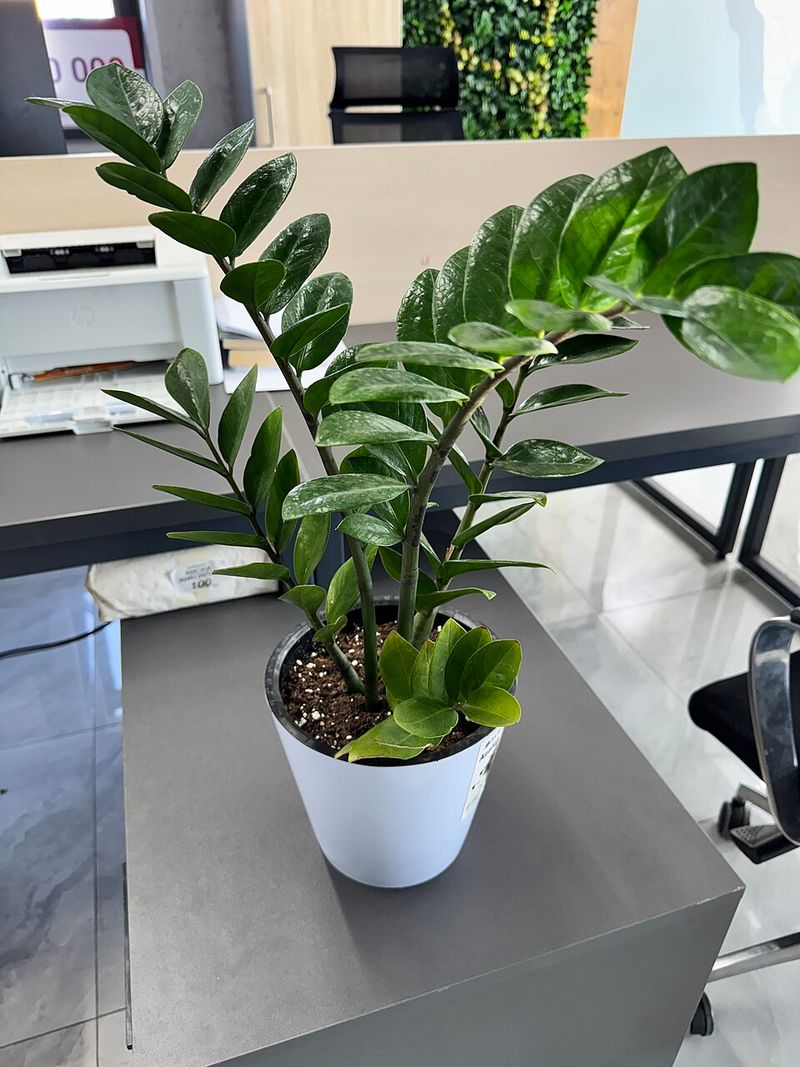
ZZ plants tolerate extreme neglect, surviving in low light and with infrequent watering, making them perfect for travelers or anyone with unpredictable schedules.
Glossy, dark green leaves reflect light beautifully, adding a polished, sophisticated look to modern California homes seeking sleek, contemporary plant options.
Rhizomes store water underground, allowing ZZ plants to survive drought conditions that would stress or damage less adapted houseplants significantly and quickly.
Air purification capabilities include removing xylene, toluene, and benzene, contributing to cleaner indoor air quality for families living in California urban environments.
Slow growth means ZZ plants maintain their size and shape for extended periods, requiring minimal pruning or maintenance to keep looking neat.
Low light tolerance makes ZZ plants ideal for offices, bathrooms, or basement spaces where natural sunlight is limited or completely absent throughout days.
Toxicity to pets and humans requires careful placement away from curious animals and small children who might touch or taste the leaves.
California homeowners appreciate ZZ plants for their architectural form and bulletproof nature, which guarantees success even for self-proclaimed plant destroyers seeking greenery.
12. Monstera Deliciosa
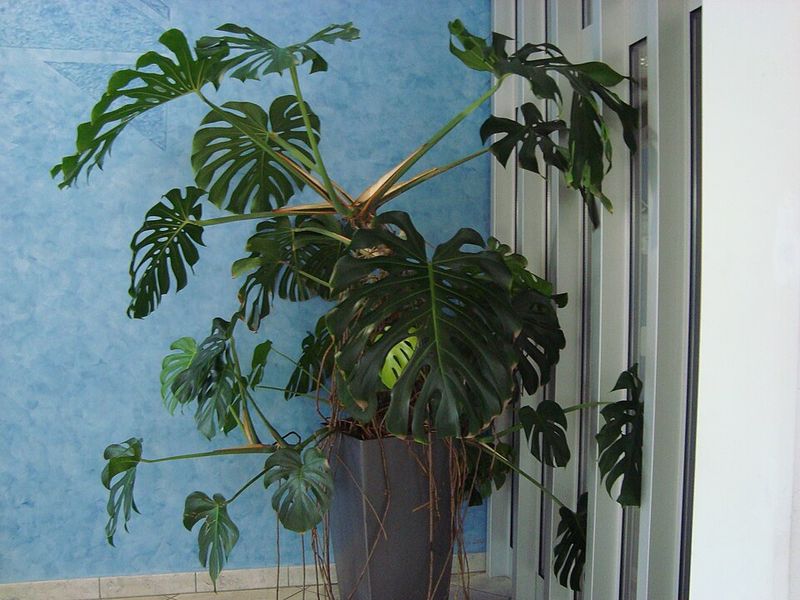
Monstera’s dramatic split leaves create instant tropical vibes that transport California homeowners to vacation-like settings without leaving their comfortable living rooms daily.
Air purification happens naturally as monstera removes formaldehyde and other toxins, contributing to healthier indoor environments for families and individuals living together.
Climbing nature means monstera appreciates moss poles or stakes for support, allowing it to grow upward and develop larger, more fenestrated leaves.
Bright, indirect light encourages the iconic leaf splits and holes called fenestrations, which develop more dramatically as plants mature over time indoors.
Moderate watering allows soil to dry slightly between sessions, preventing root rot while keeping monstera hydrated enough to support its large foliage.
Instagram-worthy appearance makes monstera a social media favorite, with its striking leaves appearing in countless California home decor photos and design inspiration.
Propagation through stem cuttings is rewarding, allowing you to create new plants or encourage bushier growth by trimming long, leggy vines carefully.
California’s mild climate suits monstera perfectly, providing warmth and humidity levels that mirror its native tropical habitat without requiring complicated environmental adjustments regularly.
13. Philodendron
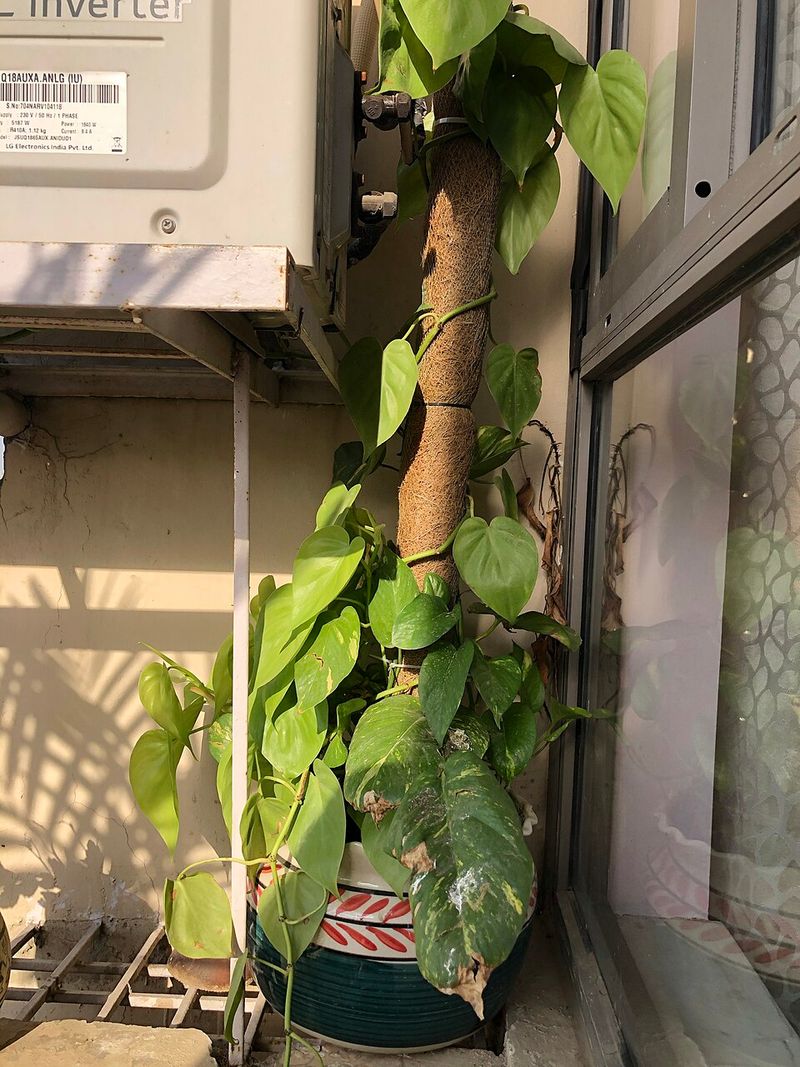
Philodendrons grow quickly with heart-shaped leaves that trail gracefully, creating lush displays that soften spaces and add natural warmth to California home interiors.
Low maintenance requirements make philodendrons perfect for beginners who want attractive plants without complicated care routines or constant attention throughout busy weeks.
Air purification benefits include removing formaldehyde and other volatile organic compounds, improving indoor air quality for families living in California urban and suburban areas.
Adaptable lighting needs mean philodendrons tolerate everything from bright indirect light to moderate shade, thriving in various rooms throughout your California home.
Watering flexibility allows philodendrons to forgive occasional neglect, though they prefer consistently moist soil during active growing seasons for best results overall.
Climbing or trailing habits offer decorating versatility, as philodendrons can be trained up supports or allowed to cascade from shelves and hanging baskets.
Propagation in water is simple and satisfying, allowing you to create new plants from cuttings and watch roots develop in clear containers.
California homeowners love philodendrons for their forgiving nature, rapid growth, and ability to fill spaces quickly with vibrant, lush greenery year-round indoors.
14. Bamboo Palm
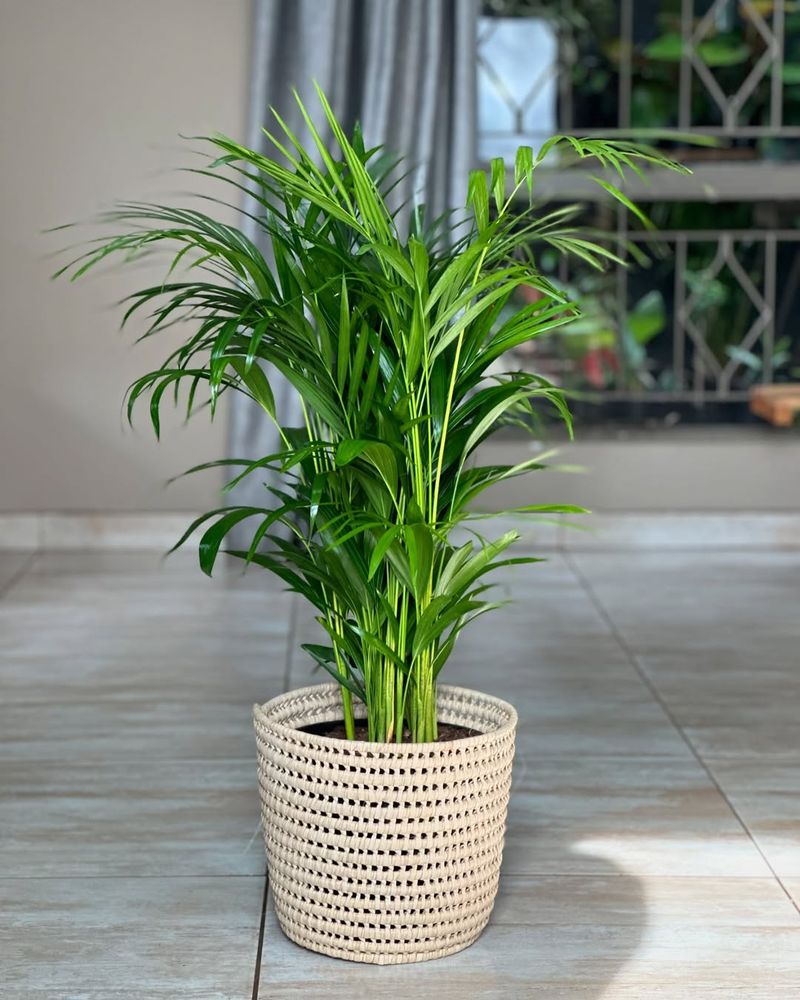
Bamboo palms bring tropical elegance with feathery fronds that sway gently in air currents, creating movement and life in static California home interiors.
Air purification ratings rank bamboo palms highly for removing formaldehyde, benzene, and trichloroethylene, making them valuable additions to newly furnished or renovated spaces.
Humidity tolerance suits California coastal climates perfectly, though bamboo palms adapt reasonably well to drier inland areas with occasional misting or pebble trays.
Bright, indirect light keeps bamboo palms lush and vibrant, though they tolerate lower light better than many other palm varieties, offering placement flexibility.
Consistent moisture is important, as bamboo palms dislike drying out completely but also suffer from waterlogged soil, requiring attentive watering practices regularly.
Non-toxic to pets makes bamboo palms safe choices for households with cats and dogs who might investigate or brush against fronds occasionally.
Floor placement showcases bamboo palms beautifully, allowing them to grow tall and create natural room dividers or privacy screens in open-concept California homes.
Focus improves in spaces featuring bamboo palms, as their calming presence and gentle movement create peaceful environments that support concentration and mental clarity.