These Indoor Plants Help Clean Air In New York Apartments
Living in a New York apartment often means dealing with stale air, limited ventilation, and long hours spent indoors. The good news is that certain indoor plants can help improve air quality while adding beauty to your space.
These plants naturally filter common indoor pollutants and increase oxygen levels, creating a fresher and more comfortable home environment. They also help balance humidity, which can reduce dryness during colder months.
Even small apartments can benefit from the right plant choices placed near windows, desks, or living areas. You don’t need a large space or complicated care routines to see results.
With smart plant selection and basic maintenance, you can enjoy cleaner air and a healthier atmosphere every day. Adding these air-friendly plants to your New York apartment is a simple step toward better breathing and a more inviting living space.
1. Snake Plant
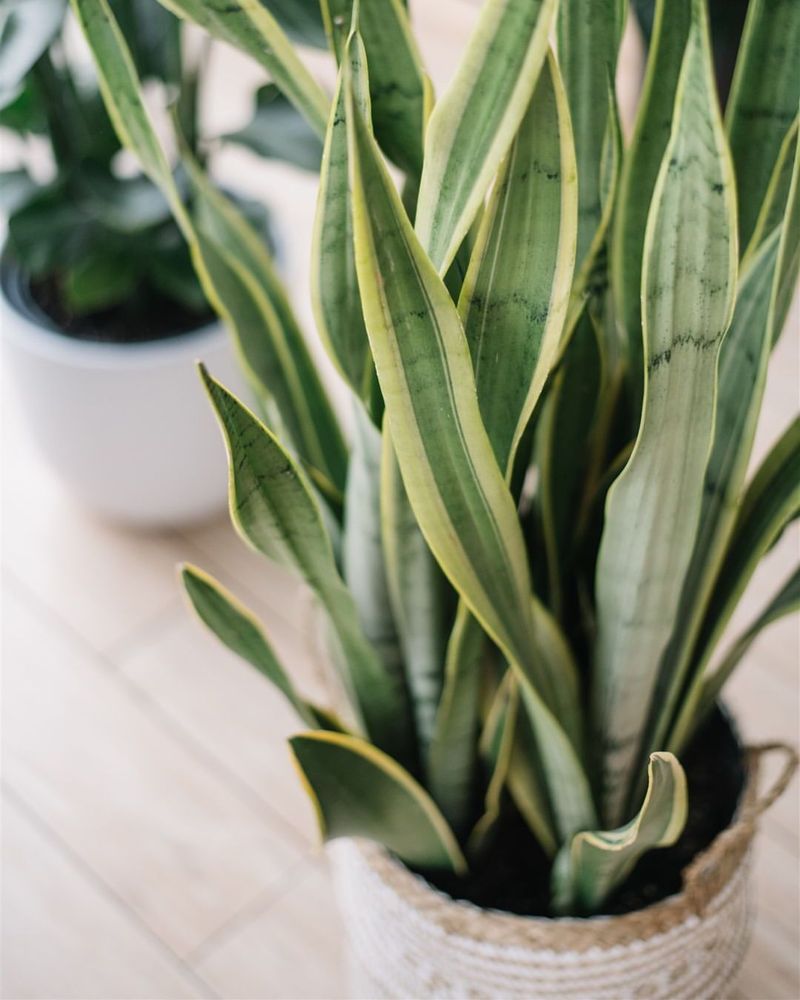
Snake plants stand tall like little green soldiers, with their striking upright leaves that feature beautiful yellow or white edges. This tough plant earned its reputation as one of the best air purifiers you can find, especially for New York apartments where space comes at a premium.
Unlike most plants that only produce oxygen during daylight hours, snake plants continue working their magic at night, making them perfect bedroom companions for better sleep quality.
What makes this plant truly special for city living is its ability to filter out formaldehyde, xylene, toluene, and nitrogen oxides. These chemicals often lurk in cleaning products, toilet paper, and personal care items that most New Yorkers use daily.
The plant requires very little attention, thriving even when you forget to water it for weeks. Bright indirect light works best, but it tolerates low light conditions surprisingly well.
For apartment dwellers who travel frequently or work long hours, the snake plant becomes an ideal choice. It actually prefers being slightly neglected over receiving too much care.
Place one in your bedroom, another in your living room, and watch as they quietly clean your air while adding a modern, sculptural look to your space. Their vertical growth pattern means they take up minimal floor space while making a bold visual statement.
2. Spider Plant
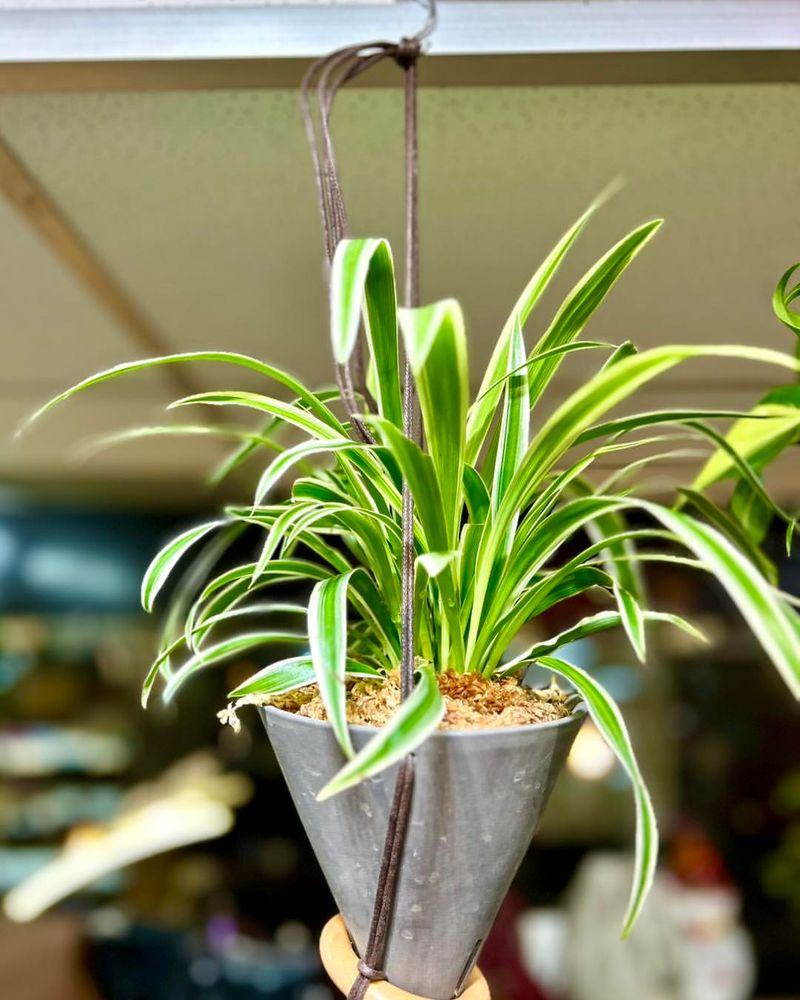
Cascading gracefully from hanging baskets or perched on high shelves, spider plants bring a waterfall of green and white striped leaves into your home.
These cheerful plants reproduce by sending out long stems with baby plantlets dangling at the ends, creating a living mobile that sways gently with air movement.
New York renters love them because they adapt easily to various light conditions and forgive occasional watering mistakes.
Research shows spider plants excel at removing carbon monoxide and xylene from indoor air, two pollutants commonly found in urban environments. The plant absorbs these toxins through its leaves and roots, converting them into harmless substances while releasing fresh oxygen.
Their ability to thrive in bathrooms makes them particularly useful, as they appreciate the humidity and can filter out chemicals from personal care products.
Starting with one spider plant often leads to having many more, since the babies root easily in water or soil. This makes them budget-friendly options for filling multiple rooms in your New York apartment without spending much money.
They grow quickly and produce those adorable plantlets even in less-than-perfect conditions. Hang them near windows for best results, but they will also tolerate corners with less natural light, making them versatile additions to any apartment layout throughout the city.
3. Peace Lily
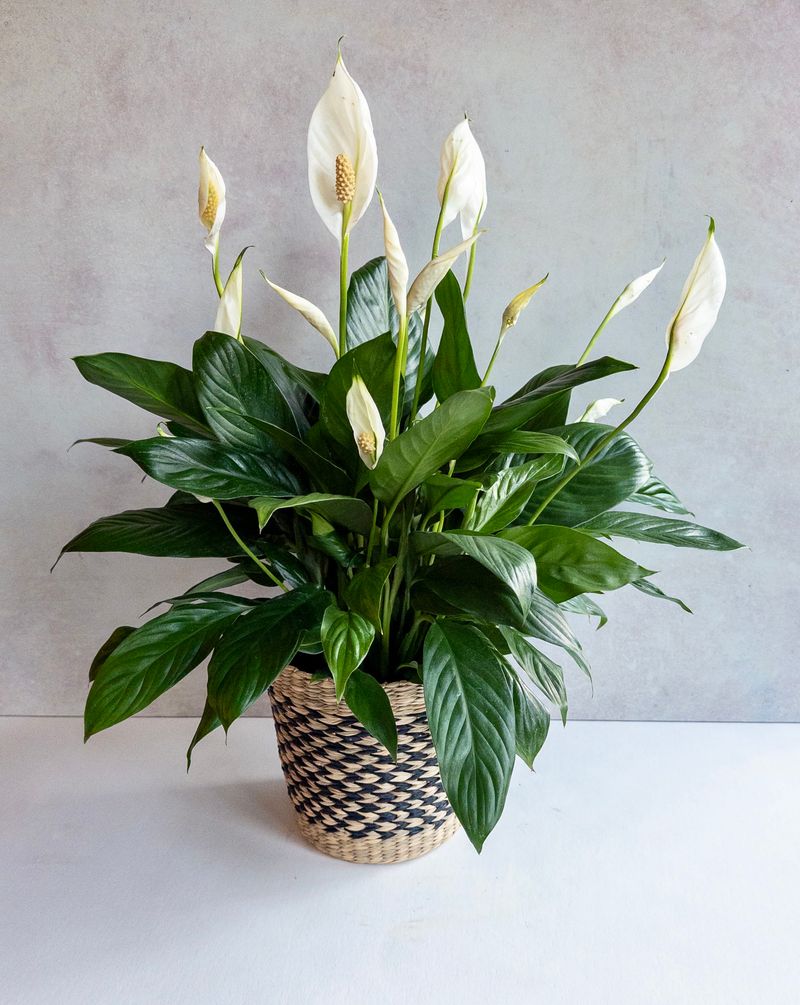
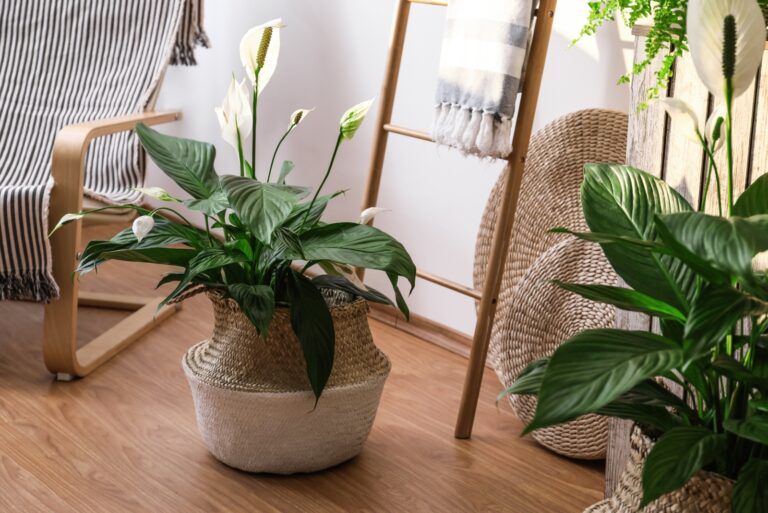
Elegant white blooms rise above glossy dark green leaves, making peace lilies one of the most visually stunning air purifiers available. These plants actually tell you when they need water by drooping their leaves dramatically, then perking right back up within hours of getting a drink.
For busy New Yorkers juggling work and life, this clear communication makes plant care much simpler and less stressful.
Peace lilies topped NASA’s list of air-purifying plants thanks to their impressive ability to remove ammonia, benzene, formaldehyde, and trichloroethylene from indoor spaces.
These chemicals commonly appear in cleaning supplies, paints, and furniture finishes found throughout New York apartments.
The plant works by absorbing these toxins through its leaves and breaking them down in its root system. Its preference for low to medium light makes it perfect for apartments without abundant natural sunlight.
Keep peace lilies away from curious pets, as their leaves contain compounds that can cause discomfort if chewed. Place them on high shelves or in rooms where animals do not venture.
They thrive in bathrooms where humidity runs high, and their tropical nature appreciates the moisture in the air.
Weekly watering usually keeps them happy, though they might need more frequent drinks during hot summer months when New York apartments can get quite warm and dry despite air conditioning efforts.
4. Boston Fern
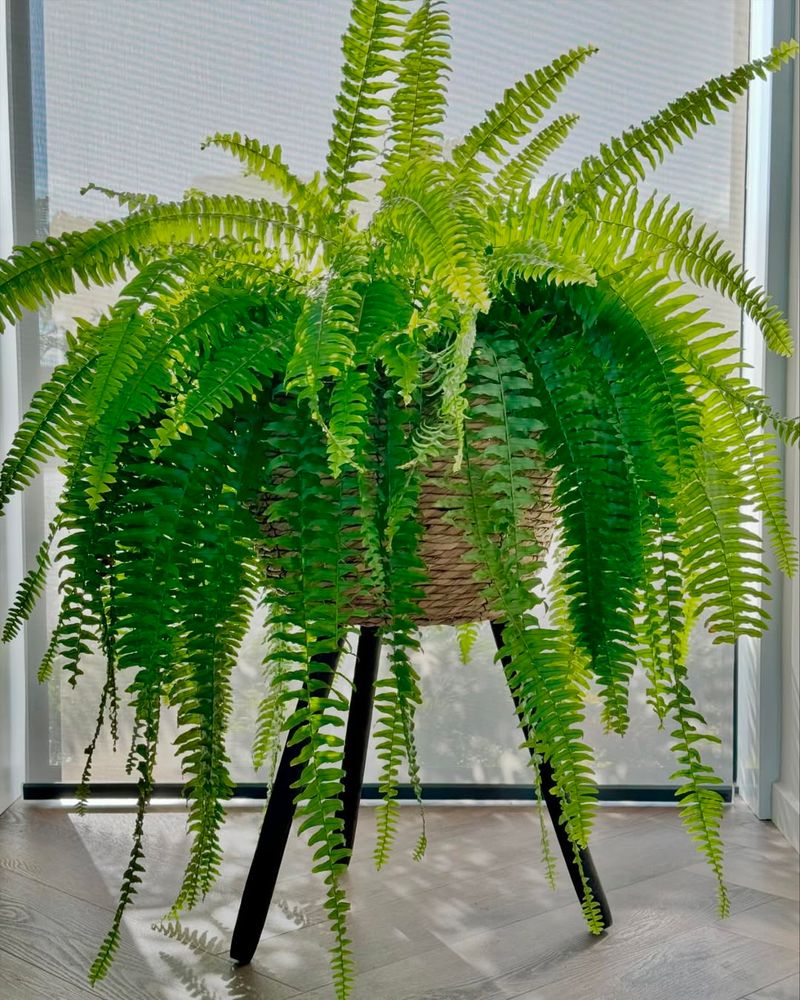
Lush, feathery fronds spill outward in all directions, creating a soft green cloud that brings forest vibes into cramped city spaces.
Boston ferns have been popular houseplants for over a century, gracing Victorian parlors and modern apartments alike with their delicate, arching leaves.
Their natural humidity-loving nature makes them surprisingly well-suited to New York bathrooms or kitchens where moisture levels stay higher than in other rooms.
These ferns work overtime removing formaldehyde from the air, a common chemical released by pressed wood furniture, carpets, and insulation materials found in many apartment buildings throughout the city.
They also act as natural humidifiers, releasing moisture back into dry indoor air through a process called transpiration.
During winter months when heating systems make New York apartments feel like deserts, Boston ferns help restore comfortable humidity levels while cleaning toxins from your breathing space.
Caring for Boston ferns requires more attention than some other options on this list, but the effort pays off with stunning results. They prefer consistent moisture without sitting in soggy soil, and they appreciate misting several times weekly.
Bright, indirect light keeps them looking their best, though they tolerate lower light better than you might expect. Trim away any brown fronds to keep the plant looking fresh and encourage new growth that continues purifying your apartment air effectively.
5. Rubber Plant
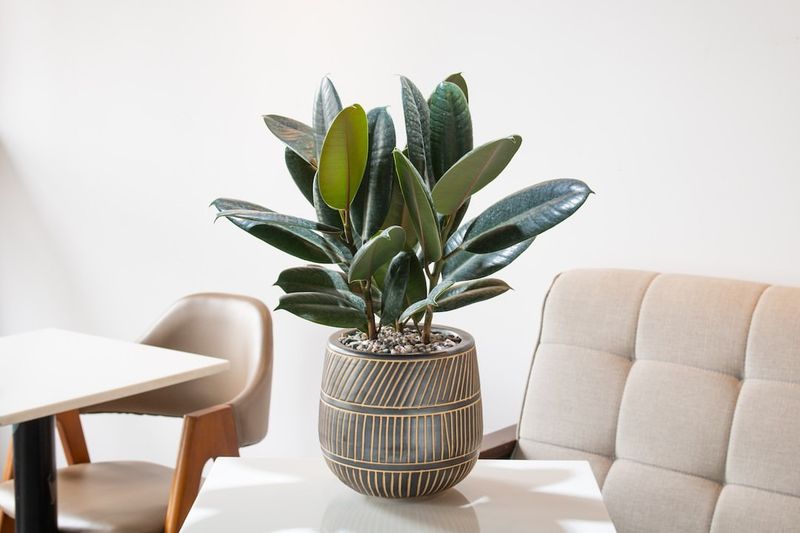
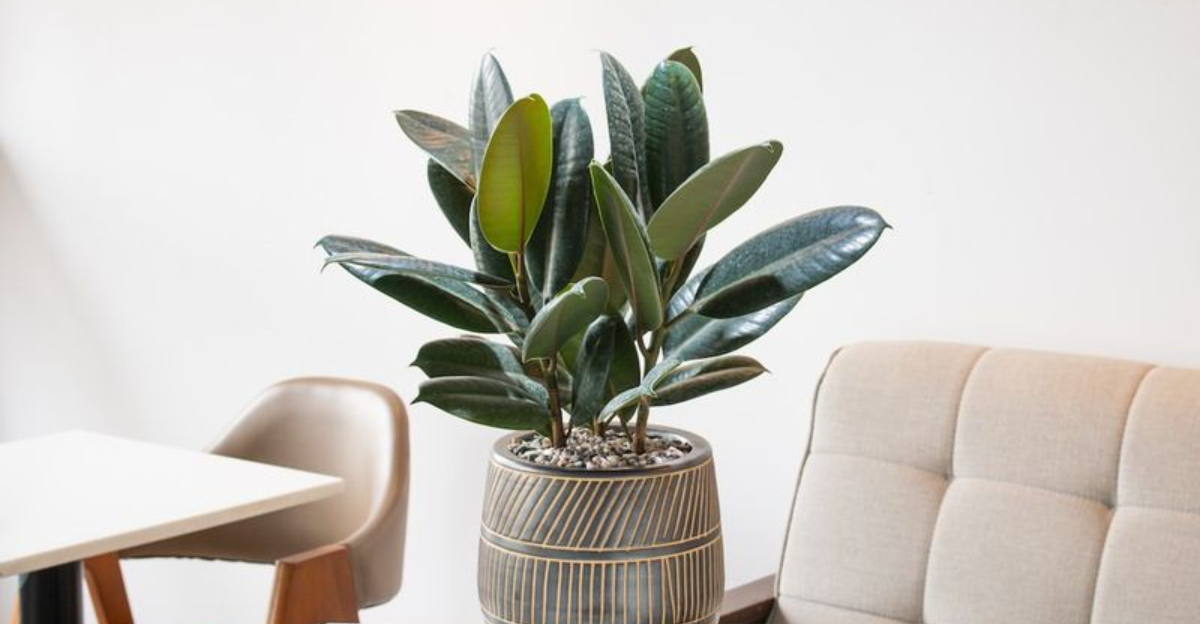
Bold, glossy leaves in deep green or burgundy tones make rubber plants statement pieces that command attention in any room. Their thick, waxy foliage reflects light beautifully, brightening up corners that might otherwise feel dark in typical New York apartments where natural light can be limited.
As they mature, rubber plants develop into impressive floor specimens that can reach several feet tall, though they grow slowly enough that you will not feel overwhelmed by their size.
Rubber plants excel at removing airborne toxins, particularly formaldehyde which off-gases from many common household items. Their large leaf surface area allows them to process more air than smaller plants, making them efficient purifiers for their size.
They require minimal care once established, tolerating some neglect better than fussier tropical varieties. Bright, indirect light encourages the best growth and deepest leaf colors, but they adapt reasonably well to medium light situations common in city apartments.
Wipe the leaves monthly with a damp cloth to remove dust that accumulates from New York’s urban environment. This simple maintenance step helps the plant breathe better and absorb more toxins from your indoor air.
Allow the soil to dry out between waterings to prevent root problems, and rotate the pot occasionally so all sides receive equal light exposure.
Their upright growth habit makes them space-efficient choices for apartments where floor space is precious but ceiling height allows for taller plants.
6. Aloe Vera
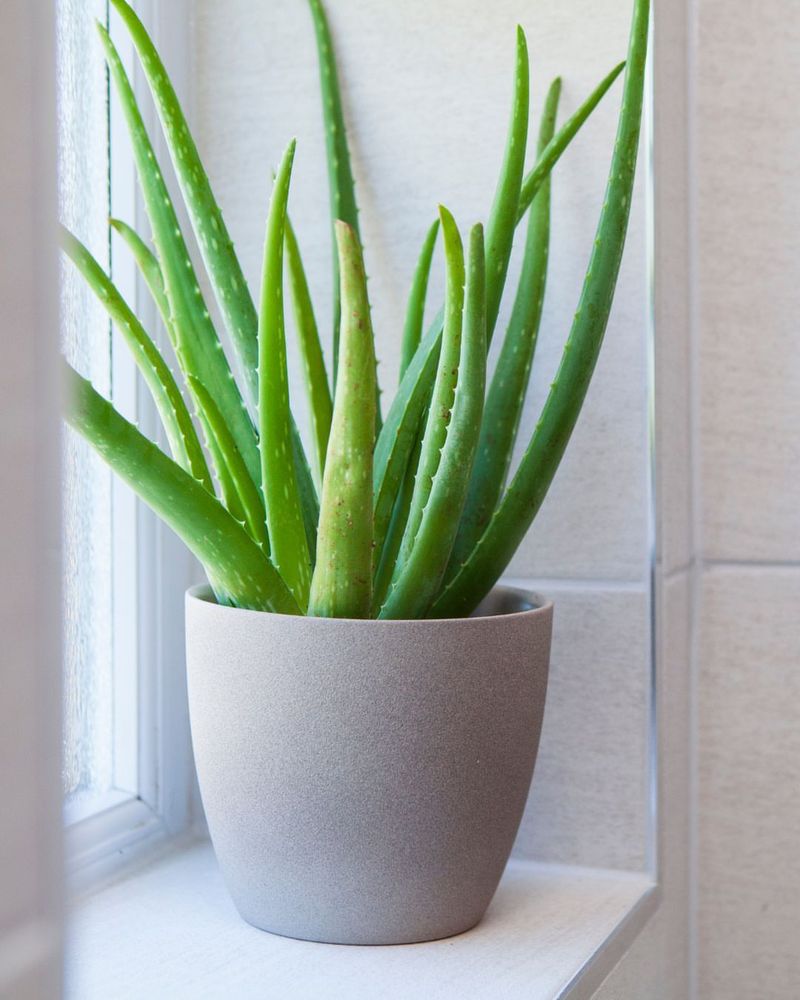
Spiky succulent leaves filled with healing gel make aloe vera plants both decorative and practical additions to New York apartments. These desert natives store water in their thick leaves, allowing them to survive weeks without attention from busy city residents.
Their compact size fits perfectly on sunny windowsills, kitchen counters, or bathroom shelves where they can access the bright light they crave while staying out of the way in small spaces.
Aloe vera plants filter formaldehyde and benzene from indoor air, chemicals commonly released by paints, detergents, and varnishes found in apartment buildings. Unlike many houseplants, aloe releases oxygen at night while absorbing carbon dioxide, improving air quality while you sleep.
The clear gel inside their leaves provides soothing relief for minor burns, cuts, and skin irritations, giving you a natural first-aid remedy right in your home. Many New Yorkers keep aloe plants in their kitchens specifically for treating cooking-related burns.
These sun-loving plants need a south or west-facing window to truly thrive and maintain their compact, healthy shape. Water them deeply but infrequently, allowing the soil to dry completely between drinks.
Overwatering causes more problems than underwatering with aloe plants, so err on the side of caution.
They produce small offsets or pups around their base that you can separate and pot up, creating new plants to share with friends or spread throughout your apartment for maximum air-cleaning benefits.
7. Pothos
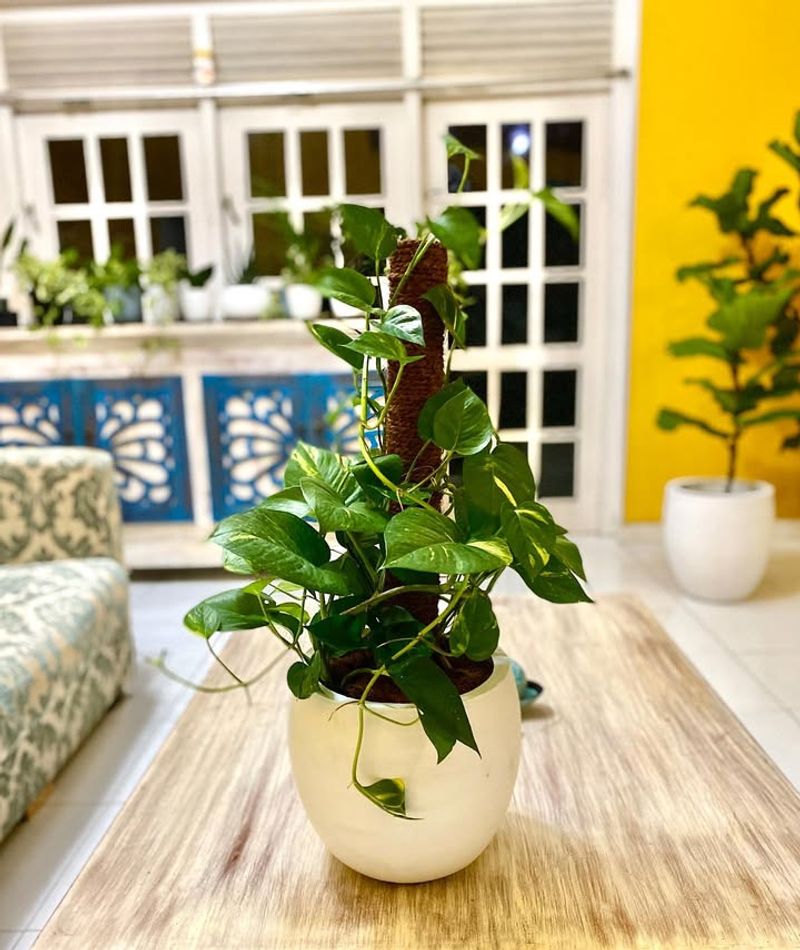
Heart-shaped leaves in shades of green, yellow, and white trail gracefully from pots, creating living curtains that soften hard apartment edges. Pothos plants rank among the most forgiving houseplants available, surviving in conditions that would stress out more delicate varieties.
Their vining nature makes them perfect for adding greenery at various heights throughout your New York apartment, whether cascading from bookcases, climbing up moss poles, or draping from hanging planters near windows.
Scientists discovered that pothos effectively removes formaldehyde, xylene, and benzene from indoor air, making them valuable allies in the fight against apartment pollution.
These chemicals commonly appear in cigarette smoke, car exhaust that seeps indoors, and off-gassing from new furniture or renovation materials.
The plant continues growing vigorously even in low-light conditions, though brighter indirect light enhances the variegation patterns on their leaves.
Their ability to thrive almost anywhere makes them ideal for filling darker corners or hallways in apartments where other plants might struggle.
Pothos plants grow quickly, sometimes adding several inches per week during active growing seasons. Trim back long vines to encourage bushier growth and propagate the cuttings in water to create new plants for free.
They tolerate irregular watering schedules, bouncing back from both slight drought and occasional overwatering.
For New Yorkers seeking maximum air-cleaning impact with minimal effort, pothos plants deliver impressive results while looking beautiful throughout the year in any apartment setting.
8. Dracaena
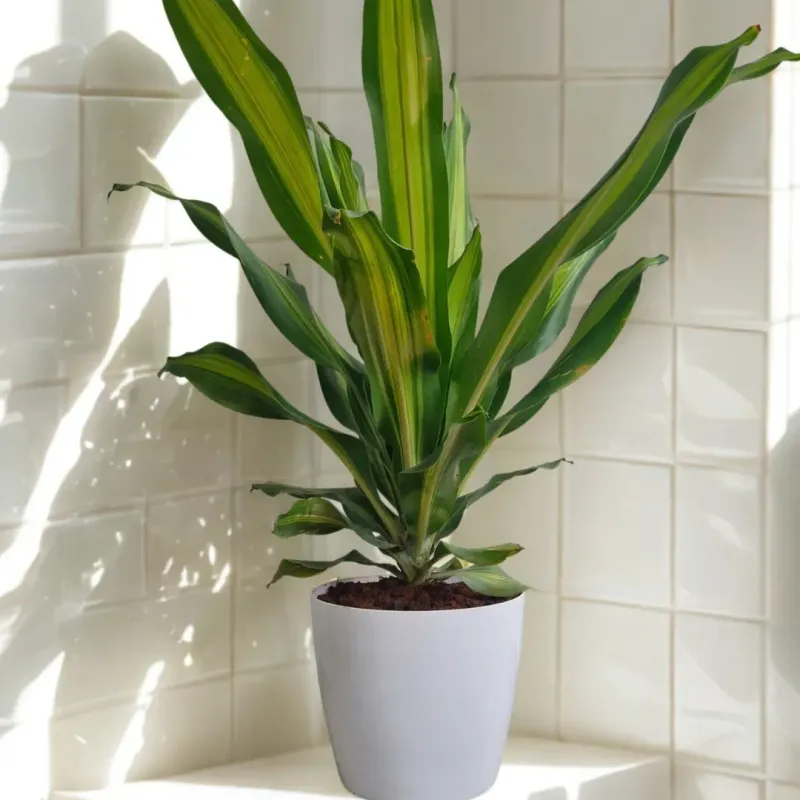
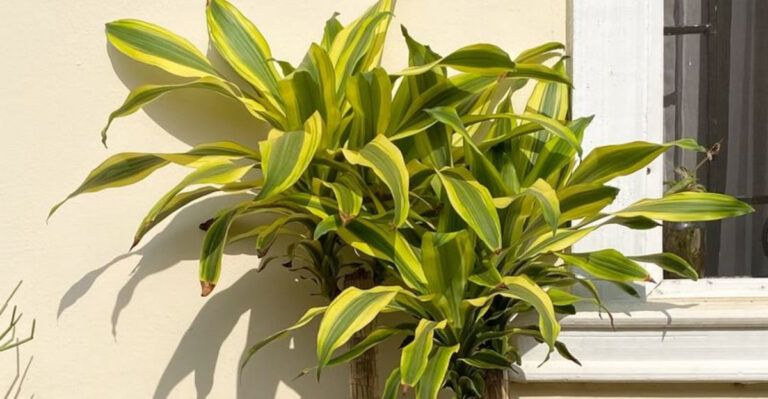
Sword-like leaves arranged in rosettes create architectural interest while efficiently cleaning apartment air. Dracaena varieties come in numerous forms, from the compact Dracaena marginata with thin red-edged leaves to the broader-leafed Dracaena fragrans with cream and green stripes.
Their upright growth pattern makes them excellent choices for New York apartments where vertical space exceeds horizontal room, allowing you to maximize greenery without sacrificing precious floor area.
NASA research identified dracaenas as top performers for removing trichloroethylene, formaldehyde, and benzene from indoor environments. These plants also filter xylene and toluene, chemicals present in many household products stored in city apartments.
Their slow growth rate means they maintain manageable sizes for years without requiring frequent repotting or drastic pruning.
Medium to bright indirect light keeps them looking their best, though they tolerate lower light levels better than many other air-purifying options available to apartment dwellers.
Water dracaenas when the top inch or two of soil feels dry to the touch, typically every week or two depending on your apartment’s temperature and humidity levels. They prefer room temperature water rather than cold tap water straight from the faucet.
Brown leaf tips sometimes develop if your water contains high fluoride levels, common in some New York neighborhoods. Using filtered or distilled water prevents this cosmetic issue.
Wipe dust from their long leaves regularly to keep them functioning efficiently as air purifiers throughout your apartment space.
9. Bamboo Palm
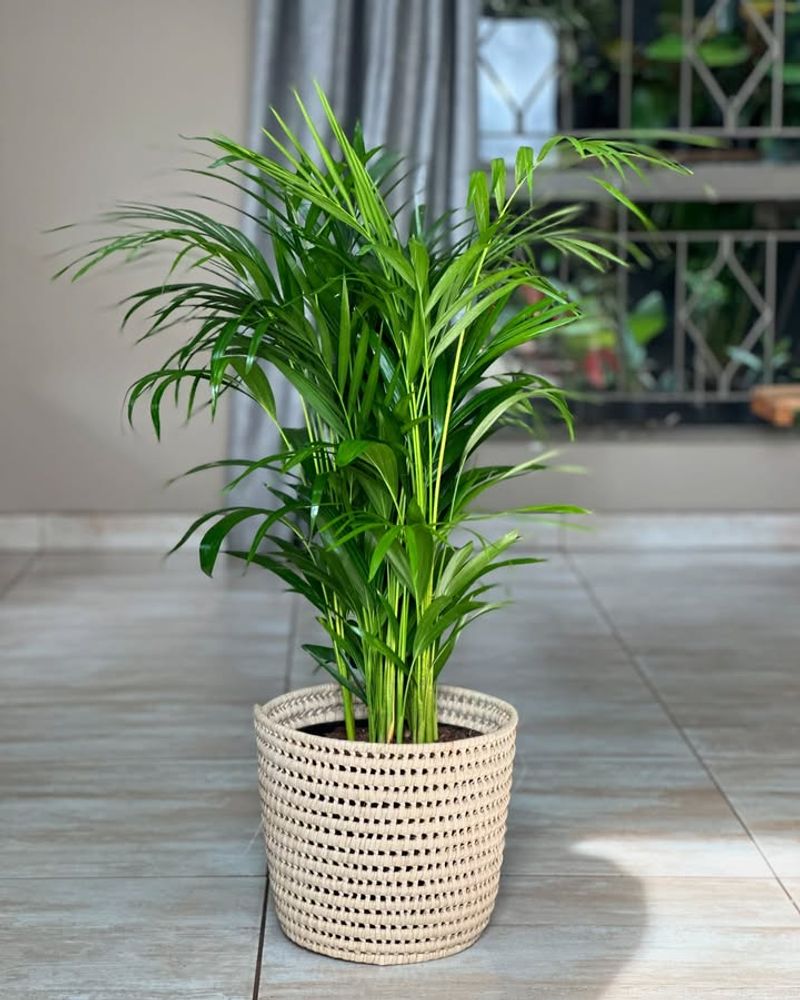
Graceful fronds reaching upward bring tropical paradise vibes to even the smallest New York studio apartment. Bamboo palms create instant vacation atmosphere while working hard to filter toxins from your indoor air.
Their clustered stems and arching leaves add movement and life to static apartment corners, and they grow tall enough to make dramatic statements without spreading too wide horizontally.
Many interior designers choose bamboo palms specifically for their ability to soften modern apartment aesthetics.
These palms rank highly for removing formaldehyde, benzene, and trichloroethylene from indoor spaces according to air quality studies.
They also excel at filtering out carbon monoxide, a particularly important function in New York apartments near busy streets where vehicle exhaust can seep indoors.
Bamboo palms naturally humidify dry apartment air, releasing moisture through their leaves and creating more comfortable breathing conditions during harsh winter months when heating systems strip humidity from indoor environments.
Bright, indirect light near east or west-facing windows helps bamboo palms flourish, though they adapt to medium light situations reasonably well. Keep their soil consistently moist but never waterlogged, checking the top layer before watering again.
They appreciate occasional misting, which also helps prevent spider mites that sometimes affect indoor palms. Feed them monthly during spring and summer with diluted houseplant fertilizer to support healthy growth.
Their air-purifying abilities increase as they grow larger, making them long-term investments in your apartment’s air quality and overall ambiance throughout the year.
10. English Ivy
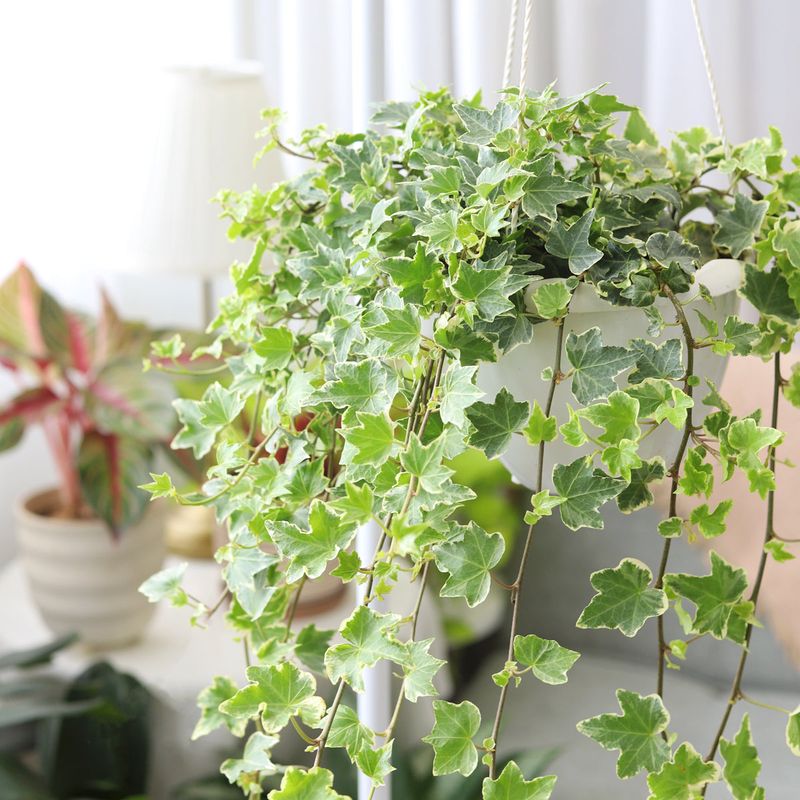
Delicate trailing vines covered in small lobed leaves bring classic charm to modern New York living spaces. English ivy has adorned homes for centuries, valued for its elegant appearance and remarkable adaptability to various growing conditions.
This versatile plant works beautifully in hanging baskets, climbing up small trellises, or cascading from high shelves where its vines can drape downward.
Its ability to grow in cooler temperatures makes it particularly suitable for apartments where heating costs encourage lower thermostat settings during winter months.
Studies reveal that English ivy effectively removes airborne mold spores, making it especially valuable for older New York apartment buildings where moisture issues sometimes create mold problems.
The plant also filters formaldehyde, benzene, and other common indoor pollutants from the air you breathe daily.
Research suggests that keeping English ivy in bedrooms may help people with breathing sensitivities rest more comfortably. Its air-cleaning capabilities improve as the plant matures and produces more leaf surface area to process toxins.
Provide English ivy with bright, indirect light and moderate watering, allowing the soil surface to dry slightly between waterings. Cooler room temperatures between sixty and seventy degrees suit this plant perfectly, matching typical winter conditions in many New York apartments.
Pinch back growing tips regularly to encourage fuller, bushier growth rather than long, sparse vines.
Watch for spider mites, which occasionally affect ivy, and treat them quickly with insecticidal soap or neem oil to keep your air-purifying plant healthy and attractive year-round.