These Landscaping Additions May Require A Permit In Arizona
Making changes to your yard can be exciting, especially in Arizona where outdoor living is part of everyday life. A new pergola for shade, a fire pit for cool evenings, or a retaining wall to shape the landscape can feel like simple upgrades.
Not every landscaping upgrade is as simple as it looks, though, and some may require official approval before work begins.
Before you dig, build, or install anything, it’s important to know what Arizona allows, because a missing permit can quickly turn a dream yard into an expensive headache.
Smart landscaping starts with knowing the rules before you begin. Many Arizona homeowners are surprised to learn that certain landscaping additions fall under building, zoning, or safety regulations.
Features that feel permanent, change drainage patterns, or affect property lines often require permits, even when they are placed in the backyard. Outdoor kitchens, tall fences, shade structures, water features, and grading projects are common examples.
Rules can vary widely by city and county, which means what’s allowed in one neighborhood may not be allowed in another without approval. Arizona’s desert climate also plays a role in how landscaping is regulated.
Water use, soil movement, and fire safety are taken seriously, especially in areas prone to flooding or wildfires. Ignoring these rules can lead to fines, forced changes, or problems when selling your home later.
Understanding permit requirements ahead of time gives you peace of mind and helps your project move forward smoothly.
1. Swimming Pools And Spas
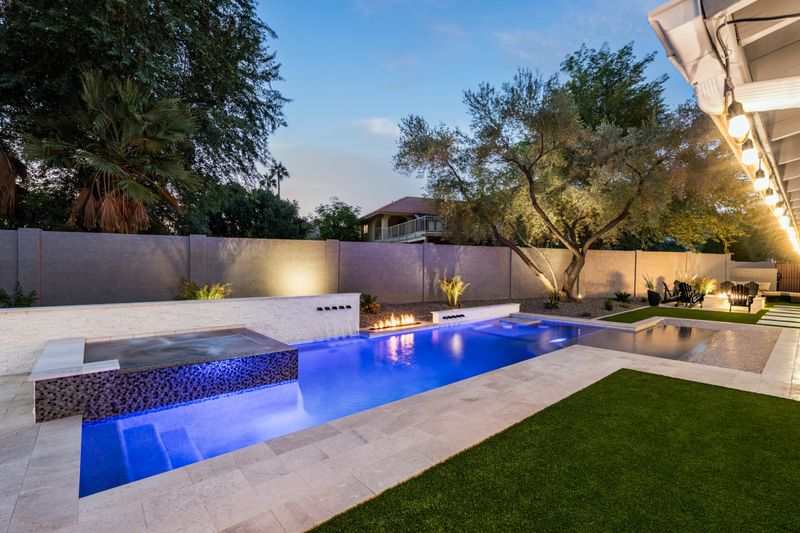
Arizona’s scorching summers make backyard pools incredibly popular, but they’re also one of the most regulated landscaping additions.
Every municipality in Arizona requires permits for in-ground pools, and most also require them for above-ground pools that hold more than a certain amount of water.
The permit process ensures your pool meets safety standards, proper setback requirements from property lines, and barrier regulations designed to prevent accidents.
Installing a pool without proper permits can result in hefty fines ranging from several hundred to several thousand dollars.
Beyond money, unpermitted pools create serious problems when selling your home since title companies often require proof of permits for major improvements.
The inspection process covers electrical work, plumbing, structural integrity, and fencing requirements that protect neighborhood children.
Arizona law mandates specific barrier requirements around pools, including fence height, gate self-closing mechanisms, and latch placement.
Your permit application will need detailed plans showing pool dimensions, equipment locations, drainage plans, and barrier specifications. Many cities also require a separate electrical permit for pool equipment and lighting.
Working with licensed pool contractors familiar with Arizona regulations simplifies the permit process significantly. They understand local requirements in cities like Scottsdale, Mesa, or Flagstaff and handle most paperwork on your behalf.
Processing times vary by jurisdiction but typically take two to four weeks, so factor this into your project timeline.
Remember that inspections happen at multiple stages, from excavation through final completion, ensuring everything meets Arizona’s strict safety standards throughout construction.
2. Retaining Walls Over Certain Heights
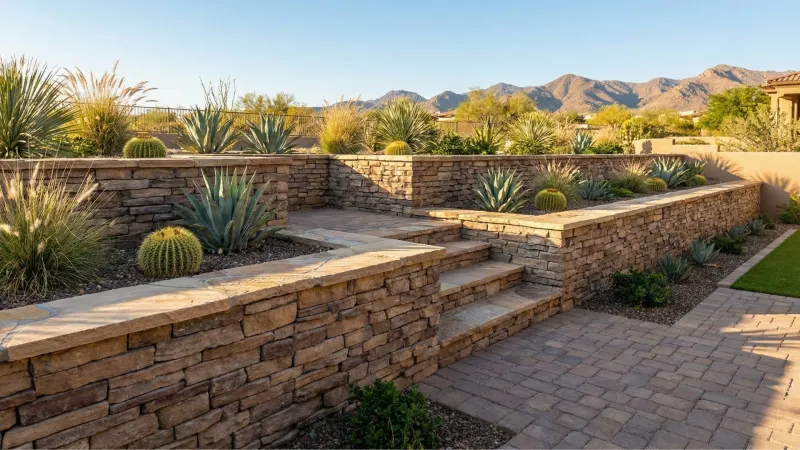
Retaining walls serve both functional and aesthetic purposes in Arizona landscapes, especially on sloped properties common in areas like Paradise Valley or the foothills around Tucson.
However, walls exceeding specific heights trigger permit requirements because they bear significant structural loads and could cause property damage or injury if they fail.
Most Arizona jurisdictions require permits for retaining walls taller than three to four feet, though some cities set the threshold lower.
The engineering behind retaining walls is more complex than many homeowners realize. Soil pressure, drainage, foundation depth, and reinforcement all factor into safe wall construction.
Arizona’s soil conditions vary dramatically across the state, from caliche-heavy ground to sandy desert soil, each presenting unique challenges.
Permits ensure walls are designed appropriately for local soil conditions and include proper drainage to prevent water buildup that could cause collapse.
Building an unpermitted retaining wall creates liability issues if it fails and damages neighboring property or injures someone. Insurance companies may deny claims related to unpermitted structures, leaving you personally responsible for all damages.
Additionally, unpermitted walls discovered during home sales often must be brought into compliance or removed entirely at your expense.
The permit process typically requires engineered plans for walls over certain heights, usually around four feet in most Arizona cities.
Licensed engineers familiar with local soil conditions prepare these plans, accounting for proper footings, drainage systems, and reinforcement.
Inspection occurs during construction to verify the foundation, drainage installation, and backfill procedures.
Even decorative walls exceeding height thresholds need permits, so don’t assume your landscaping wall is exempt just because it looks nice.
3. Outdoor Kitchens And Built-In Barbecues
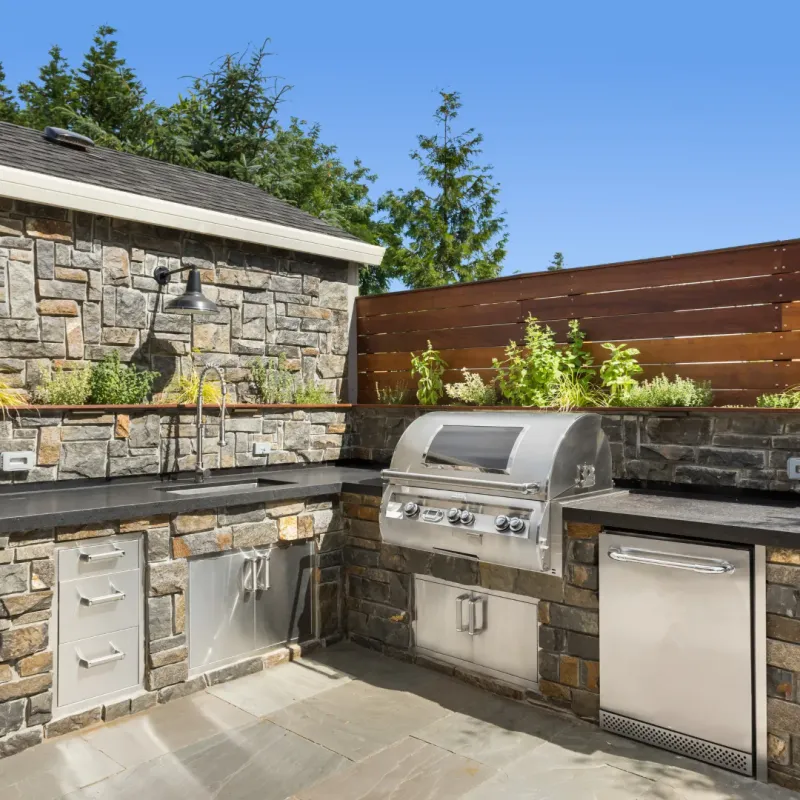
Outdoor living spaces have become essential features in Arizona homes, where pleasant weather allows year-round use.
Built-in barbecues and full outdoor kitchens enhance property value and lifestyle, but they almost always require permits because they involve gas lines, electrical connections, and permanent structures.
Whether you’re in Chandler, Tempe, or Sedona, expect to pull permits for these popular additions.
The permit requirements stem from safety concerns surrounding natural gas or propane connections, electrical wiring for appliances and lighting, and structural elements like countertops and overhead coverings.
Gas leaks can cause explosions, improper electrical work creates fire hazards, and unstable structures pose collapse risks.
Permits ensure licensed professionals perform this work according to code, with inspections verifying everything is installed safely.
Many homeowners don’t realize that even replacing an existing built-in grill often requires permits if you’re modifying gas or electrical connections.
Simple portable grills moved around your patio don’t need permits, but once you connect permanent gas lines or build surrounding structures, you’ve crossed into permit territory. Arizona building departments take gas work particularly seriously given the dangers involved.
The application process requires detailed plans showing appliance locations, utility routing, ventilation plans, and structural details. Separate permits may be needed for gas, electrical, and structural work, depending on your local jurisdiction.
Licensed contractors typically coordinate these permits, but if you’re doing the work yourself, you’ll need to demonstrate adequate knowledge and skills. Inspections occur at rough-in stages before covering utilities and again upon completion.
Outdoor kitchen permits protect your investment by ensuring everything is built properly and safely, maintaining your home’s value and your family’s wellbeing throughout many Arizona cookouts to come.
4. Gazebos, Ramadas, And Covered Patios
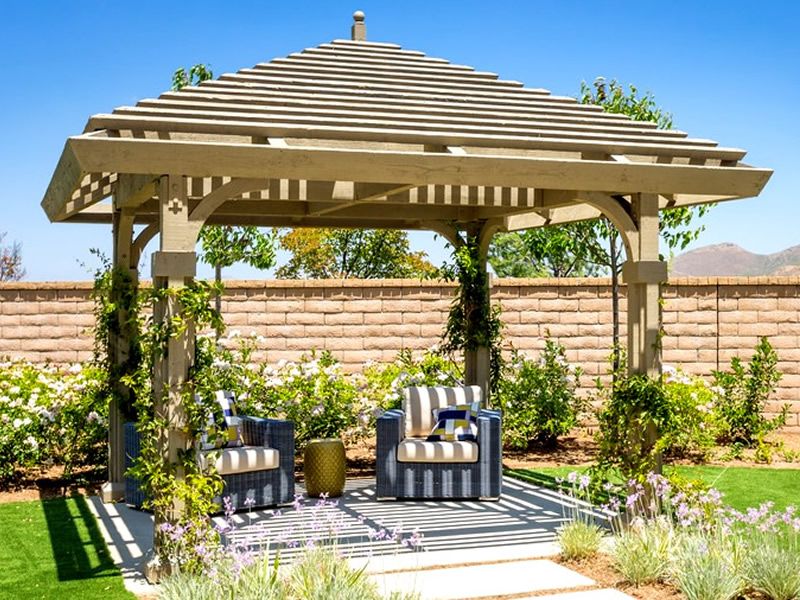
Shade structures are practically necessities in Arizona’s intense sun, making gazebos, ramadas, and covered patios extremely popular landscaping additions.
Most permanent shade structures require building permits throughout Arizona because they’re considered accessory structures that must meet setback requirements, height restrictions, and structural standards. Even open-air ramadas typically need permits despite having no walls.
Permit requirements exist because these structures must withstand Arizona’s weather extremes, including monsoon winds, occasional heavy rains, and intense sun exposure. Improperly built structures can collapse during storms, causing injuries and property damage.
Building codes ensure adequate footings, proper bracing, and appropriate materials that won’t deteriorate quickly under Arizona’s harsh conditions.
Your local building department wants to verify these structures are safe and won’t blow into your neighbor’s yard during monsoon season.
Size matters when determining permit requirements, with some jurisdictions exempting very small structures under specific square footage limits. However, most family-sized shade structures exceed these thresholds.
Attached structures connecting to your home almost always require permits, while freestanding structures may have more flexibility depending on size and location. Check with your specific city or county because requirements vary significantly across Arizona.
The permit application needs detailed plans showing dimensions, materials, foundation details, and placement on your property. Setback requirements typically mandate specific distances from property lines and easements.
Some homeowner associations impose additional restrictions beyond city requirements, so verify both before starting your project. Inspections usually occur at the foundation stage and upon completion.
Processing times are generally reasonable, often just a few weeks in most Arizona communities. The permit ensures your beautiful new shade structure is built to last through many Arizona summers while keeping your family safe underneath.
5. Water Features And Ponds
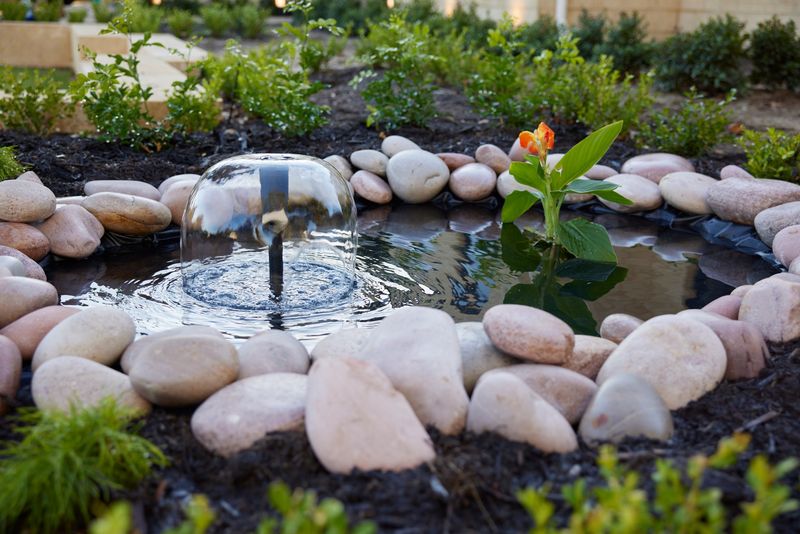
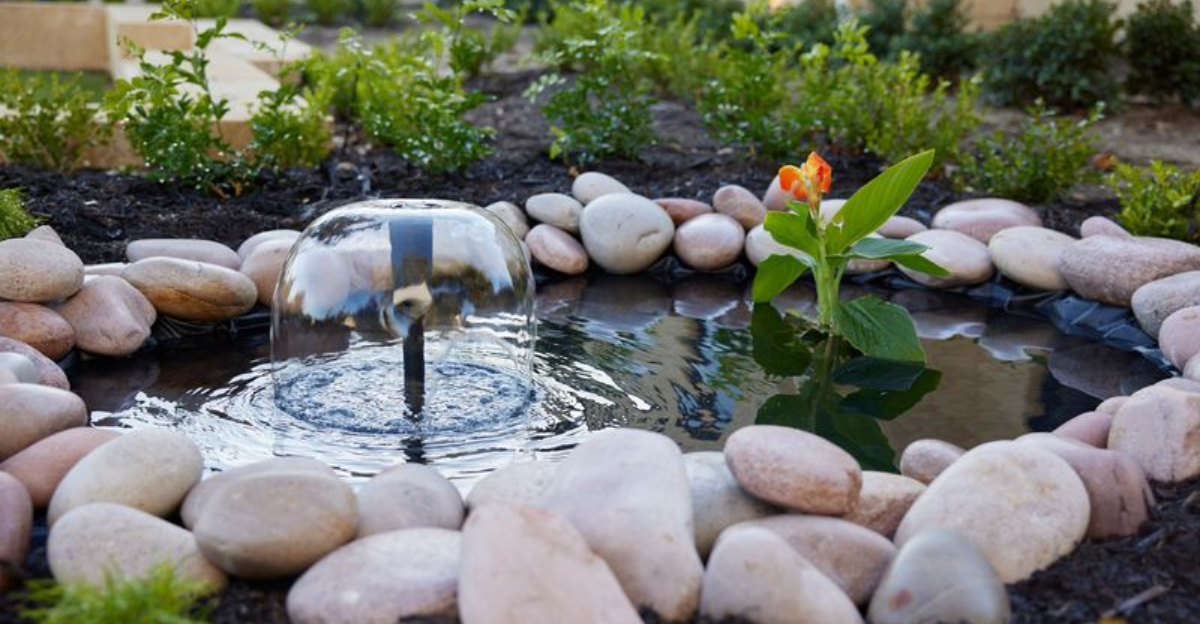
Fountains, ponds, and waterfalls add tranquil beauty to Arizona landscapes, creating peaceful retreats and attracting desert wildlife.
While small decorative fountains typically don’t require permits, larger water features often do, especially those involving electrical work, significant excavation, or substantial water volumes.
Requirements vary considerably across Arizona municipalities, making it essential to check your specific location’s rules. Electrical permits are usually needed for water features requiring pumps, lighting, or filtration systems.
Water and electricity create dangerous combinations if not properly installed, so building departments require licensed electricians to perform this work with appropriate ground-fault circuit interrupter protection.
Even low-voltage lighting around ponds may fall under permit requirements depending on your jurisdiction and installation specifics.
Larger ponds and water features may also trigger structural permits, particularly if they involve significant excavation, retaining walls, or structures that could affect drainage patterns on your property or neighboring lots.
Arizona’s monsoon rains can create serious flooding issues if water features aren’t designed with proper overflow and drainage considerations.
Some cities also have specific regulations about water features to address water conservation concerns in our desert environment.
Natural swimming pools and large decorative ponds often face the same permit requirements as traditional swimming pools in many Arizona cities.
The distinction sometimes depends on depth, water volume, and whether the feature could pose drowning hazards.
Koi ponds and similar features with substantial depth and size typically need permits even though they’re not intended for swimming.
Start by contacting your local building department with detailed plans showing dimensions, electrical requirements, and water capacity.
They’ll advise which permits you need for your specific project, helping you create a beautiful water feature that meets all Arizona safety and building standards.
6. Detached Sheds And Storage Buildings
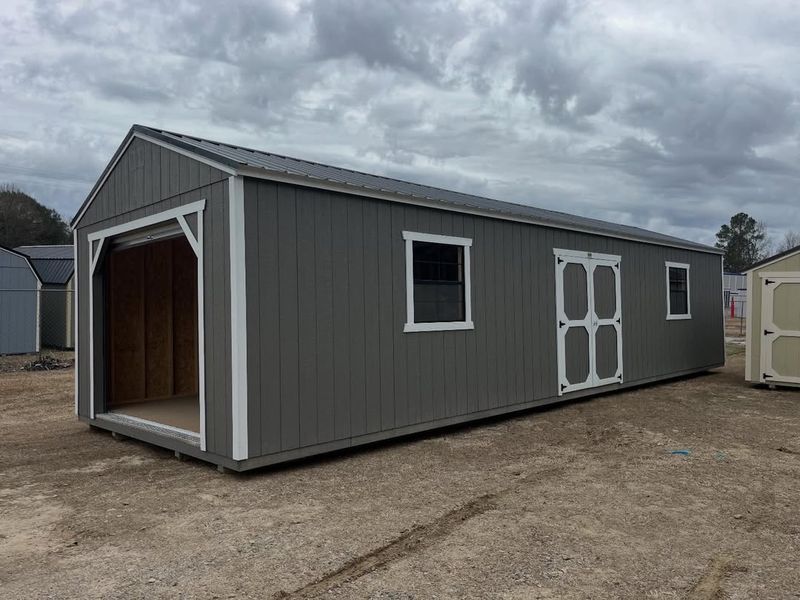
Extra storage space is valuable in any home, and detached sheds provide convenient places to store gardening equipment, tools, and outdoor furniture.
Many Arizona homeowners assume small sheds don’t need permits, but most cities require permits for structures exceeding certain size thresholds, typically around 120 to 200 square feet.
Even smaller sheds may need permits in some jurisdictions, so always verify local requirements before purchasing or building. Permit requirements ensure sheds meet setback regulations, height restrictions, and structural standards.
Building departments want to prevent sheds from being placed too close to property lines where they could create fire hazards, block views, or encroach on utility easements.
Arizona’s strong monsoon winds can turn unsecured sheds into dangerous projectiles, so permits verify proper anchoring and construction methods that keep structures in place during storms.
Pre-fabricated sheds purchased from home improvement stores still require permits in most cases, contrary to popular belief.
The permit isn’t about whether you built it yourself or bought it ready-made; it’s about ensuring the structure meets local codes and is properly placed on your property.
Some retailers offer permit assistance, providing specifications and plans needed for your application, but homeowners remain responsible for obtaining required permits.
The application process is usually straightforward for standard sheds, requiring a site plan showing shed placement, dimensions, and distances from property lines.
Electrical permits are separate if you’re adding power to your shed, which many homeowners do for lighting and power tools.
Some Arizona cities have simplified permit processes for typical residential sheds, with quick approvals for standard sizes and placements.
Homeowner associations may impose additional restrictions on shed appearance, colors, and locations, so check those rules alongside city requirements.
Getting proper permits protects you from fines and ensures your shed won’t create issues when selling your Arizona home later.
7. Landscape Lighting Systems
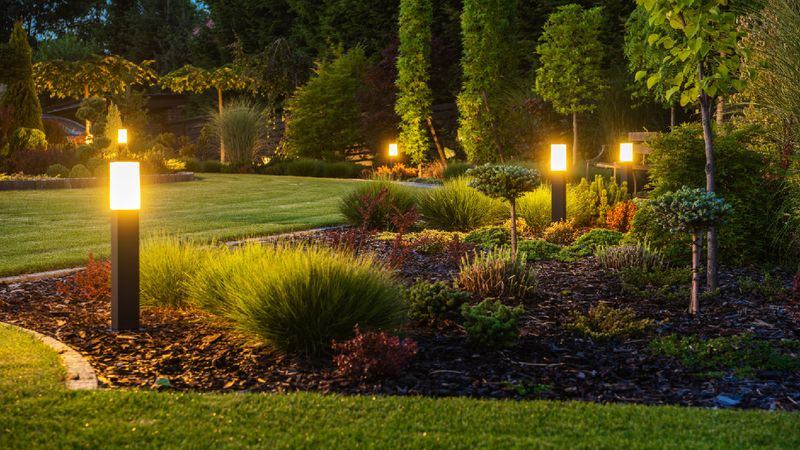
Beautiful landscape lighting transforms Arizona yards into magical evening spaces while improving security and safety. Low-voltage landscape lighting systems often don’t require permits, but line-voltage systems operating at standard household current almost always do.
The distinction matters because line-voltage systems pose greater shock and fire risks, requiring licensed electrician installation and permit inspections across Arizona.
Low-voltage systems typically operate at 12 volts through transformers that step down household current, making them much safer and usually exempt from permit requirements.
However, the transformer itself plugs into standard outlets, and if you’re installing new outdoor outlets to power landscape lighting, those electrical modifications definitely require permits.
Adding any new circuits or outlets involves permit requirements throughout Arizona, even for outdoor lighting purposes.
Line-voltage landscape lighting operates at 120 volts, the same as indoor household circuits, and requires proper burial depths, waterproof connections, and ground-fault protection. These systems must meet the same electrical codes as indoor wiring, necessitating permits and inspections.
Many Arizona homeowners prefer line-voltage for brighter lights or commercial-grade fixtures, but the permit requirements and installation costs are considerably higher than low-voltage alternatives.
Even extensive low-voltage systems may trigger permit requirements in some Arizona jurisdictions if they’re particularly complex or require trenching that could affect drainage or utilities.
Always check with your local building department before starting any landscape lighting project beyond simple plug-in fixtures.
If you’re hiring professional installers, verify they’re properly licensed and will obtain necessary permits. Unpermitted electrical work creates serious liability issues and may void your homeowner’s insurance coverage if problems occur.
Taking time to get proper permits ensures your beautiful Arizona landscape lighting is both stunning and safe, letting you enjoy your outdoor spaces worry-free throughout our gorgeous desert evenings.