These Low-Water Flowers Keep Their Color Even In Harsh North Carolina Heat
North Carolina heat can wear down a lot of flowers fast. Strong sun, long dry spells, and heavy summer air can leave garden beds looking faded when you want them to shine the most.
That is why low water flowers are such a smart choice. The best ones do not just hang on through harsh weather.
They keep their color, hold their shape, and continue making the yard look bright when other plants start giving up. For gardeners, that means less watering, less stress, and fewer flowers that look worn out by midsummer.
Some of these tough bloomers thrive in full sun and still look fresh during the hottest stretch of the season. In North Carolina, where summer can be hard on almost everything, the right flowers make a huge difference.
These are the plants that keep the garden looking alive when heat tries to drain the life out of it.
1. Blanket Flower
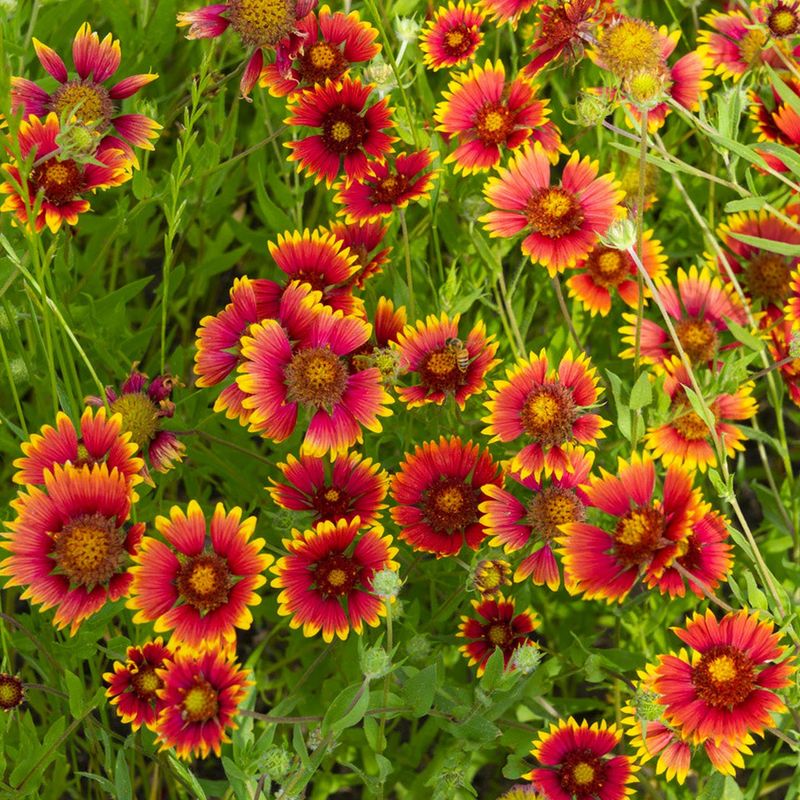
Few flowers bring as much fiery energy to a summer garden as the Blanket Flower. With bold rings of red and yellow on every bloom, Gaillardia pulchella looks like a tiny sunset right in your backyard.
North Carolina gardeners love it because it simply refuses to slow down, even when temperatures push past 90 degrees and rain disappears for weeks.
What makes this plant so tough is its love for poor, sandy soil and full sun conditions. Most plants struggle in dry, low-nutrient ground, but Blanket Flower actually performs better when you leave it alone.
Overwatering or rich soil can cause it to flop over and bloom less, so less care really does mean more color here.
Blanket Flower blooms from late spring all the way through fall, giving your garden months of reliable color. Bees and butterflies flock to its bright petals, making it a pollinator magnet as well.
Planting it along sunny borders, in rock gardens, or in raised beds with good drainage gives it the best chance to thrive.
Once established, it handles North Carolina’s intense heat and dry spells with zero fuss, making it one of the smartest choices for any low-maintenance garden in the state.
2. Lanceleaf Coreopsis
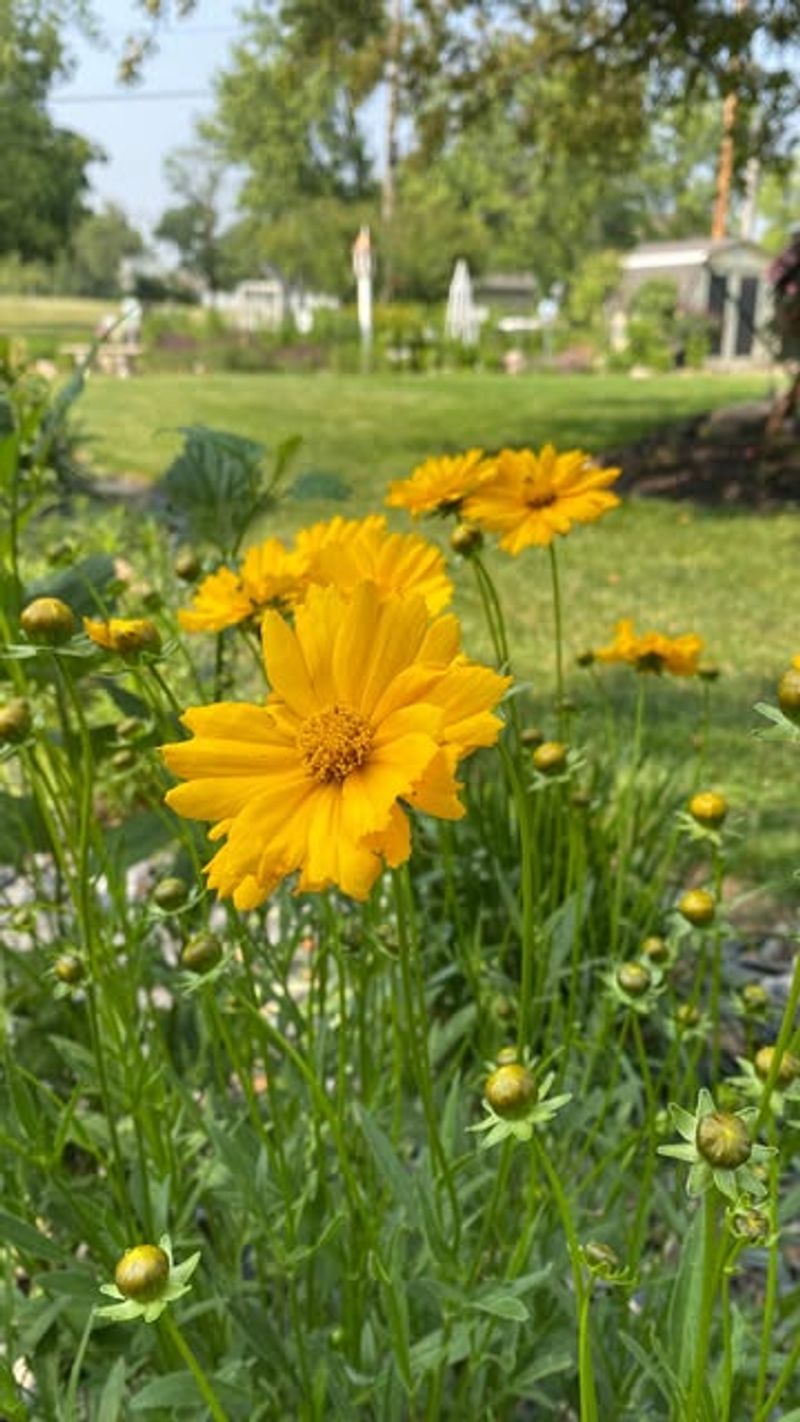
Cheerful and tough, Lanceleaf Coreopsis is the kind of flower that makes your garden look effortlessly well-kept all summer long.
Coreopsis lanceolata produces masses of golden yellow blooms on slender stems, creating a bright, airy look that pairs beautifully with almost anything else in your yard.
North Carolina summers can be brutally hot and sticky, but this plant handles it all without missing a beat.
One reason it performs so well across the state is its incredible adaptability. It tolerates heat, humidity, and dry spells equally well, which is a rare combination in the plant world.
Full sun is where Lanceleaf Coreopsis thrives most, but it can handle a bit of afternoon shade without losing much of its blooming energy. Even in poor, rocky, or sandy soil, it keeps producing flowers at a steady pace.
Minimal care is really all this plant asks for. Deadheading spent blooms encourages a second flush of flowers later in the season, extending the color show well into fall.
It also reseeds itself naturally, meaning you may find new plants popping up nearby each year without any effort.
For anyone building a low-maintenance garden in North Carolina, Lanceleaf Coreopsis is a dependable anchor plant that delivers consistent golden color from late spring through the hottest months of summer.
3. Butterfly Weed
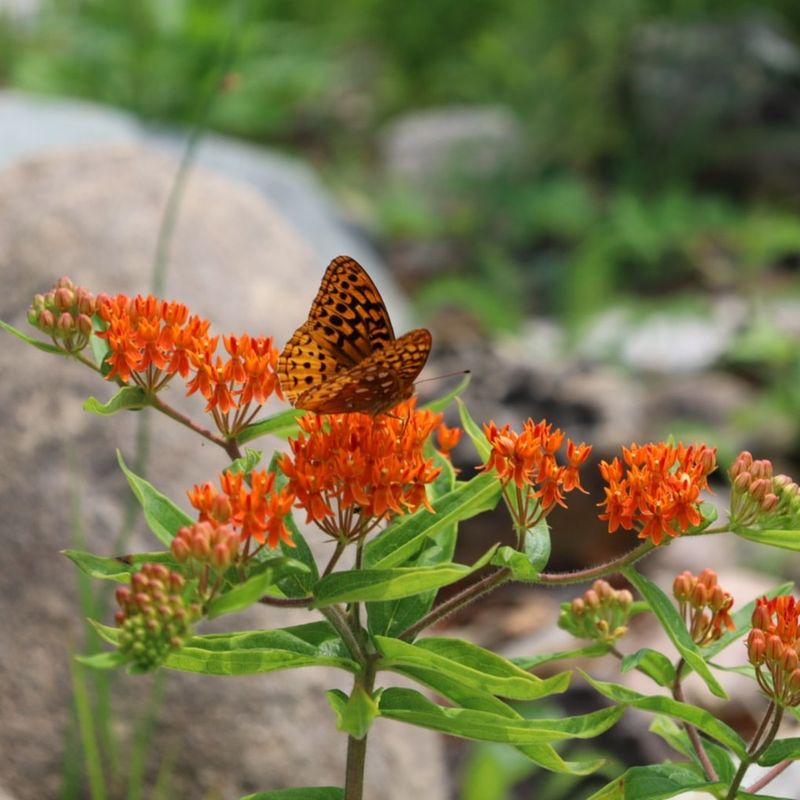
Bright orange blooms that glow like embers in the summer sun make Butterfly Weed one of the most eye-catching plants you can grow in North Carolina.
Asclepias tuberosa is a native wildflower, which means it evolved right here in the Southeast and knows exactly how to handle long stretches of heat and drought. That natural toughness is a huge advantage when summer gets brutal.
One of the most impressive things about this plant is its deep taproot. It reaches far into the soil to pull up moisture that other plants simply cannot access.
That is why Butterfly Weed keeps its rich orange color and stays upright even when neighboring plants look worn out from the heat. Sandy or well-drained soil is where it truly shines, and it actually struggles in soggy ground.
Beyond its beauty, Butterfly Weed plays a vital role in supporting local wildlife. It is a host plant for monarch butterflies, meaning female monarchs lay eggs directly on its leaves.
Bees and other pollinators also visit constantly throughout the summer bloom period. For North Carolina gardeners who want a flower that pulls double duty as both a showstopper and a wildlife haven, Butterfly Weed is an easy, rewarding choice that gets better every year with very little effort required.
4. Black-Eyed Susan
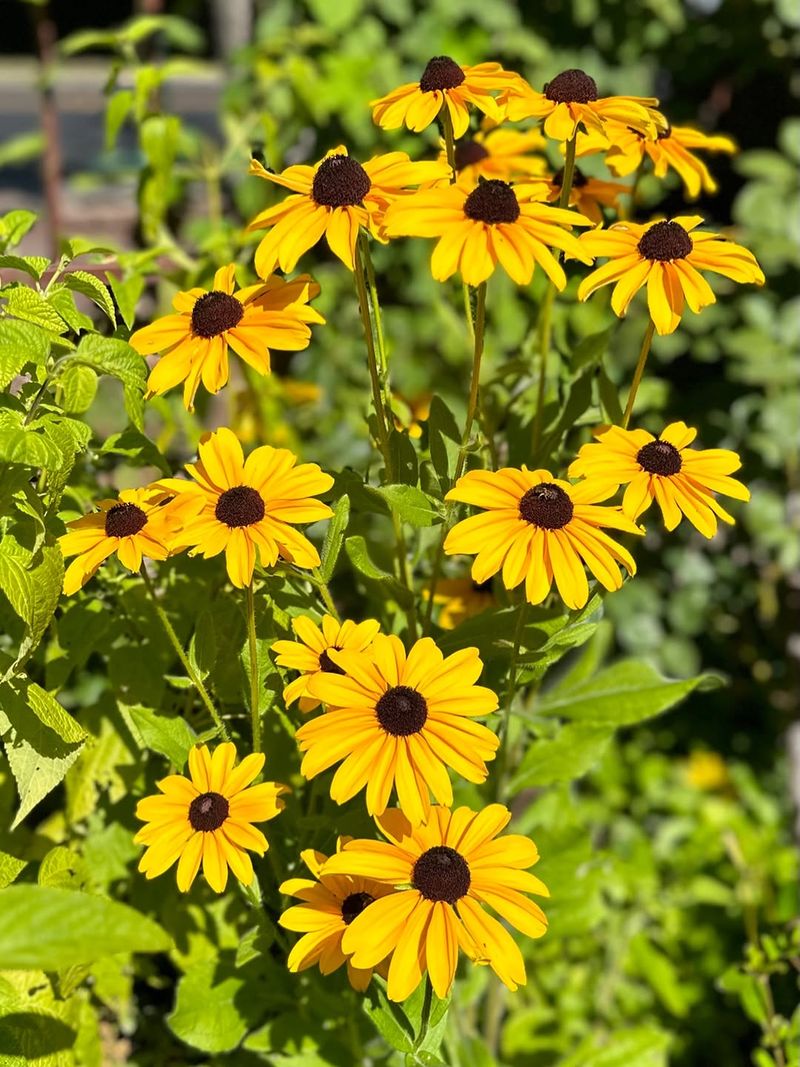
Golden petals surrounding a rich dark center make Black-Eyed Susan one of the most recognizable wildflowers in North Carolina.
Rudbeckia hirta has been brightening roadsides, meadows, and backyard gardens across the state for generations, and there is a very good reason it keeps showing up everywhere.
This flower is practically built for the kind of intense summer heat that North Carolina delivers every year from July through September.
Once established, Black-Eyed Susan needs very little water to keep blooming. Its sturdy stems and slightly rough leaves help reduce water loss, letting the plant stay hydrated even during dry spells.
Full sun is where it performs best, producing the most blooms and the deepest petal color. It is also deer-resistant, which is a welcome bonus for gardeners in rural or suburban areas of the state.
The bloom period stretches from midsummer all the way through October, giving you an unusually long window of garden color. Planting it in masses creates a stunning golden sweep that is hard to miss.
It also mixes beautifully with purple coneflowers and ornamental grasses for a naturalistic North Carolina meadow look.
Birds are attracted to the seed heads in fall, so leaving some standing after blooming adds another layer of wildlife value to this already hardworking and reliable summer flower.
5. Russian Sage
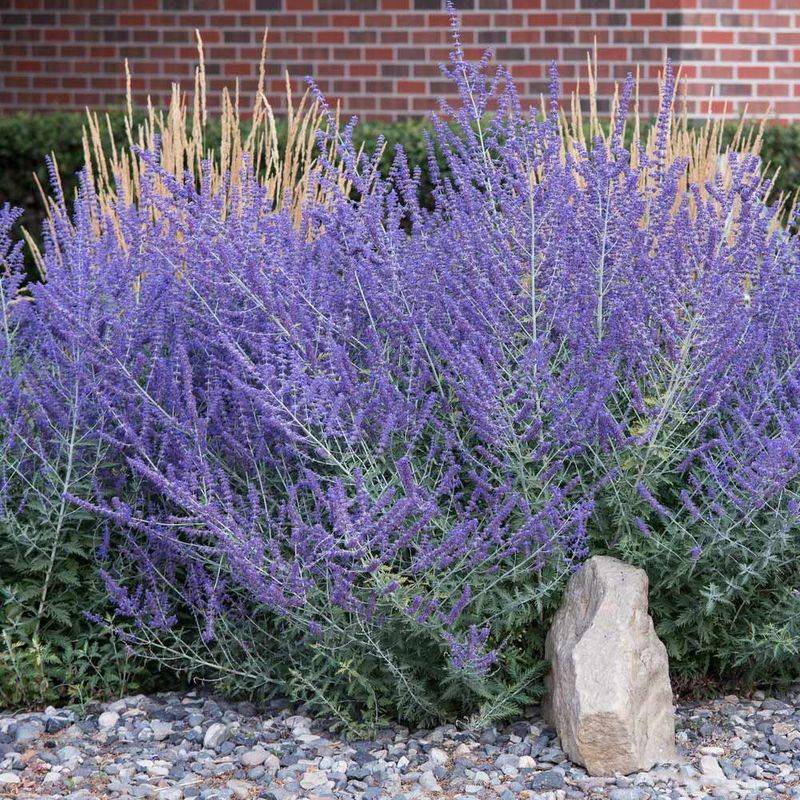
Tall, airy, and absolutely stunning in the summer heat, Russian Sage brings a completely different texture and color to North Carolina gardens.
Salvia yangii grows with silvery-white stems topped by long, feathery spikes of lavender-blue flowers that sway gently in the breeze.
The combination of soft color and delicate structure gives any garden a relaxed, almost magical quality that few other plants can match.
Heat and drought are no problem for Russian Sage at all. It actually prefers dry, well-drained soil and struggles when overwatered or planted in heavy clay.
In North Carolina, pairing it with raised beds or amended sandy soil gives it the sharp drainage it needs to truly flourish. Full sun is non-negotiable for this plant, as shaded conditions cause it to flop and lose its upright, striking form.
The silvery foliage stays attractive even when the plant is not in full bloom, adding year-round structure to garden beds. Pollinators, especially bumblebees and hummingbirds, are strongly attracted to the lavender flowers throughout summer.
Russian Sage blooms from midsummer into early fall, which is exactly when many other garden plants start fading from the relentless North Carolina heat. Trimming it back hard in early spring encourages fresh, bushy new growth and an even better flower display than the season before.
6. Yarrow
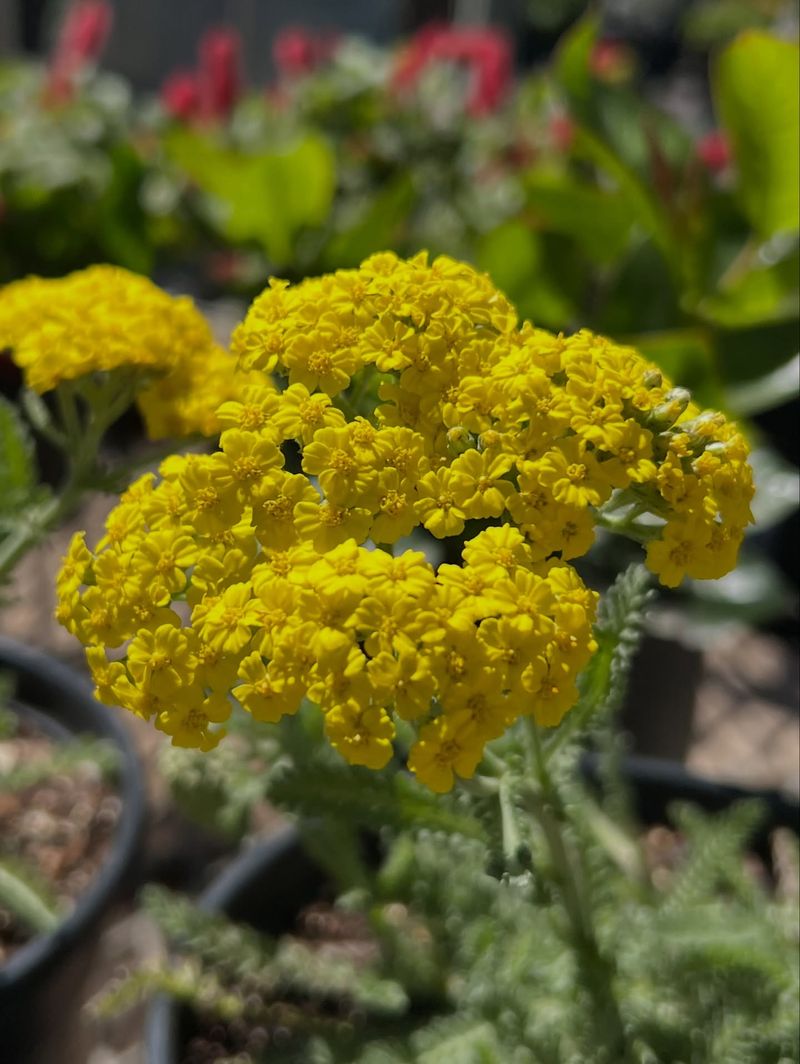
Yarrow has been growing wild in fields and roadsides across North Carolina for so long that it almost feels like part of the landscape itself.
Achillea millefolium is a tough, spreading perennial with feathery, fern-like foliage and flat-topped clusters of flowers in shades of white, yellow, pink, and red.
That wide color range makes it easy to fit into almost any garden style, from formal beds to casual cottage plantings.
Drought tolerance is one of Yarrow’s strongest qualities. Its finely divided leaves reduce moisture loss, and its roots spread wide to gather water from a large area of soil.
Full sun and poor, well-drained soil are its preferred conditions, which aligns perfectly with many North Carolina garden spots that other plants find too harsh or dry to handle comfortably.
Yarrow blooms from late spring through midsummer, and cutting it back after the first flush often triggers a second round of flowering later in the season. Butterflies and beneficial insects visit the flat flower heads constantly, making it a fantastic pollinator plant for any NC garden.
It also holds up beautifully as a cut flower, both fresh and dried. One small caution worth knowing is that Yarrow spreads readily, so giving it defined space or dividing it every few years keeps it looking tidy and prevents it from taking over neighboring plants.
7. Gaura
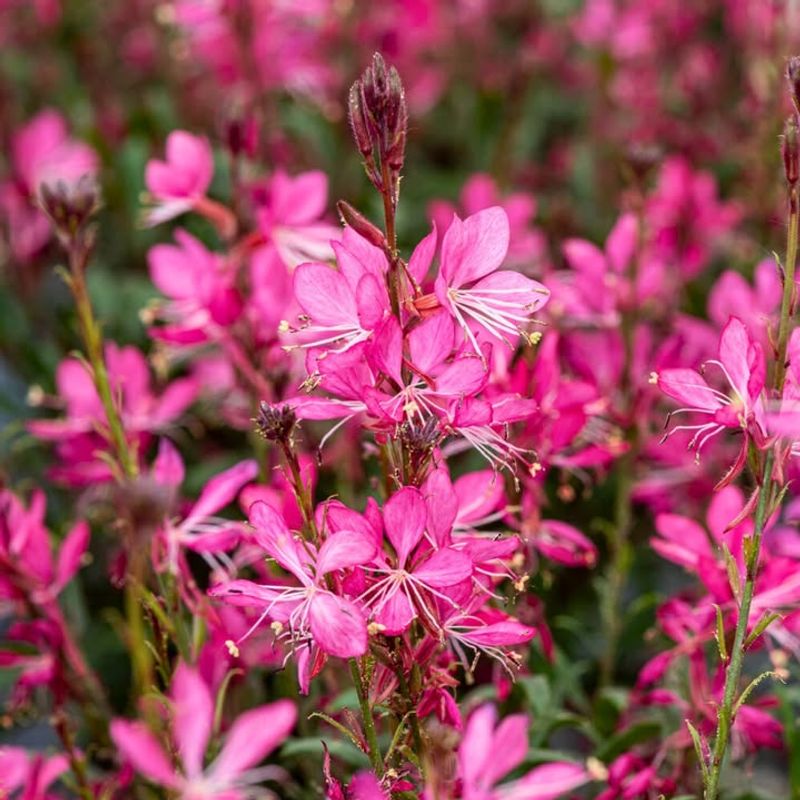
Gaura moves like it belongs in a dance. Oenothera lindheimeri produces long, wiry stems topped with small white and pink flowers that flutter and sway with every breeze, creating constant motion in the garden.
That graceful, loose quality makes it one of the most visually interesting drought-tolerant plants available to North Carolina gardeners who want something a little different from the usual summer standbys.
What gives Gaura its impressive drought resistance is a deep, carrot-like taproot that anchors the plant firmly and reaches moisture far below the surface.
Once established, it barely needs supplemental watering, even during the long, dry stretches that hit North Carolina hard between July and September.
It thrives in full sun and well-drained soil, making it a natural fit for raised beds, slopes, and sunny borders across the state.
Blooming from late spring all the way through the first cool nights of fall, Gaura offers one of the longest flowering seasons of any low-water perennial you can grow in North Carolina.
It pairs beautifully with ornamental grasses, Black-Eyed Susans, and Russian Sage for a naturalistic, layered planting.
Cutting stems back by about one-third in midsummer refreshes the plant and encourages a fresh flush of blooms that carries the garden confidently through the rest of the hot season ahead.
8. Portulaca (Moss Rose)
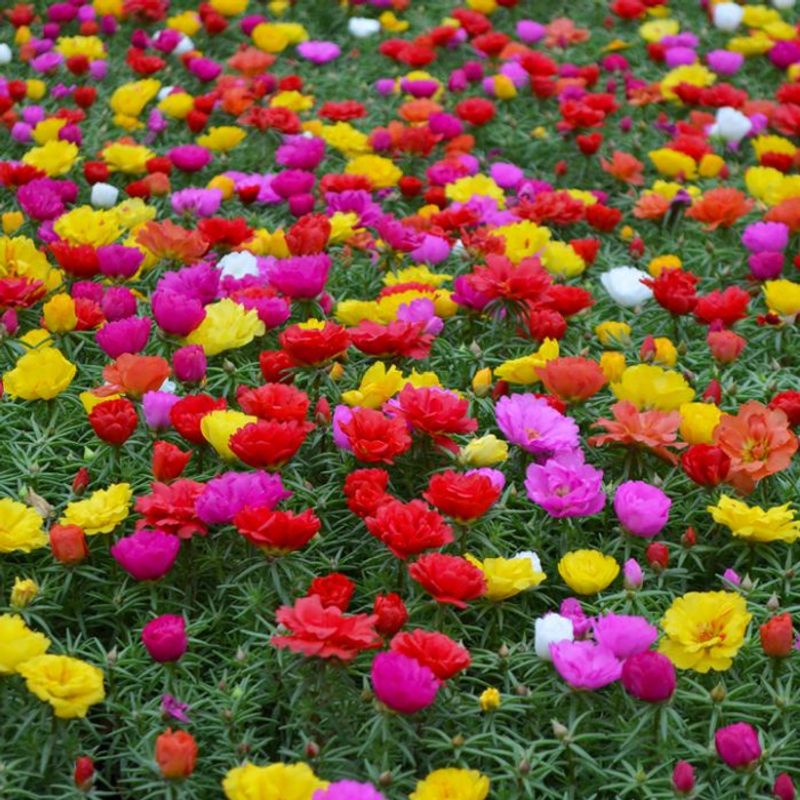
If you have a spot in your North Carolina yard that gets blasted by full sun all day and dries out faster than anything else, Portulaca is your answer.
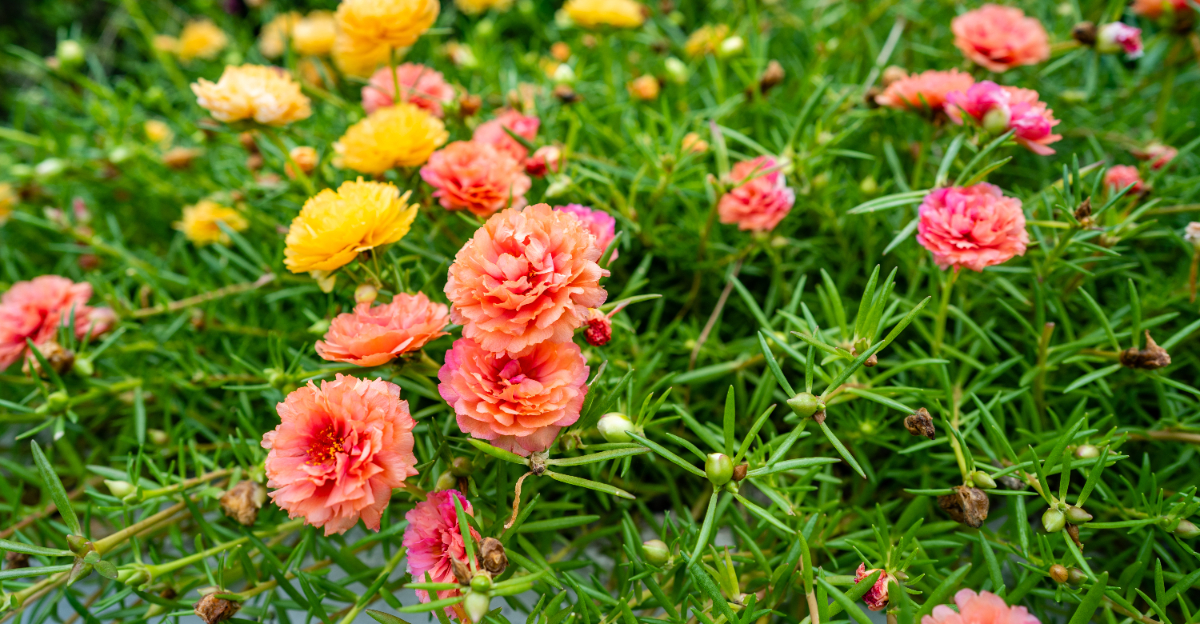
Portulaca grandiflora, commonly called Moss Rose, produces jewel-bright flowers in shades of pink, orange, yellow, red, and white that open wide in the sunshine and practically shimmer in the heat. It is one of the most cheerful sights a summer garden can offer.
Portulaca is essentially a succulent, storing water in its thick, needle-like leaves the same way a cactus does. That built-in water storage is exactly why it thrives in sandy, dry, or rocky soils where most other flowering annuals would struggle and fade quickly.
North Carolina’s hot, sunny summers are genuinely ideal conditions for this plant, and it rewards neglect far better than it rewards too much attention or frequent watering.
Low and spreading, Portulaca works perfectly as a ground cover along garden edges, in containers, or tucked into gaps in stone pathways where nothing else will grow.
It blooms continuously from early summer until the first cool nights arrive in fall, producing wave after wave of colorful flowers with almost no maintenance required.
For busy North Carolina gardeners who still want a garden bursting with bold, saturated color all season long, Portulaca is simply one of the best choices available anywhere.