These Michigan Greens Actually Taste Better After A Fall Frost
Most gardeners rush to protect their crops the moment frost is in the forecast, assuming any exposure to cold spells trouble for whatever’s still growing.
But a specific group of Michigan greens actually improves after a light frost, developing flavor that simply isn’t possible during warmer growing conditions.
Understanding which crops benefit from this cold exposure could completely change how you think about that first frost warning each fall.
Many gardeners are surprised to learn that rushing to harvest early actually costs them the best version of these particular vegetables. This list could turn what feels like a seasonal deadline into something worth waiting for instead.
Once you taste the difference for yourself, you’ll likely start watching the forecast for frost rather than dreading it. Sometimes the best flavor comes from exactly the conditions you’d expect to avoid.
1. Kale
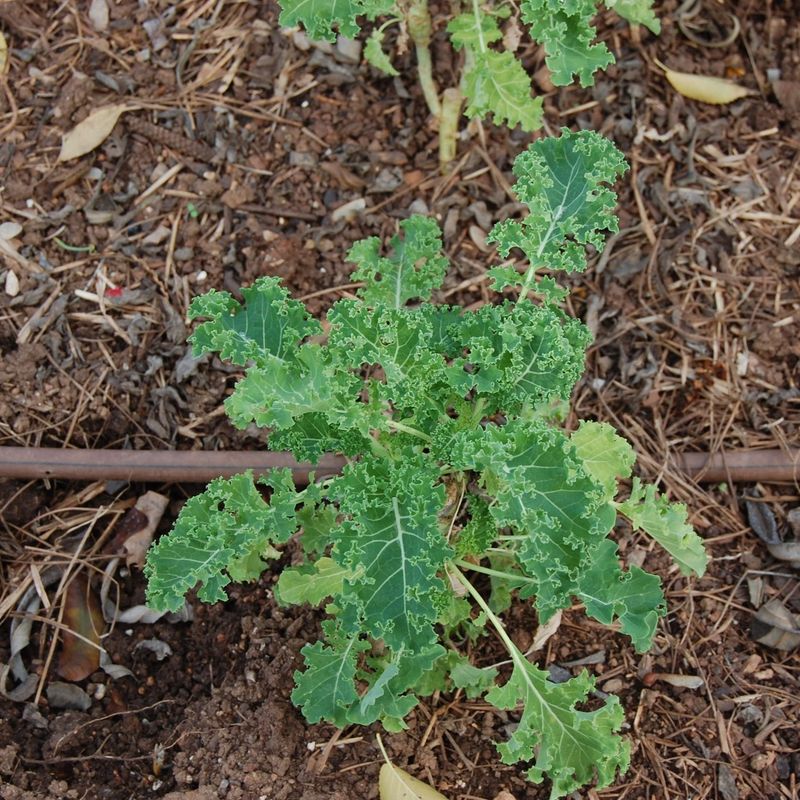
Frost turns kale into one of the sweetest treats in the fall garden. When the temperature drops, kale plants react by changing stored starch into sugar. That extra sugar acts like a natural shield, and it also makes the leaves taste noticeably milder.
Gardeners often notice that kale picked in warm summer months can taste sharp or a little bitter. After a light frost, that harshness fades away. The leaves become tender, rich, and almost buttery when cooked.
Michigan weather works in kale’s favor because our fall brings plenty of cool mornings and gentle frosts. Curly types like Winterbor and flat types like Lacinato both handle the cold with ease. Some plants keep producing right up until the ground freezes solid.
For the best flavor, wait until your kale has felt a few chilly nights before harvesting. Pick the outer leaves first and leave the center to keep growing. This way, one plant can feed you for weeks.
A neat trick is to cover kale with a light row cover if a hard freeze is coming. That protects the plant while still letting the frost work its magic on flavor. You get sweeter greens without losing the whole crop.
Fun fact about kale is that people have grown it for thousands of years, long before cabbage became popular. Its ability to shrug off cold made it a reliable food source in northern climates. In Michigan, it remains a fall garden favorite for good reason.
2. Collard Greens
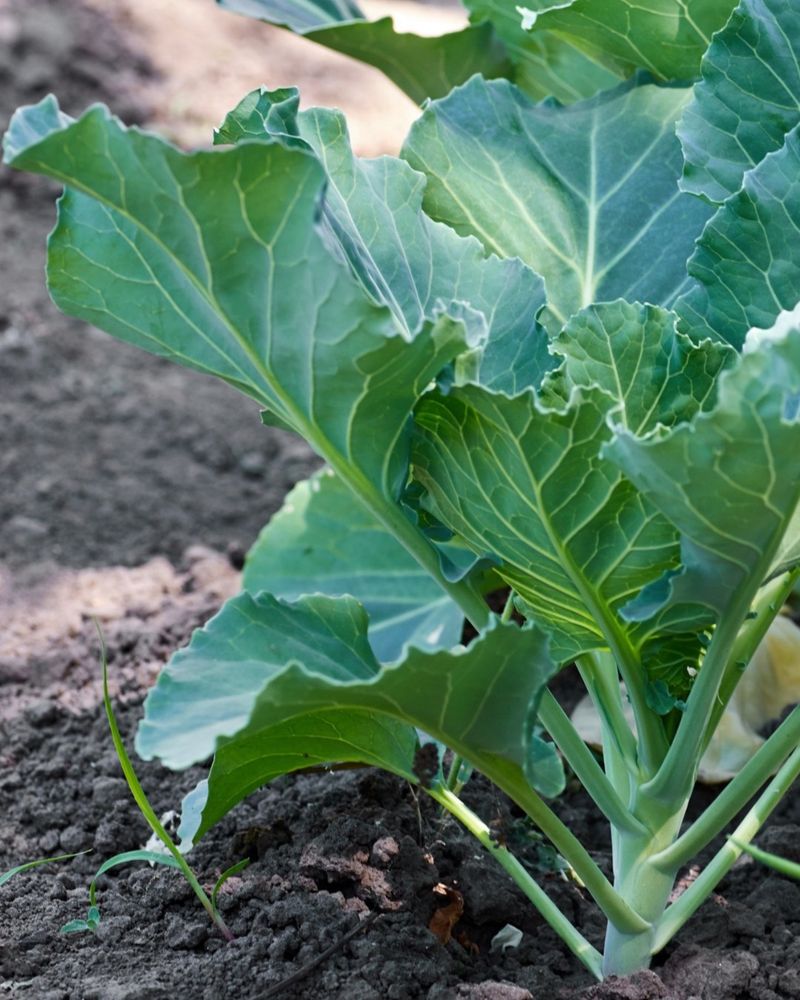
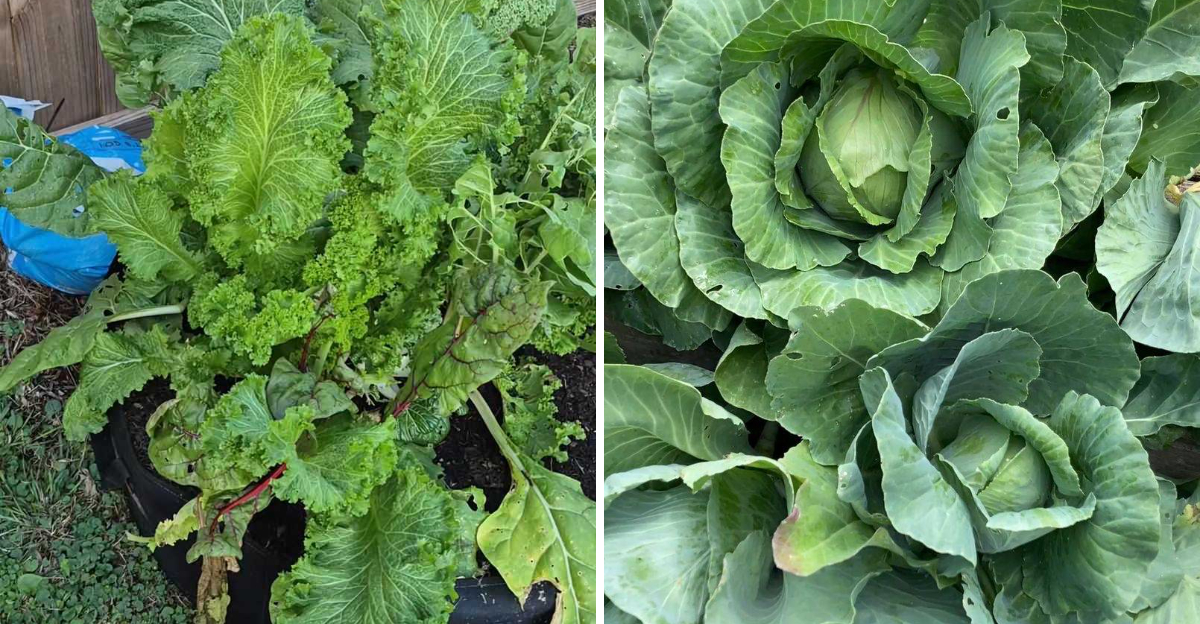
Southern cooks have long known that collard greens shine after cold weather, and Michigan gardeners can enjoy the same reward. These broad, sturdy leaves handle chilly nights like champions. A light frost actually improves their taste rather than harming them.
Warmth can leave collards tasting a bit tough and strong. Once the cold arrives, the plants build up sugars that soften both the flavor and the texture. The result is a smoother, sweeter green that cooks up beautifully.
Collards belong to the same family as cabbage and kale, so they share that cold-loving toughness. Their thick leaves stand up to wind and light snow without wilting. That makes them one of the last greens standing in a fall Michigan garden.
Your Michigan Garden Changes Every Week. Your Plan Should Too.
Gardening in Michigan changes quickly throughout the season. Every Friday you’ll receive a simple weekly plan showing exactly what to plant, prune, fertilize, harvest, and protect so you never miss the right timing.
To grow great collards, give them plenty of room and steady water through the season. When frost is in the forecast, get excited instead of worried. Those cold nights are doing your taste buds a big favor.
Harvest the lower leaves first, working your way up the stalk as the plant grows taller. Younger leaves cook faster and taste tender, while larger ones hold up well in soups and stews. Either way, cold weather makes them better.
A slow simmer brings out the best in frost-sweetened collards. Many families pair them with beans, cornbread, or a splash of vinegar. Once you taste collards grown through a Michigan autumn, you may never rush to harvest them in summer again.
3. Spinach
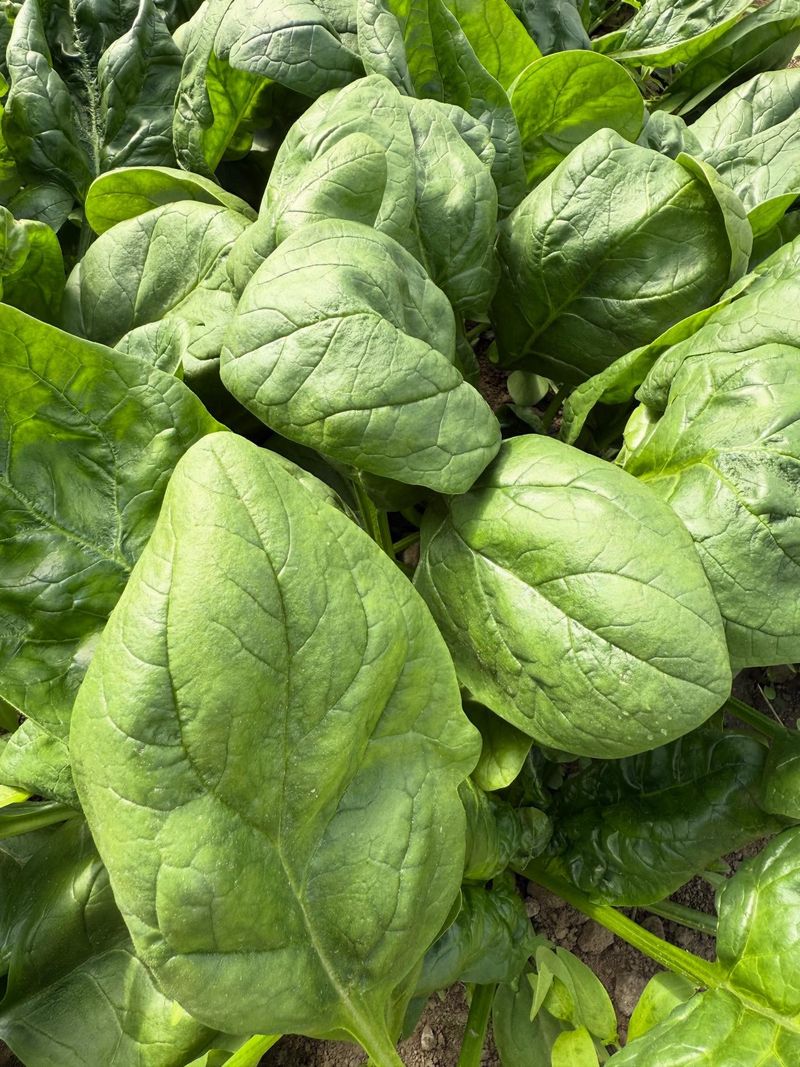
Spinach is a cool-season favorite that truly comes alive when the weather turns crisp. Hot summer days make spinach bolt and taste bitter, but fall changes everything. The cold coaxes out a sweetness that surprises many gardeners.
As temperatures fall, spinach plants store more sugar in their leaves. This natural process gives the greens a fresh, mild flavor that works great in salads or cooked dishes. The colder it gets, the sweeter they seem to taste.
One important tip is to be patient after a frost. If you see frozen spinach leaves in the morning, wait until they thaw naturally before picking. Handling frozen leaves can bruise them and turn them mushy.
Michigan’s autumn is nearly perfect for spinach because the plant loves those steady cool days. Varieties like Bloomsdale and Space grow quickly and handle cold with ease. Some gardeners even grow spinach under cover for harvests deep into the season.
Planting a fall crop is simple if you sow seeds in late summer. By the time frost arrives, your plants will be ready to reward you. Cool nights and short days keep the leaves crisp and full of flavor.
Baby spinach picked after a frost makes an amazing addition to sandwiches and smoothies. Larger leaves hold up nicely when sauteed with a little garlic. However you enjoy it, spinach grown through a Michigan fall proves that cold weather can be delicious.
4. Swiss Chard
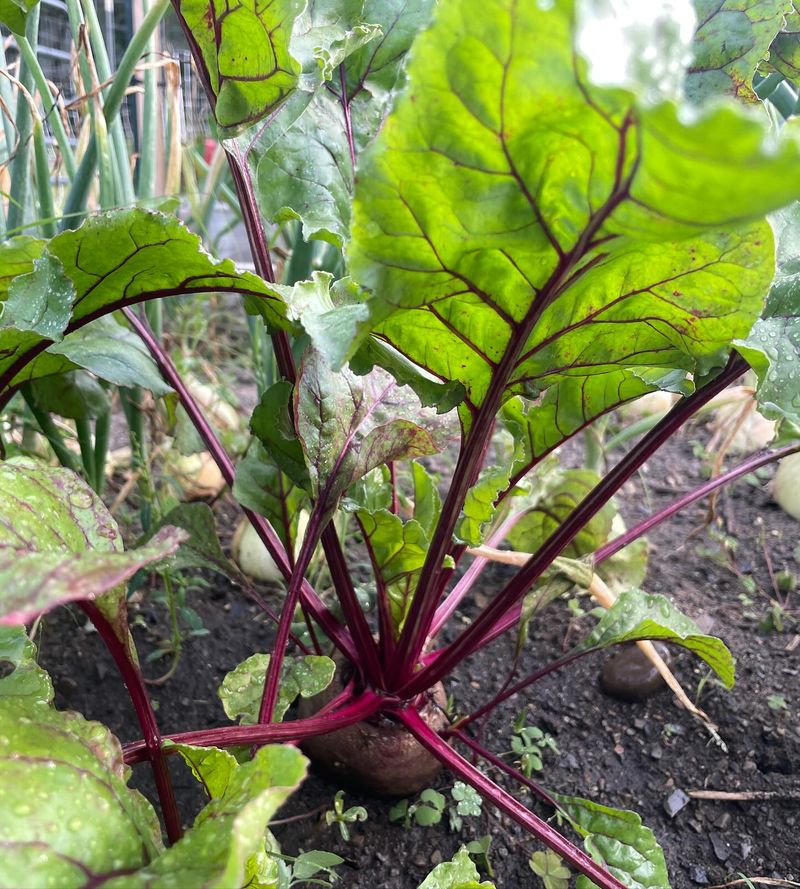
With its rainbow stems and glossy leaves, Swiss chard brings color to the fall garden even as the days grow shorter. This hardy green shrugs off light frost and keeps producing when other plants slow down. The cold weather even makes it taste better.
Chard leaves can carry a slightly earthy, mineral flavor in warm weather. Once cool nights arrive, the plant builds sugars that soften that edge. The leaves turn milder and sweeter, which makes them easier to enjoy.
Part of what makes chard special is its toughness. It belongs to the beet family, and like beets, it handles chilly soil without complaint. A light frost rarely bothers the plant, and it often bounces back stronger.
Michigan gardeners love chard because it produces from spring until the hard freezes set in. Cutting the outer stalks encourages new growth from the center. That means a single planting can keep feeding you through much of autumn.
Those bright stems are more than just pretty to look at. They stay crunchy and add a mild sweetness when cooked slowly. Chopping them small and adding them early to a pan lets them soften nicely.
For the best fall flavor, harvest chard in the morning after any frost has thawed. Rinse the leaves well and use them fresh for the richest taste. Whether you toss the leaves into soup or saute the stems, frost-touched chard adds beauty and flavor to any cool-weather meal.
5. Turnip Greens
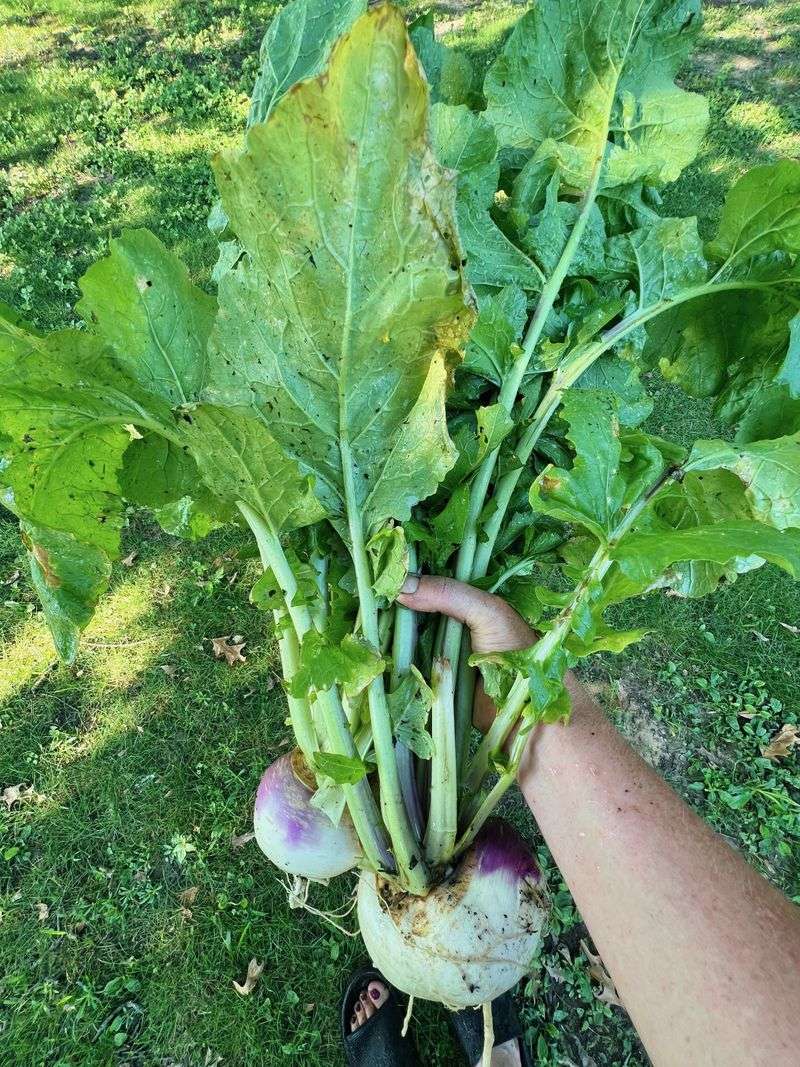
Turnip greens are the leafy tops of turnip plants, and they turn wonderfully sweet after a cold snap. Many people focus on the root and forget the greens, but that would be a mistake in fall. A little frost brings out their best side.
In warm weather, turnip greens can taste sharp and peppery. Cool temperatures calm that bite by boosting the sugar inside the leaves. The result is a smoother, gentler green that pairs well with hearty dishes.
These greens grow fast, which makes them a smart choice for a late-season planting. Sow seeds in late summer, and you will have plenty of tender leaves by the time frost arrives. The plants keep producing greens even as the roots develop below.
Michigan’s crisp fall nights are exactly what turnip greens crave. The plants handle light frost with ease and keep their flavor mild. Some gardeners grow certain varieties just for the leaves rather than the roots.
Harvesting is easy since you can snip young leaves for salads or larger ones for cooking. Picking the outer leaves keeps the plant growing longer. This gives you a steady supply throughout the cool weeks.
A quick simmer softens frost-sweetened turnip greens and brings out their natural richness. Many cooks add a bit of onion or bacon for extra flavor.
Once you try turnip greens harvested after a Michigan frost, you will appreciate this often-overlooked garden treasure.
6. Mustard Greens
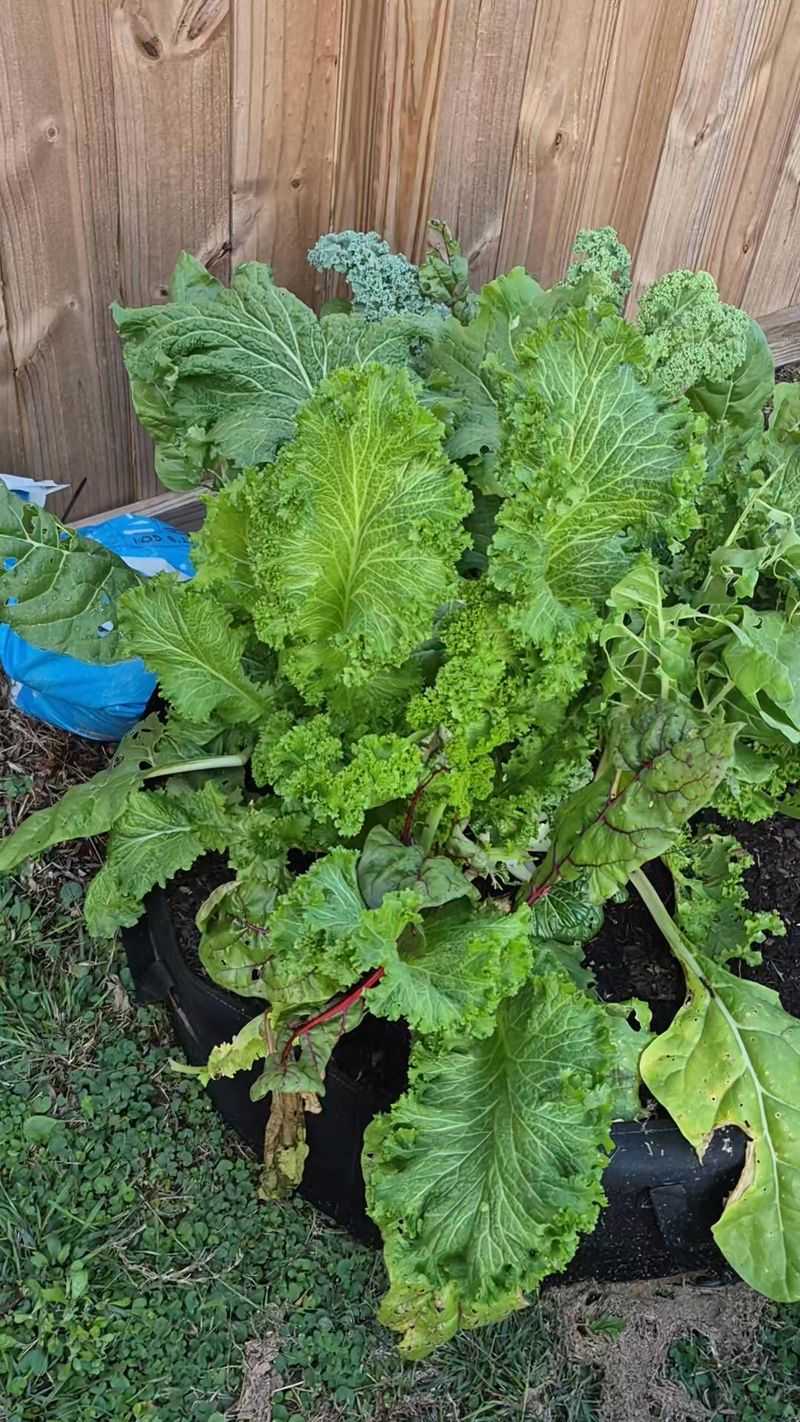
Bold and zesty, mustard greens pack a spicy punch that not everyone expects from a leafy vegetable. That fiery flavor mellows nicely once cold weather settles in. Frost softens the sharpness and makes these greens far more enjoyable.
Warm days push mustard greens to grow fast and taste very strong. Cool nights slow that pace and let the plant store more sugar. The peppery kick fades into a gentler, more balanced flavor that many people love.
Timing matters with mustard greens because they enjoy cool weather but not a hard freeze. Aim to harvest before severe cold arrives, since heavy freezing can damage the tender leaves. A light frost, though, works in your favor.
Michigan gardeners can plant mustard greens in late summer for a fall crop. They grow quickly, so you will not wait long for a harvest. Keep an eye on the forecast and pick before the deepest cold sets in.
These greens come in many colors, from bright green to deep purple. The frilly leaves add texture to salads and stir-fries alike. Younger leaves taste milder, while larger ones bring more spice to cooked meals.
A quick saute tames any leftover heat and highlights the sweetness that frost brings. Mixing mustard greens with milder greens creates a nice balance on the plate.
Grown through a cool Michigan autumn, these lively leaves prove that a little cold can turn something fiery into something delicious.
7. Bok Choy
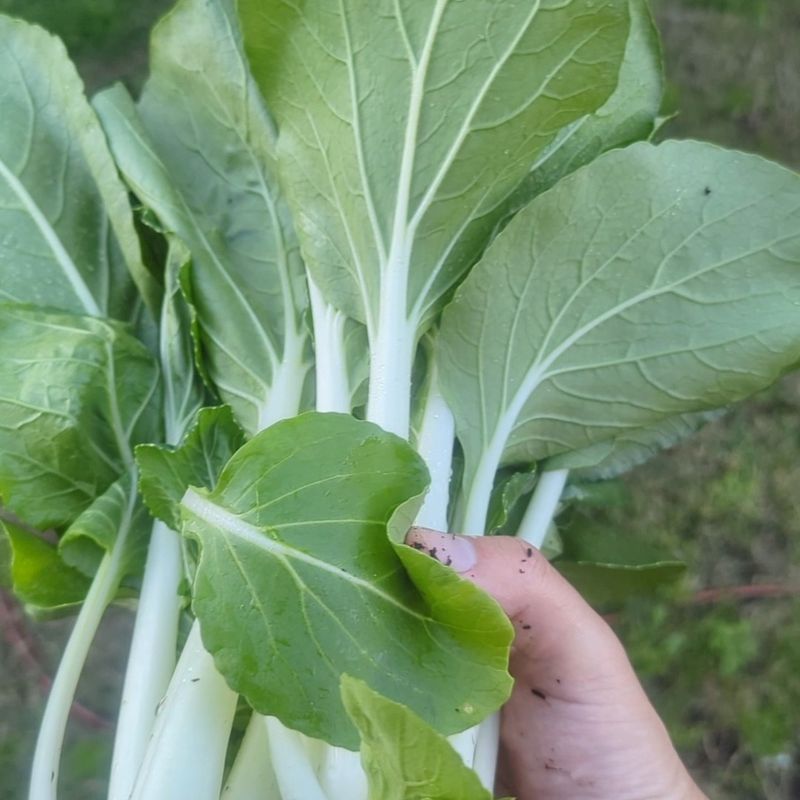
Bok choy is a crunchy Asian green that feels right at home in cool Michigan weather. With its thick white stems and dark leaves, it adds crunch and flavor to many dishes. Fall temperatures help it reach its full potential.
When the weather cools, bok choy plants store extra sugar in their stems and leaves. This gives the whole plant a sweeter, crisper taste. A light frost pushes that sweetness even higher.
Growing bok choy in fall has a big advantage over spring planting. Warm weather often causes it to bolt, which ruins the flavor. Cool autumn days keep the plant compact and tasty instead.
Michigan’s short fall days suit bok choy perfectly. The plants grow quickly and stay tender through the cool weeks. Baby varieties mature in just a few weeks, so you can enjoy several harvests.
Harvesting is simple since you can cut the whole head or pick outer leaves as needed. Cutting just above the base sometimes encourages new growth. Either method gives you fresh greens with minimal effort.
The stems and leaves cook at different speeds, so add the crunchy stems first when stir-frying. The leaves need only a moment to wilt. This keeps the texture perfect in every bite.
Frost-sweetened bok choy shines in soups, stir-fries, and even simple salads. Its mild flavor pairs well with garlic, ginger, and soy sauce. A cool Michigan autumn makes this crisp green better than ever.
8. Cabbage
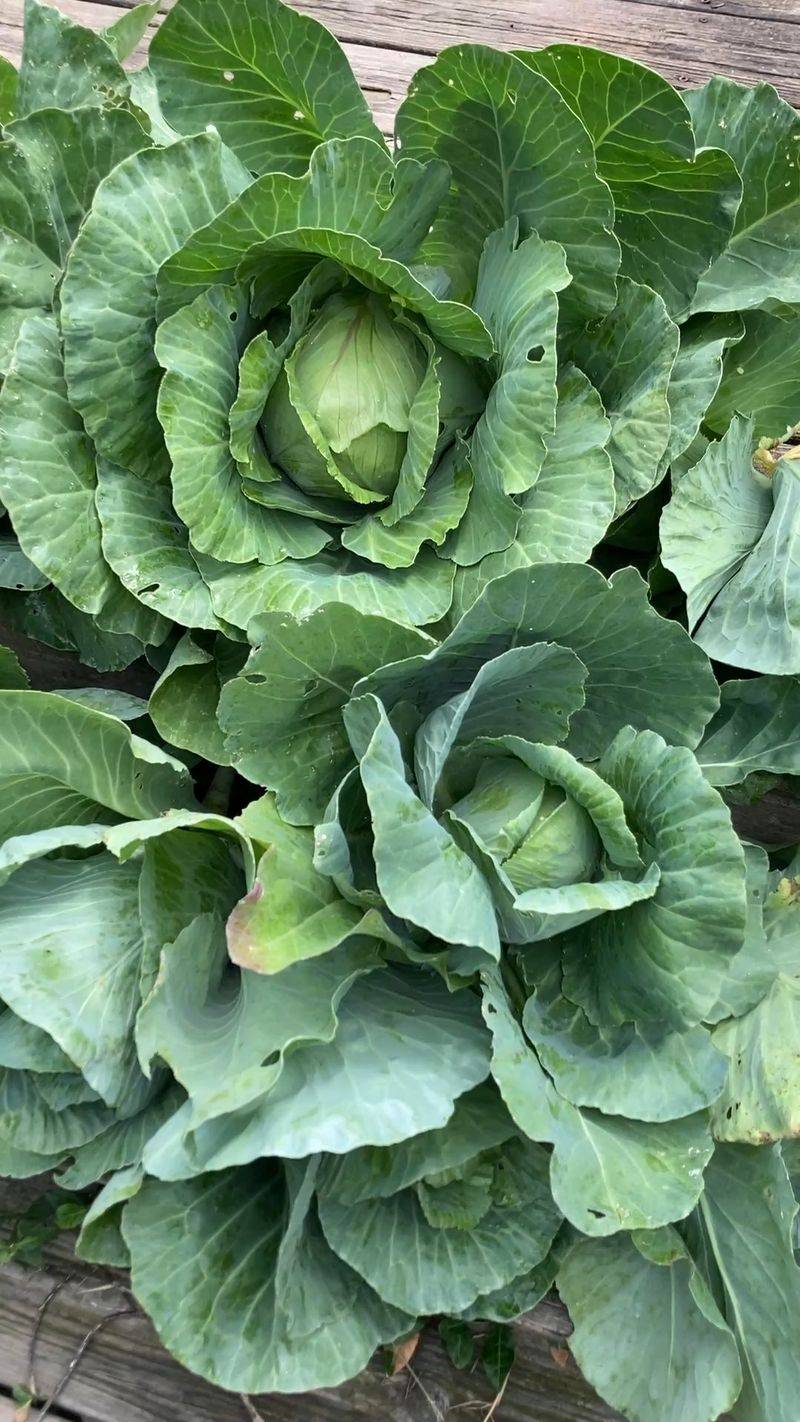
Cabbage is a fall garden powerhouse that only gets tastier as the season cools. Those tight, round heads store sugar when the weather turns chilly. That means frost can make your cabbage noticeably sweeter.
In summer heat, cabbage can taste a little flat or slightly bitter. Cold nights change that by boosting the sugar inside the leaves. The flavor becomes crisp, sweet, and full of freshness.
One of the best things about cabbage is how well mature heads hold up in cold weather. A fully grown head can sit in the garden through several light frosts without trouble. This lets you harvest whenever you are ready.
Michigan’s fall climate suits cabbage beautifully. The steady cool days help heads firm up and develop rich flavor. Late-season varieties are bred to handle exactly this kind of weather.
To grow strong cabbage, plant it early enough to mature before the deepest cold. Keep the soil moist and watch for pests during the warmer weeks. By fall, the plant does the rest of the work for you.
Harvest by cutting the head at the base once it feels solid and heavy. If a hard freeze is coming, bring the heads inside to store. They keep well in a cool spot for weeks.
Frost-sweetened cabbage makes wonderful slaws, soups, and roasted dishes. Its natural sweetness shines whether raw or cooked. Grown through a Michigan autumn, cabbage becomes a crisp and flavorful reward well worth the wait.