These Michigan Horticulture Gardens Need To Be On Your Visit List Next Time
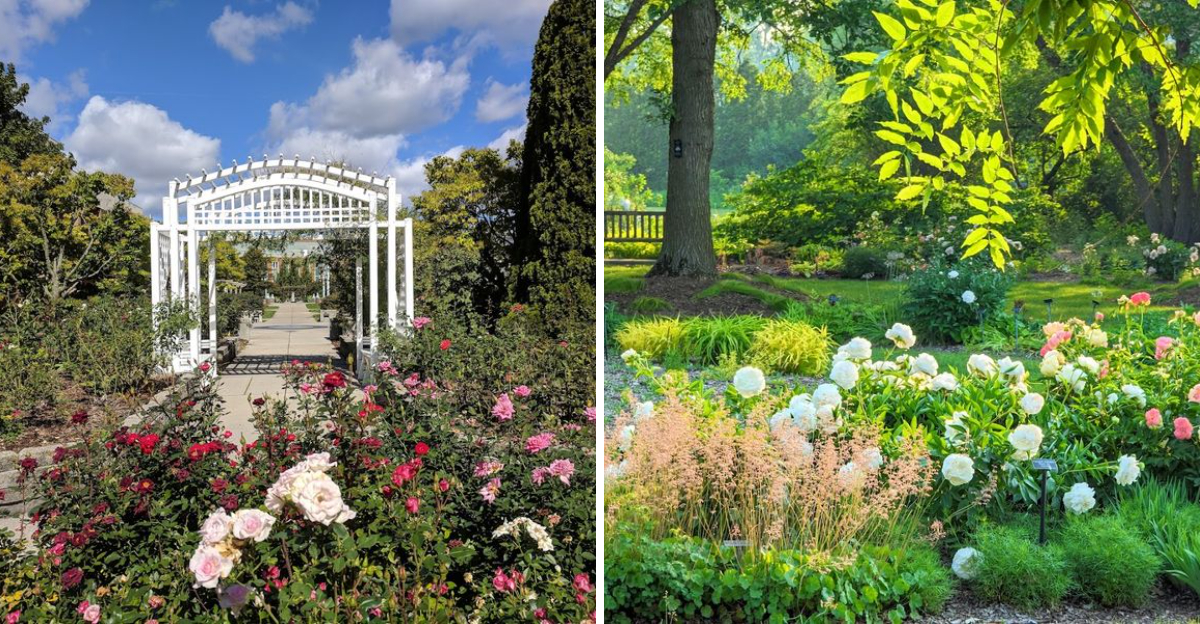
Color explodes across carefully designed beds, winding paths invite slow exploration, and every turn reveals something new to admire.
In East Lansing, the Michigan State University Horticulture Gardens provide a stunning retreat where visitors can experience the richness of plants that thrive in Michigan’s unique climate.
These gardens blend education and beauty, offering themed spaces that showcase vibrant flowers, hardy shrubs, and creative landscape designs suited to the region’s changing seasons.
Whether you are curious about plants that can withstand Michigan winters or simply looking for a peaceful place to unwind, this destination delivers an experience that feels both inspiring and restorative.
Nature enthusiasts, students, photographers, and families all find something to appreciate within its welcoming grounds. Each season brings fresh color and renewed interest, making return visits just as rewarding as the first.
Here are ten compelling reasons why the Michigan State University Horticulture Gardens deserve a spot on your must visit list.
A Living Garden On The Michigan State University Campus
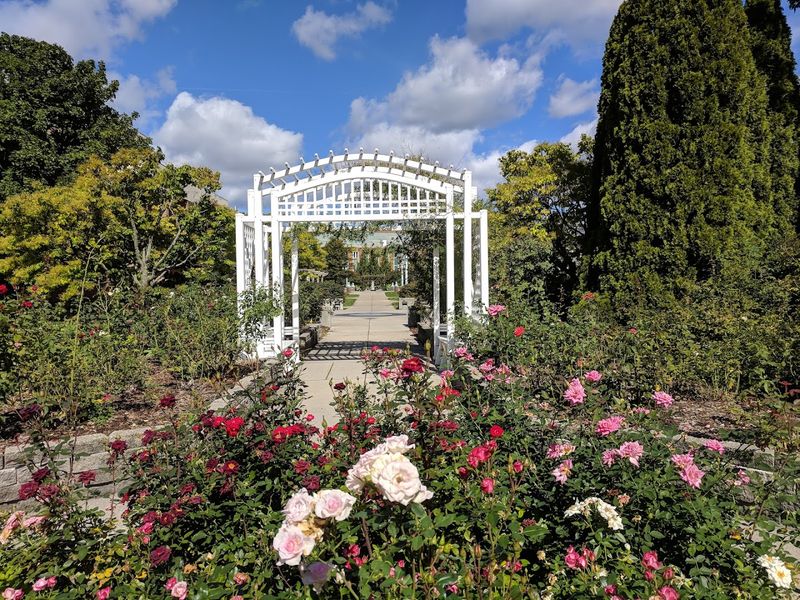
Nestled right on the Michigan State University campus in East Lansing, these gardens serve as both a teaching space and a stunning public display. The location at 1066 Bogue Street makes it easy for anyone to find and explore.
Visitors can walk through acres of carefully planned beds, and specialty gardens without ever leaving campus. The university connection means the gardens stay updated with the latest research and horticultural practices.
Faculty and students work together to maintain vibrant displays year-round.
Because the gardens function as a living laboratory, you’ll often see new plant varieties being tested and evaluated. This unique blend of education and beauty creates an environment unlike typical public gardens.
You might spot students taking notes, researchers collecting data, or families simply enjoying the scenery.
The gardens also host workshops, tours, and special events throughout the year. These programs help bridge the gap between academic research and everyday gardening enthusiasts.
Whether you’re a seasoned gardener or just starting out, the living classroom atmosphere inspires curiosity and learning at every turn.
Diverse Plant Collections Designed For Michigan Conditions
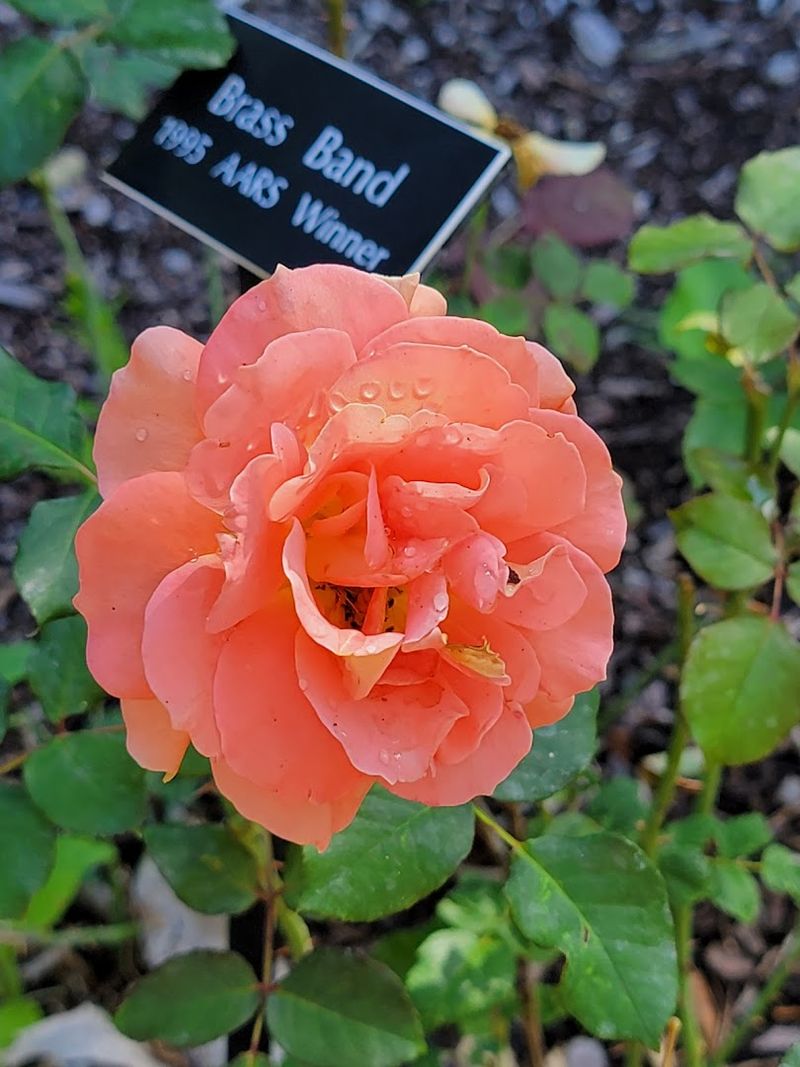
Walking through these gardens feels like flipping through a living plant encyclopedia tailored specifically for Michigan. The collections showcase hundreds of species and varieties that thrive in the state’s unique climate.
From hardy perennials to colorful annuals, every plant has been chosen for its ability to handle cold winters and warm summers.
Gardeners struggling to find plants that survive Michigan’s unpredictable weather will find inspiration here. The beds demonstrate which varieties bloom reliably, resist common pests, and return year after year.
Many plants are clearly labeled, making it easy to note names and growing requirements for your own yard.
The diversity extends beyond just flowers. You’ll discover ornamental grasses, interesting shrubs, and even vegetable varieties suited to shorter growing seasons.
This broad selection helps visitors understand what works best in different garden situations.
Seeing plants grouped by type or growing condition makes planning your home landscape much simpler. You can observe how certain combinations look together and which plants complement each other.
The gardens essentially eliminate guesswork by showing proven performers in real Michigan soil and weather conditions throughout the entire growing season.
Seasonal Displays That Change Throughout The Year
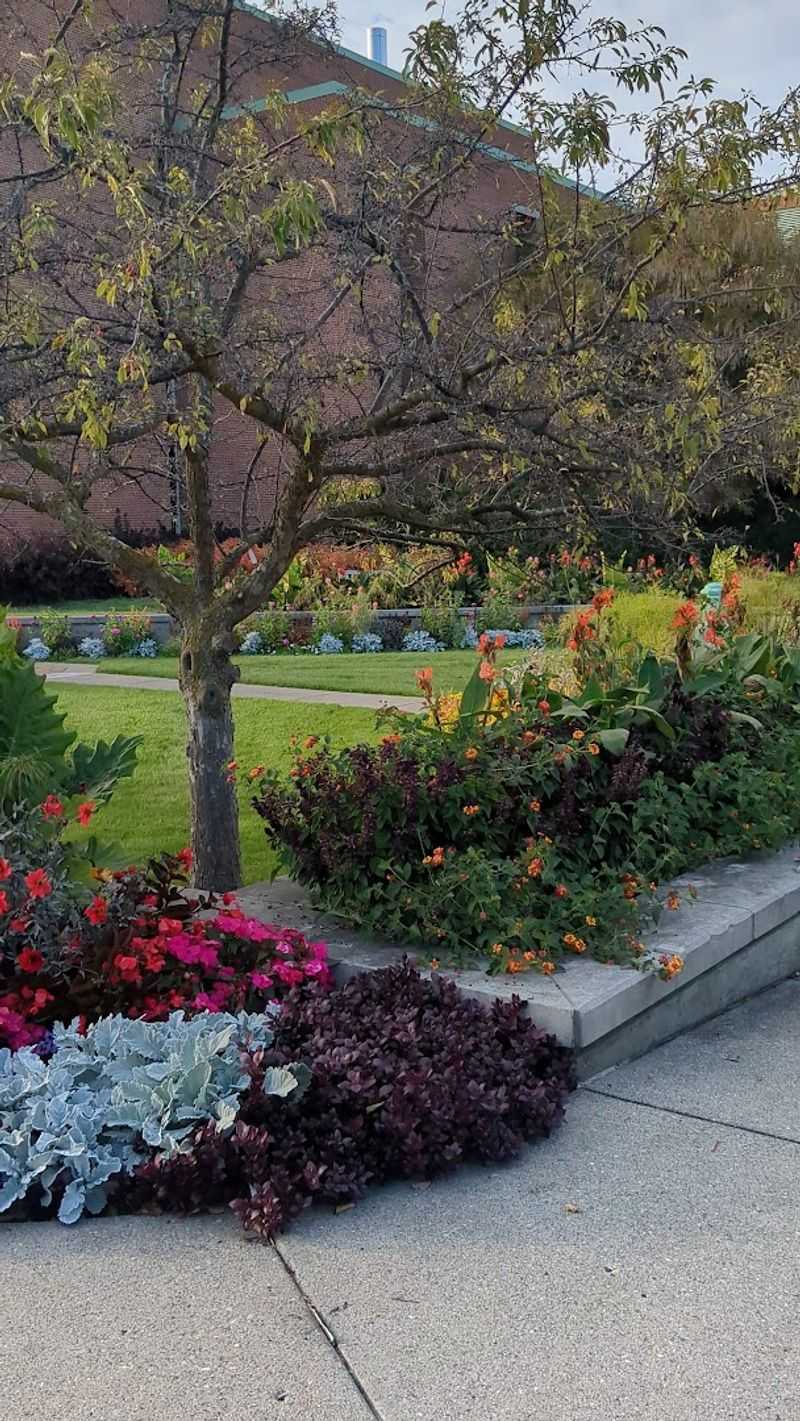
Every visit to these gardens reveals something different because the plantings shift with Michigan’s distinct seasons. Spring brings waves of tulips, daffodils, and early flowering trees that signal winter’s end.
As temperatures warm, the displays transition to lush summer blooms including roses, lilies, and countless annuals in vibrant arrangements.
Fall transforms the gardens once again with colorful mums, ornamental grasses, and late-season perennials. Even the foliage of trees and shrubs adds dramatic color before winter arrives.
This continuous change means you could visit monthly and discover new scenes each time.
The seasonal rotation also teaches valuable lessons about bloom times and succession planting. Observing which plants flower in early spring versus late summer helps home gardeners plan their own landscapes for continuous color.
You learn to appreciate not just individual plants but how they work together across months.
Many visitors return throughout the year specifically to photograph favorite spots in different seasons. The gardens document this natural cycle beautifully, showing how thoughtful planning creates interest from March through October.
This ever-changing canvas keeps the experience fresh and exciting no matter how many times you wander the paths.
Educational Gardens That Inspire Home Gardeners
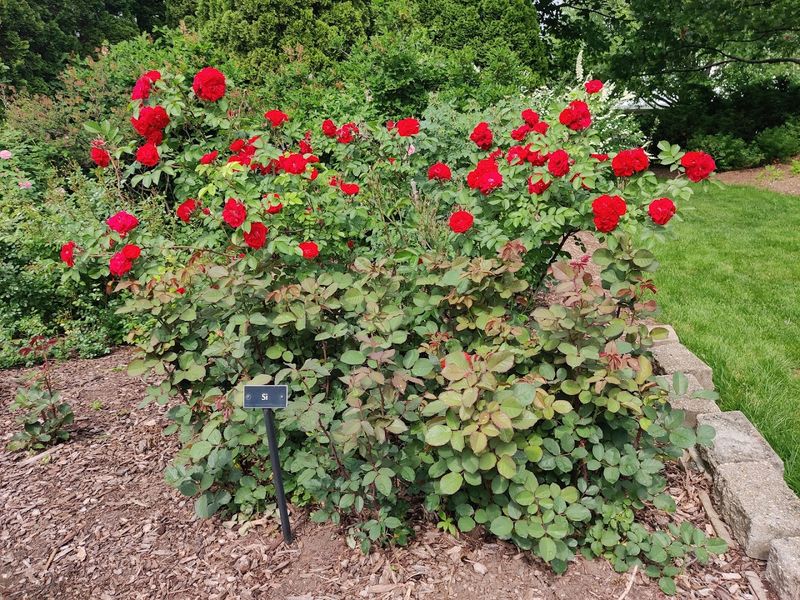
These gardens exist primarily to teach, making them an incredible resource for anyone wanting to improve their gardening skills. The university uses the space for courses, research projects, and public education programs throughout the year.
Walking through feels like attending an outdoor class where every bed offers a lesson.
Home gardeners gain practical knowledge simply by observing how plants are grouped, spaced, and cared for. The gardens demonstrate proper pruning techniques, companion planting strategies, and effective design principles.
You can see successful examples rather than just reading about them in books.
Many areas feature trial gardens where new varieties are evaluated before being recommended to Michigan growers. This research helps determine which plants perform best in local conditions.
Visitors benefit from seeing these trials and learning which varieties consistently impress the experts.
The educational mission extends beyond plants to include sustainable practices, water conservation, and pollinator support. Informational signs explain the reasoning behind certain choices, helping visitors understand the why behind the what.
Whether you garden on a balcony or manage acres, you’ll find ideas and inspiration applicable to your situation at every corner of these thoughtfully designed spaces.
Beautiful Themed Garden Areas To Explore
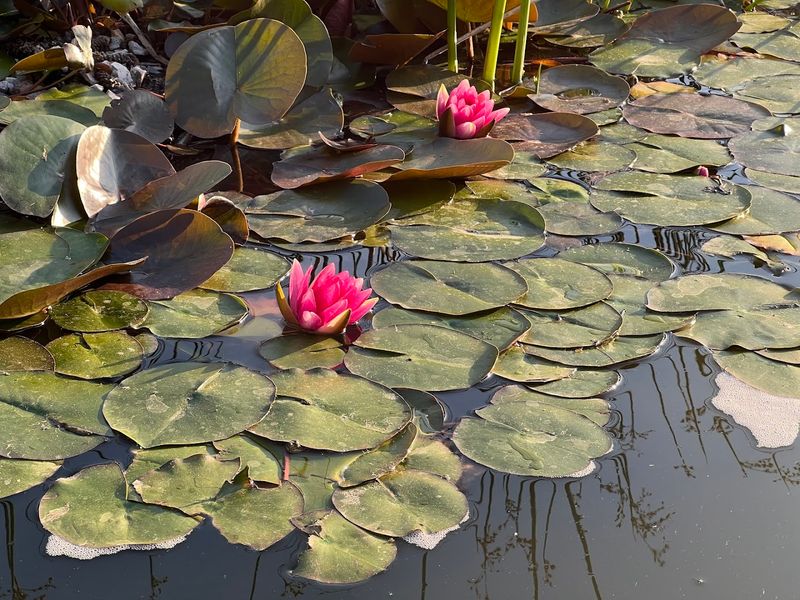
Rather than one large undifferentiated space, the gardens divide into distinct themed areas that each offer unique experiences. The rose garden bursts with color and fragrance during peak bloom, showcasing dozens of varieties in formal beds.
Water gardens feature koi ponds surrounded by moisture-loving plants and peaceful seating areas.
The perennial garden demonstrates how herbaceous plants can provide structure and color year after year. Annual trial beds show off the newest varieties in creative combinations that change each summer.
A fragrance garden invites visitors to touch and smell plants used in perfumes and aromatherapy.
Each themed section serves a specific educational purpose while also creating visually stunning displays. The Hosta Garden shows the incredible diversity within this shade-loving genus.
The Rainbow Peace Garden celebrates diversity through plantings in every color of the spectrum.
Wandering from one themed area to another keeps your visit interesting and helps you discover plants you might otherwise overlook. The variety means different sections peak at different times, giving you reasons to explore the entire property.
These specialized gardens also help visitors imagine how they might create similar focused spaces in their own yards using plants proven to succeed in Michigan conditions.
A Peaceful Place To Walk And Enjoy Nature
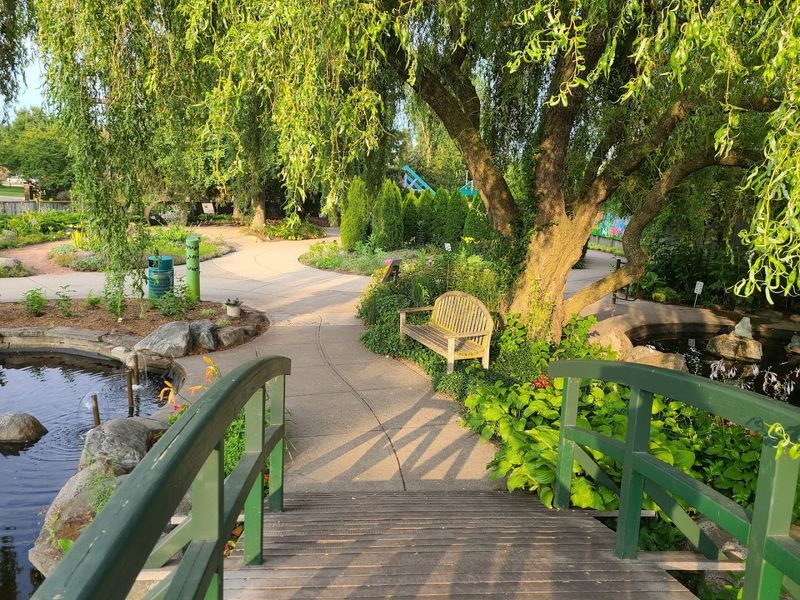
Beyond the educational value, these gardens simply provide a beautiful place to slow down and breathe. Well-maintained paths wind through the plantings, inviting leisurely strolls at whatever pace suits you.
Benches placed throughout offer spots to sit, rest, and soak in the surroundings.
The gardens create a surprisingly quiet oasis despite being on a busy university campus. The rustling leaves, buzzing bees, and birdsong replace traffic noise once you step inside.
Many visitors come specifically for this peaceful atmosphere, using the gardens as a place to think, relax, or escape daily stress.
Shaded areas under mature trees provide cool relief on hot summer days. Open sunny spaces let you warm up during cooler spring and fall visits.
The variety of environments means you can find the perfect spot regardless of weather or mood.
Unlike some attractions that rush you through, these gardens encourage you to linger as long as you like. There’s no admission fee or time limit pressuring your experience.
Whether you walk briskly for exercise or meander slowly while photographing flowers, the space accommodates your preferred pace perfectly, making every visit as relaxing or energizing as you need it to be.
Inspiration For Cold Hardy Michigan Landscaping
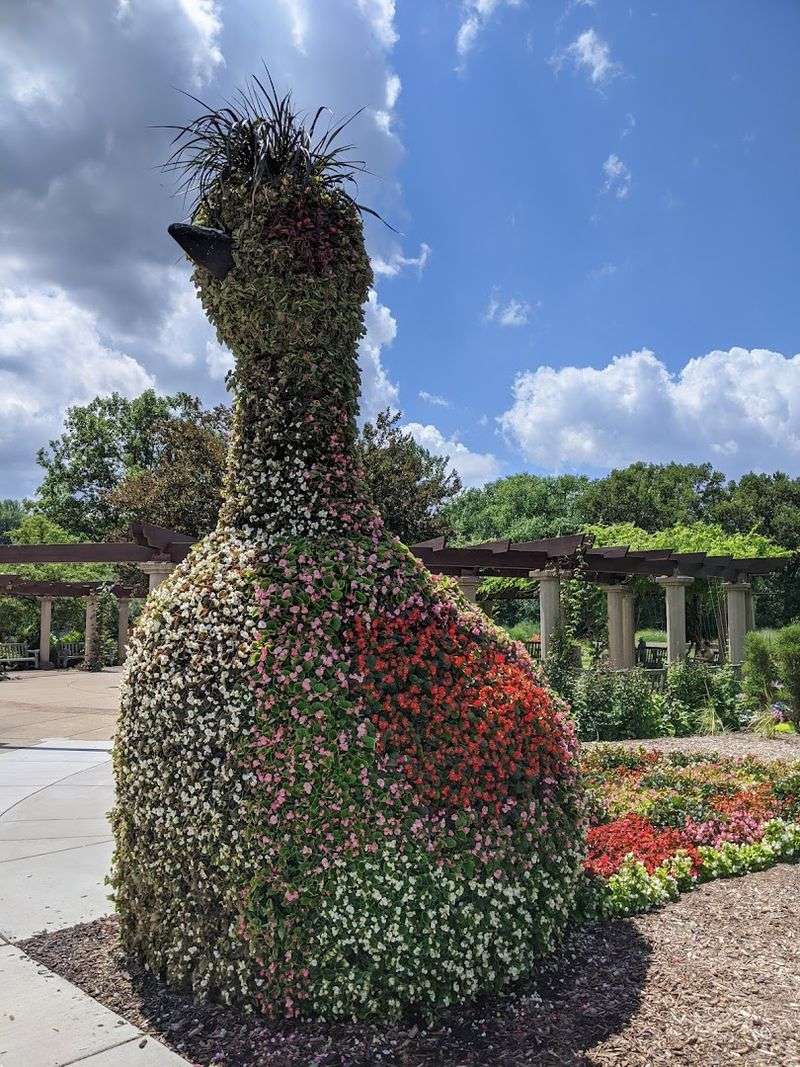
Michigan winters challenge even experienced gardeners, but these gardens prove that beautiful landscaping can thrive despite harsh conditions. Every plant you see has survived multiple freeze-thaw cycles, heavy snow, and bitter cold.
This makes the gardens an invaluable resource for selecting plants that won’t disappoint.
Visitors can observe which shrubs maintain attractive forms after being buried in snow. You’ll see perennials that reliably return each spring and trees that handle ice storms without breaking.
The gardens essentially do the testing for you, eliminating costly mistakes in your own yard.
Many people assume Michigan’s climate limits their options, but the diversity here proves otherwise. From elegant ornamental grasses that look stunning even when dormant to evergreens that provide winter structure, the possibilities expand beyond typical choices.
You’ll discover plants you never knew could handle Michigan conditions.
The gardens also demonstrate how to create year-round interest using plants with attractive bark, persistent seed heads, and structural forms. Winter doesn’t mean your landscape has to look bare or boring.
By studying what thrives here at 1066 Bogue Street, you gain confidence to experiment with tougher, more interesting plants that turn your property into a standout in your neighborhood.
Pollinator Friendly Plantings Throughout The Grounds
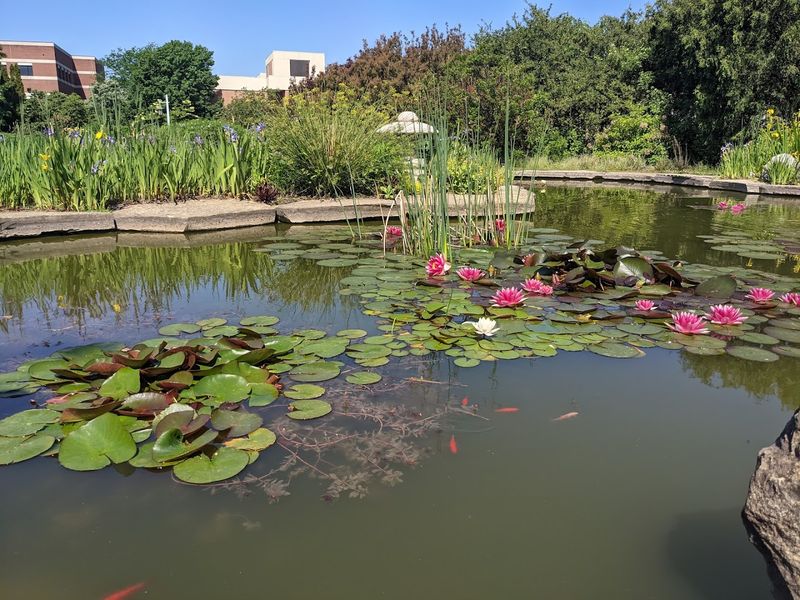
Buzzing bees, fluttering butterflies, and busy hummingbirds fill these gardens because the plantings specifically support pollinators. Native flowers provide nectar and pollen that local insects need to survive.
Watching this activity reminds visitors how gardens can help reverse pollinator declines happening across the country.
The plant selections demonstrate which species attract the most beneficial insects. You’ll notice certain flowers covered with bees while others host colorful butterflies.
This real-world observation helps you choose plants that will bring similar activity to your own garden.
Supporting pollinators isn’t just environmentally responsible but also creates a more dynamic, interesting landscape. Gardens filled with moving, living creatures feel more vibrant than sterile spaces lacking wildlife.
The constant motion and sound add another dimension to the visual beauty.
Many areas include informational signs explaining pollinator relationships and why certain plants were chosen. You learn which native species support specific butterfly larvae or provide crucial early-season nectar.
This knowledge empowers you to make planting decisions that benefit local ecosystems while still creating attractive displays. The gardens prove that supporting wildlife and enjoying beautiful flowers aren’t competing goals but complementary ones that enhance each other perfectly.
A Free Or Accessible Destination For Garden Lovers
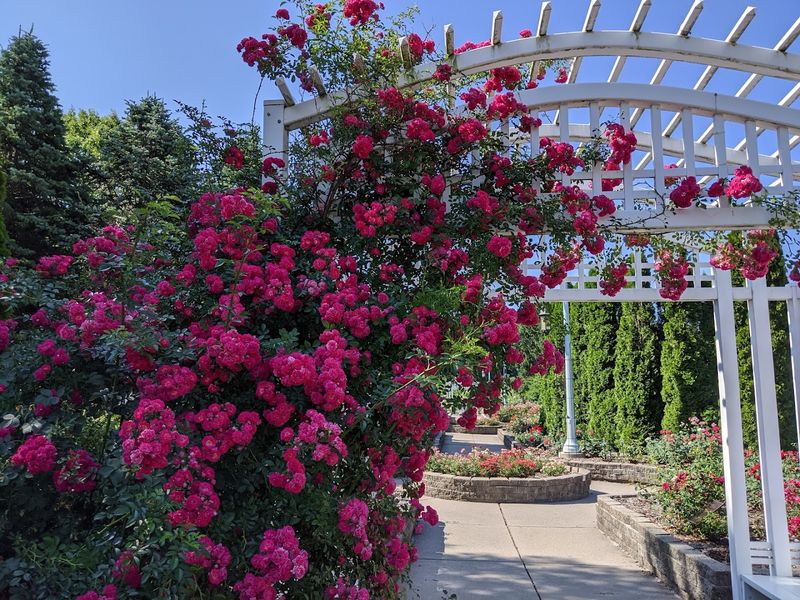
One of the best features of these gardens is that they’re open to everyone at no charge. Unlike many botanical gardens that require admission fees, Michigan State University makes these displays available to the public as a community resource.
This accessibility means anyone can enjoy world-class plantings regardless of budget.
The gardens are easy to reach at 1066 Bogue Street in East Lansing, with convenient parking nearby. Hours extend from early morning until evening, giving flexibility to visit when your schedule allows.
The open access policy reflects the university’s commitment to sharing knowledge and beauty with the broader community.
Families can visit repeatedly throughout the season without worrying about costs adding up. Students on tight budgets can enjoy the space as often as they like.
Retirees, tourists, and local residents all benefit equally from this generous approach.
The gardens also welcome photographers, artists, and anyone seeking inspiration in nature. You’re free to bring sketchbooks, cameras, or simply your curiosity without restrictions.
This welcoming atmosphere makes the gardens feel like a shared treasure rather than an exclusive attraction, ensuring that horticultural education and natural beauty remain available to everyone who wants to experience them.
A Garden That Blends Research Beauty And Community
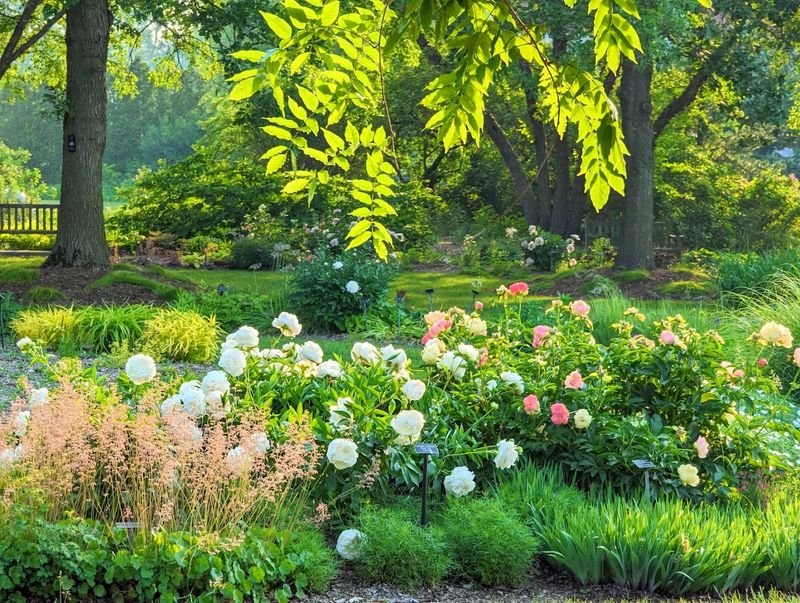
Few places successfully combine serious academic research with public enjoyment, but Michigan State University Horticulture Gardens achieves this balance beautifully. Faculty and students conduct important plant trials and horticultural studies while visitors stroll through enjoying the results.
This dual purpose creates a unique environment benefiting both scholarship and community.
The research happening here advances horticultural knowledge that eventually helps gardeners everywhere. New disease-resistant varieties, improved growing techniques, and better understanding of plant biology all emerge from work in these gardens.
Public visitors witness cutting-edge research in action without it interfering with their experience.
The community aspect extends beyond casual visits to include workshops, plant sales, and educational programs. Members support the gardens through donations and volunteering, creating a sense of shared ownership.
This connection between the university and surrounding community strengthens both. These gardens represent Michigan State’s land-grant mission of serving the public through teaching, research, and outreach.
Every plant, path, and program reflects this commitment to making horticultural excellence accessible to all. The gardens prove that academic rigor and public enjoyment can coexist, creating spaces where learning happens naturally and beauty inspires visitors of all ages and backgrounds throughout every season.