These Michigan Plants Naturally Keep Japanese Beetles Away From Roses And Fruit Trees
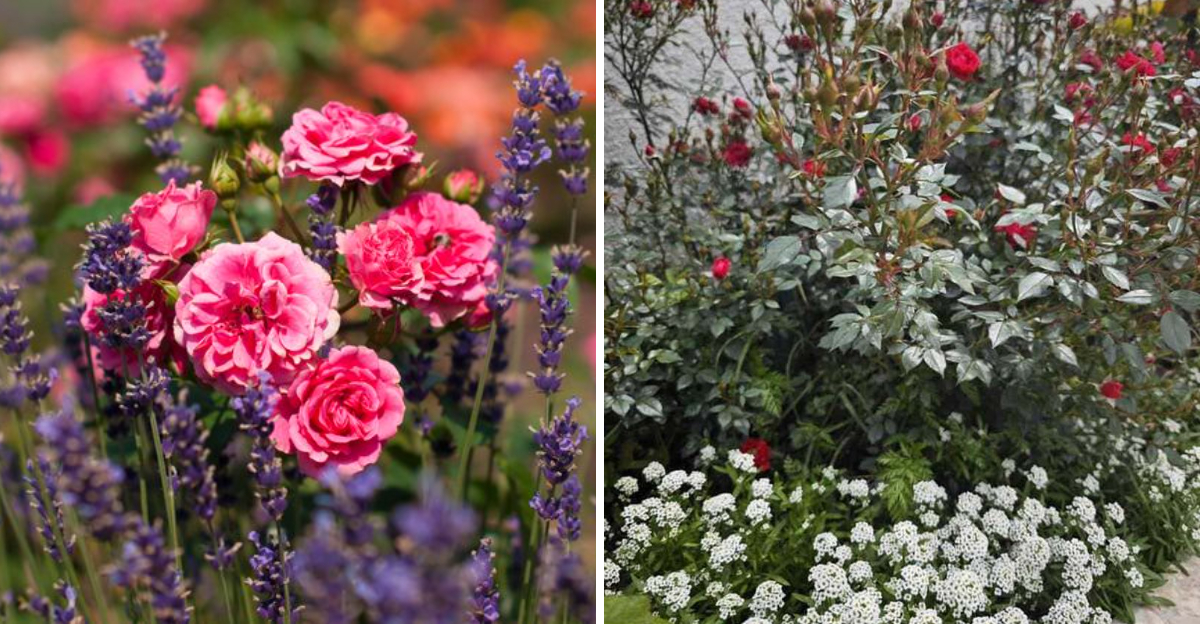
Japanese beetles are one of the most damaging summer pests Michigan gardeners face, and roses and fruit trees are their favorite targets.
By the time the damage is visible, the beetles are already feeding in numbers that are hard to reverse quickly.
Chemical treatments work but come with tradeoffs, and repeated applications through the season add up in cost and effort.
Certain plants offer a more passive approach, naturally deterring Japanese beetles through scent compounds, oils, or growth habits that these insects consistently avoid.
Placed strategically near roses and fruit trees, they create a buffer that reduces feeding pressure without requiring ongoing intervention.
Several of these plants pull double duty as pollinators, herbs, or ornamentals, making them genuinely useful additions to a Michigan garden beyond just solving a beetle problem.
1. Garlic Creates A Strong Scent Barrier Around Roses
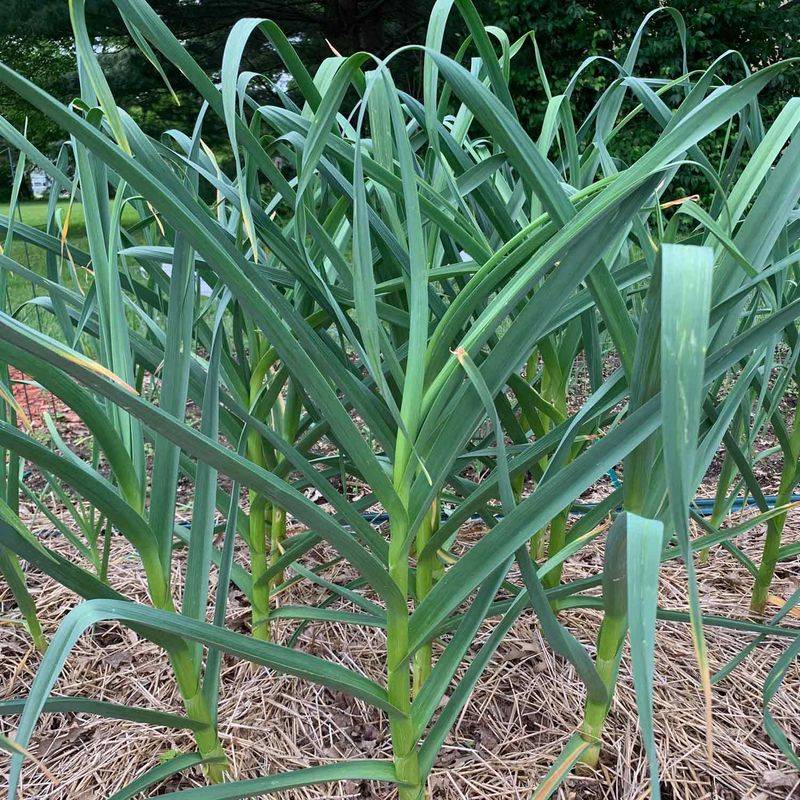
Few things in the garden pack as much punch as garlic, and that bold, unmistakable scent is exactly why it earns a spot near your roses.
Japanese beetles are highly attracted to roses, grapes, apples, and cherries across Michigan, typically feeding from late June through August according to MSU Extension.
Planting garlic nearby may help make those prized host plants a little less obvious to searching beetles by adding strong scent competition to the area.
The best time to get garlic in the ground in Michigan is October, before the soil freezes hard.
Plant individual cloves about six inches apart and roughly four to six inches away from rose crowns so you avoid crowding or damaging the root zone.
Raised rows or well-drained spots work best since garlic dislikes soggy soil over winter. Come spring, the green shoots push up quickly and fill your rose bed with lush texture and fragrance.
Garlic will not single-handedly stop a heavy beetle infestation, so pair it with hand removal and other management strategies for the best results.
Think of it as one useful layer in a smarter, more diverse garden plan rather than a guaranteed fix.
The bonus? You get fresh garlic to harvest in July, right when beetle season is heating up.
2. Chives Add A Compact, Pollinator-Friendly Border Around Roses
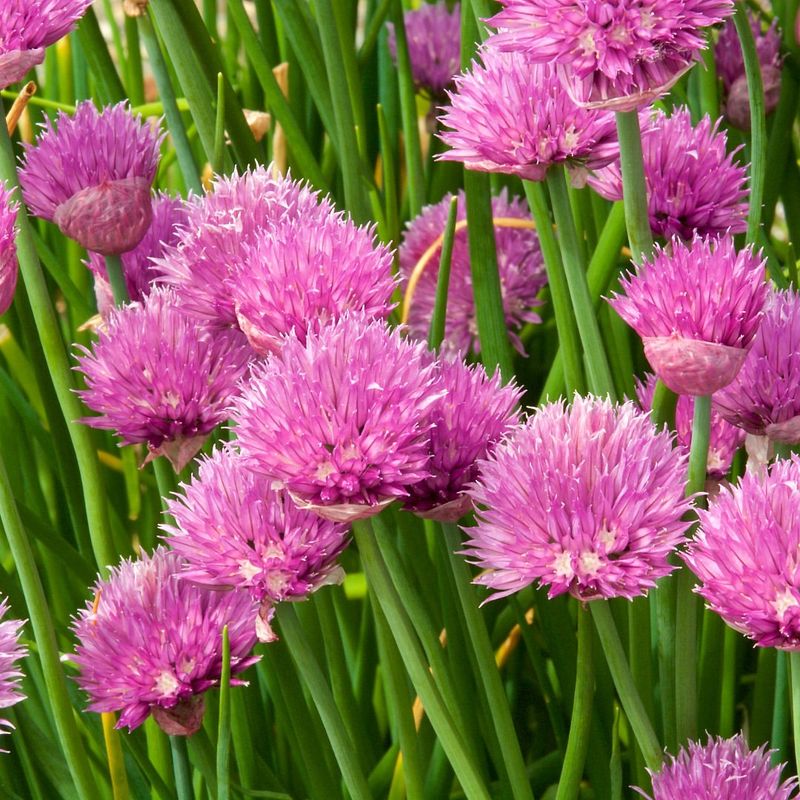
Chives are one of those quiet overachievers in the garden that most people overlook.
These hardy perennials come back reliably year after year in Michigan, require almost no fuss, and reward you with cheerful purple blooms that bees absolutely love.
Planting them as a low border around rose beds adds a layer of scent diversity that may help make your roses a bit less of an obvious target during beetle season. Spacing matters when you plant chives near roses.
Keep clumps about eight to ten inches from rose crowns so they do not compete for water or block airflow around the base of your plants.
Young fruit tree trunks also benefit from a bit of breathing room, so avoid planting chives right up against the bark.
Every three years or so, chive clumps benefit from being divided and replanted to keep them vigorous and full.
Your Michigan Garden Changes Every Week. Your Plan Should Too.
Gardening in Michigan changes quickly throughout the season. Every Friday you’ll receive a simple weekly plan showing exactly what to plant, prune, fertilize, harvest, and protect so you never miss the right timing.
Simply dig up the clump in early spring, split it into smaller sections, and replant where you need coverage.
While chives should not be counted on as a complete Japanese beetle solution, they genuinely support a healthier and more diverse garden bed.
More flower variety means more pollinators, and a garden buzzing with life tends to be a more balanced and resilient one overall.
3. Onions Add Scent Diversity Around Sunny Michigan Garden Beds
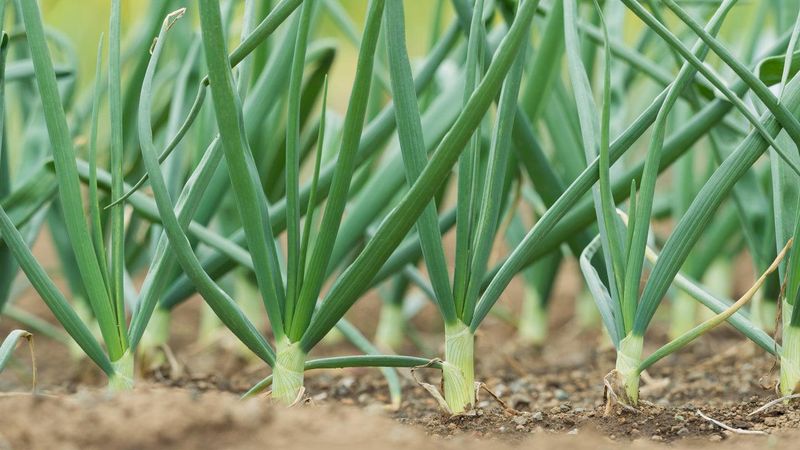
Onions have been growing alongside other plants in kitchen gardens for centuries, and there is a good reason they keep showing up in companion planting conversations.
Their sharp, sulfur-rich scent adds a strong layer of aroma to any planting area, which may help create some pest confusion around roses, grapes, and small fruit plantings where Japanese beetles love to feed.
In Michigan, onion sets go into the ground in spring, usually around late April or early May once the soil is workable.
Full sun is non-negotiable for onions, so choose a spot that gets at least six to eight hours of direct light each day.
Space sets about four to six inches apart in rows and keep them at a comfortable distance from rose crowns to avoid root competition.
Onions fit naturally into sunny rose beds or along the edges of small-fruit gardens without taking up much space.
They are practical, affordable, and pull double duty as a food crop and a scent-diverse companion.
That said, during a heavy Japanese beetle infestation, onions alone will not stop the damage.
Combining them with other strategies like hand removal during early morning hours, when beetles are sluggish, gives you a much stronger overall defense. A layered approach always works better than relying on any single plant.
4. Catmint Makes Rose Beds Aromatic And Pollinator-Friendly
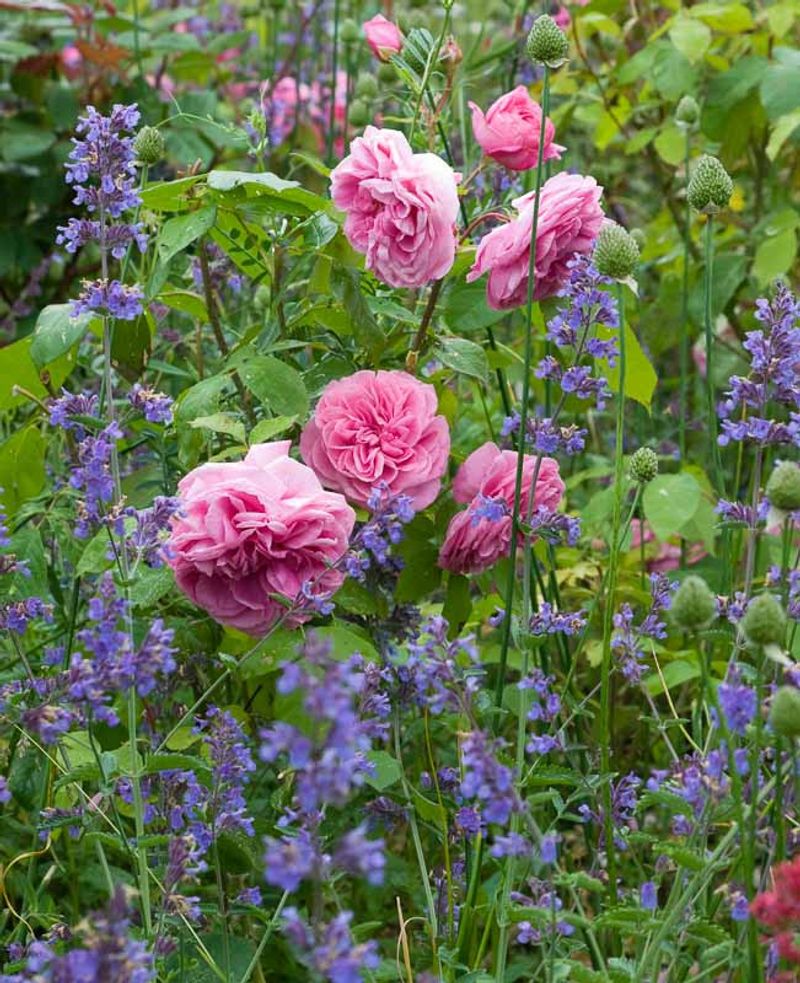
Walk past a bed of blooming catmint on a warm afternoon and you will immediately understand why gardeners love it.
The silvery foliage releases a cool, herbal fragrance that mingles beautifully with rose perfume, creating a planting that smells as good as it looks.
Beyond the sensory appeal, catmint’s aromatic leaves may help add scent complexity around your roses, making the bed a less straightforward destination for wandering Japanese beetles.
Catmint thrives in full sun and absolutely needs well-drained soil to perform well in Michigan.
Heavy clay that holds moisture over winter can cause plants to rot, so amending your bed with compost or planting on a slight slope helps a lot.
Space plants about 18 inches from rose crowns to give both plants room to breathe and to prevent catmint from flopping onto rose canes.
After the first big bloom flush in early summer, try the Chelsea Chop method, cutting plants back by about half.
This encourages a fresh flush of blooms and keeps the mounded shape tidy through the rest of the season.
Bees flock to catmint from spring through fall, making it one of the most pollinator-friendly additions you can make to a rose bed.
It will not fully repel Japanese beetles on its own, but it makes your garden more beautiful, more fragrant, and more alive with beneficial activity.
5. Zonal Geraniums Can Temporarily Stun Japanese Beetles
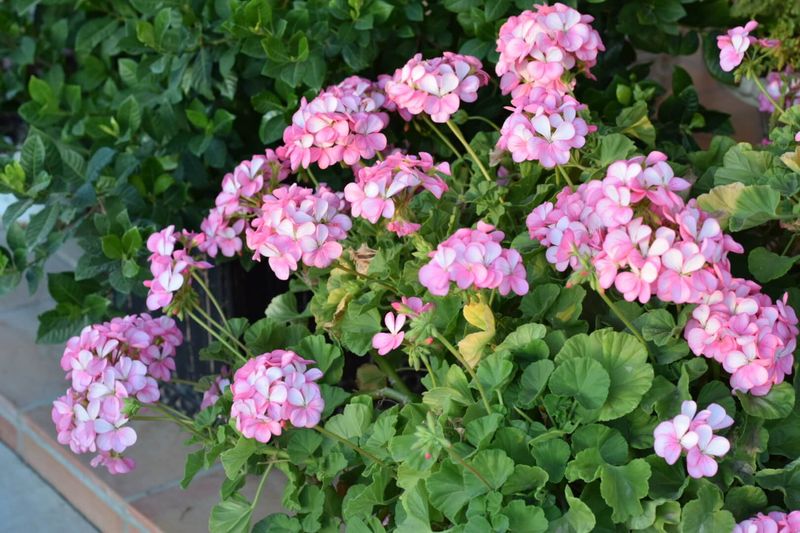
Here is something most gardeners do not know: zonal geraniums have a genuinely fascinating effect on Japanese beetles.
Research has shown that when Japanese beetles feed on zonal geranium petals, they can become temporarily paralyzed for up to 30 minutes.
During that window, the beetles are far more vulnerable to being spotted and removed by hand or picked off by predators, making geraniums one of the more interesting tools in a beetle management plan.
Placing potted zonal geraniums near your prized rose bushes during summer is a practical way to take advantage of this effect.
Pots give you flexibility to move plants around as needed, and keeping them in full sun with consistent watering helps maintain steady blooms through the season.
Deadhead spent flowers regularly to encourage continuous blooming from late spring right through August when beetle pressure is highest.
It is worth being clear that geraniums will not eliminate Japanese beetles from your garden. A large population will keep feeding on roses, fruit trees, and other host plants regardless.
But as one piece of a broader plan that includes hand removal, early morning scouting, and diverse companion planting, potted zonal geraniums near roses add a genuinely useful and science-backed layer.
They look beautiful doing it too, which makes them one of the most rewarding plants on this entire list.
6. French Marigolds Support A More Diverse Rose Border
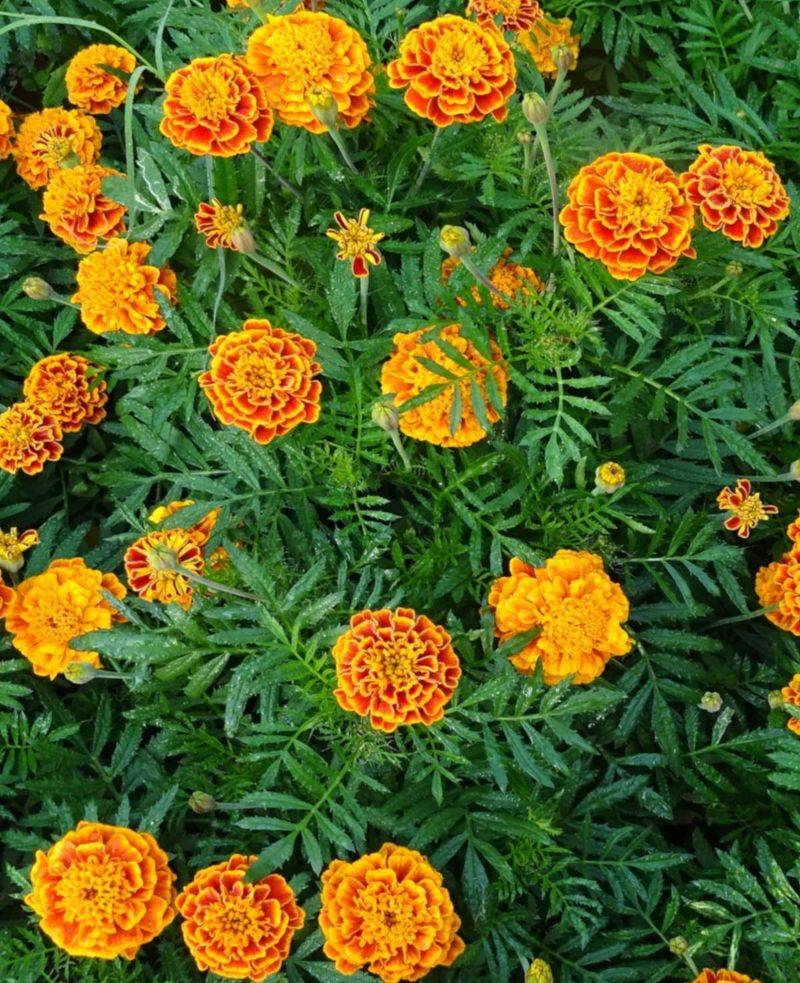
French marigolds are one of the most cheerful and hardworking plants you can add to a summer garden.
Their vivid orange and yellow blooms bring pollinators and beneficial insects flooding in, while their slightly spicy, resinous scent adds yet another layer of aroma to a rose bed already rich with fragrance.
More flower diversity in a garden generally means a healthier, more balanced ecosystem, and that matters when you are trying to manage pest pressure naturally.
Wait until after Michigan’s last frost date, typically mid-May in most areas, before setting out transplants or direct-seeding French marigolds.
They love full sun and well-drained soil, and they will bloom nonstop through summer if you keep up with deadheading.
Space plants about ten to twelve inches apart so they fill in nicely without crowding your rose canes or competing too aggressively for root space.
Along orchard edges, marigolds work beautifully as a filler plant between young fruit trees, adding color and attracting insects without interfering with tree growth. Be realistic about what they can do, though.
French marigolds do not repel Japanese beetles outright, and a heavy infestation will still require active management.
Think of them as a supportive companion that improves the overall health and visual appeal of your garden rather than a standalone solution. They earn their place every single season.
7. Lavender Keeps Sunny Rose Beds Fragrant And Well-Drained
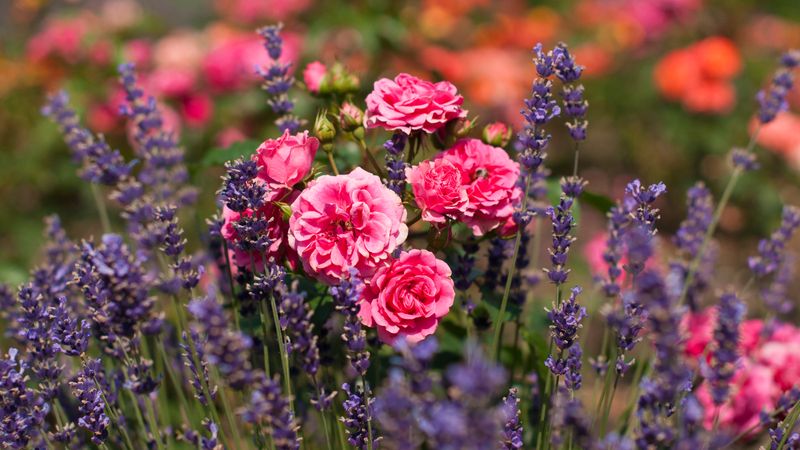
There is something undeniably romantic about lavender growing alongside roses, the purple spikes and pink blooms together creating a garden scene that feels almost too pretty to be practical.
But lavender earns its spot on practical merit too.
Its intensely aromatic foliage adds strong scent diversity to rose beds, which may help make those plants a little less detectable to Japanese beetles searching for their favorite feeding spots during summer.
Michigan winters can be tough on lavender, so choosing the right variety is critical. English lavender types like Munstead and Hidcote are the most cold-hardy options available and give you the best chance of plants returning reliably each spring.
Excellent drainage is absolutely non-negotiable. Lavender planted in wet clay soil will not survive a Michigan winter, so amend beds generously or build raised areas to improve drainage before planting.
Space lavender about 18 to 24 inches from rose crowns to allow for good airflow around both plants, which reduces the risk of fungal issues during humid Michigan summers.
After blooming, trim plants lightly to maintain a tidy mounded shape and encourage fresh growth.
Lavender is not a guaranteed Japanese beetle repellent, but it pairs so beautifully with roses in dry, sunny beds that it improves the whole garden environment. A healthier, more fragrant bed is always going to be more resilient against pest pressure.
8. Yarrow Attracts Beneficial Insects Near Roses And Fruit Trees
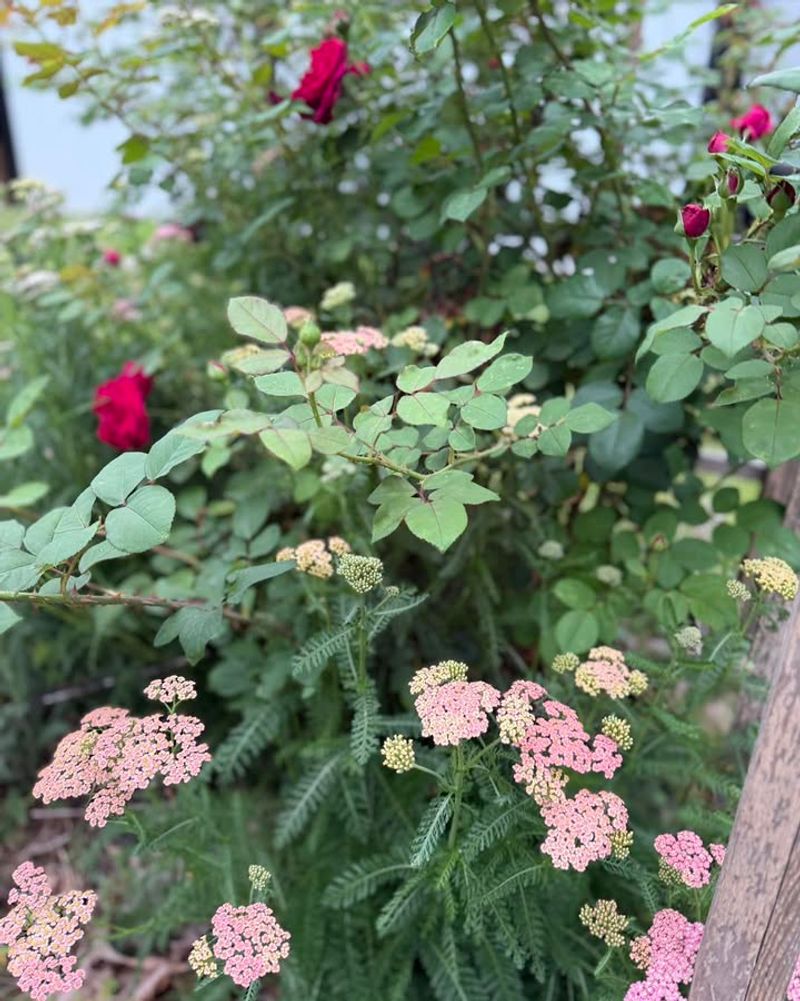
Yarrow is the kind of plant that works quietly in the background, drawing in exactly the right visitors.
Its wide, flat flower clusters act like tiny landing pads for ladybugs, lacewings, hoverflies, and small parasitic wasps, all of which play important roles in keeping garden pest populations in check.
A garden full of these beneficial insects is simply a healthier, more balanced place, and that matters when you are trying to protect roses and fruit trees from summer pest pressure.
To be straightforward about it, these beneficial insects do not directly stop adult Japanese beetles from feeding. The beetles are too large and too mobile for most of them to target.
What yarrow does is help build a garden ecosystem that is more resilient overall, better able to handle pest pressure without falling apart when one species shows up in large numbers.
Yarrow is impressively drought-tolerant once established and thrives in full sun with average to dry soil.
Space plants about 18 inches apart and keep them away from rose canes and young fruit tree trunks to avoid crowding.
In Michigan gardens, yarrow blooms from early summer into fall and requires very little maintenance beyond occasional division every few years to prevent spreading.
It is a genuinely tough, beautiful, and ecologically valuable plant that earns its place in any garden aiming for long-term health and resilience.
9. Sweet Alyssum Brings Tiny Beneficial Insects To Garden Edges
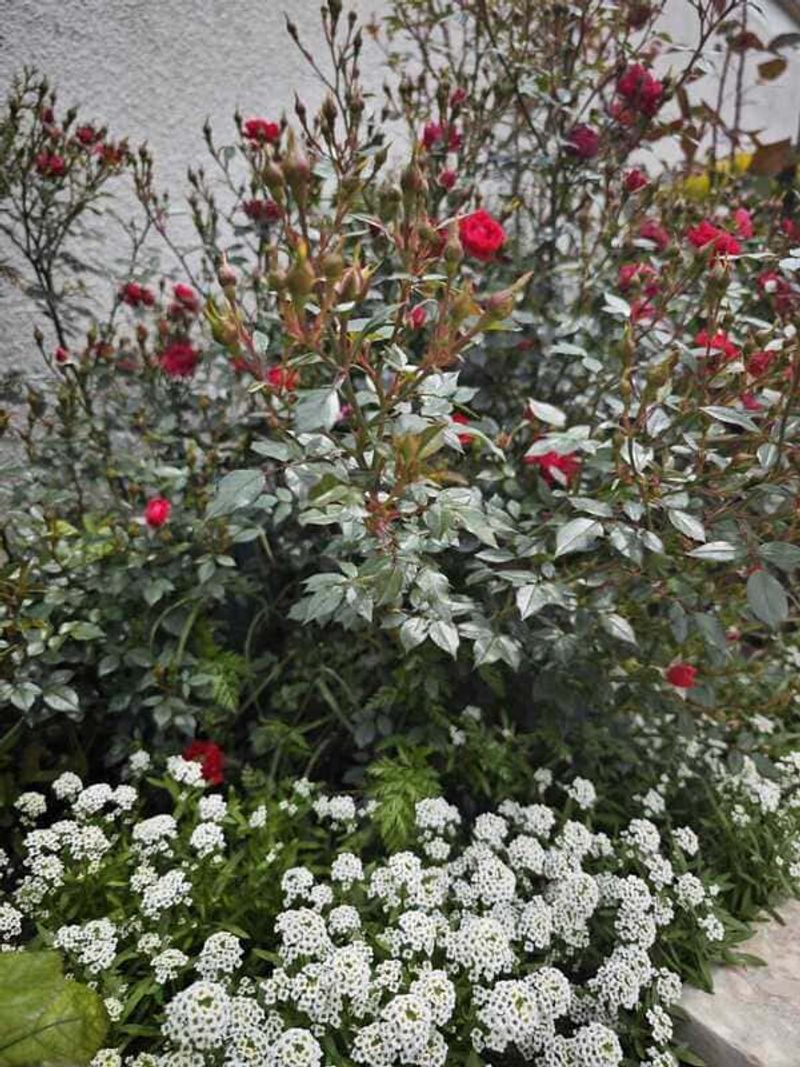
Sweet alyssum might be small, but it punches well above its weight when it comes to attracting beneficial insects.
Those tiny clusters of honey-scented white or purple flowers are magnets for hoverflies, and that matters more than most gardeners realize.
Hoverfly larvae are voracious predators of aphids, one of the most common soft-bodied pests that attack roses alongside Japanese beetles during summer.
While sweet alyssum is not a direct Japanese beetle repellent, it helps support a more balanced garden ecosystem around beetle-prone plants.
A rose bed with a healthy hoverfly population is dealing with one fewer pest problem, which frees up your energy to focus on managing the bigger threats. Think of alyssum as a quiet but genuinely useful team player in the garden.
Plant sweet alyssum along the edges of rose beds or as a low living mulch between young fruit trees once temperatures warm up in spring.
It prefers cooler weather and actually performs best in spring and fall in Michigan, sometimes fading back a bit during the hottest part of summer before rebounding.
One of its most charming habits is self-sowing, dropping seeds that sprout the following spring with no effort from you.
Space transplants about six to eight inches apart for a full, lush edging effect that looks beautiful and works hard all season long.
10. Borage Builds Garden Diversity Near Fruit Trees
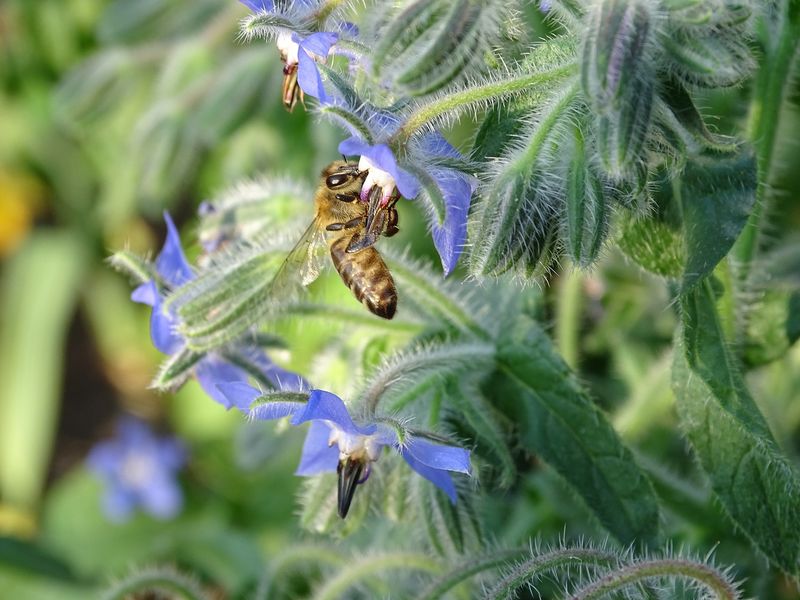
Borage is one of those old-fashioned garden plants that modern gardeners are rediscovering for very good reasons.
Its vivid, star-shaped blue flowers are among the most bee-attractive blooms you can grow, drawing pollinators in from a surprising distance and keeping them active around your fruit trees and berry patches all season long.
A garden buzzing with pollinators is a more productive and healthier garden from the ground up.
Borage does not directly repel Japanese beetles, and it would be misleading to suggest otherwise.
What it does is help create a richer, more active garden ecosystem near fruit trees and vegetable gardens, the kind of environment that tends to handle pest pressure better over time.
More biodiversity in the garden generally means more natural checks and balances at work. Growing borage from seed is easy and rewarding.
Direct sow after the last frost in Michigan, choosing a spot with full to partial sun and decent drainage.
Keep it a comfortable distance from young tree trunks so it does not crowd the root zone or compete aggressively for water.
Borage self-seeds enthusiastically, which means you may find volunteer plants popping up in new spots each spring.
Pull what you do not want and let the rest fill in. Its edible flowers are a fun bonus, looking beautiful scattered over summer salads straight from the garden.