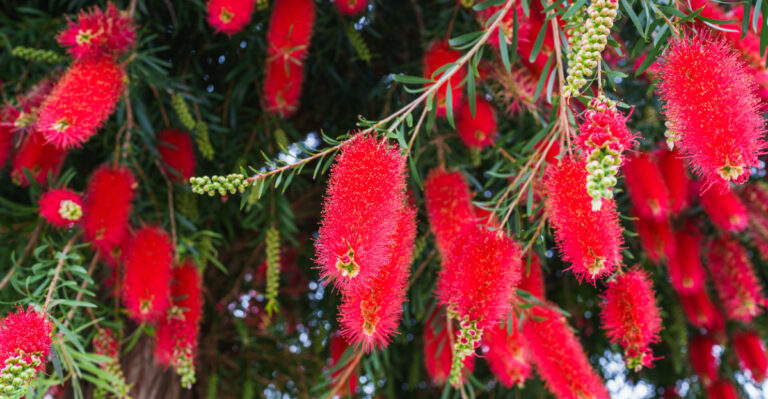
These 8 Native California Flowers Are Feeding Bees Right Now
Spring in California isn’t exactly subtle. One minute the landscape looks a little sleepy, and the next it’s bursting with color, buzzing with life, and suddenly… bees everywhere.
If you’ve noticed more pollinator activity lately, you’re not imagining it. Early spring is prime time for flowers that are basically ringing the dinner bell.
Right now, a handful of standout blooms are doing some heavy lifting. These flowers are packed with nectar and pollen, making them irresistible to hungry bees that are just getting active again after cooler months.
Some pop up in wild spaces, others fit right into home gardens, but all of them are helping fuel that early-season energy boost.
What’s especially cool is how early these plants get going. While many flowers are still thinking about blooming, these are already open for business and covered in pollinators.
If you want a garden that’s buzzing with life, these are the flowers leading the charge right now.
1. Baby Blue Eyes
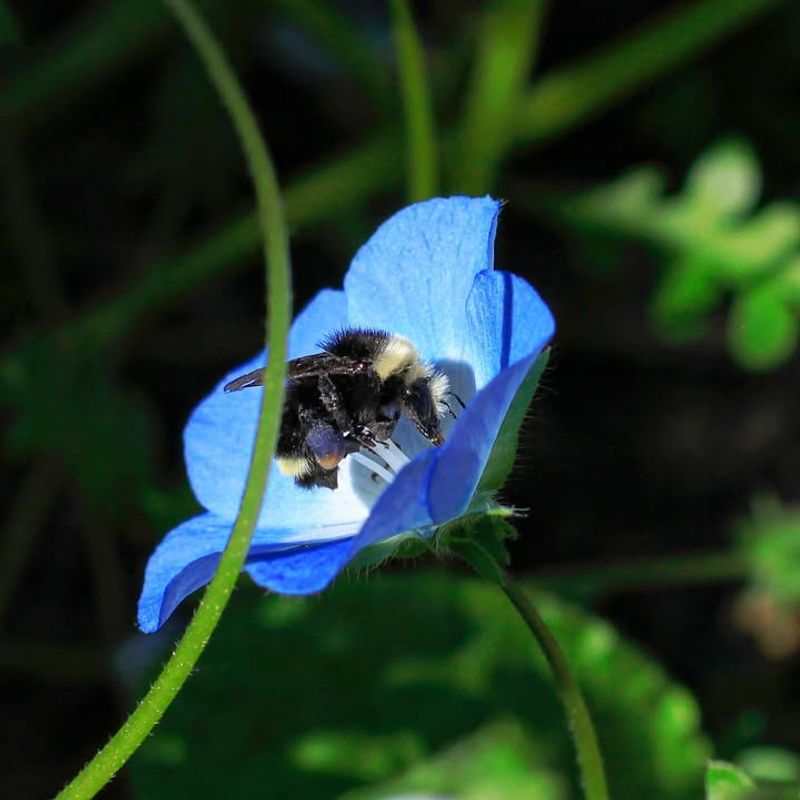
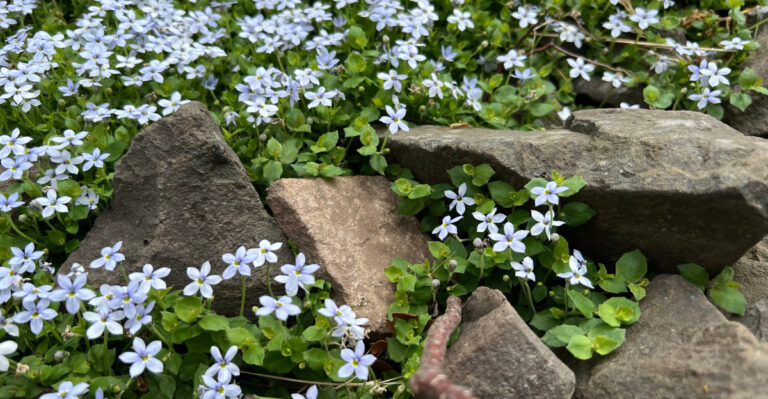
Imagine a tiny cup of sky-blue color sitting right on the ground. That is what Baby Blue Eyes looks like up close.
This low-growing wildflower is one of the earliest bloomers in California, and bees absolutely love it. The flowers are small but packed with nectar and pollen.
Baby Blue Eyes, known scientifically as Nemophila menziesii, thrives in sunny spots and open meadows throughout California. You will often see it carpeting hillsides in shades of pale blue and white during late winter and early spring.
Small native bees, especially sweat bees, are some of its biggest fans.
If you want to attract more bees to your yard, this plant is a great starting point. It grows easily from seed and does not need much water once it is established.
Scatter seeds in a sunny patch of your garden in fall and wait for spring to bring a cheerful display. Because it blooms so early in the season, it gives bees a much-needed food source when not much else is flowering yet.
Supporting early bloomers like this one makes a real difference for bee populations across California.
2. Cluster Lily
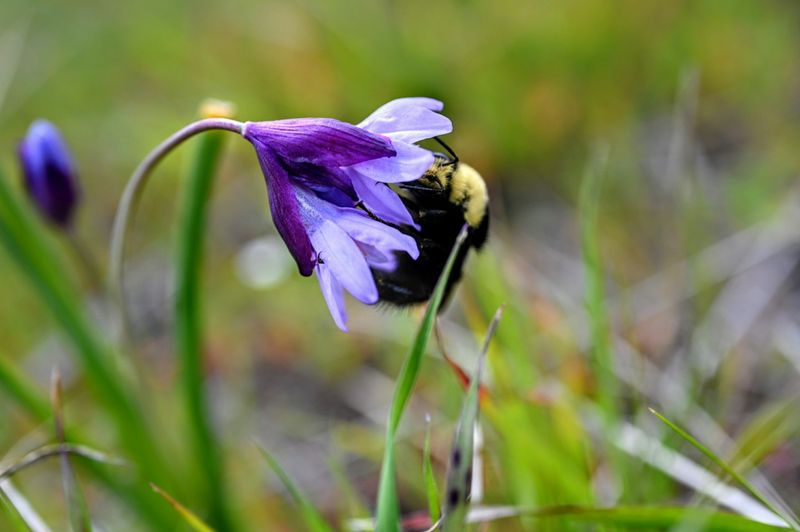
There is something wonderfully wild about Cluster Lily popping up along California roadsides and open fields each spring. These tall, slender wildflowers hold clusters of purple-blue blooms at the top of long stems, and they have a striking, almost elegant look.
Native bees are drawn to them quickly once they open.
Cluster Lily, or Dichelostemma capitatum, grow from small bulb-like structures called corms. They are incredibly tough plants that handle dry California soils with ease.
You will spot them blooming from late winter through spring in grasslands, chaparral areas, and even along hiking trails throughout the state.
Bumblebees and sweat bees are especially active around Cluster Lily because the flowers offer rich pollen rewards. Native bees have the right body shape to access the pollen tucked inside the blooms.
This is a great example of how California native plants and local bees have co-evolved over a very long time.
Planting Cluster Lily in your garden is simple. They need very little water and actually prefer to stay dry during summer.
Once planted, they tend to spread naturally, creating a lovely wildflower display year after year while keeping your local bee community well fed.
3. Goldfields
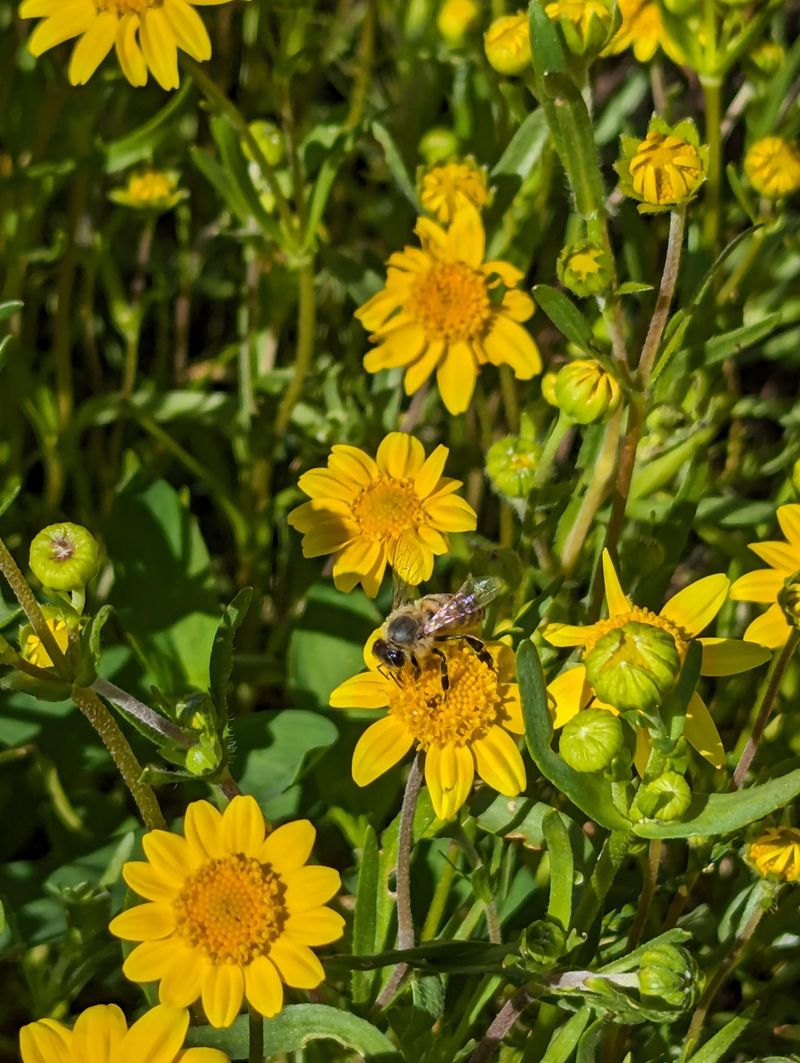
Few sights in California are as jaw-dropping as a hillside covered in Goldfields. These tiny yellow daisy-like flowers blanket open grasslands in massive numbers each spring, turning entire fields into a sea of gold.
It is one of the most cheerful wildflower displays in the state.
Goldfields, known as Lasthenia californica, are small but mighty. Each flower is packed with pollen and nectar, making them a buzzing hotspot for small native bees.
Because they grow in such large numbers, they create a huge food resource for pollinators across California during the early spring season.
Interestingly, there is even a bee named after this flower. The Perdita hirticeps bee is a specialist that feeds almost exclusively on Goldfields pollen.
That kind of tight relationship between a plant and a bee is rare and shows just how important native wildflowers really are.
You can grow Goldfields in a home garden by scattering seeds in fall on bare, sunny soil. They do not need fertilizer or much water.
Once they sprout, they take care of themselves. A patch of Goldfields in your yard could become a favorite spot for small native bees all across your California neighborhood.
4. Manzanita
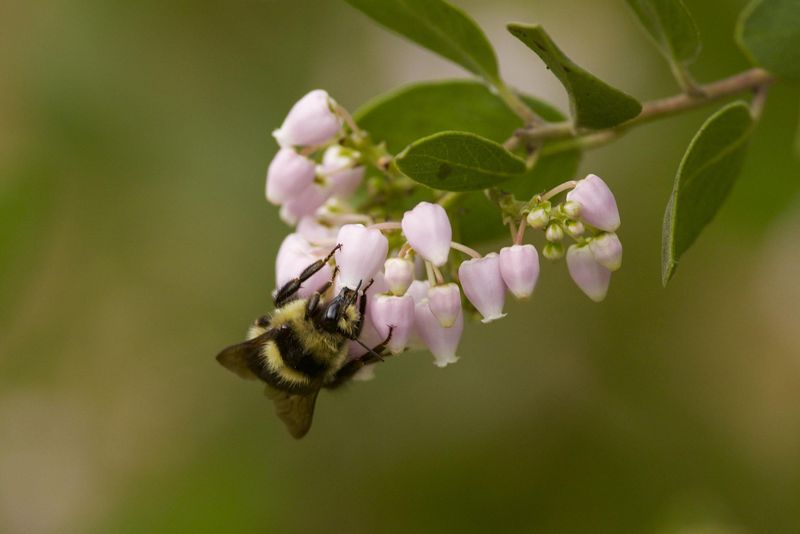
Walk through any California chaparral in late winter or early spring and you will likely hear a low hum coming from the Manzanita shrubs. Bumblebees gather on these plants in impressive numbers, drawn by the clusters of tiny, bell-shaped pink or white flowers hanging from the branches.
It is one of the most important early-season food sources for bees in the state.
Manzanita belongs to the genus Arctostaphylos, and California is home to over 100 native species. Each one has that signature smooth, reddish-brown bark and those delicate little blooms.
Bumblebees are especially skilled at getting nectar from the bell-shaped flowers through a technique called buzz pollination.
Buzz pollination is fascinating. The bee grabs the flower and vibrates its flight muscles at a very specific frequency, which shakes the pollen loose.
Not all bees can do this, which makes bumblebees uniquely valuable for Manzanita pollination throughout California.
Manzanita is also a great shrub for home gardens. It is drought-tolerant, evergreen, and looks beautiful year-round.
Once established, it needs very little care. Planting one or two Manzanita shrubs can provide bees with a reliable food source every winter and early spring, which is exactly when they need it most.
5. California Lilac
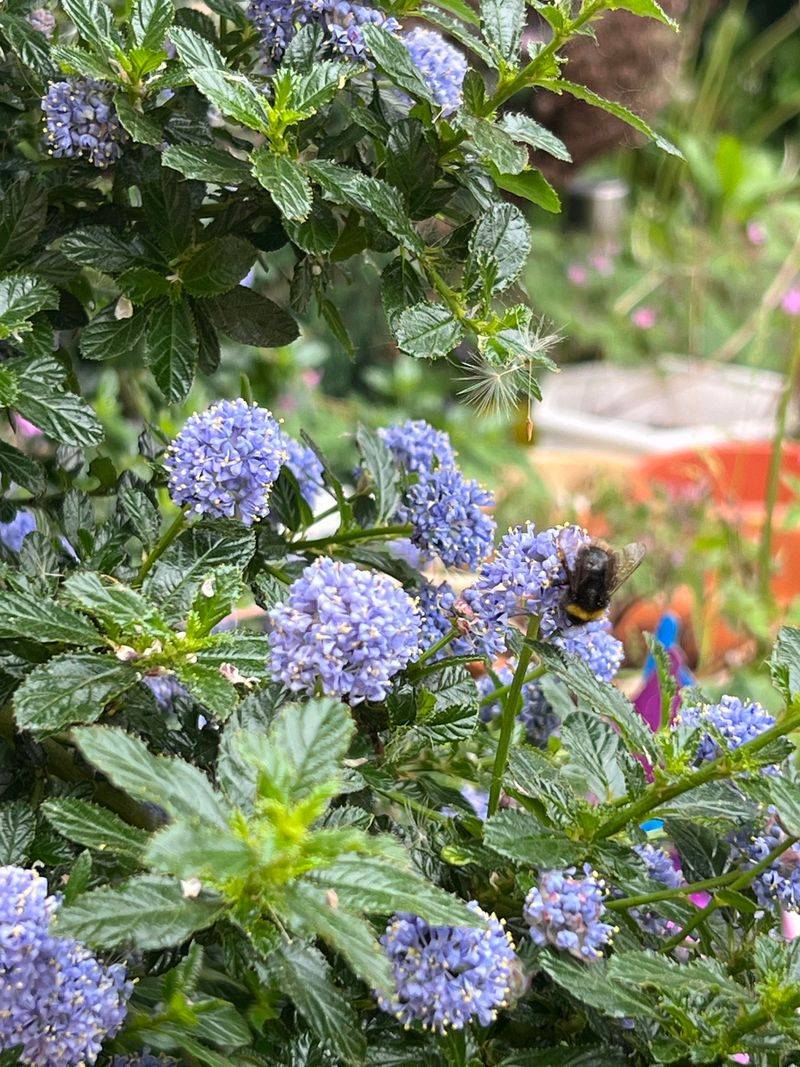
Few native shrubs put on a show quite like California Lilac. When Ceanothus is in full bloom, the entire plant seems to disappear under a cloud of purple or blue flowers.
The fragrance is sweet and light, and bees respond to it like a dinner bell has just been rung.
Ceanothus is one of the most bee-friendly plants in California. The flowers are small but incredibly numerous, and they produce generous amounts of both pollen and nectar.
Native bees, honeybees, and butterflies all visit regularly during the bloom season, which typically runs from late winter through spring.
There are dozens of native Ceanothus species found throughout California, from low-growing ground covers to tall, arching shrubs.
Some species bloom as early as February, giving bees an important food source before many other plants have even started flowering.
This early timing makes California Lilac a key player in the state’s pollinator ecosystem.
For gardeners, Ceanothus is a dream plant. It handles dry summers without complaint, grows quickly, and looks stunning in bloom.
Plant it in a sunny, well-drained spot and let it do its thing. Your local bee population will thank you every single spring with plenty of buzzing activity right in your own backyard.
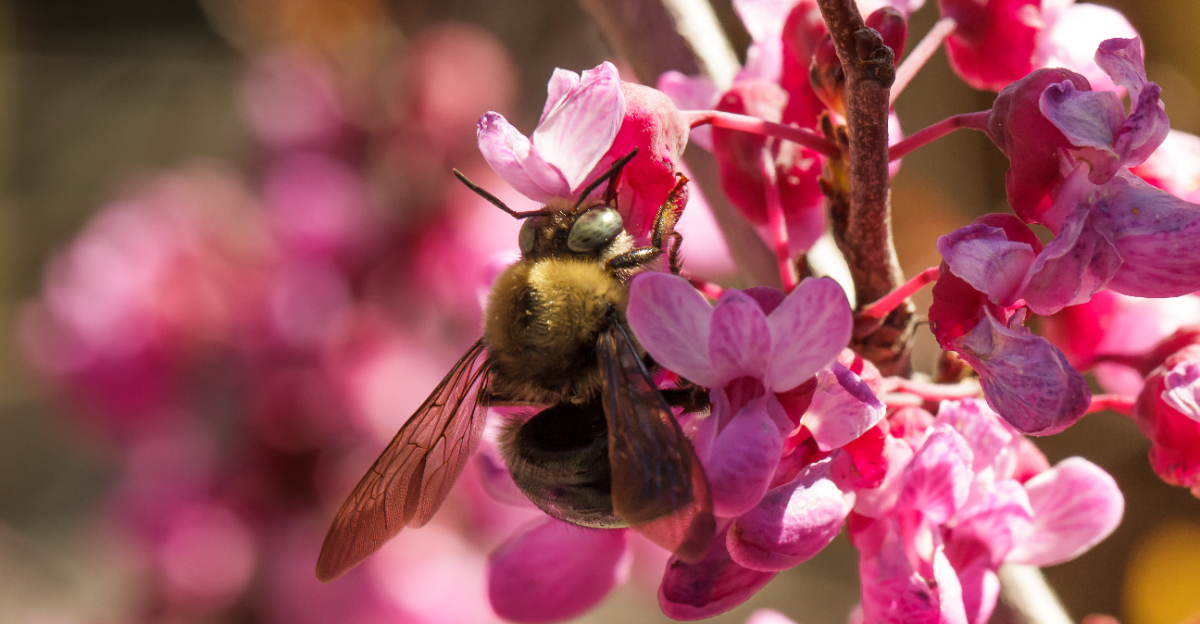
6. Western Redbud
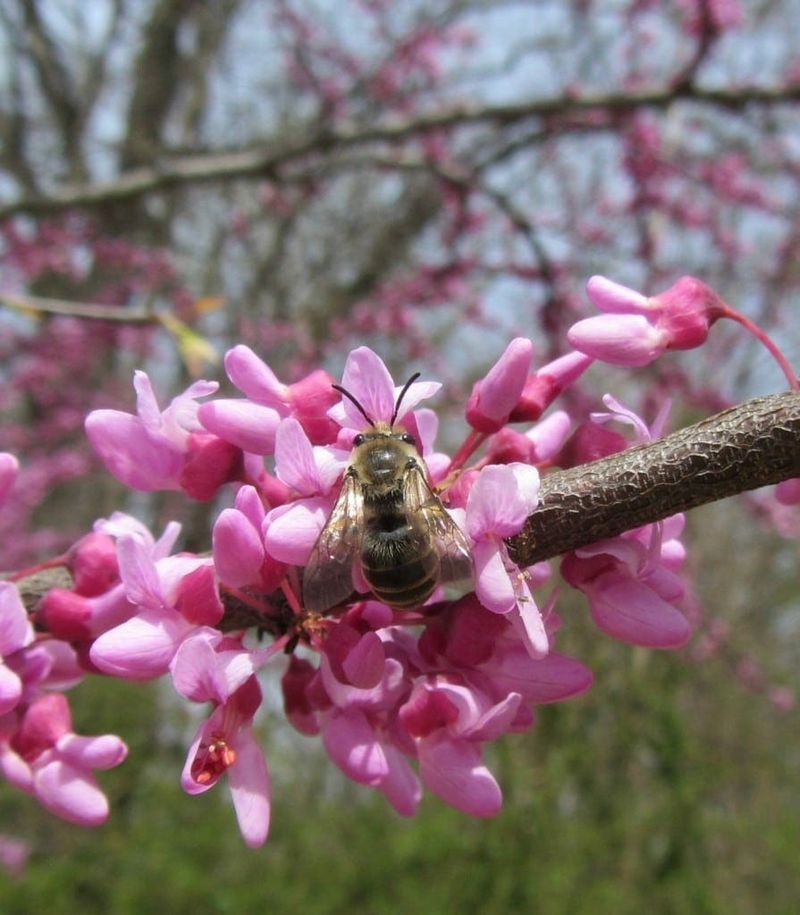
Before a single leaf appears on its branches, Western Redbud bursts into bloom with bright magenta-pink flowers that cover every stem from top to bottom. It looks almost unreal, like someone painted the branches overnight.
Native bees go absolutely wild for it, especially in California’s foothill regions where this tree grows naturally.
Western Redbud, or Cercis occidentalis, blooms in early spring and is one of the most visually striking native trees in the state. The flowers are pea-shaped and rich in nectar, attracting a wide range of native bees including mining bees, bumble bees, and mason bees.
These bees are important pollinators for many other plants in the surrounding landscape.
Because Western Redbud flowers before its leaves emerge, bees can easily access the blooms without any foliage getting in the way. This open access makes it an especially efficient feeding station for early-season pollinators across California.
As a garden tree, Western Redbud is hard to beat. It stays relatively small, around ten to fifteen feet tall, making it a great fit for home landscapes.
It is drought-tolerant once established and offers beautiful fall color too. Planting one gives bees a spectacular spring feast and gives you a stunning focal point in your yard all year long.
7. Shooting Star
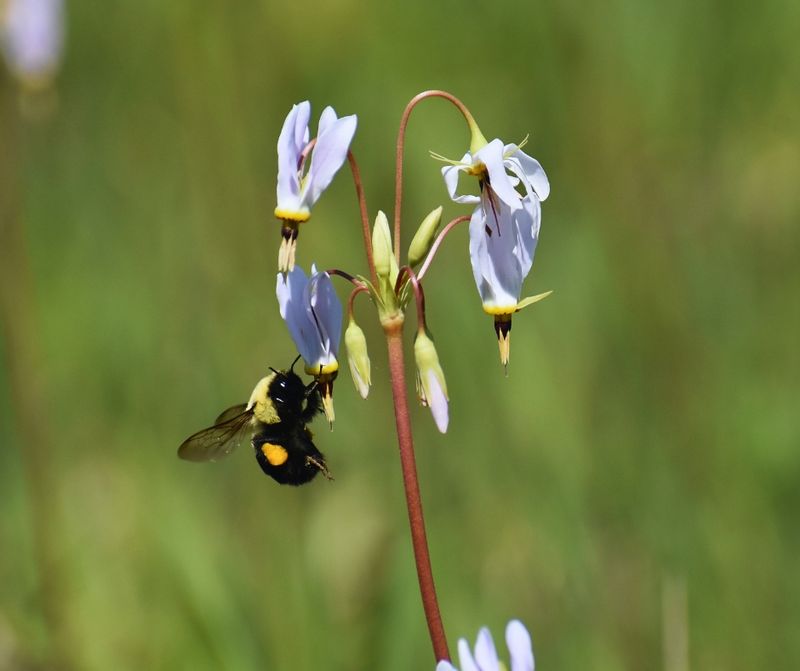
Shooting Star is one of those wildflowers that makes you stop and stare. The petals sweep backward like a comet in flight, and the pointed tip looks like it is ready to launch into the sky.
Native bees, especially bumblebees, are completely hooked on these dramatic little blooms.
Dodecatheon hendersonii, commonly called Shooting Star, grows in moist, shaded areas throughout California, often near streams, oak woodlands, and grassy hillsides.
It blooms in late winter and early spring, making it one of the first wildflowers to appear in shadier spots where other plants are still dormant.
Bumblebees are the primary pollinators of Shooting Star. They use buzz pollination to shake pollen from the flower’s cone-shaped center.
The relationship between bumblebees and Shooting Star is a perfect example of how native California plants and their pollinators have evolved together over thousands of years.
Growing Shooting Star at home requires a bit more attention than some other natives. It prefers partial shade and moist, well-drained soil.
It also goes completely dormant in summer, so do not be alarmed when it disappears. Plant it under a tree or near a shaded garden bed and it will reward you with those stunning, comet-shaped blooms every single spring.
8. California Poppy
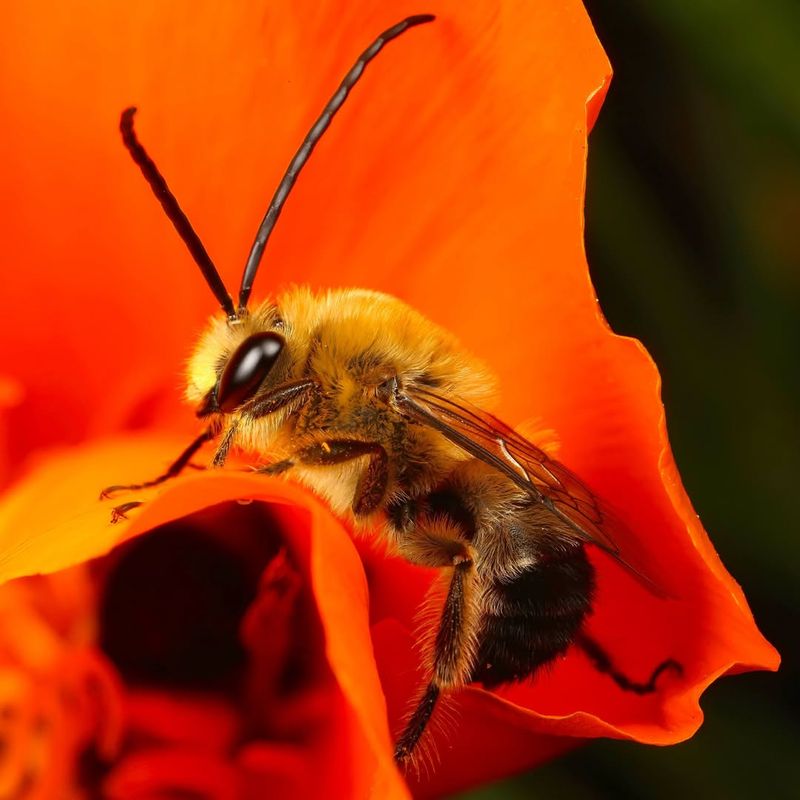
You already know this one. The California Poppy is the state flower, and it earns that title every spring by turning hillsides, roadsides, and garden beds into glowing rivers of orange.
Bees are just as impressed as we are. Small sweat bees and Perdita species are especially active on these blooms throughout California.
Eschscholzia californica is a tough, cheerful wildflower that thrives in poor, dry soil under full sun. It blooms from late winter all the way through early summer, giving bees a long-lasting food source.
The flowers open wide on sunny days and close at night or when it is cloudy, which is a clever way to protect their pollen.
Unlike some flowers that offer nectar as the main reward, California Poppies are primarily a pollen source. Bees collect this pollen to feed their larvae back at the nest.
Small native bees are particularly well-suited for gathering pollen from the open, cup-shaped blooms.
Planting California Poppies is incredibly easy. Just scatter seeds on bare soil in fall and let the rain do the rest.
They reseed themselves year after year with almost no effort required. For anyone in California who wants to support native bees, this is the simplest and most rewarding place to start.